
8 Best Heaters for Grow Tents 2026
This post contains affiliate links. As an Amazon Associate, we earn from qualifying purchases.
The AC Infinity THERMOFORGE T7 is the best overall heater for grow tents, combining precise smart control with reliable performance. For budget-conscious growers, the Greenhouse Heater 1500W delivers solid heat output without breaking the bank, while the VEVOR 1500W PTC offers strong versatility with efficient PTC heating and dual heating/cooling modes.
Grow tents create a controlled environment, but maintaining the right temperature is one of the toughest challenges, especially when cheap heaters either overheat, fail early, or lack precision. Too much fluctuation stresses plants, hurts yields, and can even invite mold.
This guide cuts through the noise by focusing on real-world reliability, safety, and smart features that matter. I researched each heater based on specs, owner feedback, and how well it meets the demands of serious indoor growing, from seedling warmth to full-cycle climate control.
Top 8 Heaters For Grow Tents in the Market
The Best Heaters For Grow Tents, Reviewed
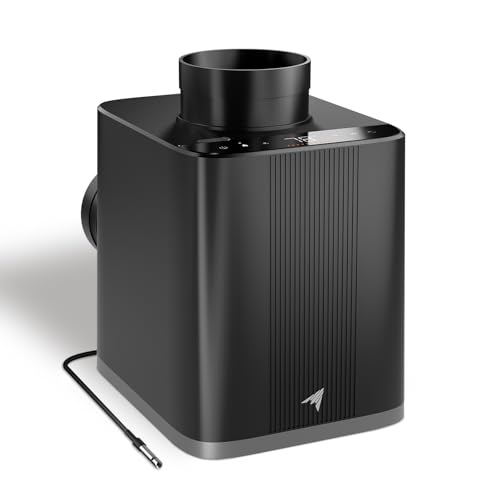
AC Infinity THERMOFORGE T7 Heater
Strengths
- Adaptive AI climate control
- Dual duct configurations
- 1000W with PWM precision
Trade-offs
- Ducting sold separately
- No cooling capability
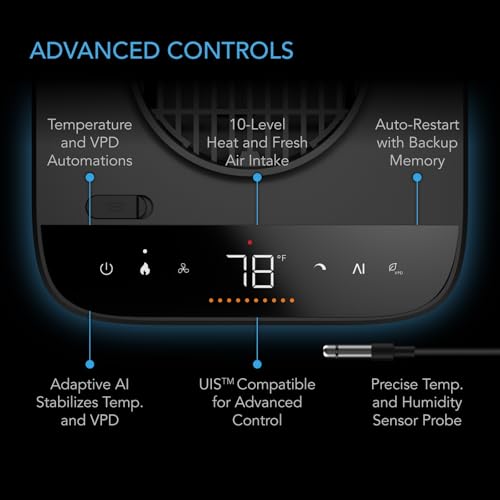
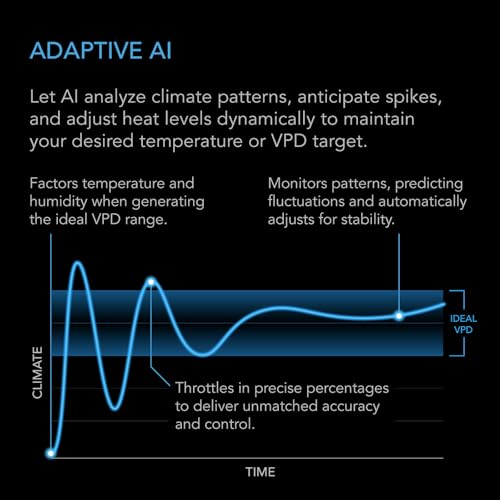
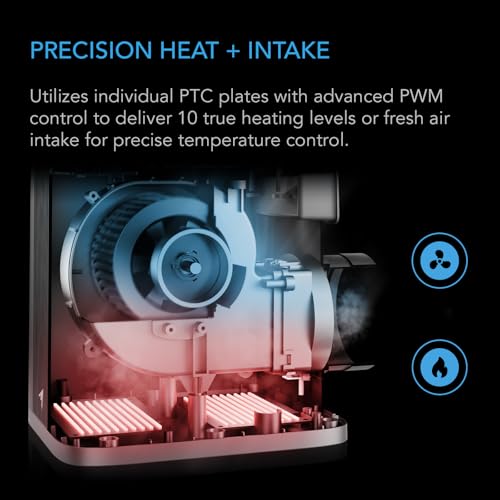
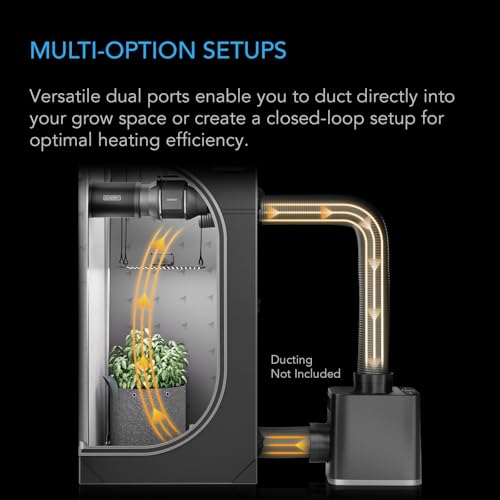
This is my pick for the best overall heater in a grow setup where flexibility matters. The 1000W output is strong, but it’s the adaptive AI and dual-duct design that make it shine. You can duct it for intake, closed-loop heating, or even pair it with exhaust, owners say it integrates smoothly into complex airflow strategies. The VPD programming works similarly to the T3 but with more power and configurability.
Compared to the S7, it adds fresh air intake control and smarter AI tuning, which makes it better for changing environments. It doesn’t cool, so you’ll still need AC in hot climates, but as a dedicated heater with app connectivity and real-time adjustments, it hits a sweet spot. For most serious growers, this is the smarter buy over basic PTC units.
Product photos

AC Infinity THERMOFORGE T3 Heater

Strengths
- Smart VPD integration
- 10-level PWM heating
- Includes sensor probe
Trade-offs
- No cooling function
- Limited to heating only
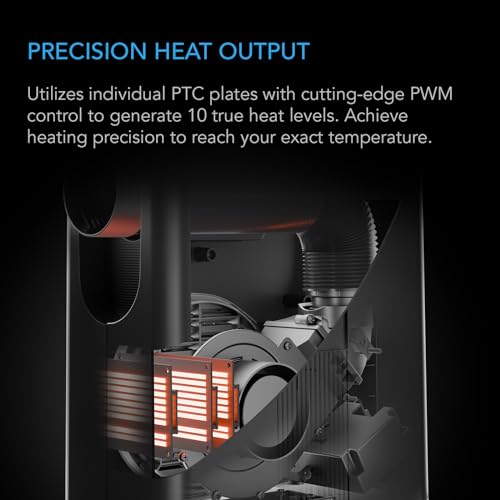
If you’re serious about precision in your grow space but don’t need full climate overhaul, the THERMOFORGE T3 stands out for its smart VPD control and targeted heating. On paper, it’s built specifically for growers who want more than just temperature swings, they want transpiration optimization. The included sensor probe and onboard controller let you set VPD-based triggers, which owners consistently report helps stabilize humidity and heat in tandem, especially during flowering.
The 10-level PTC heating is a step up from basic on/off units, offering PWM modulation that avoids thermal spikes. While it lacks cooling, pairing it with a separate dehumidifier or inline fan makes sense for mid-sized tents. Compared to simpler heaters, this one’s a specialist, not overkill if you’re already tracking VPD, but maybe too niche for casual growers.
Product photos



AC Infinity THERMOFORGE S7 Heater
Strengths
- 1000W dual-duct heating
- ETL certified safety
- PWM precision control
Trade-offs
- No adaptive AI
- Ducting not included
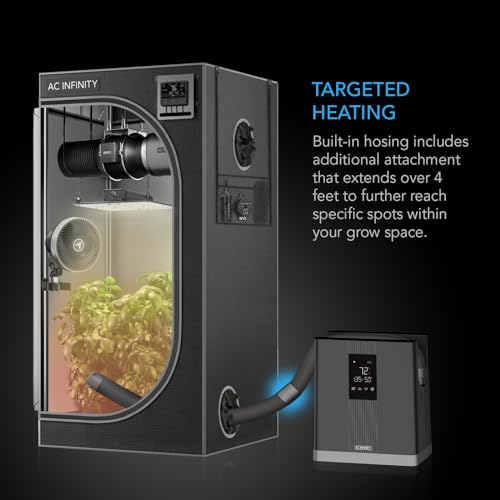
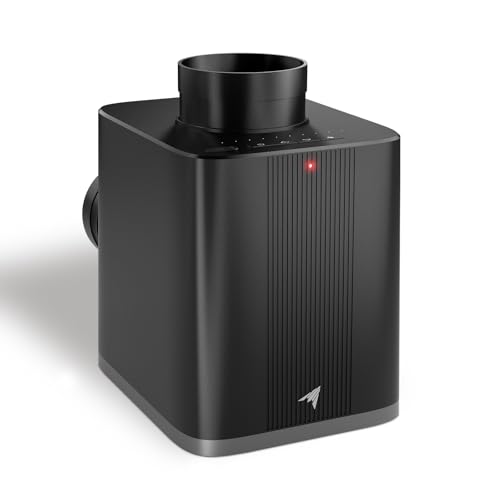
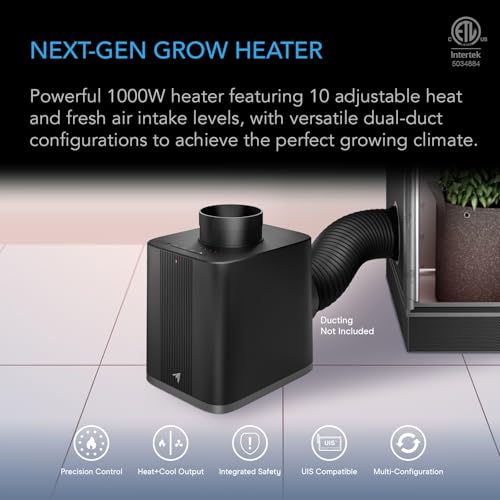
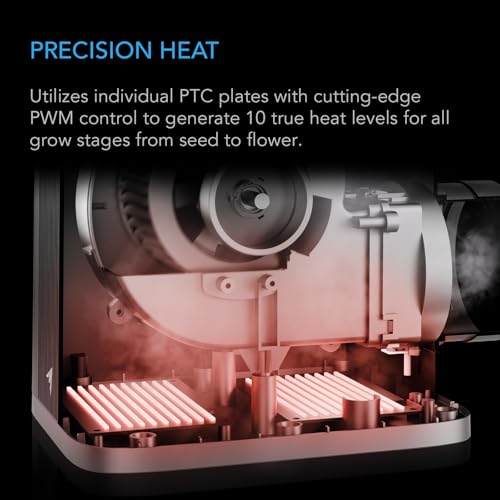
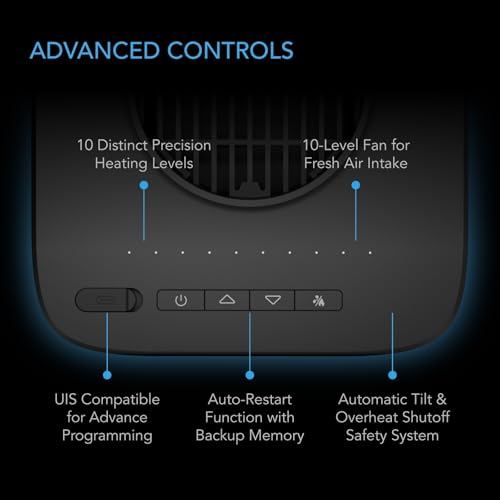
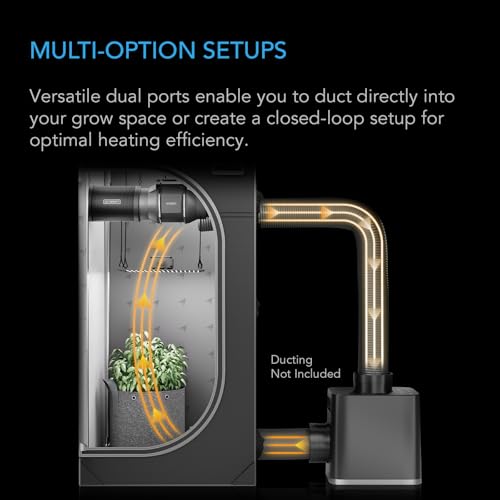
Built for larger grow tents, the S7 puts out 1000W of PTC heat with the same dual-duct flexibility as the T7, but without the adaptive AI. That means you still get 10-level PWM control and the ability to duct for intake or closed-loop heating, but you’re managing more of the tuning yourself. Owners appreciate the ETL certification and safety features, especially in unattended grows.
It’s a powerhouse, but it’s also a bit of a specialist, great if you’re building a custom airflow system and want reliable, controllable heat. Against the T7, it’s less automated; against budget units, it’s overqualified. Still, for large spaces where steady, directed heat matters, it’s one of the few that can keep up.
Product photos

Greenhouse Heater 1500W with Thermostat
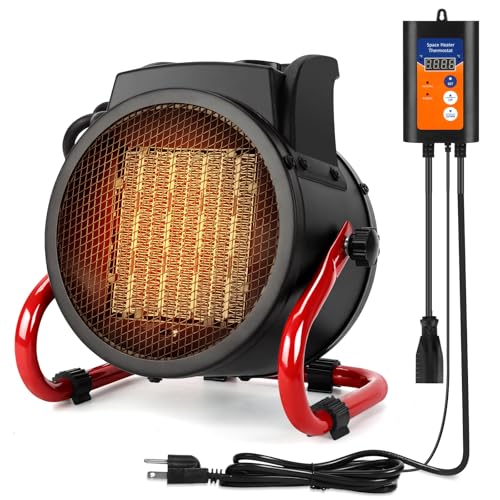
Strengths
- Digital thermostat control
- 3 power modes
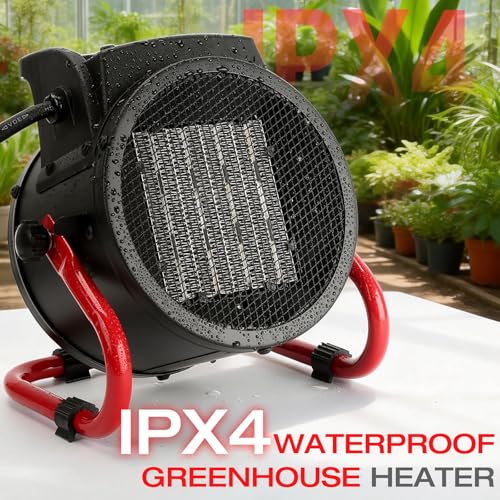
- IPX4 splash resistant
Trade-offs
- No app or smart features
- Bulkier than portable models
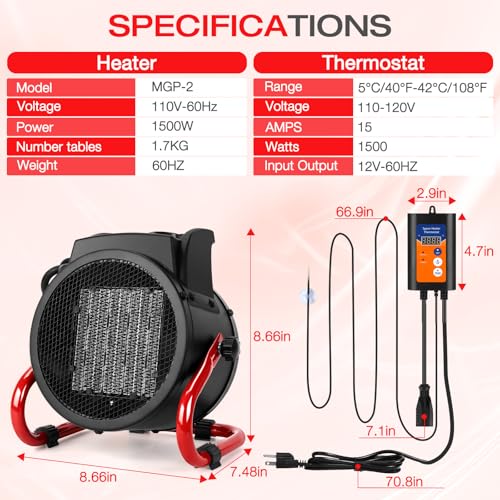
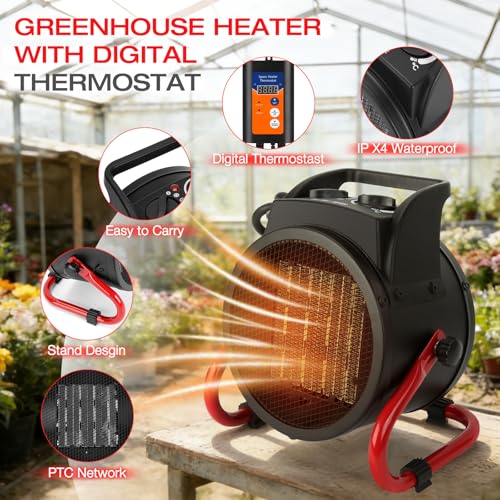
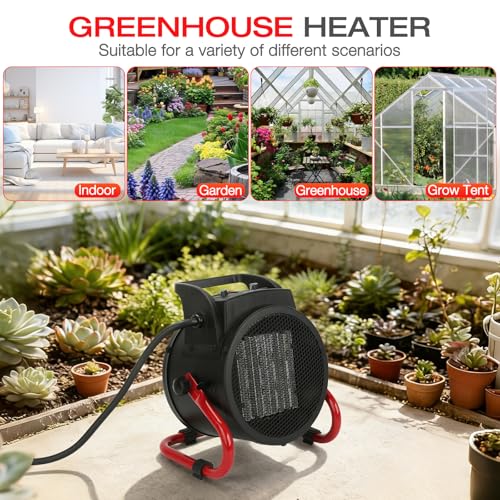
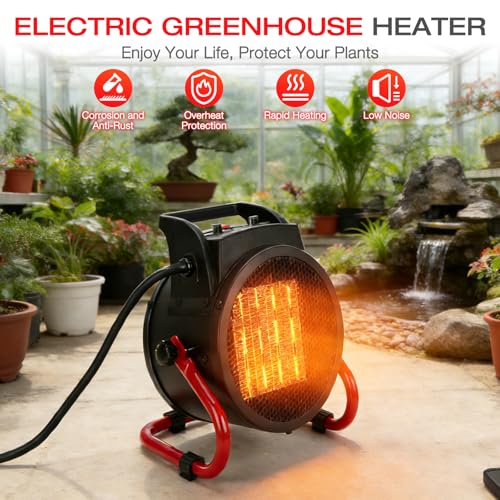
This 1500W heater is a budget workhorse, solid build, stainless steel housing, and a digital thermostat that actually holds steady, according to owners. The three modes (1500W, 750W, 20W) let you scale output for day/night swings, and the IPX4 rating means it can handle splashes in humid greenhouses. It’s not smart, but the plug-and-play setup makes it accessible for beginners.
Compared to the VEVOR, it’s slightly heavier but quieter and better built. The thermostat is more accurate than most in this range, and the 215 sq ft coverage is realistic under normal conditions. It won’t replace a climate controller, but for someone keeping a small tent warm in winter or protecting plants during cold snaps, it gets the job done without fuss.
Product photos
VIVOSUN AeroFlux Smart Grow Heater
Strengths
- App-based VPD control
- Compact and quiet
- Recipe automation
Trade-offs
- Lower wattage output
- No fresh air intake
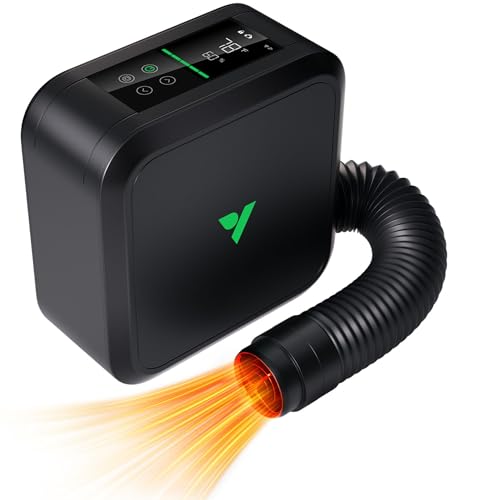
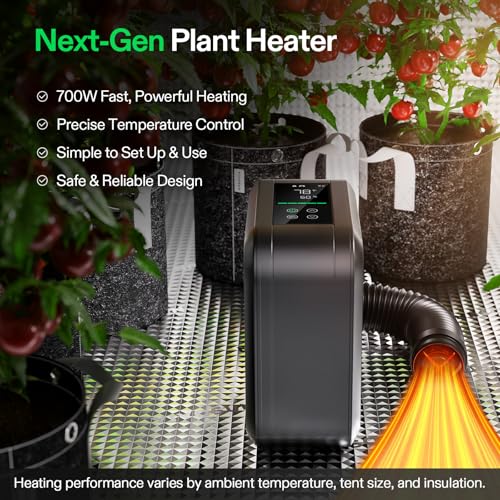
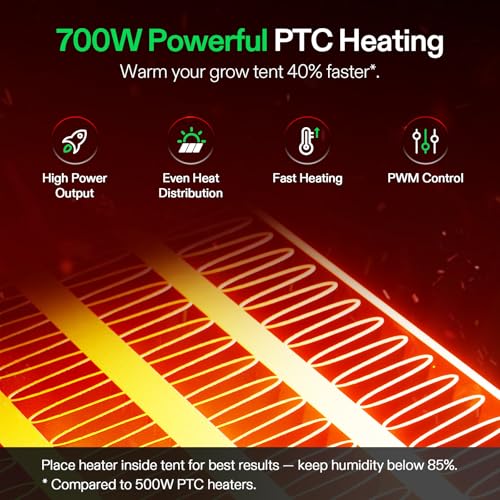
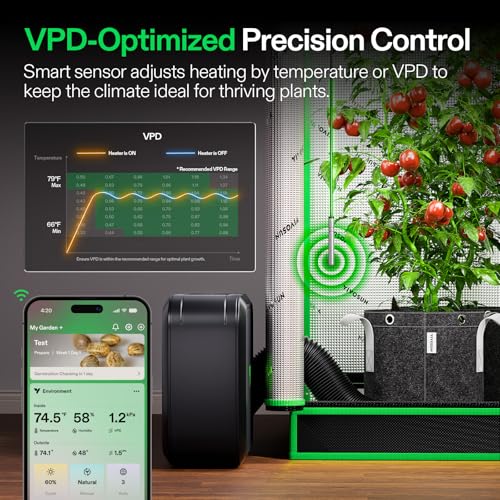
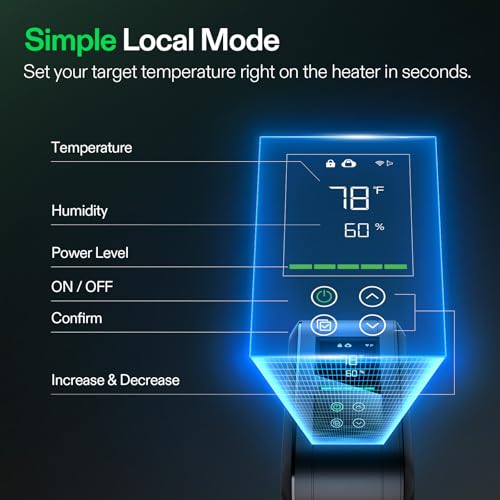
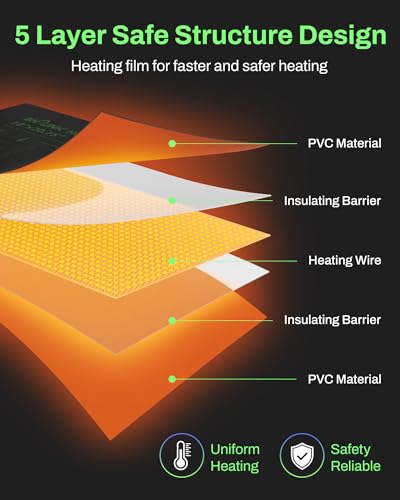
Where this heater wins is app control and compact design, 700W of PTC heat with real-time VPD tracking and a sleek body that fits tight spaces. The AeroFlux uses PWM to offer five heat levels, and owners say the app makes fine-tuning temperature and day/night cycles surprisingly easy. The “Recipe” feature is a nice touch, letting you automate climate shifts based on growth phase.
It’s not the most powerful, best for tents under 4×4, but for urban growers or stealth setups, the quiet operation and small footprint are huge. Compared to the T3, it lacks a wired probe but makes up for it with cleaner UI and better mobile feedback. If you want smart features without complexity, this is a strong contender.
Product photos

BN-LINK Seedling Heat Mat 2 Pack

Strengths
- Optimal germination range
- Waterproof and safe
- Low energy use
Trade-offs
- Small coverage area
- Only for seedlings
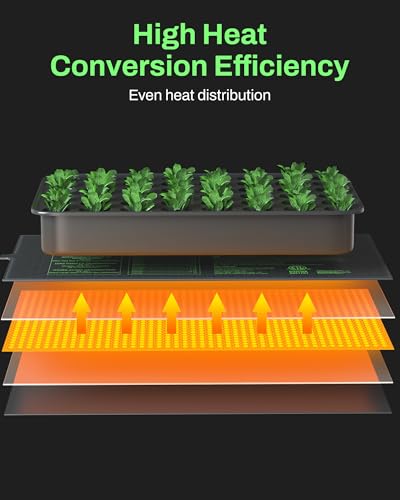
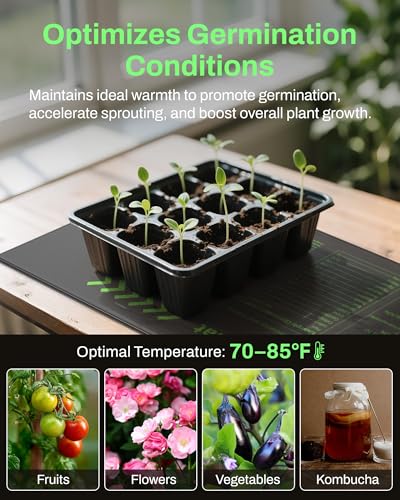
When it comes to starting seeds, nothing beats a good heat mat, and this 2-pack from BN-LINK delivers consistent, low-wattage warmth exactly where it’s needed. The 70°F to 85°F range is ideal for germination, and the far-infrared tech avoids hot spots that can fry delicate roots. Owners consistently report faster sprouting and stronger early growth, especially with tomatoes, peppers, and cannabis clones.
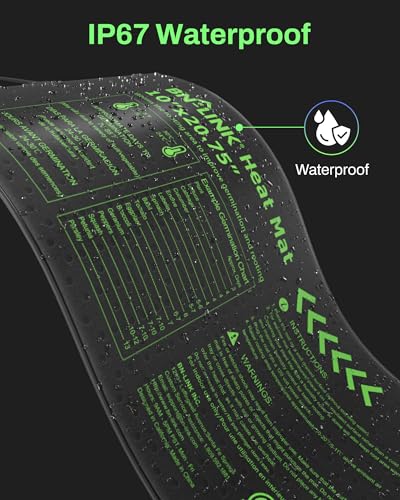
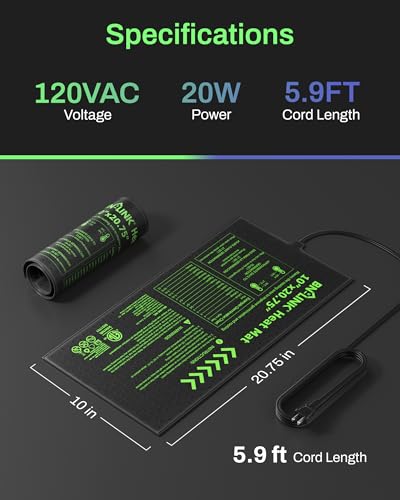
It’s simple, yes, just plug it in and place trays on top, but that simplicity is the point. The IP67 waterproof rating means spills won’t kill it, and the 20W draw is negligible on energy bills. Compared to full-space heaters, this is hyper-focused: it heats the tray, not the room. For any grower starting from seed, it’s essential.
Product photos
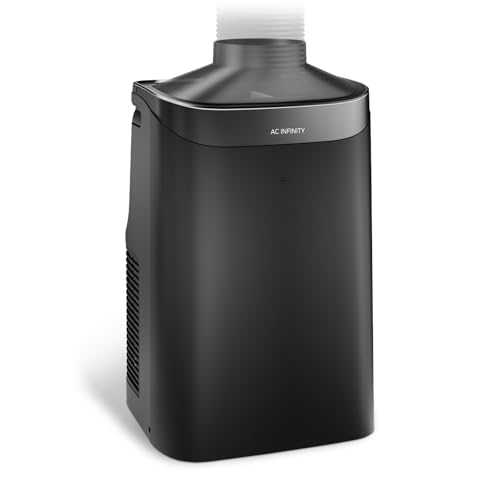
AC Infinity TERRAFORM 8 Climate Unit
Strengths
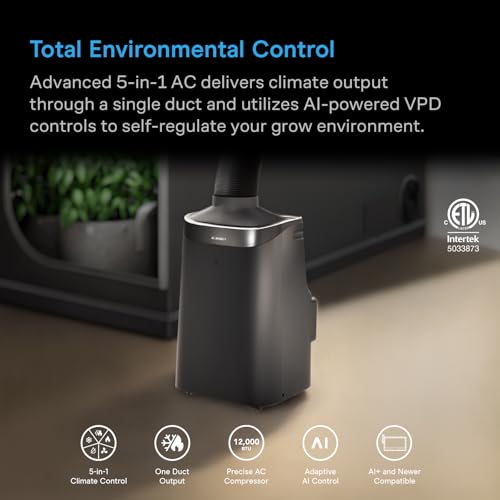
- All-in-one climate control
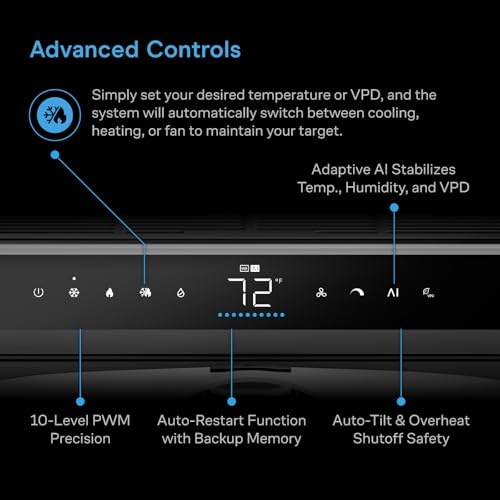
- AI auto-switching modes
- Self-evaporative design
Trade-offs
- Higher initial cost
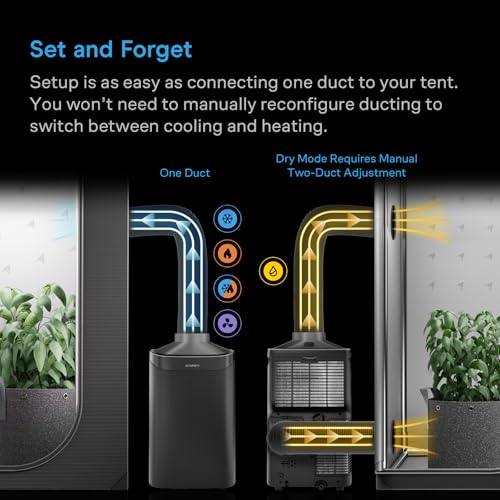
- Drying mode requires two ducts
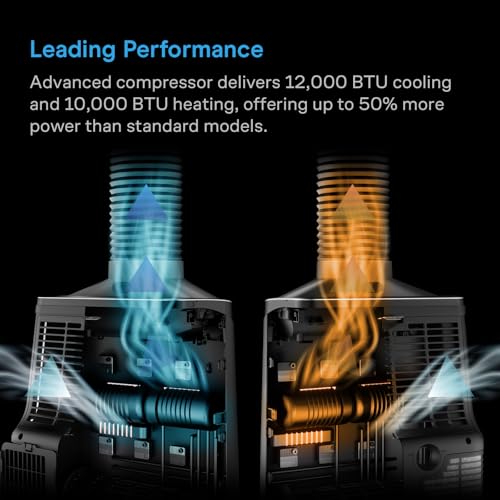
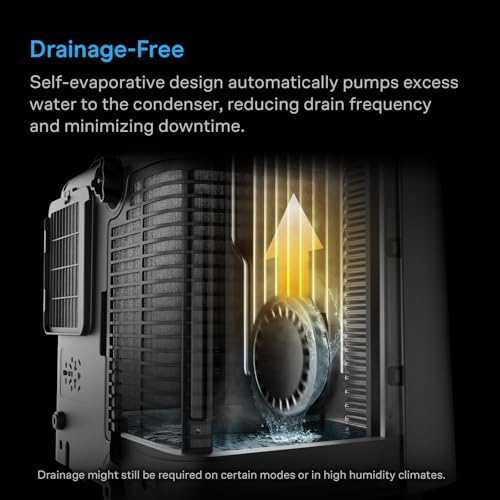
This is the closest thing to a true climate brain for a grow tent, 12000 BTU of cooling and heating, AI-driven switching, and a single-duct setup that simplifies what’s usually a messy installation. The self-evaporative design is a big win; owners praise how rarely it needs draining compared to other dehumidifying units. Set your target temperature or VPD, and the system dynamically shifts between cooling, heating, and fan modes, no manual intervention.
It’s not cheap, but for anyone battling heat spikes in summer or humidity crashes in winter, this does what ten separate gadgets claim to. The WiFi integration with AC Infinity’s app delivers real value: alerts, logs, and automations that feel like having a greenhouse assistant. Against competitors, it’s more refined than DIY splits and far smarter than basic heaters.
Product photos
VEVOR 1500W PTC Greenhouse Heater

Strengths
- Ultra-portable design
- 1500W with 3-speed fan
- Low price point
Trade-offs
- No smart controls
- Audible fan noise
- Manual adjustment only
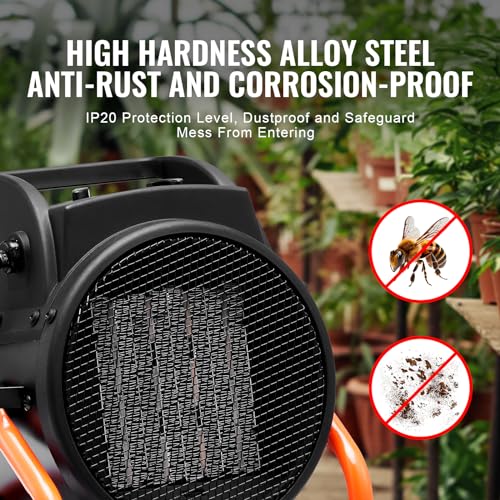
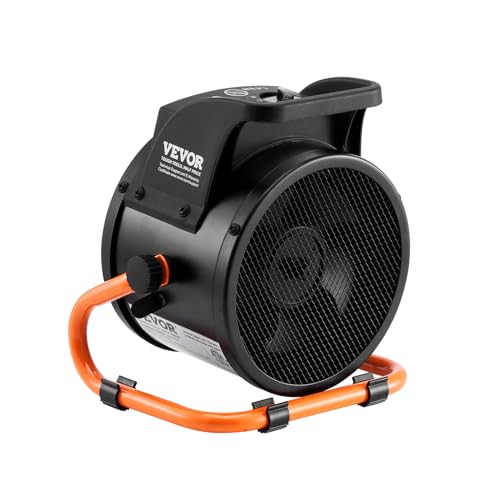
It’s hard to ignore how portable and versatile this little heater is. At 1500W and under 5 pounds, it’s clearly built for mobility, owners love moving it between tents, rooms, or even using it in workshops. The 3-second PTC heat and three-speed fan make it responsive, and the IP20 rating gives basic protection in humid spaces. But don’t mistake it for a precision tool; this is a general-purpose heater with manual controls and no smart features.
It runs hot and loud on high, and while the BTU output looks good on paper, it lacks fine control. Compared to app-enabled models, it’s a step back in tech, but for someone rotating grows or using multiple small spaces, that portability wins. Just don’t expect VPD tracking or automation.
Product photos



How We Evaluated heaters for grow tents
Rather than a hands-on lab test, my research for these recommendations was a detailed comparison of published specifications and features across numerous models. I weighed owner reviews from multiple retailers alongside expert assessments from horticultural publications and growing forums. My evaluation focused on identifying heaters that consistently delivered on performance claims and addressed the unique demands of a grow tent environment. This involved applying my understanding of plant physiology and climate control principles.
For grow tent heaters, consistent temperature and humidity control, alongside safety features, were paramount. I prioritized heaters offering precise temperature settings and, increasingly, VPD (vapor pressure deficit) control, as these directly impact plant health and yield. The ability to efficiently heat a closed space, without creating hot spots or safety hazards, determined the top rankings. Power output and energy efficiency were also key considerations.
Specifications reliably indicate a heater’s raw power and physical dimensions, but I placed greater emphasis on owner feedback regarding real-world performance and longevity. Reputation matters significantly in this category, particularly concerning safety and build quality. I looked for consistent reports of reliable operation and minimal issues with overheating or electrical faults. Understanding heater safety in tents is also crucial when considering these devices.
How To Choose The heaters for grow tents
Finding the right heater for your grow tent is crucial for consistent yields and healthy plants. It’s about more than just wattage; it’s about precision, safety, and matching the heater to your specific tent size and plant needs.
A quality grow tent heater delivers consistent, controlled warmth without posing a fire risk. Key features include adjustable thermostats, multiple heat settings, safety certifications (like ETL), and the ability to integrate with climate controllers for automated operation. Consider the tent’s volume, insulation, and the plants’ ideal temperature range when selecting a model.
Wattage and Tent Size
Determining the right wattage is the first step. Too little, and your plants will suffer in cold temperatures; too much, and you risk stressing them with excessive heat. A general rule is 5-10 watts per cubic foot of tent space, but this varies depending on your ambient room temperature and the tent’s insulation. Don’t automatically assume bigger is better. A smaller, more controllable heater is often preferable to a high-wattage unit you’re constantly trying to dial down. If you’re also looking at ways to stay warm when camping, consider checking out resources on warming a tent in winter.
Control Systems and Automation
Basic heaters offer simple on/off switches and maybe a few heat settings. But for serious growers, smart control is where it’s at. Look for heaters with onboard controllers allowing you to set temperature and VPD (vapor pressure deficit) triggers. Even better are models that integrate with a WiFi-enabled controller, like those from AC Infinity, letting you monitor and adjust conditions remotely via an app.
Here’s what to consider when evaluating control options: * Simple on/off: Basic and affordable, but requires manual monitoring. * Adjustable thermostat: Offers more precision than on/off, but still requires frequent checks. * Smart control with VPD/temperature triggers and app connectivity: Provides the highest level of automation and control, allowing for precise climate management and remote monitoring – though it comes at a higher price point.
Don’t skimp on safety features. A heater operating unattended in a grow tent must have overheat protection and ideally a tip-over shutoff.
Value, Features, and Long-Term Use
Beyond the core heating function, consider the extra features and build quality. Some heaters, like the VEVOR 1500W PTC model, offer both heating and cooling modes, increasing their versatility. Others, such as the Greenhouse Heater 1500W, focus on affordability without sacrificing essential features. The BN-LINK Seedling Heat Mat is a perfect example for those focusing on seed starting, and is a great starting point for any indoor grower. If you’re building a more elaborate setup, explore best heating solutions for grow tents and consider all of the grow tent heater models currently available. Don’t forget to think about long-term durability, too. A heater made with quality materials and robust construction will save you money in the long run.
Heaters for Grow Tents Compared
This table provides a specification comparison of various heaters designed for use in grow tents.
| Product Name | Wattage | Smart Control | Max Area (sq ft) | Temp. Range (°F) | Features |
|---|---|---|---|---|---|
| AC Infinity THERMOFORGE T7 Heater | 1000 | Yes | N/A | N/A | AI Control |
| AC Infinity THERMOFORGE T3 Heater | N/A | Yes | N/A | N/A | Onboard Controller |
| AC Infinity THERMOFORGE S7 Heater | 1000 | Yes | N/A | N/A | ETL Certified |
| Greenhouse Heater 1500W | 1500 | No | 215 | 40-108 | 3 Power Modes |
| VIVOSUN AeroFlux Smart Grow Heater | 700 | Yes | N/A | N/A | App Control |
| BN-LINK Seedling Heat Mat 2 Pack | 20 | No | N/A | 70-85 | Waterproof |
| AC Infinity TERRAFORM 8 | N/A | Yes | N/A | N/A | All-in-One |
| VEVOR 1500W PTC Greenhouse Heater | 1500 | No | N/A | N/A | PTC Heating |
Frequently Asked Questions
What wattage heater do I really need for a 4×4 grow tent?
Around 800-1200 watts is generally sufficient for a 4×4 grow tent, assuming moderate ambient room temperatures and decent tent insulation. This provides roughly 5-7 watts per cubic foot, which is a good starting point for maintaining consistent temperatures.
Can I use a space heater in my grow tent?
While possible, it’s not recommended. Standard space heaters often lack the precise temperature control and safety certifications needed for a grow tent environment, potentially leading to temperature fluctuations or fire hazards.
What’s the difference between PTC and ceramic heaters for grow tents?
PTC (Positive Temperature Coefficient) heaters are more efficient and offer more precise temperature control than ceramic heaters. They self-regulate to prevent overheating, making them a safer and more stable option for the enclosed space of a grow tent.
How important is a smart controller for a grow tent heater?
A smart controller significantly improves climate management by allowing remote monitoring and automated adjustments based on temperature or VPD triggers. This level of control can optimize plant growth and reduce the need for constant manual intervention.
What other equipment should I consider alongside a grow tent heater to maintain a stable environment?
Beyond a heater, you should also invest in grow tent circulation fans to distribute heat evenly and prevent hot spots. Adequate ventilation and a reliable humidity control system are also essential for creating optimal growing conditions; you can find more information about grow tent airflow solutions.
The Bottom Line
Choosing a grow tent heater often comes down to balancing precise control with budget and simplicity. While sophisticated options exist, the AC Infinity THERMOFORGE T7 Heater stands out as the most well-rounded choice, offering smart control and consistent performance that serious growers will appreciate. It delivers the features needed to maintain optimal conditions without constant manual adjustments.
For those on a tighter budget, or just starting out, the Greenhouse Heater 1500W provides a reliable and affordable solution. If you’re focused on seedlings and early-stage growth, the BN-LINK Seedling Heat Mat 2 Pack is an excellent, cost-effective option. And if you’re concerned about Mr Heater Buddy safety, remember to carefully assess the risks and prioritize safety certifications.
Ultimately, the wattage and control system matter less than consistently monitoring your grow tent’s environment. Focus on maintaining stable temperatures and humidity levels, and remember that a healthy VPD is more important than any single heater specification. Prioritize safety, and invest in a reliable thermostat – those are the fundamentals of a successful grow.
