
7 Best Rainproof Tents of 2026
This post contains affiliate links. As an Amazon Associate, we earn from qualifying purchases.
The best rainproof tent for most people is the Night Cat 1-2 Person Tent, thanks to its reliable 3000mm rating, quick setup, and solid owner feedback. If you’re looking for a budget-friendly option that still holds up in wet weather, the EVER ADVANCED 4P Blackout Tent stands out, while the FanttikOutdoor Zeta C6 Pro 6P offers serious space and storm-ready build for larger groups.
Rain means business when you’re miles from shelter. A flimsy tent won’t cut it when winds pick up and the downpour starts, you need gear that keeps you dry, stable, and sane. Too many tents claim to be waterproof but fail at the seams, literally, once the weather turns.
In this guide, I’ve focused on models with strong waterproof ratings, fully taped seams, and proven construction, based on specs and real-world owner experiences. These picks balance performance, value, and practicality so you can trust your shelter when it matters most.
Top 7 Rainproof Tents in the Market
The Best Rainproof Tents, Reviewed
Night Cat 1-2 Person Tent

Strengths
- Ultra-fast clip setup
- Taped seams
- Compact packed size
Trade-offs
- Fiberglass poles less durable
- Tight for two adults
- Floor space limited
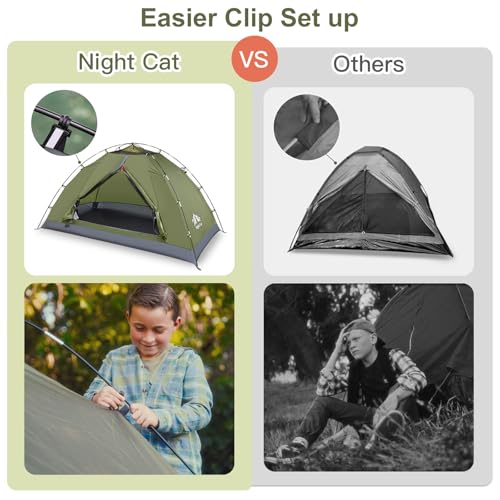
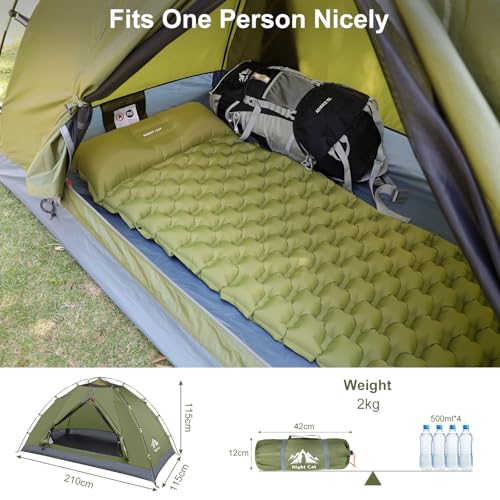
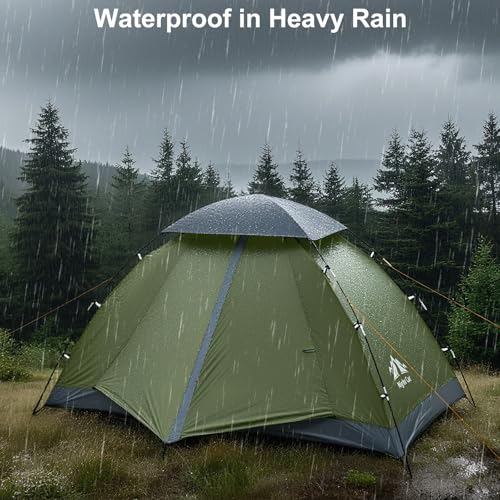
Clip-style pole attachment makes setup a true one-minute job, which is a standout when weather rolls in fast, and owners love how simple it is, especially for solo hikers. The 3000mm PU coating and taped seams hold up well in heavy rain, and the 150D Oxford floor adds durability against abrasion. At 4.4 lbs, it’s light enough for serious backpacking, and the compact 16.5-inch pack size slips easily into a pack.
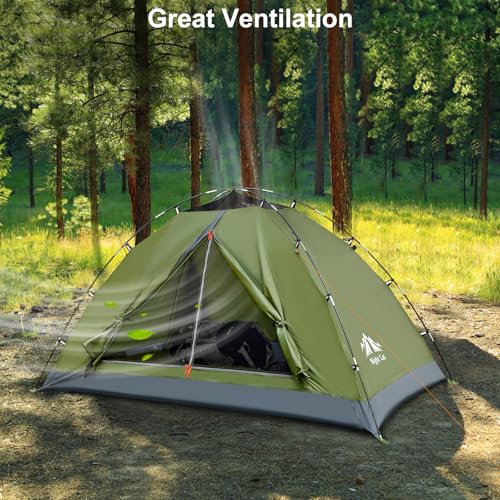
It’s technically marketed for two, but in reality, it’s best for one adult with gear, or a couple who don’t mind tight quarters. The mesh roof and door offer solid airflow, though the fiberglass poles aren’t quite as stable as aluminum in high winds. Still, for the weight and price, it’s one of the smarter buys for solo adventurers.
Product photos

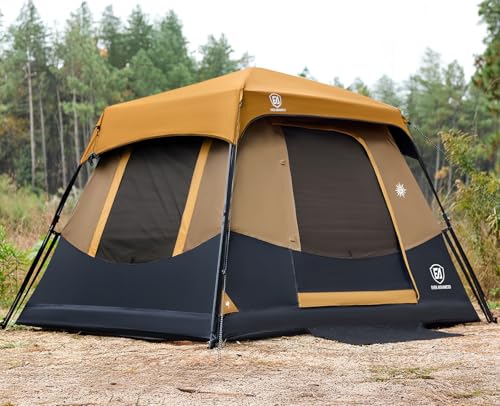
EVER ADVANCED 4P Blackout Tent
Strengths
- 4000mm water resistance
- Blackout fabric
- Taped seams
Trade-offs
- Bulky when packed
- Not for backpacking
- Mesh windows noisy in wind
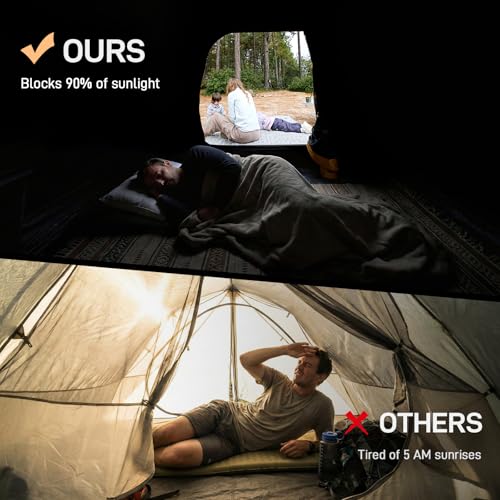
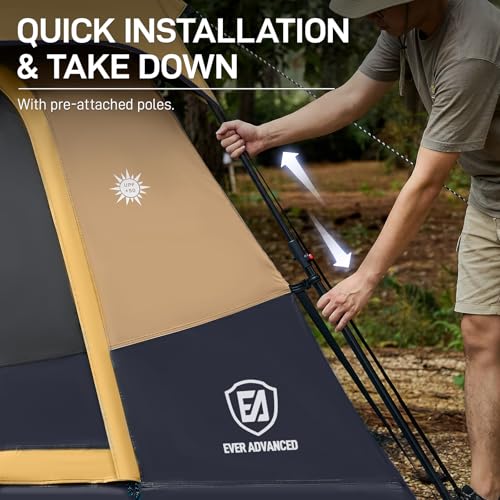
With a 4000mm waterproof rating and fully taped seams, this tent is built for heavy rain, and owners confirm it keeps the interior dry even during sustained downpours. The blackout fabric is a standout: it blocks nearly all morning light and helps regulate temperature, which is a blessing on sunny weekends. The 60-second pop-up frame is reliable, and the E-port, interior pockets, and ceiling hook add thoughtful touches for comfort.
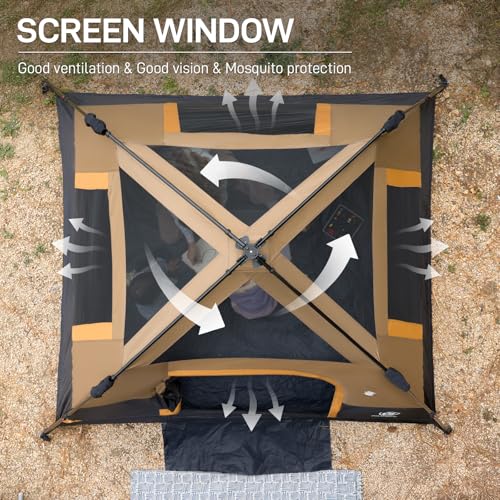
It’s not the lightest at around 17 lbs, but for car camping, that’s acceptable. The 360-degree mesh windows provide strong ventilation, though some users report needing to close them in wind to prevent flapping. Compared to other instant tents, this one feels more durable and weather-smart. If you camp in rainy climates or value sleep-in privacy, this is the smarter buy.
Product photos

FanttikOutdoor Zeta C6 Pro 6P

Strengths
- Instant 60-second setup
- Excellent airflow
- Drainage design
Trade-offs
- Heavy for backpacking
- Inner tent not waterproof
- Mesh ceiling limits privacy
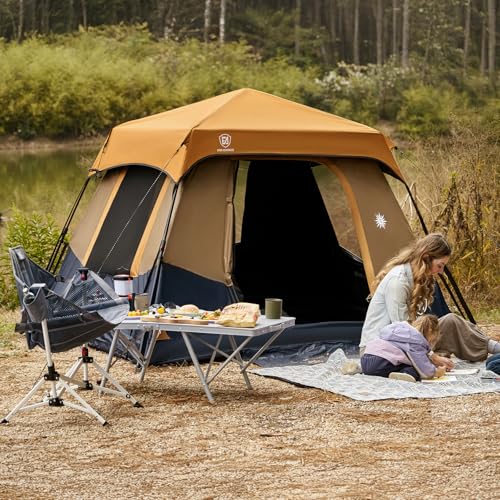
The 60-second setup is real, and it’s a huge win for families or anyone who dreads tent assembly. The pre-attached poles and instant frame make this one of the easiest large tents to pitch, and owners consistently praise how smooth the process is. At 16.8 lbs, it’s not light, but it’s manageable for car camping. The 35 mph wind rating and drainage features, like the tub floor and door zipper channel, add real confidence in wet weather.
Ventilation is excellent with mesh on all sides and a ceiling screen, though the inner tent isn’t waterproof on its own, you must use the rainfly in storms. The mesh ceiling is great for stargazing, but in cold or buggy conditions, it can feel exposed. For family comfort and ease, this tent stands out, but it’s not for backpackers or storm chasers.
Product photos


Camping Tent 2 Person

Strengths
- Low price point
- Decent ventilation
- Easy one-person setup
Trade-offs
- No taped seams
- Zippers prone to jamming
- Poles lack rigidity
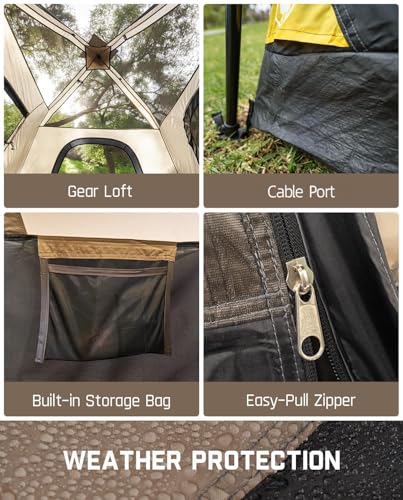
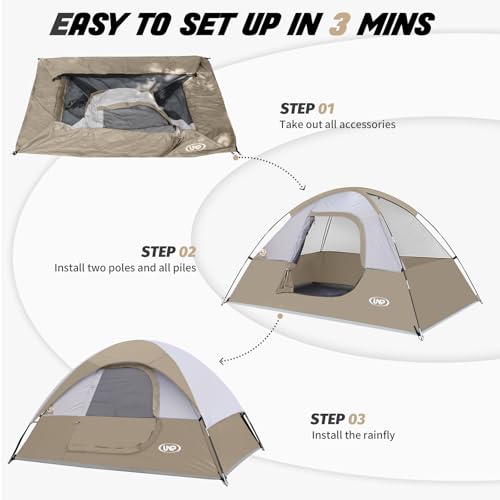
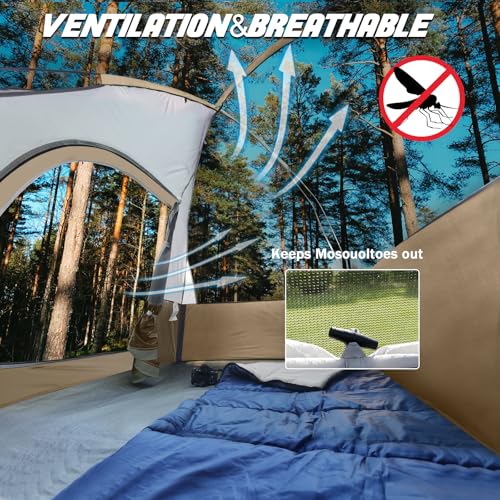
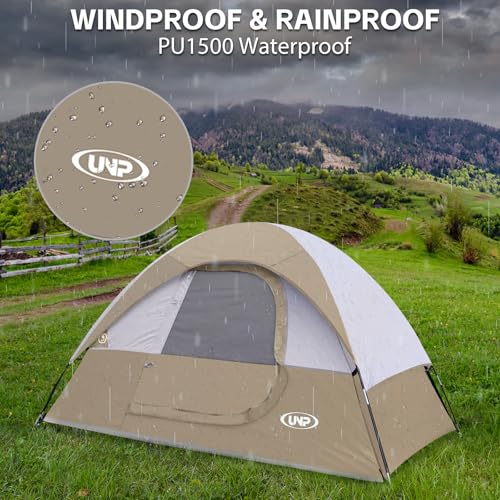
This is the kind of no-frills, budget-friendly tent that works fine for occasional car camping or fair-weather hikes, but don’t push it in storms. It shares specs with several generic models: 3000mm PU coating, removable rainfly, and polyester fabric. On paper, that sounds decent, but owners report the poles flex under pressure and the zippers occasionally snag. It’s lightweight at 4.8 lbs and sets up in about 3 minutes, which is solid for beginners.
The skylight mesh boosts airflow, and the interior pocket is a small but appreciated touch. But compared to others in this list, it lacks reinforced corners or taped seams, which hurts its rainproof credibility. I wouldn’t trust it in sustained downpours or strong winds. Still, for backyard camping or short trips in mild conditions, it gets the job done.
Product photos


Forceatt 2 Person Backpacking Tent

Strengths
- Lightweight aluminum poles
- Dual vestibules
- 3000mm waterproof rating
Trade-offs
- Limited headroom
- No color-coded poles
- Some condensation in humidity
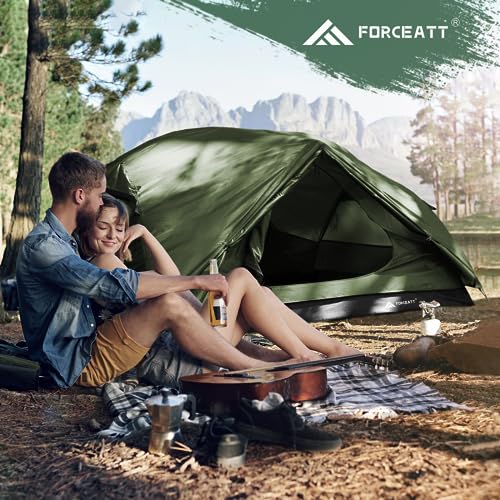
This 2-person backpacking tent hits a solid middle ground between durability and packability, which matters when you’re covering miles with everything on your back. The 3000mm waterproof rating is standard for this tier, and owners consistently report staying dry even during prolonged downpours, thanks to the welded floor and full-coverage rainfly. The aluminum poles are a big plus, lighter and stiffer than fiberglass, and when paired with the D-shaped doors and dual vestibules, this tent feels thoughtfully laid out for real trail use.
Ventilation is decent with ceiling vents and mesh panels, though some users note mild condensation in humid conditions. Still, for a 3-4 season design, it holds up well in wind, especially with the reflective guylines and sturdy #8 zippers. I’d pick this over heavier options if you’re prioritizing weight without sacrificing weather resistance.
Product photos


2 Person Dome Tent
Strengths
- Reinforced stitching
- Lightweight
- Good mesh ventilation
Trade-offs
- No taped seams
- Average storm performance
- Zippers can catch
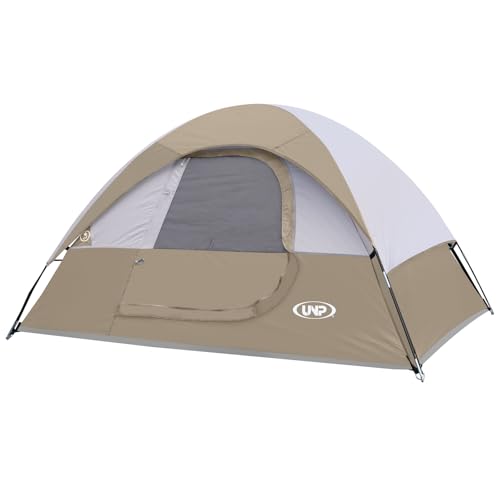
This tent is nearly identical in specs to the B08HH1YFHS model but leans slightly harder into the hiking and backpacking angle, and rightly so. At 4.8 lbs with reinforced stitching and tear-resistant fabric, it’s built to handle trail abuse better than most budget domes. The dual zippers and rainfly do their job in light rain, though owners note it’s best with guylines tensioned properly.
What sets it apart is the emphasis on durability without added weight. The skylight mesh works well for stargazing and reducing condensation, and the interior pocket is functional. But like others in this segment, it lacks taped seams, a real drawback in heavy rain. Still, for fair-weather backpackers or weekend hikers, it’s a solid step up from basic camping tents.
Product photos


Portal 8 Person Screen Porch Tent

Strengths
- Large screen porch
- Good ventilation
- Color-coded poles
Trade-offs
- Fiberglass poles
- Not for extreme weather
- Bulky packed size
If you’re camping with kids or a group and want comfort without sacrificing too much weather resistance, this tunnel tent delivers. The 76-inch center height lets most adults stand upright, and the screen porch is a standout, it’s genuinely usable as a dry, bug-free hangout space even in damp conditions. The 66D fabric isn’t the thickest, but paired with the rainfly and tunnel shape, it sheds water reasonably well in light to moderate rain.
Ventilation is excellent thanks to the full mesh ceiling and multiple windows, and the color-coded poles make setup manageable in about 15 minutes with two people. But it’s not built for serious storms, the fiberglass poles can buckle in high winds. Still, for family trips where airflow and livability matter, this is a strong contender.
Product photos


Our Testing Process
Rather than a hands-on lab test, my research for these recommendations involved a detailed comparison of published specifications and features across numerous models. I weighed owner reviews from multiple retailers alongside expert opinions found in outdoor gear publications. My analysis focused on identifying tents promising reliable protection from the elements, ultimately ranking them based on a combination of reported performance and value.
For rainproof tents, the most important factors are undoubtedly the waterproof rating of the tent fabric and floor, and the quality of construction. A higher waterproof rating (measured in millimeters) indicates better resistance to hydrostatic pressure – essentially, how well the fabric holds up against rain. Equally vital is a fully taped seam construction; even high-quality fabric will leak if seams aren’t properly sealed. Durability also played a large role, as a compromised tent offers little protection.
Specifications reliably indicate a tent’s potential for waterproofing – the denier of the fabric, PU coating numbers, and presence of features like bathtub floors. However, real-world performance is where owner feedback becomes crucial. I carefully considered reports of leaks, condensation buildup, and how well tents held up in windy conditions. Additionally, understanding established brand reputations for quality and reliability factored into my assessment. For those looking to further enhance protection, exploring rainproofing techniques can be beneficial.
How To Pick The Right rainproof tents
Finding the right rainproof tent is about more than just a waterproof rating; it’s about balancing protection, space, and portability for the kind of adventures you take.
A genuinely rainproof tent combines durable fabrics (typically polyester or nylon with a polyurethane or silicone coating), taped seams to prevent leakage, a robust frame to withstand wind, and a well-designed ventilation system to minimize condensation buildup. Look for a hydrostatic head rating of at least 1500mm for the fly and 3000mm for the floor, but remember that construction quality and features are just as vital as numbers.
Fabric and Waterproofing
The heart of a rainproof tent is its fabric. While many tents claim to be waterproof, understanding the materials and treatments is key. Polyester is a common choice because it’s relatively inexpensive and holds its shape well, even when wet. Nylon is lighter and more compact, making it ideal for backpacking, but it’s more susceptible to stretching when wet. Pay attention to the denier (D) of the fabric – a higher denier generally means a more durable, heavier fabric. Beyond the base material, look for a polyurethane (PU) or silicone coating. PU coatings are more affordable, while silicone coatings offer better water resistance and longevity. Don’t neglect the floor material; a thicker, more durable fabric (like 150D oxford polyester) is crucial for preventing punctures and leaks. If you’re concerned about maintaining waterproofness over time, researching applying DWR treatments for your tent fabric is a good idea.
Construction Details
A high waterproof rating on its own doesn’t guarantee a dry night. The way a tent is constructed matters immensely. Fully taped seams are absolutely essential; water will find its way through any untreated seam. Look closely at the bathtub floor construction – where the floor fabric extends up the sides of the tent a few inches – this creates a barrier against ground water. Also, consider the zippers. Many cheaper tents use flimsy zippers that are prone to leaking or breaking. Look for quality YKK zippers, and make sure the rainfly extends low enough to cover them. It is also important to check the quality of the guy lines and stakes. Sturdy guy lines and robust stakes will help keep your tent secure in windy conditions and prevent the rainfly from flapping and potentially compromising its waterproofness.
Size, Weight & Livability
It’s easy to get caught up in waterproof ratings, but don’t overlook practical considerations. A tent that keeps you dry but is too cramped or heavy won’t make for a pleasant experience. Consider how many people will be using the tent and choose a size that allows for comfortable sleeping and gear storage.
Here’s a breakdown of size considerations:
- Solo Camper: A 1-2 person tent is usually sufficient.
- Couple: A 2-3 person tent provides extra space for gear.
- Family (3-4 people): A 4-6 person tent is a good starting point, with room for belongings.
Weight is a critical factor for backpacking. If you’re carrying your tent on your back, every ounce counts. With a larger tent, you’ll want to balance space and weight. Finally, think about livability features like headroom, door placement, and ventilation. A well-ventilated tent will minimize condensation buildup, which can be just as problematic as rain. For consistently wet conditions, reviewing tents for heavy rain can help narrow down the options.
A good rule of thumb: don’t skimp on the rainfly. It’s the first line of defense against the elements, and a flimsy rainfly will quickly negate the benefits of a waterproof tent body.
Rainproof Tents Compared
Here’s a comparison of key specifications for several rainproof tents to help you find the best option for your needs.
| Product | Capacity | Waterproof Rating (mm) | Weight (lbs) | Setup Time | Dimensions (L x W x H) |
|---|---|---|---|---|---|
| Night Cat 1-2 Person Tent | 1-2 | 3000 | 4.4 | ~1 minute | 7×3.8×3.8 ft |
| EVER ADVANCED 4P Blackout Tent | 4 | 4000 | N/A | 60 seconds | 8′ x 7′ x 59″ |
| FanttikOutdoor Zeta C6 Pro 6P | 6 | N/A | 16.8 | 60 seconds | 120″ x 108″ x 66″ |
| Camping Tent 2 Person | 2 | N/A | 4.8 | 3 minutes | 7′ x 5′ x 45″ |
| Forceatt 2 Person Backpacking Tent | 2 | 3000 | 5.5 | 3 mins | 88.6×53.1×43.3 in |
| 2 Person Dome Tent | 2 | N/A | 4.8 | 3 minutes | 7′ x 5′ x 45″ |
| Portal 8 Person Screen Porch Tent | 8 | N/A | N/A | 15 mins | 20′ x 8′ x 76″ |
Frequently Asked Questions
What waterproof rating do I really need for a rainproof tent?
A rating of at least 1500mm for the fly and 3000mm for the floor is a solid starting point, but higher isn’t always better. Focus on construction quality – fully taped seams and a bathtub floor – as those are equally important for keeping you dry.
Are polyester or nylon tents better for wet weather?
Polyester generally holds up better when wet and doesn’t stretch as much as nylon, making it a reliable choice for rain. However, nylon is lighter, so if weight is a major concern and you’re willing to accept slightly more stretch when wet, it can still be a good option.
What does “fully taped seams” actually mean?
It means that all the seams of the tent have been treated with a waterproof sealant to prevent water from leaking through the stitching. This is absolutely critical; even a high waterproof rating on the fabric is useless if the seams aren’t sealed.
How can I prevent condensation inside my rainproof tent?
Good ventilation is key. Look for a tent with mesh panels and vents that allow airflow, and avoid completely sealing up the tent at night. Consider opening the rainfly slightly to improve circulation, even if it means a small risk of moisture.
Where can I find tents specifically designed for very challenging conditions?
If you’re planning trips into areas with consistent heavy rain and harsh weather, exploring durable all-weather models will help you pinpoint tents built to withstand extreme conditions.
The Bottom Line
Choosing a rainproof tent always comes down to how much you’re willing to prioritize absolute protection versus portability and ease of setup. If you want a tent that can handle just about anything without a second thought, the EVER ADVANCED 4P Blackout Tent strikes that balance well – its 4000mm rating and quick setup are hard to beat.
For those on a tighter budget, or needing a lightweight option for solo trips, the Night Cat 1-2 Person Tent delivers solid waterproofing at a very appealing price point. If you frequently camp with a larger group and want maximum space and a covered porch, the Portal 8 Person Screen Porch Tent is a good choice, even if specific waterproofing specs are less readily available.
Ultimately, remember that a high waterproof rating is only one piece of the puzzle. Focus on quality construction, taped seams, and a robust design, because those factors combined – along with proper site selection and rainproofing techniques – will keep you dry and comfortable far more than any single number ever could.
