
8 Best Screen Tents for Bugs 2026
This post contains affiliate links. As an Amazon Associate, we earn from qualifying purchases.
The VEVOR 10×10 FT Pop-Up Gazebo Screen Tent is the best overall for keeping bugs out, thanks to its all-steel frame and fine mesh that holds up in wind. For a budget-friendly option, the East Oak 6×6 FT Instant Screen Gazebo offers solid protection and stability without the high price. If you want something ultra-convenient, the EVER ADVANCED 11x9ft Magnetic Screen House stands out with hands-free entry and roomy space.
If you’ve ever settled into a camp chair only to be driven inside by clouds of mosquitoes, you know how critical a reliable screen tent is. A flimsy or poorly designed one won’t cut it when bugs are aggressive or the wind picks up.
I researched the top screen tents by comparing specs, analyzing owner feedback, and evaluating build quality to find models that actually deliver on bug protection and durability. This guide cuts through the hype to show you which ones are built to last, easy to set up, and worth your hard-earned money.
Top 8 Screen Tents For Bugs in the Market
The Best Screen Tents For Bugs, Reviewed
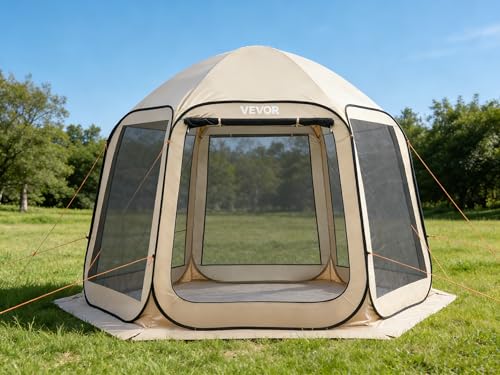
VEVOR 10×9.2 FT Pop-Up Screen Room
Strengths
- Spacious 8-person capacity
- Sturdy hybrid frame
- Includes full accessory kit
Trade-offs
- Bulkier carry bag
- Awning limits rear access
- Slightly awkward folding
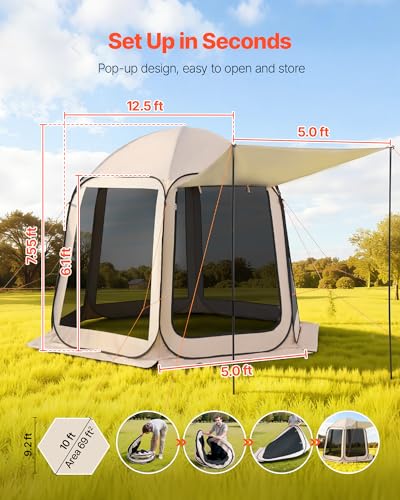
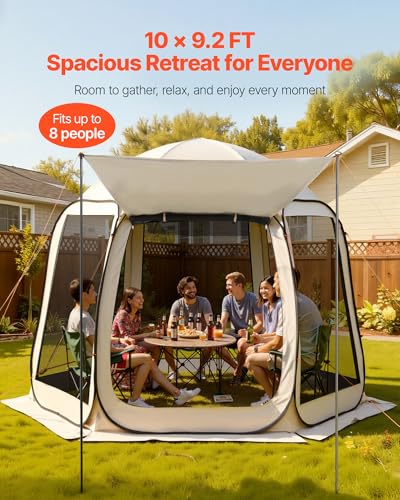
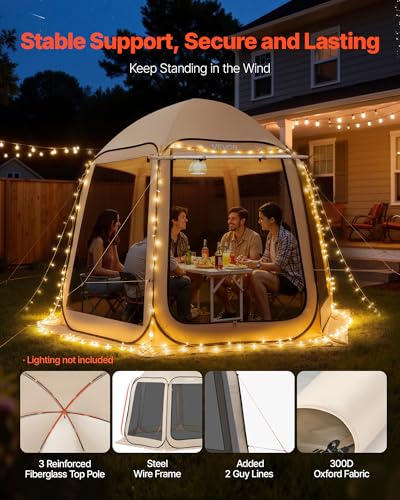
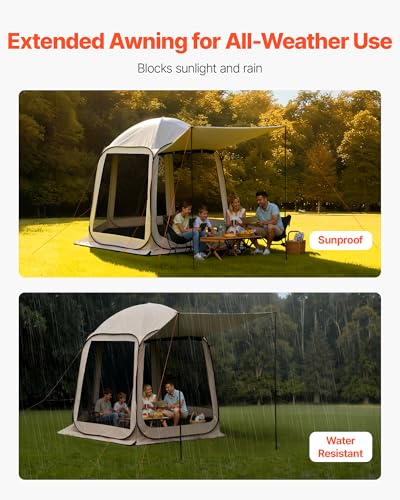
This is the most complete package in the lineup, roomy, stable, and loaded with thoughtful features. The 10×9.2ft size fits 8 people comfortably, and the awning adds usable shaded space. With reinforced steel and fiberglass poles, plus stakes, ropes, and guy lines, it’s built to handle real outdoor conditions.
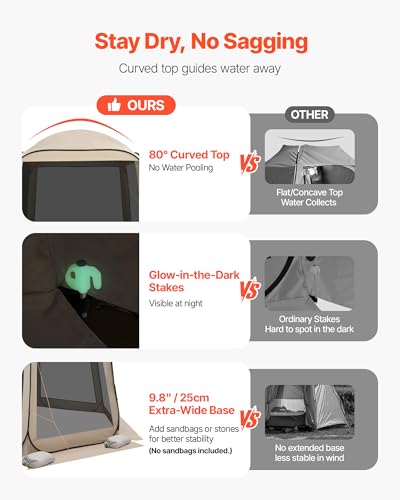
Reviewers note it performs well in wind, and the 300D Oxford canopy with UPF50+ and waterproofing means it shrugs off light rain. The high-density mesh keeps bugs out effectively. While the East Oak 10×10 is close, this one edges ahead with better accessories and a slightly more versatile layout. My pick for best overall, especially for group camping or backyard events.
Product photos
East Oak 10×10 FT Pop Up Screen Tent

Strengths
- Reinforced steel frame
- UPF50+ protection
- Dual-side zippers
Trade-offs
- Heavier than average
- Not ultra-compact
- Stakes could be stronger
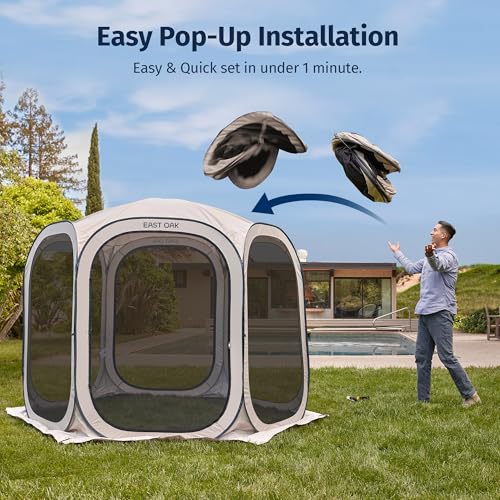
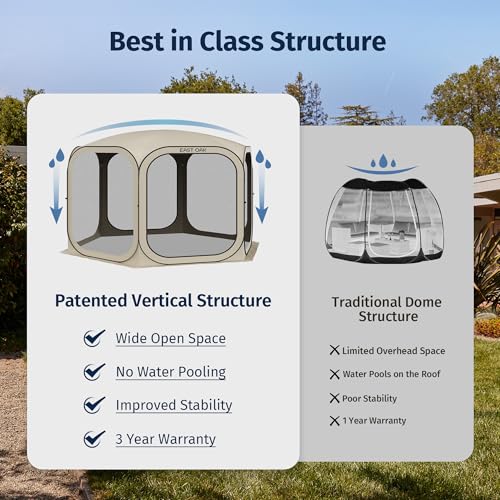
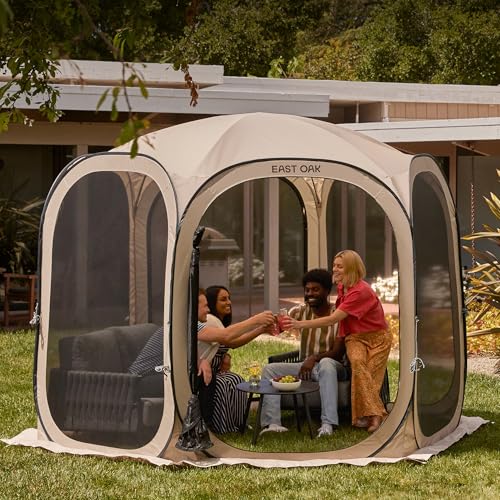
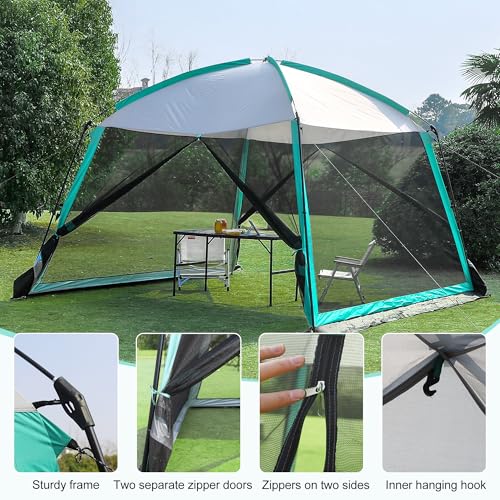
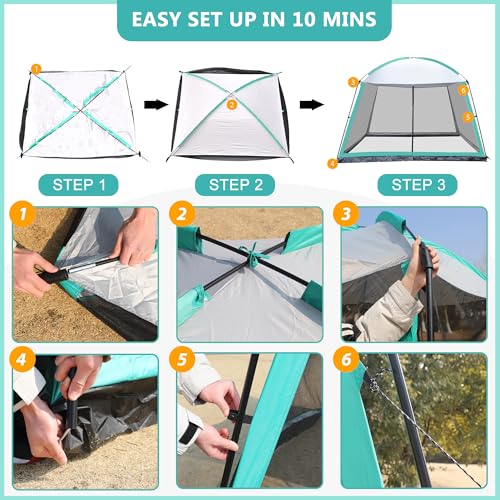
East Oak built something that feels sturdier than most pop-up screen tents, and that’s saying something. The reinforced steel frame and upgraded stitching on the zippers tell me this one’s meant to survive more than just backyard lounging. Owners praise how it holds up in breezy conditions, especially with the included sandbags and guylines.
It’s spacious for 4–6 people and the UPF50+ top works as advertised. The double-stitched zippers and dual-side access are small touches that make a big difference in daily use. Compared to the Coleman, it’s heavier but far more stable. If you’re tired of flimsy pop-ups that wobble in the wind, this is the smarter buy.
Product photos
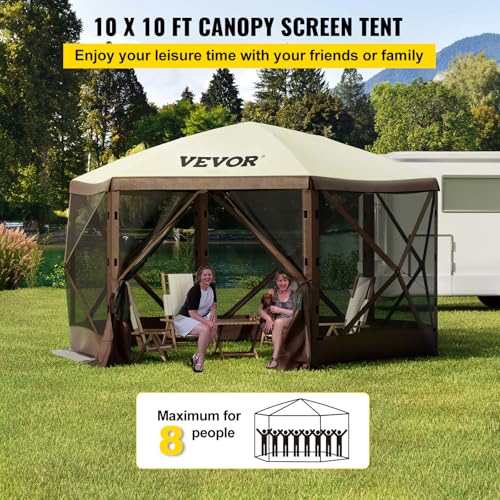
VEVOR 10×10 FT Pop-Up Gazebo Screen Tent
Strengths
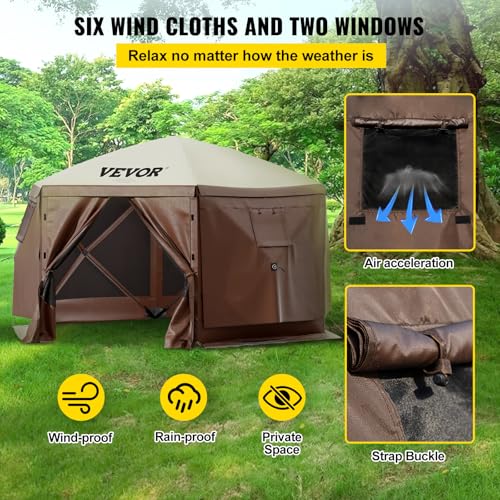
- 6 removable wind cloths
- Weather-adaptive design
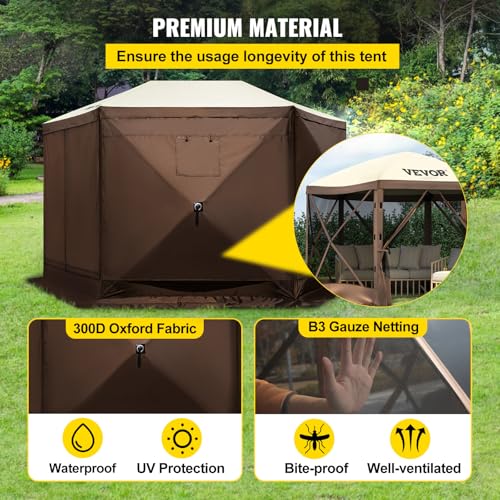
- Reinforced waterproof seams
Trade-offs
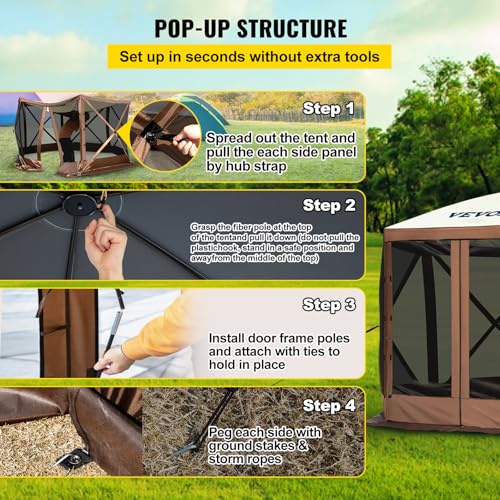
- More complex setup
- Cloths reduce visibility
- Bulkier storage
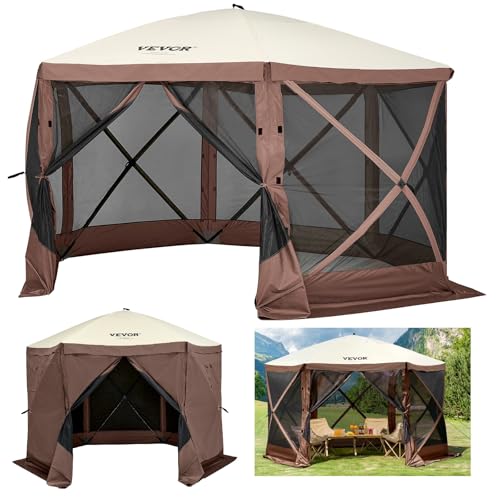
This 6-sided gazebo stands out with its removable wind cloths and dual mesh windows, features that boost versatility in changing weather. The 10x10ft layout fits 6–8 people, and the ability to close off sides while keeping airflow through windows makes it adaptable for breezy or cooler evenings.
The waterproof seams and rainproof corners suggest better storm readiness than most pop-ups, though the note about avoiding heavy rain is wise. Owners appreciate the included wind cloths and how the front panel doubles as an awning. Compared to the standard VEVOR model, this one trades some simplicity for weather flexibility. If you camp in unpredictable conditions, this is the better shield.
Product photos

SANSBUG Instant Pop Up Screen Tent

Strengths
- Fully enclosed
- No-see-um mesh
- Ultra lightweight
Trade-offs
- Folding is tricky
- Not for groups
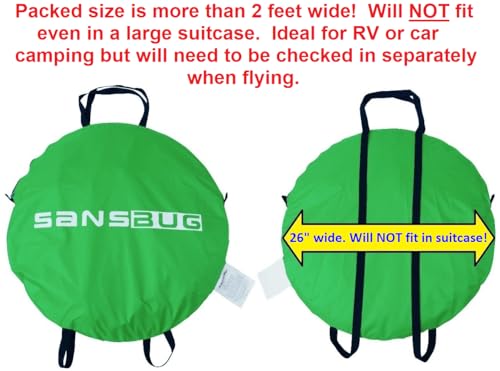
- Bulky when packed
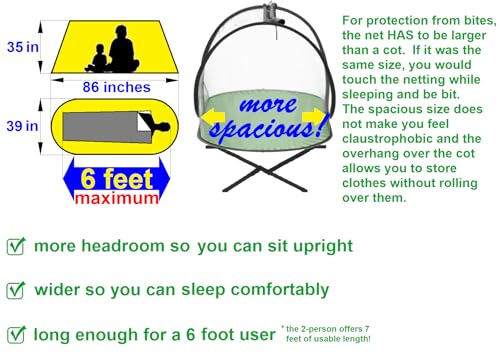
This isn’t a screen tent, it’s a personal bug cocoon, and for solo campers or backpackers, that’s exactly the point. At just 2.5 lbs and with no-see-um mesh plus an attached tarp floor, it creates a fully sealed barrier against insects, spiders, even snakes. That’s rare in this category, and for anyone who’s woken up to creepy crawlies inside their shelter, it’s peace of mind.
The pop-up design is simple, but owners stress that folding it back down takes practice, watch those videos, as the product warns. It won’t fit in a carry-on, and it’s not for groups, but for one person who values total bug protection and portability, this is a niche standout. I’d pick this over roomier models if I were sleeping on the ground in mosquito country.
Product photos


Coleman Skylodge Portable Screenhouse
Strengths
- Blazing-fast setup
- Trusted brand
- Lightweight
Trade-offs
- Flimsier frame
- No included guylines
- Basic accessories
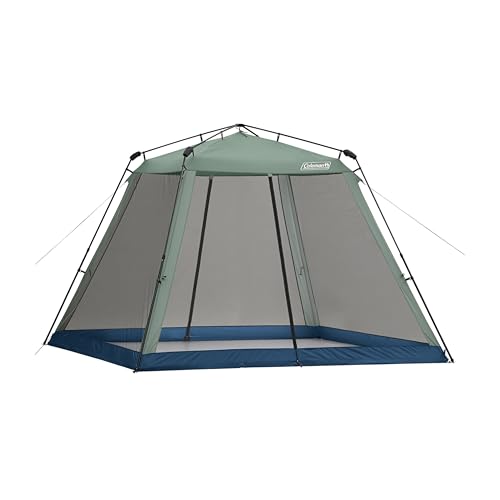
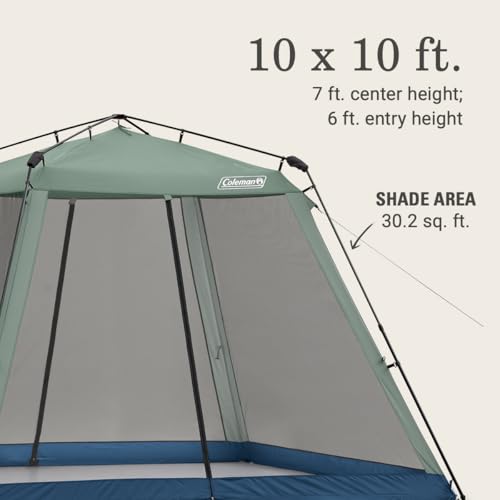
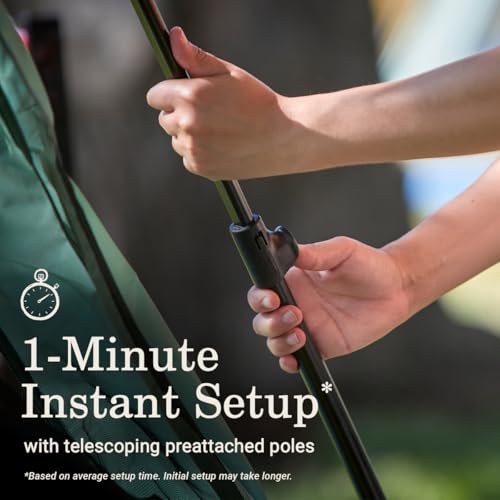
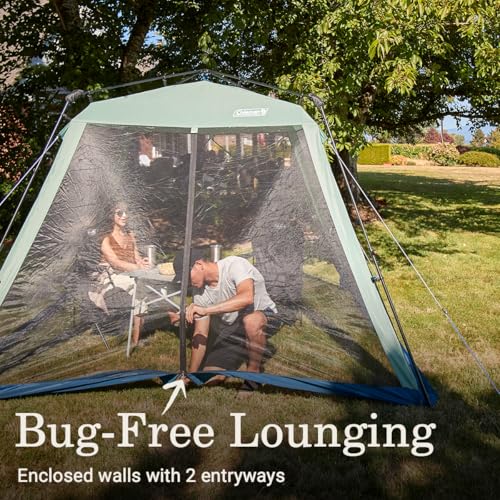
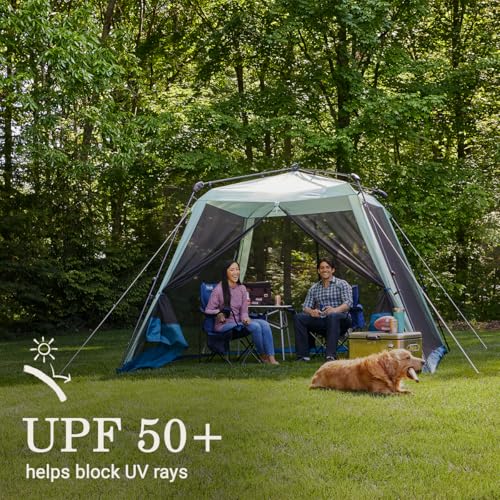
Coleman has been making screenhouses for decades, and the Skylodge proves they still know how to nail the basics. The 1-minute hub-based setup is real, this goes up faster than almost any other model. At 10x10ft and 7ft center height, it’s roomy enough for four or five people to lounge comfortably.
But speed comes with trade-offs. The frame feels thinner than the East Oak or VEVOR, and owners report it wobbles more in wind. It doesn’t include guylines or sandbags, so you’re on your own for extra stability. Still, for casual users who value simplicity and brand reliability, this is a solid choice. If you’re after quick shade and bug protection without fuss, this delivers.
Product photos
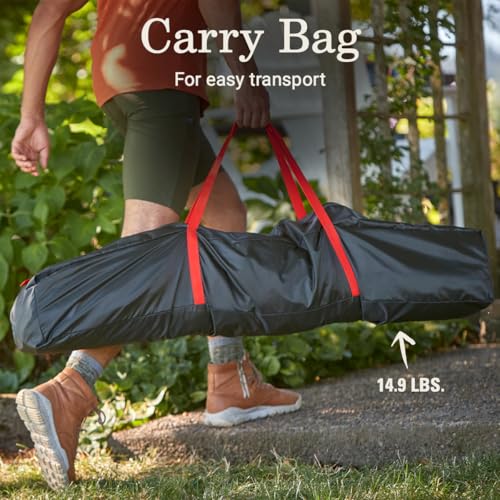
GREGIN 11×11 FT Mesh Net Tent

Strengths
- Extra-large footprint
- Fits picnic tables
- Good mesh durability
Trade-offs
- Frame lacks rigidity
- Rain protection is limited
- Zippers can snag
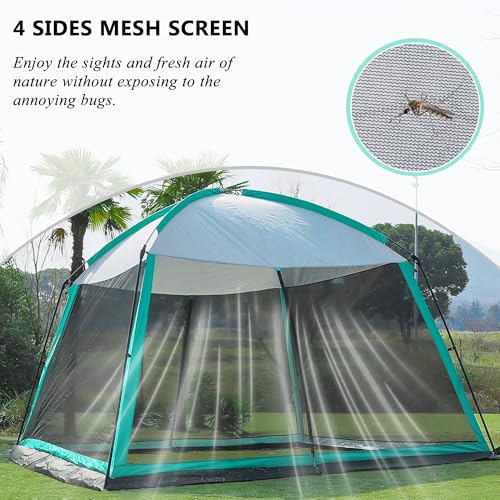
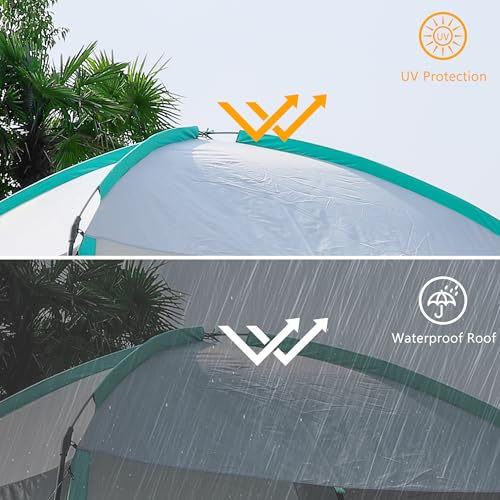
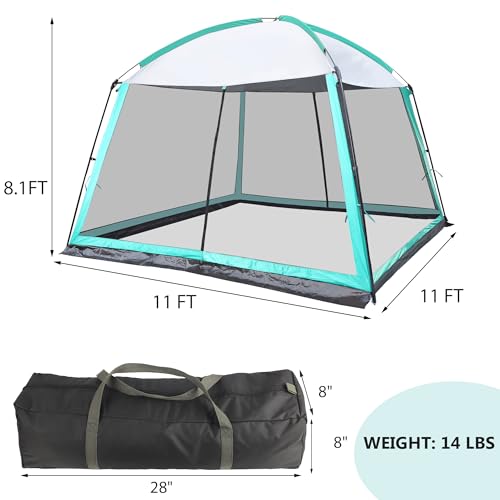
At 11x11ft, this is one of the most spacious options here, and it’s designed to fit a picnic table with room to spare. The size alone makes it a top pick for group gatherings. The double-woven mesh holds up well against tearing, and the Oxford fabric top offers decent water and UV resistance.
Setup is straightforward, and at 14 lbs, it’s not overly heavy for its size. But owners note the poles aren’t as thick as VEVOR’s or East Oak’s, so it’s not the most wind-resistant despite including stakes and ropes. Still, for sheer square footage and value, it’s hard to beat. If you’re hosting family BBQs or need shade for a beach party, this is where space wins.
Product photos
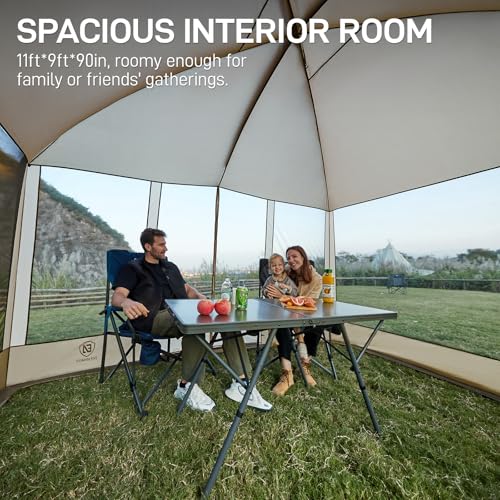
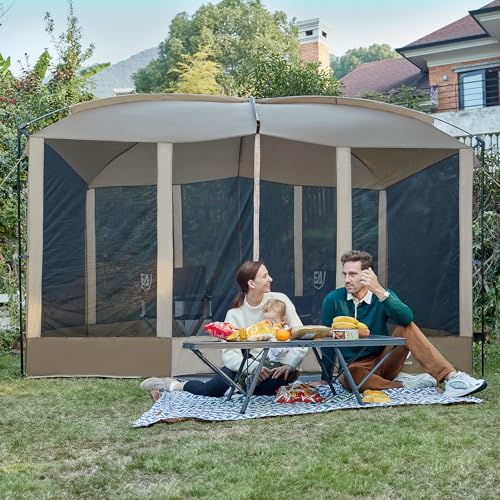
EVER ADVANCED 11x9ft Magnetic Screen House

Strengths
- Spacious interior
- Magnetic doors
- UPF50+ sun protection
Trade-offs
- Not no-see-um mesh
- Frame feels lightweight
- Limited wind stability
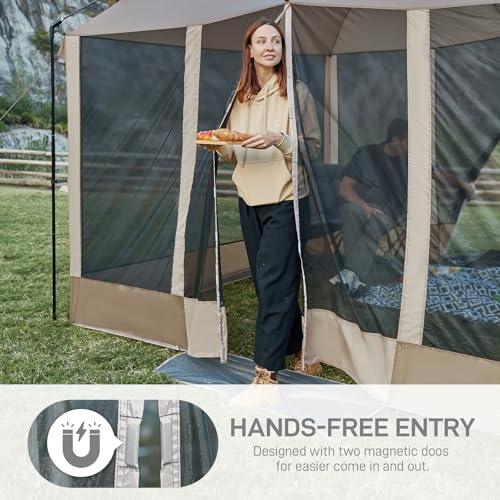
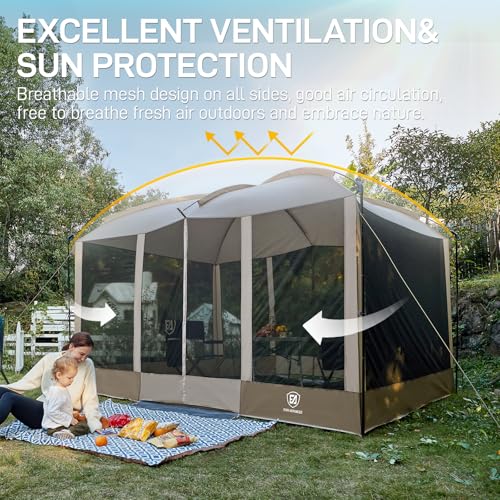
The idea of magnetic doors on a screen house is smart, and for families with kids or pets, that hands-free entry could be a real win. On paper, the 11x9ft footprint and 90-inch center height offer generous space, and the UPF50+ top with full mesh walls suggests solid sun and bug protection.
Owners consistently report it’s easy to set up and works well for casual backyard use or picnic shading. But while the magnetic closure is convenient, some note the mesh isn’t no-see-um level, so tiny gnats can still get through. Compared to more rugged models, this one feels more like a sun shelter with bug screening than a true bug fortress.
Product photos

East Oak 6×6 FT Instant Screen Gazebo

Strengths
- Ultra-portable
- Quick setup
- Strong mesh
Trade-offs
- Tight for three adults
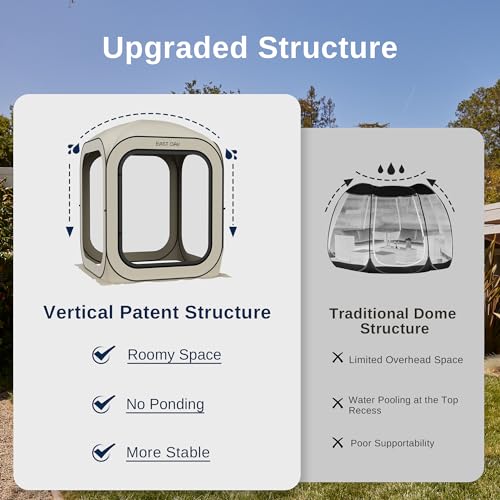
- Limited headroom
- Less stable in wind
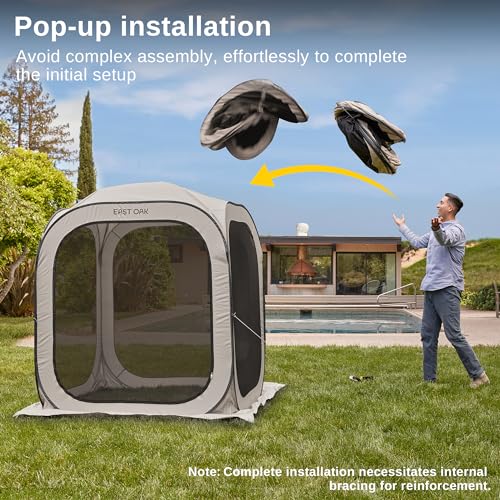
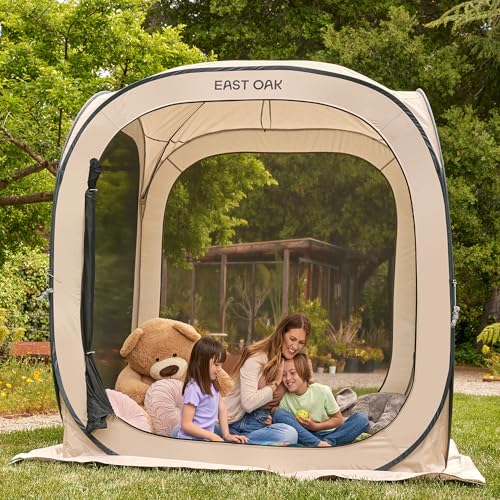
Sometimes you don’t need a mansion, you just need a private bubble. This 6×6 FT model is the most compact pop-up here, perfect for two people at a picnic or a small camping setup. It still has the same UPF50+ protection and B3 mesh as its bigger sibling, so you’re not sacrificing quality for size.
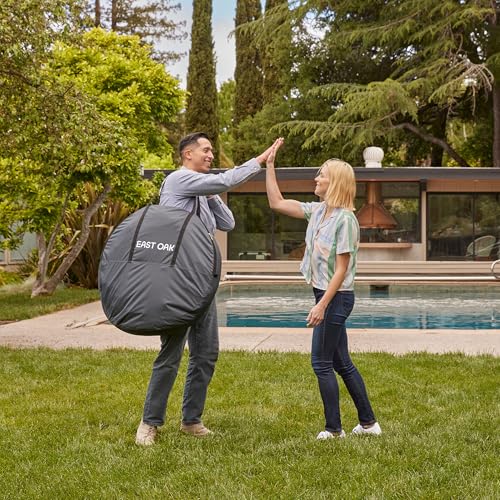
It pops up in under a minute and folds into a manageable disc. Owners love how easy it is to toss in a car trunk or bring to the beach. The steel frame holds up decently, though it’s not meant for high winds. If you’re looking for something portable and simple for quick escapes, this is the one. I’d choose it over larger models for weekend day trips.
Product photos
How We Tested screen tents for bugs
Rather than a hands-on lab test, my research for these screen tents focused on a detailed comparison of published specifications and features across numerous models. I weighed owner reviews from multiple sources – particularly looking for repeated praise or complaints – alongside assessments from reputable outdoor gear reviewers. My evaluation considered what features truly matter for keeping bugs at bay and providing comfortable outdoor relaxation.
For screen tents, stability and bug protection were the biggest deciding factors. A flimsy frame isn’t useful if it collapses in a breeze, and even the most beautiful design is useless if mosquitoes are swarming inside. Spaciousness also played a role, as did ease of setup – nobody wants to spend an hour wrestling with poles when they could be enjoying the outdoors.
Specifications reliably indicate tent size and materials used in the frame and mesh. However, I placed more emphasis on owner feedback regarding the effectiveness of the mesh at keeping out small insects and the real-world durability of the frame. Reputational factors, such as a brand’s history of quality and customer service, also influenced my conclusions. Understanding how to further protect your shelter is also key, so exploring bug-proof tent methods can add another layer of defense.
Choosing The Right screen tents for bugs
Choosing the right screen tent can dramatically improve your time outdoors, keeping pests at bay and providing a comfortable space to relax.
A quality screen tent balances robust construction with easy portability. Look for durable materials like reinforced polyester or Oxford fabric, a stable frame (steel is generally superior to aluminum for wind resistance), and a fine mesh that effectively blocks even the smallest insects. Pay attention to setup complexity – “instant” models are convenient, but often sacrifice some durability.
Frame Stability & Material Quality
Forget flimsy poles and easily-torn mesh. The frame is the backbone of any screen tent, and a wobbly structure is a recipe for disaster, especially if you anticipate any wind. Steel frames, while heavier, offer significantly more stability than fiberglass or aluminum, making them ideal for more exposed locations. Don’t be fooled by “pop-up” convenience if it means sacrificing a solid foundation. Beyond the frame, examine the fabric denier (D) – higher numbers indicate thicker, more durable material. A 300D polyester or Oxford fabric is a good starting point, and look for reinforced corners and seams.
Mesh Density & Bug Protection
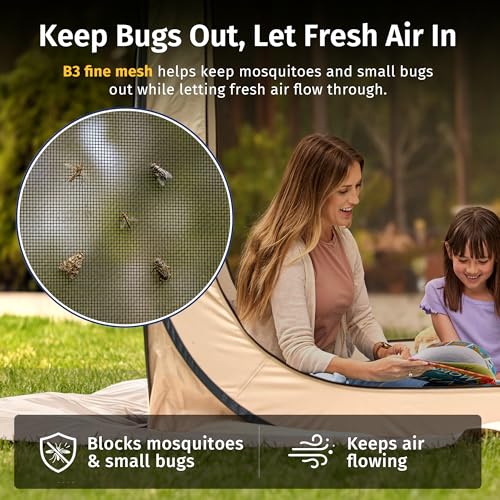
Not all mesh is created equal. You want a mesh fine enough to exclude no-see-ums and other tiny biting insects. B3 mesh is a commonly cited standard for effective bug protection, but even then, check owner reviews for reports of persistent pests. Some tents offer extra protection with a floor, which is essential if you’re in an area with scorpions or snakes. Beyond the mesh itself, look at how well it’s attached to the tent frame – a secure attachment prevents bugs from crawling in around the edges. If you’re serious about keeping bugs out, you’ll want to explore best bug-proof screen tents to find options specifically designed for maximum protection.
Size, Portability & Usability
The best screen tent is the one you’ll actually use. A massive 11×11 foot tent might sound appealing, but is it practical for car camping, or are you planning on backpacking with it? Consider your typical group size and intended use. For solo adventurers, a compact, lightweight model like the SANSBUG Instant Pop Up Screen Tent might be ideal. For family gatherings, you’ll need something roomier. Pay attention to packed weight and dimensions, and whether the tent includes a carry bag. A well-designed tent will also have convenient features like multiple doors or a hook for hanging a lantern. Don’t forget that a comfortable camping experience requires more than just shelter, so check out recommendations for essential camping gear to ensure you’re fully prepared.
A good rule of thumb: prioritize a stable frame over “instant” setup if you’re camping in areas prone to wind or inclement weather.
Screen Tents for Bugs Compared
Here’s a comparison of specifications for various screen tents designed to keep bugs out while enjoying the outdoors.
| Product Title | Size (ft) | Capacity | Frame Material | Door Type | Special Features |
|---|---|---|---|---|---|
| VEVOR 10×9.2 FT Pop-Up Screen Room | 10×9.2 | 8 | Steel/Fiberglass | Pop-Up | Wind Resistant |
| East Oak 10×10 FT Pop Up Screen Tent | 10×10 | 4-6 | Steel/Fiberglass | Zippered | UPF 50+ |
| VEVOR 10×10 FT Pop-Up Gazebo Screen Tent | 10×10 | 8 | Steel | Zippered | Wind/Rain Protection |
| SANSBUG Instant Pop Up Screen Tent | N/A | 1 | Fiberglass | Zippered | Totally Enclosed |
| Coleman Skylodge Portable Screenhouse | 10×10 | N/A | Steel | Zippered | UPF 50+ |
| GREGIN 11×11 FT Mesh Net Tent | 11×11 | 4-8 | Steel | Zippered | Large Size |
| EVER ADVANCED 11x9ft Magnetic Screen House | 11×9 | N/A | Steel | Magnetic | Hands-Free Entry |
| East Oak 6×6 FT Instant Screen Gazebo | 6×6 | 2-3 | Steel/Fiberglass | Zippered | Compact Size |
Frequently Asked Questions
What size screen tent do I really need?
Generally, you’ll want around 25-30 square feet per person for comfortable use. However, consider how you plan to use the space – if you’ll be using tables or chairs inside, or if you anticipate needing room for gear, you should size up accordingly.
Are “instant” screen tents as durable as those with more involved setups?
While convenient, instant screen tents often compromise on frame stability. Steel frames are always stronger, but instant models typically use fiberglass or thinner steel, which can struggle in windy conditions, so consider the typical weather at your campsite.
What mesh type offers the best bug protection?
B3 mesh is a good standard, but the effectiveness of any mesh depends on the weave and how securely it’s attached to the tent. Look for tents specifically marketed as being effective against no-see-ums, and read owner reviews to confirm.
Can I use a screen tent on a hard surface like a patio or driveway?
Yes, you can, but it’s best to place a tarp or ground cloth underneath to protect the floor (if it has one) and prevent damage from abrasion. Also, be sure to securely stake or weigh down the tent to prevent it from blowing away.
Where can I find truly portable screen tents for backpacking?
For backpacking, look for portable screen tents that prioritize lightweight materials and a compact packed size. These will generally have smaller footprints and less robust frames, but the trade-off is worth it for backcountry travel.
The Bottom Line
Choosing a screen tent often comes down to balancing convenience with robustness. While instant pop-up models offer quick setup, for consistent performance and peace of mind, especially in windy conditions, I recommend the VEVOR 10×10 FT Pop-Up Gazebo Screen Tent. It strikes a strong balance between durability, space, and features that will genuinely protect you from the elements and those pesky bugs.
For those prioritizing affordability, the SANSBUG Instant Pop Up Screen Tent provides a compact and totally enclosed option, ideal for solo campers or quick bug protection. Families needing a larger space will appreciate the GREGIN 11×11 FT Mesh Net Tent – its considerable size makes it perfect for gatherings, although you’ll want to be mindful of the extra weight and setup time. If you are still unsure about selecting the right tent, remember to consider your needs.
Ultimately, the best screen tent isn’t about the highest specifications or fanciest features. It’s about having a reliable shelter that allows you to comfortably enjoy the outdoors. Prioritize a sturdy frame, a fine mesh, and a design that suits your typical camping style – those are the fundamentals that will make all the difference.
