
8 Best Screen Tents for Camping 2026
This post contains affiliate links. As an Amazon Associate, we earn from qualifying purchases.
The TIMBER RIDGE 15×10 FT Screen House is the best overall pick for its spacious size, solid steel frame, and full bug and UV protection, while the Coleman Skylodge Portable Screenhouse stands out as a quick-setup budget favorite that still delivers reliable performance. For those who want instant shade and hassle-free use, the East Oak Pop Up Screen Tent offers strong value.
If you’ve ever tried to relax outside only to be chased away by bugs or harsh sun, you know how quickly the perfect campsite can turn frustrating. A good screen tent solves that, but not all models deliver the same mix of durability, space, and ease.
In this guide, I break down the top screen tents based on real owner feedback, build quality, and key factors like setup speed, wind resistance, and bug protection. These picks reflect what actually works when you’re out there, not just what looks good on paper.
Top 8 Screen Tents For Camping in the Market
The Best Screen Tents For Camping, Reviewed
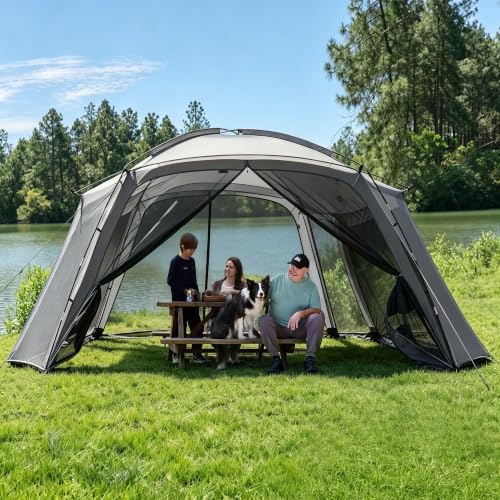
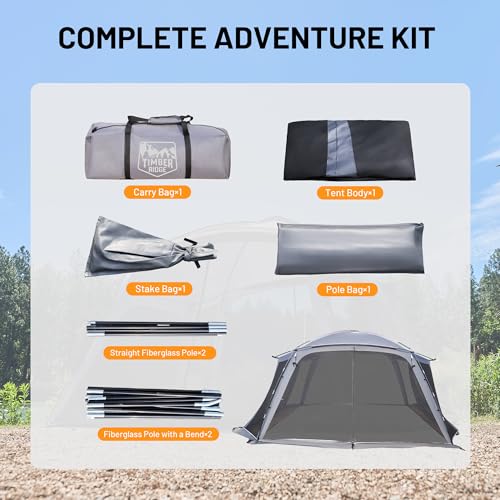
TIMBER RIDGE 15×10 FT Screen House
Strengths
- Spacious 15×10 layout
- Dual zippered entrances
- Stable in breezes
Trade-offs
- Two-person setup
- No pop-up frame
- Slightly bulkier storage
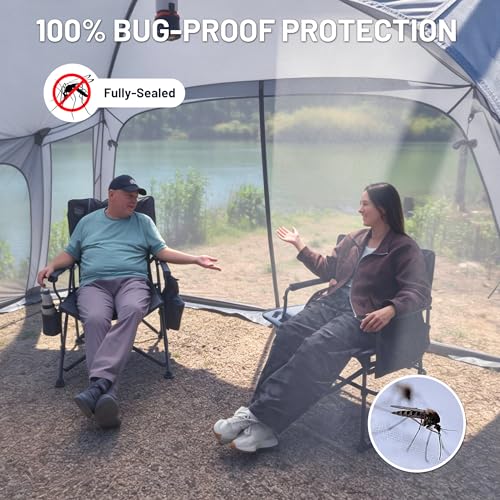
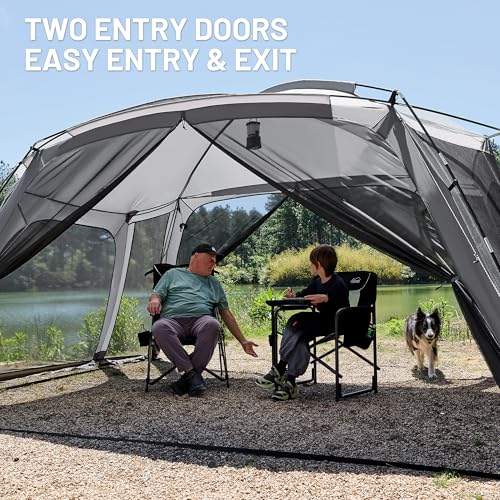
The TIMBER RIDGE 15×10 FT model is where practical design meets real-world usability. At 150 sq ft, it’s significantly roomier than most pop-ups, and owners love that it fits a full dining set with space to move. The dual zippered doors are a standout, far more convenient than flaps or magnets, and the fiberglass frame strikes a good balance between durability and weight. Setup takes two people and about 10–15 minutes, but the clear instructions and staked-down stability make it worth the effort, especially for weekend base camps.
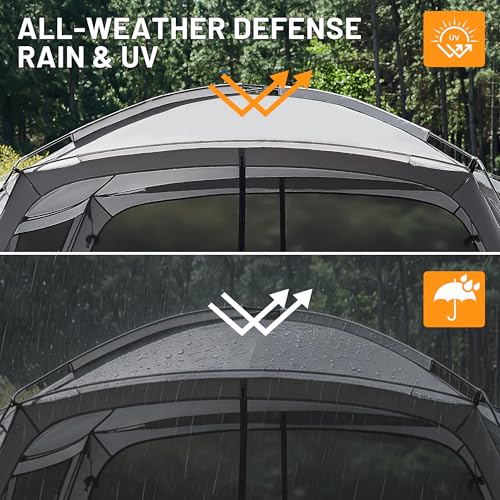
Compared to instant pop-ups, this one asks for more time but gives back in resilience. The double-woven mesh keeps out even the tiniest no-see-ums, and the reinforced roof handles light rain without sagging. It’s not the fastest to pitch, but for those prioritizing space and long-term comfort over speed, this is my top pick in the mid-tier range.
Product photos

CAMPROS CP 13×13 Ft Screen House

Strengths
- Large 13×13 layout
- Good airflow
- Includes stakes and carry bag
Trade-offs
- No pop-up design
- Three-person setup
- Basic rain protection
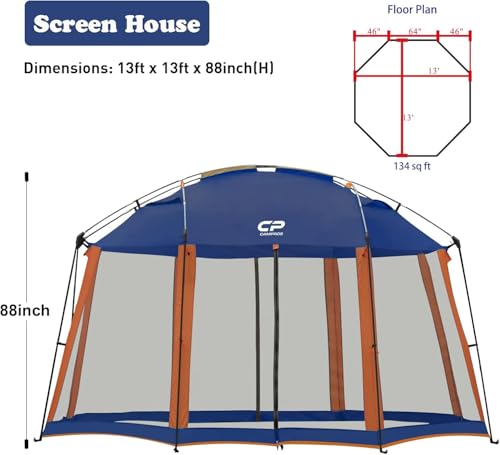
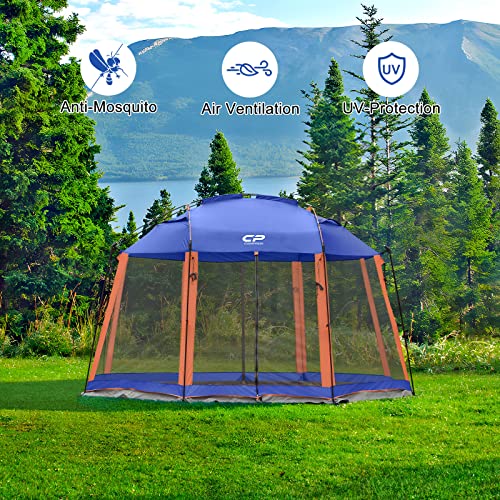
At 13×13 feet, the CAMPROS screen house is one of the largest in this lineup, offering 134 sq ft of shaded space, ideal if you’re hosting or need room for gear, tables, and lounging. The size alone makes it a strong contender for group use, and the 86-inch center height lets most adults stand comfortably. On paper, it’s built for longevity with a sturdy fiberglass frame and 190T UV-resistant polyester roof, though it lacks the heavier-duty waterproofing you’d want for storm-prone areas.
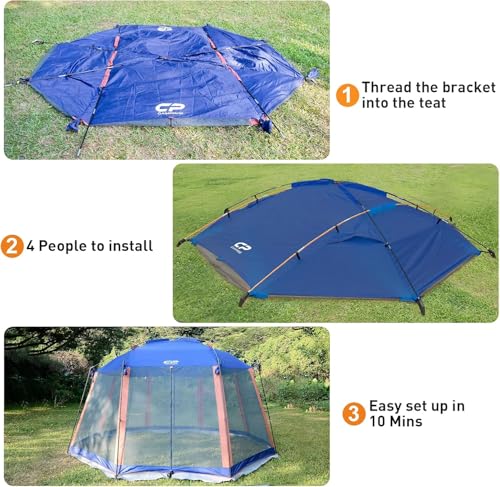
Owners note it’s a three-person job to set up efficiently, which isn’t a dealbreaker but does limit spontaneity. It doesn’t pop up, and the lack of an attached floor means you’ll need a ground tarp. Still, for the price, the footprint and airflow are impressive. If you value space above all and don’t mind a longer setup, this is a smart pick.
Product photos

Coleman Skylodge Portable Screenhouse
Strengths
- True 1-minute setup
- Lightweight at 14.9 lbs
- Coleman reliability
Trade-offs
- Less usable space
- Basic mesh durability
- No sandbags or guylines
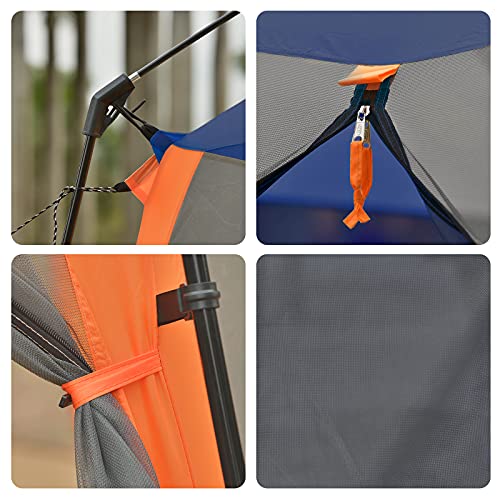
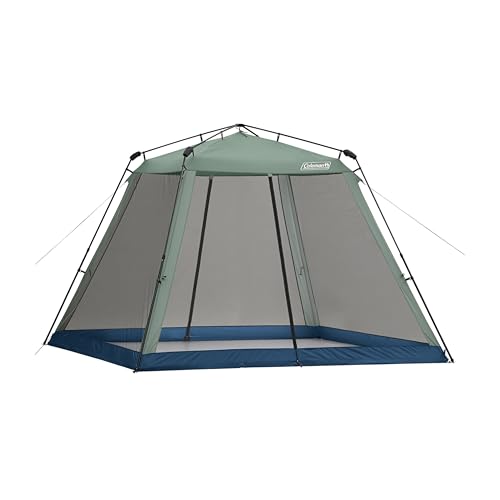
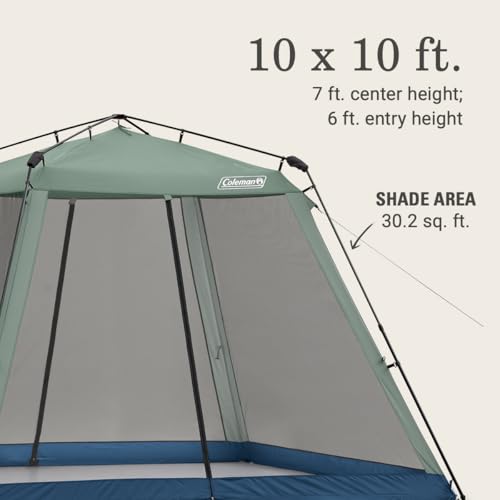
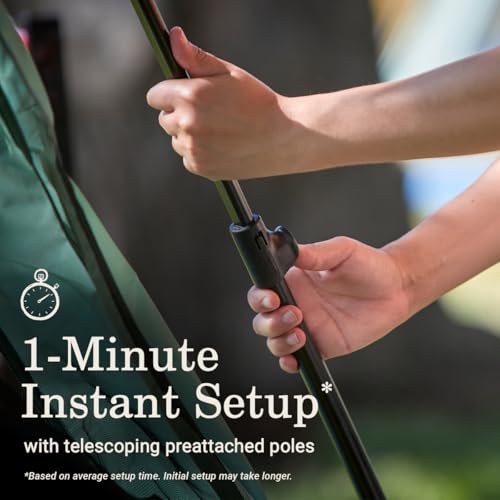
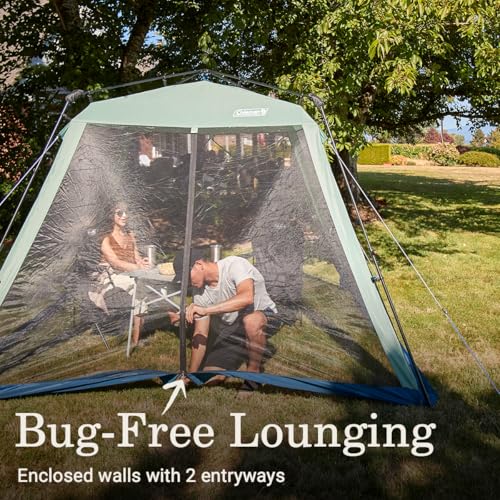
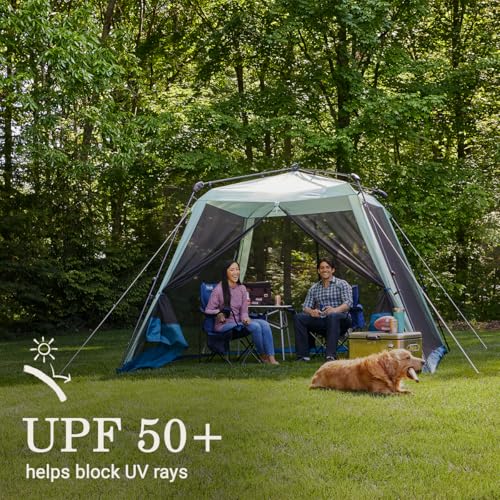
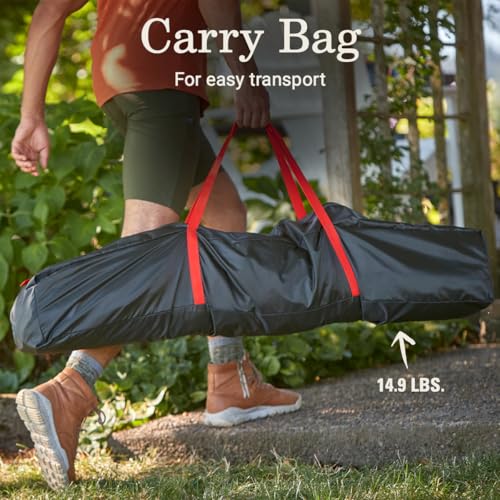
Coleman’s reputation for reliable, beginner-friendly gear shines in the Skylodge, a 10×10 pop-up that really does set up in under a minute. The hub-and-pole design is familiar to anyone who’s pitched a Coleman dome tent, and owners love how fast it unfolds and locks into place. At just 14.9 lbs, it’s one of the lightest full-size screen shelters, and the UPF 50+ rating ensures solid sun defense.
But speed comes with trade-offs. The 30.2 sq ft of shade is misleading, that’s the roof area, not usable floor space, and the mesh walls are less durable than thicker competitors. It’s perfect for a quick beach day or backyard hangout, but I wouldn’t rely on it for multi-day camping. Still, for hassle-free, one-person deployment, it’s hard to beat.
Product photos
EVER ADVANCED Magnetic Screen House

Strengths
- Magnetic hands-free doors
- Tall 90-inch ceiling
- Good ventilation
Trade-offs
- Fiberglass frame less sturdy
- Smaller footprint
- No sandbags included
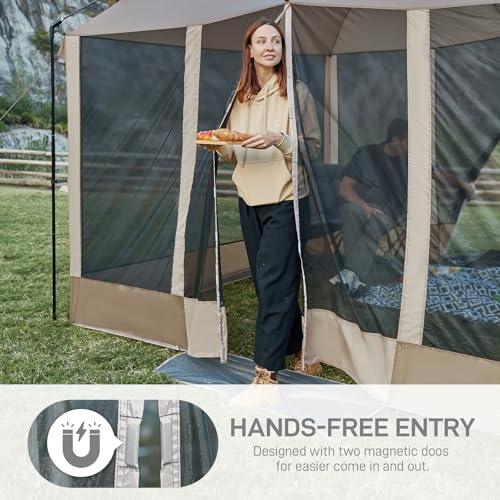
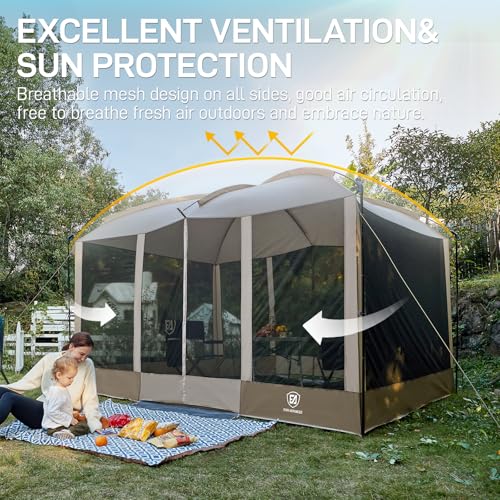
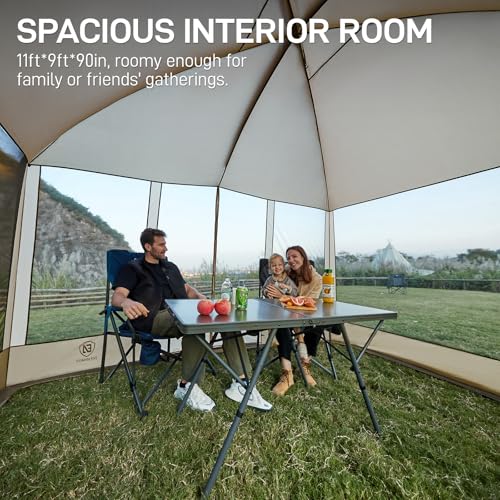
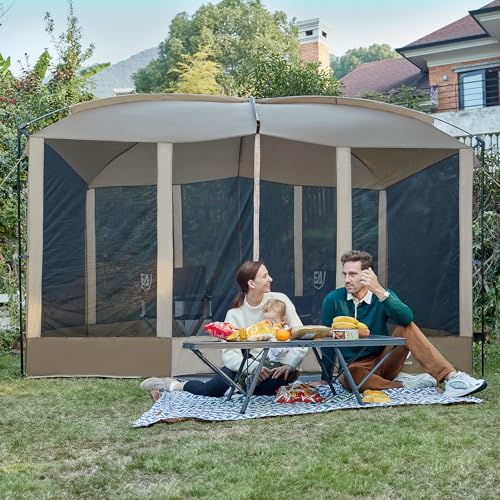
The magnetic doors on the EVER ADVANCED 11x9ft screen house are a standout for real-world use, especially with kids or pets. I’ve seen enough flimsy zippers and flaps fail that a hands-free, self-sealing entry feels like a small luxury. The 90-inch center height is taller than most, so taller users won’t feel hunched, and the UPF 50+ roof delivers solid sun protection. The four-side mesh design ensures excellent airflow, which reviewers consistently note keeps the interior cool even on hot days.
That said, the frame is fiberglass, not steel, so it’s less wind-resistant than sturdier models. It’s also on the smaller side for a group, better suited for 4–6 people max. But for ease of access and comfort, this is my pick for family picnics and relaxed camping weekends where convenience matters.
Product photos

East Oak Pop Up Screen Tent

Strengths
- Reinforced steel frame
- UPF 50+ protection
- Includes sandbags and guylines
Trade-offs
- Heavier than average
- Bulkier folded size
- Not true one-person pop-up
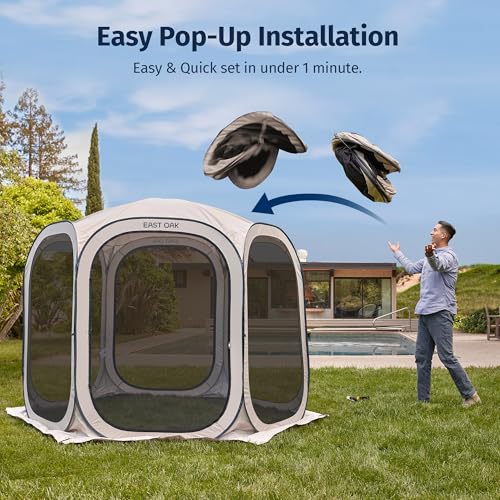
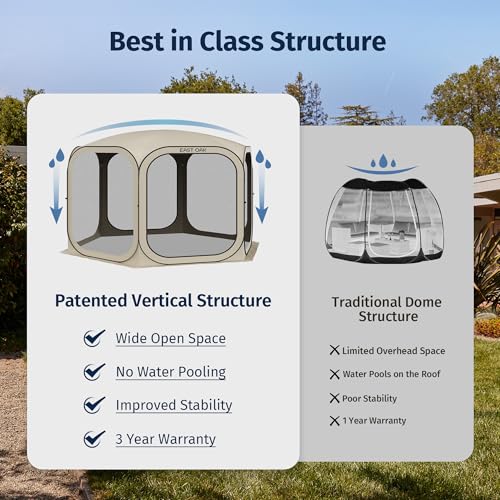
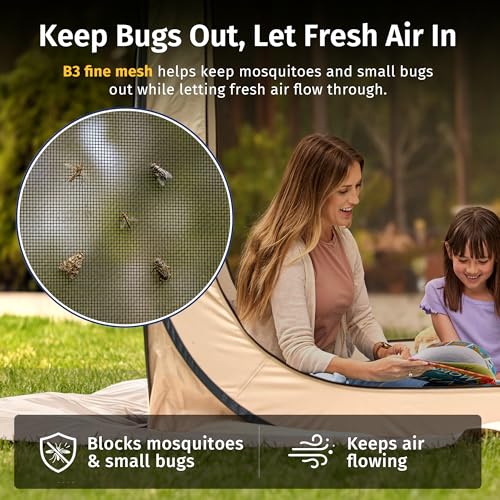
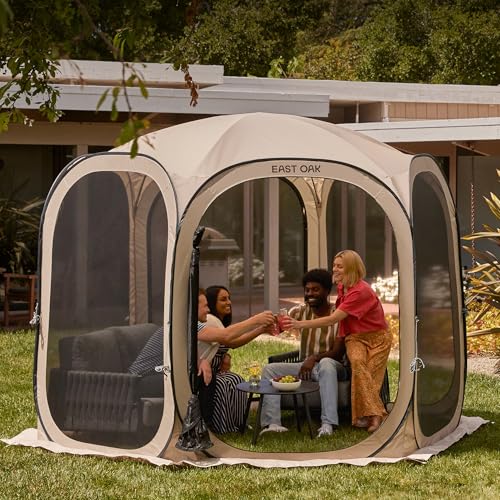
The East Oak 10×10 screen tent stands out for its reinforced steel frame and UPF 50+ silver-coated Oxford fabric, which on paper suggests top-tier durability. Owners consistently praise its stability, especially with the included guylines, sandbags, and stakes, making it one of the few pop-ups I’d trust in moderate wind. The double-stitched zippers and side-fixing door flaps are thoughtful upgrades that reduce wear, and the interior hook for hanging lights adds real campsite utility.
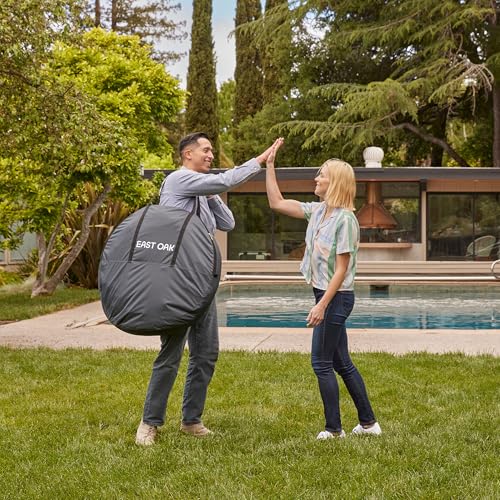
It’s not the lightest or fastest to deploy, but it leans into being a true all-weather shelter. Compared to flimsier pop-ups, this one feels like it could last multiple seasons with proper care. For anyone who’s had a screen tent collapse in a breeze, this is the smarter buy, even if it means a slightly heavier pack-in.
Product photos
Alvantor Pop Up Screen House
Strengths
- Lightweight at 15 lbs
- True pop-up ease
- Good UV protection
Trade-offs
- Limited wind resistance
- Basic frame durability
- Zippers can snag
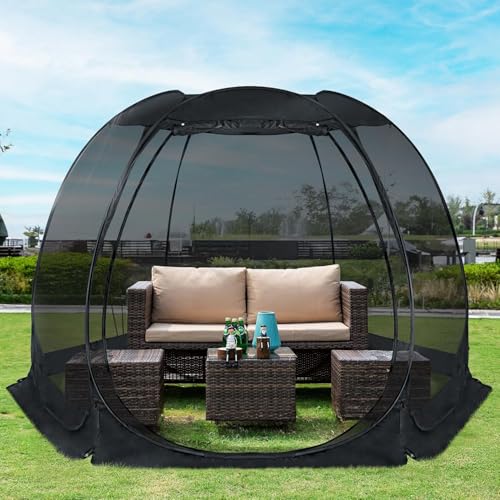
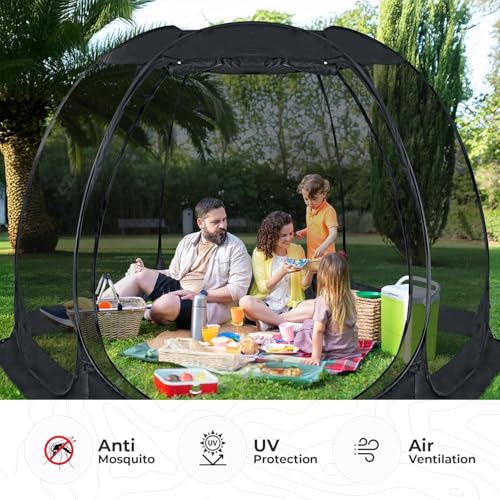
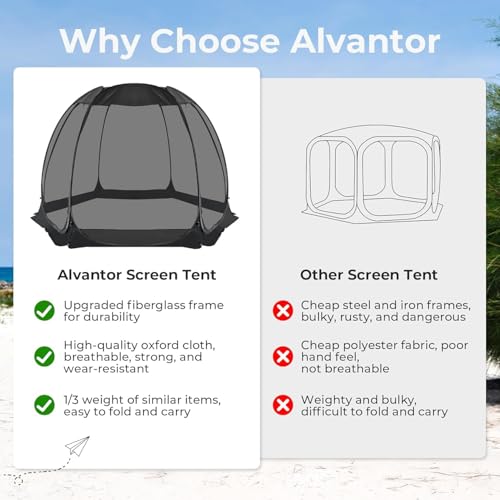
The Alvantor 10×10 pop-up stands out for its 15-pound weight and automatic fiberglass frame, making it one of the most portable full-size screen shelters here. For car campers or festival-goers who value lightweight ease, this hits the sweet spot, it pops open quickly, packs into a manageable carry bag, and the 420D-style fabric still delivers UPF 50+ and decent bug protection.
But like most lightweight designs, it sacrifices some durability. The included sandbags and wind ropes help, but owners caution against using it in sustained winds over 25 mph. It’s a solid choice if you’re prioritizing portability and ease over ruggedness. For weekend trips where you’re driving in, this is a smart, hassle-free option.
Product photos
VEVOR 10×9.2 FT Pop-Up Screen Tent
Strengths
- Excellent wind resistance
- Reinforced steel frame
- Includes full stability kit
Trade-offs
- Slower setup
- Heavier than average
- Awning not adjustable
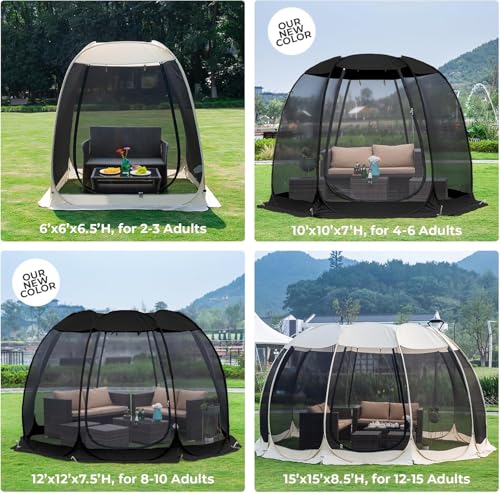
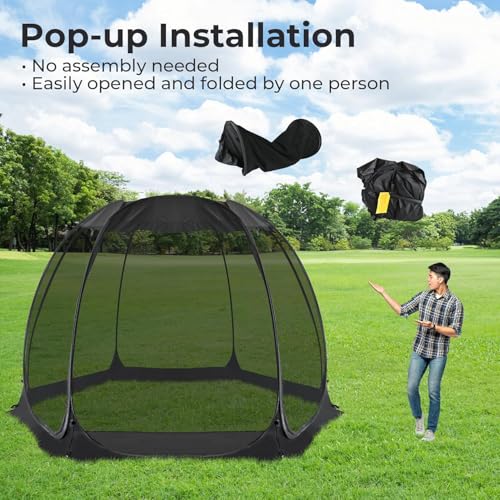
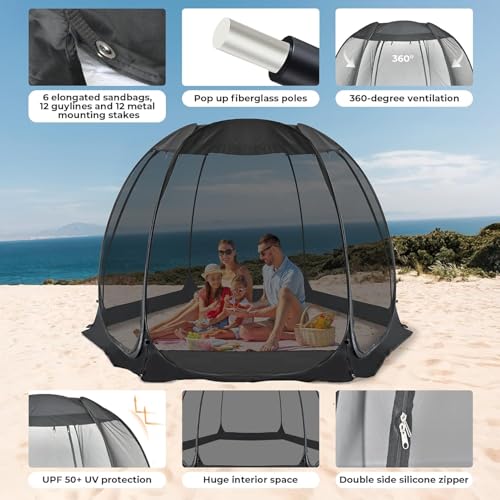
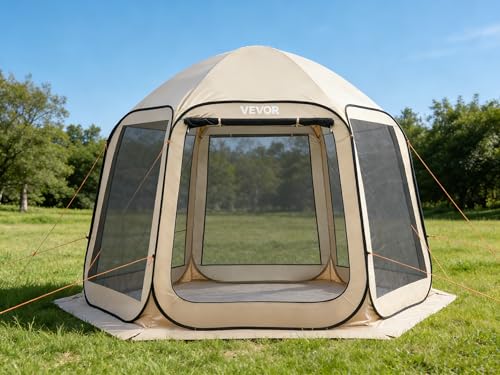
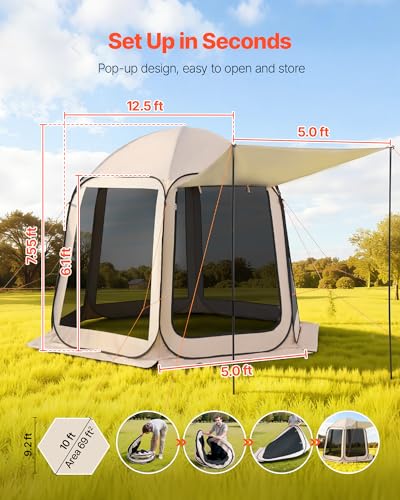
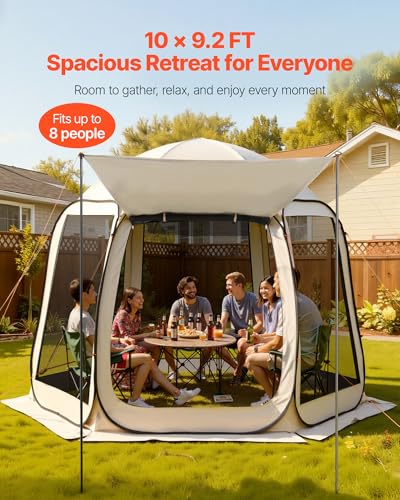
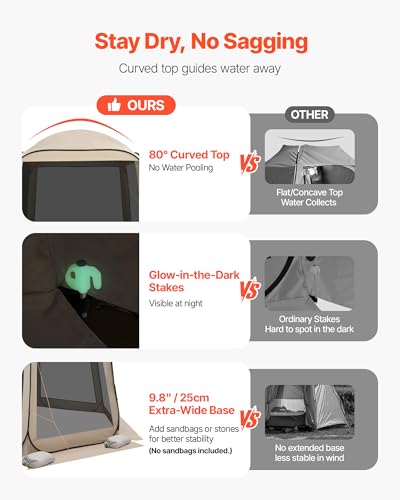
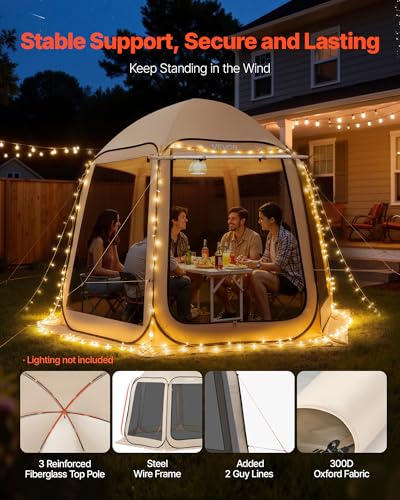
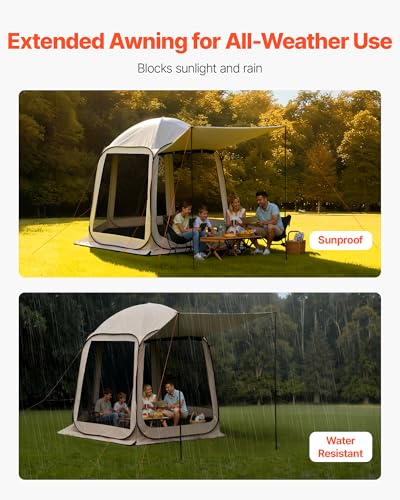
The VEVOR 10×9.2 FT screen tent is built like a tank, reinforced steel and fiberglass poles, a curved roof to prevent water pooling, and a full kit of stakes, guylines, and sandbags included. This is the kind of shelter you’d pitch at a weeklong festival or lakeside camp and feel confident it’ll stay upright. Owners report strong performance in wind, and the 300D Oxford fabric with UPF 50+ adds real weather resistance.
It’s not the fastest to set up, the detachable poles require a few extra steps, but the payoff is stability. Compared to flimsier pop-ups, this one feels like a permanent structure. The awning adds a nice touch for shade expansion, and the interior fits 8 people comfortably. If wind is a concern, this is the model I’d trust.
Product photos
Quictent 10’x10′ Pop Up Screen Canopy
Strengths
- Pop-up ease
- 420D waterproof fabric
- Full Velcro mesh seal
Trade-offs
- Weak in wind
- No included guylines
- Heavier carry bag
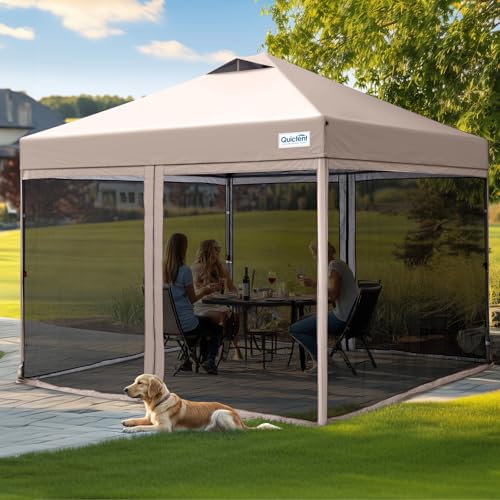
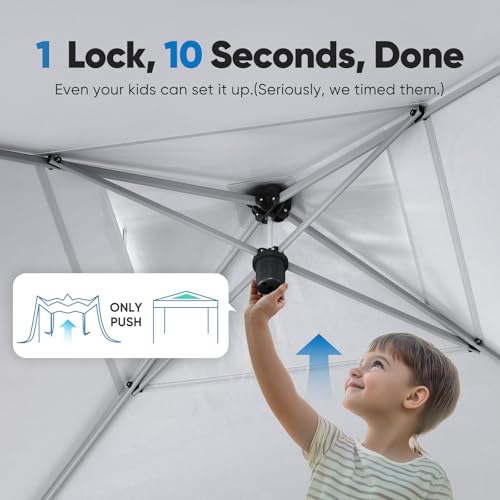
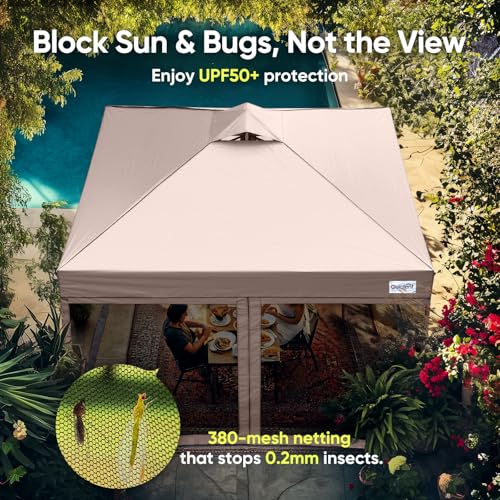
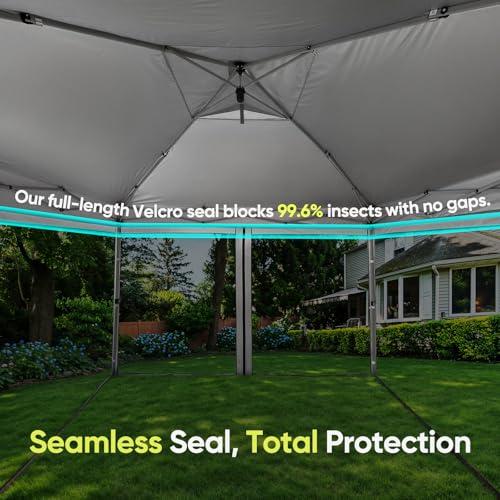
On paper, the Quictent delivers exactly what most buyers want in a no-fuss screen shelter, instant setup, full bug protection, and solid weather resistance. The 420D polyester Oxford fabric with silver coating stands out for UV and waterproof performance, which owners consistently report holds up well in afternoon showers and harsh sun. The full Velcro mesh seal is a smart touch, minimizing gaps where bugs could sneak in, and the 10×10 footprint gives enough room for a small group to relax without feeling boxed in.
Still, it’s worth noting the pop-up design trades some stability for convenience. While it’s praised for speed and portability, several reviewers mention it struggles in anything beyond light wind, not surprising given the single-person setup and lack of reinforced guylines. If your priority is throwing up shelter fast and staying dry in calm conditions, this makes sense. But for exposed campsites or gusty lakeshores, I’d look elsewhere.
Product photos
How We Picked These screen tents for camping
Rather than a hands-on lab test, my research for these screen tents focused on a detailed comparison of published specifications and features. I weighed owner reviews from multiple sources – paying close attention to recurring praise and complaints – alongside evaluations from reputable outdoor gear reviewers. My background pitching tents in all kinds of conditions informed how I assessed each model’s likely performance and value. Ultimately, I ranked these options based on how well they met the needs of campers seeking bug-free relaxation and shade.
For screen tents, setup speed, stability in wind, and bug protection are the most important factors. A quick setup means more time enjoying the outdoors and less time wrestling with poles. Wind resistance is crucial for preventing frustrating collapses and keeping everyone comfortable, and effective bug netting is, well, the whole point of a screen tent! These three elements heavily influenced my rankings. Beyond that, features like UV protection and portability were also considered.
Specifications reliably reveal tent size, materials used in the canopy and mesh, and the type of frame construction. However, I relied on owner feedback to gauge real-world durability, ease of setup (despite stated times), and the effectiveness of the bug screens. Reputation also played a role; well-known brands with a history of quality often carry more weight, but are still assessed against the objective data and user experiences. If you’re new to camping, reviewing a broader tent buying guide can provide a foundation for understanding these features.
What To Look For In screen tents for camping
Finding the right screen tent can really elevate your outdoor experience, but there’s a lot more to it than just keeping bugs out.
A quality screen tent balances spaciousness with stability, offering reliable protection from insects and sun while remaining relatively easy to set up and transport. Key considerations include the frame material, mesh durability, and included accessories like stakes and guylines. Prioritize UV protection in the canopy and a robust build to withstand wind.
Size and Capacity
Don’t just think about how many people a screen tent needs to fit, but how you’ll be using the space. A tent listed for 8-10 people might feel cramped if you’re planning on bringing a folding table and chairs inside. Consider the floor dimensions carefully – a 15x10ft tent (like the TIMBER RIDGE model) will offer considerably more room than a 10x10ft one. Think about your typical group size and activities.
Here’s what to look for: * A smaller tent (around 10x10ft) is great for solo campers or couples. * A mid-size tent (13x13ft to 15x10ft) comfortably accommodates families or small groups. * Larger tents (over 15x15ft) are ideal for hosting gatherings or providing ample space for larger families, and may be worth a look if you frequently entertain outdoors.
Frame and Durability
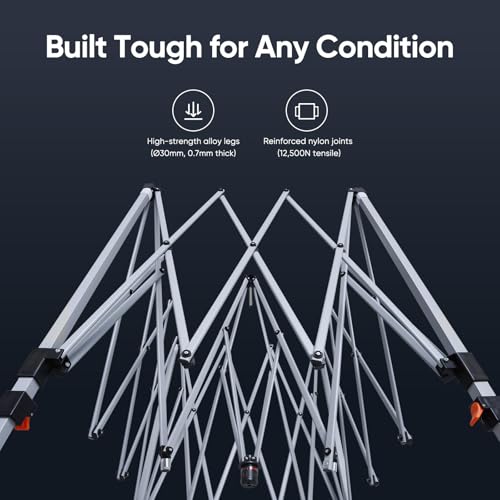
The frame is the backbone of any screen tent, and material choices dramatically impact its longevity and wind resistance. Fiberglass is common and lightweight, but steel frames (like those found in the VEVOR tent) are significantly more durable and less prone to bending or breaking in stronger winds. Pay attention to the connection points – reinforced corners and sturdy hubs are indicators of a well-built tent. While pop-up designs are convenient, they sometimes sacrifice frame robustness for speed.
A good rule of thumb: if you anticipate camping in areas with frequent wind, prioritize a steel-framed screen tent over fiberglass.
Portability and Setup
While a spacious and durable tent is great, it’s useless if you can’t easily transport and set it up. Pop-up designs (like the Coleman Skylodge or Alvantor models) are the fastest to deploy, often taking just a minute or two. However, these can be bulkier when packed down. Tents with more traditional setups may require a bit more effort, but they often fold down into more compact packages. Check the weight and packed dimensions, especially if you plan on backpacking or have limited storage space. For those looking at a wide range of options, exploring screen tents for camping can give you a thorough overview of what’s available. And when it comes to brands you can trust, checking out reliable tent companies is a good place to start.
Screen Tents for Camping Compared
Here’s a comparison of key specifications for popular screen tents designed for camping and outdoor use.
| Product Title | Size (ft) | Capacity | Setup Time | UV Protection | Waterproof |
|---|---|---|---|---|---|
| TIMBER RIDGE 15×10 FT Screen House | 15×10 | 8-10 | 10-15 mins | Yes | Yes |
| CAMPROS CP 13×13 Ft Screen House | 13×13 | N/A | 10 mins | Yes | N/A |
| Coleman Skylodge Portable Screenhouse | 10×10 | N/A | 1 minute | UPF 50+ | N/A |
| EVER ADVANCED Magnetic Screen House | 11×9 | N/A | N/A | UPF 50+ | N/A |
| East Oak Pop Up Screen Tent | N/A | 4-6 | < 1 minute | UPF 50+ | Yes |
| Alvantor Pop Up Screen House | 10×10 | 4-6 | N/A | UPF 50+ | N/A |
| VEVOR 10×9.2 FT Pop-Up Screen Tent | 10×9.2 | 8 | N/A | N/A | Yes |
| Quictent 10’x10′ Pop Up Screen Canopy | 10×10 | 8-10 | N/A | Yes | Yes |
Frequently Asked Questions
What’s the difference between a screen tent and a canopy?
A screen tent prioritizes bug protection with full mesh walls, while a canopy typically has solid side walls (or none at all) and focuses on providing shade and rain cover. Screen tents are designed for open-air relaxation where you want to avoid insects, whereas canopies offer more enclosed shelter.
Are pop-up screen tents as durable as those with a traditional frame?
Generally, pop-up tents sacrifice some durability for convenience. While improvements have been made, the frames often aren’t as strong as steel-framed models, and may struggle in consistently windy conditions. If you regularly camp in exposed areas, consider cabin tents with screen rooms for a more robust option.
How important is UV protection in a screen tent canopy?
UV protection is very important, as even on cloudy days, harmful UV rays can penetrate and cause sunburn or long-term skin damage. Look for canopies with a UPF rating of 50+ to block at least 98% of UV rays, giving you reliable sun protection during extended use.
Can I use a screen tent on surfaces other than grass?
Yes, though you’ll need different staking options. Standard stakes work well for soft ground, but for hard surfaces like concrete or packed dirt, you’ll need alternative anchors like weight bags or specialized hard ground stakes to secure the tent.
What’s the best way to clean a screen tent’s mesh?
A gentle cleaning is best; use mild soap and water with a soft sponge or cloth. Avoid harsh chemicals or abrasive cleaners that could damage the mesh. Allow it to air dry completely before packing to prevent mildew, and consider a mesh protector spray for added durability and water repellency if you’re looking at spacious screen room tents.
The Bottom Line
Choosing a screen tent often comes down to balancing convenience with robust protection. While pop-up models offer incredible speed and simplicity, the TIMBER RIDGE 15×10 FT Screen House strikes the best overall balance – it’s large, offers UV protection, and has a reasonably quick setup for the space and stability it provides. It’s a solid choice for anyone prioritizing comfort and reliable shelter.
For those on a tighter budget, or who need a quick and easy shelter for short trips, the Alvantor Pop Up Screen House is a fantastic option. If you’re looking for maximum versatility and a bit more weather resistance, the VEVOR 10×9.2 FT Pop-Up Screen Tent is a surprisingly capable choice, especially given its price point. Don’t forget to consider all your essential camping gear before heading out.
Ultimately, the best screen tent isn’t about the highest specs or the fastest setup time. It’s about finding a shelter that suits your camping style and provides a comfortable, bug-free space to relax and enjoy the outdoors. Prioritize a stable frame, quality mesh, and consider how much space you realistically need – those fundamentals matter far more than any single feature.
