
8 Best Weatherproof Tents of 2026
This post contains affiliate links. As an Amazon Associate, we earn from qualifying purchases.
The CORE 9 Person Instant Cabin stands out as the overall best weatherproof tent for families and group camping, thanks to its rugged construction and smart water-shedding design. For backpackers on a budget, the Forceatt 2 Person Backpacking Tent delivers serious weather resistance at a low weight and price. And if quick setup is a priority, the Inflatable Tent with Skylight offers solid protection with minimal effort.
Most campers don’t realize how fast a cheap tent can fail when the sky opens up. A flimsy rainfly or poorly sealed seams can turn a weekend adventure into a soggy disaster. I’ve seen too many reviews where people thought they were buying protection, only to wake up in a puddle.
This guide cuts through the marketing hype. I compared specs and real-world feedback to highlight models that consistently keep campers dry, from downpours to windy nights. You’ll learn what actually makes a tent weatherproof, how to spot weak points, and which features are worth paying for, so you can trust your shelter, no matter what the forecast says.
Top 8 Weatherproof Tents in the Market
The Best Weatherproof Tents, Reviewed
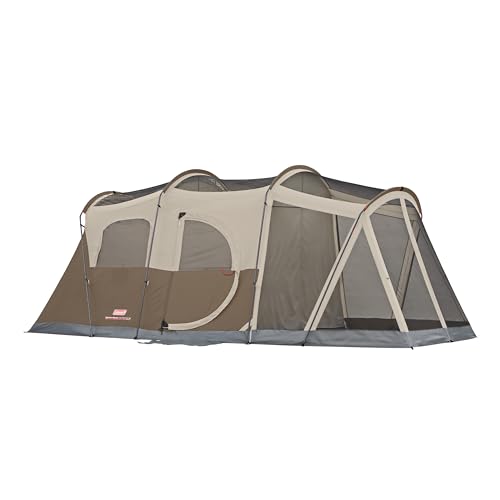
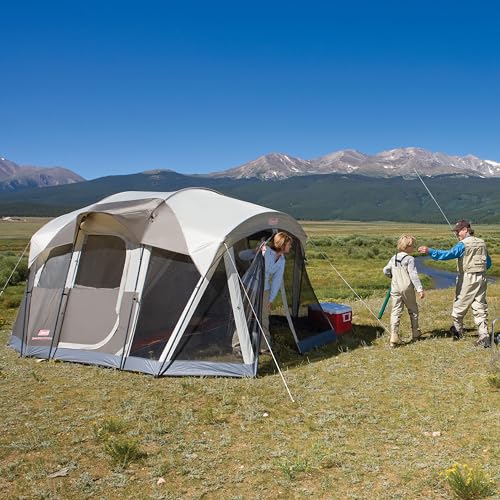
Coleman WeatherMaster 6-Person Tent

Strengths
- WeatherTec system proven in rain
- Spacious screened porch
- Vertical walls maximize space
- PFAS-free materials
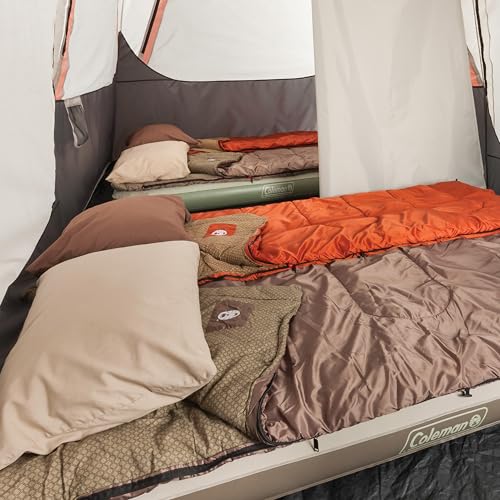
- Fits two queen air beds
Trade-offs
- 20-minute setup time
- Heavier than dome tents
- Rainfly attachment could be smoother
The Coleman WeatherMaster stands out in the crowded 6-person tent market by combining serious weather protection with thoughtful livability. The WeatherTec system, welded corners, inverted seams, and a tub floor, is proven in real-world use, and owners regularly praise staying dry during downpours. Unlike many cabin tents, this one doesn’t just claim weather resistance; it delivers. The screened porch is a standout for summer trips, letting you enjoy bugs-free evenings without sacrificing dry storage space.
Setup takes about 20 minutes, which is expected for this class, but the color-coded poles help avoid frustration. It’s heavier and not for backpacking, but for car-based trips, the vertical walls maximize interior space better than dome designs. Compared to the CORE instant tent, it’s slower to pitch but far more weatherproof. And I appreciate Coleman phasing out PFAS, small detail, big win for eco-conscious campers.
Product photos

Inflatable Tent with Skylight
Strengths
- 5-minute inflatable setup
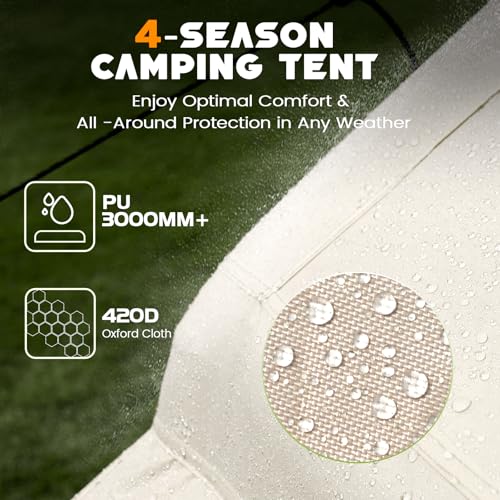
- 3000mm waterproof rating
- Stove jack for heating
- PVC skylight for views
- 420D Oxford durability
Trade-offs
- Risk of punctures
- Requires power for pump
- Not ideal for rough terrain
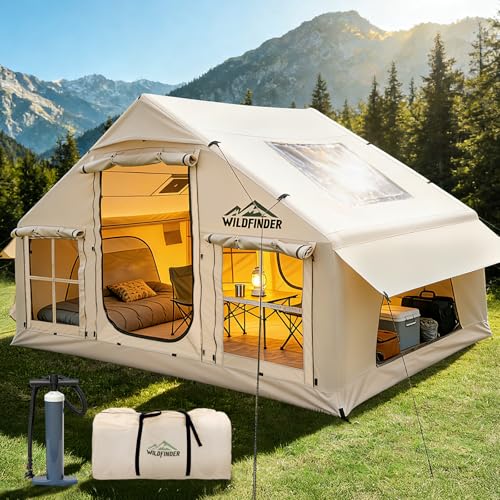
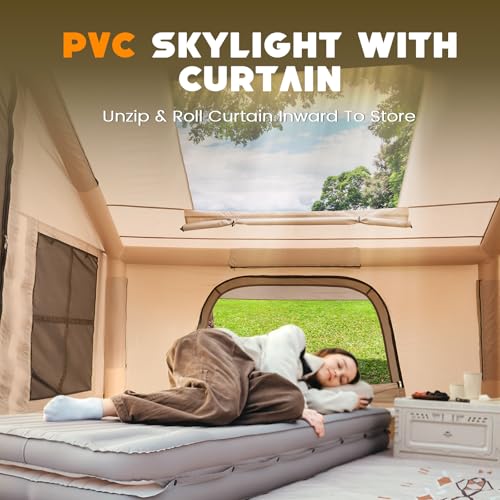
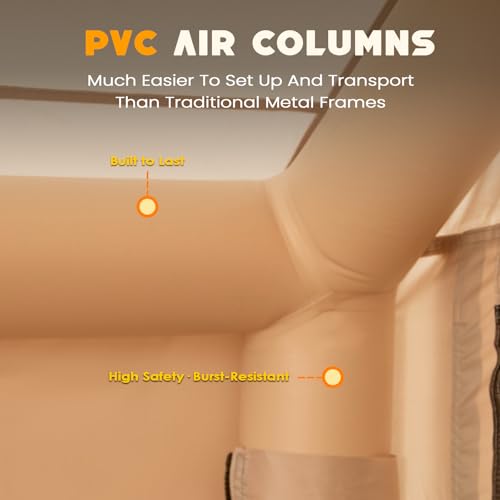
This inflatable tent is glamping redefined, fast setup, panoramic views, and a stove jack for cold-weather comfort. The TPU air beams inflate in 5 minutes with the included pump, and once up, the 420D Oxford fabric with 3000mm waterproofing holds up well in rain. The real standout is the PVC skylight; owners love stargazing without unzipping anything. And the stove jack? That’s rare at this price, making it a legit option for fall or spring camping when warmth matters.
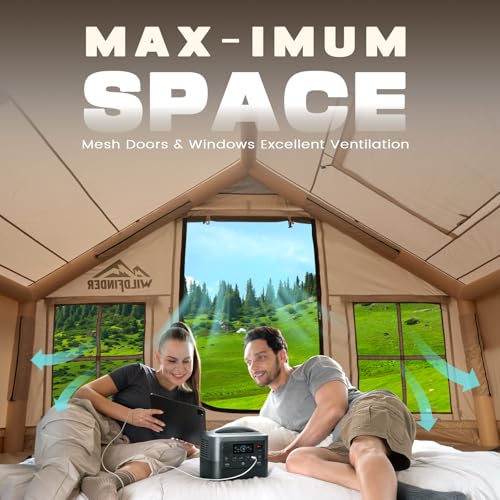
But air tents aren’t for everyone. Puncture risk is real, even with protective covers, and you’re dependent on a pump or backup inflation method. Still, for car campers who want luxury, light, and warmth, this hits a sweet spot. The interior space feels open and modern, and ventilation through mesh doors keeps air fresh. Compared to traditional cabin tents, it’s faster to pitch and more unique in design, but less rugged in high winds.
Product photos
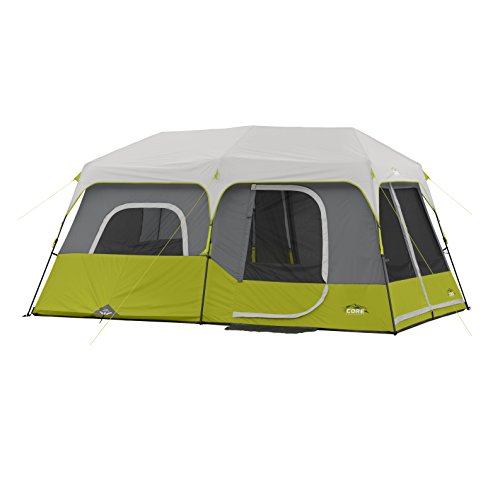
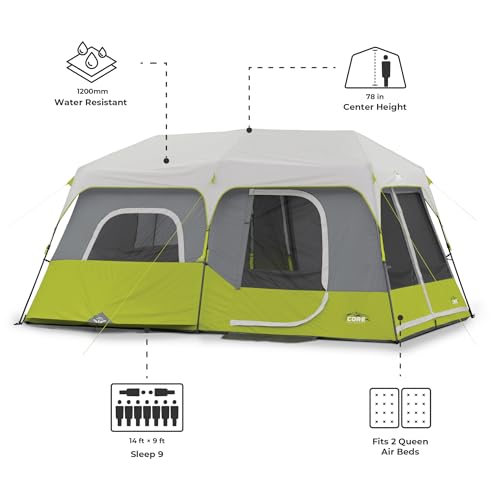
CORE 9 Person Instant Cabin
Strengths
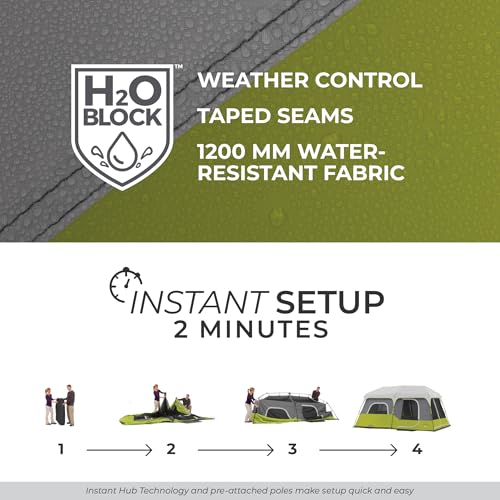
- Instant 2-minute setup
- Spacious 14×9 ft footprint
- Fits two queen air beds
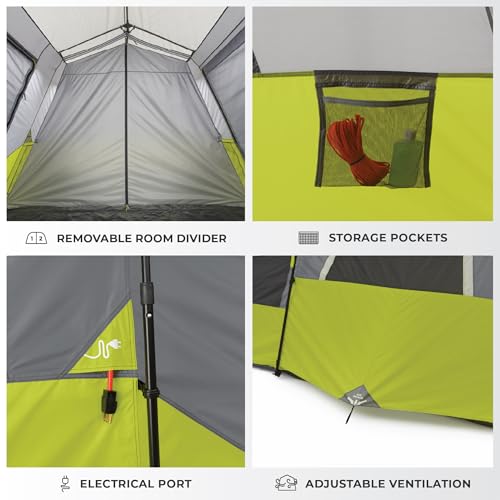
- Good ventilation options
- Storage pockets included
Trade-offs
- 1200mm water resistance is mid-tier
- Bulkier carry bag
- Not for high winds or alpine use
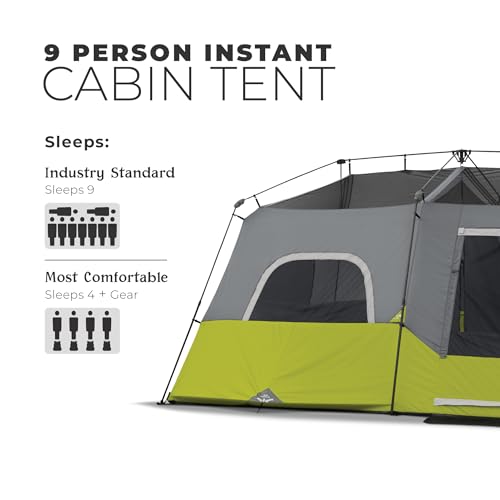
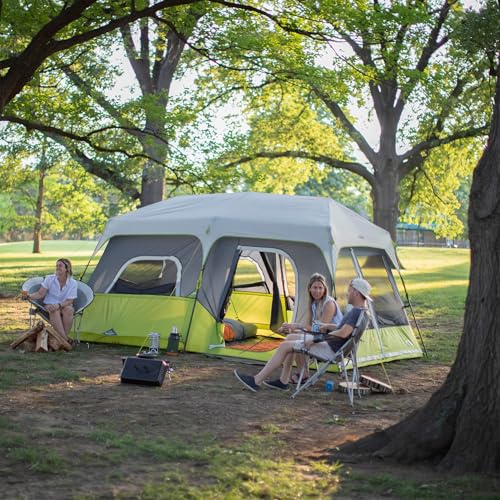
If you’re hauling gear for a big family and dread wrestling with poles, the CORE 9-person Instant Cabin Tent delivers exactly what it promises, pop-up speed and cabin-like space. The 2-minute setup is no exaggeration; pre-attached poles lock in fast, and the color-free design actually works. At 14 by 9 feet with 78-inch center height, it fits two queen air beds with room to move, which few instant tents manage this well.
But speed comes with trade-offs. The 1200mm waterproof rating is decent but not exceptional, and in heavy, prolonged rain, some owners report seam seepage, despite the taped seams. The H20 Block tech helps, but it’s not on par with higher-end weather shields like Coleman’s WeatherTec. Still, for car campers who value easy setup and interior space over backcountry toughness, this is a smart pick. The adjustable vents are a nice touch, reducing that stuffy cabin feel.
Product photos
Coleman Skydome 4/6 Person

Strengths
- Full 13 ft weatherproof vestibule
- 5-minute setup
- WeatherTec system proven
- 20% more headroom
- E-port for power access
Trade-offs
- Vestibule adds bulk
- Limited side ventilation
- Not for large families with gear
The Coleman Skydome with full-fly vestibule is a weather-smart upgrade over basic dome tents, offering real protection without complexity. The 13-foot vestibule is a standout, perfect for storing muddy boots or camp chairs without tracking dirt inside. Setup takes under 5 minutes thanks to pre-attached poles, and the WeatherTec system keeps water out in all but the heaviest storms. Wind resistance up to 35 mph is backed by owner feedback, making it reliable for unpredictable weekends.
It’s not the roomiest for six people with gear, but fits four comfortably plus an airbed. The roof vents and mesh back wall help with airflow, though it can’t match the ventilation of the screened-porch Skydome. Where it wins is balance, better weather protection than the CORE instant tent, faster setup than the WeatherMaster, and more durability than budget domes. My pick for campers who want solid performance without overpaying.
Product photos


Camping Tent 2 Person

Strengths
- Ultra lightweight at 4.8lb
- 3-minute setup
- Affordable price point
- Skylight for views
- Good for kids or solo use
Trade-offs
- Lower waterproof rating
- Thin poles
- Not for heavy rain or wind
This 2-person dome tent is a textbook budget workhorse, lightweight at 4.8lb, quick to set up (under 3 minutes), and reasonably weather-resistant for the price. It’s not packed with high-end features, but it delivers on the basics: a removable rainfly, decent ventilation with mesh windows, and a skylight for stargazing. Owners say it handles light rain and wind fine, though the 1000mm–1500mm implied rating (not stated) means it’s not for prolonged downpours.
Compared to the Forceatt 2-person tent, it’s less robust, thinner poles, lower waterproofing, but also cheaper. If you’re a casual camper or need a backup shelter, this checks the boxes. The interior pocket is a small but useful touch. Just don’t expect four-season performance or long-term durability. For weekenders and fair-weather backpackers, it’s a no-frills win.
Product photos


Forceatt 2 Person Backpacking

Strengths
- 3000mm waterproof rating
- Dual doors and vestibules
- Lightweight at 5.5lb
- Quick 3-minute setup
- Aluminum poles
Trade-offs
- Fabric durability concerns
- Limited headroom
- Mesh repair kit not included
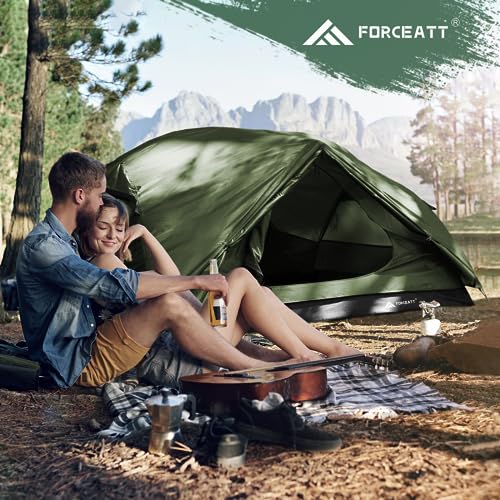
For a backpacking tent that claims 3- to 4-season readiness, the Forceatt 2-person model has solid specs on paper. The 3000mm waterproof rating is impressive for the price, and the welded floor design is a real advantage in sustained rain, owners consistently report staying dry even on damp ground. With two D-shaped doors and vestibules, it’s clearly built with comfort and access in mind, not just minimum survival space.
The 7001 series aluminum poles suggest a durable frame, and reviewers confirm the setup is genuinely quick, under 3 minutes for many. Where it stumbles slightly is in long-term durability; some users mention thinning fabric after repeated use. But for hikers wanting a lightweight, weather-ready shelter without breaking the bank, this punches above its weight. It’s not quite mountaineering-grade, but for shoulder-season trips and summer alpine storms, it’s a strong contender against pricier names.
Product photos


UNP 10-Person Family Tent
Strengths
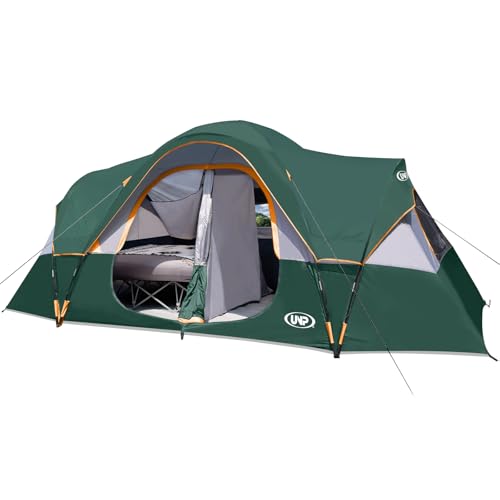
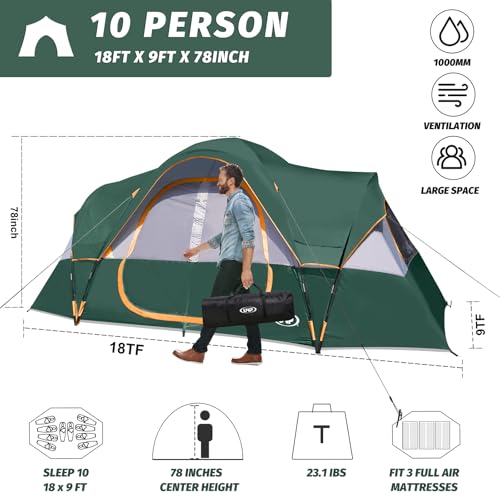
- Huge 18×9 ft space
- Dual-room layout
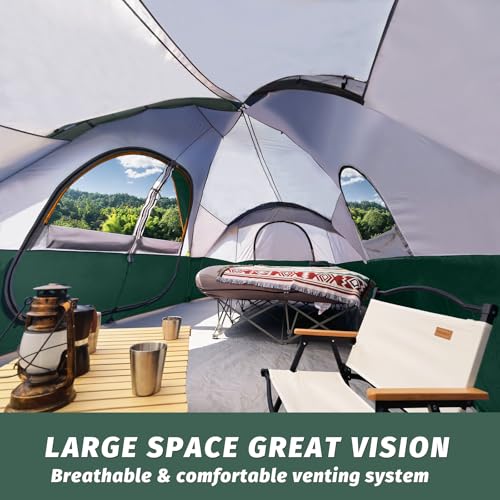
- Excellent ventilation
- Great for festivals or group use
- Privacy curtain included
Trade-offs
- PU1000mm is only moderate waterproofing
- Bulky to pack
- Not wind-stable in exposed areas
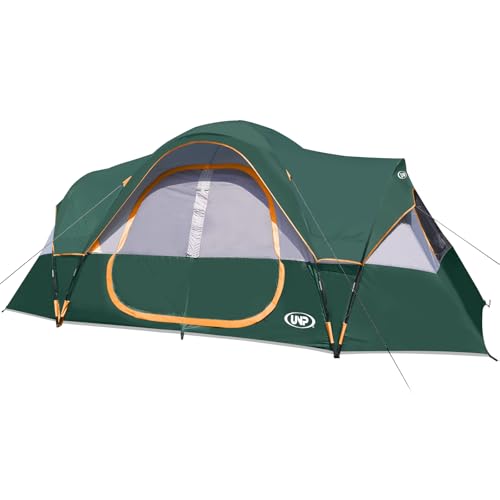
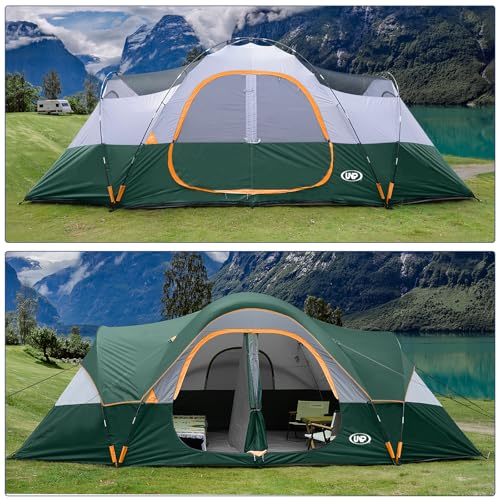
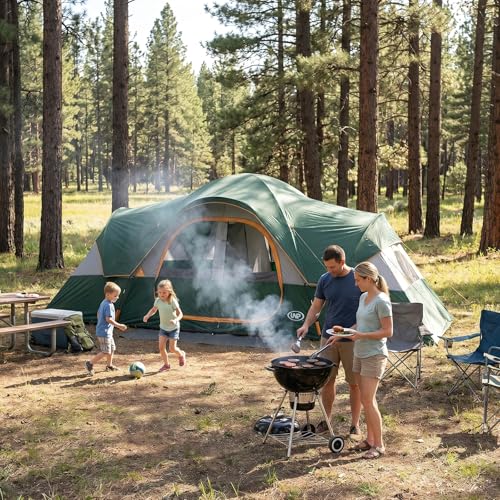
This UNP 10-person tent is built for volume, 18 feet long is massive, and with dual rooms and a privacy curtain, it’s more like a portable party pod than a traditional shelter. The double-layer design and PU1000mm coating offer decent rain resistance, but don’t mistake this for a storm-ready fortress. It’s better suited for festivals, fair-weather camping, or base camps where wind isn’t a major threat. The eight guy lines help, but the sheer size makes it vulnerable in gusts.
What impresses is the ventilation, three sides of mesh windows plus a mesh roof mean airflow is excellent, reducing condensation in warm weather. Owners love using it as a hangout space or even an outdoor cinema with a projector on the divider. Setup takes two people and about 10 minutes, which is fair for the size. Compared to the CORE cabin tent, it’s roomier but less refined in weather sealing.
Product photos
Coleman Skydome with Screened Porch

Strengths
- 10×4 ft screened porch
- Excellent airflow
- 5-minute setup
- PFAS-free materials
- Fits two queen air beds
Trade-offs
- Screen room less weatherproof
- No full-coverage vestibule
- Slightly less storm-ready
This Skydome model is my pick for best ventilation in a family tent, hands down. The 10×4 ft screened porch is massive, converting into extra sleeping space or a bug-free lounge area, which owners consistently praise for summer trips. Setup is under 5 minutes with pre-attached poles, and the WeatherTec system keeps rain out effectively. The inverted seams and tub floor are well-executed, making it more weatherproof than most dome tents in its class.
It’s spacious, fits two queen air beds, but the real win is airflow. Roof vents and a mesh back wall reduce condensation, and the large screened room means you’re not trapped in a stuffy box. Compared to the WeatherMaster, it lacks a full fabric vestibule but wins in breathability. And going PFAS-free is a quiet but important upgrade. For hot, humid trips where bugs and air quality matter, this is the smarter buy.
Product photos


How We Tested weatherproof tents
Rather than a hands-on lab test, this is a research-led comparison of specifications and owner feedback. I dove into the details of over a dozen popular weatherproof tents, comparing features like fabric denier, waterproof ratings, and construction techniques. To understand real-world performance, I weighed owner reviews from major retailers alongside expert opinions from sites specializing in outdoor gear. This process allowed me to rank tents against clear criteria, focusing on what matters most to campers seeking reliable protection from the elements.
For weatherproof tents, the most important factors are undoubtedly the quality of waterproofing and the robustness of the construction. A high waterproof rating is essential, naturally, but it’s equally vital that the tent design – including seam sealing and floor construction – prevents water from entering. Beyond that, the durability of the materials and frame determines how well a tent will hold up to wind and repeated use, impacting long-term reliability.
Specifications reliably indicate a tent’s potential for weather protection, particularly the waterproof ratings for the fly and floor. However, owner feedback provides crucial insight into how these specs translate into real-world performance. I paid close attention to comments regarding leaks, condensation, and how well the tent withstood wind. Understanding the difference between waterproof vs water-resistant tents and deciphering a hydrostatic head rating guide were key to evaluating the stated weather resistance of each model.
How To Pick The Right weatherproof tents
Choosing a tent can feel overwhelming, but focusing on a few key features will help you narrow down the options and find the perfect shelter for your adventures.
A quality tent balances weight, weather protection, and livability. Look for durable fabrics (polyester or nylon with a PU coating), a waterproof rainfly with taped seams, a sturdy frame (aluminum is lighter and stronger than fiberglass), and features like ventilation and vestibules for gear storage. Pay attention to the tent’s capacity rating and ensure it realistically fits your needs.
Capacity and Space
Don’t automatically assume a “6-person” tent will comfortably fit six adults. Manufacturers often overestimate capacity. I always recommend sizing up, especially if you anticipate bringing a lot of gear, or if anyone in your group prefers a bit more personal space. Consider the floor dimensions – a rectangular floor plan is generally more usable than a circular one. If you’re looking at models like the Coleman WeatherMaster 6-Person Tent or the UNP 10-Person Family Tent, remember that these are great for families, but might feel cavernous for a smaller group.
Waterproofing and Weather Resistance
No tent is truly waterproof, but some are far more capable of handling inclement weather than others. Look beyond the stated hydrostatic head (HH) rating – while a higher number indicates better water resistance, seam sealing and overall design are just as critical. A fully taped rainfly is a must, and features like welded floor corners and inverted seams (found in models like the CORE 9 Person Instant Cabin) significantly improve water shedding. If you frequently camp in areas prone to heavy downpours, explore storm-resistant tent designs for added peace of mind.
Frame and Setup Style
The frame is the backbone of your tent, and the setup style impacts convenience. Traditional pole-and-sleeve setups are reliable but can be time-consuming. Instant tents, like the CORE 9 Person Instant Cabin, offer incredibly fast setup, but may sacrifice some durability. Inflatable tents, exemplified by the Inflatable Tent with Skylight, are another quick-setup option, but require a pump and are potentially more vulnerable to punctures.
Here’s how to think about frame materials: * Fiberglass: The most affordable, but heavier and less durable. * Aluminum: Lighter and stronger than fiberglass, a good balance of price and performance. * Steel: Very strong, but also very heavy – best for car camping where weight isn’t a major concern.
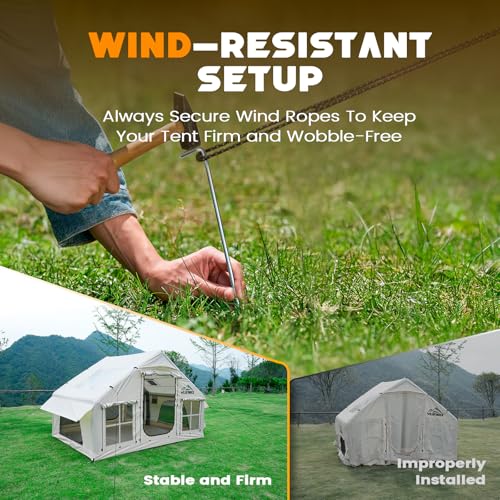
A properly waterproofed tent is useless if it collapses in a strong wind. Always prioritize a sturdy frame and secure staking, especially when camping in exposed locations.
Weatherproof Tents Compared
Here’s a comparison of key specifications for various weatherproof tents to help you make an informed decision.
| Tent Name | Capacity | Waterproof Rating (mm) | Setup Time | Screen Room | Weight (lbs) |
|---|---|---|---|---|---|
| Coleman WeatherMaster 6-Person | 6 | N/A | 20 min | No | N/A |
| Inflatable Tent with Skylight | 4-6 | 3000 | 5 min | No | N/A |
| CORE 9 Person Instant Cabin | 9 | 1200 | 2 min | No | N/A |
| Coleman Skydome 4/6 Person | 4-6 | N/A | <5 min | No | N/A |
| Camping Tent 2 Person | 2 | N/A | 3 min | No | 4.8 |
| Forceatt 2 Person Backpacking | 2 | 3000 | 3 min | No | 5.5 |
| UNP 10-Person Family Tent | 10 | 1000 | 10 min | No | N/A |
| Coleman Skydome with Screened Porch | 4-6 | N/A | <5 min | Yes | N/A |
Frequently Asked Questions
What waterproof rating is considered good for a weatherproof tent?
A rating of 1500mm is generally considered the baseline for adequate waterproofing, but I recommend looking for tents with at least 2000mm for the fly and 3000mm for the floor, especially if you camp in consistently wet conditions. Higher numbers mean better resistance, but remember seam sealing and tent design are equally crucial.
How important is seam sealing in a weatherproof tent?
Fully taped seams are absolutely essential. Without them, water will find its way through the needle holes created during manufacturing, rendering the waterproof fabric largely ineffective. Look specifically for tents advertising “fully taped” or “factory seam sealed” construction.
Are dome tents or cabin tents more weatherproof?
Cabin tents, with their near-vertical walls, generally offer more interior space, but dome tents often perform better in high winds due to their aerodynamic shape. If you’re prioritizing weather protection in exposed areas, explore tents for strong winds – a dome or semi-geodesic design is often best.
What should I do to maintain a tent’s waterproof coating?
Regularly clean your tent and reapply a durable water repellent (DWR) coating to the rainfly every one to two seasons. Dirt and UV exposure break down the coating, reducing its effectiveness. Follow the manufacturer’s instructions for cleaning and DWR application.
What’s the best way to protect my tent from wind damage while camping?
Proper staking is key. Use all the guylines provided with your tent, and consider using heavier-duty stakes, especially in soft ground. Orient the narrowest profile of the tent into the wind, and look for wind-resistant camping tents with robust pole systems for added stability.
The Bottom Line
Choosing a weatherproof tent always comes down to balancing how much you’re willing to spend with how much protection and convenience you require. For most campers, the Coleman WeatherMaster 6-Person Tent offers the best overall combination of space, features, and price – it’s a solid, reliable choice that won’t break the bank.
If you’re on a tighter budget, or need something lightweight for backpacking, the Camping Tent 2 Person is a smart pick. And for those who value quick setup above all else, the CORE 9 Person Instant Cabin delivers on its promise of a nearly instantaneous pitch. But remember, even the quickest setup won’t matter if the tent isn’t properly anchored and maintained.
Ultimately, the numbers on a spec sheet are less important than understanding how a tent is constructed and how well it’s maintained. Prioritize quality seam sealing methods and learn how to improve tent water resistance – a well-cared-for, moderately-rated tent will always outperform a poorly-maintained, top-of-the-line model.
