
Does Surface Pro Fold Into a Tent? The Real Answer
This post contains affiliate links. As an Amazon Associate, we earn from qualifying purchases.
The Microsoft Surface Pro does not fold into a physical camping tent. Its “tent mode” is a software-friendly hardware posture where the kickstand is opened past 90 degrees and the keyboard is detached or folded back, creating a stable, angled display for touch use or watching media. It’s a versatile stance for a coffee table, not a shelter for the woods.
When I’m packing for a trip, my tent is the first thing in my pack. My Surface Pro 11th Edition? That goes into a Pelican case, wrapped in a microfiber cloth. The two serve completely different purposes, and confusing them is a fast track to a broken device and a miserable night.
I’ve learned this the hard way through rain, dust, and one very expensive repair bill. Let’s cut through the marketing and talk about what the Surface Pro’s convertible modes actually do, why its construction fails in real outdoor conditions, and how to build a practical, weather-ready digital nomad kit that actually works.
Key Takeaways
- “Tent mode” is just a screen position using the kickstand, ideal for touch use on a stable surface. It offers zero protection from the elements.
- Newer Snapdragon X models are better for outdoors due to their fanless, ventless design, which eliminates a major point of failure for dust.
- The device’s IP53 rating is for light, indirect spray only. Direct rain, humidity, or fine dust can and will damage it.
- For reliable outdoor computing, you need a dedicated shelter, like a car camping tent for space or a lightweight two-person tent for the trail, and a protective case for your gear.
- Your power solution is critical: a 65W+ USB-C PD power bank like the Anker 737 is non-negotiable for off-grid use.
What exactly is the Surface Pro’s “tent mode”?
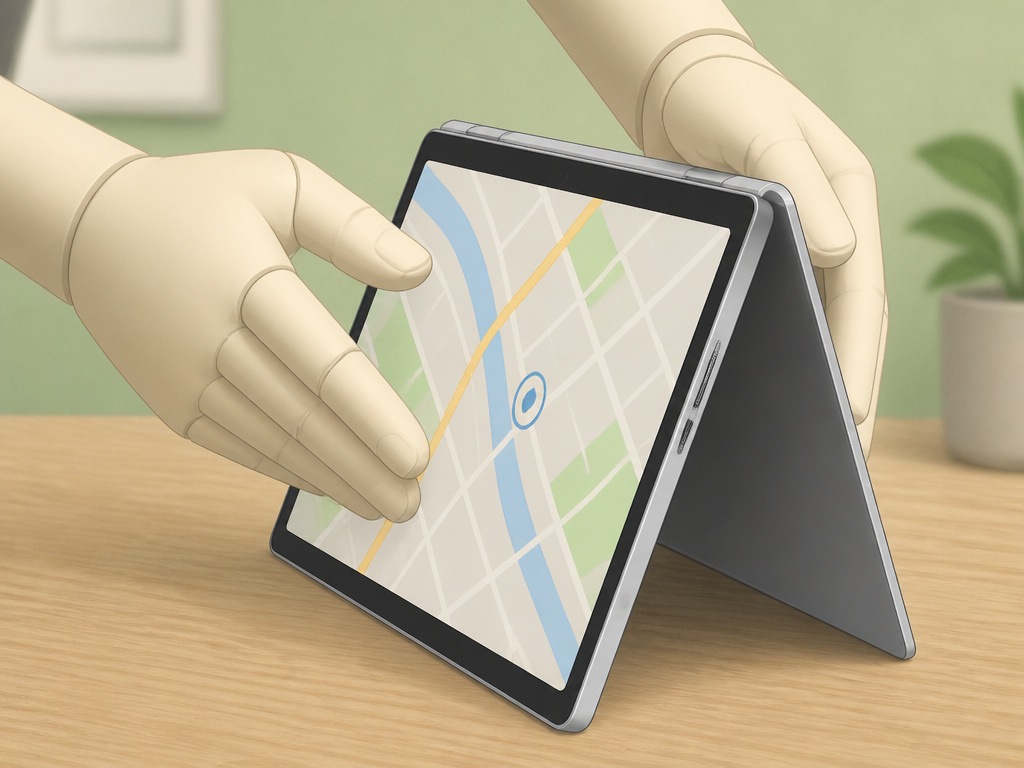
You detach the keyboard or fold it back, open the kickstand past 90 degrees, and let the device rest on its top edge and stand feet. That’s it. The screen auto-rotates, putting the touch interface at a perfect angle for poking at maps or controlling a movie playlist.
The Surface Pro’s “tent mode” is a convertible computing posture where the kickstand is opened past 90 degrees, allowing the device to rest on its top edge and stand feet in an inverted-V shape. The detachable keyboard is either removed or folded behind the tablet. This position optimizes the device for touch interaction and media consumption in confined spaces, leveraging the adjustable hinge built into the magnesium chassis.
It’s one of four core postures, alongside Laptop, Studio, and Tablet modes. It’s clever engineering for mobility, but the name creates a hilarious mental image for anyone who’s actually wrestled with tent poles in the wind.
TL;DR: It’s a stable way to prop up your screen on a table. It will not keep you dry.
Is a Surface Pro durable enough for camping?
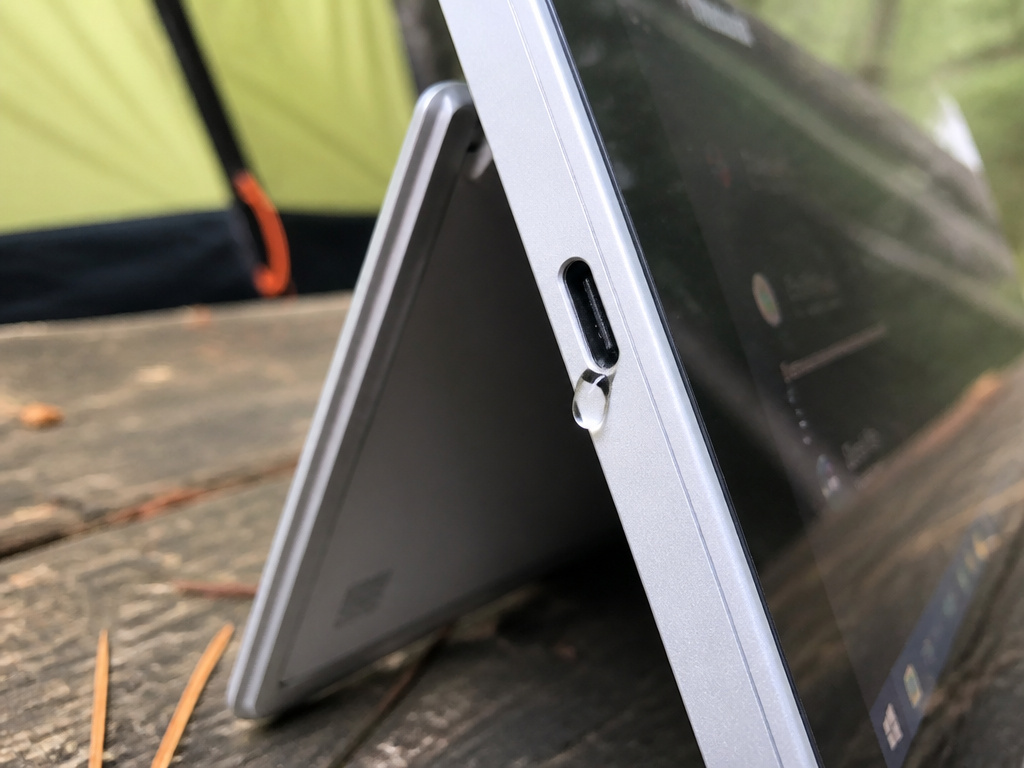
Short answer: no. Not on its own. I treat my Surface Pro with more care than my most fragile tent pole.
Last summer, I made the classic mistake of trusting my Surface Pro 9‘s IP53 rating during a sudden Sierra downpour. I was in my Big Agnes Copper Spur HV UL2, dry as a bone, but had left the Surface in ‘tent mode’ on the picnic table under the vestibule’s edge. A wind-driven spray hit the USB-C port. The device shut down, and the local repair shop quoted $580 for a logic board replacement. That’s more than the tent itself cost.
The internal specs tell the story of a device built for controlled environments. RAM is soldered on. While the SSD is removable on models like the Surface Pro 9, according to Microsoft’s own service guides, most other components are integrated. You can’t just swap out a port corroded by moisture.
Before you start: Using a Surface Pro outdoors introduces specific physical and financial risks. Moisture ingress through ports can cause immediate short-circuit failure. Fine dust, like desert sand, can clog cooling vents on Intel models, leading to overheating and component failure within days. Always use a protective case and a stable, dry surface.
Surface Pro Model Breakdown for Outdoor Use
Not all models are created equal when it comes to environmental grit. The chipset dictates the cooling, which dictates durability.
| Model | Processor | Cooling Design | Key Vulnerability | Best For |
|---|---|---|---|---|
| Surface Pro 9 (Intel) | 12th Gen Intel Core i5/i7 | Active fan & vents | Vents suck in dust/sand; fan bearing failure from grit; thermal throttling. | Controlled indoor/outdoor spaces only. |
| Surface Pro 9 (5G) | Microsoft SQ® 3 | Passive, fanless | No moving parts to clog, but ports and seams are still moisture points. | Dry campsites, less dusty environments. |
| Surface Pro 11th Edition | Snapdragon X Elite/Plus | Passive, fanless | Fanless design eliminates biggest dust ingress point; still not waterproof. | The most resilient option for mobile use, but still needs a case. |
The shift to Arm-based, fanless designs in newer models is a genuine improvement. As one YouTube reviewer noted, the new Snapdragon X models “run totally silent” because there’s no fan to sound like a rocket taking off. No fan also means no tiny vacuum cleaner sucking in campfire ash.
How do you actually use a Surface Pro outdoors?
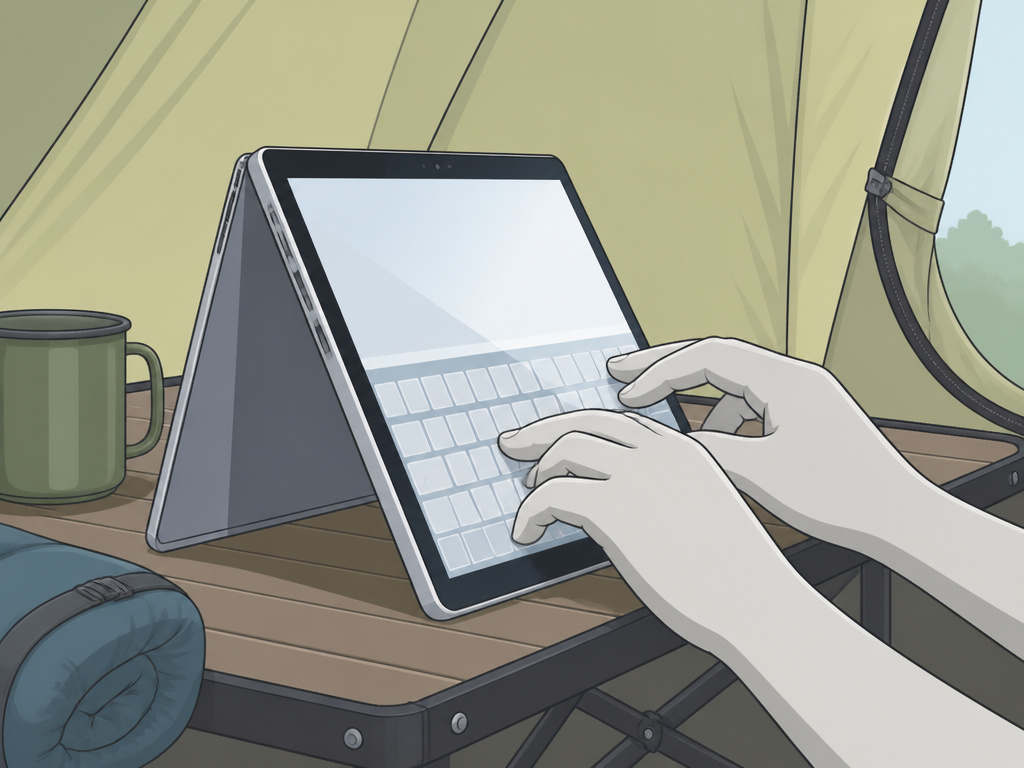
You build a system. The device is the brain, but it needs armor, power, and a proper shelter. Here’s my field-tested kit, refined after that expensive Sierra lesson.
- The Bunker: A hard-shell case isn’t just for transport, it’s your device’s bunker. I use a Pelican 1495 with Pick N Pluck foam because its O-ring seal and pressure valve keep out the fine dust that killed my old Pro 7’s fan. Without it, a single windy night can suck enough grit into the vents to cause thermal throttling within a week.
- The Power Plant: The official Surface Connect charger is useless without an outlet. You need a high-wattage power bank. My go-to is the Anker 737 (PowerCore 24K). Its 140W output and 24,000mAh capacity can recharge my Surface Pro 11th Edition nearly twice, and the built-in display shows real-time wattage.
- The Shelter: This is non-negotiable. Your tent is your dry, clean workspace. For car camping where I need room for a small table, I use the REI Co-op Kingdom 6. For backpacking, my choice is a compact backpacking shelter like the Big Agnes Copper Spur HV UL2. The goal is a bathtub floor and good ventilation to manage condensation away from your electronics.
- The Foundation: A stable, flat surface. I never set my Surface Pro directly on the ground. A small camping table like the Helinox Table One is perfect. The anodized top won’t scratch the kickstand feet, and it keeps the device away from dirt, water, and curious insects.
Common mistake: Using ‘tent mode’ on a soft blanket or sleeping bag. The kickstand feet sink, the device tips over in seconds, and the screen can crack against a rock hidden underneath. Always use a hard, flat surface.
This system works because each component handles a specific threat. The case handles impacts and dust. The power bank ensures runtime. The tent manages weather. The table provides a clean, level stage. It’s the difference between hoping your gear survives and knowing it will.
What should you look for in a camping tent for tech use?
Your tent is your outdoor office. Not all shelters are created equal for this purpose. While any portable two-person shelter is better than none, specific features make a difference.
First, prioritize space and ventilation. You need room to sit with your device without pressing against the walls, where condensation forms. A tent with a large mesh panel and a high ceiling, like many duo hiking shelters, is ideal. A vestibule is golden, it’s a dry “mudroom” for your backpack and boots, keeping the sleeping area clean.
Second, consider the floor. A “bathtub” floor that extends up the sides is crucial for keeping ground moisture out. For car camping, a drive-up camping shelter with a durable, polyethylene floor is easier to clean and protects your gear from punctures.
Here’s a quick diagnostic table for choosing your tech-basecamp tent:
| Symptom / Concern | Likely Cause | The Fix (Tent Feature) |
|---|---|---|
| Condensation dripping on device | Poor airflow, single-wall design, too many bodies. | A tent with large mesh panels and a rainfly that creates a ventilated air gap. |
| Device feels damp inside tent | Ground moisture seeping through floor. | A tent with a bathtub-style floor and a high hydrostatic head rating (e.g., 3000mm+). |
| No room to set up a small table | Tent is too small or has a narrow floor plan. | A car camping tent with a square footage over 30 sq ft. |
| Worrying about screen glare | Dark tent interior forces high screen brightness. | A tent with light-colored interior walls or a large door for natural light. |
TL;DR: Choose a tent that gives you dry, ventilated space. Your electronics need a clean environment, not just a roof.
How do newer Surface Pro models improve outdoor viability?
The evolution from Intel to Arm-based chips is the biggest story for campers. The move to fanless designs, as highlighted in the Snapdragon X model transcripts, directly addresses a major failure point. No fan means no vents for dust to enter, which is a game-changer for desert or beach camping.
Another subtle but significant upgrade is the move to USB-C-only charging, ditching the proprietary Surface Connect port. This simplifies your power kit, one 65W USB-C PD charger can power your Surface Pro, your phone, and your power bank. It’s one less specialized cable to lose in the woods.
However, these improvements don’t create a weatherproof device. The IP53 rating remains. This rating, defined by the IEC standard, means it’s protected against “limited dust ingress” and water spray at up to a 60-degree angle for 5 minutes. A direct rain shower or even heavy, moisture-laden fog exceeds this specification. The ports and speaker grilles are still vulnerable.
The fanless design in newer Surface Pro models is a legitimate durability upgrade for dusty environments, turning a critical weakness into a non-issue. But it upgrades the device from “fragile” to “durable in a controlled setting.” It still requires a protective system.
This is why pairing a resilient device like the Surface Pro 11th Edition with a purpose-built shelter isn’t overkill, it’s the only logical approach. The device handles your work; a proper two-person hiking tent handles the environment.
Frequently Asked Questions
Can I use my Surface Pro in the rain if it’s under a tarp or awning?
I wouldn’t risk it. Humidity alone can condense inside the device. A tarp might stop direct rain, but it doesn’t control ambient moisture, splashes, or morning dew. The IP53 rating is for very light, indirect spray. It’s not a weatherproof rating.
What portable power bank do you recommend for a Surface Pro?
You need USB-C Power Delivery (PD) at 65W or higher. My Anker 737 (140W, 24,000mAh) is my workhorse. It provides about 1.5 full charges for my Surface Pro 11th Edition. Capacity is key, look for at least 20,000mAh (about 74Wh).
Are there waterproof cases you can use while operating the Surface Pro?
Not really. True waterproof cases like Pelican’s are for transport and storage. You can’t use the device while it’s sealed. For active use, your best bet is a weather-resistant bag or a clear dry bag that you can open on a dry, sheltered surface inside your tent.
Will setting up my Surface Pro on uneven ground damage the kickstand?
Yes, absolutely. The kickstand hinge is a precision mechanism. Forcing it open on a slanted or soft surface can twist the frame or strain the hinge, leading to a wobbly or loose stand over time. Always use a flat, hard surface like a camp table or a piece of plywood.
Is the Surface Pro a good choice for a digital nomad who camps?
As a computer, it’s excellent, portable, powerful, with great battery life (Microsoft claims up to 10 hours on the new models). As a piece of camping gear, it’s terrible. Its value is in replacing your laptop, not your tent. The separation of roles is what makes the setup work.
The Bottom Line
The Surface Pro’s “tent mode” is a brilliant piece of industrial design for the coffee table. It is a useless metaphor in the backcountry. The device’s real value for outdoor enthusiasts lies in its portability and the improved resilience of its fanless, newer models.
Your kit needs two specialized tools: a computing device and a shelter. Choose your Surface Pro based on its processor, opting for a fanless Snapdragon X model if dust is a concern, and then invest in a dedicated, weather-appropriate tent. Whether that’s a spacious automobile camping shelter for basecamp comfort or a featherweight camping tent for the trail, that separation of duties is what keeps your technology dry, powered, and your adventure on track.
