
How To Take Down A Canopy Tent
This post contains affiliate links. As an Amazon Associate, we earn from qualifying purchases.
To take down a canopy tent properly, begin by clearing the area and removing any weights or accessories, then unhook and carefully roll the sidewalls to prevent wrinkles. Next, lower the frame evenly by pressing the triggers on the legs, fold it securely, and tie it to keep everything compact. Make sure the fabric is clean and fully dry before storing to maintain your tent’s condition. Further details and tips on cleaning and inspecting your tent will be provided later for those who want a more thorough guide.
Essential Facts in 30 Seconds
- Remove accessories and sidewalls carefully.
- Lower the canopy frame evenly by pressing leg buttons and releasing locks.
- Fold the frame accordion-style and secure with straps.
- Clean the fabric with mild soap and dry completely.
- Store the tent in a cool, dry place using breathable bags.
Preparation and Tool Gathering
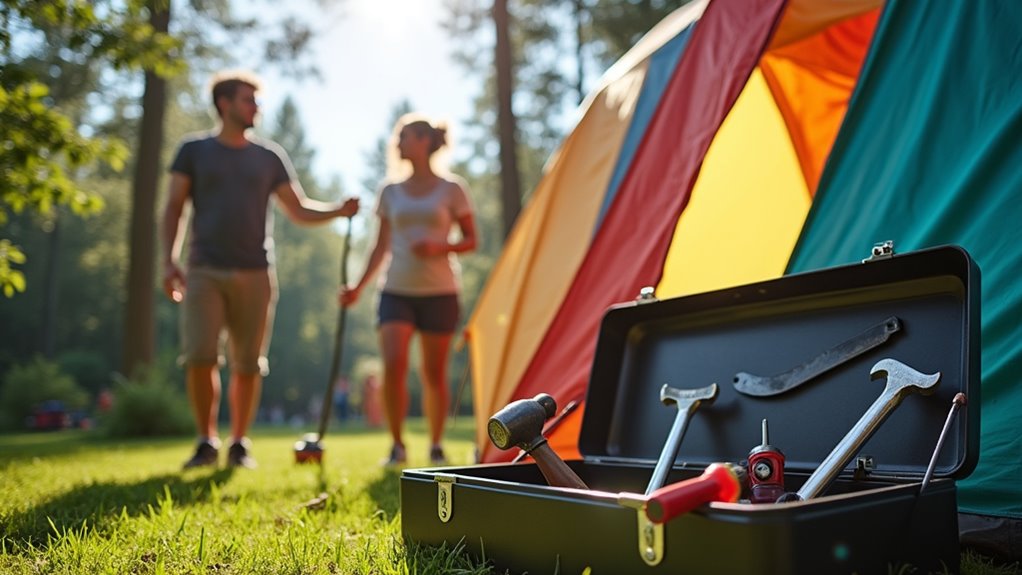
Prepare well before taking down your canopy tent. Gather all needed tools first. Know every part: canopy fabric, frame, stakes, and ropes.
Clear the area of obstacles and personal things to stay safe. Bring mild soap, lukewarm water, and a soft brush for cleaning. Have dry towels ready to dry wet fabric. Ensure you remove weight bags or stakes before starting the disassembly process to avoid accidents.
Keep stakes, ropes, and weights in one place and easy to reach. Have tools like buttons or levers ready to release the frame. Remember to check for levelness and tautness before disassembling to ensure a smooth take-down process.
Use a storage bag or box to keep all parts safe. Set aside enough time to handle the tent carefully and dry it before storing. This helps your tent last longer and stay in good shape.
Removing Accessories and Sidewalls
Start by removing the sidewalls to make takedown easier. Unhook Velcro strips that hold the sidewalls to the frame. Untie straps gently to avoid tearing the fabric. Roll the sidewalls carefully to stop wrinkles. Lower the tent to its shortest height for better reach.
Next, take off all accessories like lights and banners. Remove weights and stakes from the legs so the frame folds properly. Keep all accessories together to avoid losing parts.
Put sidewalls and accessories in their bags to keep them safe. Check each item for damage. This helps you get ready for the next use quickly and easily.
Lowering the Canopy and Frame Release
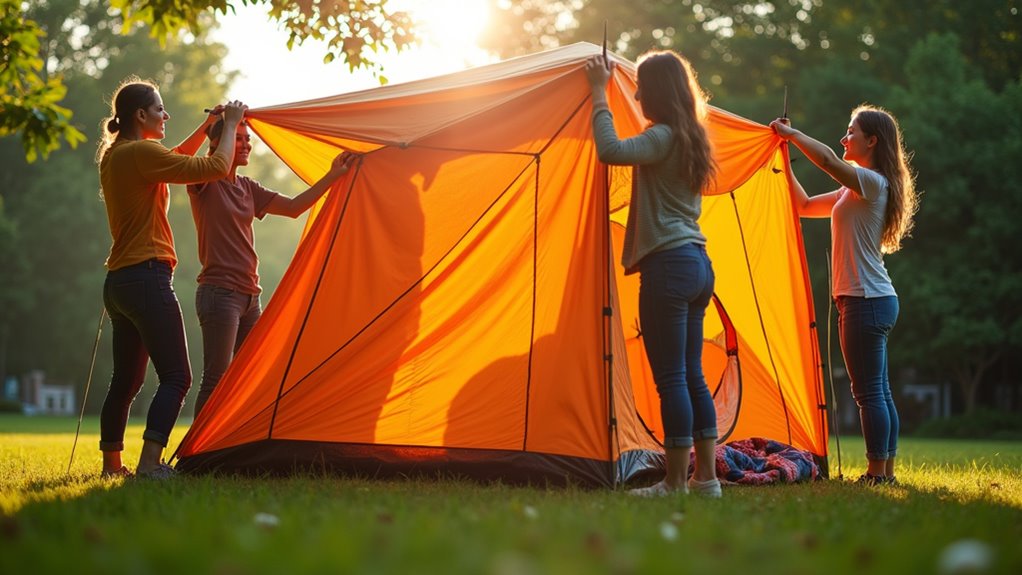
Lower the canopy and release the frame step by step for safety and ease. Press the buttons or triggers on the inner legs first. Lower each leg slowly and evenly to keep the frame steady. Check for locks if the legs don’t move easily. For big tents, work with a helper to lower legs at the same time. This keeps the canopy safe.
Find the locking sliders near the corners. Press or slide them to let the tension go. Look for middle frame locks too. Release all corner locks before folding the frame to avoid damage.
Stand in the center and push the frame down with even pressure. Keep your hands away from pinch spots to stay safe. Make sure the ground is flat and clear of debris. This makes takedown safer and smoother.
Folding the Frame
Fold the frame by pushing it inward. This keeps its shape strong.
Fold each part carefully. Make sure all parts fold evenly. This stops damage and keeps the frame safe.
Check the frame for cracks or breaks before finishing. This helps avoid problems next time you set it up.
Simple steps keep your frame lasting longer.
Inward Frame Compression
Fold your canopy tent frame carefully to keep it strong and easy to use.
Start by lowering all legs to their shortest length. This makes the frame steady. Unlock the triggers near the leg joints next. Lift the fabric slightly to stop it from getting caught.
Push the frame inward evenly from each corner. Use a gentle, accordion-like motion to fold the legs and top parts toward the center. Fold one layer at a time to protect the joints.
Tie the frame with straps once folded. It’s also important to remove stakes before taking down the tent to ensure a smooth takedown process. Store it in a dry, clean place to avoid rust and damage.
This simple process helps your tent last longer and stay in good shape.
Coordinated Folding Techniques
Fold the canopy tent frame with care for safety and best results.
Fold the frame evenly from opposite sides. This keeps the frame balanced. Watch your fingers near pinch points to avoid injury. Press push buttons to unlock the joints.
Fold each leg at the same time. This keeps everything steady. While doing this, ensure you have clear space around the tent for maneuverability.
Lower the legs slowly to clear space. Then, push the truss bars up and fold the top section.
Next, bring the legs close together. Fold the crossbars one by one. Use gentle, steady pressure. Don’t force any part. Remember to secure the tent properly before taking it down to avoid any accidental damage.
Practice these steps. You’ll fold the frame quickly and safely every time.
Inspecting for Damage
Inspect the frame carefully before folding it. Check all parts for damage that could make it unsafe or weak. Focus on frame joints, metal parts, and fabric connection points. Watch for cracks, rust, or wear.
| Component | What to Check |
|---|---|
| Frame Joints | Look for cracks, bending, or looseness |
| Metal Parts | Find dents, rust, or misshapes |
| Pins and Fasteners | Make sure they stay tight and rust-free |
| Fabric Connection Points | See if they are torn or weak |
| Important Load Points | Check for early signs of damage |
Keep the frame strong and safe. Write down any problems. Fix them soon. A solid canopy lasts longer and stays safe.
Folding and Packing Fabric
Remove the canopy fabric gently from the frame.
Spread it out flat on a clean surface to keep it clean.
Check the fabric carefully for any tears or holes. Regular inspections can help identify any damage before it becomes a larger issue.
Make sure the fabric dries completely before folding.
Fold the fabric neatly to save space and avoid wrinkles.
Store the folded fabric in a dry place to protect it from rain and sun.
Proper care can extend the fabric’s life by years.
Keep your canopy fabric ready for the next use. Additionally, organizing poles and stakes is essential to ensure all components are kept together for convenience.
Proper Fabric Removal Techniques
Removing fabric from your canopy tent needs care to keep it strong and clean. First, check the fabric for holes or mold. Brush off loose dirt gently before taking it off the frame. Avoid pulling too hard on the seams. Make sure the fabric is dry to stop mold from growing. Lay it on a clean, flat place to keep it safe from scratches. Regular maintenance, including proper storage techniques, will also help extend the life of your canopy tent.
| Step | Tips |
|---|---|
| Clean Before Packing | Use mild soap and a soft sponge. |
| Proper Storage | Store in breathable bags, not plastic. |
| Regular Checks | Look over fabric often for damage. |
Neat Folding Methods
Clean and dry canopy fabric first. Lay it flat on a clean surface.
Fold the fabric in halves or thirds lengthwise. Keep the fold width between 8 and 12 inches. Tuck loose edges under to keep folds straight.
Press or roll the fabric gently to push out air. This reduces the packed size. Align all edges carefully to avoid uneven folds.
Compress the folded fabric into a storage bag. This saves space and protects the fabric during transport.
This method keeps your canopy neat and easy to carry.
Drying and Storage Tips
Let the fabric air dry in a place with good air flow. This stops mold from growing. It’s essential to check seams and corners for any retained moisture before folding the fabric. Wipe off any wet spots with a dry cloth before you fold the fabric.
Wash the fabric with soft soap and water, then rinse well. Only store the fabric when it’s 100% dry. Use covers to protect it from dirt and dust. This simple care helps your tent last longer and stay clean, including ensuring that complete drying is essential to prevent mildew.
Storage and Maintenance
Proper care can make your canopy tent last much longer.
Clean the fabric gently with soft brushes or cloths to remove dirt. Use mild soap and warm water for washing. Avoid strong chemicals that can damage the material. Rinse well to remove all soap. Let the canopy and frame dry fully in the air. This stops mold from growing.
Store the tent in a cool, dry, and airy place. Use breathable bags to protect it from dust and sun damage. Don’t put heavy things on top of it. This can tear the fabric.
Keep the frame in good shape by spraying joints with silicone spray. Check for rust and fix it quickly. Look over both fabric and frame before storing. Repair any tears or holes. Use seam sealer to stop leaks. Keep notes on all repairs. This helps track the tent’s condition over time.
These simple steps keep your canopy strong and ready for use.
Frequently Asked Questions
How Long Does It Take to Take Down a Canopy Tent?
Taking down a canopy tent usually takes 10 to 15 minutes for small to medium sizes. Bigger tents need more time, about 1 to 2 hours. The number of people helping makes a big difference. Weather also affects how fast you can pack up. Good teamwork and calm weather speed up the process a lot. Planning ahead helps finish the job quickly and safely.
Can I Take Down the Tent Alone?
Taking down a tent alone is possible but needs care. Use clear steps to avoid stress or damage. Focus on folding poles carefully to keep them safe. Watch out for pinch points; they can hurt fingers. Move slowly and keep tools close. A steady rhythm helps finish faster. Having a friend makes the job easier and safer. Many campers do it solo by staying calm and organized. Practice makes the process smooth and quick.
What if It Starts Raining During Takedown?
Rain starts during takedown? Grab rain gear fast. Follow emergency steps carefully. Use a cloth to blot water. Team up with a partner to work safer. Pack all items tightly to stop damage. Stay calm. Safety comes first.
How Do I Clean the Canopy Fabric?
Clean canopy fabric by first sweeping off dirt and leaves. Mix warm water with mild soap. Use a soft sponge to wash the fabric gently. Rinse the canopy with clean water to remove all soap. Dry the fabric in the shade to avoid damage. Regular cleaning helps keep your canopy strong and bright for years.
What Tools Are Essential for Disassembling a Canopy Tent?
Disassembling a canopy tent needs the right tools. Use stake pullers to remove stakes easily. Mechanical hammers help loosen tight parts. Frame jacks lift heavy sections safely. Wear gloves to protect your hands from cuts and scrapes. Work with a team to make the process faster and safer. Teamwork prevents accidents and keeps everything smooth. These tools and tips save time and avoid injury.
Conclusion
Taking down a canopy tent is simpler than it looks. First, remove all decorations and accessories. Next, carefully lower the frame to avoid damage. Fold the fabric neatly to prevent wrinkles and tears. Store the tent in a dry place to keep it safe from mold and mildew. Proper care extends the life of your canopy. Practice this routine a few times. Soon, you will take down your tent quickly and easily. This way, your outdoor events stay fun and stress-free.
