
How To Use Tent Pegs
This post contains affiliate links. As an Amazon Associate, we earn from qualifying purchases.
Using tent pegs effectively involves selecting the appropriate type for your ground conditions and inserting them correctly to ensure stability. For instance, aluminum V-stakes work well in hard soil, while soft Terra stakes are better for sandy terrain. Pegs should be driven into the ground at a 45-degree angle with a mallet for a secure hold, and their stability should be checked and adjusted as needed. Regular maintenance, including cleaning and inspecting for damage, helps maintain their performance. Further explanation and detailed tips on optimizing your tent setup will be provided later in the article.
Essential Facts in 30 Seconds
- Select tent pegs suitable for the ground type.
- Insert pegs at a 45-degree angle for better stability.
- Drive pegs firmly into the ground using a mallet or foot.
- Check pegs regularly for damage and replace if needed.
- Store pegs dry and clean to prevent rust and loss.
Selecting the Right Tent Pegs for Your Needs
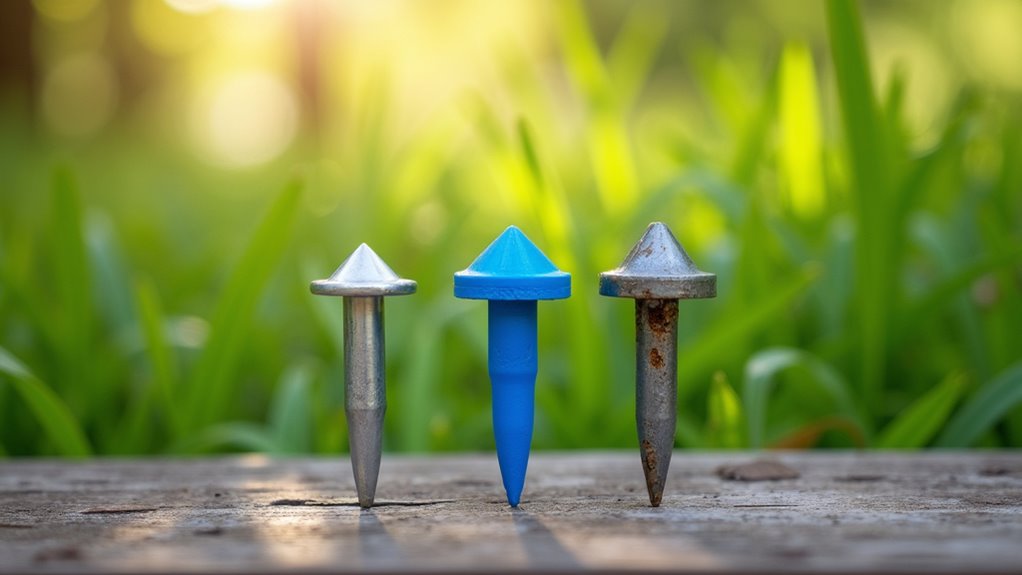
Selecting the right tent pegs depends on the ground you camp on. Hard or rocky soil needs strong pegs like aluminum V-Stakes. These are light and hold well. Steel Nail Stakes work even better for tough durability.
Soft ground such as sand or snow calls for Soft Terra stakes. These are made from UV-stabilized nylon and are light. Plastic pegs work but break easily. For optimum stability, ensure that tent pegs are compatible with your tent’s design.
Y-Beam aluminum pegs fit most ground types and hold firm. Firm soil suits Shepherd’s hooks, but push them deep to stop spinning. Windy spots demand stronger anchors like Delta ground anchors or T-Bar steel pegs. Peg shape and size matter a lot for holding power. Understanding the importance of tent pegs is crucial for ensuring your tent remains secure in various conditions.
Always pick pegs that match your camping place and tent type. This keeps your tent safe and steady.
Understanding Different Peg Materials
Tent pegs come in different materials. Each type works better in certain conditions. Knowing these materials helps you pick the right pegs. Think about weight, strength, cost, and how long they last.
| Material | Performance Characteristics |
|---|---|
| Titanium | Very light and strong. Good for rocky ground. Costs more. |
| Aluminum | Light and strong enough. Cheaper than titanium. Wears out faster. |
| Steel | Heavy but holds well. Best for tough anchoring. |
| Plastic | Very light and cheap. Works on soft soil. Breaks easily. |
Titanium and carbon fiber pegs suit serious hikers. Aluminum and plastic fit casual campers. Each material has good and bad points. Additionally, the choice of tent material can influence the type of pegs you might need for optimal performance. Pick what matches your camping style. This choice makes your trip easier and safer. Additionally, having the right tent stakes is crucial for securing your tent in various weather conditions.
Proper Techniques for Inserting Tent Pegs
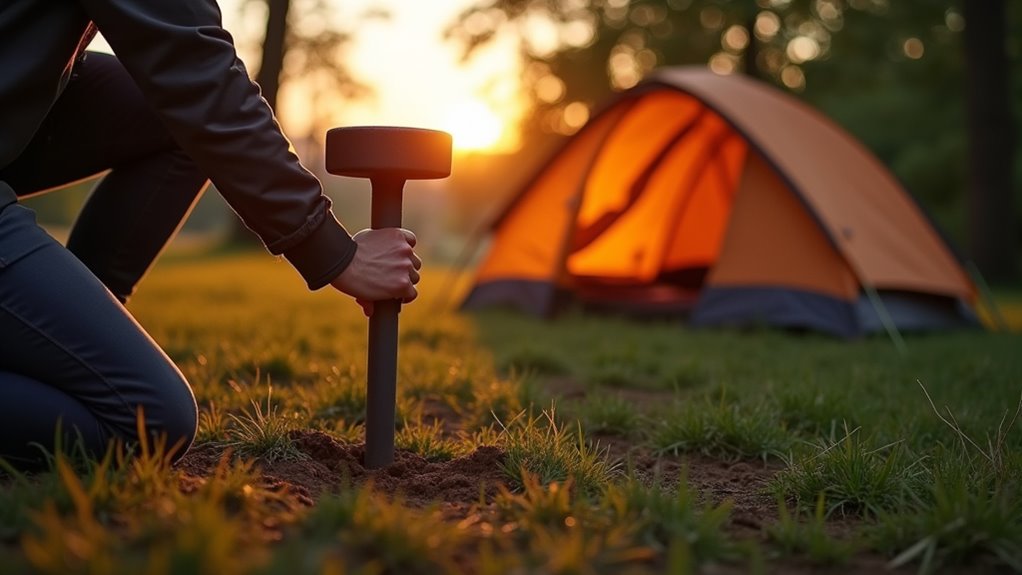
Insert tent pegs correctly to keep your shelter stable and safe. Drive the peg into the ground at a 45-degree angle. This angle stops the peg from pulling out easily. Additionally, securing your tent with guy ropes helps to prevent movement during adverse weather conditions.
Use a mallet or your foot to push the peg in. Press evenly to avoid bending the peg or breaking the soil. Pull the peg gently after pushing it in. If it moves, push it deeper or try another spot.
Strong pegs hold tents firm in wind and rain. Good peg placement means a safer, more comfortable camp. Proper staking techniques are essential for maintaining tent stability during adverse weather conditions.
Adapting Peg Use to Various Ground Types
Use strong steel pegs for hard ground. Push them in at a slant to hold tight and avoid bending. Additionally, ensure that you are aware of wildlife activity in the area, as it can affect your camping experience.
For soft soil, pick V-shaped pegs. These cover more area and hold better. Make sure to push pegs all the way in. This keeps your tent tight and secure. Additionally, using the right pegs contributes to tent stability and ensures your tent stays firm, no matter the ground.
Different pegs suit different soils. Using the right type means your tent stays firm, no matter the ground.
Firm Ground Techniques
Firm ground needs strong pegs for a safe tent setup. Push pegs into the soil at a 45-degree angle away from the pull. For extra hold, try a 75-degree angle. Additionally, using the proper tent stake knot can help secure your tent effectively.
Place pegs diagonally from tent corners or along fabric seams. This spreads out the force evenly.
Pour a little water on the soil before pushing in pegs. It softens the ground for easier insertion.
Use heavy-duty steel stakes for hard, compact soil. Tap pegs gently and slowly to avoid bending them. Additionally, using tent tie downs ensures that your tent remains stable against wind and other weather elements.
Patience helps keep your tent secure and stable.
Soft Ground Strategies
Soft ground makes tent setup tricky but not impossible. Use strong pegs like corkscrew or ground screw stakes. These hold well in loose soil.
Push stakes close to vertical. This helps them reach firmer soil below. Angle pegs away from the tent’s pull. This adds stability.
Twist ground screws into the soil for a better grip. Check guy lines often. Soft soil can shift and loosen stakes. Tighten lines as needed.
These simple steps keep tents stable and safe on soft ground.
Maintenance and Care for Tent Pegs
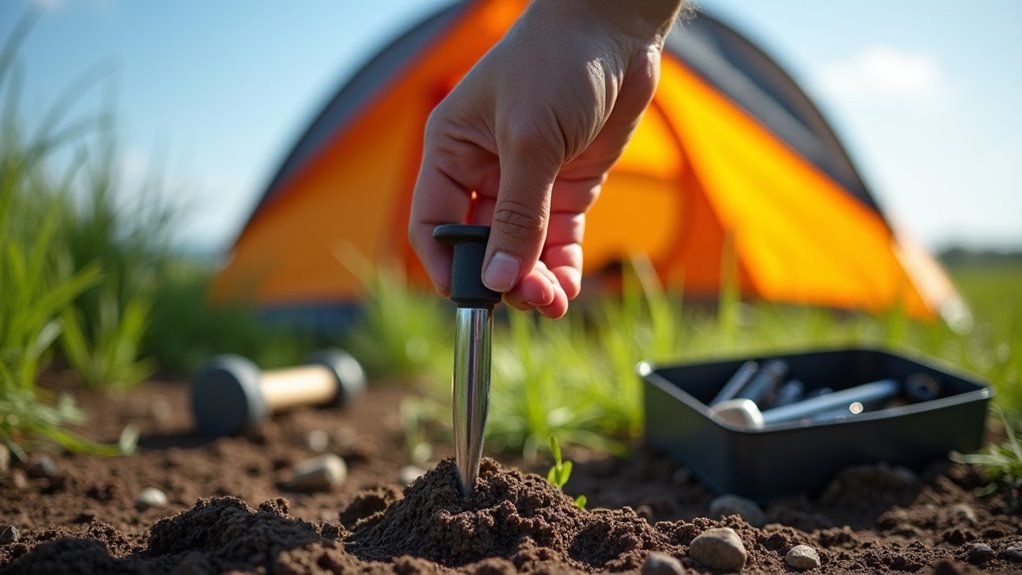
Clean tent pegs well after each use to keep them strong.
Use hot water to wash away dirt and sticks.
Dry pegs fully to stop rust and damage.
Keep pegs in bags that let air flow.
Check pegs often for bends or rust.
Strong pegs hold tents safe and firm.
Take care, and your pegs will last many trips.
Cleaning and Drying
Clean and dry your tent pegs well after use. This keeps them strong and working right.
Use hot water to wash off dirt. Avoid soap because it can attract bugs.
Mix water with 70% methylated spirits to kill germs, especially in grooves where dirt hides.
Let pegs dry fully in open air. Wipe metal pegs with a dry cloth to dry faster.
Check pegs for cracks or bends after cleaning. This way, your pegs stay safe to use on your next trip.
Storage Recommendations
Store your tent pegs carefully to keep them safe and last longer. Use strong bags made of 20D Silpoly or Oxford fabric. These materials protect pegs during travel.
Group pegs by size or type. This helps you find the right one fast. Pick bags with zippers or drawstrings to stop them from spilling. Use containers that hold other camping gear too.
Keep pegs dry to stop rust. Dry them well before packing. Avoid putting pegs loose in backpacks; they can tangle and get damaged.
For long storage, put a little oil on metal pegs. This stops rust and keeps their shape. Proper care saves money and makes camping easier.
Inspection for Damage
Inspect your tent pegs before every camping trip. Check for bends or kinks that stop them from going into the ground easily. Look for blunt tips or cracks that can make pegs break. Watch for rust or corrosion on metal pegs, as they weaken the peg.
Test each peg on a flat surface to see if it’s straight. Push the peg a little into the soil to see if it holds well. Try to move the peg side to side to check its grip.
These steps make sure your tent pegs work well and keep your tent safe.
Safety Tips for Using Tent Pegs
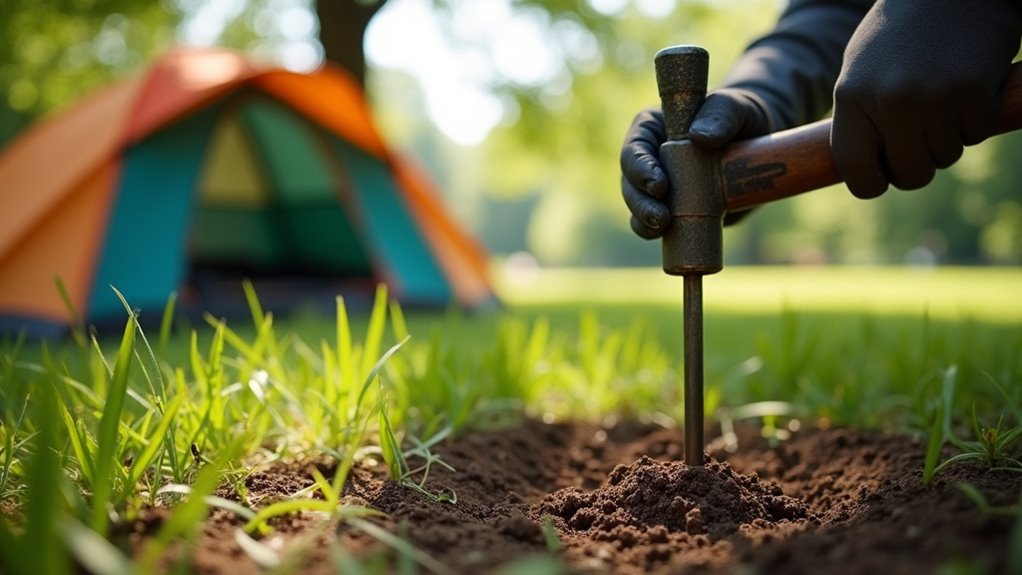
Safety is very important when using tent pegs. Place pegs at a 45-degree angle, pointing away from the tent. This helps them hold better. Use a rubber mallet to drive pegs into the ground. Avoid using rocks, which can break your pegs. Bring extra strong pegs that fit the ground where you camp.
Mark pegs and guy lines with bright tape or cloth. This stops people from tripping over them. Keep pegs at least three feet away from fire or animals. Check your pegs often for cracks or rust. Clean and dry them before storing to stop damage.
Use wide V-shaped pegs for sand and tough nails for hard soil. Following these steps keeps your tent safe and your trip fun.
Frequently Asked Questions
Can I Use Tent Pegs for Other Outdoor Activities?
Tent pegs work for many outdoor uses beyond just holding tents. Use them to secure tarps for shade or rain cover. They help mark trails by placing them along paths. You can also build simple barriers or supports with them. These pegs are strong, lightweight, and easy to carry. Many campers and hikers rely on them for different tasks. Having a few pegs can make outdoor trips safer and more organized.
How Do I Know if a Peg Is Bent?
Check your tent pegs for bends or twists. Bent pegs do not sit flat in the ground. They may look like a pretzel or have odd curves. Bent pegs can fail to hold your tent securely. Strong wind or hard ground can cause bending. Replace pegs that do not fit the ground well. This keeps your tent stable and safe.
What Is the Best Way to Remove Stuck Pegs?
Removing stuck pegs can be simple with the right tricks. Twist the peg gently while pulling it out. Use a rope to create leverage and pull harder. A jack system helps by lifting the peg slowly and evenly. Special tools made for stuck pegs work well too. These methods reduce damage and save time. Try one or combine them for best results.
Are There Color-Coded Tent Pegs for Different Uses?
No standard colors show different uses for tent pegs. Bright colors help you see pegs in grass or dirt. Colors do not tell what material pegs are made of. They also don’t show which pegs work best in soft or hard ground. Campers often use their own color system to keep pegs organized. This way, they know which pegs to use by color. It makes setting up tents faster and easier.
How Many Tent Pegs Do I Need for My Tent?
Most tents need between 6 and 16 pegs. Small tents use around 6 to 8 pegs. Bigger tents or those with extra guy lines need 12 to 16 pegs. Hard or sandy soil requires stronger, longer pegs. Soft soil may need more pegs to hold the tent tight. Always carry a few extra pegs. Harsh weather like wind or rain makes extra pegs important. Secure pegs keep your tent safe and steady all night.
Conclusion
Mastering tent peg use builds a strong base for your shelter. It keeps your tent safe and steady. Pick the right pegs for your ground type. Different materials work better in soft or hard soil. Drive pegs at a 45-degree angle for good grip. Check your pegs often and replace damaged ones. Strong pegs help your tent resist wind and rain. Care for your gear to make it last longer. These steps make camping easier and safer. Enjoy your time outdoors with peace of mind.