
What Is a Table Tent | The Event Organizer’s Secret Weapon
This post contains affiliate links. As an Amazon Associate, we earn from qualifying purchases.
A table tent is a small, self-standing folded display made from cardstock or similar material, designed to sit on tables or counters to promote information, offers, or branding in settings like restaurants, hotels, and trade shows. Standard sizes include 4″ x 6″ and 5.5″ x 6.75″, and they are typically constructed from 14pt paperboard for durability.
Most people think of them as simple paper signs. The real mistake is treating them like disposable flyers. A well-made table tent is a targeted, durable conversation starter that works while your staff is busy elsewhere.
Let’s break down exactly what a table tent is, the specs that matter, and how to use them so they don’t end up in the recycling bin after one event.
Key Takeaways
- The most common table tent size is a 5.5″ x 6.75″ face, which unfolds to 5.5″ x 18″. The 4″ x 6″ folded size is another industry standard.
- Use 14pt cardstock or SBS paperboard as a baseline. For outdoor use or frequent handling, upgrade to plastic or apply a UV coating to prevent fading and wear.
- Precise scoring along the fold line is non-negotiable. A sloppy fold makes the tent wobble and appear unprofessional.
- Design for two-sided use. The front grabs attention; the back can house details, a QR code, or a menu, effectively doubling your marketing real estate.
- In high-traffic indoor use, even cardboard tents last only a few months. Plan for replacement or invest in plastic for year-round durability.
The Technical Anatomy of a Table Tent
Forget generic descriptions. A table tent has specific, engineered dimensions. The Eventgroove brand model, for example, measures 5.5″ x 6.75″ at each display face. When unfolded flat, that same piece is 5.5″ x 18″. This creates a stable, A-frame structure when folded in thirds.
Other common sizes are 4″ x 6″ or 5″ x 5.5″ for the display panels. These aren’t random. They are designed to fit on crowded restaurant tables without obstructing place settings, while still being large enough to read from an arm’s length away.
A standard table tent is constructed from a single sheet of 14-point cardstock or SBS (Solid Bleached Sulfate) paperboard, scored and folded into a three-panel, self-supporting A-frame. The two outer panels form the display faces, while the center panel acts as the stabilizing base.
The magic is in the fold. A clean, sharp crease along a pre-scored line is what allows it to stand upright. If the scoring is off by even a millimeter, the tent will lean or collapse. That’s the difference between a prop that lasts all weekend and one you’re constantly repositioning.
TL;DR: Standard sizes like 5.5″ x 6.75″ are designed for visibility and stability. The precision of the scored fold line is what makes it stand up reliably.
Choosing the Right Material: Cardstock, Plastic, or Something Else?
Your material choice dictates the tent’s lifespan and perceived quality. This isn’t just about paper weight.
| Material | Best For | Lifespan & Key Consideration |
|---|---|---|
| 14pt Cardstock / SBS | Standard indoor events, restaurant specials, hotel info. | Months to a year indoors. Shows bend marks and edge wear in high-traffic use. |
| Cardboard (Recycled/Kraft) | Eco-conscious branding, short-term pop-ups, budget bulk orders. | A few months of frequent use. Susceptible to rips and moisture damage. |
| Plastic (PET, Acrylic) | Outdoor events, trade show booths, permanent counter displays. | Many years. Weather-resistant and easy to clean, but costs 3-5x more than paper. |
| UV-Coated Paper Stock | Any design with vibrant colors or detailed graphics that must not fade. | Extends paper life significantly by protecting against scratches and sun fading. |
The 14pt cardstock recommendation is a starting point, not a rule. For a weekend festival, it’s perfect. For a permanent display on a sunny café counter, it will yellow and curl within a season unless it has a protective UV coating.
Common mistake: Using indoor cardstock for an outdoor patio promotion — the first morning dew will warp it, and a week of sun will bleach the colors to a faint pastel.
Plastic is the durability king. A clear acrylic table tent with printed vinyl insert looks premium and can be wiped down daily. The cost is higher, but for a tent camping accessories vendor at an annual outdoor expo, it’s a one-time investment that projects permanence.
Consider your environment as carefully as you’d choose tent lighting solutions for a campsite. A humid, bustling restaurant demands a different material than a dry, quiet hotel lobby.
How Long Does a Table Tent Actually Last?
The answer isn’t a single number. It’s a timeline based on material and abuse.
A cardboard table tent at a busy coffee shop might only last a month. Customers move them, spills happen, and the edges become soft and dog-eared. Used only for a weekly special in a controlled dining room, that same cardboard tent could survive a year.
Plastic or metal tents are a different story. They can last for years, making them ideal for permanent information points or high-traffic trade show use. The upfront cost is justified by not having to reprint and replace them every quarter.
UV coating is the secret weapon for paper. That glossy or matte layer does more than look good. It acts as a shield against fingerprints, minor scrapes, and most importantly, ultraviolet light. A coated tent on a sunlit host stand will resist fading for months longer than an uncoated one.
Your tent camping equipment needs to withstand the elements, and so should your signage if it’s going outside. The CGAA.org’s table tent explanation notes that weatherproof models exist for this exact reason. If your event is outdoors, specify this to your printer.
The 4 Core Functions of a Table Tent (Beyond Just “Advertising”)

If you think a table tent is just a tiny billboard, you’re missing its best tricks. Its placement creates unique functions.
- Directing Traffic Flow. At a conference, a tent on a registration desk can point attendees toward session halls or the catering area. It works silently, without needing a staff member to repeat directions a hundred times.
- Upselling and Promoting Specials. This is the classic restaurant use. A tent for the dessert menu or featured wine pairings increases average check size by making the offer impossible to ignore during the meal.
- Providing Essential Information. WiFi passwords, hashtags for social sharing, or safety instructions in a hotel room. It delivers need-to-know info exactly where the guest needs it.
- Enhancing Brand Presence. A beautifully designed tent with a cohesive logo, color scheme, and brand voice makes a space feel curated and professional. It’s touchpoint marketing.
Think of it like the essential gear in your car camping tents setup—each item has a specific job that makes the overall experience better. A table tent is a tool for communication, not just decoration.
Design and Assembly: What Makes One Tent Better Than Another?
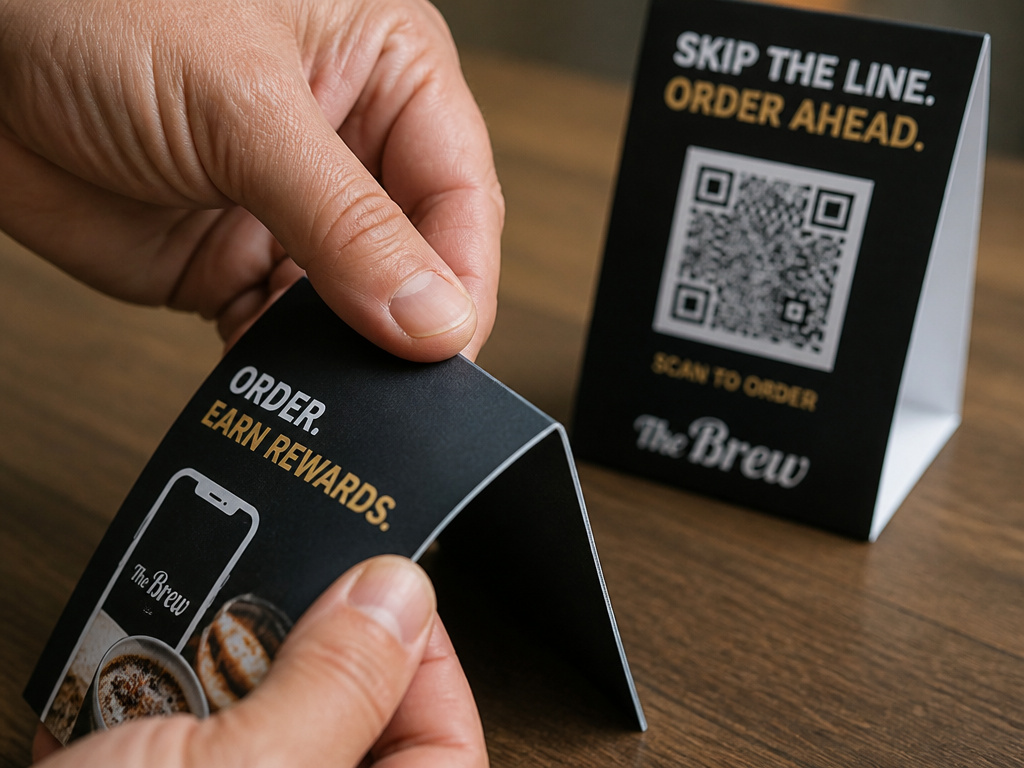
Good design gets the message read. Proper assembly gets it seen.
Start with a single, clear call-to-action. “Try Our Seasonal Cocktail” is better than a paragraph about the mixology process. Use high-contrast colors and a legible font. Since people view it from a slight angle, avoid putting critical text right at the bottom edge.
Always print on both sides. The back is free real estate. Use it for details, a QR code linking to your full menu or event schedule, or a different offer. This turns one piece of marketing into two.
The physical build is where many fail. The scoring must be precise. A hand-folded crease will be uneven, causing the tent to rock. Professional printers use a scoring blade to create a perfect, weak point in the paperboard for a crisp fold.
To assemble, fold firmly along that scored line, then gently push the two outer panels apart until the center panel lies flat, forming the base. It should stand straight without leaning. If it wobbles, the scoring was off or the material is too flimsy. For heavy-duty use, consider the stability of a stand-up height tent; your signage needs a solid foundation, too.
Frequently Asked Questions
Are table tents only for restaurants?
No. While restaurants are a common venue, they are used extensively in hotels (for room service or amenity info), at trade shows (for booth information), in corporate events (for agenda or networking details), and even in retail stores (for promotional offers).
What’s the difference between a table tent and a tent card?
The terms are often used interchangeably, but “tent card” can sometimes refer to smaller versions, like place cards or menu standees. “Table tent” generally implies a larger, sturdier piece meant for promotional messaging.
Can I make my own table tents?
You can, for low-stakes internal events. Use sturdy paper (at least 110lb cardstock) and a bone folder for a crisp crease. For any professional or customer-facing purpose, professional printing is worth it for the color accuracy, precise scoring, and durable materials.
How do I get a table tent printed?
Most online print shops (Vistaprint, PrintPlace, etc.) and local printers offer table tent printing. You’ll upload a design file, select your material (e.g., 14pt gloss with UV coating), choose a standard size, and specify the quantity.
What should I avoid putting on a table tent?
Avoid cluttering it with too much text, using low-resolution images, or including contact information that’s too small to read. The goal is quick comprehension. Also, avoid designs that are too top-heavy, as they can make the tent prone to tipping over.
The Bottom Line
A table tent is a deceptively simple tool. Get the specs right—like the 5.5″ x 6.75″ size and 14pt cardstock—and it becomes a reliable, cost-effective workhorse. Choose the wrong material for the environment, and it becomes a disposable piece of clutter.
Its power lies in its targeted placement and silent efficiency. It informs, upsells, and directs without a sales pitch. Whether you’re promoting a weekend brunch special or guiding attendees at a large conference, a well-executed table tent does a big job in a small space. Invest in good design, the right material, and precise construction. It’s a small detail that makes a professional difference.
