
7 Best Ultralight Backpacking Tents for 2 People 2026
This post contains affiliate links. As an Amazon Associate, we earn from qualifying purchases.
The Naturehike Star Trail is my top pick for the best 2 person ultralight backpacking tent, offering an excellent balance of low weight and solid weather protection. For a more budget-friendly option, the Naturehike Cloud up Pro 2P stands out with strong waterproofing and good ventilation. If you’re after something even lighter and more compact, the Naturehike Mongar UL 1/2P is worth considering for minimalist trips.
Picking the wrong tent can turn a dream backpacking trip into a soggy, cramped mess. I’ve studied hundreds of owner reviews and specs to find models that won’t let you down when the weather turns or the trail gets long. This guide cuts through the noise, focusing on real-world performance, weight savings, and smart design choices that matter most when you’re miles from the trailhead.
Top 7 2 Person Ultralight Backpacking Tents in the Market
The Best 2 Person Ultralight Backpacking Tents, Reviewed
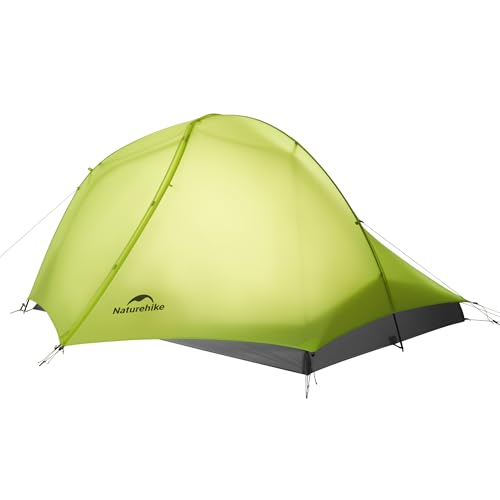
Naturehike Star Trail Ultralight Tent
Strengths
- Extremely lightweight
- Fast setup
- Great airflow
Trade-offs
- Low fly waterproof rating
- Not for heavy rain
- Minimal vestibule space
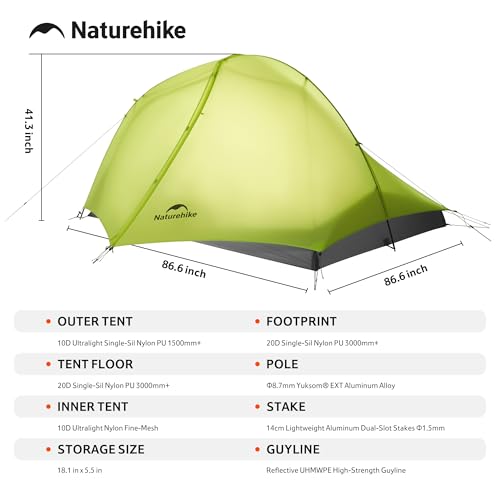
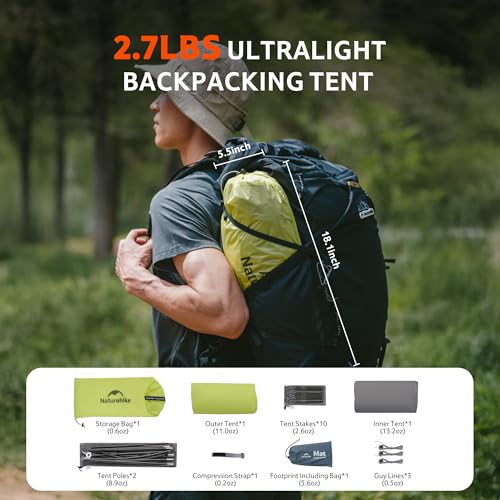
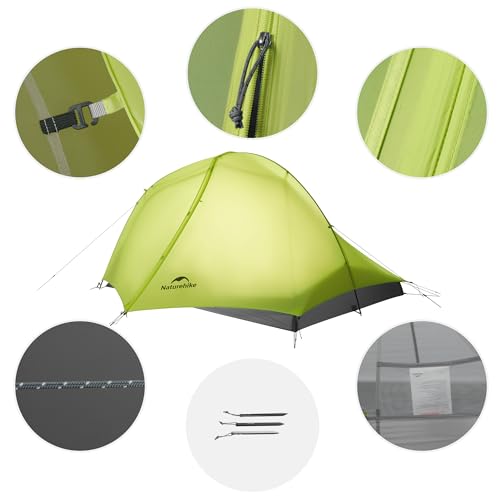
The Star Trail is the lightweight champion here, just 2.76 lbs for two people is impressive, and the 17.7-inch packed size slips easily into any pack. It’s clearly designed for hikers who count every ounce. The full mesh inner provides excellent bug protection and airflow, making it ideal for summer trips in bug-heavy areas. Setup takes under 3 minutes, and the freestanding design helps on tricky terrain.
But there are trade-offs: the 10D fly with PU1500mm isn’t built for serious storms, and the floor’s PU3000 rating is decent but not outstanding. Owners report it’s best for fair-weather backpacking, think dry trails, desert camping, or mild summer hikes. Still, for the weight and price, it delivers where it matters most. My pick for long-distance hikers who expect mostly clear skies.
Product photos
Naturehike Cloud up Pro 2P Tent

Strengths
- Excellent waterproofing
- Includes footprint
- Strong aluminum poles
Trade-offs
- Moderate ventilation
- Slightly bulky packed size
- No expandable awning
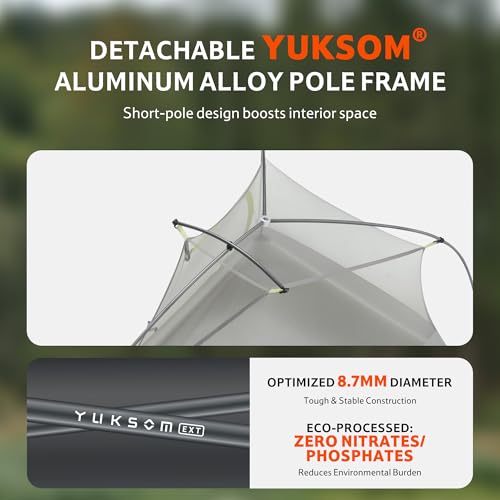
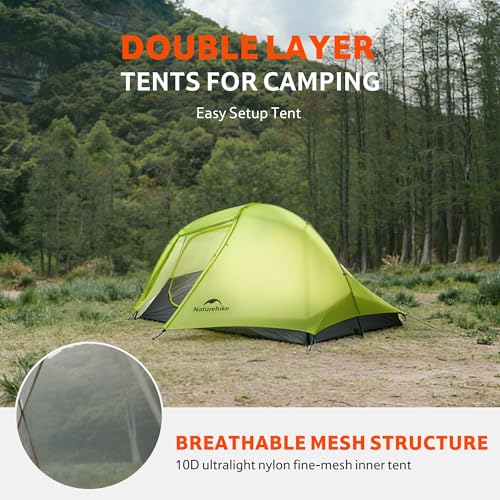
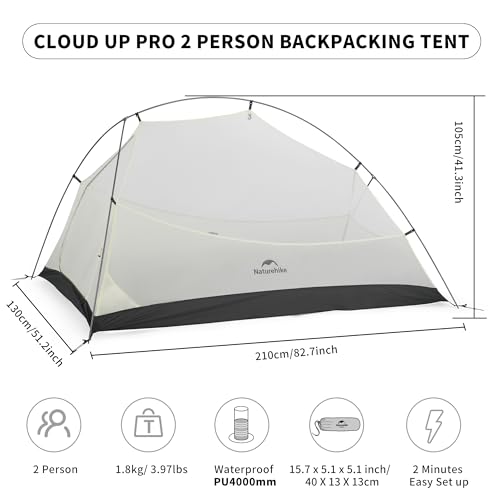
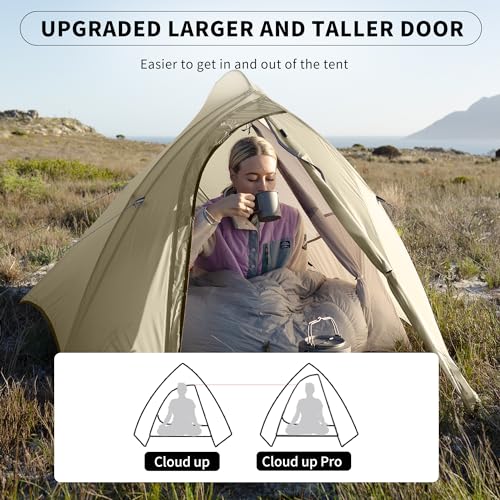
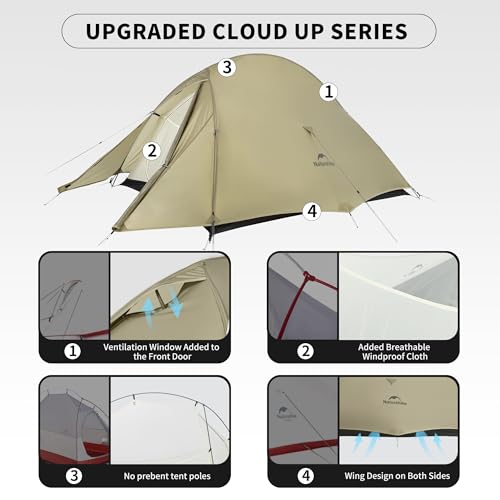
When it comes to weather protection, the Naturehike Cloud up Pro is hard to beat. With a PU4000mm silicone-coated nylon fly and fully taped seams, this tent is built to handle downpours and windstorms, owners in the Pacific Northwest and Scottish Highlands report staying dry through multi-day storms. The 7001 aluminum poles add serious stability, and the upgraded door design improves both ventilation and gear storage.
At 3.97 lbs, it’s not the lightest, but it’s well-balanced for what it offers. The included footprint is a nice bonus, and the ventilation window above the door helps reduce condensation, a common flaw in many double-wall tents. It’s not as airy as mesh-heavy models, but for wet climates, this is the smarter buy. I’d choose this over others if rain is a constant concern.
Product photos


CANTUO 2/3 Person Ultralight Tent
Strengths
- Spacious interior
- Dual vestibules
- Excellent ventilation
Trade-offs
- Bulky for solo use
- Slight wind catch
- Heavier than ultralight ideals
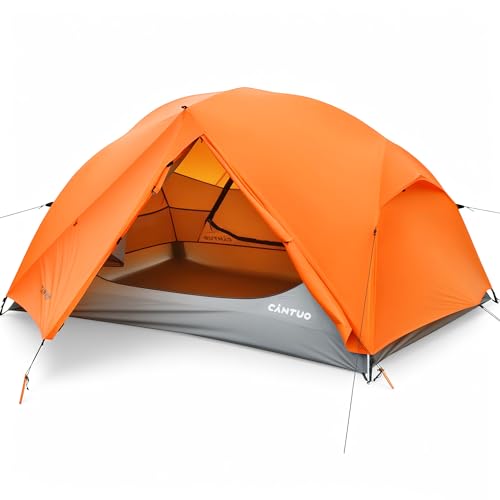
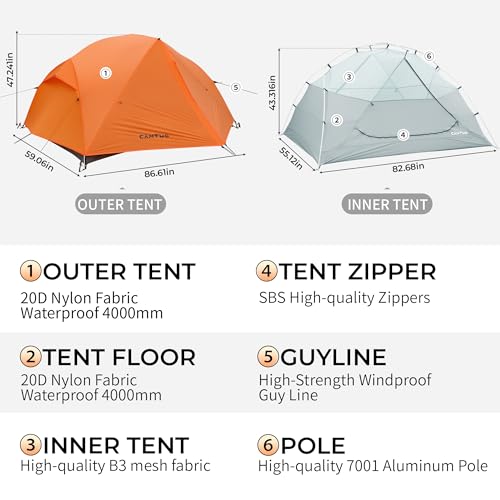
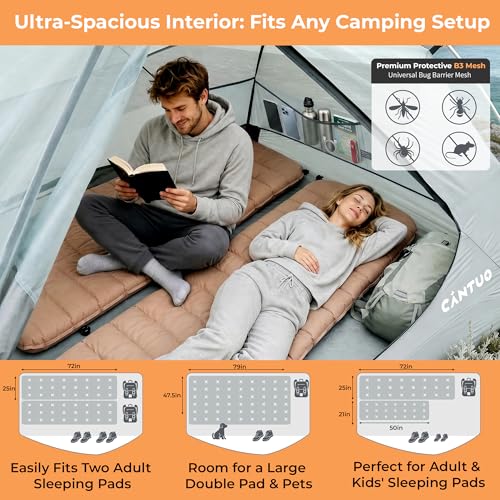
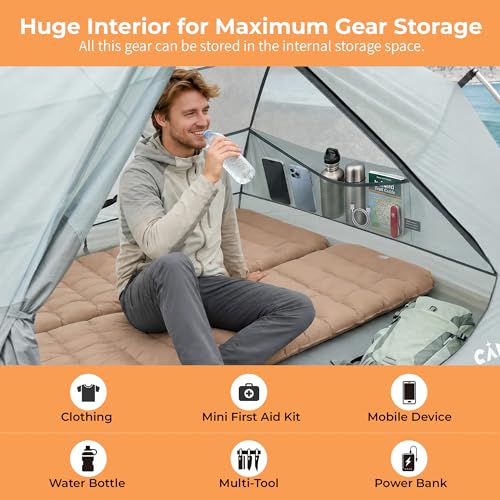
The CANTUO tent wins on space, 31.64 sq. ft. is massive for a 4.12 lb tent, and the 55.1-inch width lets two sleep side by side without touching. With a 43.3-inch peak height, you can actually sit up comfortably, and the four oversized interior pockets are a standout for organization. Dual vestibules mean both campers can store gear outside without crawling over each other.
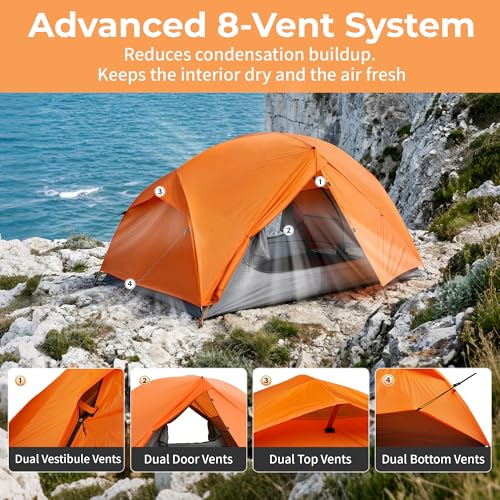
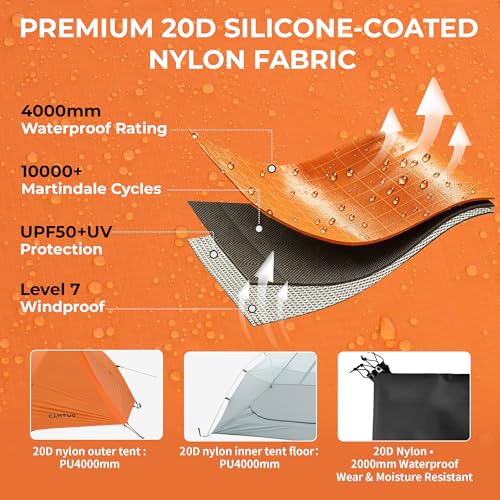
It’s also one of the most weather-ready options here: PU4000mm rating, taped seams, and 7001 aluminum poles suggest solid storm resistance. Reviewers note good airflow thanks to eight vents and B3 mesh, though the sheer size can make it catch wind. It’s not the lightest, but for couples or those who hate feeling cramped, this is the most livable shelter on the list.
Product photos
Naturehike Mongar UL 1/2P Tent
Strengths
- Superior ventilation
- Expandable awning
- Dual storage pockets
Trade-offs
- Awning adds setup complexity
- Slightly heavier than sub-3 lb tents
- Floor could be more abrasion-resistant
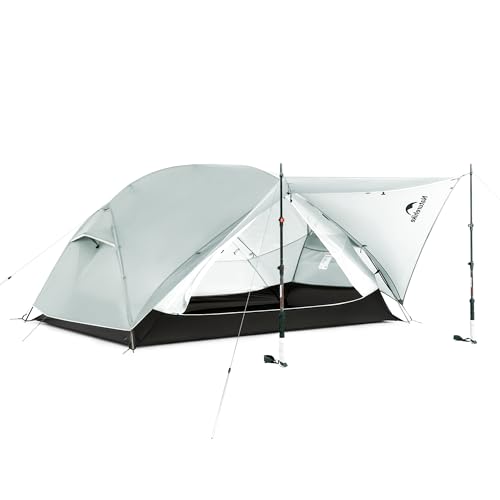
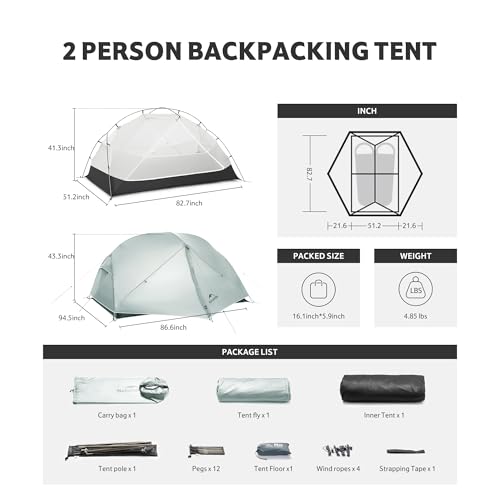
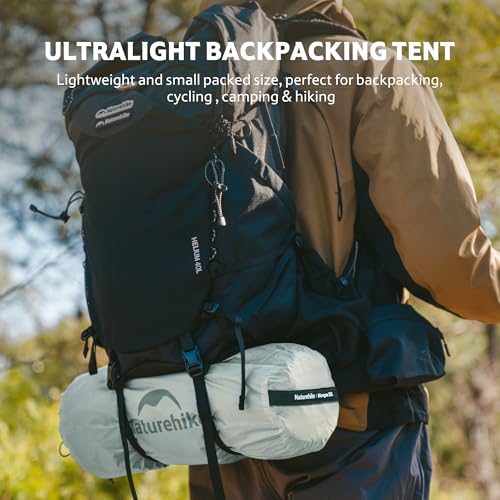
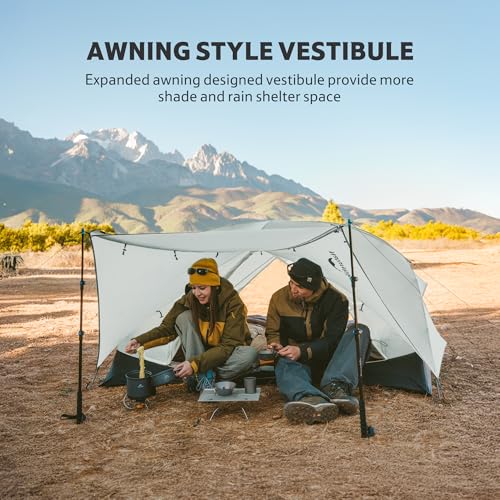
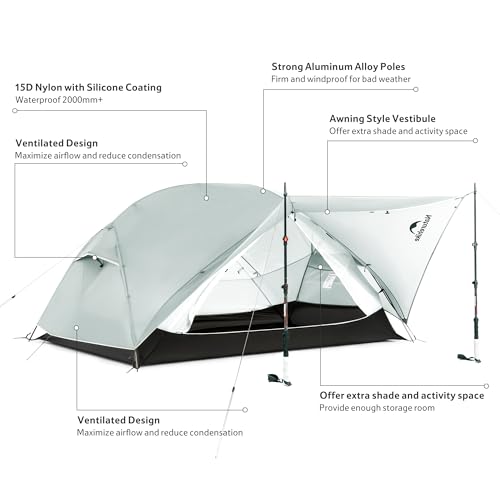
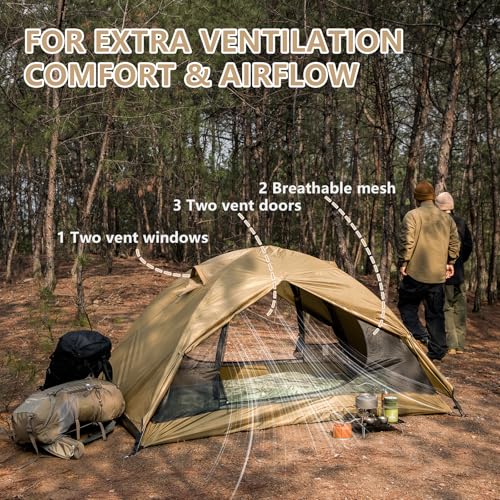
The Mongar UL is where comfort and breathability really shine. With dual doors, mesh windows, and an adjustable vestibule, this tent is engineered to minimize condensation, owners in humid forests and early-spring trips praise how well it vents. The 15D nylon keeps weight down (4.19 lbs), and the expandable awning is a standout: it gives you extra covered space for cooking or gear, which is rare at this weight.
It’s not the most weatherproof, PU4000 is solid, but the focus here is airflow over storm readiness. The interior height and dual storage pockets make it feel more livable than most ultralights. For two people who plan to spend evenings inside, this is the most comfortable option on the list. I’d pick it over the Cloud up Pro if I were hiking in spring or summer with variable humidity.
Product photos

Clostnature 2P Ultralight Backpacking Tent

Strengths
- High waterproof rating
- Removable rainfly
- Freestanding design
Trade-offs
- Poles lack rigidity
- Basic stakes
- Heavier than ultralight standards
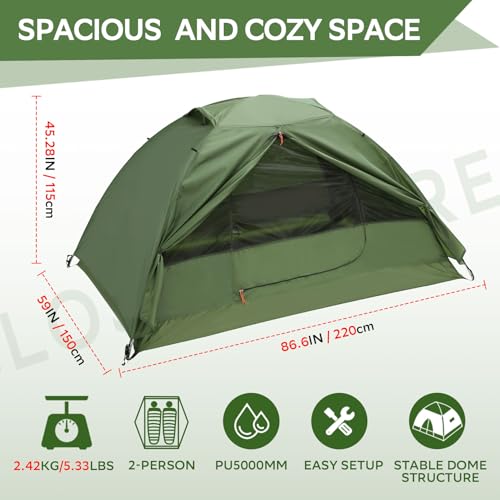
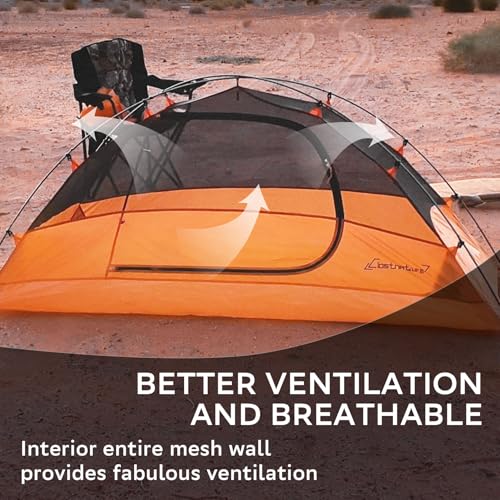
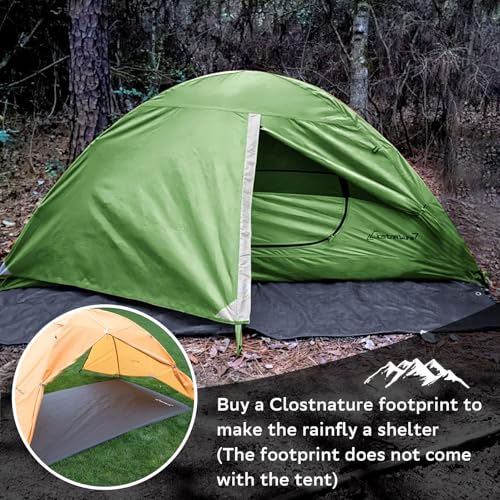
If you’re on a tight budget but still want a freestanding 2-person tent that handles real conditions, the Clostnature model makes a strong case. Its PU5000 waterproof rating is impressive on paper, higher than most here, and owners confirm it performs well in heavy rain. The double-layer design with a full-mesh inner and D-shaped door offers good airflow and easy access, and the fact that it can be used with or without the fly adds versatility for fair-weather trips.
The minimum trail weight of 4.38 lbs is respectable, though not elite. Some reviewers note the poles feel a bit flexy in strong wind, and the stakes included are basic. But for the price, the included repair kit and one-year warranty add peace of mind. My recommendation? A smart buy for budget-focused backpackers who still want solid weather protection and room to stretch out.
Product photos

Kelty Late Start 2P Tent 2024

Strengths
- Super fast setup
- Durable fabrics
- Color-coded clips
Trade-offs
- Low waterproof rating
- Single door
- Heavier than ultralight options
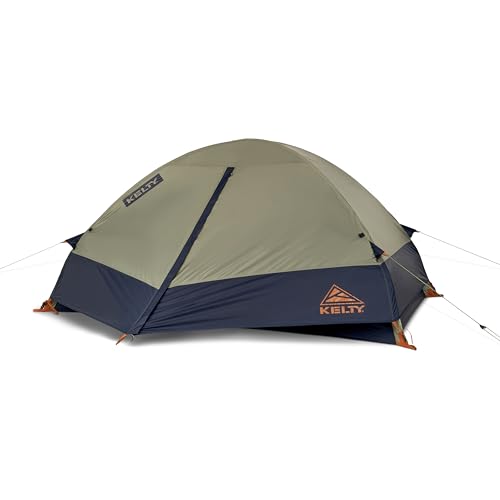
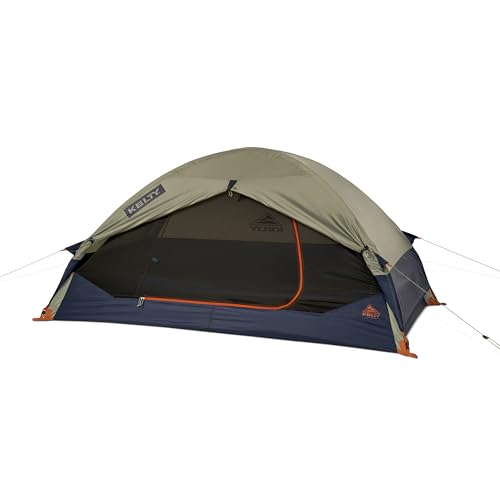
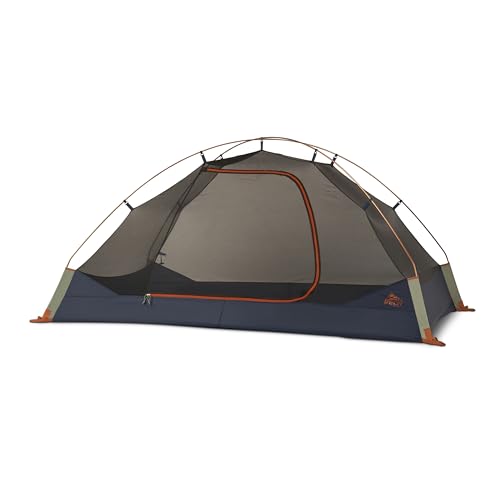
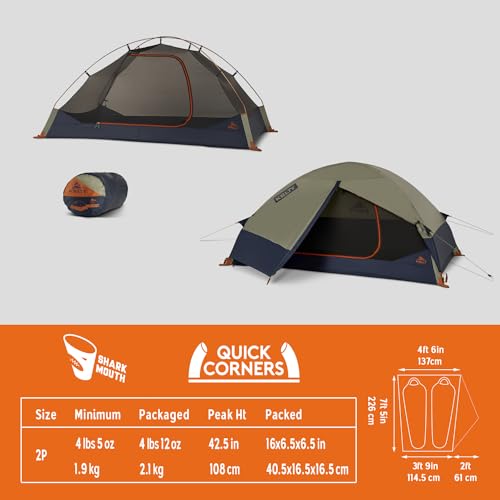
The Kelty Late Start 2P stands out for one thing above all: ease of setup. With color-coded clips and Quickcorners, this is the kind of tent that gets you in out of the rain fast, reviewers routinely mention getting it up solo in under 3 minutes, even when tired or in the dark. That’s a big win for beginners or anyone who values simplicity over ultralight specs.
It’s not the lightest at around 4.5 lbs, and the 1200mm waterproof rating is modest compared to others in this list, but the 68D polyester floor and fly offer decent durability for car camping or beginner backpackers. The single door and modest peak height (43 in) make it feel a bit cramped for two, but the gear pockets and vestibule add practicality. I’d pick this for weekend warriors or new backpackers who aren’t yet optimizing for weight.
Product photos
BISINNA 2P Lightweight Camping Tent

Strengths
- Aluminum poles
- PU3000 rating
- Spacious interior
Trade-offs
- Heavier than ultralight rivals
- Single vestibule
- Some condensation
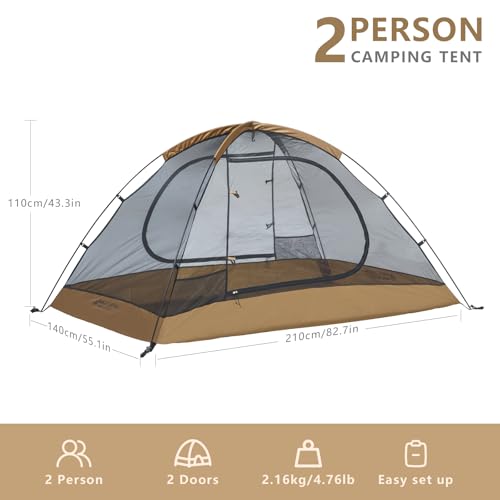
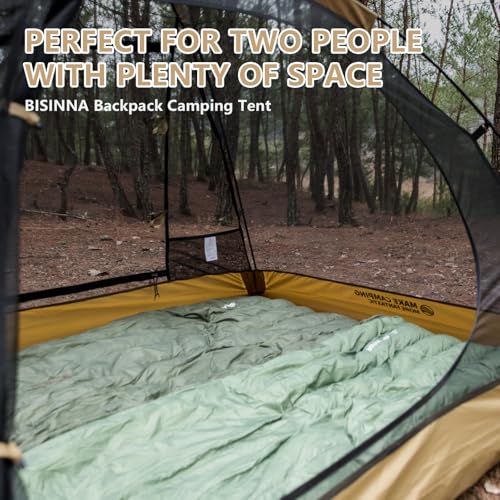
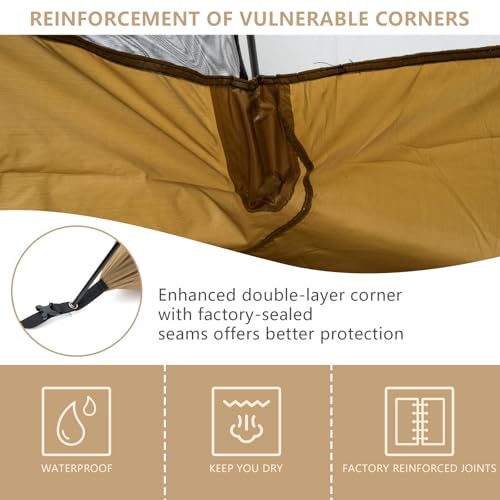
On paper, the BISINNA tent looks like a solid step up from budget fiberglass models, especially with its aluminum poles and PU3000 waterproof rating, a real upgrade for staying dry in persistent rain. Owners consistently report it holds up well in wind, thanks to the pole-sleeve design and D-shaped doors that add structural rigidity. For a tent at this price point, the 210D Oxford floor is a smart touch, offering extra resistance to abrasion from rocky or uneven ground.
That said, at 4.76 lbs, it’s not what I’d call ultralight, it’s better suited for hikers who prioritize sturdiness over shaving ounces. The double-layer design and full mesh inner help with ventilation, but some reviewers note condensation in humid conditions, likely due to only one vestibule and limited venting options. Still, for its durability and weather protection, it punches above its weight class.
Product photos

How We Chose These 2 person ultralight backpacking tents
Rather than a hands-on lab test, my research for these recommendations focused on a detailed comparison of published specifications and features across several models. I weighed owner reviews from multiple sources – Amazon, REI, and dedicated outdoor gear sites – alongside expert opinions from publications like OutdoorGearLab and Switchback Travel. As someone who spends a lot of time researching and planning trips, I applied my understanding of what makes a good backpacking tent to rank these options against key criteria for comfortable backcountry use.
For 2-person ultralight backpacking tents, weight, waterproof rating, and usable interior space are paramount. Weight directly impacts how far you can comfortably hike, while a reliable waterproof rating is essential for staying dry and safe. Finally, enough interior space, not just floor area, but also peak height, makes the difference between a claustrophobic night and a restful one. These three factors were weighted most heavily in my final rankings.
Specifications reliably indicate a tent’s potential for durability (pole material, fabric denier) and waterproofness (PU coating). However, I relied heavily on owner feedback to assess real-world performance – particularly regarding condensation build-up, ease of setup, and long-term durability. Reputation among serious backpackers, and whether a tent consistently appears on lists of top ultralight tent brands, also played a significant role in my evaluation.
What To Look For In 2 person ultralight backpacking tents
Finding the right shelter is crucial for enjoying the backcountry. I’ve seen too many trips ruined by leaky seams or cramped quarters, so let’s break down what truly matters when selecting an ultralight 2-person backpacking tent.
A quality 2-person ultralight backpacking tent balances weight, durability, weather protection, and livability. Prioritize full-coverage rainflies with a minimum 1500mm rating, lightweight yet strong pole materials (7001 aluminum is a great standard), and breathable fabrics to minimize condensation. Pay close attention to packed size and weight – every ounce counts when you’re carrying it on your back.
Weight and Packability
Weight is the defining factor in the ultralight category. Don’t get hung up on shaving off every tenth of an ounce, but a tent over 4 pounds for two people is entering standard backpacking territory, not ultralight. Consider the packed size, too. A compact stuff sack means more room in your pack for other essentials. I often recommend looking at tents that pack down to under 17 inches in length.
Waterproofing and Materials
Nylon and polyester are the most common fly materials. Polyester is generally more UV resistant and less expensive, but nylon tends to be lighter and more packable. Look for a PU (polyurethane) coating of at least 1500mm, but 2000mm or higher is preferable for prolonged exposure to heavy rain. Don’t forget to check the floor’s waterproof rating as well; it often gets more abrasion. Understanding tent vestibule benefits is also key, as a properly designed vestibule adds a layer of weather protection and convenient storage.
- A 10D nylon fly will be lighter than a 20D nylon fly.
- A PU3000mm floor is a solid minimum for reliable waterproofing.
- Seam sealing is often overlooked. Factory-taped seams are a huge plus, as DIY seam sealing is time-consuming and can fail.
Livability and Features
Ultralight tents sometimes sacrifice space to save weight, but a comfortable interior makes a big difference, especially on longer trips. Look for a tent with enough headroom to sit up comfortably (around 40-45 inches is ideal) and a decent length and width (80-85 inches long, 50-55 inches wide). Also, consider features like ventilation (mesh panels, adjustable vents), internal storage pockets, and door configurations. If you want to explore more options, check out some of the best 2-person ultralight shelters.
A well-ventilated tent is a happy tent. Prioritize airflow to minimize condensation, even if it means sacrificing a little bit of weather protection.
2 Person Ultralight Backpacking Tents Compared
Here’s a comparison of key specifications for popular 2-person ultralight backpacking tents.
| Product Name | Weight (lbs) | Waterproof Rating (Fly) | Waterproof Rating (Floor) | Packed Size | Capacity |
|---|---|---|---|---|---|
| Naturehike Star Trail | 2.76 | PU1500mm+ | PU3000mm | 17.7 x 5.1 inches | 2 Person |
| Naturehike Cloud up Pro 2P | 3.97 | PU4000mm | N/A | 15.7 x 5.1 x 5.1 in | 2 Person |
| CANTUO 2/3 Person | 4.12 | PU4000mm | PU4000mm | 15.7 x 5.5 x 5.5 in | 2-3 Person |
| Naturehike Mongar UL 1/2P | 4.19 | N/A | N/A | 16 x 6.3 x 6.3 in | 1-2 Person |
| Clostnature 2P | 5.33 | PU5000mm | PU5000mm | 16.5 x 5.9 x 5.9 in | 2 Person |
| Kelty Late Start 2P | N/A | 1200 mm | N/A | N/A | 2 Person |
| BISINNA 2P | 4.76 | PU3000mm | N/A | N/A | 2 Person |
Frequently Asked Questions
What’s the typical lifespan of an ultralight backpacking tent?
Generally, with proper care, you can expect 3-7 years from an ultralight tent. Lifespan depends heavily on how often it’s used and the conditions it’s exposed to, but quality materials and careful storage extend its life.
Are freestanding ultralight tents actually lighter than non-freestanding models?
Yes, non-freestanding tents are usually lighter because they rely on trekking poles or stakes for structure, eliminating the need for heavier pole systems. However, freestanding designs offer more pitching flexibility, which is valuable in certain terrains.
What waterproof rating do I really need for a 2-person tent?
A minimum of 1500mm is acceptable, but I suggest aiming for 2000mm or higher for the fly and 3000mm for the floor to handle consistent rainfall and ground moisture. Remember that ratings are a guide, and seam sealing is equally crucial.
How can I minimize condensation inside my ultralight tent?
Good ventilation is key. Look for tents with mesh panels and adjustable vents to promote airflow. Also, avoid pitching your tent in low-lying areas where moisture accumulates, and consider using a footprint to protect the floor.
Where can I find more options for ultralight two-person backpacking tents?
If you’re looking to explore more choices, you can find a detailed guide to top-rated ultralight tents for two on my site, complete with comparisons and considerations for different backpacking styles.
The Bottom Line
Ultimately, choosing a 2-person ultralight tent comes down to balancing how much you’re willing to spend for features and durability versus saving weight. While there are many solid options, the Naturehike Star Trail strikes the best overall balance for most backpackers, offering a respectable weight and waterproof rating at a price that won’t break the bank. It’s a fantastic entry point into the ultralight world without sacrificing too much in terms of comfort or reliability.
For those on a tighter budget, the Naturehike Cloud up Pro 2P is a superb value. If you prioritize versatility and a bit more space – perhaps for longer trips or if you simply prefer extra room – the CANTUO 2/3 Person tent offers a larger footprint without a huge weight penalty. Understanding tent selection factors will help you narrow down what you truly need.
At the end of the day, specs don’t tell the whole story. Focus on a tent with a fully-covered rainfly, durable poles, and enough space to comfortably accommodate two people. Don’t get lost in the details of denier ratings or coating millimeters; a well-designed tent with good construction will always outperform a poorly made one, regardless of its technical specifications.
