
8 Best Backpacking Tents for 2 People 2026
This post contains affiliate links. As an Amazon Associate, we earn from qualifying purchases.
The best 2-person backpacking tent overall is the Naturehike Cloud Up Pro 2P, thanks to its strong weather resistance and solid build. For a more affordable option that still gets the job done, the Kelty Grand Mesa 2P is a reliable choice. If you’re heading into harsher conditions, the Underwood 4-Season 2P Tent offers serious durability.
Picking a 2-person backpacking tent isn’t just about squeezing two people under one roof. Most struggle with the trade-off between weight, space, and how well it holds up when the weather turns. A flimsy tent saves ounces but leaves you wet and cold, while a heavy one wears you out before you even reach camp.
This guide cuts through the noise. I compared specs and owner feedback across top models, focusing on what actually matters: weight, weather protection, and real-world durability. These are the tents that consistently deliver without surprises.
Top 8 Backpacking Tents 2 Person in the Market
The Best Backpacking Tents 2 Person, Reviewed
Naturehike Cloud Up Pro 2P

Strengths
- Ultralight yet spacious
- Excellent ventilation
- Footprint included
Trade-offs
- Poles not color-coded
- Fly attachment could be smoother
- Limited brand service reach
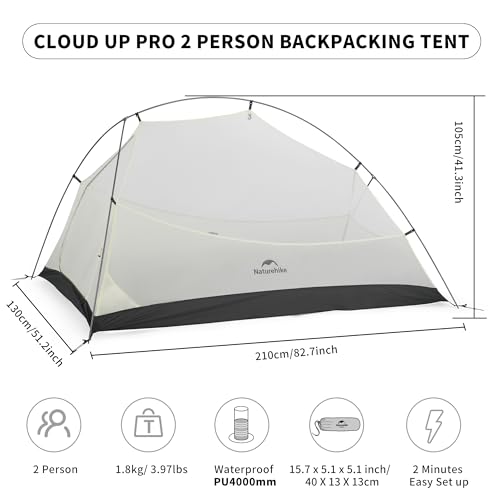
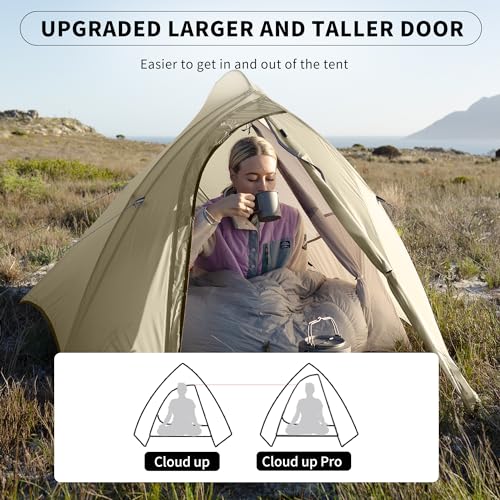
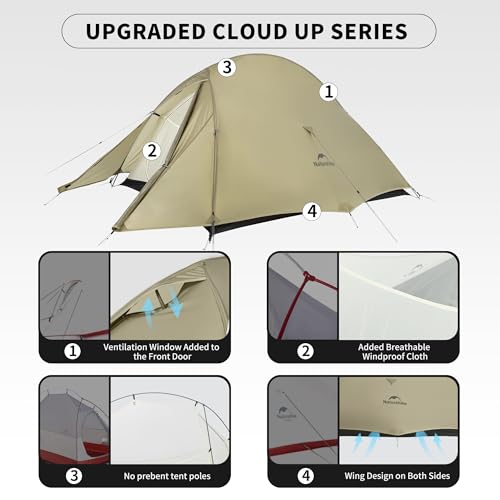
If there’s a single tent that balances weight, space, and performance better than most, it’s the Naturehike Cloud up Pro. At just 3.97 lbs, it’s genuinely ultralight, yet it offers 82.7 inches of length and a 41.3-inch peak, rare in this class. The upgraded door and new ventilation window reduce condensation, a common flaw in budget ultralights.
Owners love the included footprint and the silicone-coated 20D nylon, which delivers a PU4000mm rating without adding bulk. The 7001 aluminum poles hold firm in wind, and the double-layer design works well in both rain and heat. Compared to the Clostnature or Night Cat, it’s simply more refined. For most backpackers, this is the smarter buy, it’s why I keep seeing it on long trails.
Product photos


Marmot Crane Creek 2P Tent
Strengths
- Strong 7000-series poles
- Excellent weather resistance
- Roomy layout
Trade-offs
- Heavier than ultralights
- No footprint included
- Slightly bulky pack size
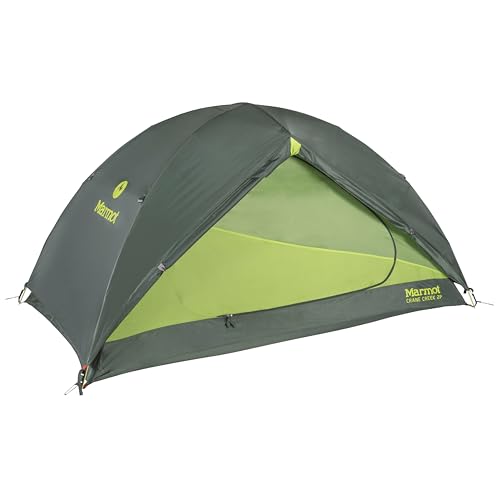
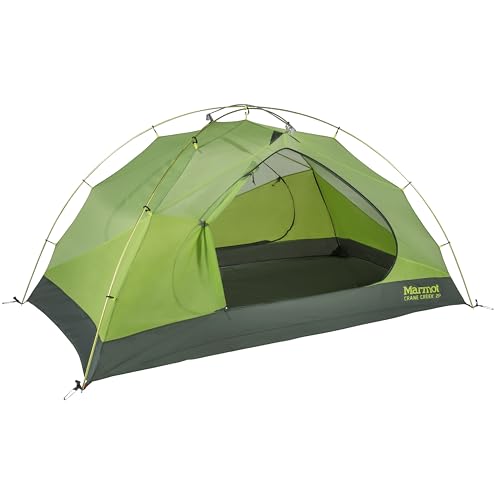
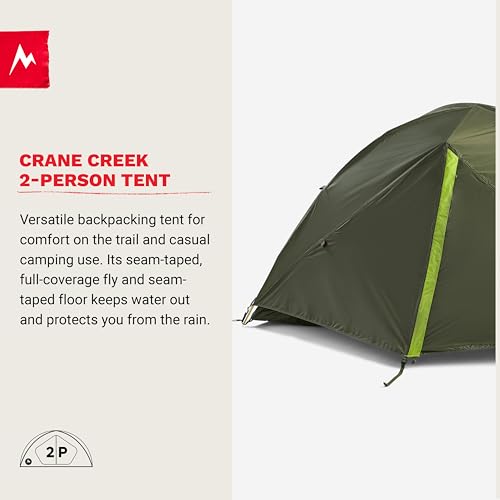
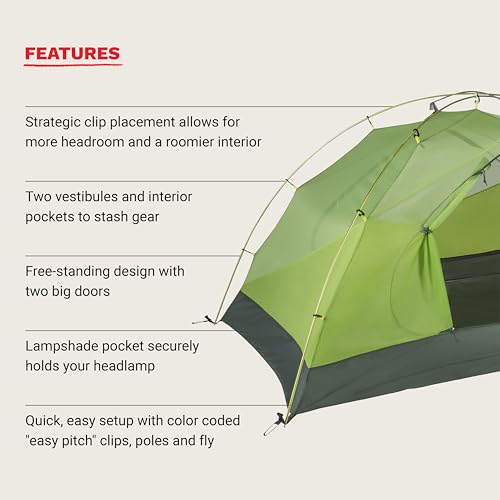
The Marmot Crane Creek 2P feels like a step up in build quality, the 7000-series aluminum poles are noticeably stiffer than standard alloys, and the PFAS-free, seam-taped construction shows Marmot’s commitment to durability and eco standards. At 32 sq. ft., it’s roomier than most 2P tents, and the dual D-doors with vestibules make gear access a breeze.
Owners consistently report it holding strong in downpours and gusts, and the weatherproofing inspires confidence. It’s not ultralight, but it’s not meant to be, this is a do-it-all backpacking tent built to last. Compared to the Kelty Grand Mesa, it’s more resilient in rough weather. I’d pick this for thru-hikes where gear longevity matters, especially in mixed conditions.
Product photos
Kelty Grand Mesa 2P Tent

Strengths
- Freestanding design
- Durable materials
- Good ventilation
Trade-offs
- Heavier than ultralights
- Basic rainfly coverage
- Bulkier packed size
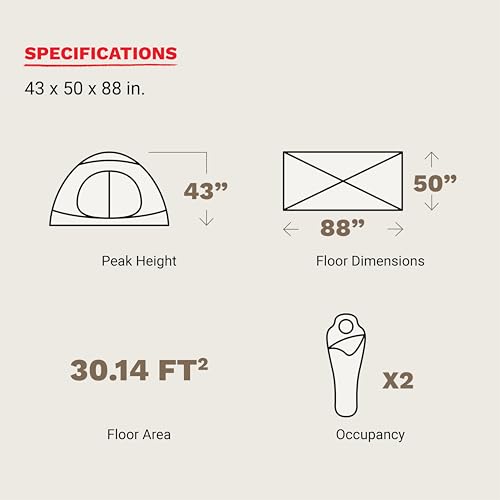
The Kelty Grand Mesa 2P has long been a staple in the budget-friendly backpacking tent game, and it’s easy to see why. At just over 4 lbs, it hits a sweet spot between weight and livability, with 30 sq. ft. of floor space and a 44-inch peak height that lets you sit up comfortably. The freestanding design is a real perk, you can adjust its position after pitching, which helps on uneven ground.
Owners praise its durability and straightforward setup, thanks to color-coded clips and the EZ-Zip vestibule. While it doesn’t use the lightest fabrics (68D polyester), that adds to its long-term resilience. Compared to ultralight options, it’s a bit bulky, but for the price, you’re getting a dependable, no-nonsense shelter that holds up season after season. I’d recommend this over pricier models if you’re building your kit without blowing the budget.
Product photos


Clostnature Ultralight 2P Tent

Strengths
- Very affordable
- Lightweight build
- Good ventilation
Trade-offs
- Zippers feel cheap
- Average pole durability
- No brand legacy
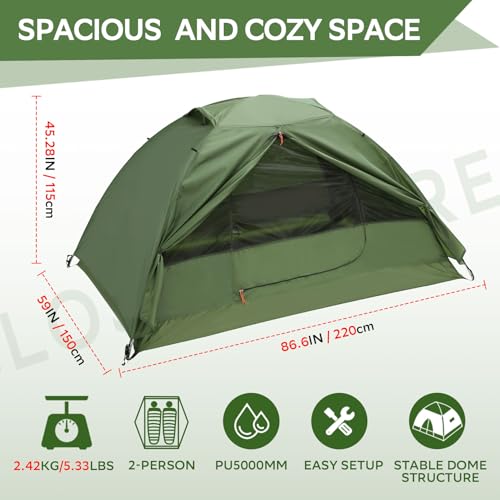
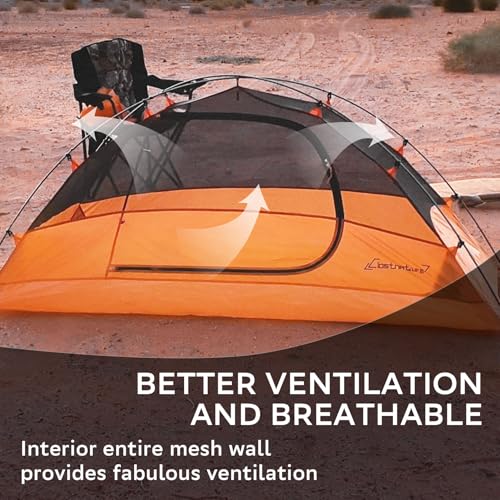
The Clostnature 2P is one of the most compelling budget ultralight options out there. At 4.38 lbs minimum trail weight, it undercuts many competitors while still offering a double-layer design, full mesh walls, and a PU5000mm waterproof rating. The freestanding build and easy setup make it accessible for beginners, and owners report it holds up well for the price.
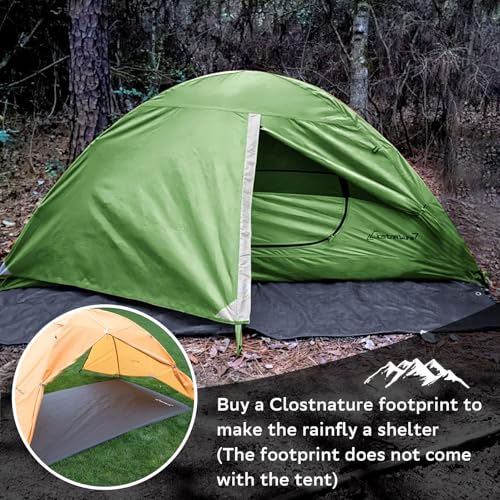
It doesn’t have the refined touches of the Naturehike or Marmot, but for what it costs, it’s hard to beat. The included repair kit and 14 stakes are a nice bonus. Still, the zippers and pole sleeves feel a bit flimsy compared to premium models. I’d recommend this as a first backpacking tent or a backup, it’s the kind of buy that lets you get into the wild without draining your wallet.
Product photos
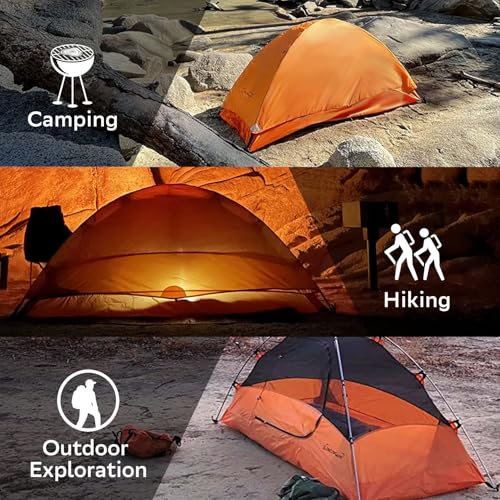

Kelty Late Start 2P 2024

Strengths
- Easy setup
- Lightweight
- DWR/PFC-free fabrics
Trade-offs
- Low peak height
- Single door
- Moderate weather resistance
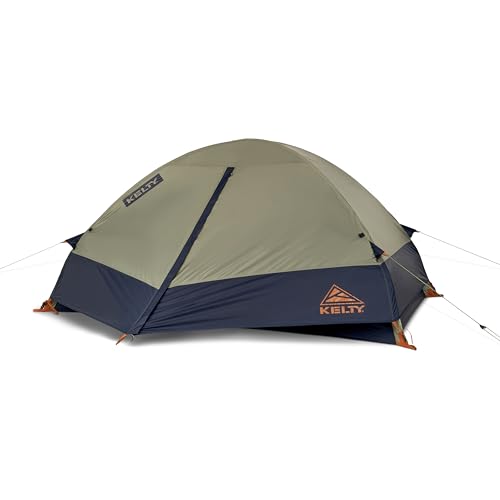
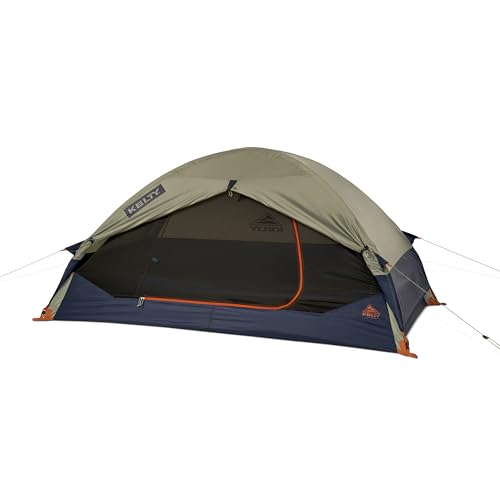
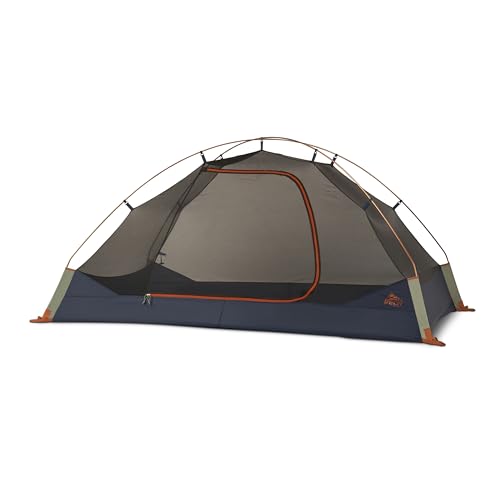
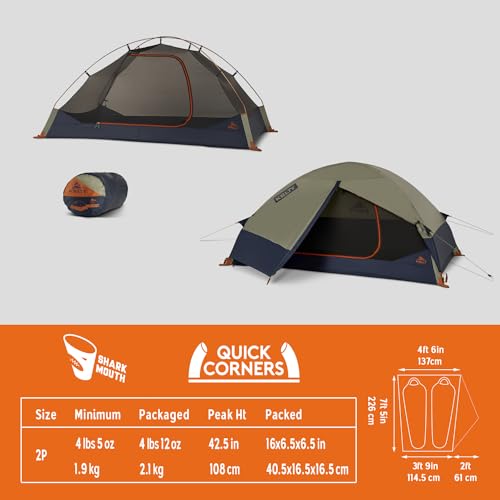
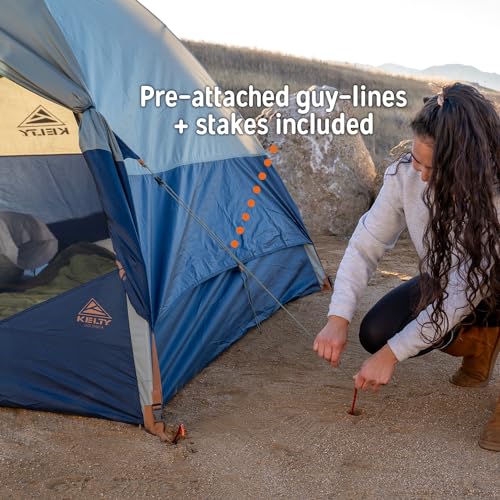
If you’re after a tent that practically sets itself up, the Kelty Late Start 2P stands out immediately. The 2024 update with Quickcorners and color-coded attachments makes setup a true one-person job, and owners consistently report getting it standing in under three minutes, a big win when rain rolls in fast. For newcomers or anyone who dreads wrestling with poles after a long day, this is a strong contender.
On paper, it’s a classic 3-season design with a 1200mm waterproof fly and 68D polyester build, which is solid for fair-weather trips and car camping. But it’s not built for serious alpine conditions or high winds. The single door and modest 30 sq. ft. interior work fine for two, but you’ll feel it if you’re both stuck inside during a storm. I’d pick this over more finicky models for weekend trips where ease trumps extreme durability.
Product photos
BISINNA 2P Backpacking Tent

Strengths
- Excellent wind stability
- High waterproof rating
- Spacious interior
Trade-offs
- Heavier than competitors
- Less brand reliability
- Zippers could be stronger
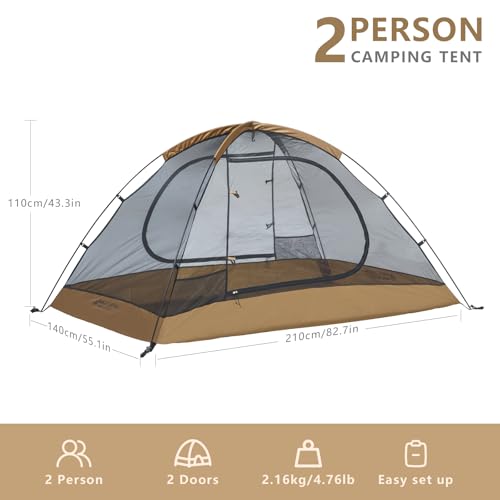
When wind is in the forecast, the BISINNA 2P stands out thanks to its pole-sleeve construction and sturdy aluminum poles. That design adds rigidity, and reviewers note it holds up better than clip-style tents in gusty mountain passes. With a PU3000mm rating and 210D Oxford floor, it’s built to handle pounding rain and rough terrain, a rare combo at this price.
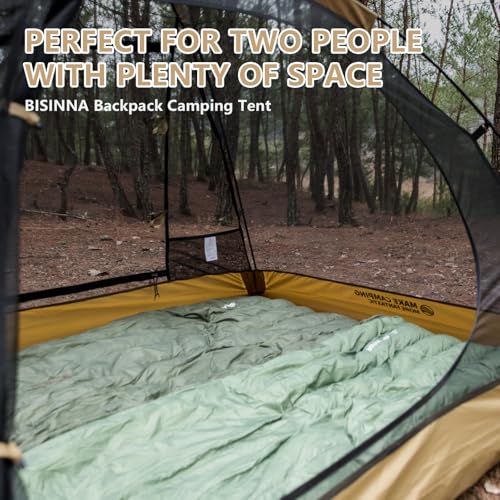
It’s not the lightest at 4.76 lbs, but the trade-off is clear: stability over ounces. The interior is roomy for two, and the double-layer design with full mesh improves airflow. Still, the brand isn’t as well-known as Kelty or Marmot, and some owners report minor stitching issues. I’d pick this over flashier ultralights if you’re hiking in unpredictable, exposed areas where weather resistance matters most.
Product photos

Night Cat 2-Person Backpacking Tent

Strengths
- Superior ventilation
- Dual vestibules
- Smooth zippers
Trade-offs
- Moderate weather protection
- Average pole strength
- No footprint included
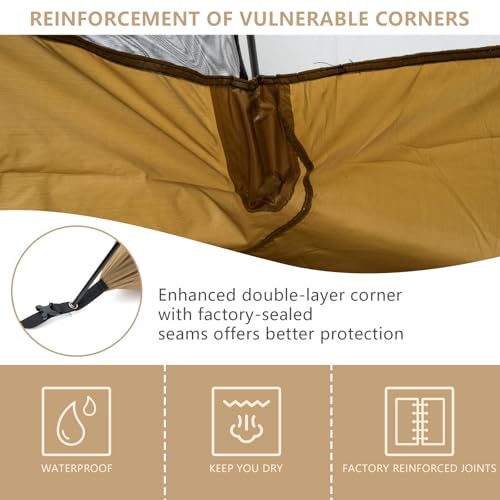
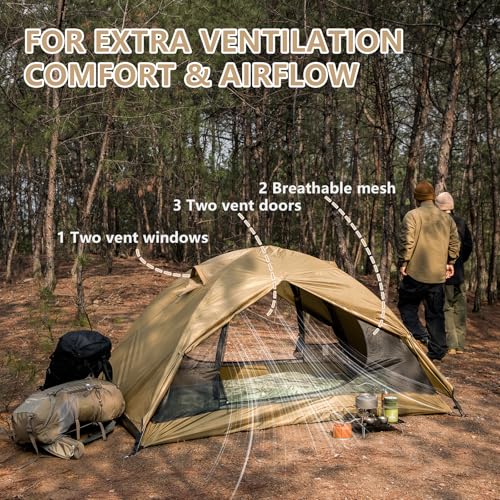
The Night Cat 2P shines in one area: comfort. With full mesh walls, dual ceiling vents, and two D-shaped doors, it delivers airflow that cuts down on condensation, a common headache in double-wall tents. Owners in humid climates especially praise how well it breathes, making it a top pick for summer hikes where staying cool matters.
It’s also quick to set up and includes dual vestibules, which is rare at this level. The 3000mm waterproof rating is adequate but not exceptional, so it’s best in light to moderate rain. Compared to the BISINNA or Marmot, it’s less rugged, but for three-season trips in warm zones, I’d lean toward this for ventilation. Just don’t push it in storms.
Product photos

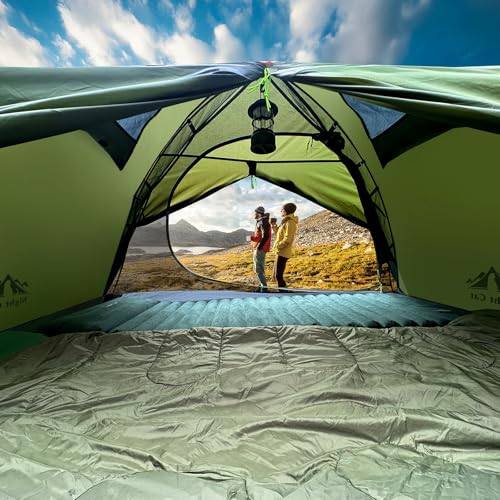
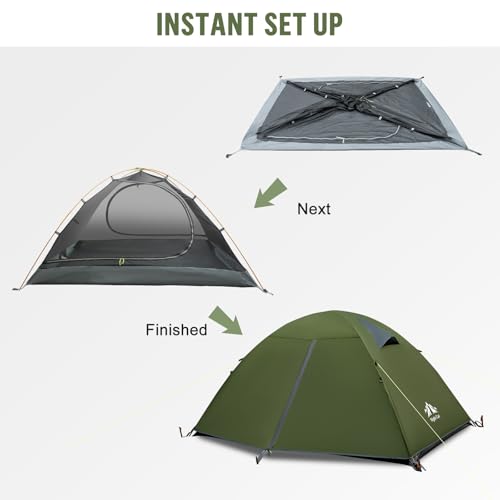
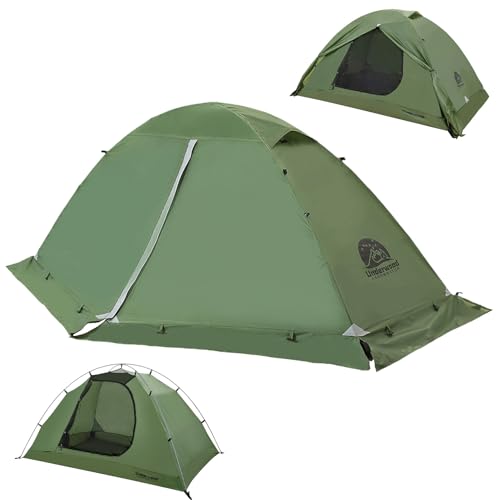
Underwood 4-Season 2P Tent
Strengths
- True 4-season build
- High waterproof rating
- Snow skirt included
Trade-offs
- Heavy for backpacking
- Limited airflow
- Bulky packed size
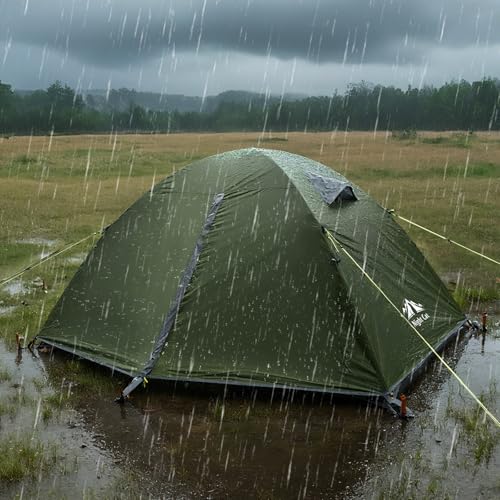
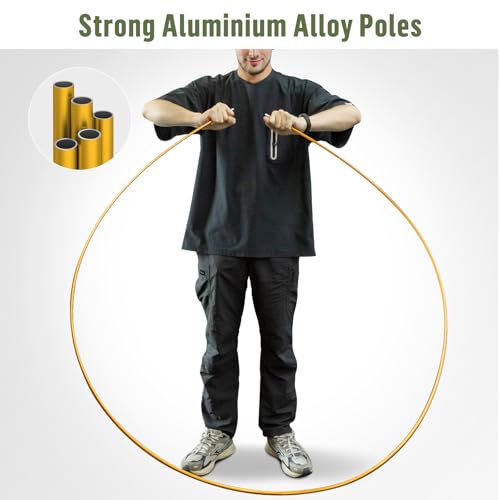
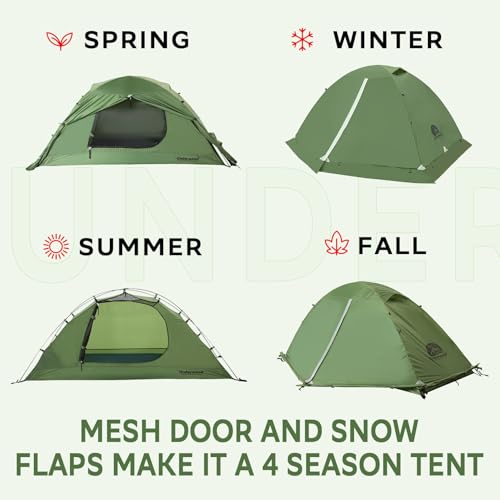
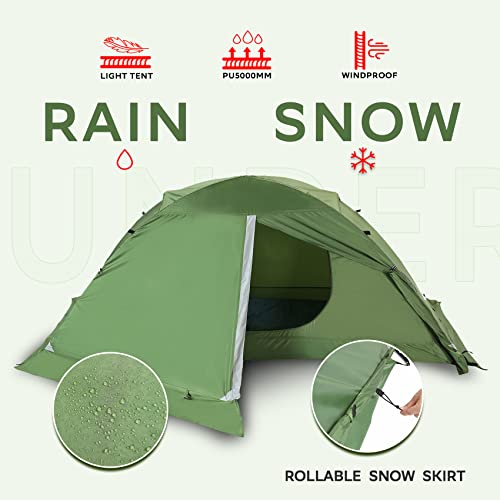
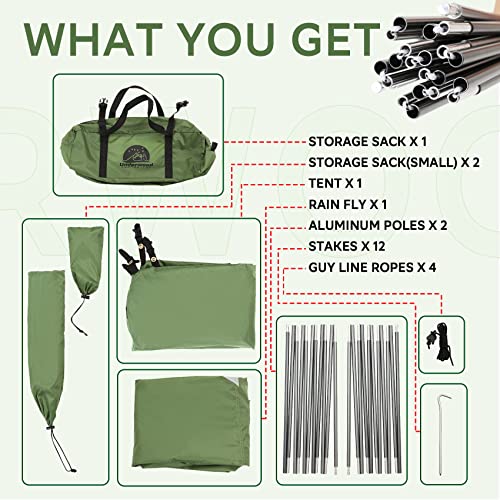
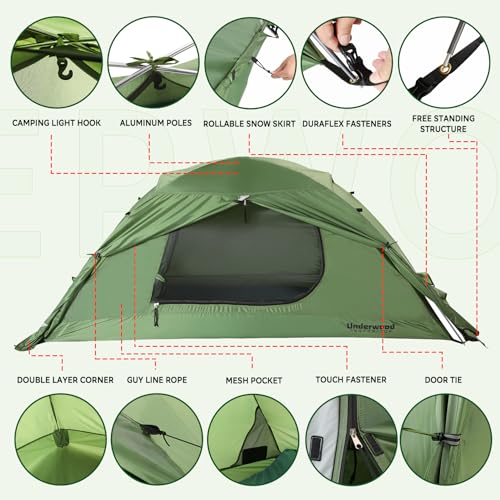
This Underwood Aggregator tent claims to be 4-season, and with a PU5000mm coating, snow skirt, and aircraft-grade aluminum poles, it’s clearly built for winter abuse. The double-layer corners and roll-able design suggest serious attention to cold-weather function, and owners in snowy regions confirm it sheds snow well and stays intact in high winds.
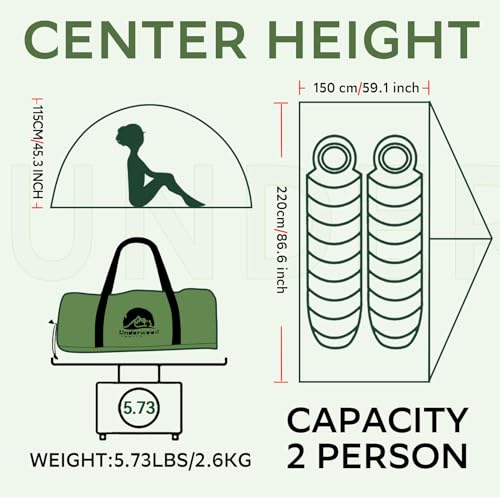
But true 4-season backpacking tents usually come with a weight penalty, and at 5.73 lbs, this one’s no exception. It’s overkill for most 3-season use, and the ventilation seems limited compared to mesh-heavy designs. Still, if you’re planning winter overnights or shoulder-season mountaineering, this offers real protection at a reasonable price. I’d choose it over 3-season models when snow and ice are on the menu, just don’t expect it to fly light on a summer trek.
Product photos
How We Tested backpacking tents 2 person
I approached researching these backpacking tents by first compiling a detailed spec sheet for each model – weight, dimensions, materials, waterproof ratings, and included features. Then, I moved beyond the numbers, carefully reading hundreds of owner reviews from sites like REI and Amazon, alongside expert opinions from outdoor publications. My goal was to identify consistent themes in both positive and negative feedback. This research-led comparison, rather than a hands-on lab test, allowed me to rank these tents against clear criteria.
For 2-person backpacking tents, three factors stood out as most crucial. Weight is obviously paramount; every ounce counts when you’re carrying it on your back. Durability, specifically the quality of materials and construction, is also vital – a ripped tent is no help in the backcountry. Finally, weather protection, encompassing both waterproofness and wind resistance, is essential for a comfortable and safe experience. These areas ultimately decided the rankings.
Specifications reliably tell you about a tent’s core build – pole material, fabric denier, and waterproof ratings. However, owner feedback provided the nuance. I paid close attention to reports about real-world waterproofness (often differing from stated ratings), ease of setup, and long-term durability. I also considered the reputation of the manufacturers; exploring trusted backpacking gear brands helped me assess overall quality and reliability.
How To Choose The backpacking tents 2 person
Choosing the right backpacking tent for two people can feel overwhelming, but focusing on a few key areas will get you to the perfect shelter.
A good backpacking tent balances weight, durability, and weather protection. Key considerations include the denier (D) of the fabric – lower numbers generally mean lighter weight but less durability – the waterproof rating (measured in mm) of the fly and floor, and the pole material (aluminum is stronger and lighter than fiberglass). Pay attention to packed size and weight, especially if you’re splitting the load.
Weight and Packability
Weight is paramount when backpacking, and a two-person tent can easily become a significant portion of your pack weight. Don’t get lured in by a super-cheap tent if it means adding a pound or more. Look for tents using lightweight fabrics like 20D or 30D nylon or polyester. Remember that the “trail weight” (tent, poles, stakes, but not the footprint) is the most important number to consider. It’s often more useful to look at the weight per person (under 3lbs per person is a good target) than the total weight.
Weather Resistance and Durability
A lightweight tent shouldn’t mean a flimsy one. Pay attention to the waterproof ratings of both the tent fly and the floor. A rating of 1500mm is generally considered a minimum for decent waterproofness, but 2000mm or higher is preferable, especially if you anticipate extended exposure to rain. Also, look for fully taped seams – without them, water can seep through the stitching. Aluminum poles are significantly more durable than fiberglass, and will withstand stronger winds without breaking. Many tents now feature a bathtub floor design, which extends the waterproof fabric up the sides to prevent water from pooling underneath. Don’t forget to consider whether you need a four-season tent, or if a three-season model will suffice; if you plan on camping in winter, a more robust design such as the Underwood 4-Season 2P Tent is crucial.
Features and Livability
Beyond the basics, consider the features that will enhance your comfort. Vestibules are incredibly useful for storing gear out of the elements. A larger vestibule can even allow you to cook outside during a downpour. Two doors and two vestibules are ideal for two people, minimizing the need to crawl over each other. Ventilation is also crucial to prevent condensation buildup inside the tent. Mesh panels and adjustable vents will help keep the air circulating. Finally, think about the ease of setup. Some tents are incredibly simple to pitch, while others require more effort. If you’re new to backpacking, you might want to consider a tent like the Kelty Late Start 2P, known for its easy setup. Also, remember to consider a tent footprint benefits to protect the floor of your tent and extend its lifespan.
- A full coverage rainfly is essential for serious rain, but can sometimes limit airflow.
- Internal pockets, even small ones, are surprisingly helpful for keeping small items organized.
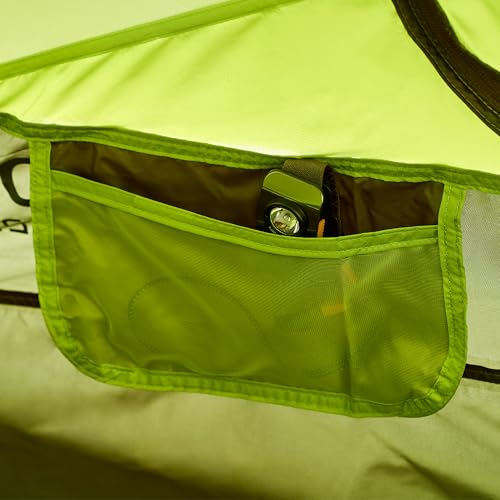
- A gear loft (a small hanging pocket) can be a standout for keeping headlamps and other essentials within easy reach – making it much more convenient than fishing around in your pack in the dark.
A well-pitched tent is more important than an expensive one. Practice setting up your tent at home before heading into the backcountry.
If you’re still unsure, check out our backpacking tent comparisons for couples to see how different models stack up against each other.
Backpacking Tents 2 Person Compared
Here’s a comparison of key specifications for popular 2-person backpacking tents to help you make an informed decision.
| Product Name | Weight (lbs) | Floor Size (sq ft) | Waterproof Rating (mm) | Pole Material | Packed Size (in) |
|---|---|---|---|---|---|
| Naturehike Cloud Up Pro 2P | 3.97 | N/A | 4000 | 7001 Aluminum | 15.7 x 5.1 x 5.1 |
| Marmot Crane Creek 2P Tent | N/A | 32 | N/A | 7000 Series Aluminum | N/A |
| Kelty Grand Mesa 2P Tent | 4.7 | 30 | N/A | Aluminum | 16 x 7 x 7 |
| Clostnature Ultralight 2P Tent | 5.33 | N/A | 5000 | Aluminum | 16.5 x 5.9 x 5.9 |
| Kelty Late Start 2P 2024 | N/A | 30 | 1200 | N/A | N/A |
| BISINNA 2P Backpacking Tent | 4.76 | N/A | 3000 | Aluminum | N/A |
| Night Cat 2-Person Backpacking Tent | N/A | N/A | 3000 | Aluminum | N/A |
| Underwood 4-Season 2P Tent | 5.73 | N/A | 5000 | Aluminum | 5.9 x 16.54 |
Frequently Asked Questions
What’s the biggest trade-off between weight and durability in a 2-person backpacking tent?
Generally, lighter tents use thinner fabrics (lower denier) to save weight, which makes them more susceptible to tears and abrasions. A good compromise is to look for tents using ripstop nylon or polyester, as these fabrics offer a decent balance of weight and tear resistance.
Are waterproof ratings always accurate, and what should I look for?
Waterproof ratings can be optimistic; owner feedback suggests real-world performance is often lower than stated. I recommend seeking tents with a fly and floor rating of at least 2000mm, and prioritizing fully taped seams to prevent leakage through stitching.
What does a “bathtub floor” actually do for a tent?
A bathtub floor extends the waterproof fabric several inches up the sides of the tent, creating a barrier that prevents water from seeping in even if the ground is saturated. This is especially useful in rainy conditions or when camping on damp ground.
How important is vestibule space, and what size should I aim for?
Vestibule space is quite important for storing muddy boots, backpacks, and other gear, keeping the inside of your tent clean and dry. For two people, I suggest looking for a tent with at least 8-10 square feet of vestibule space per person.
Where can I find more detailed comparisons of different 2-person backpacking tents?
If you’re looking for a deeper comparison, I recommend checking out our guide to the top-rated 2-person backpacking tents where we break down the pros and cons of various models.
The Bottom Line
Choosing a backpacking tent always comes down to balancing what you’re willing to carry versus the comfort and protection you demand. After researching dozens of models and sifting through owner feedback, the Naturehike Cloud Up Pro 2P strikes the best overall balance of weight, durability, and features for most backpackers. It’s a solid all-around performer that won’t break the bank or your back.
For those on a tighter budget, or who prioritize simplicity, the Kelty Late Start 2P is a fantastic choice. And if you frequently find yourselves in challenging conditions or need a reliable shelter for shoulder-season adventures, the Underwood 4-Season 2P Tent provides the extra weather protection you’ll appreciate. Remember, though, that even the most expensive tent won’t compensate for poor campsite selection or inadequate rain gear.
Ultimately, the best tent is the one you’ll actually use, and that means focusing on fit, ease of setup, and weather protection. Don’t get hung up on chasing the lightest weight if it means sacrificing durability or livability. Taking the time to learn how to pick a backpacking tent will set you up for years of comfortable nights under the stars.
