
How to Clean a Tent That Smells: The 24-Hour Mildew Window
This post contains affiliate links. As an Amazon Associate, we earn from qualifying purchases.
To clean a tent that smells, you need a bathtub, cool water, a non-detergent soap like Nikwax Tech Wash, and an enzyme cleaner for mildew. The process involves a full soak, a thorough rinse, and a complete dry, skipping any step risks permanent odor and coating damage.
Most people think a quick wipe and an afternoon in the sun fixes a funky tent. It doesn’t. Sunlight bakes in stains, and trapped moisture in a folded corner starts a biological clock. Mildew can begin forming in as few as 24 hours, and that smell is the first sign your tent’s waterproof coating is under attack.
This guide walks through the right way to wash a tent, spot-treat problems like pine sap, and, most importantly, dry it so it’s ready for the next trip without that basement odor.
Key Takeaways
- Mildew starts in 24 hours on a damp, packed tent, and most manufacturers like MSR explicitly void warranties for moisture damage.
- Never use dish soap, detergent, bleach, or a washing machine; these strip the durable water repellent (DWR) coating permanently.
- For mildew odors, use an enzyme cleaner like Gear Aid Revivex at 2 ounces per 20 gallons of water and follow the specific rinse-or-not instructions.
- Dry the tent completely in a shaded, breezy spot, turning it inside out; storing it even slightly damp guarantees a moldy surprise.
- Store the clean, dry tent loosely in a breathable cotton bag or a large pillowcase, not its original stuff sack.
What Causes That Tent Smell?
The odor is almost always microbial growth, mold or mildew, feeding on organic matter left in the fabric. Body oils, dirt, pollen, and spilled food provide the food. Moisture, especially from packing the tent away damp, provides the home. A standard bathtub holds 40 to 60 gallons, which is enough water to submerge most family camping tents for a proper clean. The waterproof polyurethane or silicone coating on your tent’s floor and rainfly is porous to vapor but can be compromised by the acids produced by these microbes. Once the coating degrades, the fabric loses its ability to shed water, and the smell becomes permanent.
Common mistake: Letting a tent “air dry” folded up in a garage, moisture gets trapped between layers, and within two days you’ll have a faint sour smell that won’t come out with a simple wash.
The single biggest contributor is rushing the dry after a rainy trip. You think it’s mostly dry, pack it into its stuff sack, and stow it in a closet. That residual humidity has nowhere to go. This is why even high-end canvas tents need meticulous drying routines, though their breathable fabric handles moisture differently than synthetic nylon.
What You’ll Need (And What to Avoid)
Gather your tools before you start. You’ll make a mess, and running for supplies with wet hands wastes time.
- A bathtub or a large plastic storage tub. A kiddie pool works for bigger spacious car camping tents.
- Cool to lukewarm water. Hot water can damage tape seals and coatings.
- A mild, non-detergent soap. Nikwax Tech Wash is formulated for technical fabrics. Dr. Bronner’s unscented castile soap is a common alternative.
- A soft sponge or microfiber cloth.
- A soft-bristled toothbrush for zippers.
- For mildew smells: an enzyme-based cleaner like Gear Aid [Revivex](https://www.amazon.com/dp/B001EWHXV2?tag=tentreview06-20&linkCode=osi&th=1&psc=1) Odor Eliminator or MiraZyme.
- For pine sap: rubbing alcohol or an alcohol-based hand sanitizer.
- A shaded, breezy drying area, two clotheslines are ideal.
Avoid these like the plague. Dish soap, laundry detergent, and bleach are surfactants designed to break down oils. They will also break down your tent’s waterproof coating. Washing machines and dryers create abrasion and heat that delaminate fabric layers and shred seams. Cascade Designs, the maker of MSR tents, states these methods void their warranty.
Spot Cleaning First: Sap, Stains, and Zippers
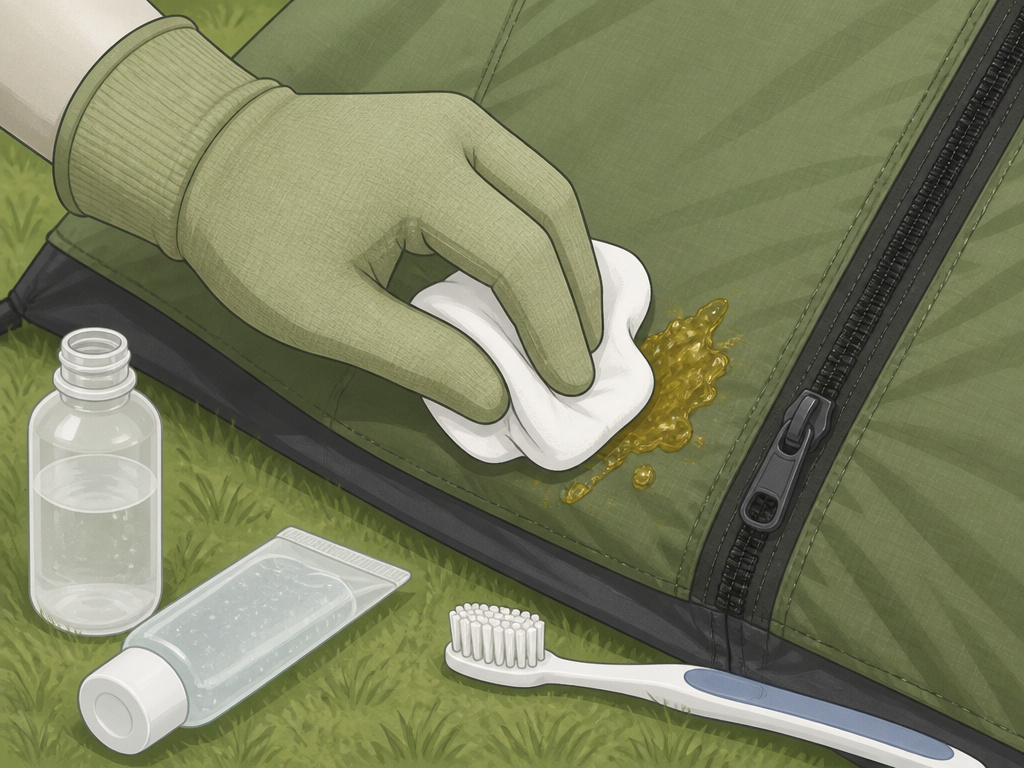
Always deal with the worst grime before the tub soak. Shake the tent out vigorously outdoors first. For mud splatters or bird droppings, use a damp cloth with a tiny drop of your Tech Wash. Blot, don’t scrub.
Pine sap needs a solvent. Dab it with a cloth soaked in rubbing alcohol or a glob of hand sanitizer. The sap will dissolve and transfer to the cloth. You must rinse the area thoroughly with water afterward, as the alcohol can also degrade coatings if left on.
I packed away a tent after a sticky pine campsite, thinking a quick hand-sanitizer wipe was enough. I missed a spot. Next season, that spot had turned brittle and lost its waterproofing. The alcohol ate at the coating over the winter.
Zippers jam because grit gets packed into the teeth. Use a dry toothbrush first to knock out sand and dirt. For stubborn, sticky grime, rinse the zipper with water and then brush it. This simple bit of tent maintenance prevents a failure when you’re trying to close the door in a rainstorm.
| Spot | Tool | Method | Rinse? |
|---|---|---|---|
| Dirt/Mud | Damp cloth, Tech Wash | Blot gently | Yes |
| Pine Sap | Rubbing alcohol/hand sanitizer | Dab until transferred | Yes – Thoroughly |
| Zipper Grit | Dry toothbrush | Scrub along teeth | No (or light water rinse) |
| Mildew Stains | Enzyme cleaner (Revivex) | Pre-treat before soak | Follow product label |
The Bathtub Soak (Step-by-Step)
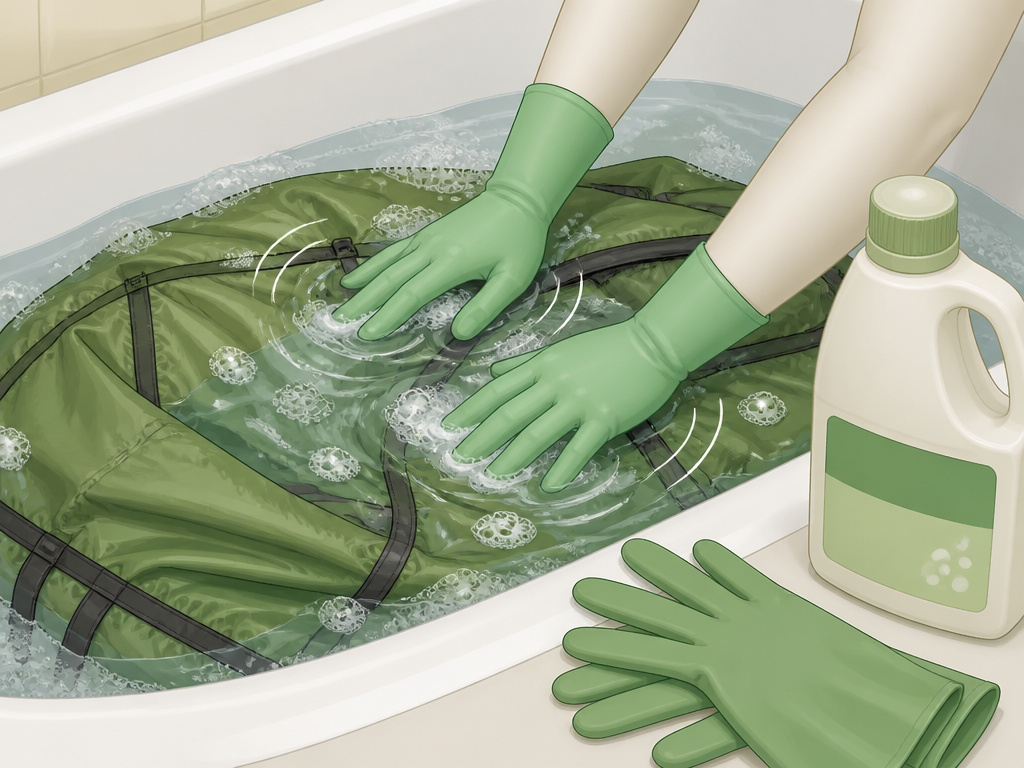
This is the core process. You’re not agitating like laundry; you’re letting the cleaner and water do the work.
- Fill the tub with cool water. A standard tub holds 40-60 gallons. Use the lower end for a backpacking tent, the full capacity for a large family tent.
- Add your cleaner. For general cleaning, use Tech Wash per the bottle’s directions. For smells, use an enzyme cleaner. The Wirecutter tent cleaning guide notes Gear Aid recommends 2 ounces of Revivex for every 20 gallons of water.
- Submerge the tent. Unzip all doors and windows. Turn the tent body and rainfly inside out. Fully immerse everything. Gently swish it around for five minutes to work the solution into the fabric.
- Soak. Let it sit for 30 minutes to an hour. Move it around halfway through.
- Drain and rinse. This is the most critical physical step. Drain the dirty water. Refill the tub with clean, cool water. Submerge and agitate the tent. Drain again. Repeat until the water is completely clear and free of suds. For a deeply soiled tent, this can take 3-4 cycles.
TL;DR: Soak the tent in a tub with a technical cleaner, then rinse until the water runs clear. Any soap residue left behind will attract more dirt.
Before you start: Wear rubber gloves if you have sensitive skin. Have towels ready for the floor. Ensure your drying area is prepared, you can’t let the tent sit wet in the tub for long.
The Rinse Debate: When to Skip It
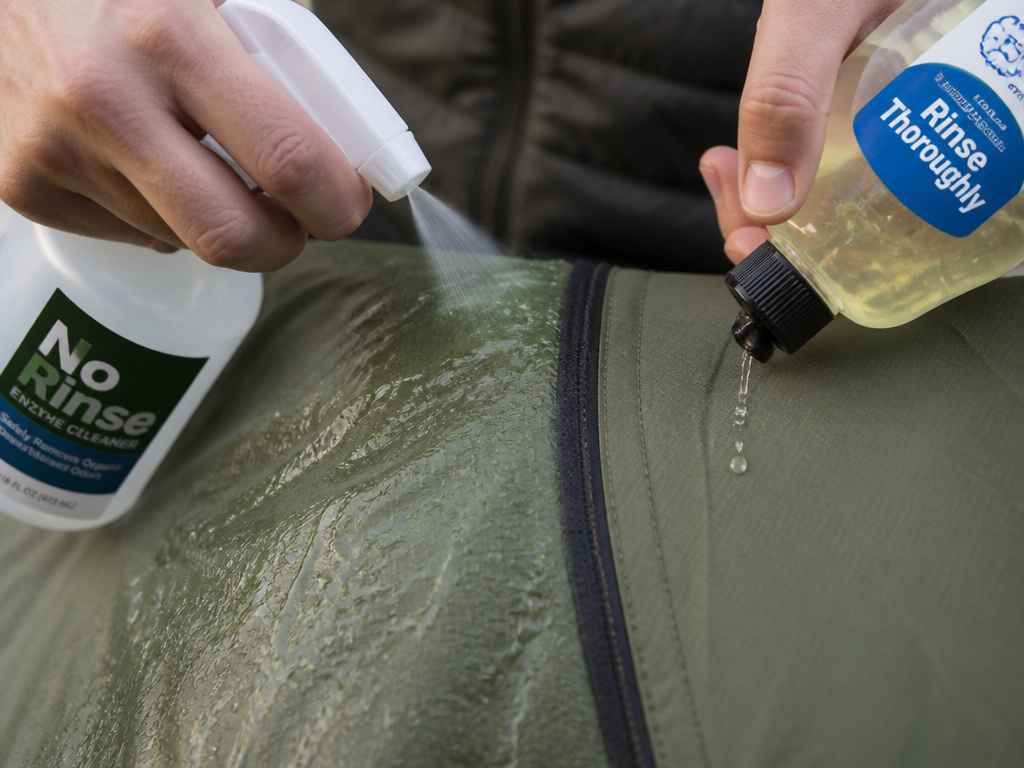
Here’s where the advice splits. For standard soaps like Tech Wash, you must rinse until the water is clear. Soap residue feels tacky, attracts dirt, and can degrade fabric.
For enzyme cleaners like Gear Aid Revivex, the manufacturer says not to rinse. The logic is that the active microbes continue working as the tent air-dries, breaking down odor molecules. REI’s general advice, however, says to rinse all soaps thoroughly. Who’s right?
Follow the product label. If the bottle says “no need to rinse,” you can hang the tent dripping wet. If you use a different brand or a general soap, you must rinse. When in doubt, rinse. Leaving any chemical on the fabric is a gamble with your tent’s coating.
Drying: The Step Everyone Rushes
Drying is not passive. It’s an active process you must manage.
Hang the tent over two parallel clotheslines, if possible. One line for the tent body, one for the fly. This maximizes air circulation. Turn the tent inside out halfway through. Pay close attention to seams, corners, and folded edges, these are moisture traps.
Dry the tent in a cool, shaded, and breezy area. Direct sun ultraviolet (UV) radiation accelerates the breakdown of nylon and polyester fibers, shortening the tent’s lifespan dramatically.
A fan pointed at the tent helps enormously. The goal is bone-dry. Run your hand along every seam. If it feels cool, it’s still damp. This can take a full day, even two, in humid conditions. Do not store it until you are certain.
How to Store a Tent So It Doesn’t Smell Again
Storage is preventative maintenance. Never, ever store a tent in its original stuff sack long-term. That tight compression traps any residual moisture and stresses the fabric coatings.
- Ensure it’s 100% dry. Check one last time.
- Store it loose. Use an oversized breathable cotton storage bag, a mesh duffel, or even a large pillowcase. This allows air circulation.
- Pick the right place. Store it in a cool, dry, dark place. Avoid attics (extreme heat), basements (damp), and garages (temperature swings and pests). A closet under a bed is ideal.
This approach is the best way to protect your investment, whether you own affordable tents under $200 or high-end models. Proper storage also keeps essential camping gear like sleeping bags and pads from picking up musty odors.
When to Use Specialized Cleaners
Regular dirt just needs Tech Wash. But some problems need specific solutions.
For persistent mildew odor and visible black or pink speckling, you need an enzyme cleaner. These contain microbes that digest the organic matter causing the smell. Gear Aid Revivex and MiraZyme are the two common options. They work on the same principle but check the label for dilution ratios and rinse instructions.
For restoring water repellency after a wash, you’ll need a DWR (Durable Water Repellent) spray-on treatment like Nikwax TX.Direct. Wash the tent first, then apply the DWR while the fabric is still damp, and dry it thoroughly. This is a separate process from odor removal.
| Problem | Best Solution | Key Consideration |
|---|---|---|
| General Dirt & Grime | Nikwax Tech Wash soak | Requires thorough rinsing |
| Mildew Odor & Stains | Enzyme cleaner (Gear Aid Revivex) | May require no-rinse method |
| Compromised Waterproofing | DWR spray-on (Nikwax TX.Direct) | Apply to damp tent after washing |
| Pine Sap | Rubbing alcohol spot treatment | Must rinse area thoroughly after |
Frequently Asked Questions
Can I wash a tent in a washing machine?
No. The agitation and spin cycles can tear seams, delaminate fabric, and destroy waterproof coatings. The manufacturer’s warranty will be voided. The bathtub method is the only safe way.
What if my tent still smells after washing?
The mildew may have penetrated beyond the surface coating. Try a second treatment with an enzyme cleaner, ensuring a longer soak time (several hours). If the smell persists, the fabric’s integrity is likely compromised, and the odor is permanent.
Is vinegar safe to clean a tent?
White vinegar is a mild acid that can kill some surface mildew. However, it can also degrade polyurethane coatings over time and leave a strong odor. It’s not recommended by major tent manufacturers. Stick with products designed for technical fabrics.
How often should I clean my tent?
Clean it at the end of each season, or immediately after any trip where it gets excessively dirty or wet. For light use, a thorough cleaning every other year is sufficient. Regular cleaning supplies for camping should include a technical soap.
Can I use a pressure washer on my tent?
Absolutely not. The high-pressure water will force its way through seam tape and fabric laminates, creating leaks that cannot be repaired. It will also shred lightweight tent fabrics.
The Bottom Line
Cleaning a smelly tent isn’t about making it look new. It’s about stopping the biological process that ruins the fabric. The sequence is non-negotiable: spot clean, soak with the right cleaner, rinse completely, and dry utterly. Store it loose and dry. Skip the bathtub for a hose and you’ll leave soap in the seams. Skip the full dry for a “mostly dry” pack job and you’ll be buying a new tent next year. The right care makes a durable canvas tent or a lightweight Naturehike shelter last for a decade of trips.
