
When Do Tents Go On Sale? A Hiker’s Timing Guide
This post contains affiliate links. As an Amazon Associate, we earn from qualifying purchases.
Tents see their deepest discounts during two key seasons: fall clearance (August-October) and spring model releases (March-May). For the best price, target September and October, when retailers slash prices 30-70% to clear summer stock. Spring offers 20-40% off as new models push out the old.
I bought my first “real” backpacking tent at full price in June. I was so excited for a summer on the Pacific Crest Trail that I didn’t think twice. That MSR Hubba Hubba NX 1 was fantastic, until I saw last year’s identical model for $150 less in September. I’d funded someone else’s trip with my impatience.
Now, after a decade of testing gear through every season, I plan my gear purchases like I plan my routes. You should never pay retail for a shelter. This guide breaks down the when, the where, and the how to save real money, so you can spend it on more trail miles.
Key Takeaways
- Forget Black Friday. Since 2015, REI has closed for it, and Patagonia since 2011. Tent stock in November is sparse and deals are fleeting.
- September is king. This is the peak of end-of-season clearance. Retailers need to make room for winter gear, so discounts hit 50-70% on premium models.
- Shop used for the steepest cuts. REI’s Used Gear and Garage Sales can slash 40-60% off returned high-end tents—if you can handle a faint mildew smell and a missing stuff sack.
- Buy your summer tent in the fall. Purchase at least one season ahead. Your perfect summer backpacking tent is cheapest in September, not April.
- Know your retailer. For a basic Coleman cabin tent, Costco has year-round value. For a Big Agnes Copper Spur, wait for a specialty retailer’s member sale.
The retail cycle for tents is inventory-driven. New models launch in spring, triggering discounts on outgoing stock. The deepest price cuts occur in late summer and fall as retailers minimize carrying costs before the low-sales winter quarter, creating a predictable window for maximum savings.
When is the absolute best time to buy a tent?
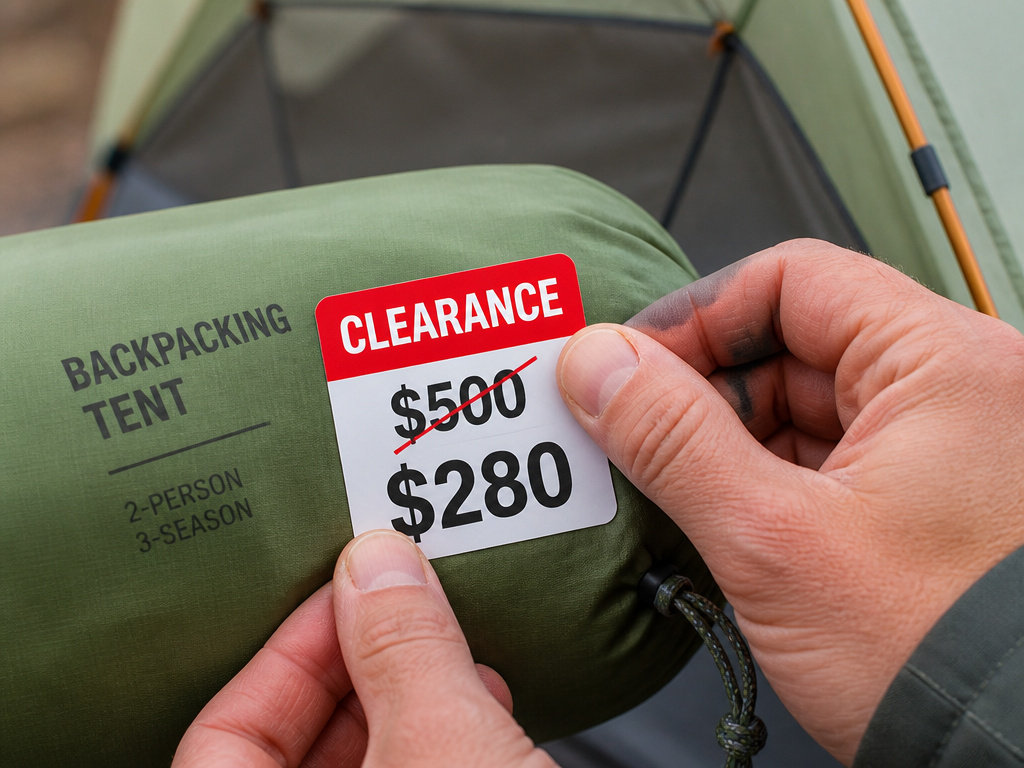
Circle September on your calendar. The air gets crisp, leaves turn, and retailers panic about warehouse space. This is when last season’s premium shelters get slapped with “Clearance” tags that feel almost criminal.
I scored my Big Agnes Copper Spur HV UL2 for $280 in a late-September REI member sale—down from $500. The catch? It was the 2022 model. The 2023 version had just landed with a minor pole-sleeve update I didn’t need. That’s the fall clearance magic: last year’s top-tier gear at half-price.
The second-best window is April and May. As brands like MSR and Nemo ship their new model-year tents, retailers discount the previous version. You won’t see the 70% off fire sales of fall, but a solid 20-30% off is common for nearly-identical gear.
| Season | Typical Months | Discount Range | What’s Actually On Sale | The Catch |
|---|---|---|---|---|
| Spring Model Change | March – May | 20% – 40% | Previous year’s models from premium brands. | You’re buying “last year’s” design. Colors/sizes may be limited. |
| Peak Season | June – July | 0% – 10% | Everything. This is full-price season. | Paying retail is for emergencies only. |
| Prime Clearance | August – October | 30% – 70% | All remaining summer inventory. The golden window. | Selection dwindles daily. Popular sizes go first. |
| Holiday Promos | November – December | 20% – 50% | Fleeting, brand-specific deals (e.g., Coleman, Yeti). | Stock is picked over. Major players like REI are closed. |
TL;DR: Buy your tent in September or October. If you miss that, aim for April. Never buy in June or July.
Where should you look for the deepest tent discounts?
Not all sales are created equal. Where you shop is as strategic as when.
1. Specialty Outdoor Retailers (REI, Backcountry, Moosejaw)
This is where you find deals on the good stuff. Their sales are event-based: the REI Anniversary Sale in May, the Labor Day sale, and member-exclusive coupons. That REI membership ($30 lifetime) pays for itself in one tent purchase.
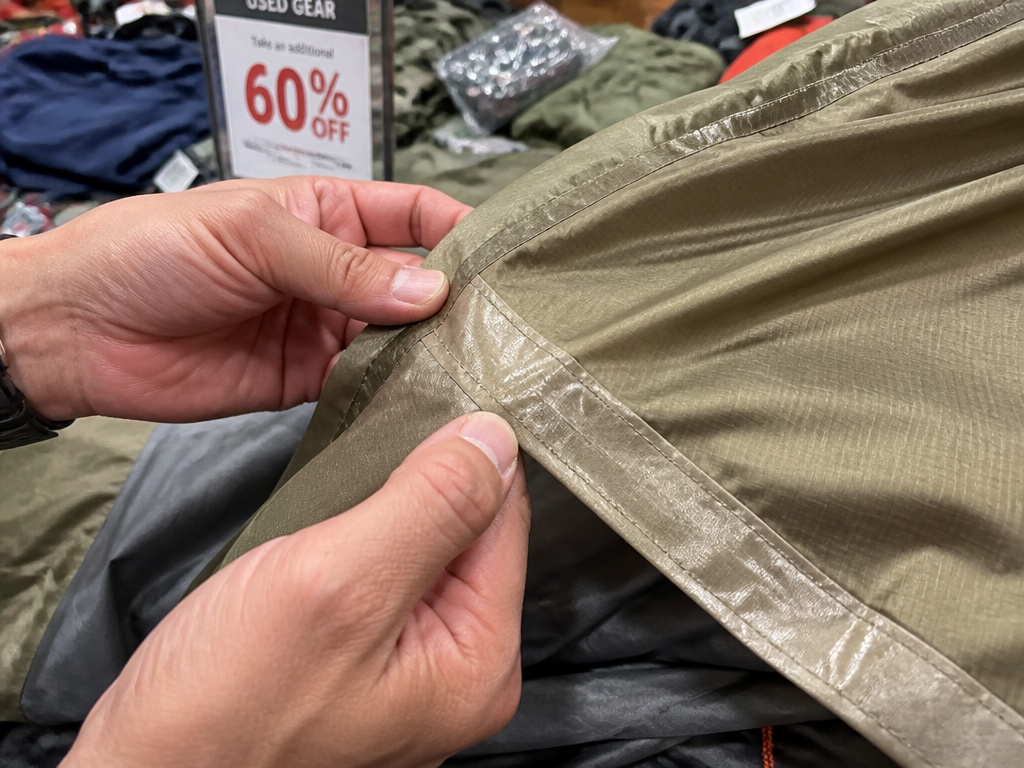
Common mistake: Thinking the sale price online is the final price. At REI Garage Sales, returned items are sold as-is. I bought a “lightly used” Nemo Dagger 2P for 60% off, only to find a seam tape flaw. No returns. That $300 lesson taught me to inspect every inch before buying.
2. Brand-Direct Websites
Sign up for newsletters from Big Agnes, The North Face, and Kelty. When they release a new version of a tent, the old model gets a permanent price cut on their own site. This is often the first place last year’s colors get discounted.
3. The Secret Weapon: Used & Returned Gear
This isn’t a seasonal sale; it’s a treasure hunt. REI’s Used Gear site and in-person Garage Sales offer the steepest discounts in the industry, often 40-60% off. You’re buying customer returns, so expect minor issues—a scuffed pole bag, a faint pine scent, a missing stake. For the savvy buyer, it’s the best value. It’s also a fantastic way to find mid-range tents or affordable family tents that have been field-tested once.
4. Big-Box & Warehouse Stores (Costco, Walmart)
For car camping tents where weight isn’t a concern, the value here is year-round. You won’t find a $50 Ozark Trail 6-person tent for $25, but you will find a reliable spacious car tent at a fair price any day of the week. This is where practicality beats calendar-watching.
How do you avoid buying the wrong tent just because it’s on sale?
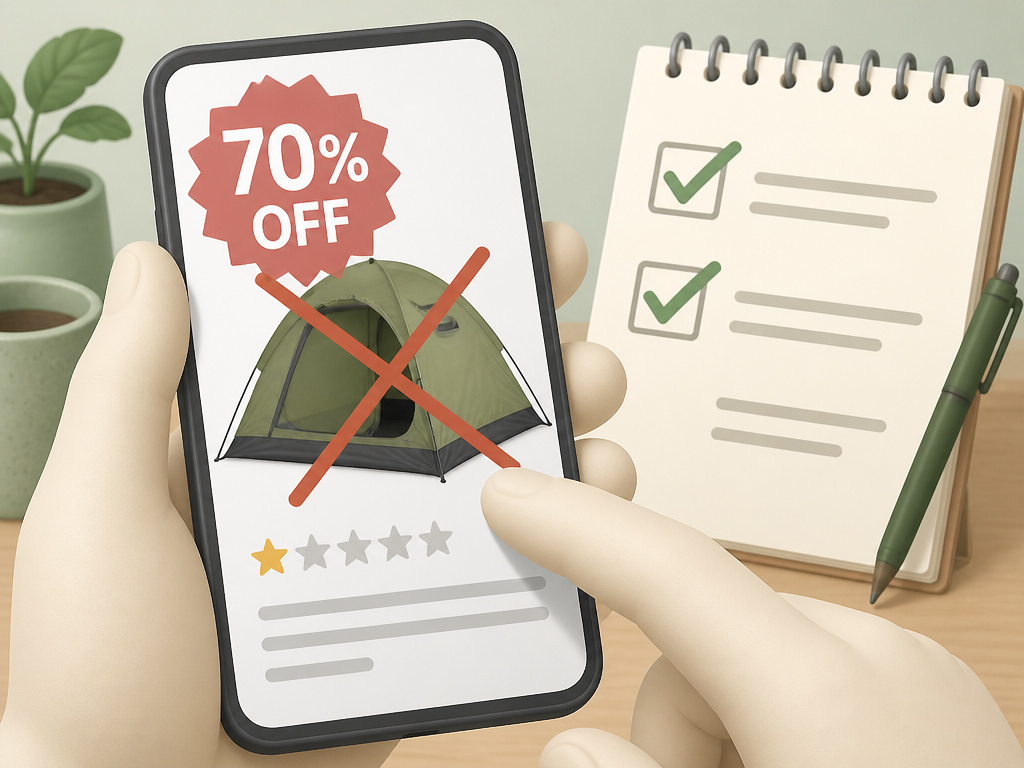
A 70% off tag on a poorly-rated tent is a waste of money, not a savings. I’ve made this mistake so you don’t have to.
- Lock in your specs first. Are you backpacking or car camping? Needing a lightweight two-person shelter is a world apart from needing a nine-person camping tent. Decide on capacity, packed weight, and season rating before you browse a single sale.
- Know your baseline price. In January, note the full price of the tent you want. Use a price tracker. When you see “40% Off” in September, you’ll know if it’s a true discount or a marketing markdown.
- Set alerts, not hopes. Add your target tent to wishlists on REI, Backcountry, and the brand’s site. Follow them on social media. Flash sales for popular compact tent models can sell out in minutes.
- Read the fine print on returns. Is it final sale? REI’s standard return policy usually covers sale items, which is a huge safety net. Many other retailers switch to “all sales final” on clearance.
- Pull the trigger. When a true clearance hits 50%+ on a model you’ve researched, buy it. Hesitation means you’ll be staring at a “Sold Out” badge by morning. This is especially true for sought-after two-person tents and stand-up height tents.
Are Black Friday and holiday sales any good for tents?
Honestly? They’re a minefield. Major players have bowed out: Patagonia in 2011, REI in 2015, and Public Lands in 2021. Their protest removes key sellers from the day.
For retailers that do participate, the NYT Wirecutter seasonal sales advice is spot on: stock is sparse and deals are “fleeting and brand-specific.” You might find a Coleman cabin tent at Walmart or a Stanley bundle on Amazon, but the selection is picked-over leftovers from fall clearance.
Treat Black Friday as a potential bonus round for accessories or brand-specific promotions. It should not be your primary plan for buying a shelter. Your strategy should already be set from the September sales.
What type of tent should you buy at different times of year?
Your gear goals dictate your calendar.
For Premium Backpacking Tents: Wait for the cycle. A Big Agnes Copper Spur or MSR Hubba Hubba is an investment. Patience pays. Target the spring model-change or the fall clearance. The difference between a $550 and a $350 price tag is a new backpack.
For Family Car-Camping Tents: You have flexibility. Brands like Coleman and Core are always available. A sale might save you $30. While fall is still best, the year-round value at Costco or Walmart is decent if you need a six-person family tent for a trip next weekend.
For Budget and Starter Gear: Deals are always floating around. Check Amazon’s “Today’s Deals” or the clearance endcap at Target. The best tents under $100 are found through persistent browsing more than perfect timing. For true budget tents, this is a viable year-round strategy.
| Tent Type | Best Buying Window | Where to Look | Realistic Savings |
|---|---|---|---|
| Premium Backpacking Tent | Sept-Oct (Clearance) | REI, Backcountry, Brand Site | 40-60% off MSRP |
| Family Car Camping Tent | Sept-Oct or Year-Round | Costco, Walmart, REI Sale | 30-50% off, or consistent low price |
| Durable Canvas Tent | Late Fall / Early Spring | Brand Direct, Specialty Retailers | 20-40% off (slower inventory turnover) |
| Pop-Up Beach Tent | End of Summer | Amazon, Big-Box Clearance | 50-70% off as season ends |
Frequently Asked Questions
Do tents go on sale after summer?
Absolutely. Post-Labor Day through October is the peak clearance period. Retailers need to clear out summer inventory to make room for winter sports gear, leading to the deepest discounts of the year.
What is the single cheapest month to buy a tent?
October. By then, retailers are making final, aggressive cuts to clear remaining inventory before their end-of-quarter financials. The trade-off is limited selection in colors and sizes.
Does REI have good tent sales?
Yes, their two biggest are the Anniversary Sale in May and the Labor Day sale in September. Members get early access. However, their Used Gear Garage Sales offer the steepest unofficial discounts, often deeper than any seasonal promotion.
Should I buy a tent online or in-store during a sale?
Check both. Online may have more color options, but in-store clearance racks can have unmatched deals on floor models or returned items that never get listed online. For events like Garage Sales, in-person is the only option.
When is the best time to buy a winter or four-season tent?
Aim for late spring (April-May). As retailers shift focus to summer camping, they discount leftover cold-weather gear. You’ll find previous winter’s models of durable canvas tents and four-season shelters on sale.
Before You Go
Timing your tent purchase isn’t about luck; it’s about understanding a simple, repetitive retail cycle. The moment you decide to go camping is the most expensive time to shop. The smart money shops when everyone else is putting their gear away.
Mark September in your calendar. Set a price alert for that specific two-man tent or large family tent you’ve been eyeing. Ignore the Black Friday noise. And always, always check your local REI’s event page for a Used Gear Sale—it’s the outdoor community’s worst-kept secret for legendary deals. Buy your shelter in the off-season, and you’ll have more cash left for the adventure itself.
