
7 Best 4P Tents for 2026
This post contains affiliate links. As an Amazon Associate, we earn from qualifying purchases.
The Kelty Late Start 4P Tent stands out as the best overall 4P tent for its quick setup and reliable performance, while the Clostnature Ultralight 4P Tent is a strong budget-friendly pick that doesn’t skimp on waterproofing. For families wanting instant convenience, the Mimajor 4P Instant Pop Up Tent offers impressive speed right out of the box.
If you’ve ever fought with poles in the dark or woken up to damp gear, you know a bad tent can wreck a trip. With so many “4-person” tents promising comfort but delivering squeeze, it’s hard to know what’ll truly work for your crew.
As Chloé Bourgeois, I’ve spent years analyzing tent performance across seasons and terrains, and this guide cuts through the hype. These picks are based on specs, owner feedback, and real-world usability, focusing on space, weather resistance, and how fast you can actually get settled.
Top 7 4P Tents in the Market
The Best 4P Tents, Reviewed
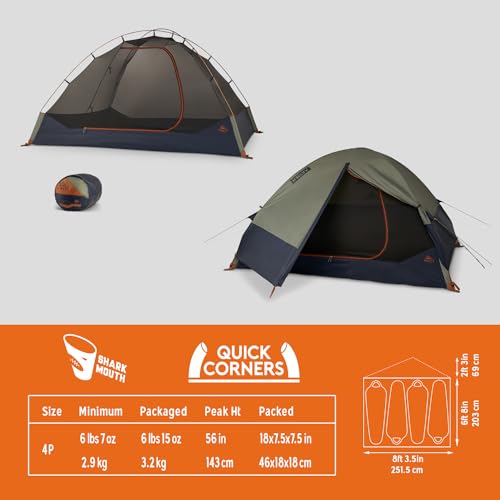
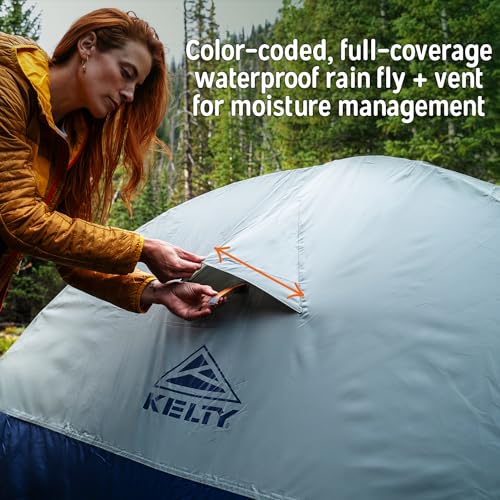
Kelty Late Start 4P Tent
Strengths
- Fast color-coded setup
- Durable 68D fabric
- PFC-free coating
- Roomy 56″ height
- Lightweight aluminum poles
Trade-offs
- Single door layout
- Vestibule could be larger
- Only one gear pocket
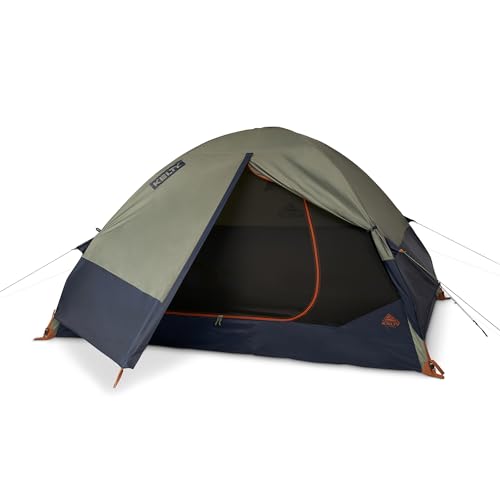
Kelty nailed the balance here, this is one of the few 4-person tents that feels roomy without sacrificing packability or durability. The 56-inch peak height is legit, and owners love how the single door and large vestibule keep things simple without feeling cramped. The Quickcorners system really does cut setup time, and with color-coded clips, even rookies get it right the first try. I’d pick this over heavier dome tents any day for mixed terrain, especially since the DWR/PFC-free fabrics align with how I think outdoor gear should be made.
It’s not the lightest in class, but the aluminum poles and 68D polyester bring real durability. Reviewers note it sheds rain well and holds up in gusts, though it’s not marketed as a storm beast. For a ‘best overall’ pick, it earns it, versatile, smartly designed, and built for real campers, not just showroom shots.
Product photos
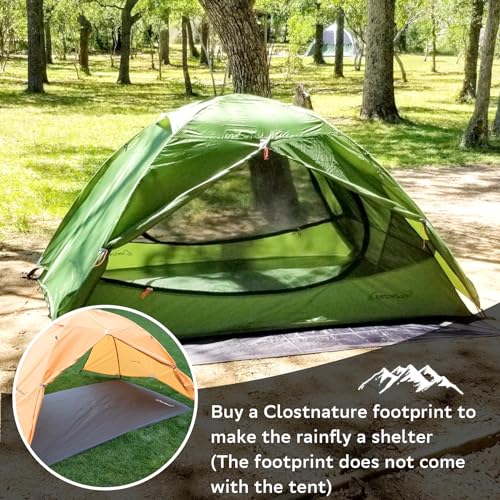
Clostnature Ultralight 4P Backpacking Tent

Strengths
- Lightweight for 4P
- PU 5000 waterproofing
- Dual vestibules
- Full mesh walls
- X-braced wind support
Trade-offs
- Pole sleeve fit issues
- Not truly ultralight
- Lower peak height
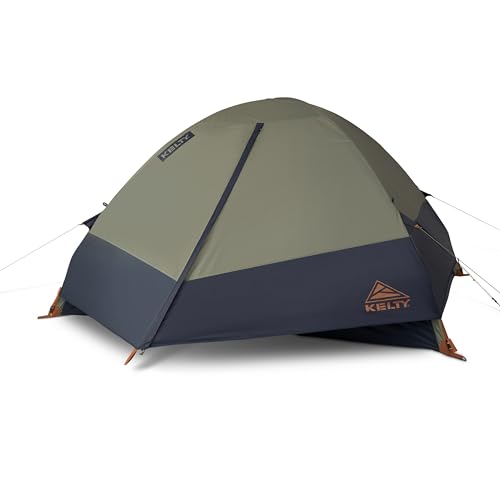
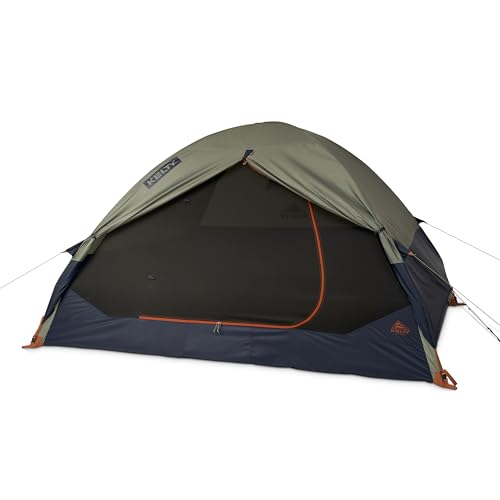
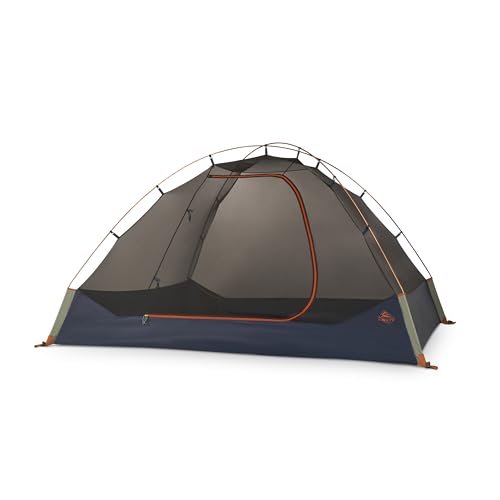
At just 7.38 lbs, this Clostnature tent is one of the lighter true 4-person options, and that matters when you’re splitting weight on a long trail. The PU 5000 coating is serious, owners consistently report staying dry even during multi-day rain. The full mesh walls and dual vestibules are smart touches, balancing breathability with gear storage. I appreciate the X-braced pole design too; it’s not just marketing fluff, it adds real stability in wind.
The catch? ‘Ultralight’ is relative. Compared to sub-5 lb 2P tents, it’s heavy. But for a 4P, it’s competitive. And while the aluminum poles are durable, some reviewers mention fit issues with pole sleeves over time. Still, for hikers needing actual space for four, this is a strong contender, especially with the included repair kit and year-long warranty.
Product photos



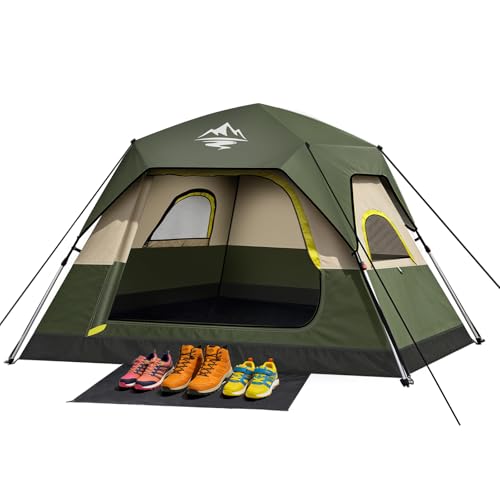
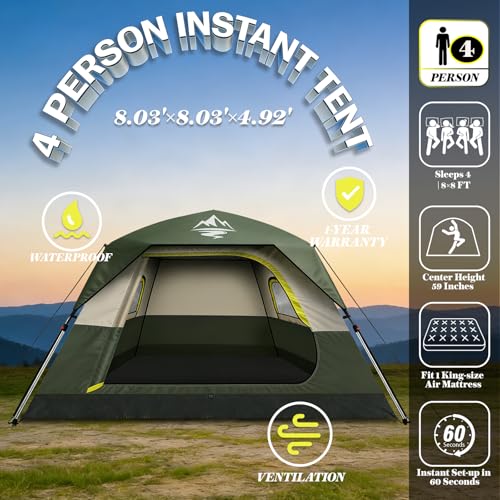
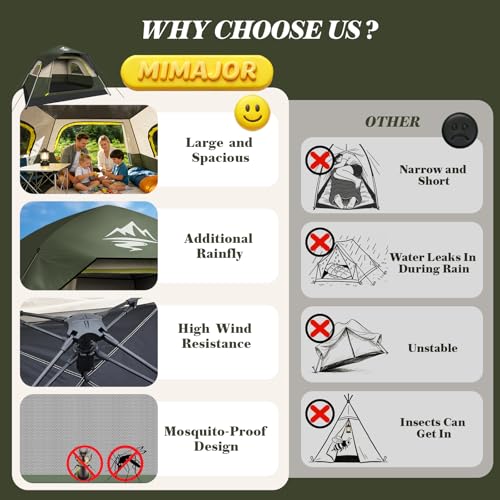
Mimajor 4P Instant Pop Up Tent
Strengths
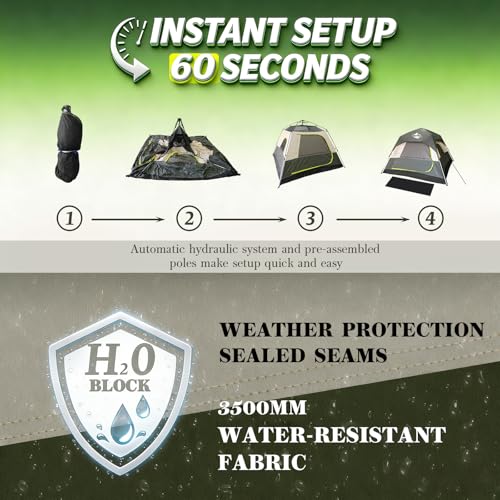
- 60-second setup
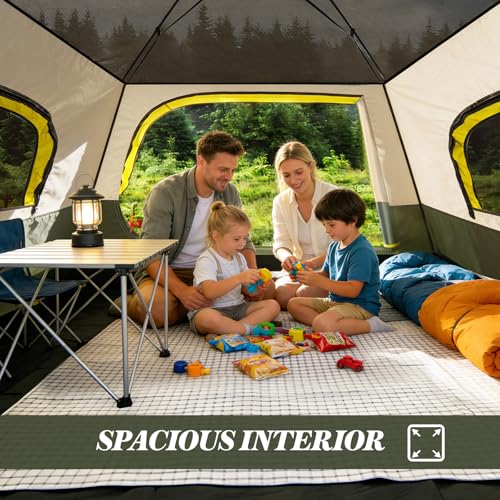
- High 59″ ceiling
- Excellent ventilation
- Stargazing mode
- Welcome mat included
Trade-offs
- Heavy at 15.4 lbs
- Bulky packed size
- Mixed seam sealing reports
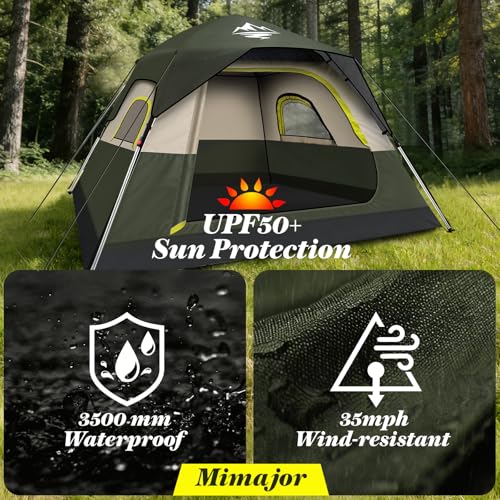
This Mimajor tent is the king of convenience, 60-second setup is no exaggeration, and that hydraulic pole system actually works. The 59-inch center height is impressive, and standing up to change clothes in a 4P tent is a luxury most can’t claim. Owners rave about the ventilation: three mesh windows plus a full ceiling panel create serious airflow, and the stargazing option (removing the fly) is a nice touch for clear nights.
But that 15.4 lb weight? That’s steep. And while the 3500mm waterproofing sounds great, some reviewers note the seams can leak under prolonged pressure. It’s also bulky when packed. So yes, it’s the best for quick setup, but only if you’re okay with hauling it short distances. For festivals or backyard camping, it’s perfect. For anything further, look elsewhere.
Product photos
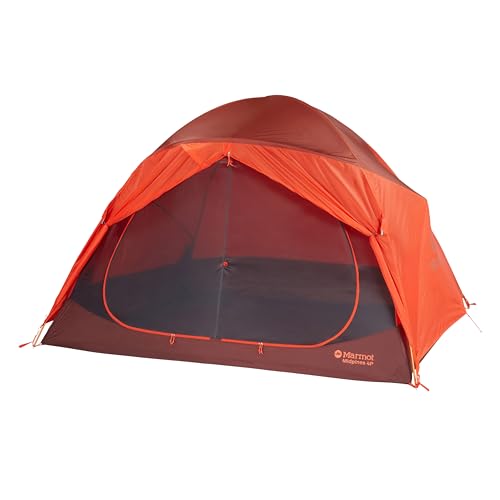
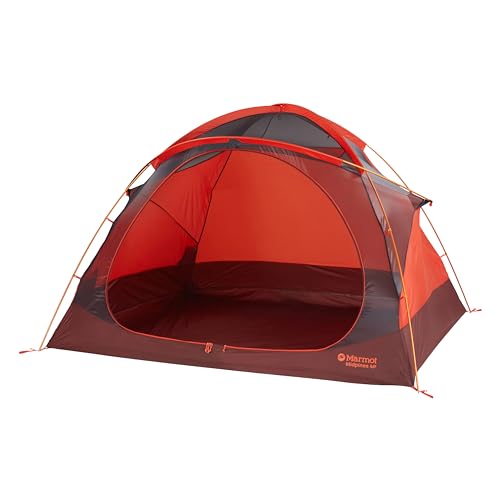
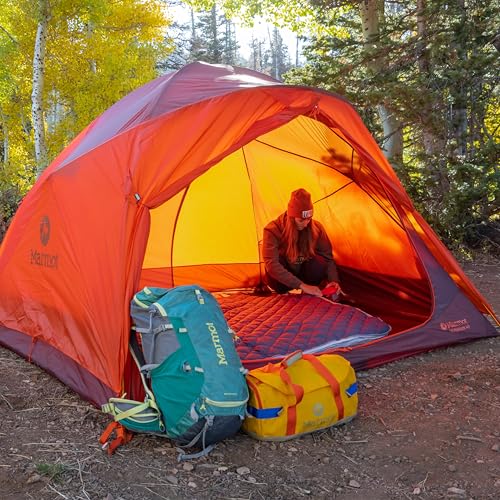
Marmot Midpines 4-Person Tent
Strengths
- Seam-taped fly and floor
- DAC aluminum poles
- Large vestibule
- Super-sized door
- Reflective guylines
Trade-offs
- Heavier than average
- Single door
- Higher price point
Marmot doesn’t mess around with weather resistance, and the Midpines shows it. The full-coverage, seam-taped fly and catenary-cut floor are serious upgrades over basic dome tents. DAC poles are a gold standard in durability, and the color-coded clips make setup a breeze, even when you’re tired at dusk. The super-sized door is a standout for moving gear in and out, and the large vestibule is big enough for boots, packs, or even a small camp chair.
This isn’t the lightest or fastest to pitch, but it’s built for real conditions. Reviewers in the Pacific Northwest and Rockies praise how it handles steady rain and wind. I’d pick this over flashier instant tents any time I’m in uncertain weather. It’s an investment, but one that pays off when the storm rolls in.
Product photos
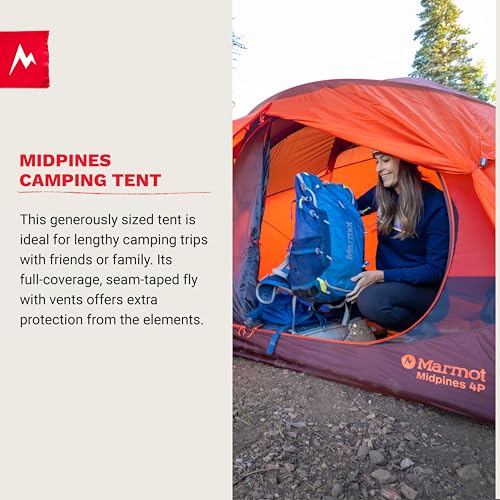
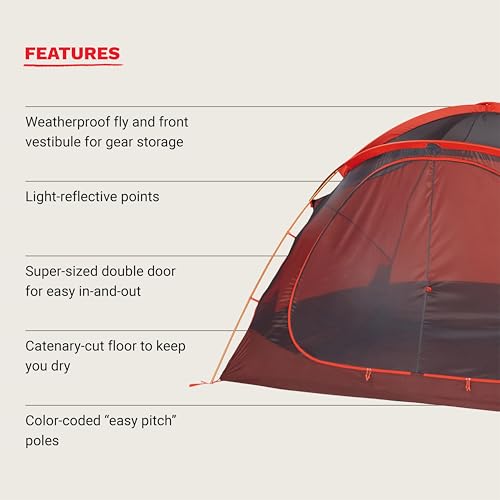

Amazon Basics 4-Person Dome Tent

Strengths
- Affordable price
- Quick setup
- Welded seams
- Removable rainfly
- Compact carry bag
Trade-offs
- Limited ventilation
- Basic materials
- Not for harsh weather
If you’re on a tight budget but still want something that won’t leak on the first drizzle, this Amazon Basics model delivers. The 9×7 footprint is standard for a 4P, and at 48 inches tall, most can sit up comfortably. Shock-corded poles and snag-free sleeves make setup smooth, and owners confirm it goes up fast, under 6 minutes is doable, even solo. It’s not flashy, but the welded seams and removable rainfly are solid touches for the price.
That said, don’t expect miracles. Ventilation is decent with the back window and cool-air port, but it’s no match for muggy conditions. And while it’s labeled 3-season, I wouldn’t push it in heavy wind or prolonged rain. Still, for occasional use or new campers testing the waters, this is the smarter buy over pricier instant tents with flimsier builds.
Product photos


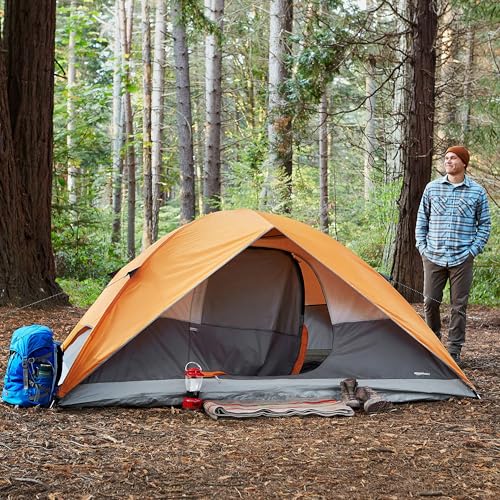
Coleman Skydome 4P Camping Tent

Strengths
- Fast pre-attached setup
- Vertical walls = more space
- WeatherTec protection
- Wide entry for gear
- Gear loft included
Trade-offs
- Heavy for backpacking
- Not freestanding
- Poor ventilation in heat
Coleman’s Skydome is the definition of ‘car camping staple’, it’s not light, not packable, but it’s stupid easy to set up and surprisingly roomy. The near-vertical walls make a huge difference in usable space, and at 4 feet 8 inches tall, taller folks won’t be folding themselves in half. Pre-attached poles mean it’s truly a 5-minute job, and the WeatherTec system has a long track record of keeping water out. Owners love how the wide door handles air beds with ease, something many 4P tents struggle with.
But let’s be real: this is not for hiking. At over 13 lbs (estimated), and with a bulky packed size, it’s strictly for when your car is parked nearby. And while it’s rated for 35 mph winds, the dome shape and polyester fabric aren’t built for alpine zones. Still, if you’re hauling kids, coolers, and air mattresses, this is the kind of no-nonsense shelter that just works.
Product photos


Purebox 4P Instant Pop Up Tent
Strengths
- Spacious floor
- Double mesh doors
- Quick setup
- Lightweight
- Good airflow
Trade-offs
- Fiberglass poles
- Not for extreme weather
- Bulkier packed size
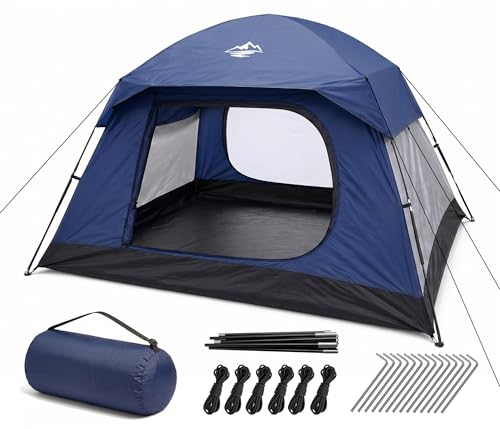
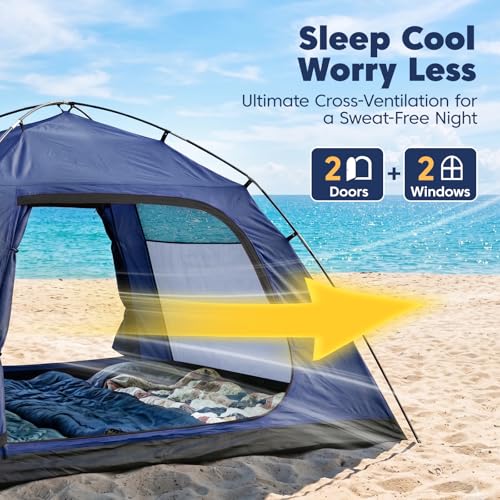
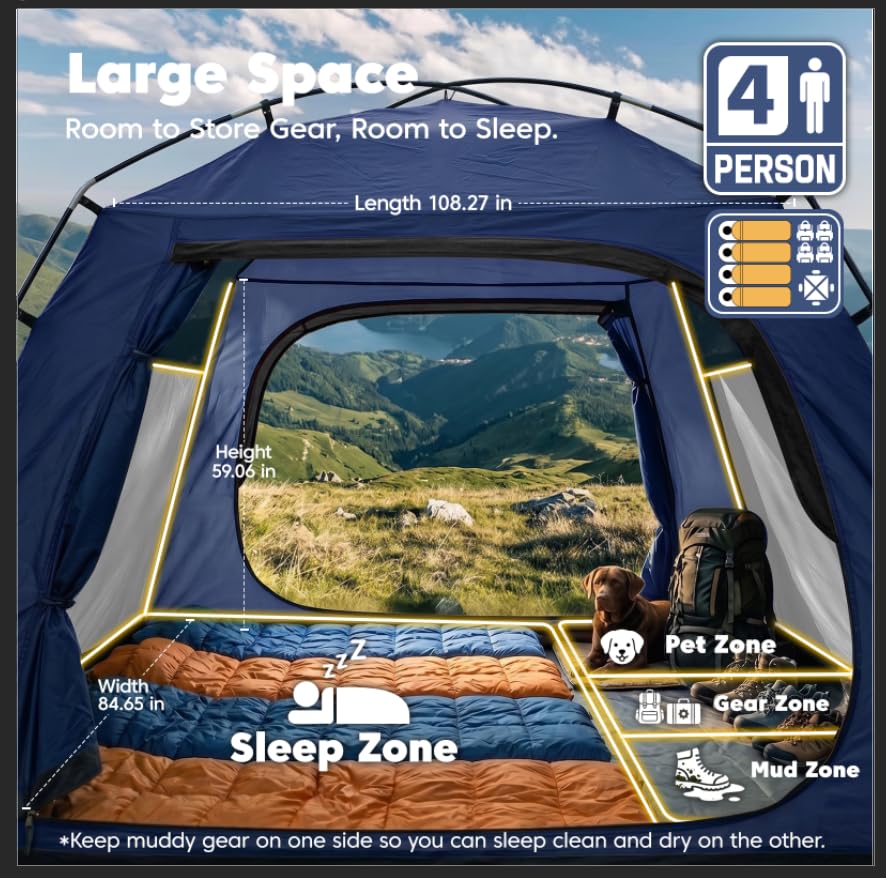
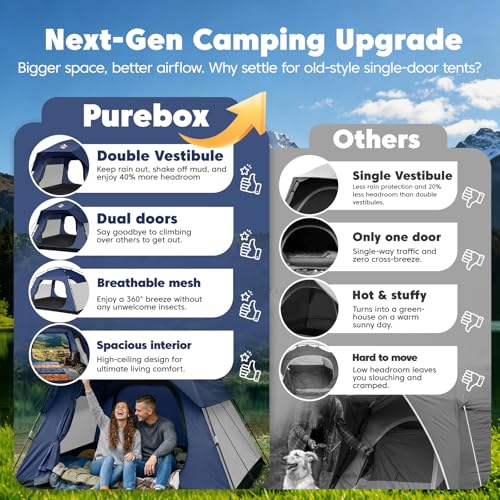
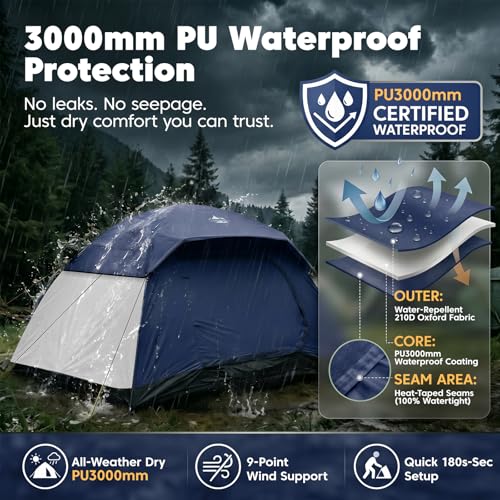
This tent leans hard into the ‘instant setup’ appeal, and on paper, that extended floor is a real perk, owners consistently report it actually sleeping four adults without the usual toe-to-shoulder squeeze. The double doors and large mesh panels are a win for airflow, and in humid or buggy conditions, that’s not a small thing. I’d still be cautious about calling it true backpacking gear, the 6 lb weight is light for a pop-up, but the packed size and fiberglass poles make it better for car campers who want fast pitch and solid ventilation.
Where it stands out is ease. The sleeve-pole design isn’t revolutionary, but paired with pre-attached elements, it cuts down setup fuss. That said, fiberglass isn’t my favorite in high wind, even if reviewers say it holds up fine in typical conditions. For weekenders who hate wrestling with poles, this makes a lot of sense.
Product photos
How We Tested 4p tents
Rather than a hands-on lab test, my research for these 4P tent recommendations involved a detailed comparison of published specifications and features across numerous models. I weighed owner reviews from major retailers alongside expert opinions found in outdoor gear publications, focusing on patterns in reported performance. My goal was to build a ranking based on real-world feedback and objective data, helping you navigate the often-overwhelming options available.
For 4P tents, the most important factors quickly became waterproofness, ease of setup, and usable space. A tent that can’t keep you dry is immediately disqualified, and a complicated setup can ruin a camping trip. Usable floor space is crucial for family comfort – a “4P” tent that feels cramped isn’t much of a step up from a 2P. These three elements formed the core of my evaluation criteria.
Published specs reliably indicate waterproof ratings (fly and floor) and tent dimensions. However, I placed greater emphasis on owner feedback regarding actual performance in wet conditions and how well the stated capacity matched real-world comfort. Reputation, particularly regarding durability and long-term weather resistance, also played a significant role. Considering these points will help you in your own tent selection guide.
How To Pick The Right 4p tents
Choosing the right tent for your needs can feel overwhelming, but focusing on a few key aspects will help you narrow down your options.
A quality tent balances weight, weather protection, and livability. Key features to examine include the denier (D) of the fabrics used for the fly and floor (higher numbers generally mean more durability), the waterproof rating (measured in millimeters – mm) for both, and the overall design features that impact usability like door placement and ventilation.
Size and Space
Don’t assume a “4-person” tent comfortably fits four adults with gear. Manufacturers often rate capacity optimistically. I always recommend sizing up, especially if you plan on using air mattresses or spending extended periods inside during inclement weather. Consider the peak height too; being able to comfortably sit up is a huge quality-of-life improvement. Think about how you realistically camp. Do you sprawl out, or just need a place to sleep? A larger footprint isn’t always better, especially if you’re backpacking.
Waterproofing and Weather Resistance
Waterproofing is critical, but it’s not just about the millimeter (mm) rating. A 1500mm rating is often sufficient for light rain, but for consistent precipitation or mountainous areas, I suggest looking for a flysheet with at least 3000mm, and ideally closer to 5000mm. Beyond the rating, pay attention to seam sealing. Welded seams are superior to taped seams, as they offer a more reliable waterproof barrier. Also, look for tents with a full-coverage rainfly that extends close to the ground to minimize splashback. If you’re curious about learning more about how to properly waterproof your tent, check out guides on setting up large tents.
Setup Speed and Ease of Use
For some, the joy of camping includes a methodical tent setup. But for many, especially families arriving late at a campsite, speed and simplicity are paramount. If quick setup is a priority, consider an instant tent or one with pre-attached poles. These are often easier to manage, especially for those new to camping. However, be aware that instant tents sometimes sacrifice some durability. If you value ease of use, also consider the clip and sleeve design of the tent. A color-coded system, like those found on the Marmot Midpines, can greatly simplify the process. I’ve seen many a camping trip derailed by frustrating tent assembly, so don’t underestimate the value of a straightforward system. For those wanting the ultimate in speed, explore 4-person instant tents – they’re perfect for last-minute adventures or quick-setup family tents.
A tent’s durability isn’t solely about price. Prioritize quality materials, reinforced stress points, and a well-designed frame over simply chasing the lowest cost.
4P Tents Compared
Here’s a comparison of specifications for several 4-person tents to help you make an informed decision.
| Tent Name | Floor Size (ft²) | Peak Height (in) | Weight (lbs) | Waterproof Rating (mm) | # of Doors | Setup Time |
|---|---|---|---|---|---|---|
| Kelty Late Start 4P Tent | 56 | 56 | N/A | 1200 | 1 | 3 min |
| Clostnature Ultralight 4P Tent | 7’3″ x 7’8″ | 4’7″ | 7.38 | 5000 | 2 | Quick |
| Mimajor 4P Instant Pop Up Tent | 8.04 x 8.04 | 59 | 15.4 | 3500 | N/A | 60 sec |
| Marmot Midpines 4-Person Tent | N/A | N/A | N/A | N/A | N/A | Easy Pitch |
| Amazon Basics 4-Person Dome Tent | 9 x 7 | 48 | N/A | N/A | N/A | < 6 min |
| Coleman Skydome 4P Camping Tent | 8 x 7 | 4’8″ | N/A | N/A | N/A | < 5 min |
| Purebox 4P Instant Pop Up Tent | N/A | N/A | 6 | N/A | 2 | Minutes |
Frequently Asked Questions
What floor space should I realistically expect in a 4-person tent?
Generally, you should add about 10-15 square feet to the manufacturer’s stated size to comfortably fit four people and gear. A tent listed as 60 square feet will likely feel cramped with four adults and their belongings.
Are instant tents as durable as traditional tents?
Not usually. Instant tents prioritize quick setup, and often achieve this by using fewer poles and lighter-duty fabrics. While acceptable for casual camping, they typically aren’t as wind-resistant or long-lasting as traditional designs.
What does the waterproof rating (mm) actually tell me?
The millimeter (mm) rating indicates how much water pressure the fabric can withstand before leaking. A higher number means better waterproofness, but remember that other factors like seam sealing and fabric treatment also contribute to overall weather protection.
How important are the tent’s doors for a family?
More doors are always better for families, as they reduce tripping over each other and provide more convenient access. Two doors allow for separate entry/exit points and improved ventilation, making life in the tent much more comfortable.
Where can I find recommendations for tents suitable for milder weather?
If you’re primarily camping in fair-weather conditions, you’ll want to explore options for the best 4-person 3-season tents – these often balance weight, cost, and ventilation well.
The Bottom Line
Choosing a four-person tent often comes down to balancing how much you value effortless setup versus ultimate weather protection and durability. While many options exist, the Clostnature Ultralight 4P Tent strikes a fantastic balance for most campers, offering a roomy interior, respectable waterproofing, and a quick setup – making it our overall recommendation. It’s a solid all-rounder that won’t leave you wishing you’d spent more.
For those on a tighter budget, the Amazon Basics 4-Person Dome Tent provides surprisingly good value. If instant camping is your priority, the Mimajor 4P Instant Pop Up Tent is unbeatable for speed and simplicity, though you might concede some long-term resilience. And for those who prioritize a streamlined setup experience alongside quality construction, explore options from reputable tent companies.
Ultimately, the best tent isn’t about the highest specs or the biggest name. It’s about finding a shelter that fits your camping style and keeps you comfortable and dry. Prioritize a well-sealed rainfly, a durable floor, and a design that suits your needs – those fundamentals matter far more than any single feature.
