
7 Best Large Camping Tents of 2026
This post contains affiliate links. As an Amazon Associate, we earn from qualifying purchases.
The best large camping tent for most groups is the CORE 12 Person Instant Cabin Tent, it sets up fast and delivers real space. If you need more rooms for privacy, the CAMPROS CP 12-Person 3 Room Tent is a solid upgrade, while the FanttikOutdoor Zeta C10 Pro offers a smarter pick for smaller crews or tighter budgets.
Buying a big tent is about more than just fitting bodies. Too many people end up with a packed-in, damp mess after trusting the “12-person” label without checking the real floor plan or weather specs. I’ve seen it ruin weekends.
This guide cuts through the hype. Based on specs, owner feedback, and years of comparing what actually works in wind and rain, I focused on space that feels open, not cramped, and builds that stand up to real conditions, not just fair-weather marketing.
Top 7 Large Camping Tents in the Market
The Best Large Camping Tents, Reviewed
FanttikOutdoor Zeta C12 Pro Max

Strengths
- Spacious interior
- Quick 90-second setup
- Excellent ventilation
Trade-offs
- Heavy at 45+ lbs
- Rainfly attachment can snag
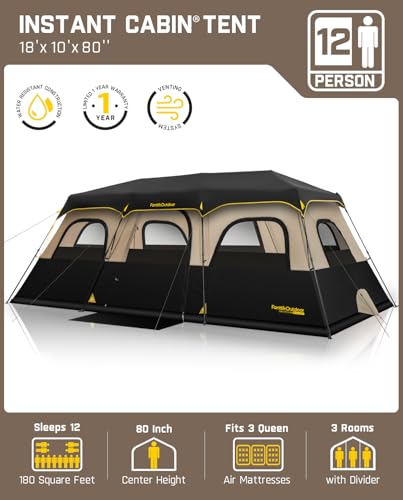
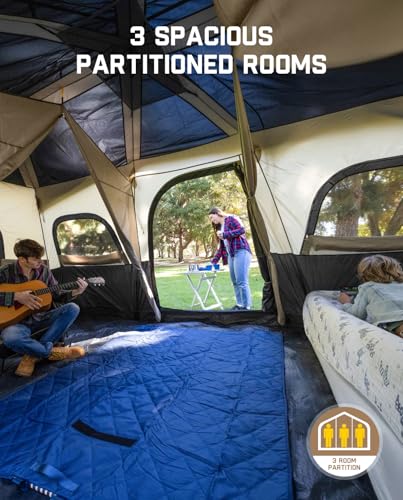
This is one of those ‘big tent, no drama’ designs that feels like it was made for families who hate wrestling with poles. On paper, the 216 x 120-inch footprint and 80-inch center height deliver serious cabin-style comfort, and owners consistently report fitting three queen air mattresses with room to spare. The double-door layout and zippered divider add real-world usability, especially when camping with multiple families or teens who want privacy.
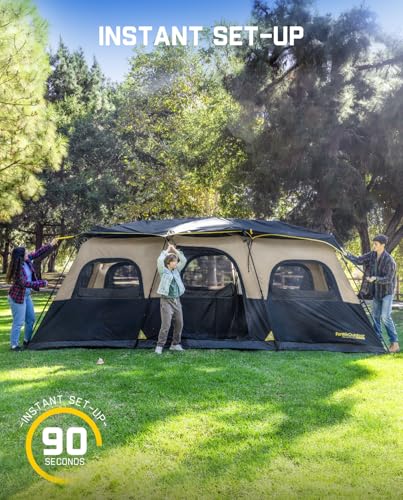
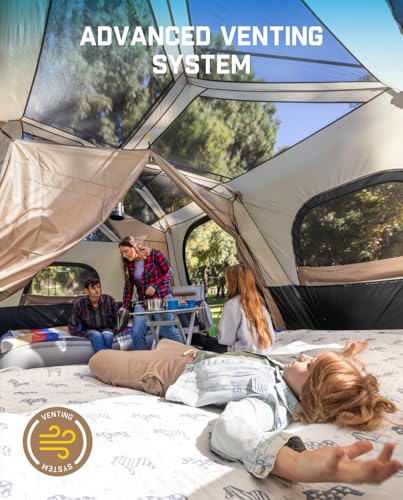
What stands out is the 90-second setup claim, backed by color-coordinated feedback, thanks to pre-attached poles. It’s not magic, but it’s close for a tent this size. The mesh ceiling and floor vents are a smart touch for summer camping, though I’d still recommend staking it down tightly in wind, as some reviewers noted flapping in gusts despite the included guy lines.
Product photos

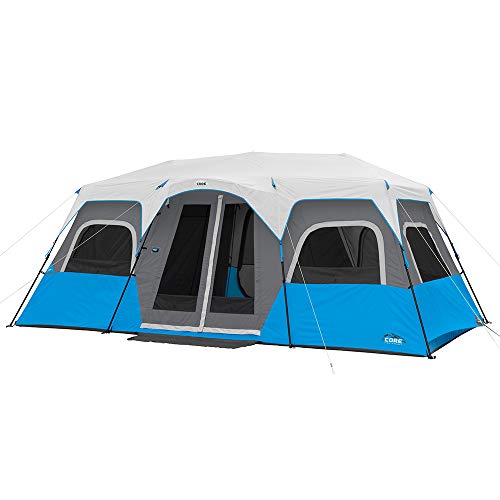
CORE 12 Person Instant Cabin Tent
Strengths
- Integrated LED lighting
- Fast pop-up setup
- Multiple room dividers
Trade-offs
- Heavy carry weight
- Bulky packed size
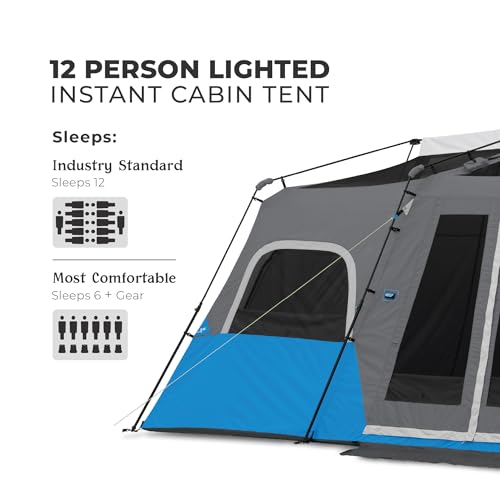
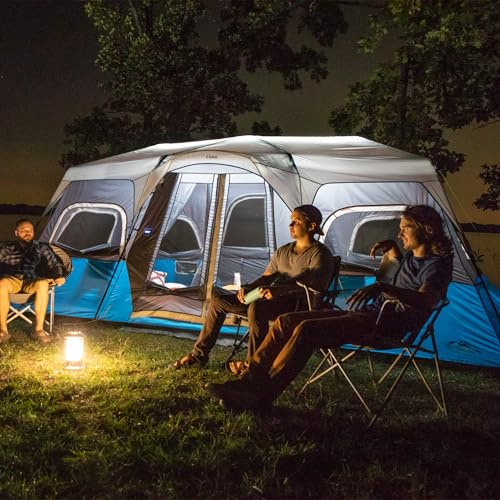
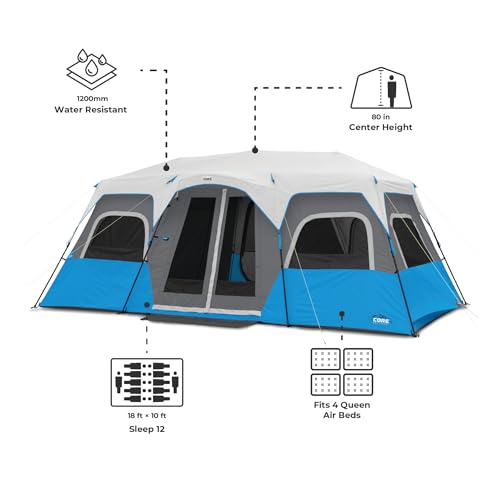
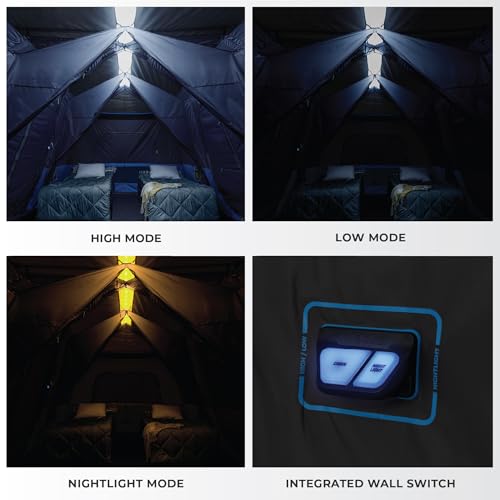
The built-in LED lights are the headline here, and they’re more than a gimmick, they’re genuinely useful for midnight bathroom runs or keeping kids calm during thunderstorms. Three brightness levels, including a soft night light, are controlled by a wall switch, and owners with young children rave about the convenience. The 18 x 10-foot floor and 80-inch ceiling match the Zeta C12 for space, and the two room dividers let you create bunk zones or a private master area.
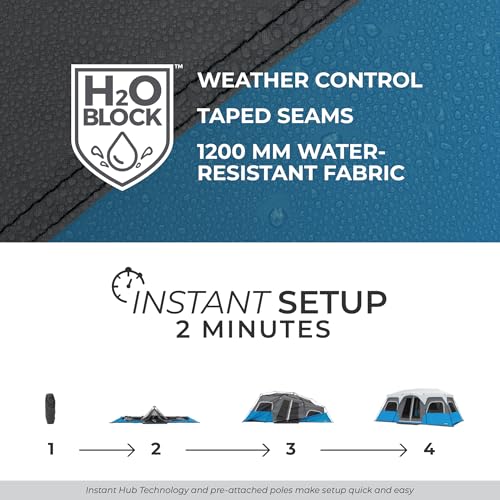
Setup in under 2 minutes is realistic thanks to pop-up tech, but the 54-pound pack weight is hefty, this isn’t going far from your car. Ventilation is smartly designed with lower intake vents and a mesh ceiling, though some report mild condensation in humid conditions. It’s not the toughest in storms, but for family car camping, it hits the sweet spot.
Product photos
Coleman Skylodge 12-Person Tent

Strengths
- Outstanding weather resistance
- Huge screen porch
- Reliable brand durability
Trade-offs
- Lower headroom
- Heavier than alternatives
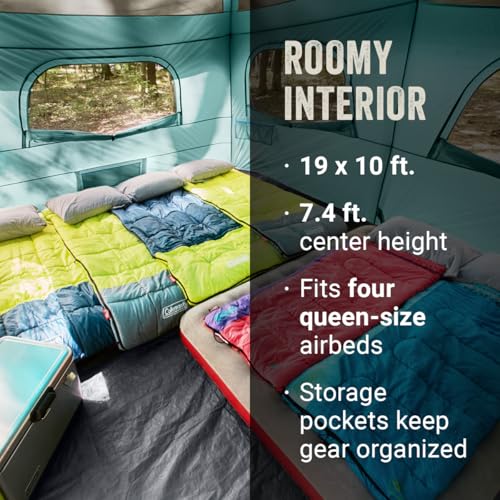
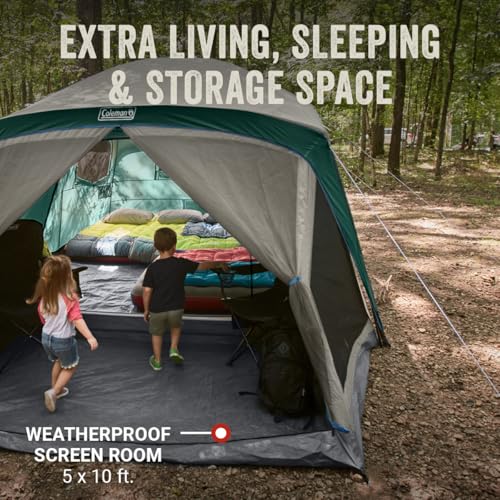
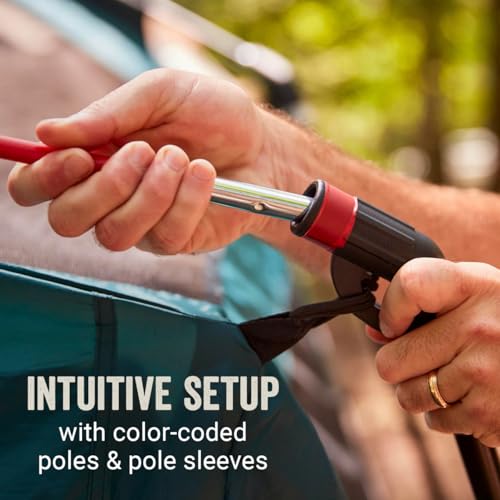
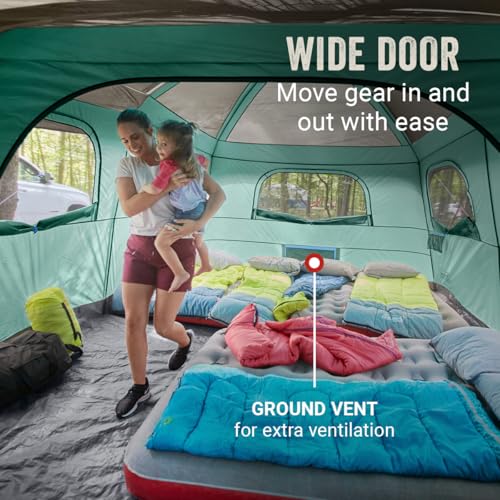
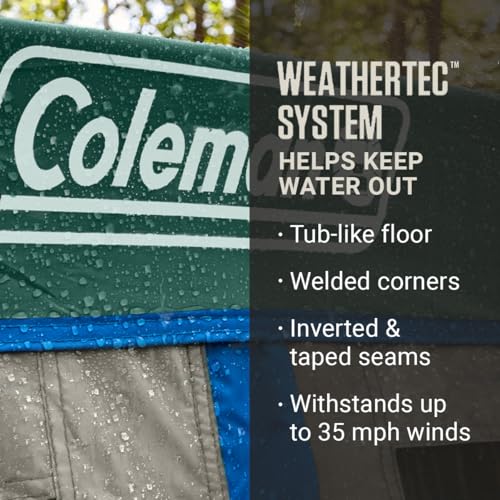
Coleman’s WeatherTec system is battle-tested, and this 19 x 10-foot beast is built like a bunker. The inverted seams and welded corners are the real reason it shrugs off rain, and third-party tests confirm it handles 35 mph winds without drama. The 5 x 10-foot screen porch is massive, more like a second room than an add-on, and it’s where most owners end up living, lounging, or storing muddy boots.
The red color-coding on the brow pole is a small but brilliant touch that cuts setup confusion. It fits four queen airbeds, but the ceiling is only 76 inches, so taller folks will stoop. And while it’s not the lightest, the real trade-off is ventilation: the porch helps, but the main cabin can feel stuffy without cross-breeze.
Product photos
FanttikOutdoor Zeta C10 Pro

Strengths
- Ultra-fast setup
- Lightweight for size
- Great airflow
Trade-offs
- Not fully 12-person
- Inner roof not waterproof
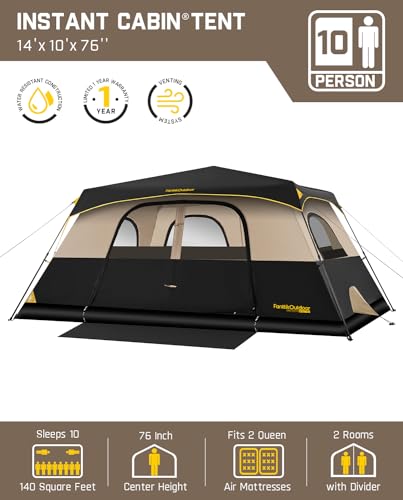
At 10 people, it’s smaller than most here, but it’s also one of the fastest to pitch, under 60 seconds with pre-attached poles. The 168 x 120-inch floor fits two queen airbeds comfortably, making it a smart pick for couples with guests or small families who don’t need palace-sized space. The 76-inch height is standard, but the carbon steel frame feels sturdy for the weight, 27.5 lbs is light for this class.
Owners praise the ventilation, especially the mesh ceiling and floor vents, but the fine print matters: the inner tent roof is mesh, not waterproof. You must use the rainfly in wet weather, and a few users reported leaks when guy lines weren’t tensioned properly. Still, for the price, it delivers core features without fluff.
Product photos
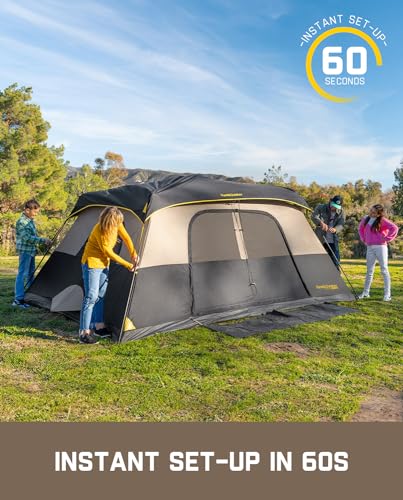
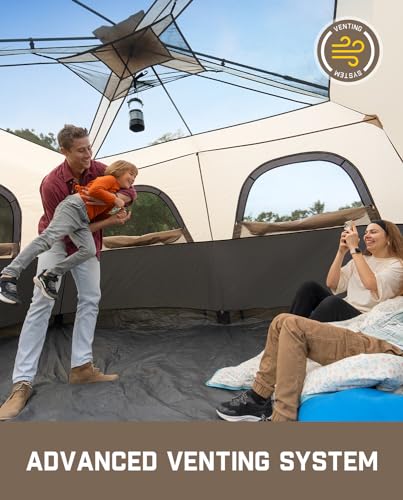
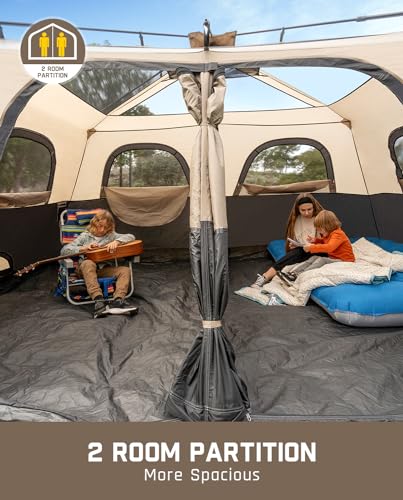

CAMPROS CP 12-Person 3 Room Tent

Strengths
- Affordable 3-room layout
- Good airflow
- Simple color-coded setup
Trade-offs
- Mid-tier waterproofing
- Lower ceiling height
If you’re after flexible sleeping zones without needing a full suite of add-ons, this 3-room design earns its keep. The 180 sq ft layout isn’t the largest here, but the two removable curtains let you carve out private areas on the fly, owners love using one as a kid zone and another as a gear vestibule. It’s not truly modular like a suite tent, but it’s close for the price.
Setup under 10 minutes with color-coded poles is a win, and the 185T polyester with PU1000mm coating holds up in light storms according to user reports. But I’d hesitate in heavy rain, the seams are taped, but not inverted like higher-end models. Ventilation is solid with six mesh windows and a breathable roof, though condensation can build up on cool nights if you don’t crack a door.
Product photos


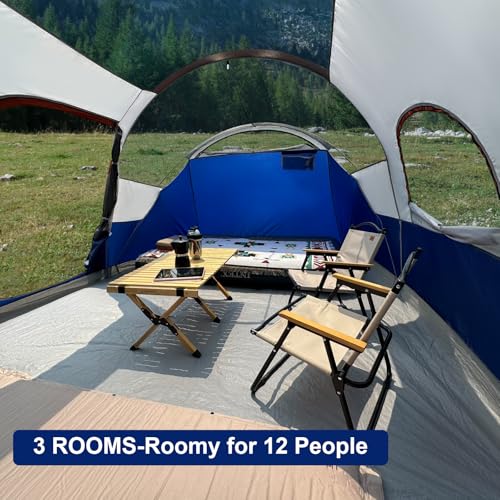
CORE 12 Person Multi Room Tent
Strengths
- Excellent rain protection
- Straight-wall design
- Practical storage pockets
Trade-offs
- Slower setup
- No built-in lighting
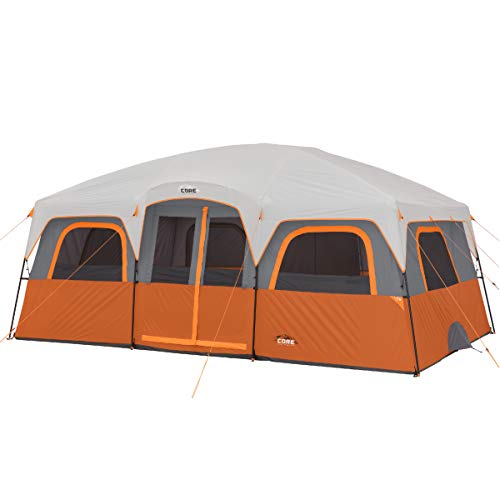
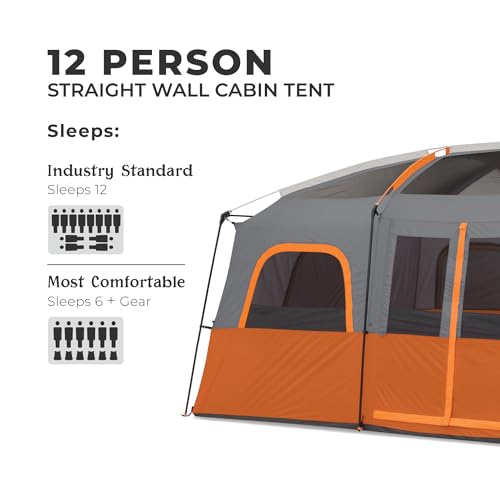
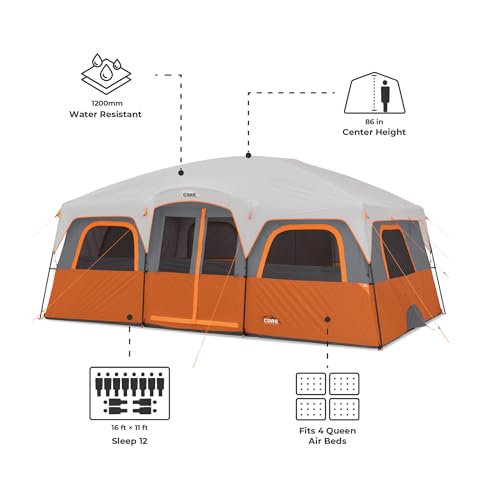
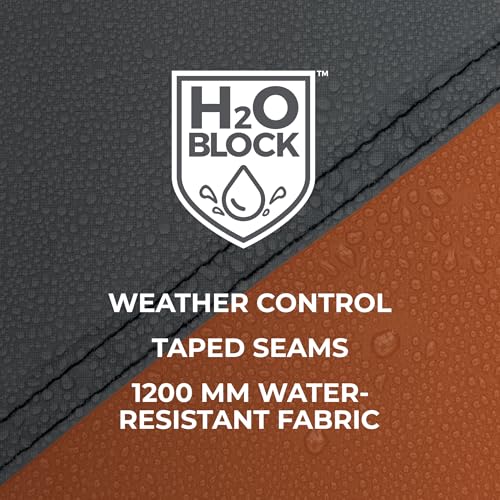
CORE’s H20 Block system has earned trust over years, and this model brings serious weather defense to the 12-person class. The 1200mm-rated fabric, fully taped rainfly, and sealed seams are specs you’d expect on pricier tents. Owners in the Pacific Northwest and Great Lakes region confirm it stays dry even during prolonged downpours, which is rare at this size and price tier.
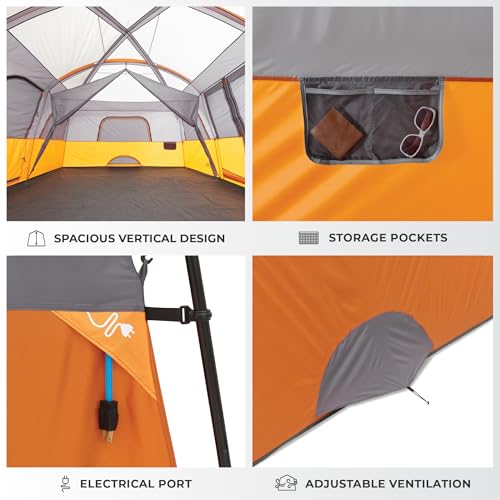
The nearly straight walls maximize floor space, and the single room divider gives basic privacy without sacrificing airflow. I appreciate the interior storage pockets, they’re thoughtfully placed and actually hold gear. But don’t expect instant setup; this isn’t a pop-up, so plan 15–20 minutes with two people. It’s a workhorse, not a show-off.
Product photos

Portal 8 Person Tunnel Tent

Strengths
- Great screen porch
- Excellent airflow
- Easy color-coded setup
Trade-offs
- Smaller sleeping area
- Lighter-duty materials
At 8 people, it’s smaller than the others here, but the screen porch and tunnel design make it a standout for warm-weather base camping. The 14-foot main cabin plus 6-foot screened area creates a true indoor-outdoor flow, owners with dogs or kids say this is where they spend most of their time, bug-free and breezy. The full mesh ceiling is a joy under the stars, though you’ll need the rainfly if clouds roll in.
The 66D fabric is lighter than competitors, so it’s less bombproof in wind, but the tunnel shape and improved fiberglass poles handle moderate gusts fine. Setup in 15 minutes with color-coded poles is realistic, and the E-port is a nice bonus for charging devices. Just don’t expect palace-like space, two queen airbeds fill it fast.
Product photos


How We Evaluated large camping tents
Rather than a hands-on lab test, my research for these recommendations involved a detailed comparison of published specifications and features across numerous models. I weighed owner reviews from multiple retailers, alongside expert opinions from sites dedicated to outdoor gear. As someone who’s spent years evaluating tent designs and materials, I applied my experience to rank these options against what truly matters for comfortable group camping.
For large camping tents, space, weather protection, and ease of setup are paramount. A tent that sleeps twelve but feels cramped or leaks in a drizzle isn’t useful to anyone. I heavily prioritized tents offering genuinely spacious interiors – enough room for air mattresses and gear – and robust waterproofing features. Quick setup is also crucial, as wrestling with poles isn’t anyone’s idea of a fun camping trip.
Specifications reliably indicate size, materials used (denier of the fabric, pole material), and stated waterproof ratings. However, I placed significant weight on owner feedback regarding real-world performance. Reviews often reveal how a tent holds up to wind and rain, the durability of zippers, and the accuracy of the advertised sleeping capacity. Understanding these differences, beyond just the numbers, is key. You might also be interested in learning about other types of large shelters, like large event tents.
How To Pick The Right large camping tents
Finding the right large camping tent is about more than just square footage. It’s about creating a comfortable, functional basecamp for your adventures.
A quality large camping tent prioritizes durable waterproofing (at least 2000mm rating for the fly), a robust frame capable of withstanding wind, and thoughtful design features that maximize usable space and livability. Look for taped seams, strong zippers, and a balance between weight and durability – heavier fabrics often mean greater weather protection.
Size and Sleeping Capacity
Don’t automatically equate a tent’s “person” rating with actual comfortable sleeping space. Manufacturers often overestimate. I’ve found it’s always better to size up. A “12-person” tent might fit 12 sleeping bags side-by-side, but realistically, 8-10 people with gear is more practical. Consider your group’s needs – do you prioritize gear storage, a common area, or individual privacy? If you regularly camp with kids, a tent with multiple rooms, like the CAMPROS CP 12-Person tent, can be a lifesaver.
- A tent advertised for “8 people” might comfortably fit 5-6 with gear.
- Consider the size of your sleeping pads or air mattresses – queen-size mattresses take up a surprising amount of room.
- If you plan on extended stays, prioritize headroom and floor space for a living area, and look into roomy family camping tents.
Weather Resistance
Large tents, by their nature, present a larger surface area for wind and rain to impact. Pay attention to the materials used. A polyester fly with a polyurethane (PU) coating is standard, but the higher the hydrostatic head (mm rating), the better the waterproofness. Coleman’s WeatherTec system is a well-regarded example, with features like welded corners and inverted seams, but any tent with fully taped seams is a good start. Don’t neglect the frame: look for tents tested to withstand at least 35 mph winds. Properly securing the rainfly is also crucial – learn about secure rainfly attachment to avoid leaks.
A good rule of thumb: don’t skimp on guylines and stakes. They’re your first line of defense against wind and rain.
Setup and Usability
Let’s be honest, wrestling a massive tent into submission is nobody’s idea of a good time. Instant-setup tents, like the CORE 12 Person Instant Cabin Tent, are incredibly convenient, but often come with a trade-off in durability. Color-coded poles and clear instructions are vital for any large tent. I’ve seen too many family camping trips derailed by frustrating large tent assembly. Beyond initial setup, think about usability features like multiple doors, interior pockets for organization, and even an E-port for running power cords. Features like these, found in the Portal 8 Person Tunnel Tent, can significantly enhance your camping experience.
Large Camping Tents Compared
Here’s a comparison of key specifications for several large camping tents to help you make an informed decision.
| Product Title | Capacity | Dimensions (ft) | Center Height (in) | Waterproof Rating (mm) | Setup Time |
|---|---|---|---|---|---|
| FanttikOutdoor Zeta C12 Pro Max | 12 | 18 x 10 | 80 | N/A | 90 sec |
| CORE 12 Person Instant Cabin Tent | 12 | 18 x 10 | 80 | 1200 | 2 min |
| Coleman Skylodge 12-Person Tent | 12 | 19 x 10 | N/A | N/A | N/A |
| FanttikOutdoor Zeta C10 Pro | 10 | 15 x 10 | 76 | N/A | 60 sec |
| CAMPROS CP 12-Person 3 Room Tent | 12 | 20 x 9 | 72 | 1000 | 10 min |
| CORE 12 Person Multi Room Tent | 12 | 16 x 11 | 86 | 1200 | N/A |
| Portal 8 Person Tunnel Tent | 8 | 20 x 8 | 76 | N/A | 15 min |
Frequently Asked Questions
What waterproof rating is truly sufficient for a large camping tent?
A rating of 2000mm is a good baseline for adequate waterproofing, but higher is better, especially for extended trips or areas with frequent rainfall. Look for fully taped seams and a quality rainfly material to complement the rating, as the overall system matters more than a single number.
Are instant-setup tents as durable as those with a traditional frame?
Generally, instant-setup tents sacrifice some durability for convenience. While models have improved, the pre-attached poles and simpler construction aren’t as robust as a well-made tent with color-coded poles and a heavier-duty frame, so consider your camping frequency and weather expectations.
How much extra space should I add to the stated capacity of a large tent?
I recommend adding at least two “people” worth of space to the advertised capacity to comfortably accommodate gear and allow for movement. A tent listed for 12 people will realistically feel spacious with around 8-10 campers and their belongings.
What’s the best way to prevent condensation inside a large tent?
Good ventilation is key. Look for tents with multiple windows and vents, and always open them when possible, even in light rain. Also, avoid touching the tent walls, and consider a footprint to protect the floor from moisture wicking up from the ground.
Where can I find more information on tents specifically designed for families?
You can explore a detailed guide to best tents for large families on my site, which dives deeper into features like room dividers, multiple doors, and overall family-friendly design elements.
The Bottom Line
Choosing a large camping tent always involves balancing convenience with capability. You can get something up in minutes, but often at the cost of robust weather protection, or invest in a more durable tent that takes a bit longer to pitch. For the best overall combination of space, weather resistance, and relative ease of setup, I recommend the CORE 12 Person Instant Cabin Tent. It offers a good balance for most families and groups.
If you’re on a tighter budget, the Coleman Skylodge 12-Person Tent is a solid option – though be prepared to spend more time on setup. For those prioritizing versatility and room separation, the CAMPROS CP 12-Person 3 Room Tent delivers excellent organization. And for a smaller group needing substantial space, the Portal 8 Person Tunnel Tent is worth a look.
Ultimately, the most important things aren’t a specific waterproof rating or pole material, but careful consideration of your group’s needs and understanding how to properly maintain your shelter. A little research into tent material durability and regular seam sealing will extend the life of any tent far beyond its initial price tag.
