
What Is a Tent Vestibule? Your Guide to the Camp Mudroom
This post contains affiliate links. As an Amazon Associate, we earn from qualifying purchases.
A tent vestibule is a covered, floorless extension of your tent’s rainfly, acting as a protected mudroom for wet boots, dirty packs, and cooking gear. By quarantining that mess outside your sleeping area, it dramatically reduces inner-tent condensation and improves livability during bad weather.
I learned the hard way that a vestibule isn’t just extra storage. On a sodden trek through Scotland’s West Highland Way, I’d chosen an ultralight shelter without one to save weight. After two days of horizontal rain, my soaked pack and muddy boots had nowhere to go but inside with me. The inner tent walls wept with condensation, and my sleeping bag absorbed the damp. I spent a cold, miserable night wishing for that single pound of extra fabric.
That experience taught me a vestibule is a strategic tool, not a universal luxury. This guide breaks down exactly what it is, when it’s essential, and, just as importantly, when you’re better off without it.
Key Takeaways
- A vestibule’s primary job is moisture management, keeping damp gear outside to prevent inner-tent condensation that ruins sleep.
- Front vestibules, common on family and mountaineering tents, offer maximum storm protection. Side vestibules, like on the MSR Hubba NX Solo 1, prioritize easy access and views.
- Cooking inside a vestibule is fiercely debated; major manufacturers like Terra Nova advise against it due to carbon monoxide and fire risks, though some guides permit it with extreme caution.
- Add-on vestibules are not universal; they are designed for specific tent models like the Black Diamond Firstlight.
- In consistently wet climates like the UK, a vestibule is standard. For arid three-season backpacking in the US Southwest, many seasoned hikers skip them to save weight.
What Problem Does a Tent Vestibule Actually Solve?
Think of it as your tent’s climate control airlock. Its real value isn’t just stowing gear, it’s stopping the moisture from that gear from becoming the cold sweat dripping on your face at 3 a.m.
A tent vestibule is an annex created by extending the rainfly beyond the tent body’s door, typically without a floor. It provides external, weather-sheltered storage, directly reduces condensation by isolating wet items from the sleeping compartment, and serves as a transitional space for removing muddy layers.
The classic error is treating it like a sleeping annex. This grinds dirt into your tent floor and compromises the weather seal. Its role is purely functional: a designated wet zone.
TL;DR: A vestibule is a moisture lock, keeping the damp chaos of camping from invading your dry sleeping sanctuary.
Front Vestibule vs. Side Vestibule: A Liveability Choice
The configuration changes how you interact with your shelter. You’re choosing between a storm bunker and a breezy porch.
Front vestibules attach directly over the main door, common on dome and tunnel tents. You crawl through them to enter, which maximizes protected volume right where you need it for cooking in a downpour. The trade-off is a blocked view and a tunnel-like feeling.
Side vestibules are offset, seen on solo shelters like the Gossamer Gear The One. The door opens beside the storage area, so you enter without disturbing your gear. This layout often improves airflow and views, though storage space is usually narrower.
| Vestibule Type | Best For | Common On | Key Limitation |
|---|---|---|---|
| Front Vestibule | Storm camping, cooking shelter, maximum gear volume | Family camping tents, 4-season mountaineering shelters | Blocks views, can feel claustrophobic, adds significant weight |
| Side Vestibule | Solo backpacking, fast access, better ventilation | Ultralight 1-person tents, trekking pole shelters | Less total storage space, gear is accessed from the side |
Many modern two-person tents, like the Big Agnes Copper Spur HV UL 2, feature two doors, each with its own vestibule. This design, also popular in backpacking tents for two, grants each sleeper personal entry and gear space, no more awkward midnight climbs over your partner.
Is a Vestibule Essential for Your Trip?
Geography and forecast are your deciding factors. In the UK or Pacific Northwest, where rain is a constant companion, a vestibule is non-negotiable kit. It’s the difference between a damp, chaotic inner tent and a manageable, semi-dry camp.
For three-season trips in the arid Southwest or the Sierra, that extra pound of fabric is a harder sell. I’ve happily left the add-on vestibule for my tent at home in Utah’s canyon country, saving weight for water carries without regret.
Common mistake: Assuming an add-on vestibule is universal, they are model-specific. A vestibule for a Black Diamond Firstlight won’t fit a Mountain Hardwear Direkt2. The misfit creates gaps that invite rain and wind, negating its purpose.
The weight penalty is real. A large front vestibule can add over a pound, a serious consideration for gram-counters. A minimalist side vestibule might add only 3-4 ounces, which is why they’re a feature on many ultralight 2-person tents.
TL;DR: Pack a vestibule for wet, multi-day trips where you’ll be tent-bound. Leave it behind for dry, fast-and-light missions where every ounce is precious.
The Great Awning Alternative
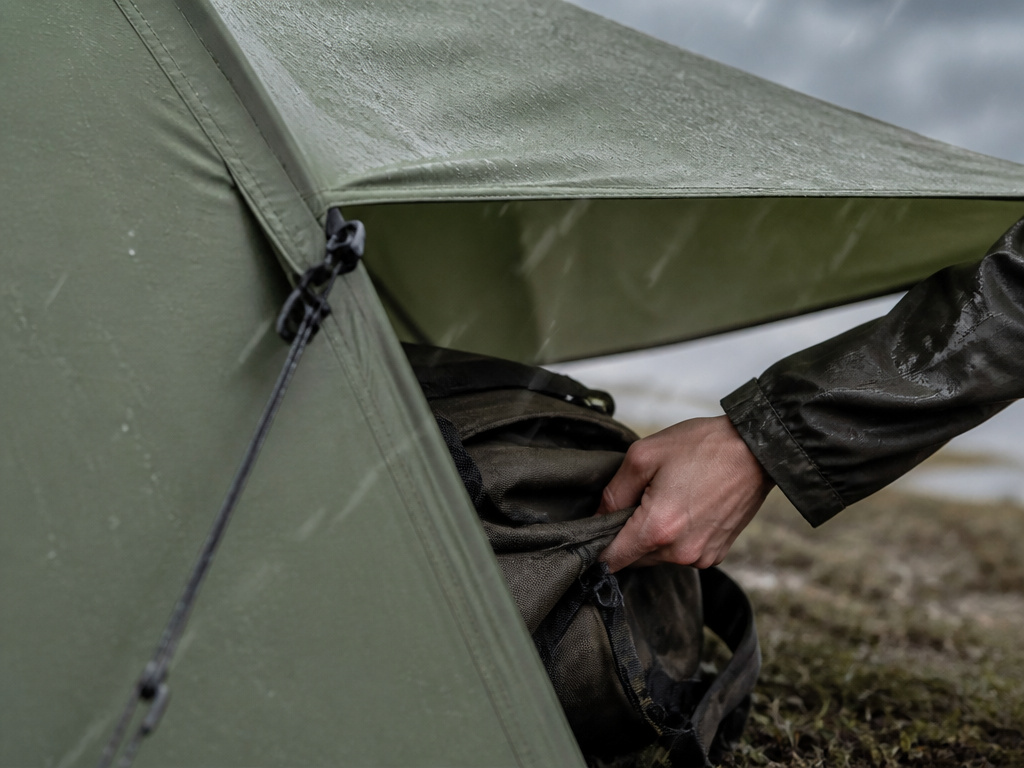
Some modern designs, like those from Sierra Designs, swap the traditional vestibule for an awning, a rainfly that extends like a porch roof without enclosing the sides.
The benefit is immediate: vast improvements in views and ventilation. The compromise is a lack of fully enclosed, storm-proof storage. I tested a tent with an awning in Colorado’s San Juans. Watching a thunderstorm roll over the ridge from the comfort of my door was magical, and my pack stayed dry under the overhead coverage. But when a wind-driven squall blew rain sideways at night, I had to yank my gear inside. An enclosed vestibule would have kept it secure.
The choice pits open-air living against enclosed utility. For fair-weather backpackers who prioritize views, the awning is a revelation. For those who expect to weather storms, the traditional vestibule’s protection is key.
Should You Ever Cook in a Tent Vestibule?
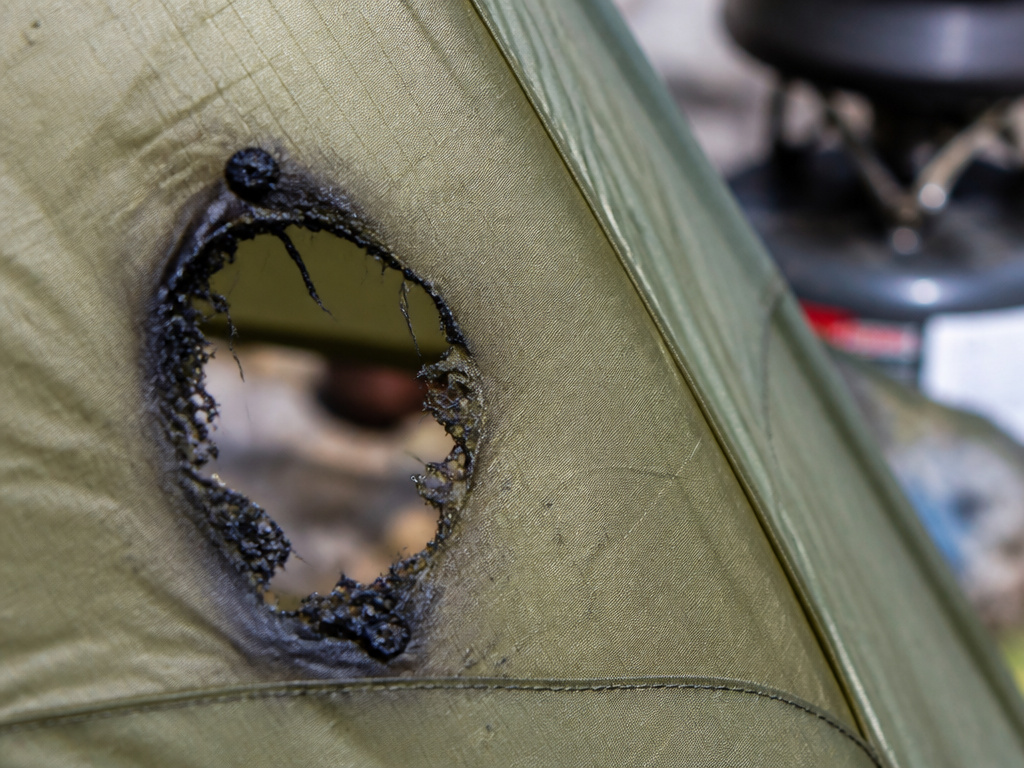
This is where expert advice fractures. Manufacturer blogs like Terra Nova’s flatly advise against it due to carbon monoxide poisoning risk and potential fabric damage. Yet, some wilderness guides acknowledge the practice with strict caveats.
A YouTube instructor from a mountain guiding service outlined the grim reality: people do cook in vestibules, but the stakes are a silent, deadly gas or a melted, fist-sized hole in your rainfly. His non-negotiable rules are a completely open fly and remaining upright and alert.
My friend Jake learned this lesson the hard way in Wyoming’s Wind River Range. A sudden gust collapsed his vestibule onto his lit Jetboil, melting a grapefruit-sized hole in the fly of his new Big Agnes Fly Creek HV UL2. We spent the rest of the trip patching it with duct tape, and the repair never fully sealed.
Before you start: If you must use a stove in a vestibule, the door must be rolled completely back and secured. Place the stove on a stable, non-flammable surface well away from any fabric. Stay awake and alert until the stove is off and cool. Carbon monoxide is odorless and can be fatal within minutes in an enclosed space.
My stance, born from that melted-fly incident, is simpler: don’t do it. Cook under a tarp, in a rock windbreak, or just outside in the open. Your tent is for sleep and shelter, not as a kitchen.
4 Non-Negotiable Rules for Vestibule Use
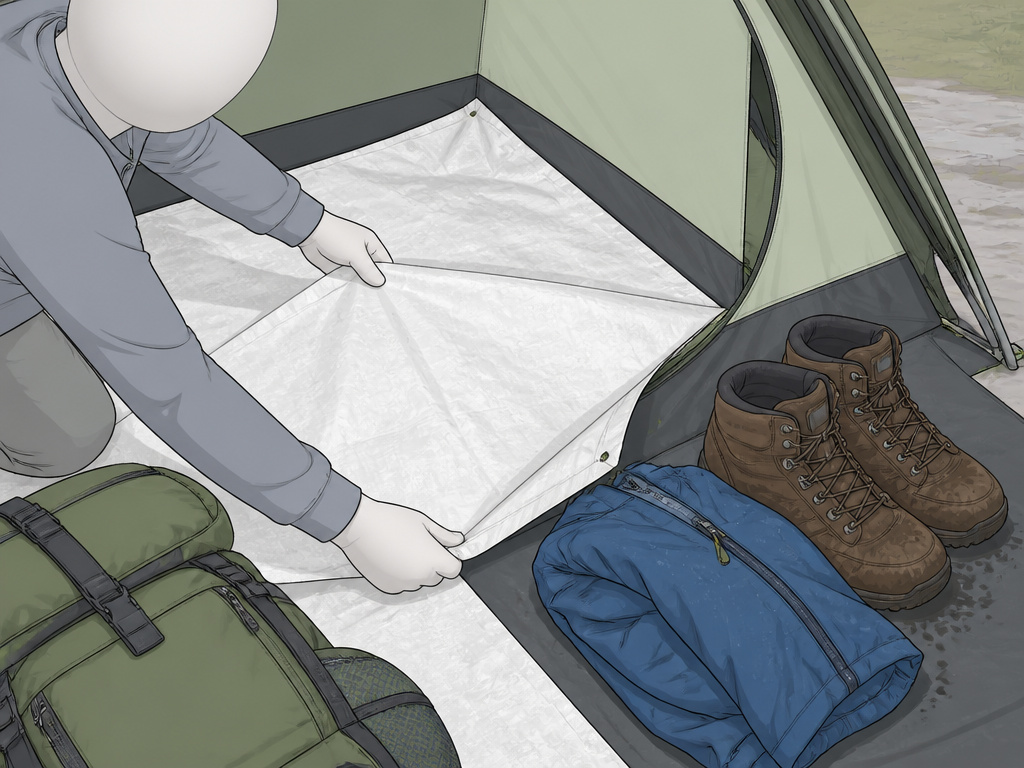
- Create a moisture gradient. Organize gear by wetness. Place soaking boots and rain jackets at the outer edge, with drier items like your pack behind them. This keeps the worst moisture farthest from your sleeping area.
- Always use a groundsheet. I cut a scrap of Tyvek HomeWrap to fit the vestibule on my MSR Hubba NX. For my Gossamer Gear The One, I use the optional Polycryo footprint, trimmed to size. Without it, your pack’s bottom fabric wicks up ground moisture like a sponge.
- Ventilate, even in rain. Crack the vestibule zipper open an inch at the top. This allows humid air from your breath and wet gear to escape, drastically cutting down on condensation inside the inner tent.
- Secure everything in wind. A loose stuff sack is a kite. Tuck pack straps inside or use a carabiner to clip items to a tent loop or stake. In a blow, an unsecured vestibule door can also flap violently; use the provided toggles to roll and tie it back.
Forgetting rule #2 is a classic, soggy error. You’ll wake up to a damp pack and regret it.
How to Choose the Right Tent with a Vestibule
Your decision should hinge on your typical trips and priorities. Start by asking these questions.
- What’s your usual climate? Consistently wet or alpine? A vestibule is wise. Mostly dry and mild? You might prioritize weight savings.
- How many people? For solo trips, a side vestibule on a lightweight backpacking shelter often suffices. For duo missions, look for two-person backpacking tents with dual vestibules to avoid clutter conflicts.
- Weight vs. comfort: Are you an ultralight purist counting grams, or do you value camp comfort? A vestibule adds weight but pays it back in livability during bad weather.
- Alternative designs: Don’t overlook tents with awnings or hybrid designs if you camp in fair weather and crave views. Also, consider alternative tent designs like hammock tents for unique shelter options.
For families or car campers where weight is less concern, larger camping tents for kids and adults alike benefit hugely from the gear-storage space a front vestibule provides.
Frequently Asked Questions
Do all tents come with a vestibule?
No. Many minimalist, ultralight, and specialized mountaineering tents omit a built-in vestibule to save weight. Models like the Black Diamond Firstlight are designed for speed; you can often purchase a separate, model-specific add-on vestibule for them later.
How much extra weight does a vestibule add?
It varies widely. A large front vestibule on a car-camping tent can add over a pound (16+ ounces). A minimalist side vestibule on an ultralight tent model might add only 3-5 ounces. Always check the spec sheet.
Can I add a vestibule to my tent later?
Only if the manufacturer sells a dedicated add-on vestibule designed for your exact tent model. The fit is precise. A generic vestibule will not attach correctly and will leak air and water.
What’s the difference between a vestibule and a gear loft?
gear loft is an interior mesh shelf for small, dry items like a headlamp or book. A vestibule is an exterior, weather-protected space for wet, dirty, or bulky gear. They serve completely different purposes.
The Bottom Line
A vestibule transforms a miserable, cluttered camp in the rain into an organized, bearable one. It’s not a mandatory feature but a strategic tool based on your environment and style. For wet climates or expeditions where you’ll be tent-bound, it’s worth every ounce. For dry, fast-moving hikes, an awning or no vestibule at all keeps your pack light and your views open.
Your choice in backpacking 2-person tents often boils down to this trade-off. Prioritize the fully enclosed storage if weather protection is your chief concern. If you chase views and low pack weight, consider the modern awning design or a shelter with a minimal side vestibule. Just know exactly what you’re trading before you commit.
