
What Is a Tent? A Real-World Guide to Shelter
This post contains affiliate links. As an Amazon Associate, we earn from qualifying purchases.
A tent is a portable shelter made of fabric supported by a frame and secured to the ground. Its primary job is to protect you from wind, rain, and cold. The three things that truly define its performance are its waterproof rating (hydrostatic head in mm), its pole construction, and its double-wall design with a separate rain fly.
Most folks picture a tent as a simple tarp with poles. They grab one labeled for four people, imagining a palace. Then, at 2 AM in a storm, they discover a cramped, dripping cave. I’ve been there, shivering in a puddle, swearing I’d never trust a marketing tag again.
This isn’t just gear talk; it’s about dry nights and good memories. I’m Chloé, and I’ve pitched shelters from Scottish gales to perfect Utah sunsets. Let’s cut through the hype and talk about what a tent actually is, how it works, and how to pick one that won’t let you down.
Key Takeaways
- The “waterproof” rating is for the rain fly, not the floor. Look for at least 1500mm for summer and 2000mm for three-season reliability.
- Manufacturer capacity is a fantasy. For a comfortable fit with gear, subtract two from the person count on the bag.
- Contact leaks are the silent killer. If the inner tent touches the rain fly, water will wick through, no matter the fly’s rating.
- Materials have lifespans. Sunlight degrades guy ropes in as little as six months, and new canvas tents stored for years can leak when fibers shrink.
- Pitching is everything. A loose rain fly will flap itself to death, and over-tightened guy ropes can damage the tent when they shrink as they dry.
A tent’s hydrostatic head rating measures the height of a water column (in millimeters) the fabric can support before leaking. Ratings under 1000mm are shower-resistant; 1500mm suits summer camping; 2000mm is needed for year-round use; expedition tents often exceed 3000mm. Groundsheets are typically rated higher, from 5000mm.
What Are the Core Parts of a Tent System?
Forget the sales copy. A tent is a system of interdependent parts. When one fails, the whole shelter fails. Let’s name the players.
The Rain Fly is your waterproof shell. It should have adjustable tensioners at every corner. If you can’t get it drum-tight, it will flap. That constant motion fatigues seams and stitching, leading to failure.
The Inner Tent is your breathable living space, usually made of mesh and lighter fabric. Its job is to let moisture from your breath escape while keeping bugs out. A full-mesh ceiling is great for ventilation but terrible for heat retention.
Poles form the skeleton. Aluminum alloys are the standard for strength and flex. Fiberglass is cheaper and heavier, and it can snap brittlely in cold weather. The connection points, whether clips or sleeves, determine how quickly you can set up.
Stakes and Guy Ropes are the anchors. In soft ground, you need longer, wider stakes. In hard ground, you might need a rock to drive them in. Guy ropes stabilize the shape against wind; keeping them taut prevents the destructive dance of a flapping tent.
The Vestibule is that covered space outside the inner door but under the fly. It’s not just a shoe closet. For backpacking tents for two hikers, it’s essential dry storage for packs. A two-vestibule design means no one has to crawl over their partner’s gear at midnight.
The Footprint is a groundsheet cut to your tent’s floor. It protects the tent floor from abrasion and ground moisture. A generic tarp that’s too large will channel rainwater right under you.
Common mistake: Staking only the four corners. This allows the tent walls to bow inward in wind, reducing interior space and putting uneven stress on the poles. You must stake every loop provided.
How Do You Decode Waterproof Ratings?
That “3000mm” on the tag feels reassuring, but it’s a lab test on a flat piece of fabric. Real-world weather is anything but flat. The number refers to hydrostatic head pressure, and here’s what it means for your trip.
| Hydrostatic Head Rating | Real-World Use | What Happens If It’s Not Enough |
|---|---|---|
| < 1000 mm | Backyard sunshade, festival canopy | Fabric wets through in a short, steady rain. |
| 1500 mm | Summer camping, fair-weather trips | Leaks likely at seam stress points after prolonged rain. |
| 2000 mm | Reliable three-season (spring, summer, fall) use | Should withstand a night of rain; may wet at high-pressure contact points. |
| 3000+ mm | Winter, alpine, or severe storm conditions | Fabric integrity outlasts the seams and zippers in extreme weather. |
The floor is a different story. It needs a higher rating, often 5000mm or more, because it bears your weight and ground moisture. Seams are the weakest link. Factory-taped seams are best; field-applied sealant is a messy, temporary fix.
The rating means nothing if the fly touches the inner tent. On a windy night, fabric can press together, and water will travel through that contact point by capillary action. I learned this watching two cold drips land on my forehead from a “premium” tent in a 30-mph gust. It wasn’t a leak; it was a design flaw in my pitch.
TL;DR: Trust a 2000mm rating for three-season rain. Ensure your floor rating is higher (5000mm+), and never let the inner tent touch the fly.
What Are Tents Made Of? Nylon, Polyester, or Canvas?
The fabric choice dictates weight, feel, and how you care for your shelter. It’s more than just waterproofing.
Nylon is the go-to for backpacking and most three-season tents. It has an excellent strength-to-weight ratio and some stretch, which helps with wind loading. The downside? It absorbs water and sags when wet, so you must re-tension the fly after a downpour. It also degrades with prolonged UV exposure.
Polyester is common in family car-camping tents. It’s heavier than nylon but doesn’t absorb water, so it doesn’t sag. It also has better UV resistance. The trade-off is less tensile strength, so the poles and frame need to be more robust to compensate.
Canvas (traditionally cotton) is for base camps and glamping. It’s incredibly breathable, heavy, and expensive. A well-ventilated canvas tent avoids the condensation nightmares of synthetic doubles. But it demands care. Store it damp, and it mildews. Store it for years, and the fibers can shrink, causing leaks on first use, a fact noted in guides like the UNOCHA family tent logistics guide. The Britannica tent technology article details its historical use, which informs its modern care.
Your choice dictates your ritual. Nylon and polyester need occasional seam checks and UV-protectant sprays. Canvas must be bone-dry before storage and may need periodic re-treatment with waterproofing compounds.
How Do You Pitch a Tent So It Actually Stays Up?
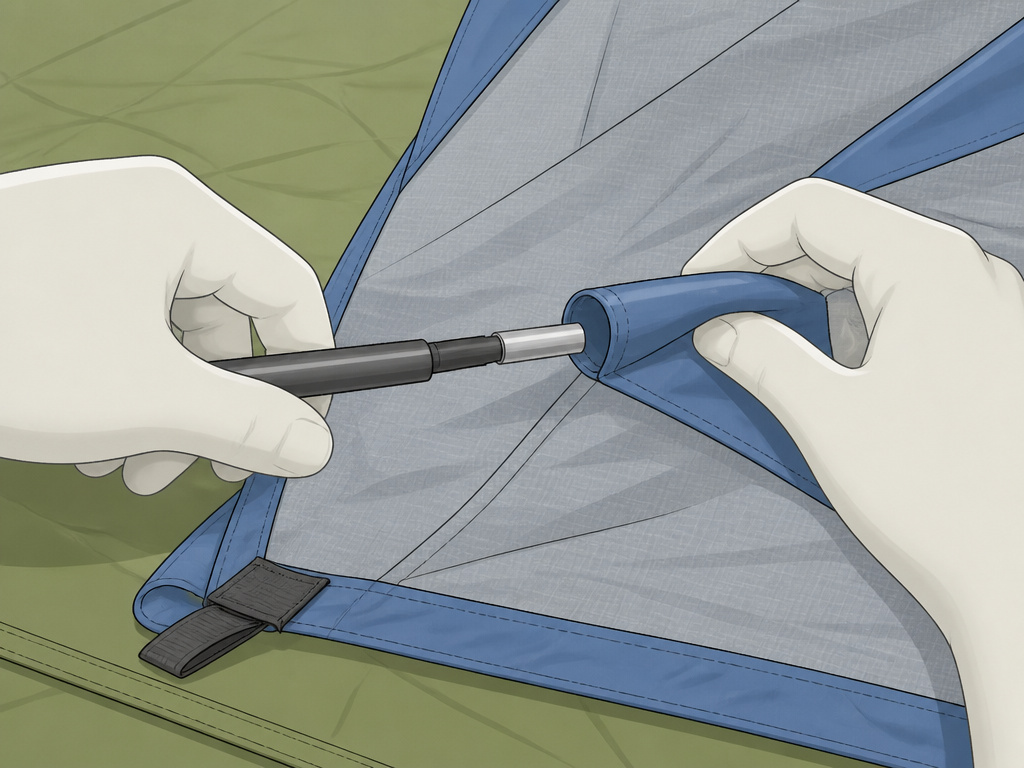
A perfect pitch is your best defense. Follow this sequence religiously, and you’ll sleep through the night.
Before you start: Clear the ground of sharp sticks and rocks. A single pine cone can puncture a groundsheet. Look up for dead branches (“widowmakers”) that could fall.
- Lay the footprint. Place it shiny-side up if it has one (the shiny side is the waterproof coating). Align it with your tent’s door direction.
- Unroll the inner tent. Lay it centered on the footprint, matching the corners. Connect any clips or grommets if your system has them.
- Assemble the poles. Connect the shock-corded sections until the cord is taut. Don’t force a bent section.
- Thread or clip the poles. For sleeve designs, feed the pole through the fabric tunnel. For clip designs, snap the clips onto the pole. Start with the main support poles.
- Raise the structure. Insert each pole end into the corner grommet. Apply steady, even pressure, it will feel like it’s going to break, but it shouldn’t.
- Stake out the tent body. Stake the four corners first, pulling the floor taut. Then stake any remaining loops. Always angle stakes at 45 degrees away from the tent.
- Drape and attach the rain fly. Throw it over, align the doors, and attach it at all points. Leave it slightly loose. Only after it’s fully attached do you go back and cinch all the tensioners evenly. This prevents creating contact points.
The final, critical step everyone misses? Run your hand between the inner tent and the fly on all sides. If you feel fabric touching fabric, adjust the fly tensioners. That contact point will leak.
Why Does a “4-Person” Tent Feel So Cramped?
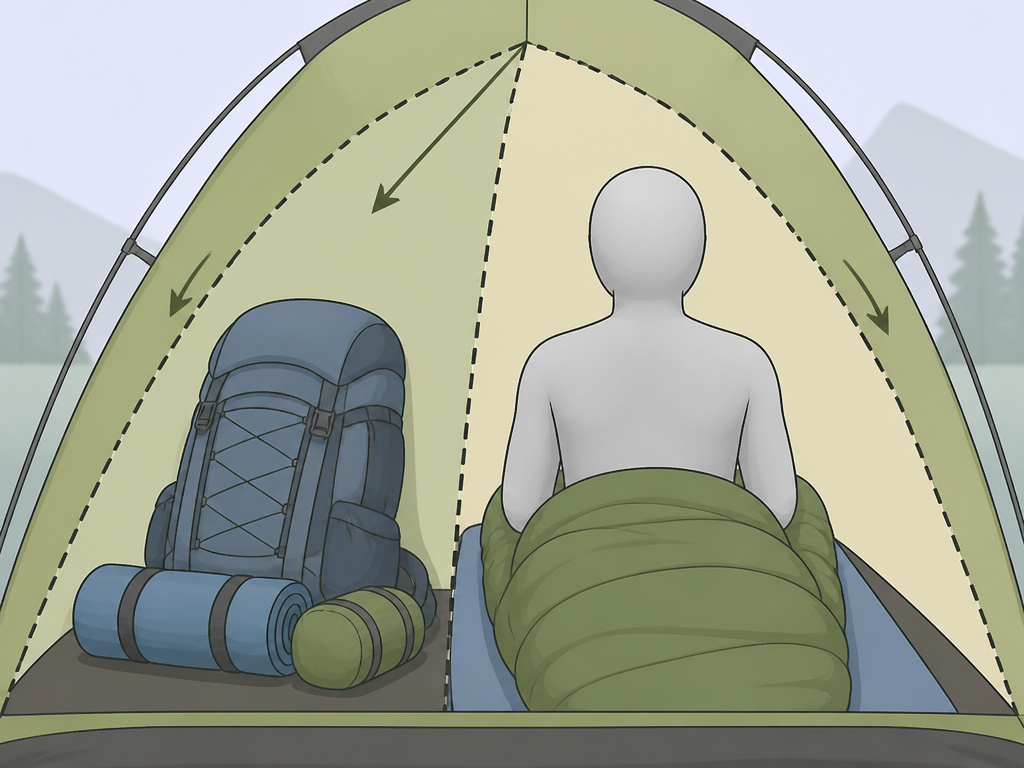
Because tent capacity is the outdoor industry’s favorite fairy tale. A manufacturer’s “person” is a theoretical sleeping bag with zero gear. Real-world experience, echoed in community discussions, suggests subtracting one or two people from the label for actual comfort.
For a realistic fit, use the two-person rule. A “4-person” tent fits two adults comfortably with room for backpacks. A “2-person” tent is a cozy shelter for one person and their gear. This isn’t about luxury; it’s about moisture management. Two people exhale about a liter of water vapor each night. Without space for airflow, that condenses on the walls and soaks your sleep system.
Floor area tells the truth. Divide the square footage by your group size. Less than 20 square feet per person means a cramped night. For reference, a standard twin mattress is about 20 square feet.
Consider shape, too. A dome tent has a generous center height but sloped walls that eat into usable space. A cabin-style tent with near-vertical walls maximizes livable area. This is crucial when comparing two-person tents for car camping versus ultralight two-person tents for the trail.
TL;DR: The person count is a maximum, not a recommendation. For actual camping, subtract two. Your gear and sanity need the space.
What Are the Most Common Tent Failures?
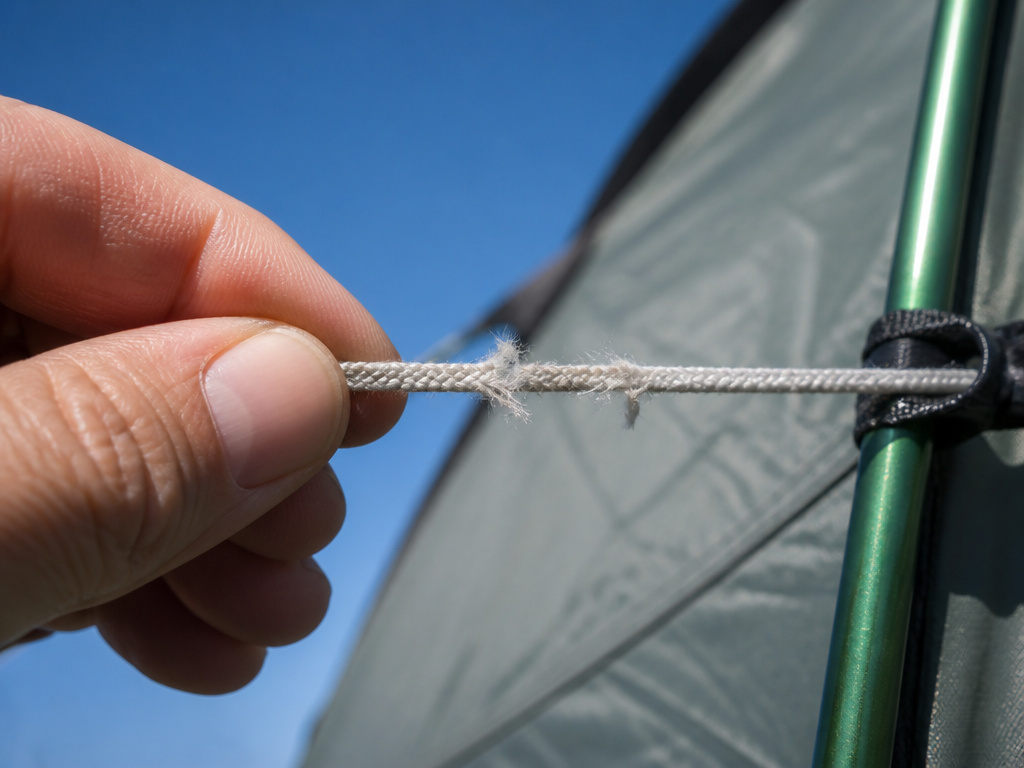
Tents usually fail slowly, giving you plenty of warning if you know what to look for. Catching these early saves a trip.
Pole Fatigue: Look for small cracks in fiberglass or subtle bends in aluminum. A bent aluminum pole can often be straightened; a cracked fiberglass section must be replaced. Always carry the repair sleeve that came with your tent.
Seam Tape Delamination: Inside the rain fly, the tape can peel up, looking sticky or bubbly. Once it starts, water will find the gap. A field fix with liquid seam sealer is temporary; the adhesive has failed.
Fabric Abrasion: This appears as a fuzzy, worn patch where the tent rubs against a stuff sack, rock, or tree. Patch it on both sides with tenacious tape before it becomes a hole.
Zipper Failure: Often it’s just dirt. Sand and grit grind down the teeth. Clean zippers with a soft brush and lubricate with a dry silicone spray. For a deeper look at modern tent construction, the Wikipedia tent entry covers the evolution of these critical components.
Guy Rope UV Degradation: This is a silent killer. Nylon rope left in full sun can lose significant strength in as little as six months, as noted in relief tent manuals. It might look fine but snap in a gust. Replace stock ropes with black or UV-stabilized cord.
| Symptom | Likely Cause | Immediate Field Fix | Permanent Solution |
|---|---|---|---|
| Persistent drip from a seam | Failed seam tape | Apply liquid seam sealer | Re-tape the seam with repair tape at home |
| Pole section won’t connect | Bent ferrule or cracked pole | Use a repair sleeve to splint it | Order a replacement pole section |
| Violent flapping in wind | Loose guy lines or fly | Re-tension all lines and straps | Check and replace worn tensioners |
| Zipper jams or separates | Grit in teeth or worn slider | Clean and lubricate; gently realign teeth | Replace the zipper slider or entire track |
| Damp spot with no drip | Condensation or contact leak | Increase ventilation; check fly gap | Ensure proper pitch and airflow management |
I once watched a friend’s brand-new tent shake apart in a desert windstorm because the guy ropes, left out for a season, had turned brittle. The sound of the pop was followed by a very expensive flapping noise. Now, I inspect and replace my cords annually.
How Do You Choose the Right Tent for Your Adventure?
Your perfect tent balances three things: weight, space, and protection. Your primary activity dictates which lever you pull.
For Car Camping, weight is less critical. Prioritize space, standing height, and features like room dividers or large vestibules. Polyester fabrics and robust pole sets are common here.
For Backpacking, every ounce counts. You’ll look at lightweight two-person shelters made of nylon or silnylon. Focus on packed size and a simple, fast pitch. A single door and vestibule might be a worthy trade-off for weight savings.
For Mountaineering or Winter Camping, protection is paramount. You need a 4-season tent with a steep roof to shed snow, minimal mesh to retain heat, and a bomber pole structure. These are specialized tools, often overkill for summer use.
Consider the forecast. A mesh-heavy solo backpacking shelter is perfect for dry, buggy nights but miserable in a cold, windy rain. A solid-walled tent is warmer but can feel claustrophobic in summer.
Finally, practice your pitch at home. A confusing setup in a showroom is a nightmare in the rain at dusk. Your shelter is your home outdoors. Choose it like your comfort depends on it, because it does.
Frequently Asked Questions
What is the main purpose of a tent?
tent’s primary purpose is to provide a portable, sheltered living space that protects you from the elements, rain, wind, sun, and insects. It’s a temporary home that creates a safe, dry, and private space in the outdoors.
What is a tent made of?
Modern tents are primarily made from synthetic fabrics like nylon or polyester, coated with waterproof polymers. The frames are usually aluminum or fiberglass poles. Historical and some heavy-duty tents use canvas (cotton). The choice affects weight, durability, water resistance, and breathability.
Can you use a tarp as a tent footprint?
Yes, but it must be smaller than the tent’s floor. If the tarp extends beyond the tent’s edges, it will catch rainwater and channel it directly underneath you, creating a perfect waterbed. Always trim a generic tarp or use a manufacturer’s fitted footprint.
Why is there condensation inside my tent?
Condensation forms when warm, moist air from your breath and body meets the cooler tent walls. You can’t eliminate it, but you can manage it by maximizing ventilation (even in light rain), using the rain fly to create an air gap, and avoiding bringing wet gear or cooking inside the sleeping area.
Is a heavier tent always more durable?
Not necessarily. Durability comes from fabric denier (thickness), coating quality, pole strength, and construction. A well-made, lightweight tent with high-denier fabrics and quality aluminum poles can easily outlast a heavier tent made with thin, cheap materials and weak fiberglass poles.
How many people can realistically fit in a 4-person tent?
Realistically, a 4-person tent fits two adults comfortably with room for their gear. For a group of four, you’d be sleeping shoulder-to-shoulder with backpacks stored in the vestibule or car. For actual comfort, follow the “subtract two” rule from the labeled capacity.
The Bottom Line
A tent is more than a product; it’s a system you trust with your comfort and safety. Look past the person-count and focus on the specs that matter: a hydrostatic head rating that matches your weather, a pole system that can handle wind, and a design that keeps the inner tent from touching the fly.
Pitch it with care, tight lines, a taut fly, and that crucial air gap. Maintain it by storing it dry, clean, and loosely in a large sack, not crammed into its stuff sack. Whether you’re eyeing tarp shelter systems for ultralight speed or a sturdy two-man tent for base camp, the right knowledge turns a simple shelter into a reliable home under the stars. Now get out there and make some memories.
