
6 Best North Face Tents of 2026
This post contains affiliate links. As an Amazon Associate, we earn from qualifying purchases.
The North Face Stormbreak 2 stands out as the best overall pick for most backpackers, combining reliable weather protection with a reasonable weight. For car campers who want maximum space and comfort, the Wawona 4 is a strong choice. If you’re on a tighter budget but still want solid performance, the Stormbreak 1 delivers for solo adventurers.
I’ve seen enough flimsy shelters fail in the wind and rain to know that not all tents are built the same, even from a trusted brand like The North Face. Choosing the right one means understanding how their designs match your actual trips, not just the specs on a tag.
This guide cuts through the noise by comparing real-world feedback, build quality, and key features across the lineup. I looked at what hikers and campers consistently praise or complain about, then matched that with the numbers to find the tents that truly deliver.
Top 6 North Face Tents in the Market
The Best North Face Tents, Reviewed
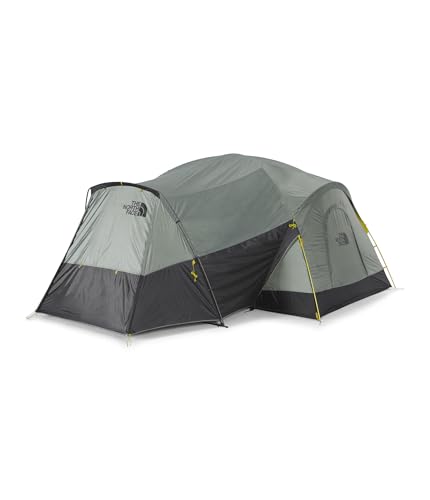
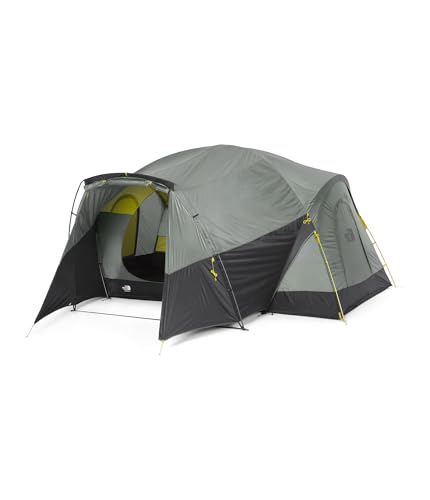
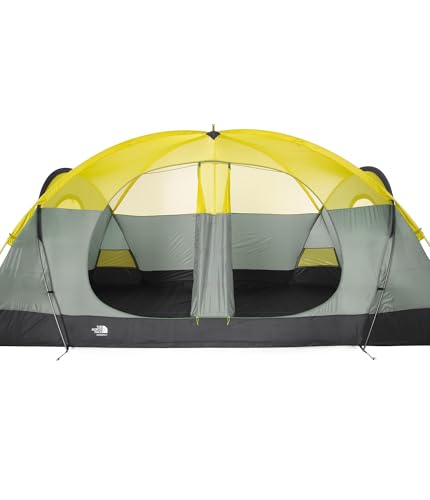
The North Face Wawona 8 Tent
Strengths
- Spacious floor plan
- High ceiling height
- Large vestibule
- DAC poles
- Double-wall construction
Trade-offs
- Heavy for carrying
- Not backpacking-friendly
- No footprint included
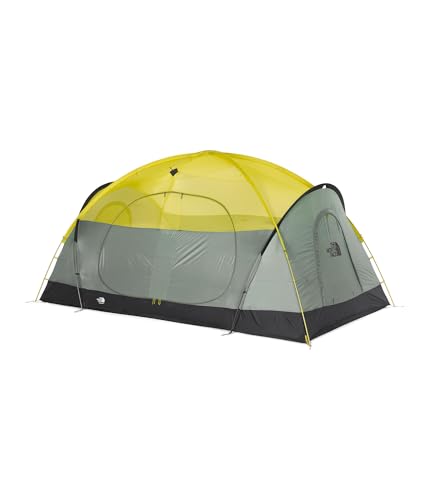
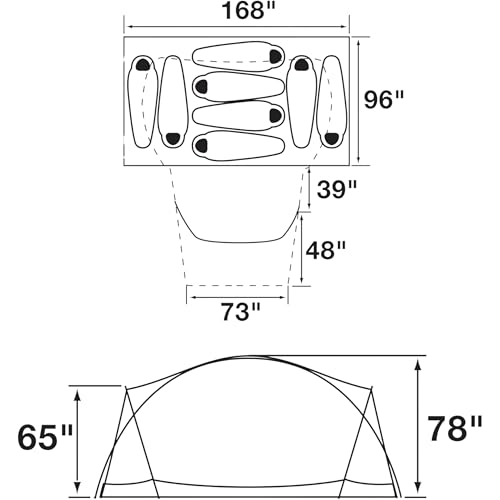
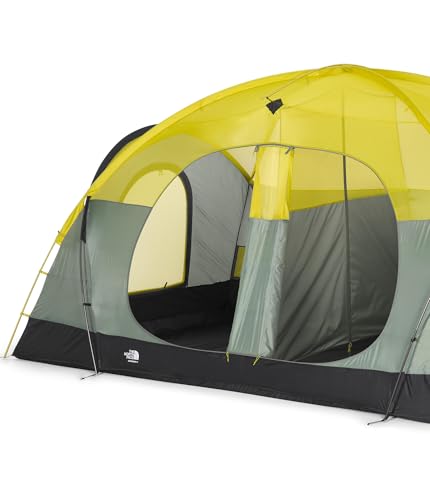
If you’re after a true home base in the wild for a family or group, the Wawona 8 stands out as spacious and thoughtfully built. At 112 sq. ft., it’s among the largest in its class, and the near 6.5-foot center height means most can stand upright without hunching, a rare comfort in family tents. Owners consistently report that the double-wall construction and DAC MX poles make it stable in wind and reliable in wet conditions, especially when paired with the massive 44.7 sq. ft. vestibule that doubles as a gear room or lounge space.
The color-coded setup is a real help when you’re tired after a long drive, and the internal storage pockets are practical for keeping small items off the floor. That said, at nearly 19.5 lbs, this isn’t meant for backpacking, this is car camping done right. Compared to the Sequoia series, it’s heavier but far more durable and better ventilated thanks to its double-wall design.
Product photos
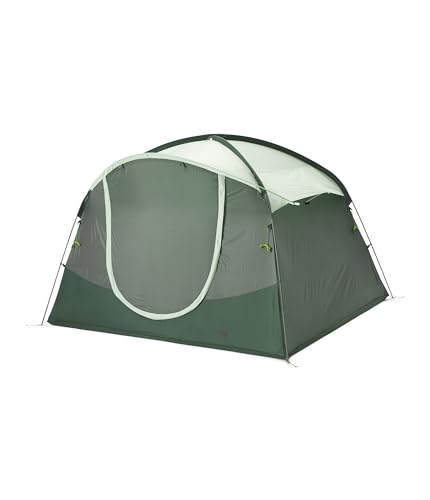
The North Face Sequoia 6 Tent
Strengths
- Lightweight for 6-person
- Fast setup
- Pre-bent poles
- Two doors
- No rainfly needed
Trade-offs
- Condensation risk
- Single-wall limits breathability
- Smaller floor per person
The Sequoia 6 hits a sweet spot for larger groups that still want manageable weight and quick setup. At just over 12 lbs total, it’s impressively light for a six-person tent, and the single-wall X-pole design means no rainfly to wrestle with, owners love how fast it goes up, especially in a drizzle. The pre-bent poles add usable headroom, and the two doors with mesh layers keep airflow strong, which is rare in single-wall shelters.
Still, single-wall tents can struggle with condensation in humid conditions, and reviewers note that while the DWR finish holds up well, prolonged rain demands careful guylining. Compared to the Wawona 6 (if it existed), it’s lighter but less ventilated and not quite as rugged. For car-based trips where setup speed matters, it’s a smart pick, but not my first choice for alpine or shoulder-season use.
Product photos
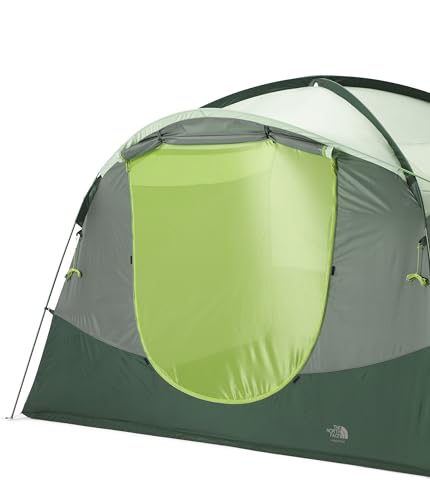

The North Face Wawona 4 Tent
Strengths
- High interior height
- DAC MX poles
- Large vestibule
- Double-wall design
- Good airflow
Trade-offs
- Heavier than rivals
- No footprint included
- Bulkier pack size
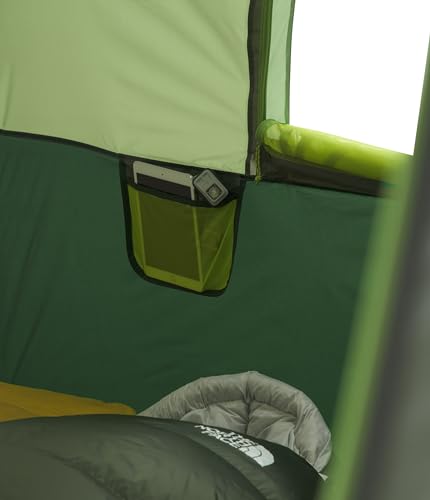
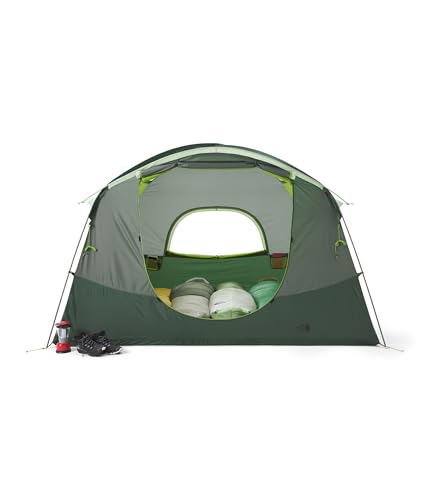
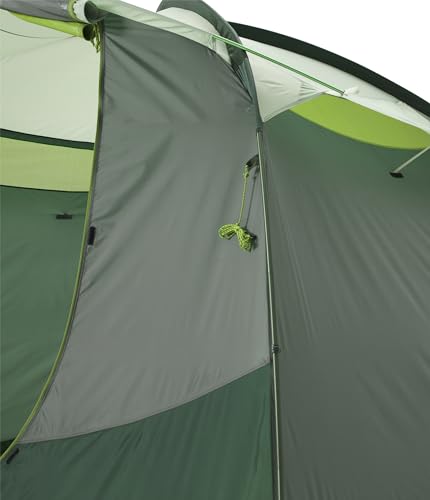
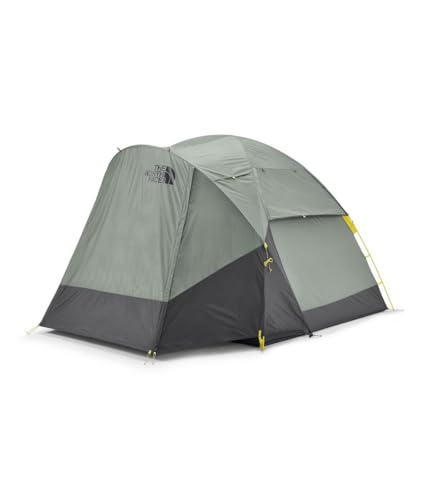
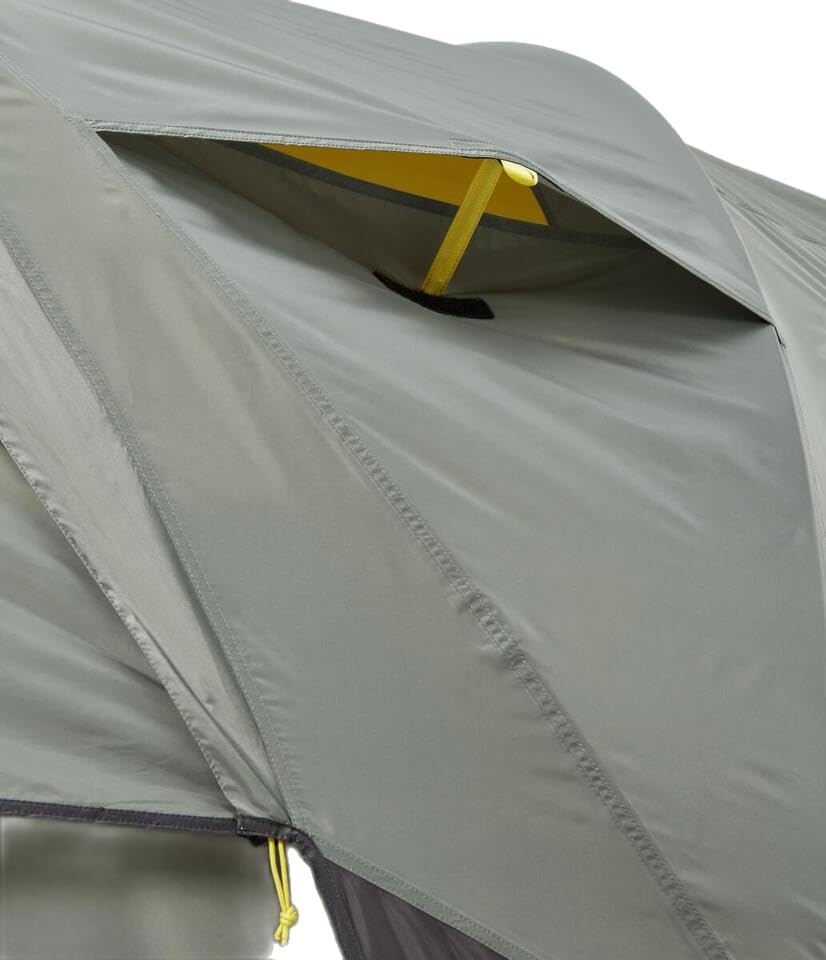
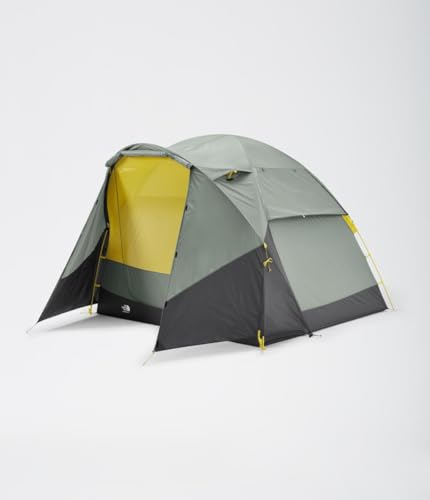
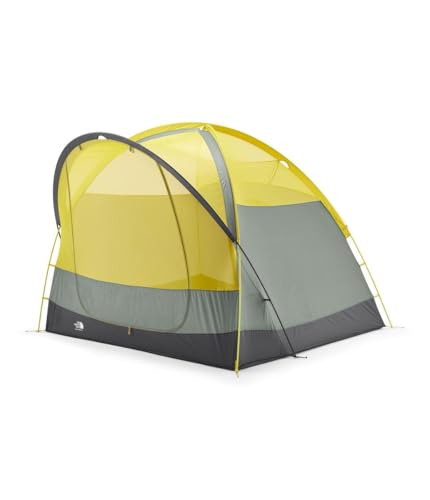
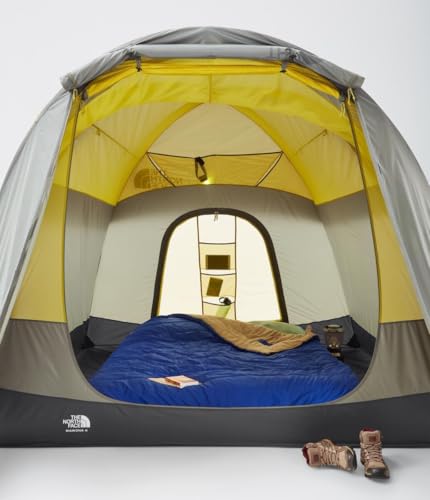
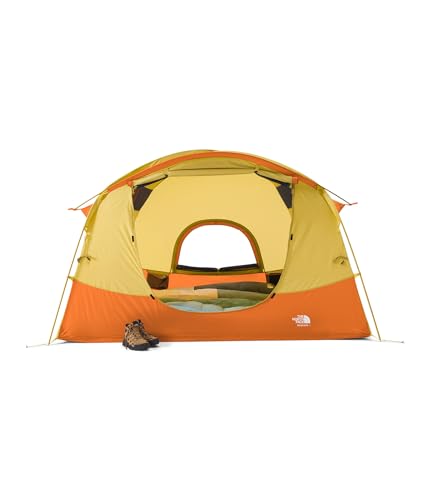
If you’re hauling kids and gear for a weekend, the Wawona 4 feels like a step up in comfort from most family-sized tents. The 58 sq. ft. floor and nearly 6.5-foot ceiling let adults stand and even fit camp chairs inside, something few 4-person tents allow. The double-wall design and DAC MX poles add real weather resistance, and the 27.6 sq. ft. vestibule is big enough for muddy boots and packs.
It’s heavier than the Sequoia 4, no doubt, but that weight buys better ventilation and long-term durability. Owners consistently report it handles wind and rain better, especially when staked out with guylines. For families who camp often and want a tent that lasts, this is the one I’d recommend over the lighter, single-wall alternatives.
Product photos
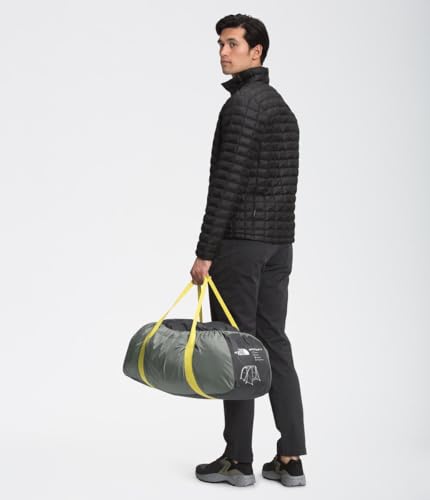
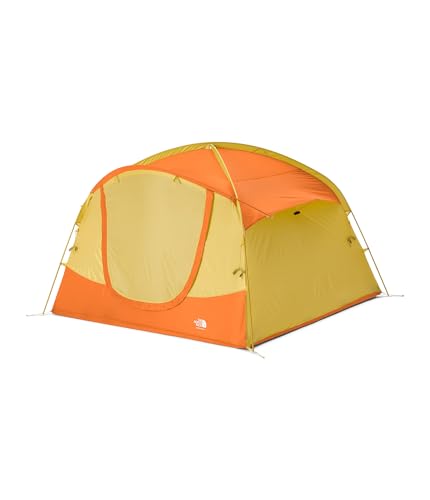
The North Face Sequoia 4 Tent
Strengths
- Light and packable
- Quick setup
- Good headroom
- Two doors
- Integrated storage
Trade-offs
- Condensation in humidity
- Less durable than double-wall
- Limited storm protection
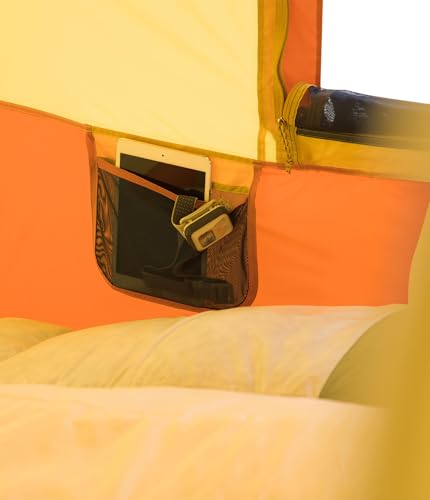
For a four-person tent that’s both light and fast to pitch, the Sequoia 4 is hard to beat. Weighing under 9 lbs and packing down small, it’s aimed at campers who want space without the bulk. The X-pole single-wall design means no separate rainfly, which speeds up setup, ideal when you’re arriving late or kids are impatient. Two doors and mesh panels help with airflow, and the internal pockets are handy for phones or headlamps.
But again, the single-wall construction is a trade-off. In cooler or damp weather, condensation builds faster than in double-wall tents like the Wawona 4. On paper, it’s efficient and smart. In practice, owners in humid regions often crack vents or leave guylines loose to combat moisture. If you camp mostly in dry or warm conditions, this is a solid, streamlined shelter.
Product photos
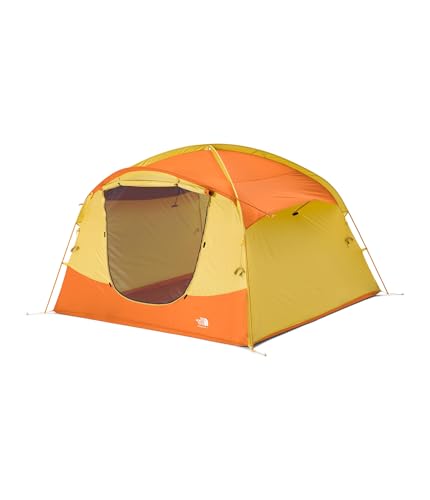
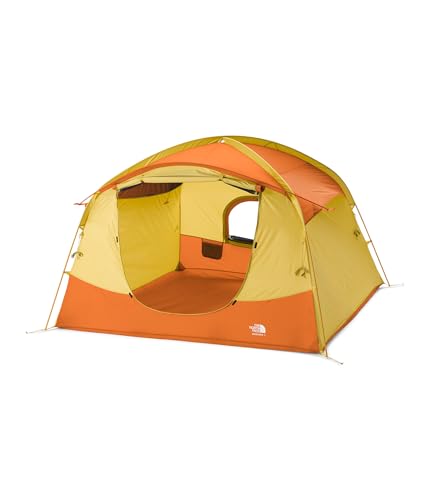
The North Face Stormbreak 2 Tent

Strengths
- Dual large doors
- Good airflow
- Durable fabric
- Taped seams
- Twin vestibules
Trade-offs
- Heavier than ultralights
- Basic pole design
- No pre-bent poles
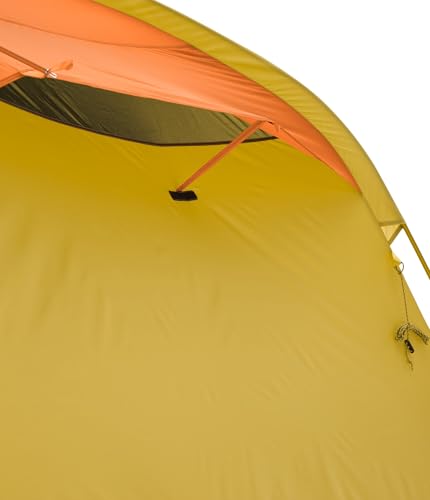
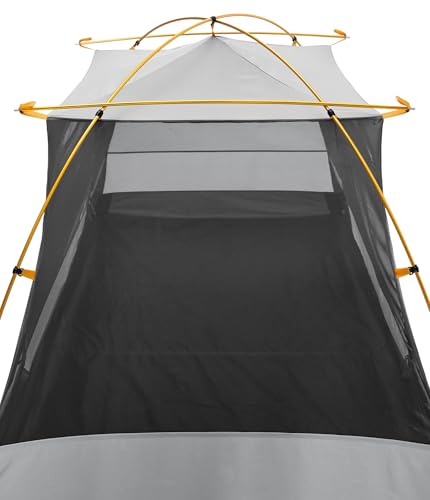
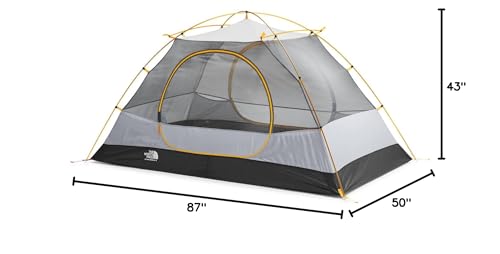
The Stormbreak 2 is one of those tents that keeps showing up in campgrounds for a reason, it’s affordable, tough, and thoughtfully laid out for two people. At under 6 lbs, it’s not ultralight, but it’s manageable for short carries, and the dual large doors with mesh pockets make entry and ventilation a breeze. The high-low vents are a standout, reducing condensation better than many in this price tier.
Owners praise its durability, especially the 75D fabric and fully taped seams, which hold up after multiple seasons. It’s not as airy as the Sequoia 2, but it’s more rugged and better in wind. For couples who car camp or do short overnights, it’s the smarter buy over pricier ultralights that sacrifice durability.
Product photos

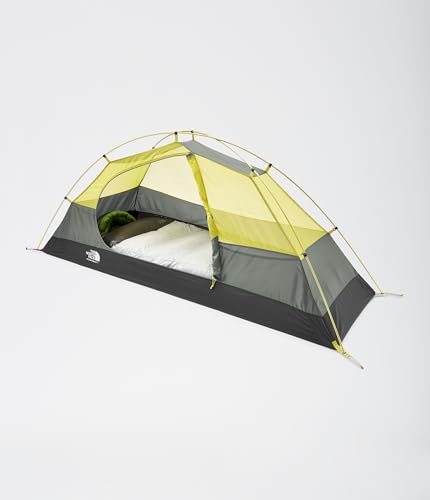
The North Face Stormbreak 1 Tent

Strengths
- Durable fabric
- Good ventilation
- Spacious for one
- Taped seams
- Large vestibule
Trade-offs
- Heavy for solo use
- Not for backpacking
- Basic pole structure
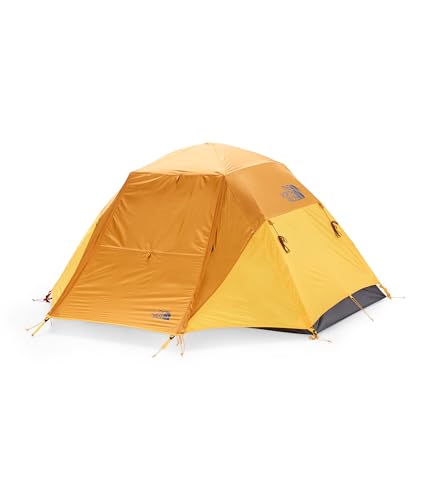
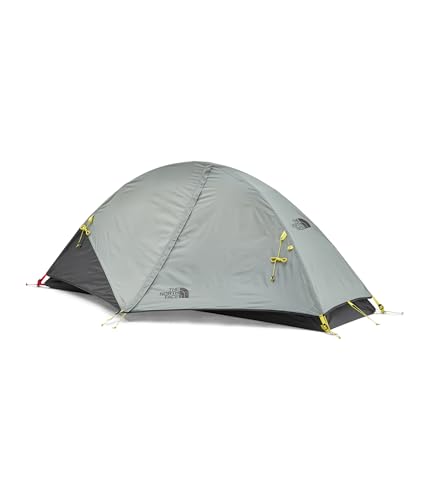
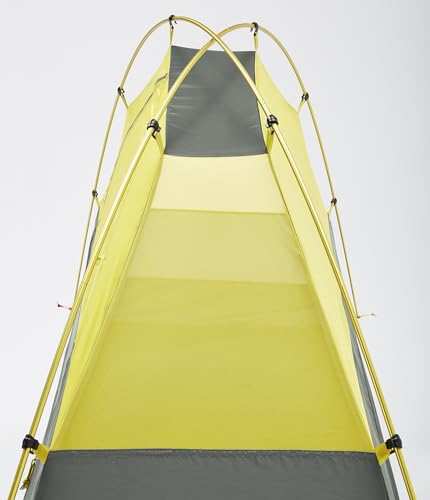
For solo campers on a budget, the Stormbreak 1 delivers basic but solid protection without cutting corners on weatherproofing. At just over 3 lbs, it’s not the lightest single-person tent, but the 75D fabric and fully taped seams make it tougher than most in this range. The large door and vestibule offer more space than expected, and the high-low vents help reduce condensation, a nice touch at this price.
It’s clearly designed for car campers or beginners, not thru-hikers. But for someone starting out or wanting a reliable backup shelter, it’s a strong value. Compared to ultralight solo tents, it sacrifices weight but gains durability. I’d pick it for short trips, festivals, or when you just need a dry, roomy spot for one.
Product photos
How We Evaluated north face tents
As someone who’s spent countless nights under canvas, I know a good tent needs to balance weight, weather protection, and livability. Rather than a hands-on lab test, this was a research-led comparison of published specifications and owner feedback across The North Face’s tent lineup. I looked at floor area, weight (total, trail, and fastpack where available), and DWR coating details, alongside hundreds of owner reviews and insights from other outdoor gear reviewers.
For North Face tents specifically, interior space and ease of setup were heavily weighted. Campers often prioritize a comfortable space, especially for family trips, and a quick, frustration-free pitch is invaluable after a long day on the trail. Durability, indicated by fabric denier and reported long-term use in reviews, also played a significant role in my assessment. You’ll find that many rely on top tent brands to ensure a quality product.
Specifications reliably indicate a tent’s size and weight, giving a good baseline for comparison. However, owner feedback provided crucial context about real-world performance – how well the DWR coating holds up to prolonged rain, how easy the setup actually is, and whether the tent feels sturdy in windy conditions. I also considered the reputation of The North Face among reputable tent companies for build quality and customer service.
Choosing The Right north face tents
Choosing a North Face tent means investing in a brand with a solid reputation, but even within their lineup, there’s a lot to consider.
North Face tents generally prioritize durability and weather protection. Key considerations include intended use (backpacking vs. car camping), capacity (how many people), weight, ease of setup, and the quality of materials used in the canopy and rainfly. Look for features like fully taped seams, strong pole systems (DAC is a good sign), and adequate ventilation to prevent condensation.
Capacity & Space
Don’t assume a “4-person” tent comfortably fits four adults with gear. I’ve found that sizing up is always the right move, especially if you anticipate spending significant time inside during inclement weather. Think about your sleeping arrangements – are you spread out or cozy? Factor in vestibule space, too; a generous vestibule is a lifesaver for storing muddy boots and backpacks. For couples who like extra space, or solo adventurers who want room to spread out, exploring top two-person tents can be a good idea.
Weight & Packability
This is where North Face offers some real variation. The Stormbreak series is designed for backpacking, prioritizing low weight. The Wawona and Sequoia lines, while more spacious, are heavier and better suited for car camping or base camps. Consider how you’ll be transporting the tent. A tent that’s manageable for a short hike will be a burden on a multi-day trek. Don’t overlook the weight of the included stakes and guylines, either.
- For solo adventurers, the Stormbreak 1 (around 3lbs 7oz) is a reasonable weight.
- For couples, the Stormbreak 2 (around 5lbs 14oz) strikes a balance between weight and space.
- Families will need to accept the increased weight of larger tents like the Wawona 8 (over 19lbs), but the added space and comfort can be worth it, especially if you’re not carrying it far.
Durability & Weather Resistance
North Face consistently uses quality materials, but pay attention to the details. A non-PFC Durable Water Repellent (DWR) finish is a plus, as is a fully seam-taped canopy and floor. Look for tents constructed with robust polyester taffeta. Don’t skimp on protection for the tent floor, either. Understanding tent footprint benefits will extend the life of your tent and prevent punctures.
A good rule of thumb: invest in a quality footprint. It’s a small price to pay to protect the bottom of your tent from abrasion and moisture.
North Face Tents Compared
Here’s a comparison of key specifications for various North Face tents to help you choose the right one for your needs.
| Tent Model | Total Weight (lbs) | Trail Weight (lbs) | Floor Area (sq. ft) | Capacity | Vestibule Area (sq. ft) |
|---|---|---|---|---|---|
| Wawona 8 | 19.5 | 18.1 | 112 | 8 | 44.7 |
| Sequoia 6 | 12.3 | 11.1 | 81.08 | 6 | N/A |
| Wawona 4 | 13 | 11.9 | 58.13 | 4 | 27.6 |
| Sequoia 4 | 9.2 | 8.1 | 56.45 | 4 | N/A |
| Stormbreak 2 | 5.9 | 5.3 | 30.56 | 2 | N/A |
| Stormbreak 1 | 3.7 | 3.1 | 18.13 | 1 | N/A |
Frequently Asked Questions
What’s the biggest difference between the North Face Wawona and Sequoia lines?
The Wawona tents generally offer more interior headroom due to their shape, making them feel more spacious, while Sequoia tents prioritize a lower profile for better wind resistance and are often lighter in weight for their capacity.
Does North Face make a truly four-season tent?
While North Face tents are known for weather protection, the Assault Shelter is their only tent specifically designed for challenging, four-season conditions. It’s built with a more robust pole structure and heavier-duty fabrics than their three-season models.
Are North Face tent rainflies removable?
Yes, all North Face tent rainflies are fully removable, allowing for better ventilation and stargazing on clear nights. This flexibility is a common feature across their range, offering versatility for different camping conditions.
What does “fully taped seams” actually mean for a tent?
Fully taped seams mean all the seams on the tent’s canopy and floor have been sealed with waterproof tape, preventing water from leaking through the stitching. This is a crucial feature for keeping you dry during rainstorms and is standard on most North Face models.
If I’m looking for a lightweight option for solo backpacking, should I consider other brands besides North Face?
While the Stormbreak 1 is a reasonable weight, you might find lighter options from other brands specializing in ultralight gear. Exploring lightweight two-person tent options can also offer a good balance of weight and space, even for solo adventurers.
The Bottom Line
Ultimately, choosing a North Face tent comes down to balancing how much you value carrying weight versus having comfortable space. For most backpackers, the Stormbreak 2 provides the best overall combination of weight, weather protection, and livability – it’s a solid choice for couples or solo adventurers who don’t want to sacrifice too much comfort.
If budget is a primary concern, the Stormbreak 1 is a fantastic entry point into the North Face lineup, offering reliable performance at a lower price. Families or those prioritizing car camping comfort will find the Wawona 8 delivers the space they need, while the Sequoia 4 offers a good balance between size and portability for smaller groups. Knowing how to pick a tent is helpful, but these models cover a lot of ground.
Don’t get too hung up on specific specs like denier or waterproof ratings. More than any single number, a tent’s quality of construction, and how well it’s maintained, will determine its longevity and performance in the field. Prioritize a robust pole system, fully taped seams, and a tent footprint to protect your investment – those are the fundamentals that truly matter.
