
8 Best Ultralight Tents for 2 People 2026
This post contains affiliate links. As an Amazon Associate, we earn from qualifying purchases.
The Naturehike Star Trail stands out as the best overall 2 person ultralight tent, combining low weight with solid weather protection, while the LANSHAN Ultralight is a strong budget pick that undercuts competitors on weight and packed size without cutting corners on waterproofing. For those needing extra durability, the Naturehike Cloud up Pro offers a balanced mix of strength and lightness.
Most backpackers I talk to want a tent that’s light enough to carry all day but still feels livable and trustworthy when storms roll in. Too many ultralight options sacrifice one for the other, either they’re flimsy in wind or surprisingly heavy for what they offer.
This guide cuts through the noise by focusing on real-world performance, using specs and owner feedback to highlight models that deliver where it matters. I looked closely at weight, weather resistance, ventilation, and ease of setup, because a tent should be reliable, not just light on paper.
Top 8 2 Person Ultralight Tents in the Market
The Best 2 Person Ultralight Tents, Reviewed
Naturehike Mongar UL 1-2 Person Tent
Strengths
- Expandable awning
- Great airflow
- Durable poles
Trade-offs
- Slight weight penalty
- Awning adds setup complexity
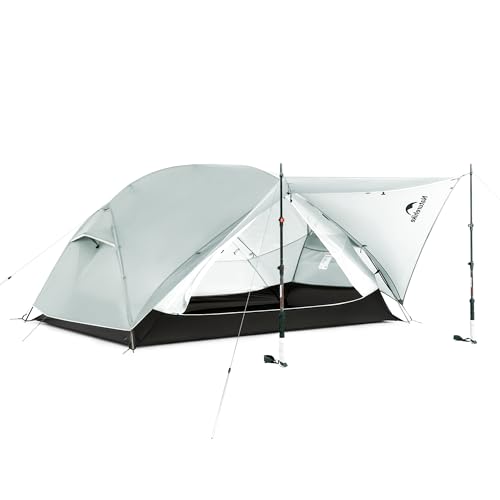
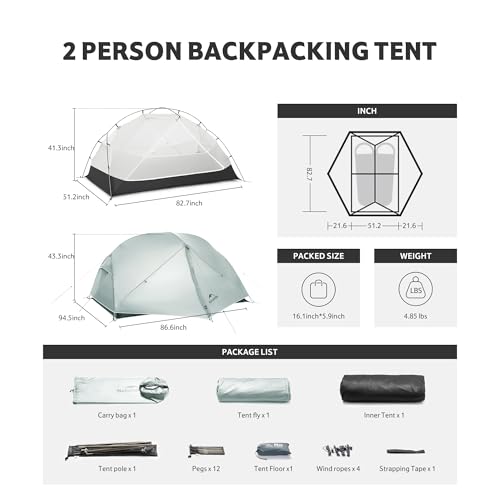
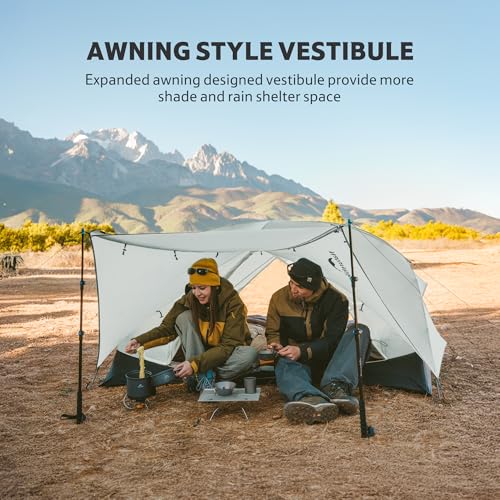
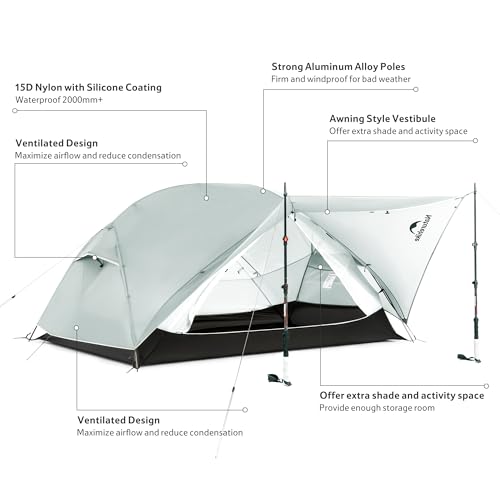
If I had to pick one tent for a mixed-terrain spring-to-fall season, it’d be this. The expandable awning is a standout, not just marketing fluff. Reviewers use it for cooking in the rain, drying gear, and blocking wind, which adds real versatility. At 4.19 lbs, it’s not the lightest, but the 15D nylon and 8.5mm aluminum poles strike a smart balance between weight and resilience.
The dual mesh doors and adjustable vestibule make ventilation easy to fine-tune, and the interior feels roomy for two without being wasteful. Compared to the LANSHAN or Star Trail, it’s heavier but far more livable. For me, that’s the sweet spot: ultralight enough, durable enough, smart enough.
Product photos

Naturehike Star Trail Ultralight Tent
Strengths
- Incredibly light
- Budget-friendly
- Quick setup
Trade-offs
- Low waterproof rating
- Not for heavy rain
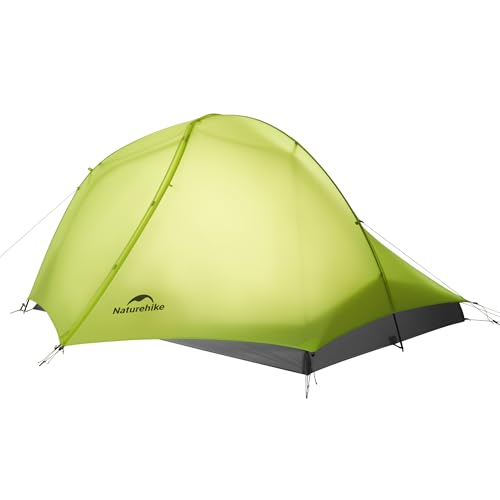
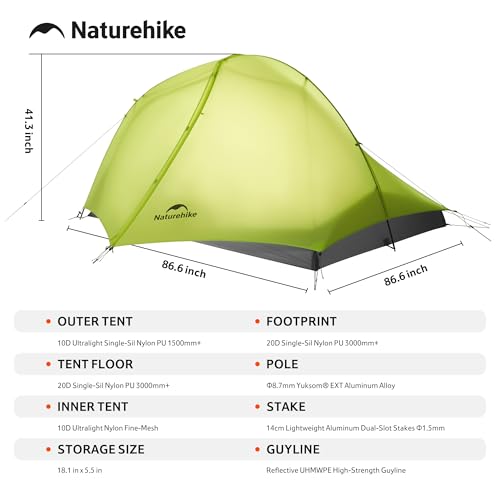
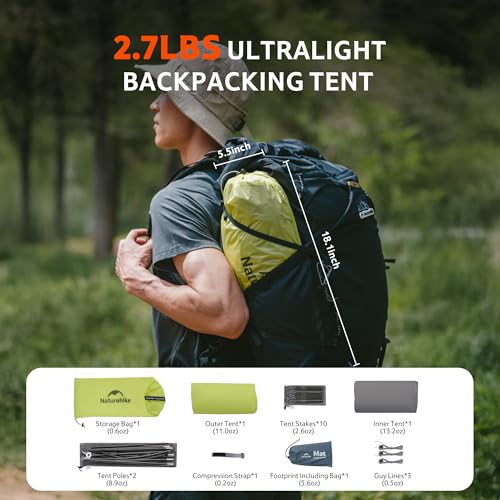
At 2.76 lbs, this is one of the most budget-friendly ultralights that still feels trail-capable. The full mesh inner and elevated clearance design make it a summer favorite, breathable, bug-free, and easy to pitch. But the PU1500mm rating on the fly means it’s best for fair weather or light showers.
Owners love it for desert hikes and dry-season treks, but advise against pushing it in sustained rain. Still, for the price, it’s a remarkable value, especially when compared to premium brands charging twice as much for similar specs. If you’re new to ultralight or just need a summer shelter, this one punches above its weight.
Product photos
Naturehike Cloud up Pro 2 Person Tent

Strengths
- Excellent airflow
- Large front door
- Includes footprint
Trade-offs
- Slightly bulky packed size
- Floor could be more durable
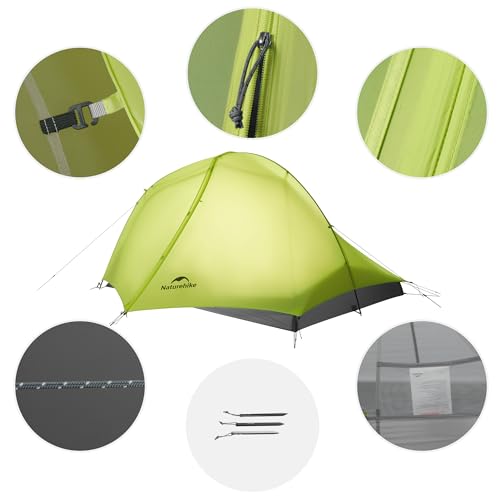
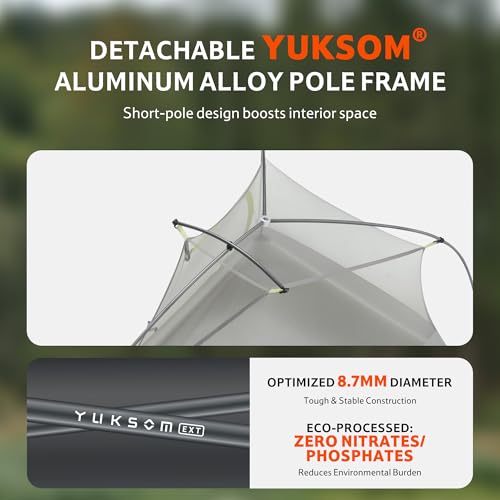
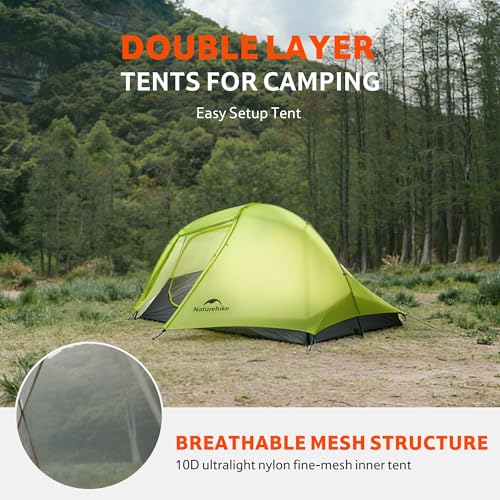
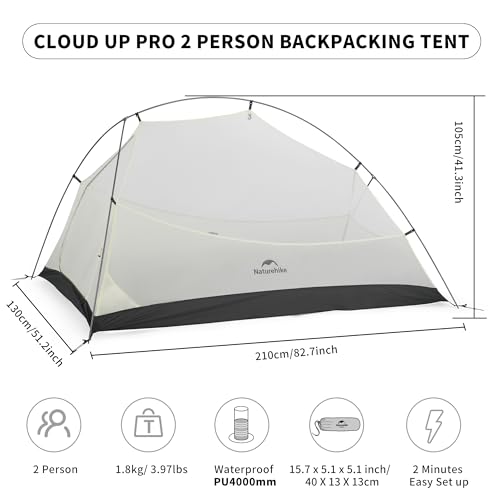
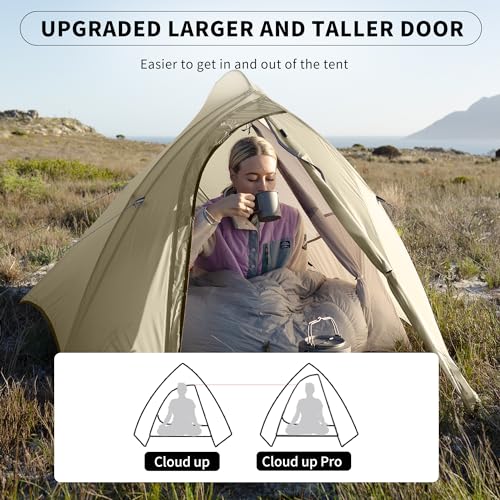
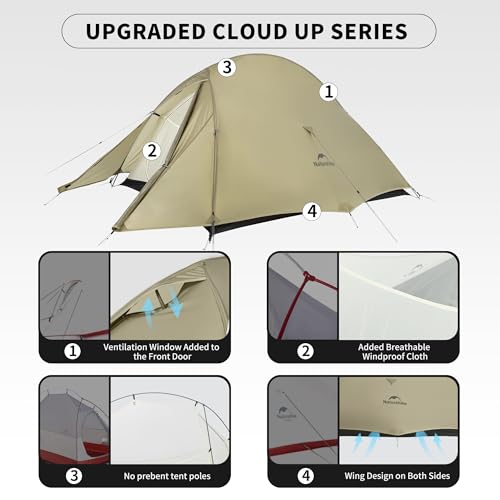
Naturehike keeps refining their lineup, and the Cloud up Pro shows they’re listening to user feedback. The upgraded front door and added ventilation window make a noticeable difference in airflow, owners in humid climates praise how it reduces condensation, a common flaw in double-wall tents. At 3.97 lbs, it’s competitive on weight, and the PU4000mm coating gives it real storm credibility.
It’s not the lightest, but the balance of ventilation, space, and weather protection is spot-on. Compared to the Clostnature or Forceatt, it feels more refined, the kind of tent you’d choose if you’ve been burned by foggy mornings in a stuffy dome. The included footprint is another plus.
Product photos


Featherstone UL Granite 2 Person Tent
Strengths
- Sil-nylon durability
- Includes footprint
- Bathtub floor
Trade-offs
- Heavier than some ultralights
- Packed size not the smallest
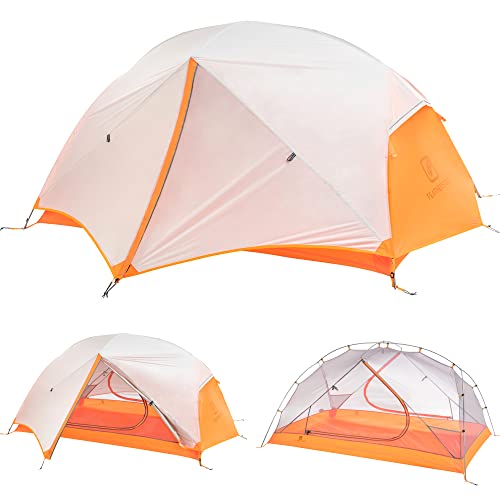
This tent stands out in a crowded field by leaning hard into durability without blowing up the weight. The sil-nylon build isn’t the lightest on paper, but owners consistently report it holding up over multiple seasons of rough use, think granite scree, alpine gusts, and off-trail bushwhacking. For ultralight hikers who still want long-term reliability, that trade-off makes sense. The included footprint and gear loft add real value, especially since many brands charge extra for those.
On paper, the 4 lb trail weight is solid but not class-leading. Still, the bathtub floor and seam-taped construction deliver what matters most: a dry interior when the weather turns. Compared to the flimsier budget domes, this one feels like a proper alpine-ready shelter. I’d pick it over flashier names that cut corners on fabric tenacity.
Product photos


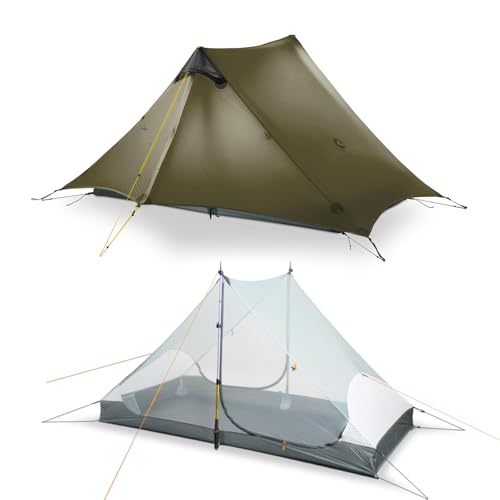
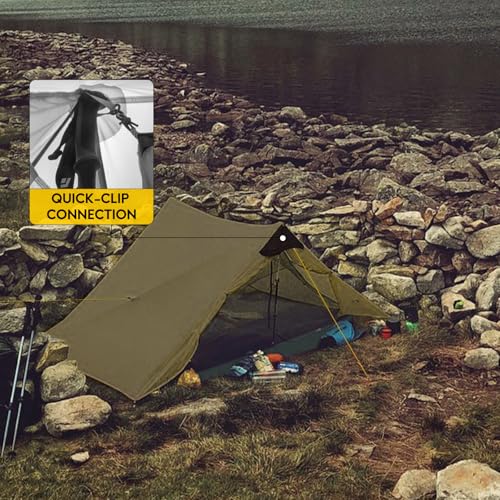
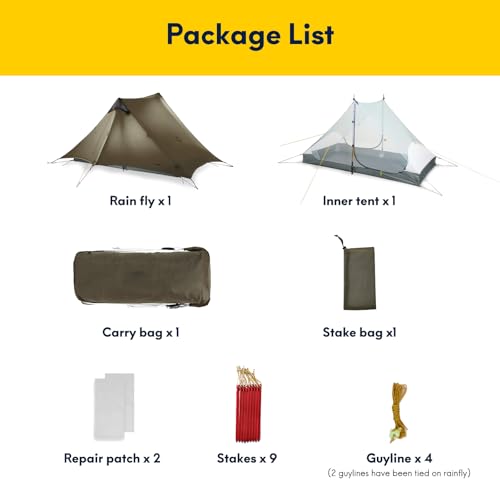
LANSHAN Ultralight 2 Person Tent
Strengths
- Extremely lightweight
- High waterproof rating
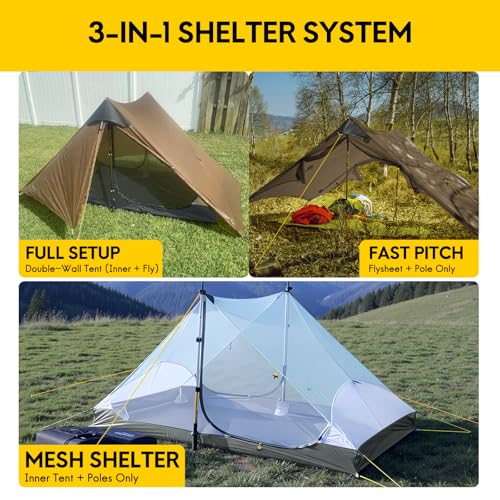
- Tarp-tent versatility
Trade-offs
- Requires trekking poles
- Tight fit for two
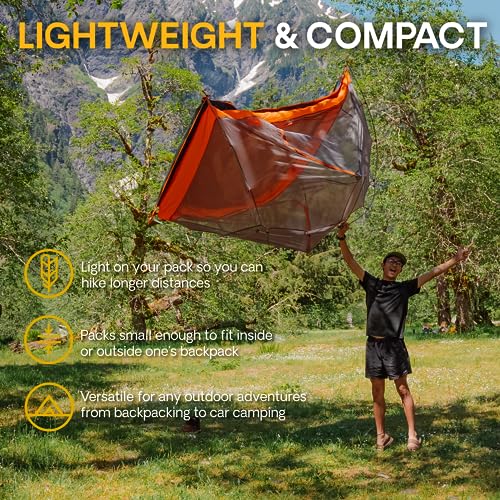
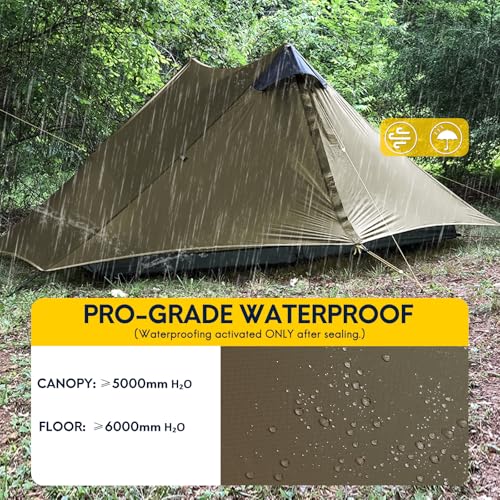
At 2.6 lbs, this is one of the lightest true 2-person options on the market, and it shows. The 15D nylon and 5000–6000mm HH waterproof ratings mean it doesn’t sacrifice protection for weight. Reviewers in the Rockies and Cascades report it surviving storms without leaks, which is impressive at this mass.
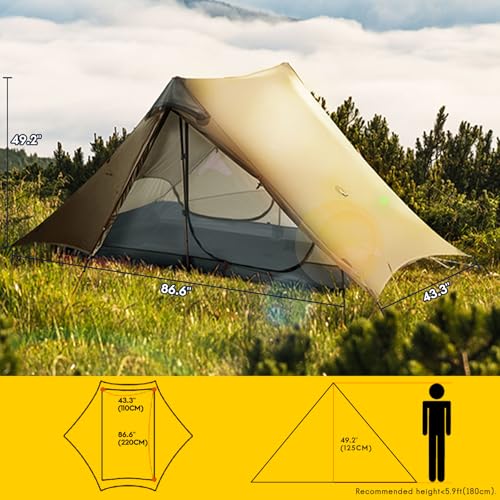
The hiking pole-supported design saves weight and pack space, though it means carrying trekking poles is mandatory. The dual ventilation windows and mesh walls keep condensation in check, and the tarp-tent configuration adds versatility. But it’s not for everyone, the minimalism means less headroom and tighter fit for two tall hikers.
Product photos
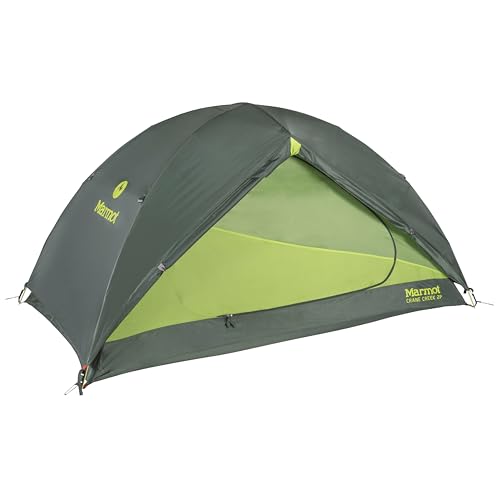
Marmot Crane Creek 2P Tent
Strengths
- Excellent wind stability
- Quality pole construction
- PFAS-free materials
Trade-offs
- No footprint included
- Heavier than ultralight standard
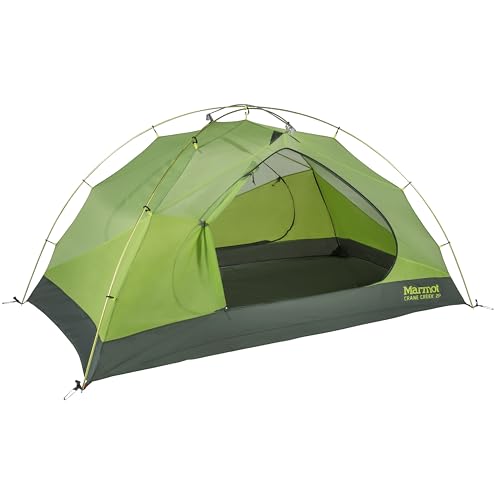
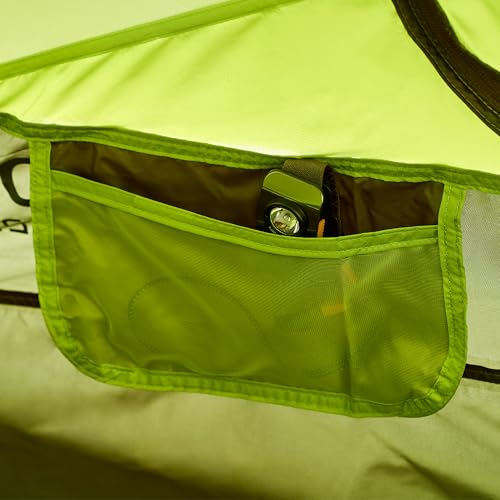
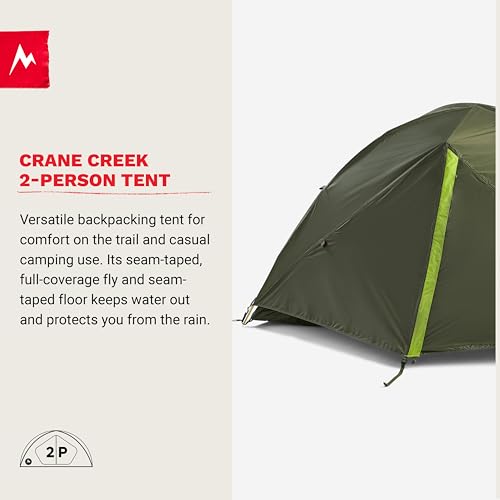
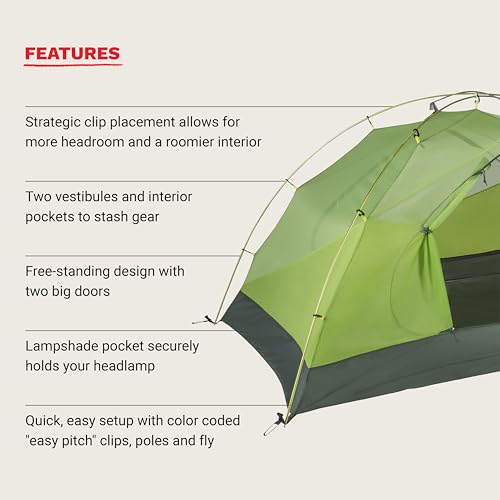
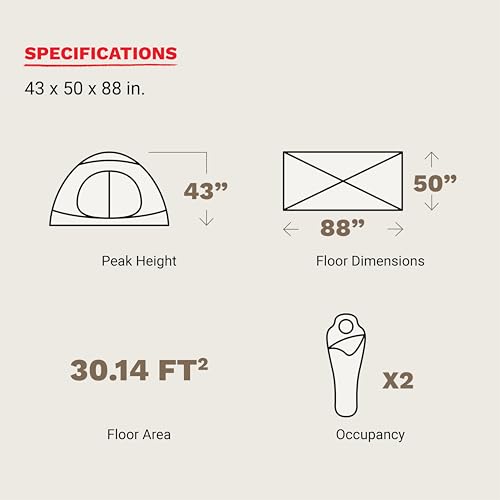
Marmot has been in the game for decades, and the Crane Creek reflects that experience. The 7000-series aluminum poles are a standout, stiffer and more storm-ready than the average 7001 alloy. Combined with the seam-taped polyester fly, this tent is built to handle shoulder-season storms without flexing like a cheap dome.
It’s not ultralight at 4+ lbs, and the lack of an included footprint is a miss. But if you’re heading into unpredictable weather, think Sierra spring snow or Colorado gusts, this one inspires confidence. Reviewers note it stays rock-solid in high winds where lighter tents flap or collapse. I’d take this over flimsier options when weather is a real concern.
Product photos
Forceatt 2 Person Waterproof Tent

Strengths
- Strong weather resistance
- Dual doors and vestibules
- Smooth #8 zippers
Trade-offs
- On the heavier side
- Not ideal for long-distance backpacking
This is one of those tents that flies under the radar but delivers where it counts. At 5.5 lbs, it’s not ultralight by strict definition, but the 3000mm waterproof rating and welded floor suggest serious wet-weather chops. Reviewers note it held up during unexpected downpours in the Smokies and Pacific Northwest, places where lesser tents start leaking at the seams.
It’s clearly built for value, but not at the cost of usability. The dual D-doors and two vestibules are a win for couples, and the 7001 aluminum poles add stiffness without excess weight. That said, for true ultralight missions, there are lighter options. My take? If you’re weekend camping more than thru-hiking, this is a smart, affordable workhorse.
Product photos


Clostnature Lightweight 2 Person Tent

Strengths
- Blazing-fast setup
- Great ventilation
- Removable rainfly
Trade-offs
- Heavier full setup
- Zippers could be sturdier
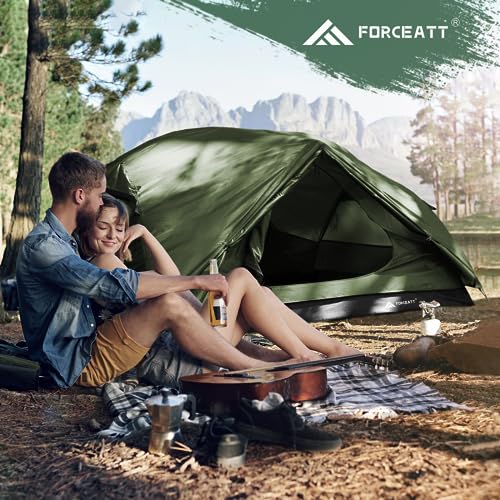
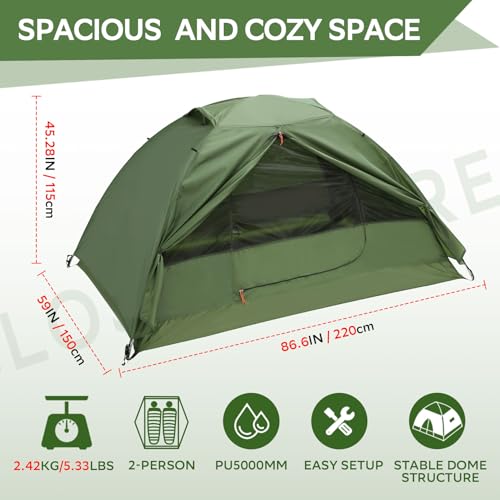
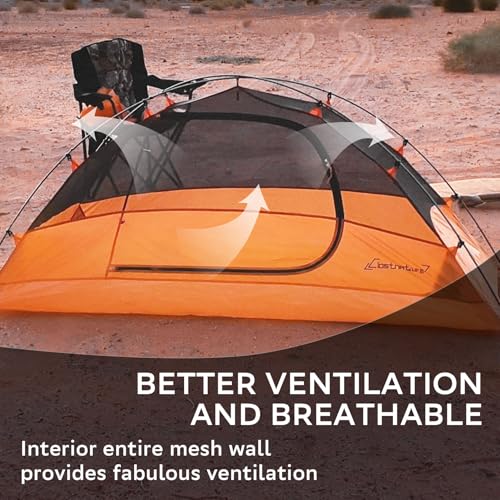
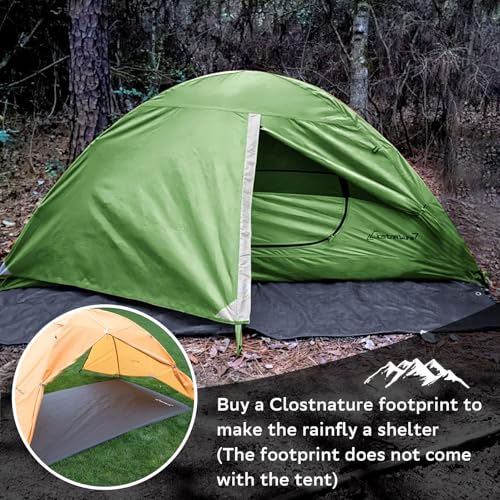
This one wins on simplicity and speed. The freestanding design with just two poles makes setup a one-person job in under three minutes, a big deal after a long day on trail. Owners consistently call out how easy it is to pitch, even in the dark or on uneven ground. The PU5000 coating and bathtub floor mean it won’t quit in the rain, and the fully mesh inner keeps airflow high.
It’s a bit heavier at 5.33 lbs, but the minimum trail weight drops to 4.38 lbs if you strip it down, a nice option for flexibility. Compared to the Forceatt, it feels more refined and trail-tuned. For beginners or those who hate fumbling with poles, this is a no-brainer pick.
Product photos

How We Picked These 2 person ultralight tents
I approached this guide by first compiling detailed specifications and feature lists for a range of 2-person ultralight tents. I then weighed those technical details against owner reviews from sites like REI and Amazon, as well as expert opinions from outdoor gear reviewers. My goal was to create a ranking based on real-world usability and reported performance, rather than a hands-on lab test, this is a research-led comparison of specs and owner feedback.
For this category, weight and durability were the most important factors. Ultralight tents inherently require compromises, but I prioritized models that struck a good balance between minimizing pack weight and withstanding typical backpacking conditions. Ventilation came in as a close third, since condensation can quickly ruin a trip, and a stuffy tent is no fun. I also considered ease of setup, knowing many backpackers want to get camp established quickly.
Specifications reliably tell you a tent’s weight, dimensions, and stated waterproof ratings. However, owner feedback proved crucial for assessing real-world durability, condensation issues, and the accuracy of those waterproof claims. I also leaned on reputation; looking to leading lightweight tent companies helped me filter out models from brands with consistently poor customer reports. This allowed me to highlight tents offering the best value and performance for your money.
How To Pick The Right 2 person ultralight tents
Finding the right shelter for two people often comes down to balancing weight, space, and protection from the elements. I’ve seen so many hikers sacrifice comfort for a lighter pack, only to regret it when they’re crammed inside during a downpour.
A quality two-person tent should prioritize a balance of lightweight materials (like 15D or 20D nylon), a waterproof rating of at least 2000mm for the fly and 3000mm for the floor, and a thoughtfully designed ventilation system to minimize condensation. Consider the pole material (aluminum is stronger than fiberglass) and the inclusion of features like a footprint and reflective guylines for added durability and safety.
Weight & Packability
When you’re splitting the load with a partner, a few extra ounces might not seem like much, but those ounces add up over miles. I always tell people to be realistic about their hiking style. Are you counting every gram, or are you prioritizing a bit more comfort? Look for tents using lightweight fabrics like silnylon or ripstop nylon, and pay attention to the packed size. A smaller packed size means it takes up less room in your backpack, leaving space for other essentials. Some brands, like LANSHAN, really focus on shaving weight without totally sacrificing durability. If you’re looking for further guidance on options, check out some ultralight two-person tents for inspiration.
Waterproofing & Weather Resistance
Don’t skimp on waterproofing. A tent’s waterproof rating (measured in millimeters) indicates how much water pressure the fabric can withstand before leaking. While a 1500mm rating might be sufficient for light rain, I recommend aiming for at least 2000mm for the fly and 3000mm for the floor, especially if you anticipate encountering heavier downpours. Beyond the rating, consider the design; a full coverage rainfly that extends all the way to the ground offers better protection than one that doesn’t. Many tents now come with taped seams, which is crucial for preventing leaks. Also, think about the overall shape. Dome tents generally handle wind better than cabin-style tents.
- A higher hydrostatic head (waterproof rating) is generally better, but beyond a certain point (around 5000mm) you’re paying for diminishing returns.
- Look for a bathtub floor construction. This means the floor fabric extends up the sides of the tent a few inches, creating a barrier against ground water.
- Don’t forget about the importance of a well-designed tent vestibule storage space. This offers a dry area to store muddy boots and gear, keeping the inside of your tent clean and dry.
A properly waterproofed tent isn’t just about staying dry; it’s about maintaining morale. A soggy night can ruin an entire trip.
Usability & Features
Beyond the core specs, think about the features that will make your camping experience more enjoyable. Ease of setup is a big one. Nobody wants to spend an hour wrestling with poles and guylines after a long day of hiking. Many tents now feature color-coded poles and intuitive designs for quick and easy pitching. Internal space is also important. While a tent might be labeled “two-person,” some are quite cramped. Look at the floor dimensions and peak height to ensure you’ll have enough room to comfortably sleep and move around. Don’t underestimate the value of details like interior pockets for organizing small items and a gear loft for hanging headlamps or other essentials. You might also want to explore lightweight 2-person backpacking tents to find models with exceptional features.
2 Person Ultralight Tents Compared
Here’s a comparison of key specifications for popular 2-person ultralight tents to help you make an informed decision.
| Product Name | Weight (lbs) | Packed Size (in) | Waterproof Rating (mm) | Floor Material | Capacity |
|---|---|---|---|---|---|
| Naturehike Mongar UL | 4.19 | 16×6.3×6.3 | N/A | N/A | 2 |
| Naturehike Star Trail | 2.76 | 17.7×5.1 | 1500/3000 | 20D Nylon | 2 |
| Naturehike Cloud up Pro | 3.97 | 15.7×5.1×5.1 | 4000 | 20D Nylon | 2 |
| Featherstone UL Granite | 4.0 | N/A | N/A | Silicone Nylon | 2 |
| LANSHAN Ultralight | 2.6 | 12.6×4.7×5.9 | 5000/6000 | 15D Nylon | 2 |
| Marmot Crane Creek 2P | N/A | N/A | N/A | Polyester | 2 |
| Forceatt 2 Person | 5.5 | N/A | 3000 | N/A | 2 |
| Clostnature Lightweight | 5.33 | 16.5×5.9×5.9 | 5000 | Polyester | 2 |
Frequently Asked Questions
What’s the biggest trade-off when choosing an ultralight 2-person tent?
Durability is typically the biggest compromise. To achieve a lower weight, manufacturers often use thinner fabrics and lighter poles, which may be more susceptible to damage from rough terrain or harsh weather.
Are freestanding ultralight tents really worth the extra cost?
Yes, freestanding designs are worth it for ease of setup, especially on rocky or challenging terrain. While they might weigh slightly more than non-freestanding models, the convenience and versatility are valuable for many backpackers considering the top 2-person ultralight backpacking tents.
How important is the D-rating of the tent fabric?
The D-rating (denier) indicates the fabric’s thickness and weight; a lower number means a lighter, more packable fabric. However, anything below 20D can be quite fragile, so I suggest balancing weight savings with the potential for tears or abrasions.
What’s the best way to prevent condensation inside an ultralight tent?
Good ventilation is key. Look for tents with mesh panels and adjustable vents to promote airflow, and always ensure you’re pitching your tent in a well-ventilated spot, avoiding low-lying areas where moisture tends to accumulate. You might also find helpful ultralight backpacking tent reviews that discuss condensation performance.
I’m new to backpacking – should I prioritize weight or weather protection?
For beginners, I recommend prioritizing weather protection. A reliable shelter that keeps you dry and comfortable is more important than shaving off a few ounces, especially if you’re unsure about your trip planning or the potential for unexpected conditions. Focus on finding one of the best ultralight 2-person models with a waterproof rating of at least 2000mm.
The Bottom Line
Ultimately, choosing a two-person ultralight tent involves deciding how much you value saving weight versus having a bit more space and robust construction. For most backpackers, I believe the Naturehike Cloud up Pro strikes the best overall balance. It offers a very respectable weight, good waterproofing, and plenty of positive owner feedback regarding its livability and ease of setup – making it a solid all-rounder for three-season adventures.
If you’re on a tighter budget, the Naturehike Star Trail is a fantastic option. Or, if minimizing weight is your absolute top priority, the LANSHAN Ultralight consistently receives praise for being remarkably light without feeling flimsy. Remember, however, that the most expensive tent won’t automatically make you happier if it doesn’t suit your specific needs and hiking style.
At the end of the day, the specs are just numbers. What truly matters is finding a tent that keeps you and your partner dry, comfortable, and protected so you can focus on enjoying the trail. Prioritize a well-sealed, adequately waterproofed shelter, and don’t forget to consider the practicalities of setup and interior space when choosing the right tent size.
