
Where to Buy a Tent: A Pro’s Guide to the Right Retailer
This post contains affiliate links. As an Amazon Associate, we earn from qualifying purchases.
You can buy a tent from big-box stores, specialty outdoor retailers, brand websites, online marketplaces, and used gear platforms. Your best choice depends on what you’re using it for. A family car-camping tent is a Walmart find; a technical backpacking shelter demands an REI. The wrong channel costs you more than money, it can ruin a trip.
I’ve lost count of the tents I’ve bought over the years. Some were brilliant; others were expensive lessons packed in a stuff sack. My worst was a no-name “4-season” shelter I grabbed from a discount site. Its logo was a red eagle, and its promises were bold. During a surprise spring snow in the Adirondacks, its fiberglass poles snapped under a light dusting like dry twigs. I spent that night in my car, shivering in a damp sleeping bag, the wet-dog smell of cheap polyester seeping in as the tent collapsed around my gear. That’s why I now only trust aluminum poles from known brands for anything beyond a calm summer breeze.
This isn’t just about finding a tent. It’s about matching your shelter to a seller who actually understands it. Let’s cut through the noise and talk real channels.
Key Takeaways
- Test the box in your trunk. The real value of a big-box store is the ability to physically load that packed tent box into your car before you buy. I once avoided a “9-person” tent that wouldn’t fit my hatchback by doing this in a Walmart parking lot.
- Your backpacking tent deserves a specialty shop. The $50 premium at REI isn’t for the tent, it’s for the staffer who’ll ask about your typical mileage and steer you away from a mesh-heavy model before a rainy Scottish hike.
- The manual is the truth. Download the PDF from the brand’s site before purchasing. The Coleman Skydome XL manual confirms its frame is tested to 35 mph winds; a retail listing might just say “stable.”
- Smell the used tent first. A musty odor means embedded mildew spores. That tent will smell irreversibly foul after one humid night, no matter how many times you wash it.
- Price is the first cost, not the only one. A cheap online deal with a “defective-only” return window is often more expensive than a slightly pricier tent backed by a no-questions-asked, one-year guarantee.
Big-box retailers provide immediate access and competitive pricing for high-volume family camping tents. Specialty outdoor retailers offer the curated selection, expert guidance, and robust satisfaction guarantees required for technical, lightweight, or extreme-weather shelters.
Where is the Best Place to Buy a Family Camping Tent?
For a straightforward, high-capacity tent for car camping, your local big-box store is often the winning ticket. We’re talking about Walmart, Target, or Home Depot. Their strength is volume: they stock popular, affordable models from brands like Coleman and Ozark Trail that are designed for convenience and space over technical performance.
You can often find a Coleman Skydome XL 10-Person Tent on the shelf, and its specs are perfect for this channel. It fits three queen airbeds, sets up in minutes with a friend, and its Dark Room Technology blocks 90% of sunlight. The transaction is simple. You won’t get a lecture on hydrostatic head ratings, and the staff probably hasn’t spent a week in the backcountry with it, and that’s fine.
The hidden benefit here is immediate, tactile verification. You can see the packed box size (25.5 x 10.5 x 10.5 inches for the Skydome XL). You can heft its 27-pound weight. Most importantly, you can walk it out to your car and confirm it fits in your trunk before you spend a dime. This beats the gamble of online dimensions every time.
Common mistake: Assuming a big-box store’s return policy covers field failures, most require the item to be unused and in original packaging. If that Coleman leaks on its maiden voyage, you’re likely stuck with it unless you can prove a manufacturing defect.
TL;DR: For simple, spacious family tents where your main questions are “Will it fit my car?” and “What’s the best price?”, big-box retailers are your most efficient stop.
Why Should You Buy a Backpacking Tent from a Specialty Shop?
When the tent must go on your back, the game changes completely. This is the domain of specialty outdoor retailers like REI, Backcountry, and local outfitters. They carry the brands you need. MSR, Big Agnes, Nemo, The North Face, and, crucially, the staff knows them intimately.
I once went into my local shop looking for a lightweight two-man tent for a multi-day coastal hike. The clerk didn’t just point me to the lightest option. He asked about expected wind, my partner’s tolerance for condensation, and whether we’d be making camp after dark. He steered me away from an ultralight model with minimal headroom toward a slightly sturdier one with a faster pitch, knowing fatigue would be our real enemy. That’s the expertise you pay for.
Their guarantees are the financial safety net. REI’s satisfaction guarantee, for instance, typically gives you a year to return gear, even used, if it’s not right. For a $600 The North Face Wawona 6, that’s a free insurance policy against a costly mistake. These shops also offer repair services and workshops, resources you’ll never find at a general merchandise store.
| Retailer Type | Ideal For | Critical Advantage | The Trade-Off |
|---|---|---|---|
| Specialty Outdoor (REI, Backcountry) | Backpacking, 4-season, & high-investment tents | Expert curation & risk-free trial via generous return policies | Higher upfront price point |
| Big-Box Store (Walmart, Target) | High-capacity family & instant car-camping tents | Immediate availability & ability to physically verify size before purchase | Limited expertise & restrictive return terms |
| Manufacturer Website (Coleman, Marmot) | Accessing full specs, manuals, & discontinued colors | Direct source for official product truth & occasional closeouts | Can’t handle before buying; return shipping can be costly |
| Online Marketplace (Amazon, eBay) | Price comparison, vast selection, & user review deep-dives | Unmatched convenience & depth of long-term owner feedback | Risk of counterfeit goods or misleading third-party sellers |
TL;DR: For any tent you’ll carry or trust in serious weather, a specialty retailer’s knowledge and guarantee are worth every penny of a potential price premium.
What Are the Pros and Cons of Buying Direct or Online?
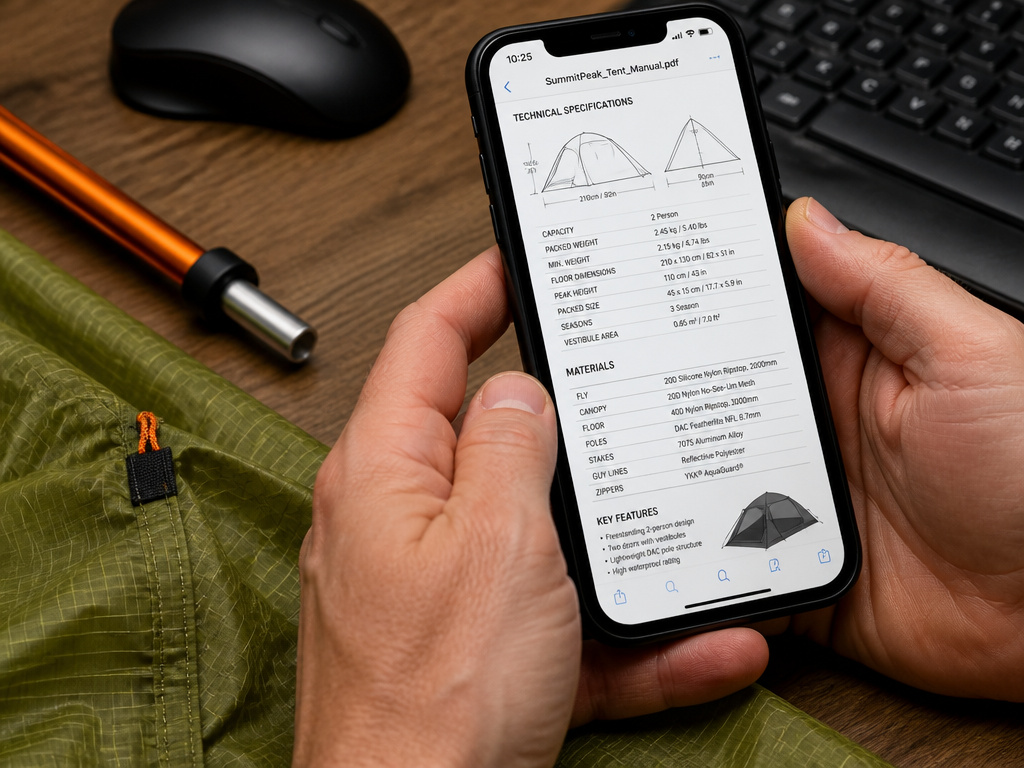
The digital shelf is infinite, but it requires a more savvy shopper. Buying directly from a brand’s website, like Coleman.com, gives you unfiltered access to specifications and the all-important product manual. This is the step most skip, and it’s a game-changer.
Before buying any tent, search for its manual PDF. The Coleman Skydome XL manual states its frame is tested to 35 mph winds and details its WeatherTec™ system (3,000mm waterhead). A retail listing might paraphrase this as “weather-resistant.” The manual holds the engineering truth, not the marketing spin. Manufacturer sites also run sales on last season’s colors.
Online marketplaces like Amazon are review goldmines. You’ll find hundreds of user photos showing real-world packed size, long-term durability reports, and answers to niche questions. This ecosystem is invaluable. The risk is the third-party seller. Always verify the seller is “Amazon.com” or the official brand storefront to avoid counterfeits.
For used or rare gear, platforms like Facebook Marketplace or Geartrade offer deep discounts. This is where you might find a legendary Marmot tent for half-price. The rule is ruthless inspection.
- Insist on seeing it pitched. Photos lie.
- Smell the interior deeply. Any mustiness is a hard no, mildew is a terminal illness for tent fabric.
- Inspect every pole segment for bends or cracks.
- Check zippers and run your fingers along seam taping for a chalky, degraded feel.
A clean, odor-free used tent with a minor, repairable issue is a fantastic deal. A musty one is a biohazard.
Honestly, sometimes the expertise at specialty shops is overkill. I once had a clerk spend 20 minutes explaining the molecular difference between silicone and PU coatings when I just needed a tent for a weekend in Wales. I nodded, bought the tent, and still don’t know the difference, but it hasn’t leaked yet.
How Do You Choose the Right Purchase Channel?
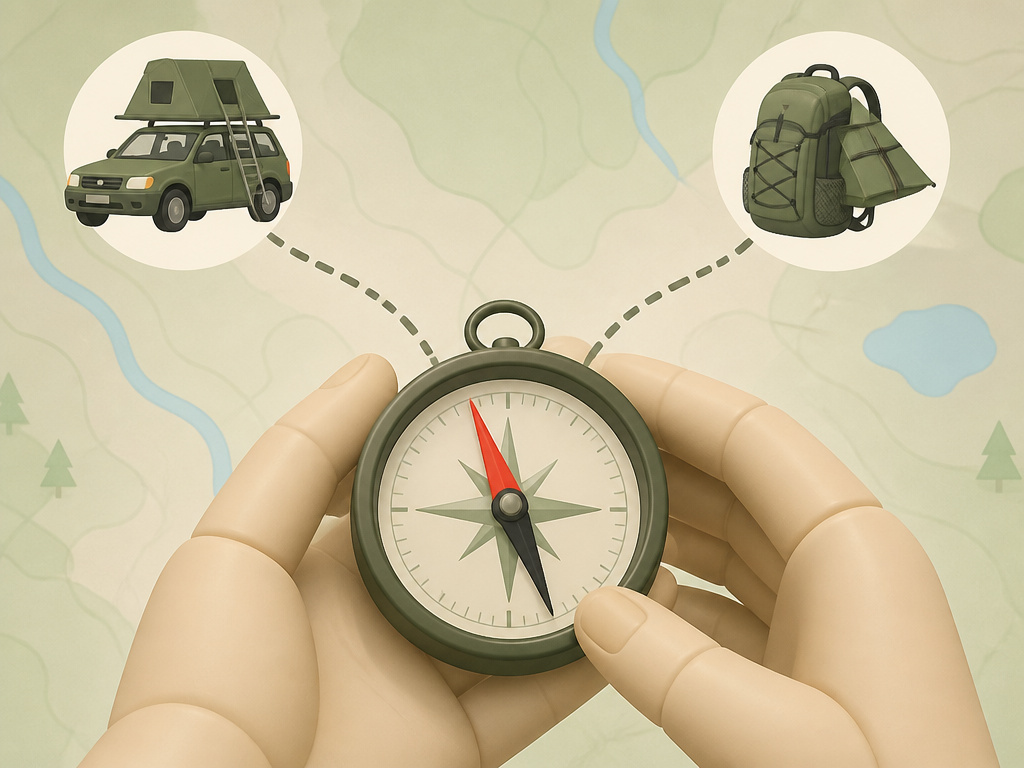
Start by interrogating the tent’s purpose. That answer will point you to the right seller like a compass.
First, ask: Car camping or backpacking?
If it’s for the car, you want space and comfort. A large family tent or a spacious cabin model is the goal. Big-box stores or Amazon are your efficient channels. If it’s for your back, every ounce counts. You need a lightweight 2-person tent or a technical solo shelter. Rule out big-box stores immediately. A specialty retailer is your only stop for comparing the packed weight and stormworthiness of different backpacking 2-person tents.
Second, assess your budget and risk tolerance.
On a tight budget but willing to inspect? Hunt on used gear platforms for a durable canvas model or last-gen Marmot tents. If you hate risk, a specialty retailer’s return policy is your safety net, worth a slightly higher ticket. Need it this weekend? Check big-box inventory online for a Coleman instant tent.
Finally, are you a novice or a veteran?
First-time buyers should, if possible, visit any physical store. Go to REI or even Dick’s Sporting Goods. Handle the tents. Practice clipping a pole. This tactile experience prevents buying a design that’s too complex for your patience. If you’re replacing a known model, manufacturer websites or online price-shopping among authorized sellers makes sense.
What Should You Do Immediately After Buying?
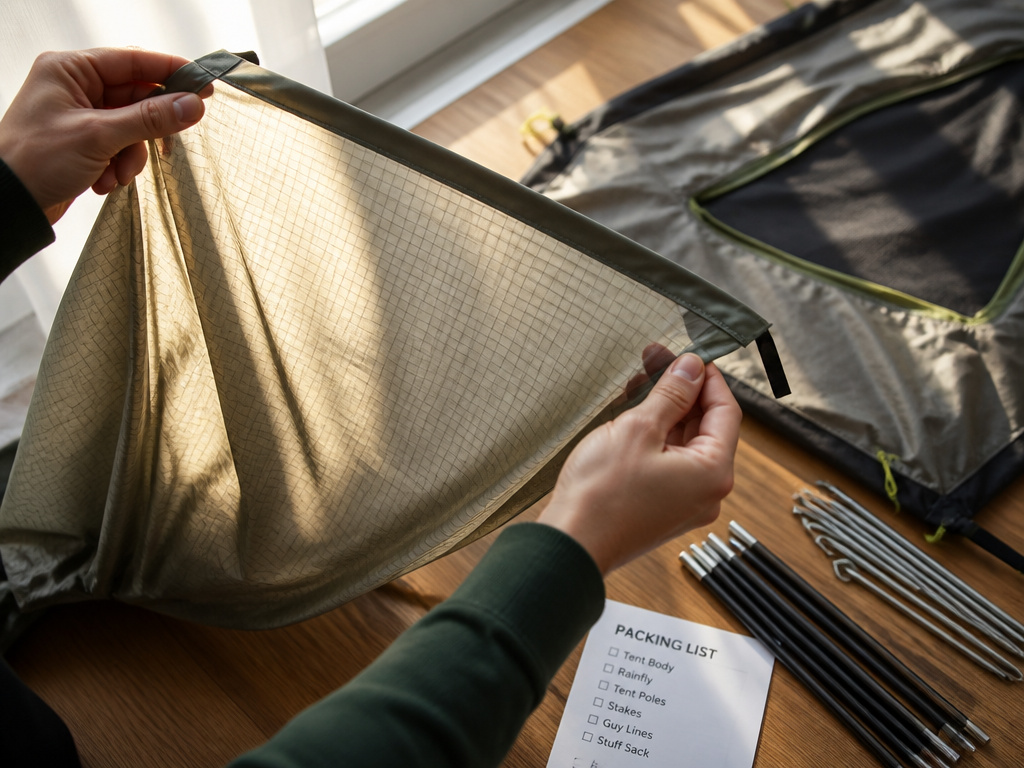
Your job isn’t done at checkout. Two actions now prevent 90% of post-purchase headaches.
First, secure your proof of purchase. Screenshot the order confirmation. Save the PDF receipt. For a high-value item like a tent, this is your only leverage if things go sideways. File it in a “Gear Receipts” folder.
Second, conduct a full inventory the day the box arrives. Don’t let it languish in the garage.
- Unpack everything on a clean floor.
- Lay out all parts against the manual’s packing list. Count every stake, guyline, and pole section.
- Assemble the poles, checking for any cracks or deep scratches.
- Unfold the tent and fly, holding them up to a light to spot any tiny holes, especially at seams.
- Test every zipper for smooth operation.
If anything is missing or damaged, contact the seller immediately. Most have a 48-72 hour window for reporting shipping damage. A missing pole bag is a simple fix now; a catastrophe two days before your trip.
Common mistake: Storing a new tent tightly rolled in its stuff sack, constant compression weakens fabric coatings and creates permanent creases in waterproof seals. Store it loosely in a large, breathable bag or hang it in a closet.
Frequently Asked Questions
How do I know if a tent will fit in my car?
Check the “packed size” in the specifications, not just the weight. A 9-person tent can have a surprisingly large volume. Compare the listed dimensions (LxWxH) to your trunk space. When in doubt, search “[tent model] packed in car” on YouTube for real-world visuals from other buyers.
Can I return a tent after I’ve used it on a trip?
This defines the retailer divide. Most big-box stores require the item to be unused and in original packaging. Specialty retailers like REI Co-op typically offer a satisfaction guarantee that allows returns within a year, even on used gear, if it’s in clean, resalable condition.
Are tents from Walmart or Target any good?
For basic, fair-weather car camping, absolutely. Brands like Coleman are adequate for occasional campground use. They are not designed for backpacking, heavy weather, or long-term durability. You’re trading high-end performance for an accessible price point.
What’s the most critical check for a used tent?
The smell. A musty, mildewy odor means mold spores are in the fabric, which will degrade coatings and never fully come out. Second, pitch it and inspect every pole segment for damage and all seams and zippers for wear. A clean, odor-free tent with a minor fixable issue is a great deal.
Do all tents include a full-coverage rainfly?
No. Many budget or instant tents have integrated weather protection or a minimal “sunshade” fly. A true rainfly is a separate sheet that covers the entire tent. Always verify in the product description. For real rain, a full-coverage fly is essential.
Is buying online always cheaper?
Often, yes, due to competition. However, in-store bundles at big-box stores (tent + sleeping bags + lantern) can offer unique value. For specialty gear, prices are usually consistent, but you’re investing in the service and expertise behind the product.
The Bottom Line
Your tent is more than a purchase; it’s a partner for your adventures. Where you buy it determines the support system you get when questions or problems arise. Let the tent’s job guide you: grab a simple family shelter from a big-box aisle, invest in a backpacking home with the help of a specialty shop expert, or hunt for a diamond-in-the-rough used deal if you’ve got a keen eye.
The most powerful move you can make happens before you even pull out your wallet. Find that official product manual. Those few PDF pages reveal the truth about packed size, setup complexity, and real-world limits. It turns a speculative buy into a confident investment in memories, not mishaps. Now get out there, your perfect shelter under the stars is waiting.
