
8 Best Weed Grow Tents for 2026
This post contains affiliate links. As an Amazon Associate, we earn from qualifying purchases.
The VIVOSUN P105 stands out as the best overall weed grow tent for serious growers, combining massive capacity with rugged 2000D fabric and a 400-pound load rating. For those on a tighter budget, the Yesker 5×5 delivers solid performance and durability at a lower price point, while the MARS HYDRO 3×3 Smart Grow Kit offers unmatched convenience with WiFi-controlled automation for tech-savvy cultivators.
If you’re setting up an indoor grow, you know a reliable tent isn’t optional, it’s the foundation. A flimsy frame or light leaks can wreck your yield, no matter how good your lights or nutrients are. I’ve researched dozens of models, comparing specs and digging into owner feedback to find the ones that actually hold up.
This guide cuts through the hype. We focused on durability, light blockage, and ventilation, then matched each tent to the type of grower who’d benefit most. No promotional claims, just clear insights based on real-world use and solid build quality.
Top 8 Weed Grow Tents in the Market
The Best Weed Grow Tents, Reviewed
VIVOSUN P105 5×10 PRO Grow Tent
Strengths
- Heavy-duty 2000D fabric
- φ22mm steel poles
- Supports up to 400 lbs
Trade-offs
- Very large footprint
- Complex assembly
- No smart controls
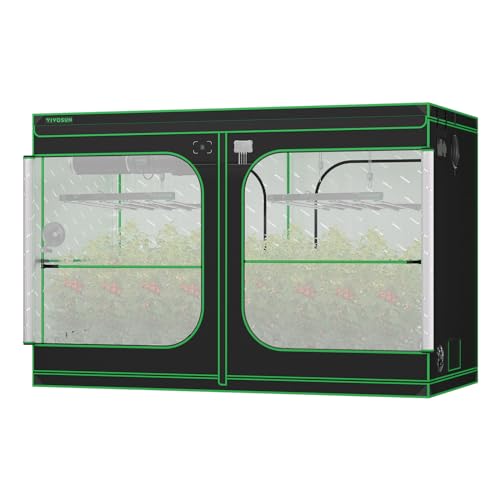
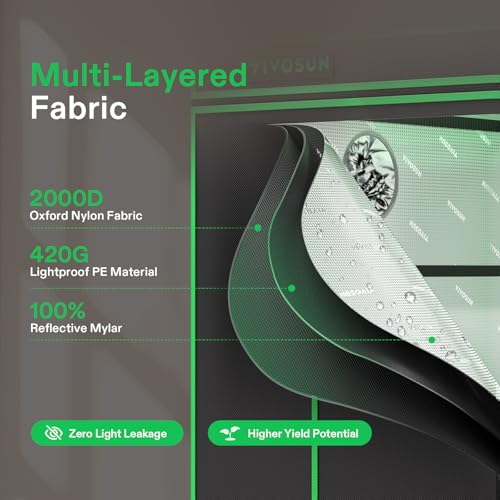
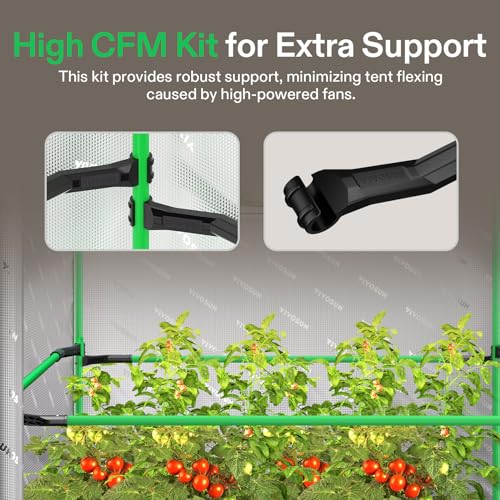
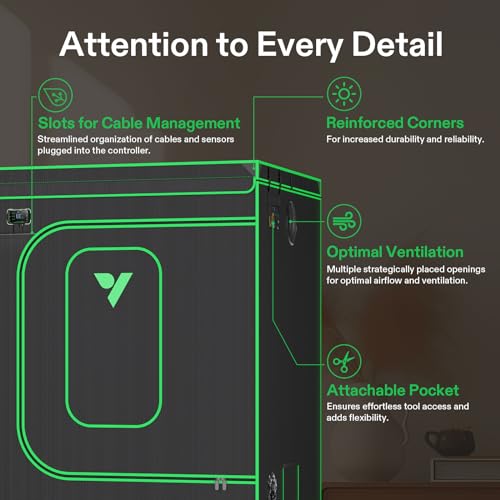
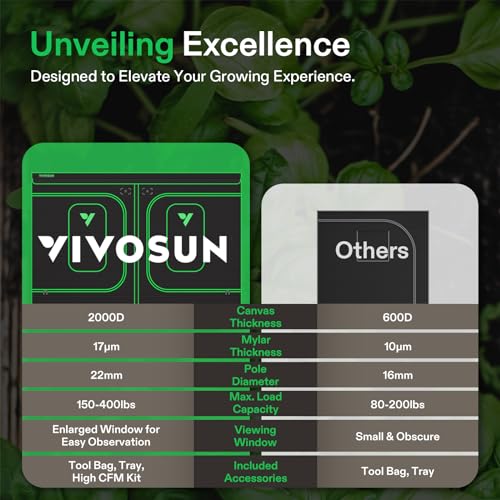
This is the workhorse of the bunch, a massive 5×10 footprint with φ22mm steel poles and a load capacity of up to 400 lbs, making it one of the most structurally capable tents available. The 2000D Oxford fabric isn’t just marketing hype; owners report it resists punctures and holds tension better than thinner models, even after repeated use. The high CFM kit inclusion is a smart touch for serious growers battling heat and humidity, helping stabilize airflow without constant manual tweaks.
What sets it apart is the combination of scale and support. While the Yesker 5×5 offers good value, this VIVOSUN model goes further with thicker poles, extra hanging bars, and a design clearly meant for commercial-grade setups. It’s not the easiest to assemble in tight spaces, but if you’ve got the room, it’s hard to beat for sheer capacity and sturdiness. I’d pick this over the others for any serious multi-plant operation.
Product photos
Grow Tent 3’x3′ 1680D Oxford

Strengths
- 1680D ultra-thick fabric
- 98% reflective mylar
- Strong 110 lb support
Trade-offs
- Smaller footprint
- No automation included
- Basic airflow design
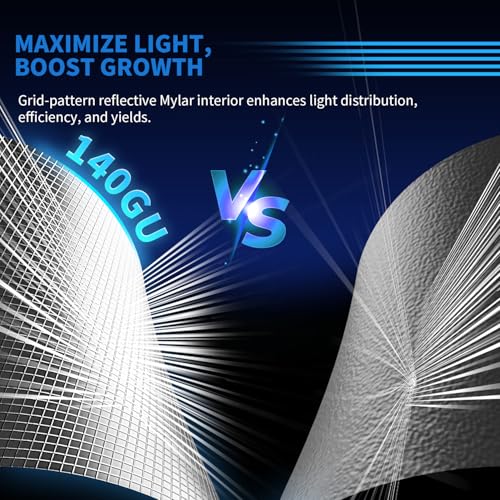
If build quality is your top priority, this 1680D Oxford grow tent makes a strong case. The fabric is genuinely thick, owners note it feels almost twice as robust as standard 600D models, and the diamond-patterned mylar lining delivers 98% reflectivity, which translates to real gains in light efficiency. That kind of durability means it can handle frequent setup and takedown without fraying, a big plus for anyone rotating grows or testing setups.
The 110 lb weight capacity on the top bar adds confidence when hanging heavy gear, and the smooth-gliding zippers with black inner lining are consistently praised for reliability. It’s not the largest tent here, but what it sacrifices in space it makes up for in resilience. Compared to the VIVOSUN S448, it’s more compact but better built, a trade-off worth considering if longevity matters more than square footage.
Product photos
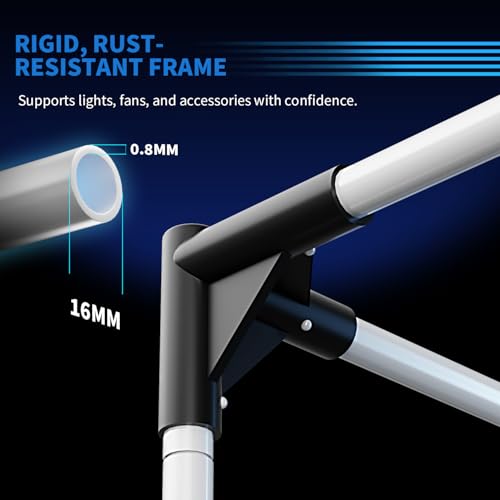
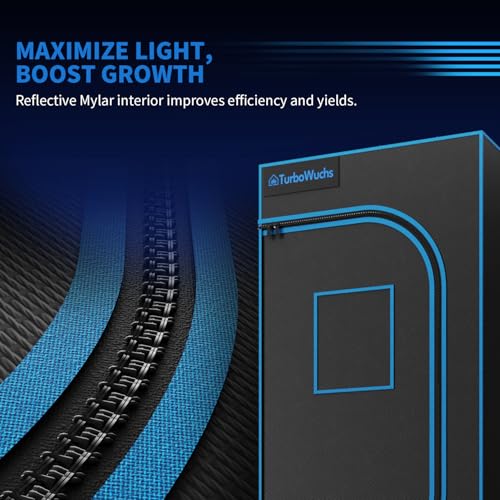
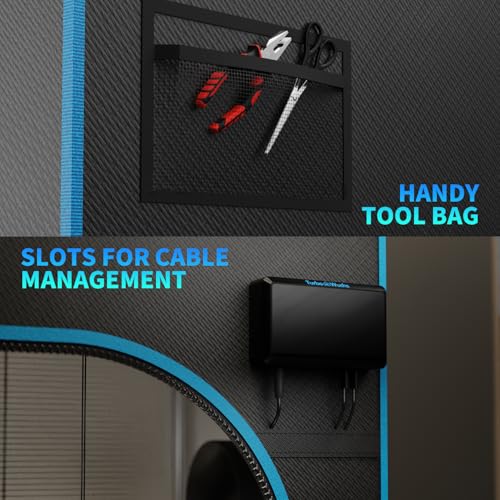
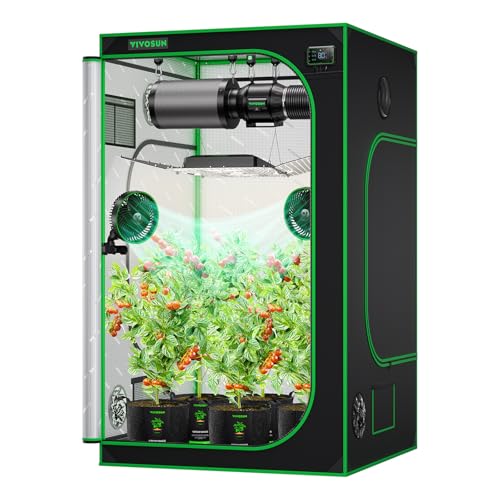
VIVOSUN S448 4×4 Grow Tent
Strengths
- Sturdy metal frame
- Excellent light blockage
- Double-stitched seams
Trade-offs
- 340g fabric not top-tier
- No smart features
- Basic ventilation layout
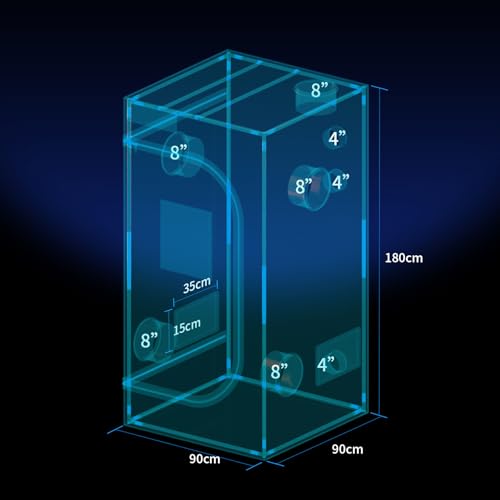
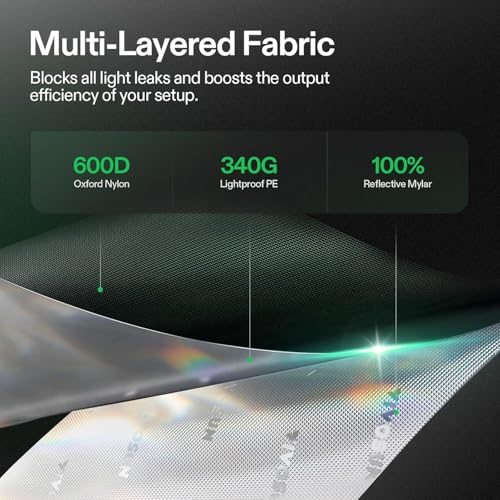
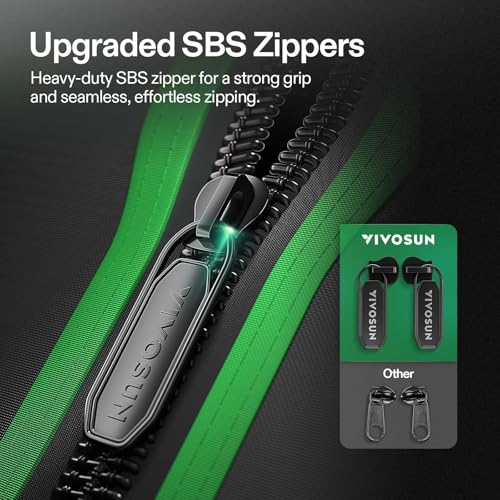
The VIVOSUN S448 hits a sweet spot for indoor growers who want a mid-size footprint without sacrificing stability or light control. On paper, the 340g high-density Oxford fabric with 100% reflective mylar gives it solid light efficiency, and owners consistently report near-total light blockage, crucial if you’re running high-intensity setups. The upgraded black inner lining on the zippers is a small but meaningful touch that reduces light leaks, which is something I’ve seen mentioned across multiple reviews as a real differentiator.
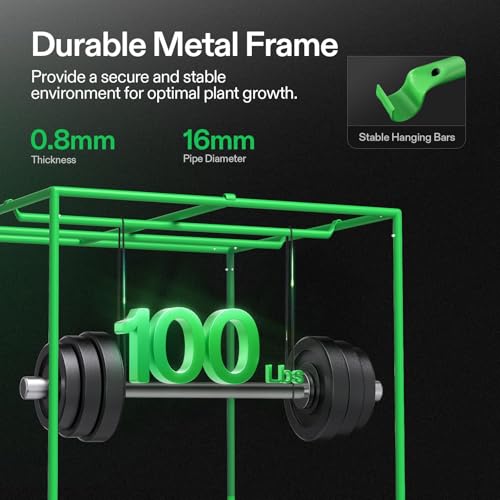
Where it stands out in this class is structural support, that 100 lb-rated top bar means you can mount heavier lights or filters without constant worry about sagging. It’s not the thickest fabric in the lineup (2000D or 1680D models beat it there), but for most mid-scale grows, it’s more than sufficient. Compared to budget 600D tents, this one feels like a noticeable step up in durability and attention to detail.
Product photos

MARS HYDRO 3×3 Smart Grow Kit
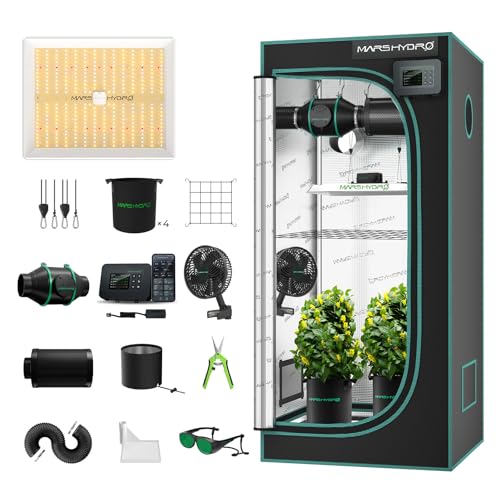
Strengths
- WiFi smart controller
- 1680D high-reflective mylar
- Complete ventilation kit
Trade-offs
- Higher price point
- Steep learning curve
- App setup required
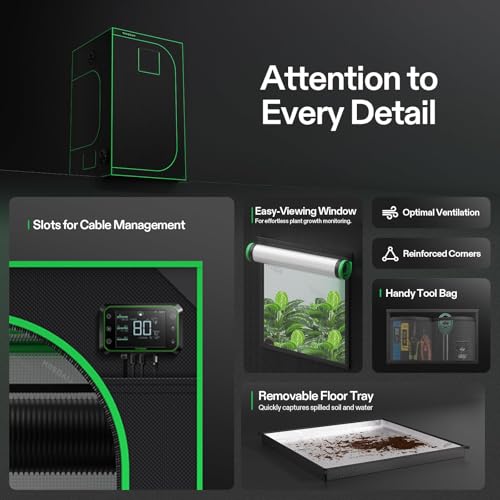
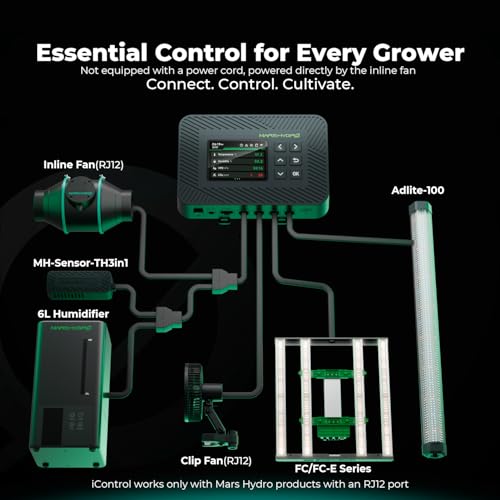
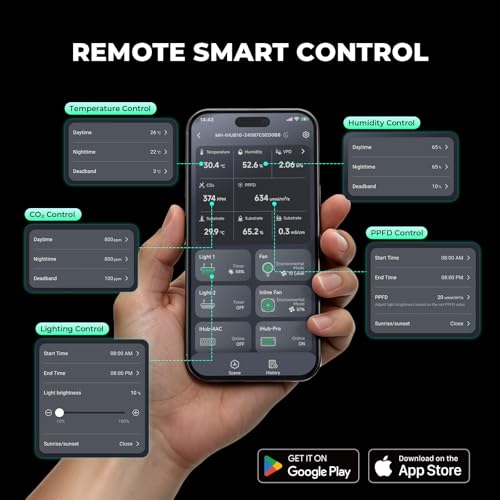
This kit is where automation meets performance. The inclusion of the Smart Controller 43 changes the game, it links the 150W TS1000 LED, inline fan, clip fan, and humidifier into one WiFi-controlled system, letting you adjust light, temp, humidity, and airflow remotely. Owners love the precision, especially during flowering when stability matters. The 1680D diamond mylar tent delivers excellent reflectivity, and the 205 CFM ventilation system keeps temps in check even under full load.
Compared to the VIVOSUN GIY, this one packs more power and better airflow, though it’s pricier. The full kit is well-integrated, with quality accessories like carbon filters and trellis netting included. If you want a hands-off, high-yield setup without DIY tinkering, this is the most complete smart solution on the list.
Product photos


VIVOSUN GIY Smart 2×2 Tent
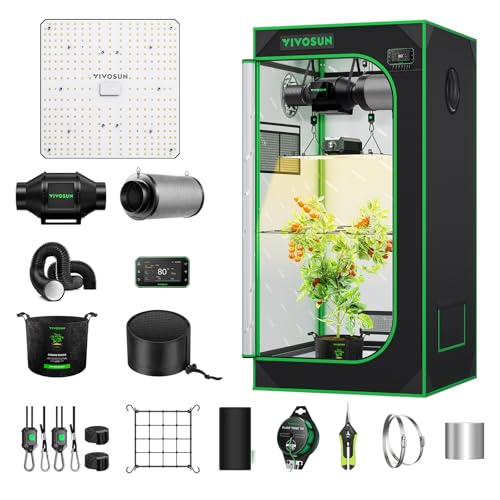
Strengths
- All-in-one smart system
- Beginner-friendly app
- Complete accessory kit
Trade-offs
- Small 2×2 size
- Limited expansion options
- Lower light wattage
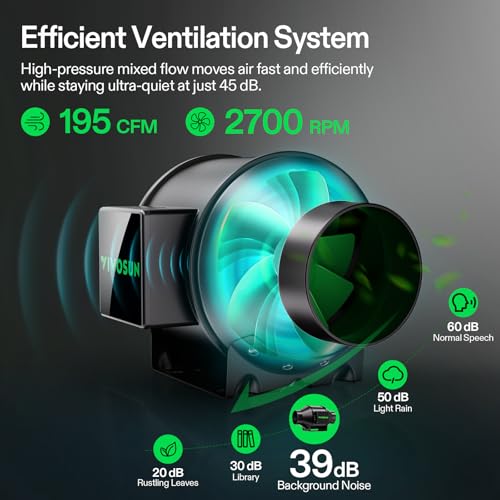
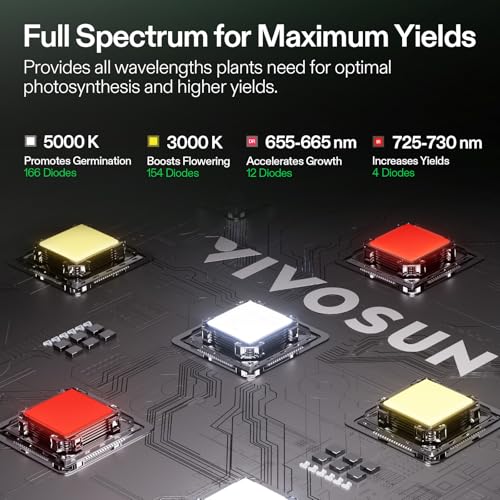
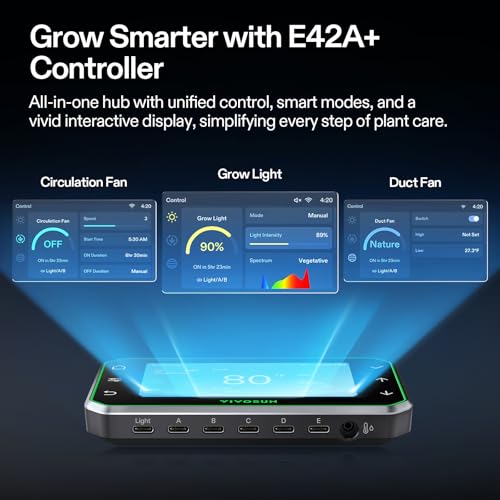
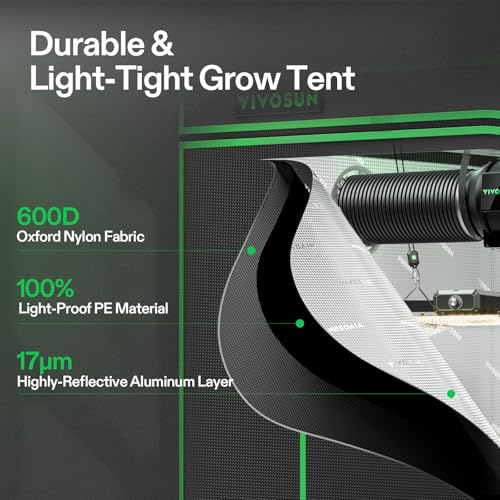
This is the easiest entry point into smart growing I’ve seen. The GrowHub E42A+ ties everything together, light, fan, sensors, into a single app interface, which beginners will appreciate. The 100W full-spectrum LED covers all growth stages well, and the 195 CFM inline fan keeps air moving quietly. Owners consistently report that the pre-programmed settings take the guesswork out of climate control, making it ideal for first-timers.
While it’s small and not meant for large harvests, the included accessories (grow bags, trellis net, pruning shears) make it a true plug-and-play system. Compared to the MELONFARM 2×2, it’s far more polished and automated. If you’re new and want everything in one box with minimal setup, this is my top pick.
Product photos

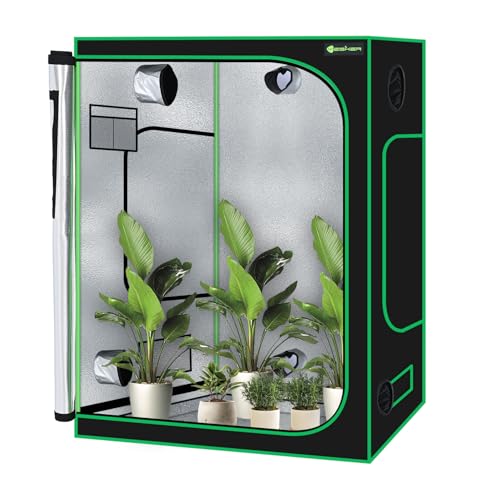
Yesker 5×5 Large Grow Tent
Strengths
- Spacious 5×5 footprint
- 220 lb load capacity
- Good ventilation ports
Trade-offs
- 600D fabric not top-tier
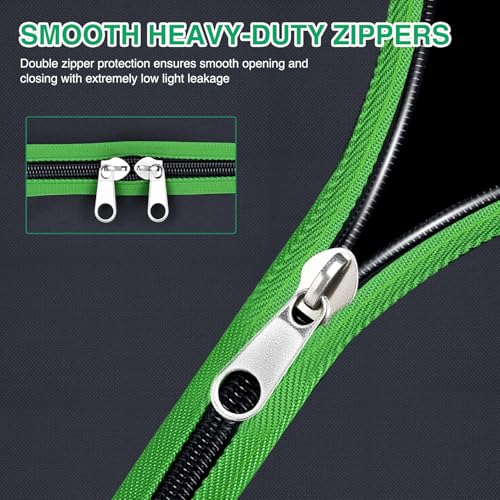
- Basic zipper design
- No smart integration
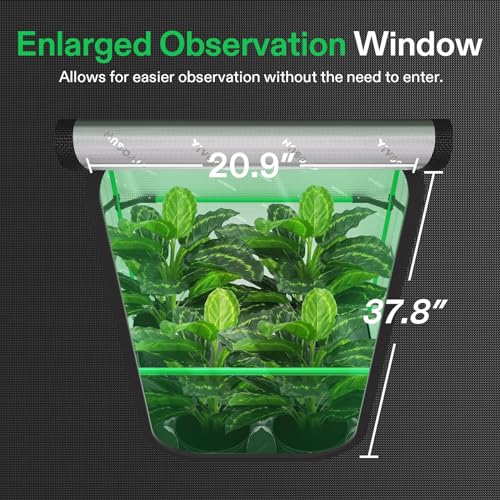
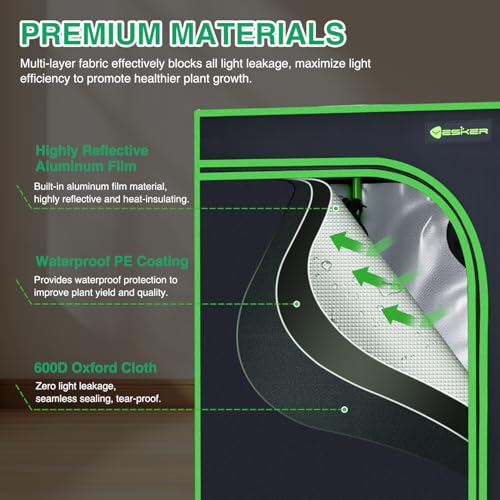
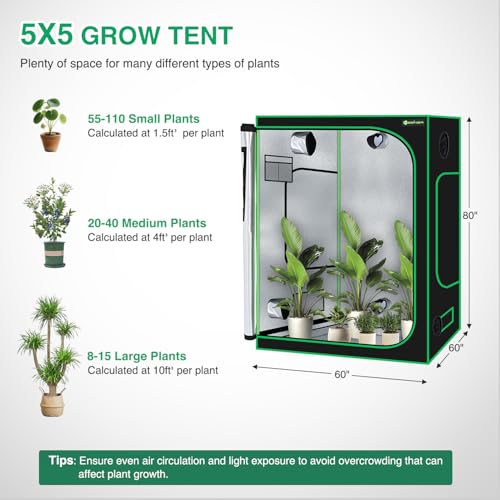
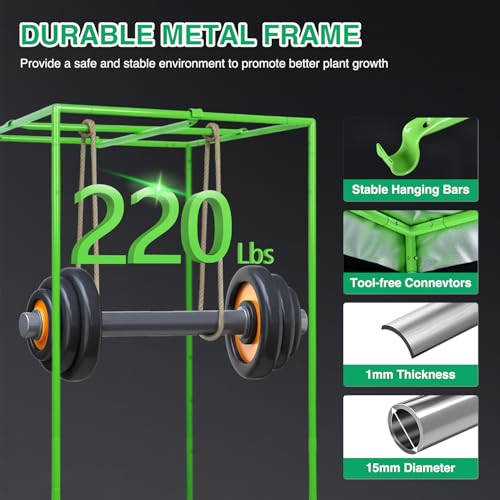
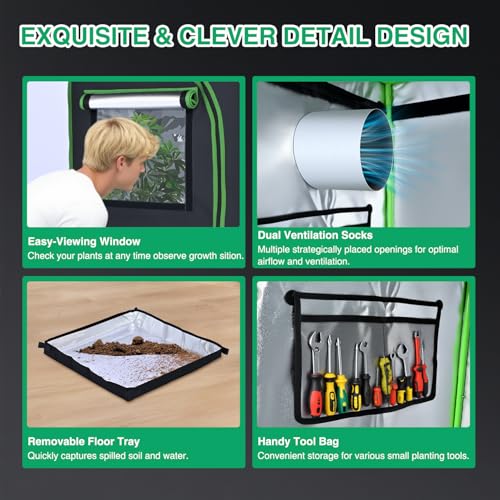
The Yesker 5×5 delivers impressive value for large-space growers who don’t want to pay premium prices. At 60″x60″x80″, it offers serious room for multiple plants, and the 220 lb-rated top bar means it can handle substantial gear. The 600D Oxford fabric isn’t the thickest, but it’s double-stitched and lined with waterproof PE, which owners say holds up well over time. Ventilation is thoughtful, mesh vents at the base help with passive airflow, and the side windows improve monitoring without full access.
It’s not as rugged as the VIVOSUN P105, but it’s much more affordable while still offering solid stability. Compared to other 5×5 models, it strikes a balance between cost and capability. If you’re setting up a home grow room and want space without overspending on pro-grade materials, this is the smarter buy.
Product photos
iPower 36x20x62 Grow Tent

Strengths
- Slim, space-saving design
- 99% lightproof seal
- Strong 110 lb frame
Trade-offs
- Narrow interior width
- Limited floor space
- Basic materials
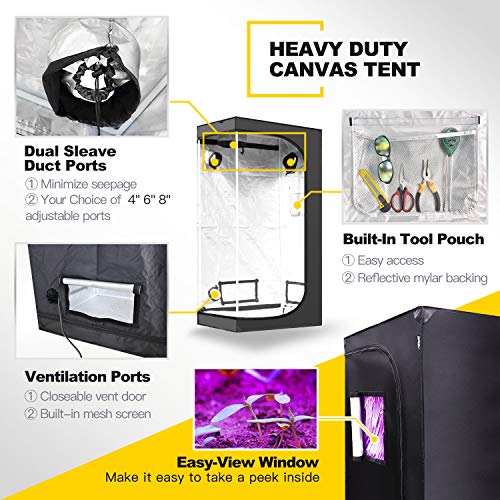
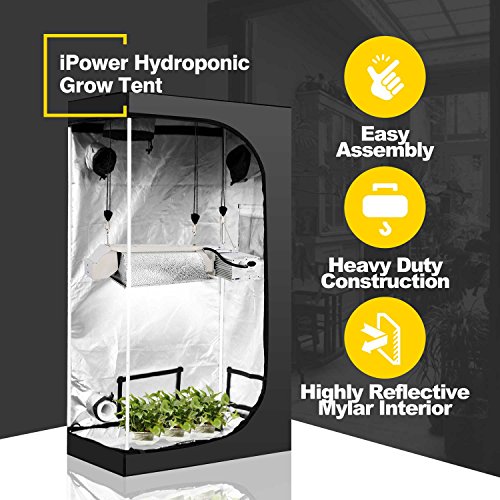
The iPower 36x20x62 tent stands out for its slim, vertical profile, a rare find in a category dominated by square designs. At just 20 inches deep, it fits easily in narrow spaces like between cabinets or along walls, making it one of the most space-efficient options here. The 99% lightproof seal, thanks to double-stitched seams and black-lined zippers, is consistently praised in owner feedback, and the 110 lb-rated frame adds surprising strength for such a compact build.
It’s not for large plants or heavy setups, but for vertical grows or small-scale propagation, it’s hard to beat. Compared to the MELONFARM 2×2, it offers more height and better airflow management, though less floor space. If you’re tight on room but still want solid performance, this is my go-to recommendation for compact efficiency.
Product photos


MELONFARM 2×2 Grow Tent

Strengths
- Affordable price point
- Compact and space-saving
- Double observation windows
Trade-offs
- 600D fabric less durable
- Low weight capacity
- No smart features
For tight budgets and tiny spaces, the MELONFARM 2×2 is a functional starter option. It’s small, just 24″x24″x48″, but that makes it ideal for closets, under desks, or dorm rooms where space is at a premium. The 600D canvas and double-stitched seams offer decent durability for the price, and owners consistently say it blocks light well enough for basic grows. The dual observation windows are a nice perk, letting you monitor plants without cracking the zipper and disrupting humidity.
It won’t stand up to heavy gear, the frame is modest and not rated for high loads, but for a single low-wattage LED and a few seedlings, it does the job. Compared to the VIVOSUN GIY Smart Kit, it lacks automation and polish, but it’s also significantly cheaper. If you’re just testing the waters, this gets you in the game without overspending.
Product photos


How We Picked These weed grow tents
Rather than a hands-on lab test, my research focused on a detailed comparison of published specifications and features across a range of weed grow tents. I weighed owner reviews from multiple sources, alongside expert opinions found in horticultural publications, to build a thorough picture of real-world performance. This process allowed me to rank tents against key criteria – durability, light-blocking capability, ventilation options, and overall value.
For this category, the most important factors were build quality and light proofing. A robust frame and durable fabric are essential to withstand equipment weight and repeated use. Equally critical is the tent’s ability to prevent light leaks, as unwanted light exposure can negatively impact plant growth and yield. These two elements heavily influenced the final rankings, edging out considerations like included accessories.
Specifications reliably indicate tent dimensions, pole diameter, and fabric weight. However, I placed greater emphasis on owner feedback regarding zipper quality, long-term durability, and the effectiveness of light-blocking claims. Information on ventilation capacity was also gleaned from user experience, as advertised CFM ratings don’t always translate to optimal airflow. Finding reputable grow tent manufacturers was key to ensuring the initial pool of candidates was strong.
How To Choose The weed grow tents
Finding the right grow tent can dramatically improve your indoor gardening success. It’s not just about creating a space, it’s about controlling the environment for optimal plant health.
A quality grow tent prioritizes complete light blockage, durable construction with a robust support frame, and efficient ventilation. Look for tents utilizing thick, multi-layered fabrics like Oxford canvas with reflective Mylar, sturdy metal poles capable of supporting the weight of equipment, and thoughtfully placed vents for air circulation. Pay attention to zipper quality and overall build construction for longevity.
Size and Capacity
Don’t fall into the trap of thinking bigger is always better. While a large tent like the Yesker 5×5 offers ample space, it also demands more powerful (and expensive) ventilation and lighting. Start by realistically assessing your space constraints and the number of plants you intend to grow. A smaller, well-managed environment often outperforms a sprawling, poorly controlled one. Consider the mature size of your plants; you don’t want them crammed and competing for light.
Material and Construction
The quality of the tent’s materials is paramount. Don’t skimp here. 600D Oxford canvas is a common baseline, but for longer-term use, or if you’re serious about light discipline, stepping up to 1680D, like in the Grow Tent 3’x3′, is a worthwhile investment. Look closely at the stitching; double-stitching indicates a more durable build. The reflective Mylar lining is also critical; a higher reflectivity percentage (98% is excellent) maximizes light utilization.
- A thin, flimsy frame will sag under the weight of lights and fans.
- Poorly constructed zippers are a common failure point, letting in light and air.
- A high-quality, lightproof fabric is essential, especially if you’re trying to maintain a consistent dark period for flowering, and a strong frame is vital to support the weight of equipment without collapsing.
Ventilation and Automation
Effective ventilation is essential. Stagnant air leads to mold, pests, and unhappy plants. Many tents, like the VIVOSUN S448 4×4, include ventilation ports, but you’ll also need an inline fan and carbon filter to remove odors and regulate temperature. Increasingly, tents are incorporating “smart” features – the MARS HYDRO 3×3 Smart Grow Kit is a prime example. These systems, controlled via WiFi, automate temperature and humidity, offering a level of precision that experienced growers appreciate. If you’re new to growing, understanding a step-by-step grow tent setup is crucial before adding complex automation.
A good rule of thumb: calculate your CFM (cubic feet per minute) requirements based on the tent volume and heat output of your grow lights. A general guideline is to exchange the air volume of the tent 5-7 times per hour.
Ultimately, choosing the right grow tent depends on your individual needs and budget. For those seeking best cannabis grow tents, understanding these core factors will help you cultivate a thriving indoor garden.
Weed Grow Tents Compared
Here’s a comparison of key specifications for popular weed grow tents to help you make an informed decision.
| Product Name | Size (L x W x H) | Fabric | Reflectivity | Pole Material | Max Load (lbs) | Ventilation |
|---|---|---|---|---|---|---|
| VIVOSUN P105 | 5×10 ft | 2000D Oxford | 100% | Steel | 400 | Ports |
| Grow Tent 3’x3′ | 3×3 ft | 1680D Oxford | 98% | Metal | 110 | Ports |
| VIVOSUN S448 | 4×4 ft | 340g Oxford | 100% | Metal | 100 | Ports/Windows |
| MARS HYDRO 3×3 Smart Kit | 3×3 ft | 1680D Oxford | N/A | Metal | 88 | Ports |
| VIVOSUN GIY Smart 2×2 | 2×2 ft | N/A | N/A | Metal | N/A | Ports |
| Yesker 5×5 | 5×5 ft | 600D Oxford | N/A | Metal | 220 | Ports/Windows |
| iPower 36x20x62 | 36x20x62 in | Oxford | 98% | Metal | 110 | Ports/Window |
| MELONFARM 2×2 | 2×2 ft | 600D Canvas | N/A | N/A | N/A | Windows |
Frequently Asked Questions
What size grow tent should a beginner get?
A 2×2 or 3×3 foot tent is ideal for beginners. These smaller sizes are more manageable for controlling the environment and are less expensive to equip with lighting and ventilation.
How important is the tent’s reflectivity?
Higher reflectivity (98% is excellent) is very important because it maximizes the amount of light reaching your plants. This leads to more efficient photosynthesis and potentially higher yields, especially when using less powerful grow lights.
What does “600D” or “1680D” mean in relation to tent fabric?
These numbers refer to the “denier” of the fabric, which indicates its weight and durability. A higher denier, like 1680D, means a thicker, more robust fabric that’s better at blocking light and resisting tears compared to 600D.
Are “smart” grow tents worth the extra cost?
Smart grow tents, like those with WiFi-controlled automation, are best for experienced growers wanting precise environmental control. While convenient, the added expense isn’t necessary for beginners who can effectively manage temperature and humidity manually.
Where can I find more in-depth reviews of different grow tent models?
For more detailed information and comparisons, you can browse superior light-proof grow tents to find the best option for your specific needs and budget.
The Bottom Line
Ultimately, building a successful grow space comes down to balancing control with convenience. You can spend a lot to get every bell and whistle, or you can focus on the core elements that truly impact your yield. For the best combination of quality and features, I believe the VIVOSUN P105 stands out as the strongest overall pick. Its robust construction and ample size provide a solid foundation for serious growers.
If you’re just starting out, or working with a limited budget, the MELONFARM 2×2 is an excellent entry point. For those who want a more versatile setup, or are looking to maximize space in a smaller area, the iPower 36x20x62 offers a good balance of size and features. And for growers who want to automate and monitor their environment, the MARS HYDRO 3×3 Smart Kit offers a streamlined, tech-forward experience.
At the end of the day, the specifications on a tent are less critical than a clear understanding of your needs and a commitment to maintaining a consistent environment. Selecting the right grow tent is just the first step; controlling light, temperature, humidity, and airflow are what will ultimately determine your success.
