
7 Best Lightweight Tents for 2026
This post contains affiliate links. As an Amazon Associate, we earn from qualifying purchases.
The Clostnature 1 Person and Clostnature 2 Person stand out as the top choices for lightweight backpacking, offering strong weather protection and quick setup without breaking the bank. For budget-focused campers, the Night Cat 1-2 Person delivers solid value and versatility for solo or occasional two-up trips.
Lightweight tents promise freedom, less strain on your back, more miles in a day, but too many cut corners that leave you wet, cramped, or wrestling poles in the dark. I’ve seen it happen more times than I can count, and it’s never pretty.
This guide cuts through the hype. Based on a deep explore specs, real-world owner feedback, and years spent evaluating what actually holds up on the trail, I’ve pinpointed the models that balance weight, durability, and livability without sacrificing performance when the weather turns.
Top 7 Lightweight Tents in the Market
The Best Lightweight Tents, Reviewed
Clostnature 1 Person Ultralight Tent

Strengths
- True ultralight
- Excellent waterproofing
- Great ventilation
Trade-offs
- Tight on space for tall users
- Vestibule not huge
- Higher price
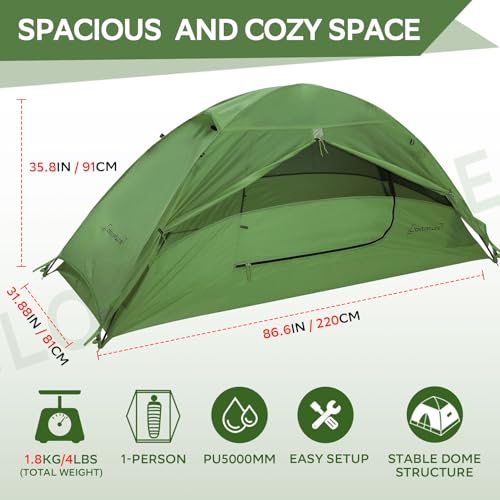
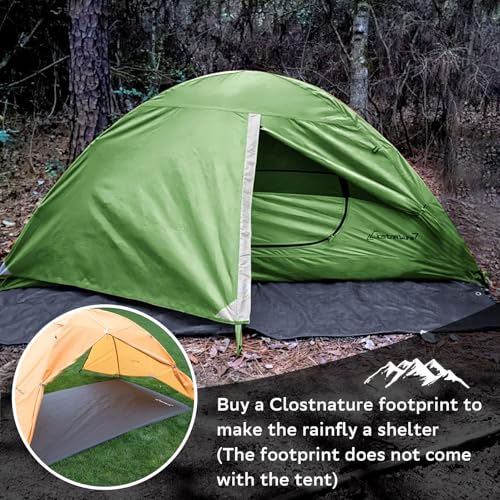
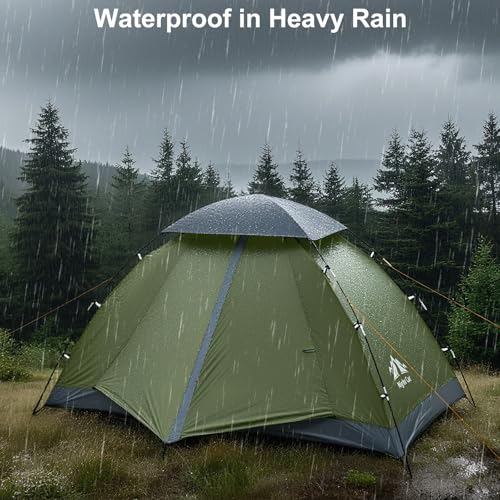
This is the one to beat in the solo tent category. At 4 pounds total and a trail weight of just 2.97 pounds, it’s genuinely lightweight without sacrificing durability. The PU 5000 coating and sealed seams mean it’s been tested in downpours and comes out dry, owners consistently praise its stormworthiness. The freestanding design with aluminum poles makes pitching solo a breeze, and the D-shaped door with large vestibule adds real usability.
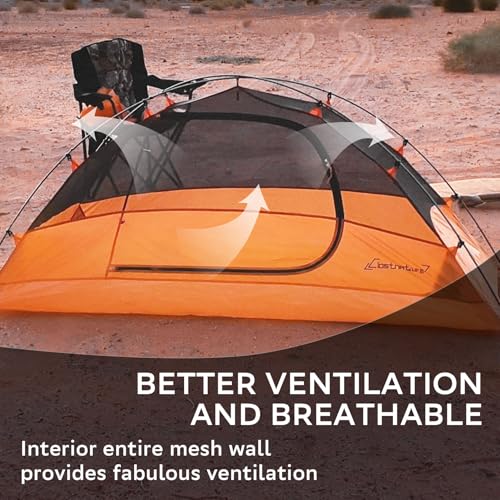
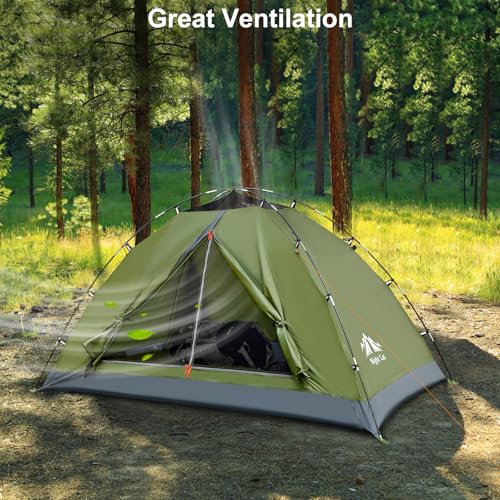
The 7.3×2.8-foot floor isn’t huge, but it’s enough for a sleeping pad and gear, and the 3-foot height lets you sit up comfortably. Ventilation is excellent thanks to the full mesh walls and adjustable guy lines that reduce condensation. Compared to others in this list, it strikes the best balance of weight, weather protection, and ease of use. My recommendation for most solo backpackers? This is the smarter buy over bulkier or less durable options.
Product photos

Night Cat 1-2 Person Backpacking Tent

Strengths
- Affordable
- Compact pack size
- Hand-protecting poles
Trade-offs
- Single wall design
- Basic ventilation
- Fiberglass poles
If budget is tight but you still want a functional solo tent, this Night Cat model delivers. At 4.4 pounds and a compact 16.5-inch pack size, it’s portable enough for backpacking, and the double-layer pole sleeves help prevent hand scrapes, a small but appreciated detail owners highlight. The PU 3000 coating and taped seams keep rain out in most conditions, though long storms may test its limits.
Setup takes 1-2 minutes with traditional pole sleeves, which is slower than clip designs but still manageable. The single-layer construction simplifies packing but sacrifices some breathability, expect more condensation than in double-wall tents. It’s not built for extreme weather, but for fair-weather hikes, scout trips, or backyard adventures, it works. I’d take this over a pop-up for actual trail use, but skip it if you’re facing wind or cold.
Product photos


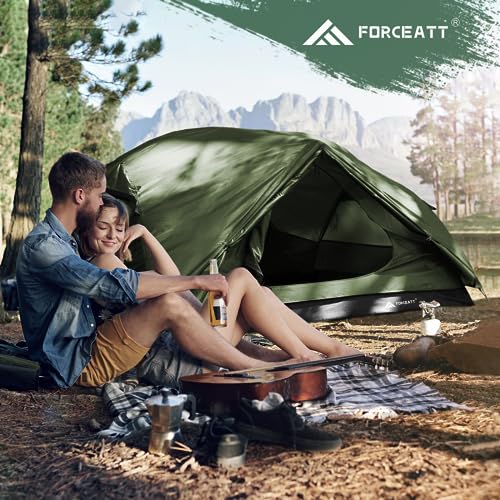
Forceatt 2 Person Aluminum Pole Tent

Strengths
- Excellent storm protection
- Strong ventilation
- Durable zippers
Trade-offs
- Heavier than average
- Packed size large
- No included stakes
When wind and rain are in the forecast, this Forceatt tent stands out. The PU 3000 waterproof rating is backed by real water testing, and the welded floor design lifts the tent body slightly off wet ground, a detail owners appreciate after rainy nights. The full-coverage rainfly and dual D-shaped doors with large vestibules make gear access easy without letting in water.
Setup in under three minutes is doable thanks to the 7001-series aluminum poles and smooth #8 zippers, which reviewers say rarely snag. Ventilation is strong with ceiling vents and micro-mesh panels, reducing condensation even in cooler, damp weather. At 5.5 pounds, it’s not ultralight, but the trade-off is ruggedness. I’d pick this over lighter models if I were camping in shoulder seasons or exposed areas where weather could turn.
Product photos


Clostnature 2 Person Ultralight Backpacking Tent

Strengths
- Good weather protection
- Spacious with vestibules
- Aluminum poles
Trade-offs
- Heavier than ultralight options
- Condensation in humidity
- Packed size not tiny
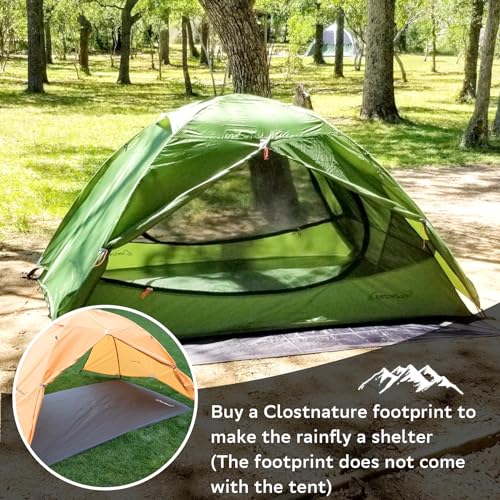
At 5.29 pounds, this isn’t the lightest two-person tent, but it hits a sweet spot between weight, space, and price for lightweight family use. The 220x150cm floor gives room for two without feeling cramped, and the dual vestibules are a real upgrade, reviewers love having space to stash muddy boots or packs. The PU 5000 coating on the fly and bathtub floor means it holds up well in rain, and the factory-sealed seams add confidence in wet conditions.
The aluminum poles make it freestanding and easy to pitch solo, which owners say takes under five minutes. Breathability is solid thanks to the full mesh inner, though warmer nights can still bring some condensation. Compared to budget models, this one feels more durable, but it’s not ultralight by thru-hiker standards. I’d pick this over heavier dome tents for weekend trips where comfort matters more than shaving ounces.
Product photos



Night Cat Upgraded Clip Setup Tent

Strengths
- Fast clip setup
- Good storm protection
- Roomy for one
Trade-offs
- Fiberglass poles
- Moderate breathability
- Heavier than ideal
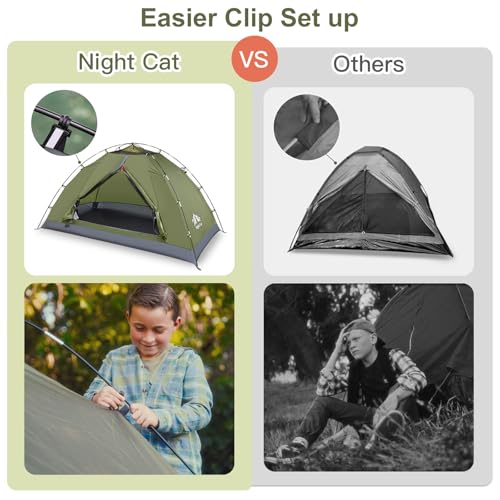
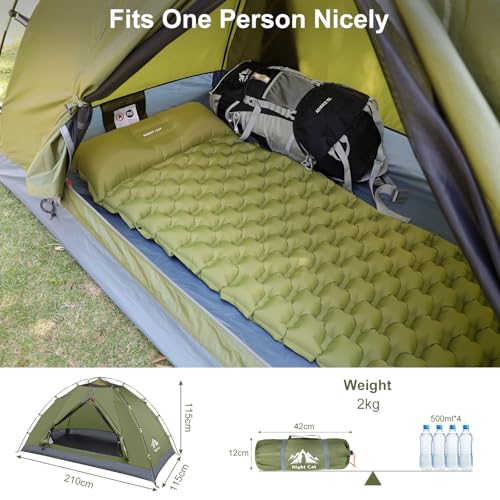
The clip-style pole attachment is the real win here, instead of threading poles through sleeves, you snap them into place, and owners say setup takes about a minute. That’s a big upgrade for anyone frustrated with fiddly pole guides, especially in the dark or cold. At 4.4 pounds, it’s not ultralight, but the 7×3.8-foot interior gives a solo hiker real room, and it can squeeze in a kid or dog if needed.
The 210T polyester with PU 3000 and taped seams keeps most users dry, though long storms push its limits. The fiberglass poles are sturdy enough for moderate winds, but aluminum would be better for exposed ridgelines. Ventilation is decent with the roof mesh and front door, but no ceiling vents mean some condensation on still nights. For the price, it’s a strong performer, I’d recommend it over older sleeve-style designs if speed and simplicity are priorities.
Product photos

Amazon Basics Dome Camping Tent

Strengths
- Low cost
- Easy setup
- Decent size
Trade-offs
- Basic weather protection
- Poor ventilation
- Heavy for backpacking
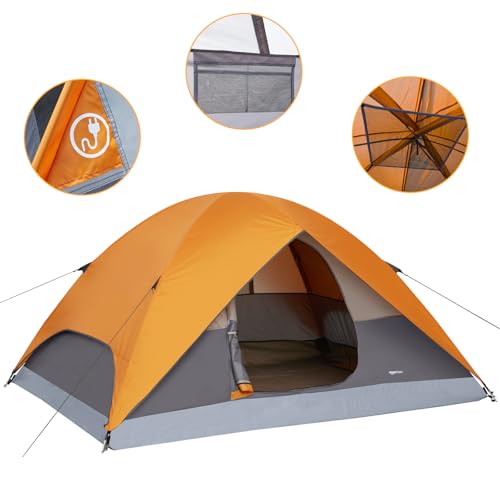
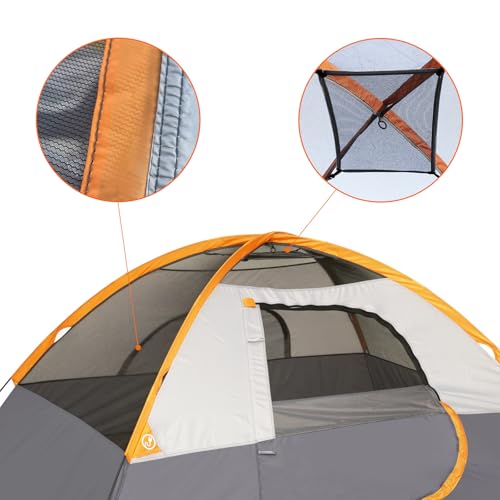
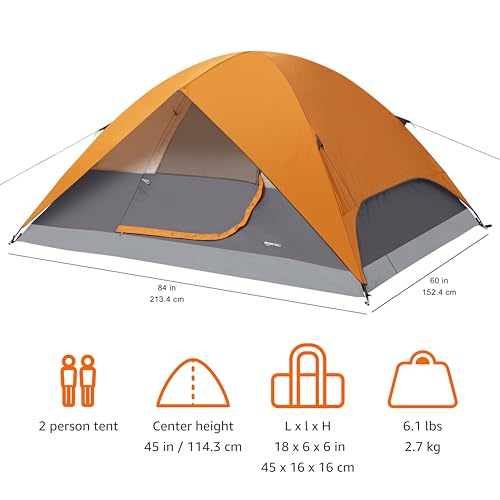
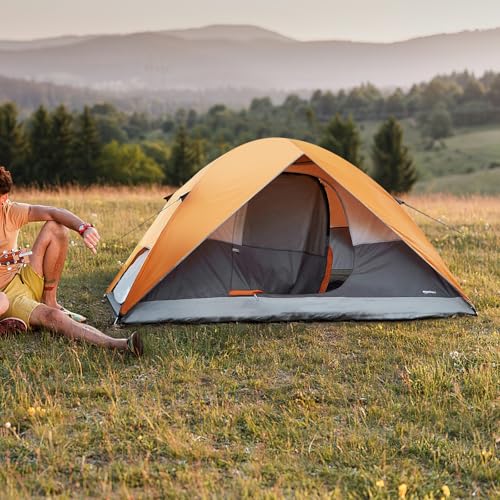
This is the bare-minimum tent for someone dipping into backpacking or needing a spare. The dome design sets up in under four minutes with snag-free sleeves, and the welded seams offer decent water resistance, enough for light rain. At 7×5 feet, it fits two adults, though the 45-inch center height means no one stands. It’s not ultralight, and the polyester isn’t as breathable as higher-end fabrics, so expect some dampness on humid nights.
Owners report it’s fine for car camping or short weekend trips, but not trusted in wind or heavy rain. The lack of a full-coverage rainfly and minimal guy line points limit its weather readiness. Compared to the Clostnature or Forceatt models, it’s less durable and less ventilated. But for a first-time buyer or occasional user, it’s a low-risk entry point. I’d keep this as a backup, not a primary shelter.
Product photos

Pop Up Tents for Camping 4 Person

Strengths
- Instant setup
- Spacious floor
- Vestibule included
Trade-offs
- Heavy and bulky
- Poor ventilation
- Not stormworthy
This is the tent you grab when setup speed matters more than pack size or weight. The instant pop-up design works as advertised, owners consistently report getting it open and standing in under a minute, no experience needed. That makes it a solid pick for casual campers, festivals, or backyard stays where you want shelter fast and don’t want to wrestle poles. On paper, the 9.2 x 6.6-foot floor gives real space for four, though headroom at 4.3 feet means most adults will crouch.
It’s not built for serious backcountry use. The 190T polyester and PE groundsheet aren’t as durable or breathable as higher-end fabrics, and reviewers note condensation builds quickly in humid conditions. The vestibule helps keep gear dry, but storm performance is iffy, fine for light rain, but not trusted in sustained downpours. I’d lean on this for fair-weather car camping or emergency backup, not alpine treks.
Product photos


How We Picked These lightweight tents
I approached researching lightweight tents by focusing on a detailed comparison of published specifications and features across numerous models. We then weighed these technical details against owner reviews from major retailers and expert opinions found in outdoor publications. My goal was to identify key differentiators and overall value, rather than a hands-on lab test. This research-led comparison allowed us to rank tents based on consistent criteria.
For lightweight tents, the most important factors are undoubtedly weight and durability. A tent’s ability to withstand wind and rain is also critical, as is its ease of setup. These components directly impact the backpacking experience, and a failure in any one area can quickly ruin a trip. We prioritized tents with robust waterproof ratings, strong pole materials, and designs that minimize weight without sacrificing structural integrity.
Specifications reliably indicate waterproofness, weight, and packed size, but owner feedback was essential for judging real-world performance. I found accounts of how tents held up in challenging conditions, during heavy downpours, for example, and how easy or difficult they were to pitch in practice. Reading about long-term durability, especially regarding zippers and seam sealing, provided valuable insights beyond what a spec sheet can tell you. Understanding the benefits of pop-up tents also informed our assessment of quick-setup options.
What To Look For In lightweight tents
Picking the right lightweight tent requires more than just glancing at the weight on the package. It’s about finding the sweet spot between packability, durability, and livability for your kind of adventures.
A quality lightweight tent balances low weight with dependable weather protection and robust construction. Key considerations include fabric denier (lower is lighter, but less durable), pole material (aluminum is stronger and lighter than fiberglass), and overall tent design for optimal space-to-weight ratio. Buyers should also evaluate the waterproof rating of the rainfly and floor, and the quality of the tent’s seams and zippers.
Weight & Pack Size
Let’s be real: weight is the driving factor for most of us seeking a lightweight tent. However, don’t fall into the trap of chasing the absolute lightest number at the expense of everything else. A super-minimalist tent might be amazing for a solo thru-hike, but utterly miserable for a weekend with a partner. Consider the total packed size too. A compact tent slips easily into your pack, leaving room for other essentials. I often see people prioritize weight to the detriment of usable space, and then regret it when they’re crammed inside during a rainy afternoon.
Weather Protection & Durability
Lightweight doesn’t have to mean flimsy. Look at the denier (D) of the fabrics used – this indicates the yarn thickness and, generally, durability. Lower denier means lighter fabric, but it’s also more prone to tears. PU coatings (polyurethane) indicate the waterproof rating; 1500mm is acceptable for light rain, but 3000mm or higher is preferable for more serious conditions. Beyond the numbers, pay attention to construction details. Reinforced stress points and taped seams are crucial for preventing leaks, and the quality of the zippers makes a surprisingly big difference. If you’re frequently exposed to high winds, exploring top ultra-light tents for backpacking with robust pole structures is a smart move.
Setup & Livability
A tent should make camping easier, not harder. Quick and intuitive setup is invaluable, especially when you’re setting up camp in the dark or in inclement weather. Freestanding tents are generally easier to pitch, as they don’t require staking. Beyond setup, think about livability.
- Vestibules: A small vestibule is nice, but a larger one offers a dry space for storing gear.
- Doors: Two doors are a luxury, especially for two-person tents, preventing one person from climbing over the other.
- Headroom: While a low-profile tent is more aerodynamic, enough headroom to comfortably sit up is a worthwhile consideration for longer trips.
Remember, understanding tent construction materials – like the differences between various types of nylon and polyester – will empower you to make a more informed decision.
Don’t sacrifice a good night’s sleep for a few ounces. Prioritize a tent that keeps you dry, comfortable, and protected from the elements, even if it means adding a little weight to your pack.
Lightweight Tents Compared
Here’s a comparison of key specifications for several lightweight tents to help you choose the best option for your needs.
| Tent Model | Capacity | Weight (lbs) | Trail Weight (lbs) | Waterproof Rating (mm) | Setup Style |
|---|---|---|---|---|---|
| Clostnature 1 Person | 1 | 4.0 | 2.97 | 5000 | Quick Setup |
| Night Cat 1-2 Person | 1-2 | 4.4 | N/A | 3000 | Quick Setup |
| Forceatt 2 Person | 2 | 5.5 | N/A | 3000 | Quick Setup |
| Clostnature 2 Person | 2 | 5.29 | 4.52 | 5000 | Quick Setup |
| Night Cat Upgraded Clip Setup | 1 | 2.0 | N/A | 3000 | Clip Setup |
| Amazon Basics Dome Camping Tent | 2 | N/A | N/A | N/A | Standard |
| Pop Up Tents for Camping 4 Person | 4 | N/A | N/A | N/A | Instant |
Frequently Asked Questions
What waterproof rating do I actually need for a lightweight tent?
A 1500mm waterproof rating is sufficient for light rain and dew, but for reliable protection in heavier storms, I recommend a rating of 3000mm or higher for both the rainfly and the tent floor. Higher numbers mean better resistance to water penetration.
Are freestanding tents really easier to set up?
Yes, freestanding tents are generally simpler to pitch because they don’t rely on stakes for structural stability. This is especially helpful on rocky or hard ground where driving stakes is difficult, or when you need a quick setup in poor weather.
What’s the difference between “weight” and “trail weight”?
“Weight” refers to the total weight of the tent including everything in the package (poles, stakes, guylines, etc.). “Trail weight” is the weight of just the essential components – tent body, rainfly, and poles – excluding stakes and guylines, offering a more accurate representation of what you’ll carry.
How important is the denier (D) of a tent’s fabric?
Lower denier fabrics are lighter, which is ideal for lightweight tents, but they’re also less durable. For a balance of weight and tear resistance, I suggest looking for fabrics in the 20D to 40D range, and reinforced areas on the tent body.
I’m camping with two friends. Should I consider a larger tent or three individual tents?
For a group of three, consider the benefits of spacious lightweight group tents. A larger tent offers more communal space, but three individual tents provide more privacy and flexibility, depending on your group’s preferences.
The Bottom Line
Choosing a lightweight tent always comes down to balancing what you’re willing to sacrifice. Do you prioritize absolute minimum weight, or a bit more comfort and weather protection? For the best overall combination of features, durability, and value, I recommend the Clostnature 2 Person tent. It offers a solid balance for most backpacking trips without breaking the bank.
If you’re on a tighter budget, the Amazon Basics Dome Camping Tent is a surprisingly capable option. And for those who value quick setup above all else, the Pop Up Tents for Camping 4 Person delivers on instant shelter. But remember, these are specialized picks – the best tent for you depends on your specific needs and adventures.
Ultimately, don’t get too caught up in chasing the perfect specs. Focus on a tent with a reliable waterproof rating, durable fabrics (understanding tent fabric materials), and a design that suits your camping style. A well-chosen tent is an investment in comfortable nights and memorable experiences under the stars.
