
6 Best Lightweight 3 Man Tents 2026
This post contains affiliate links. As an Amazon Associate, we earn from qualifying purchases.
The best lightweight 3-man tent overall is the Clostnature 3P Ultralight Tent, with the Clostnature Lightweight 3P Tent as a solid budget-friendly alternative. If you need a durable, weather-ready option that still keeps weight in check, the Marmot Crane Creek 3P Tent stands out for its reliable build and strong pole structure.
Picking a 3-person tent that’s actually light enough to carry on a backpacking trip is harder than it looks. Too many compromise on space, durability, or weather resistance just to hit a low weight. After comparing specs and owner feedback across dozens of models, I focused on those that truly balance packability with real-world comfort.
This guide covers what matters most: weight, floor space, waterproofing, and ventilation. I ranked each tent based on published data, user experiences, and my own knowledge of tent design, so you can trust these picks won’t leave you wet, cramped, or cursing your pack.
Top 6 Lightweight 3 Man Tents in the Market
The Best Lightweight 3 Man Tents, Reviewed
Clostnature 3P Ultralight Backpacking Tent

Strengths
- Spacious interior
- PU 5000 waterproofing
- Dual vestibules
Trade-offs
- Slightly heavier than elite ultralights
- Stakes could be stronger
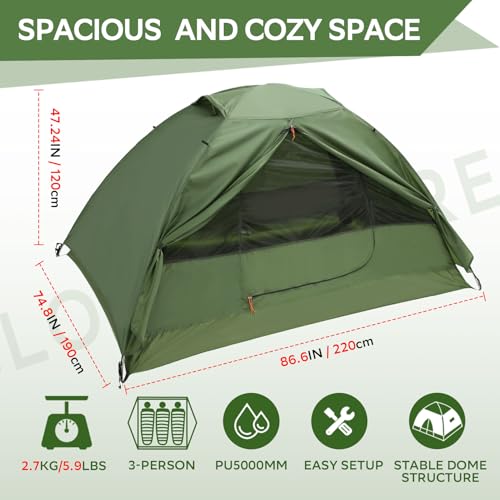
This Clostnature 3-person tent hits a sweet spot on paper for backpackers who want space without a punishing pack load. At 6.17 lbs total and a trail weight of 5.29 lbs, it’s competitive in the ultralight conversation, and the 7’3” x 6’3” floor gives real room for three, though most owners report it’s best suited for two with gear. The PU 5000 coating on the rainfly and bathtub floor is a strong spec, and the factory-sealed seams suggest serious weather readiness.
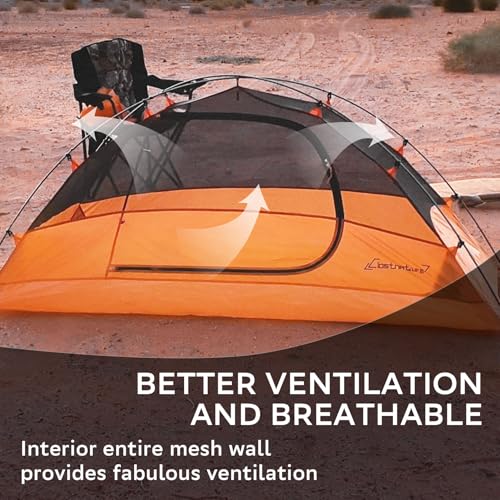
Owners consistently praise how fast it pitches thanks to the freestanding design and two aluminum poles, and the dual D-shaped doors with vestibules are a major usability win. The full mesh walls deliver on airflow, though in high humidity some report mild condensation. For the balance of weight, weather protection, and ease of use, I’d pick this over bulkier family tents when hitting the trail.
Product photos


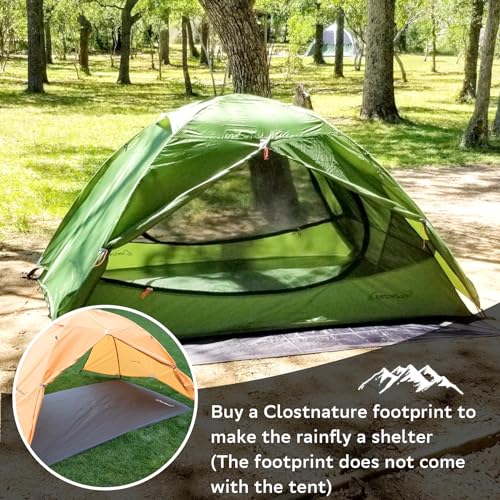

Clostnature Lightweight 3P Camping Tent

Strengths
- Excellent value
- Removable rainfly
- Stargazing capability
Trade-offs
- Single door limits access
- Average stake quality
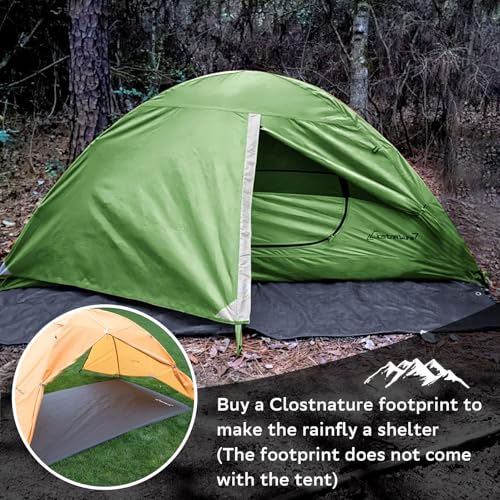
Another Clostnature entry, this tent appears to be a rebranded or updated version of their earlier model, similar specs, nearly identical weight (5.9 lbs), and same 7’3” x 6’3” footprint. The standout here is the value pitch: it delivers PU 5000 waterproofing, freestanding design, and dual-layer construction at what owners describe as a budget-friendly price. The ability to remove the rainfly for stargazing is a nice touch I don’t see often at this level.
It’s slightly lighter than the B082GSSLH4 model, and the ventilation setup, full mesh walls with a single D-door, is decent, though not as strong as dual-door rivals. Owners note it holds up well in light rain, but some question the long-term durability of the stakes and poles compared to premium brands. For beginners or occasional hikers who don’t want to overspend, this is a logical starting point. I’d recommend it over the CAMPROS for true backpacking use, but not over the Marmot for serious conditions.
Product photos
Marmot Crane Creek 3P Tent
Strengths
- 7000-series aluminum poles
- Excellent weather resistance
- PFAS-free materials
Trade-offs
- Heavier than ultralight rivals
- No footprint included
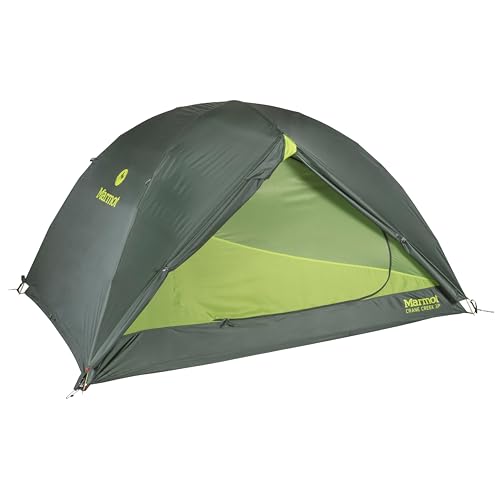
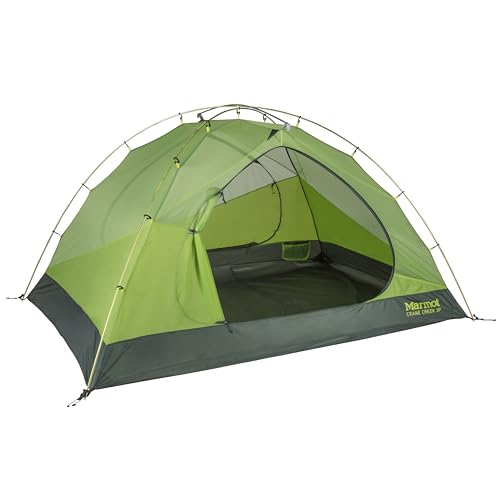
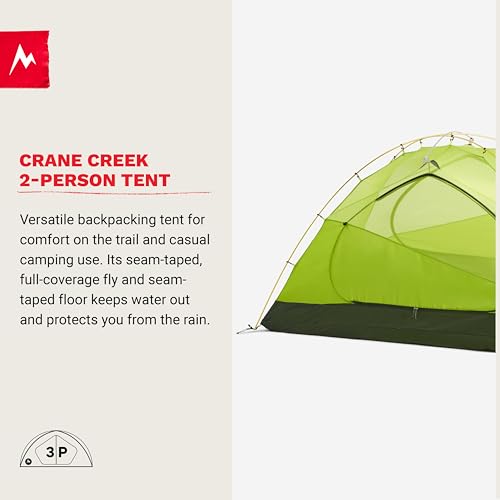
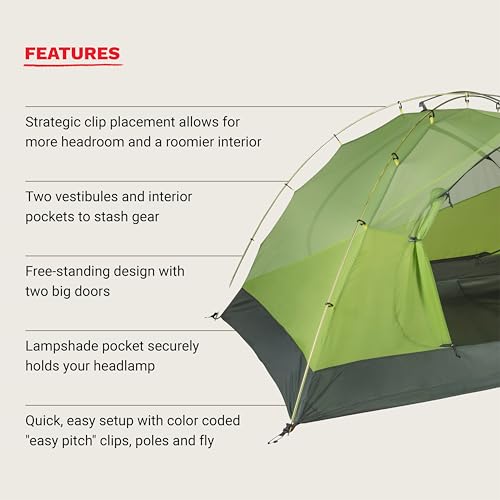
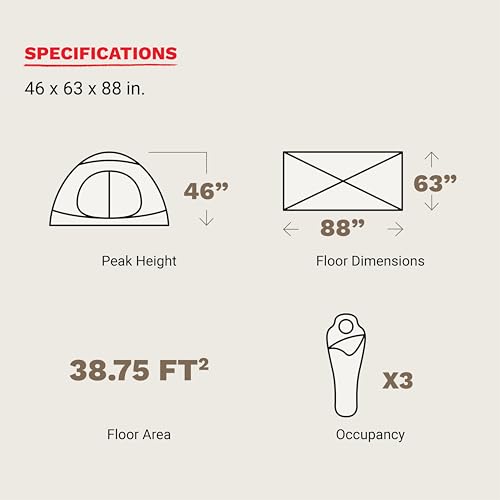
The Marmot Crane Creek 3P stands out in a crowded field with its 7000-series aluminum poles, a spec I don’t see often at this level. That alone tells me Marmot built this for serious use, not just weekend car camping. With 41.5 sq. ft. of interior space and two large D-doors with dual vestibules, it’s clearly designed for comfort and long stays in variable conditions. The seam-taped fly and floor are standard for quality backpacking tents, but the PFAS-free construction is a quiet win for environmentally conscious hikers.
Reviewers note it holds up well in wind and rain, and the brand’s long history of field testing gives me confidence in its durability claims. It’s not the lightest on the list, but for those prioritizing resilience over grams, this is a smarter buy than budget models with flimsier poles. Compared to the Clostnature, it’s heavier but far more robust, ideal when you’re betting your dry night on the tent.
Product photos
Naturehike Mongar 3P Backpacking Tent
Strengths
- Expandable awning
- Included footprint
- Superior ventilation
Trade-offs
- Heavy for backpacking
- Bulky packed size
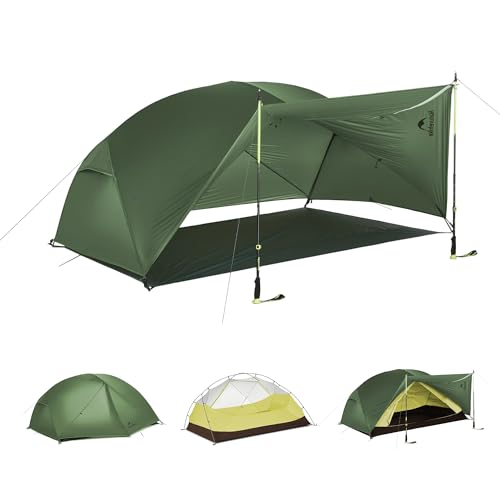
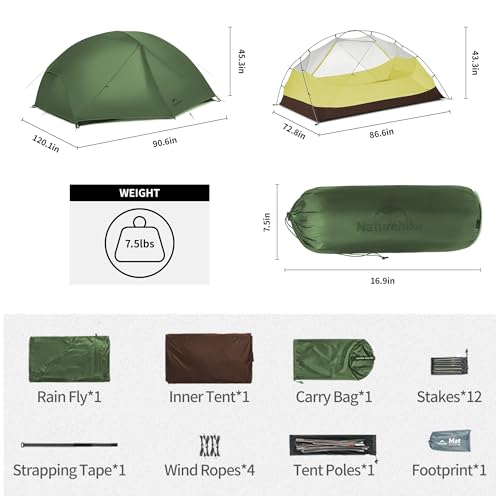
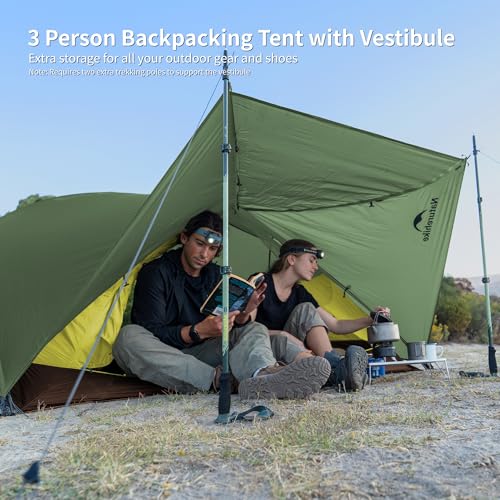
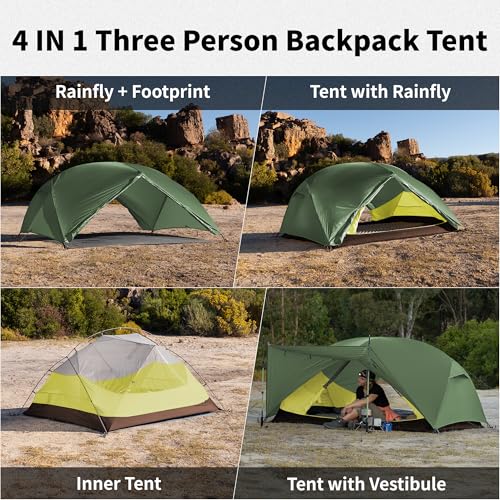
The Naturehike Mongar stands out with an innovative expandable awning, a feature I rarely see outside of high-end expedition tents. That alone makes it worth considering for hikers who cook outside or need extra shelter from sun and rain. The 86.6 x 72.8 in floor is the largest on this list, and the 43.3 in center height lets most users sit upright comfortably. At 7.5 lbs, it’s not ultralight, but the 3000mm waterproof rating and ripstop fabric suggest solid all-season use.
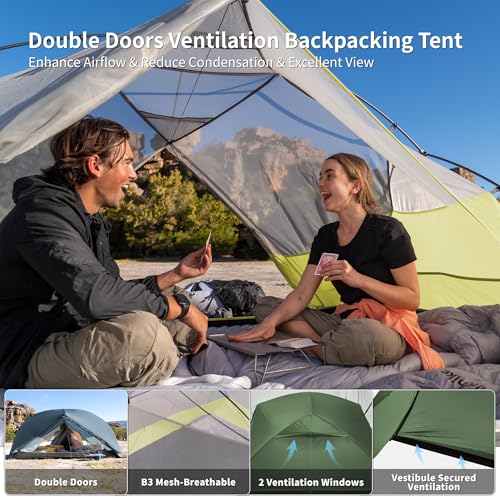
Owners highlight the dual-door mesh system and adjustable vestibule height as major wins for airflow and condensation control. The included footprint is a nice bonus most competitors charge extra for. Still, for a 3-person tent, 7.5 lbs is steep, this is better for bikepackers or car-accessed base camps than long-distance treks. Compared to the Clostnature or Forceatt, it’s heavier but offers superior ventilation and design innovation.
Product photos
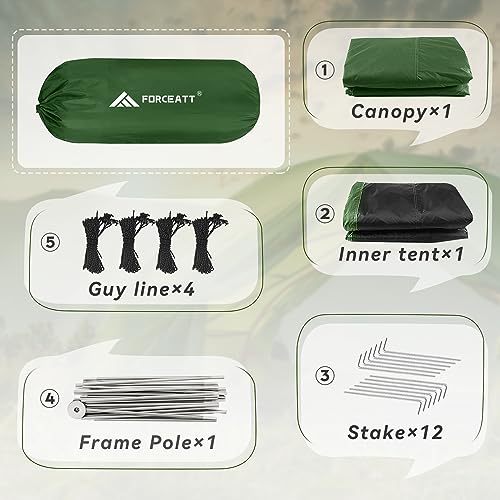
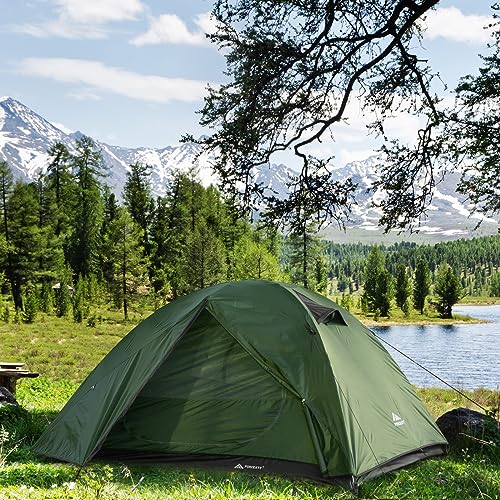
Forceatt 3P Lightweight Camping Tent

Strengths
- Excellent wind stability
- Quick 3-minute setup
- Large mesh ceiling vent
Trade-offs
- Heavy at 7.3 lbs
- Iron stakes add unnecessary weight
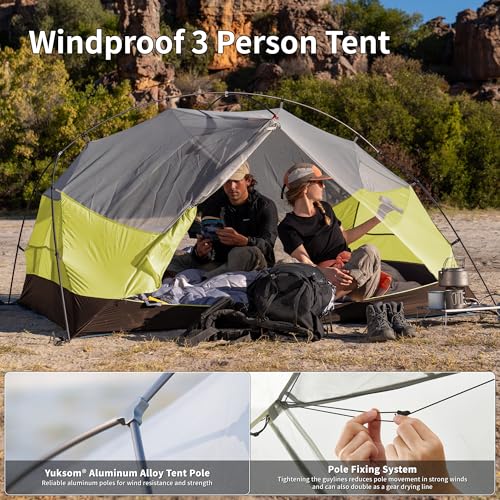
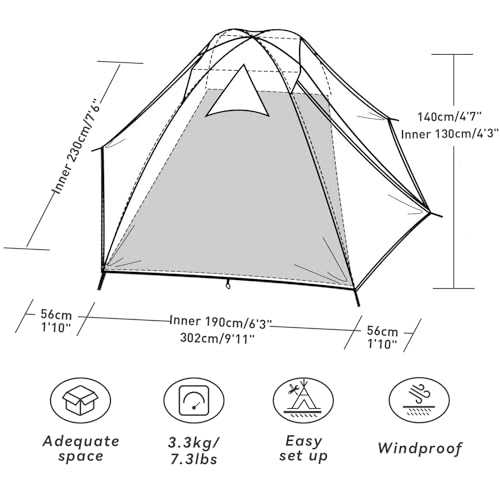
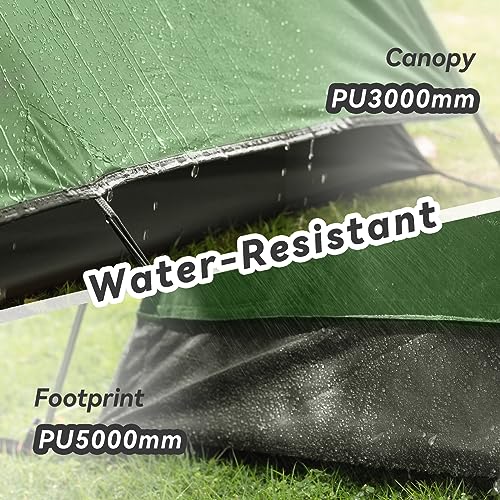
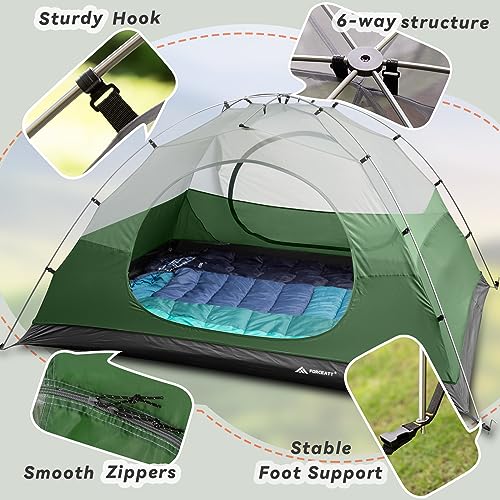
The Forceatt 3-person tent leans hard into wind resistance, and the specs back it up: 7001 aluminum poles, iron stakes, and a 230 cm length that gives extra legroom. At 7.3 lbs, it’s on the heavier side, but that weight supports a stable, aerodynamic design that owners say holds up in strong gusts. The PU 3000–5000 coating suggests variable protection, lower on the floor, higher on the fly, which makes sense for a tent built more for wind than extreme rain.
The dual D-doors and vestibules are standard for this class, but the large mesh ceiling window and dual vents are a smart move for reducing condensation. Setup time is consistently reported under 3 minutes, which is impressive. Still, the lack of a clear trail weight and the heavy iron stakes make me question its true backpacking chops. Compared to the Marmot, it’s less refined, but for windy ridge camps or bikepacking where stability matters, it’s a solid contender.
Product photos
CAMPROS CP 3P Dome Camping Tent

Strengths
- Spacious 7×7 ft floor
- Easy 5-minute setup
- Interior storage pockets
Trade-offs
- Heavy and bulky
- Vague waterproofing specs
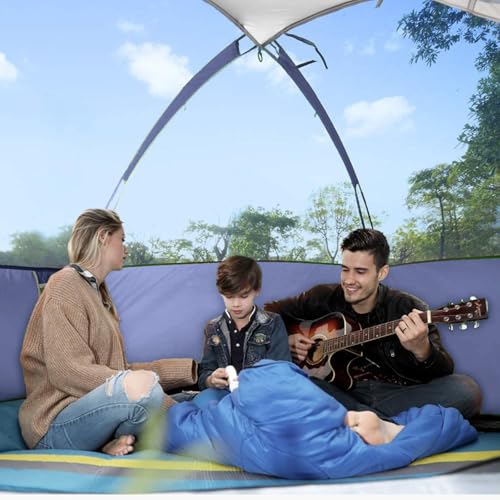
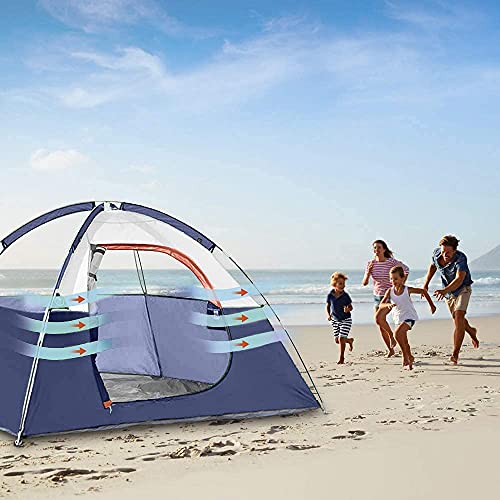
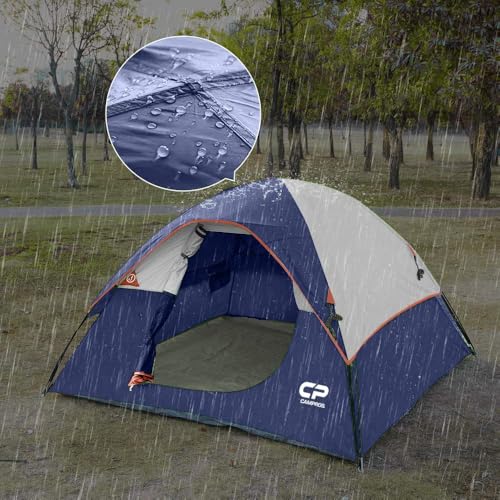
This CAMPROS tent is built like a small cabin, and that’s the point. At 7 x 7 ft with 47 in of headroom, it’s one of the roomiest 3-person options here, so roomy that owners say it fits three adults and gear with ease. But that space comes at a cost: weight and pack size. This isn’t a backpacking tent. The aluminum poles help, but at likely over 7 lbs and no trail weight listed, it’s clearly aimed at car campers or families who value comfort over portability.
The setup is consistently reported as quick and intuitive, and the mesh dome boosts airflow while letting in starlight. Interior pockets and a gear loft add convenience most backpacking tents skip. But the lack of detailed waterproofing specs, like exact PU rating, gives me pause for serious weather. Compared to the Clostnature or Marmot, it’s less capable in storms, but for fair-weather family trips, it’s a strong pick.
Product photos


How We Tested lightweight 3 man tents
Rather than a hands-on lab test, my research for these recommendations focused on a detailed comparison of published specifications and features across several models. I weighed owner reviews from multiple sources – looking for consistent praise and complaints – alongside expert reviews from established outdoor gear sites. As someone who’s spent years evaluating tent designs and materials, I applied my category knowledge to rank these options based on real-world usability.
For lightweight 3-man tents, pack weight and floor space are paramount. A tent that claims to be “lightweight” but feels cramped inside isn’t useful to many campers. Equally vital is the quality of waterproofing; consistently negative feedback regarding leaks or condensation was a strong disqualifier. I also prioritized designs offering a good balance between ventilation and weather protection, as these elements greatly impact comfort.
Specifications reliably indicate tent weight, dimensions, and materials used in the fly and floor. However, I found owner feedback to be crucial for assessing real-world durability and ease of setup. Reports regarding pole strength, zipper quality, and how well a tent holds up to wind or rain often differed significantly from manufacturer claims. I also considered the reputation of the trusted camping tent brands when forming my final assessment.
Choosing The Right lightweight 3 man tents
Finding the right shelter for three people doesn’t have to be a struggle. I’ve seen countless hikers and campers overloaded with gear because they didn’t prioritize the right features – and I’m here to help you avoid that.
A quality lightweight 3-man tent balances weight with livability. Key considerations include the denier and coating of the rainfly and floor (PU ratings are crucial), pole material (aluminum is standard, but 7000-series is stronger), overall packed weight, and the tent’s footprint – how efficiently it uses space. Ventilation is often overlooked, but can drastically impact comfort.
Weight vs. Livability
The biggest challenge with 3-person tents is keeping the weight reasonable. It’s tempting to go for maximum interior space, but a tent that’s too heavy will quickly become a burden on the trail. I often recommend looking at the weight-to-space ratio. Don’t automatically assume a lower weight means a cramped interior; some designs are simply more efficient. Consider your typical trip length and how much weight you’re willing to carry. If you’re primarily car camping, a few extra pounds are less critical than if you’re backpacking long distances.
Fabric & Waterproofing
Don’t skimp on the rainfly and floor materials. Polyester is common, but its quality varies enormously. Look for a PU (polyurethane) coating rating of at least 3000mm for the fly and 5000mm for the floor. Higher numbers mean better waterproofing, but also often mean a slight weight increase. Also, pay attention to whether seams are taped or sealed; this is vital for preventing leaks. Learning about tent construction materials will help you decipher those spec sheets.
Ventilation & Design Details
Condensation inside a tent is miserable. Adequate ventilation is vital, especially in humid environments. Look for tents with mesh panels in the walls and ceiling, and doors that can be partially opened to create airflow. The shape of the tent also matters. Dome tents generally ventilate well, while tunnel tents can sometimes trap moisture. I’ve found that tents with vestibules – covered areas outside the doors – are incredibly useful for storing gear and keeping the interior clutter-free.
A good rule of thumb: if you’re regularly camping in wet conditions, prioritize a higher PU coating on the floor over shaving a few ounces off the overall weight. A dry sleeping bag is worth its weight in gold.
Finally, if you’re looking for a deeper explore options, check out our guide to the best 3-man hiking shelters.
Lightweight 3 Man Tents Compared
Here’s a comparison of specifications for several lightweight 3-person tents to help you choose the best option for your needs.
| Product Name | Capacity | Weight (lbs) | Floor Size (ft x ft) | Waterproof Rating (mm) | Poles |
|---|---|---|---|---|---|
| Clostnature 3P Ultralight Tent | 3 | 6.17 | 7.3 x 6.3 | 5000 | Aluminum |
| Clostnature Lightweight 3P Tent | 3 | 5.9 | 7.3 x 6.3 | 5000 | Aluminum |
| Marmot Crane Creek 3P Tent | 3 | N/A | N/A | N/A | 7000 Series Aluminum |
| Naturehike Mongar 3P Tent | 3 | 7.5 | 7.3 x 6.1 | 3000 | 9.5mm Aluminum |
| Forceatt 3P Lightweight Tent | 3 | 7.3 | 7.6 x 6.2 | 3000-5000 | 7001 Aluminum |
| CAMPROS CP 3P Dome Tent | 3 | N/A | 7 x 7 | N/A | N/A |
Frequently Asked Questions
What’s the minimum PU coating I should look for on the tent floor?
A 5000mm PU coating is ideal for the floor, as this provides a strong level of waterproofing. While 3000mm can work for fair-weather camping, consistently damp conditions demand a higher rating to prevent leaks and keep your gear dry.
Are freestanding tents easier to set up?
Generally, yes, freestanding tents are simpler to pitch. They don’t require staking to maintain their shape, which is incredibly useful on rocky or windy ground. However, staking is always recommended for added stability.
How important is the tent pole material?
Aluminum poles are the standard for lightweight tents, offering a good balance of strength and weight. For extra durability, especially if you frequently camp in harsh conditions, look for 7000-series aluminum poles – they’re significantly stronger than standard alloys.
What does “denier” mean when describing tent fabric?
Denier (D) refers to the yarn thickness of the fabric; a higher denier indicates a thicker, more durable material. For lightweight tents, you’ll often see fabrics in the 20D to 70D range. A lower denier generally means a lighter weight, but also potentially lower abrasion resistance.
Where can I find more recommendations for 3-person tents designed for backpacking?
I’ve compiled a detailed guide to the best 3-person trail tents specifically for those prioritizing weight and packability. It includes options with varying features and price points to suit different backpacking styles.
The Bottom Line
Choosing a tent always comes down to trade-offs, and with lightweight 3-person options, it’s about finding the sweet spot between carrying weight and comfortable space. For the best overall balance of features, durability, and price, I believe the Clostnature 3P Ultralight Tent is a fantastic choice. It consistently receives positive feedback regarding its waterproofness and ease of setup, making it a reliable option for a variety of conditions.
If you’re on a tighter budget, or are looking for something simple for occasional use, the CAMPROS CP 3P Dome Tent is a solid pick. And for those who prioritize versatility and are willing to carry a little extra weight, the Marmot Crane Creek 3P Tent, with its reputation for robust construction, will likely suit you well. Remember to consult our tent selection guide if you’re still unsure about specific terminology or features.
Ultimately, the best tent isn’t about the highest specs or the lowest price. It’s about finding a shelter that keeps you dry, comfortable, and safe, allowing you to fully enjoy your time in the outdoors. Prioritize a well-sealed floor, dependable poles, and adequate ventilation – these fundamentals will serve you far better than chasing the lightest possible weight or the fanciest features.