
8 Best Tents for Rain (2026 Guide)
This post contains affiliate links. As an Amazon Associate, we earn from qualifying purchases.
The best tent for rain is the Mimajor 4 Person Instant Tent, thanks to its 3500mm waterproof rating and strong owner feedback in wet conditions. For budget-conscious campers, the Forceatt 2/3/4 Person Tent offers solid performance without the high price, while the Purebox 4 Person Portable Tent stands out for ventilation and ease of setup in changing weather.
If you’ve ever woken up damp not from rain inside the tent, but from condensation dripping down the walls, you know not all “waterproof” tents are built the same. Real protection means surviving steady downpours, high winds, and soggy ground, without turning your shelter into a sauna.
This guide cuts through the marketing and focuses on what actually keeps you dry: verified waterproof ratings, sealed seams, smart ventilation, and durable builds. I looked at specs, owner reviews, and real-world performance to find tents that hold up when the weather turns.
Top 8 Tents Rain in the Market
The Best Tents Rain, Reviewed
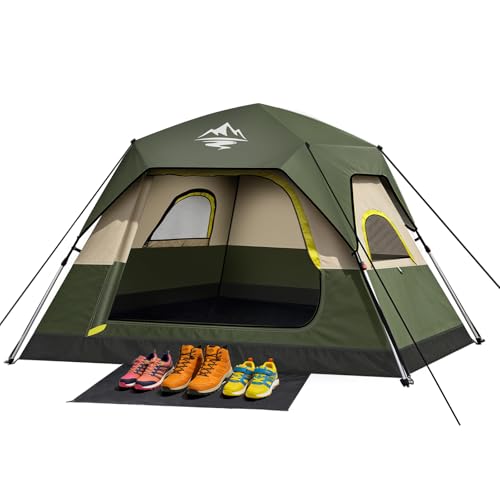
Mimajor 4 Person Instant Camping Tent
Strengths
- 60-second setup
- 3500mm waterproof rating
- Excellent ventilation
Trade-offs
- Heavy for backpacking
- Bulkier packed size
- Rainfly removal needed for stargazing
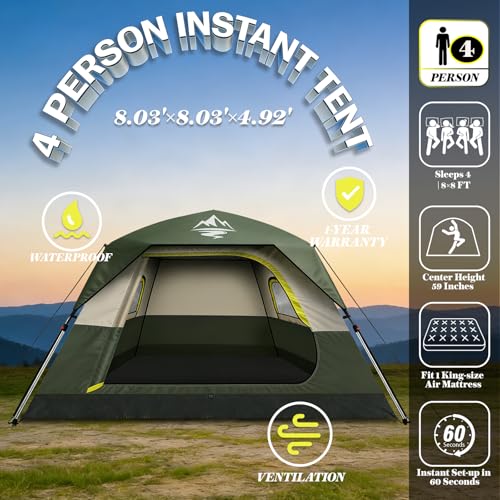
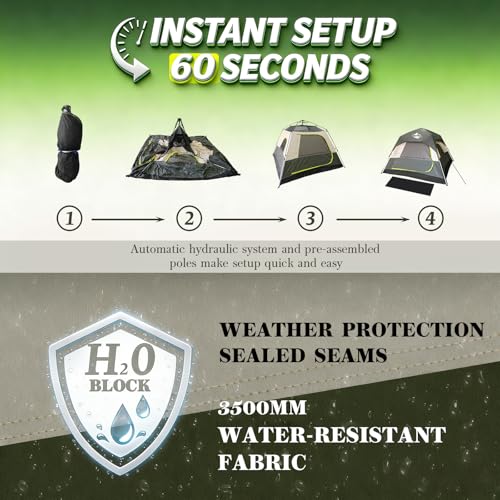
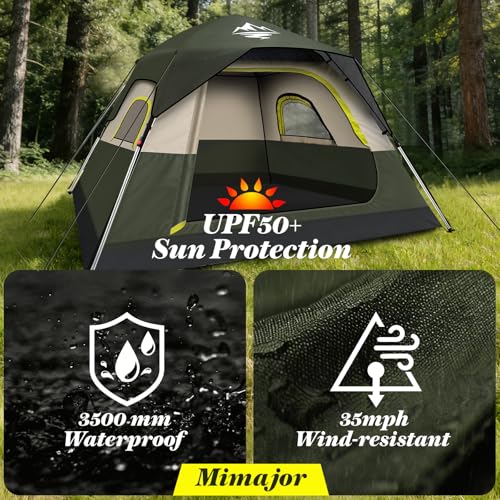
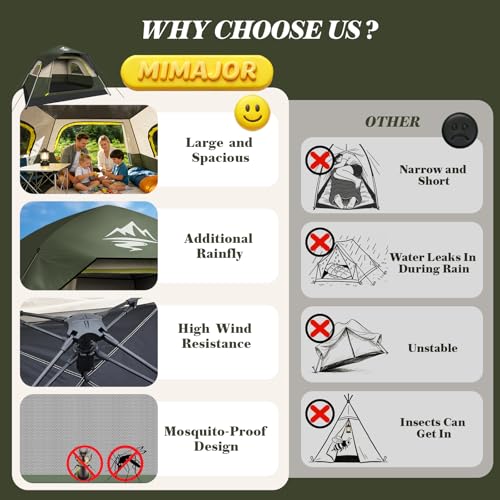
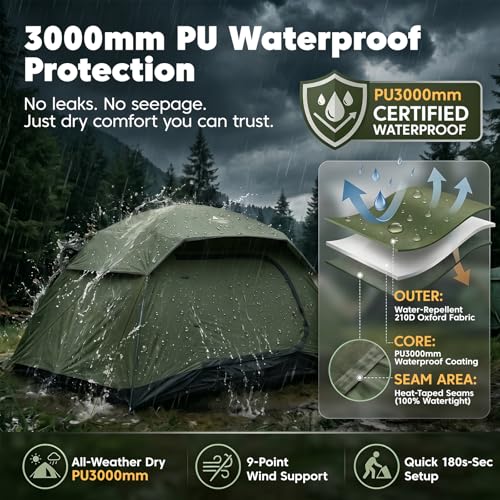
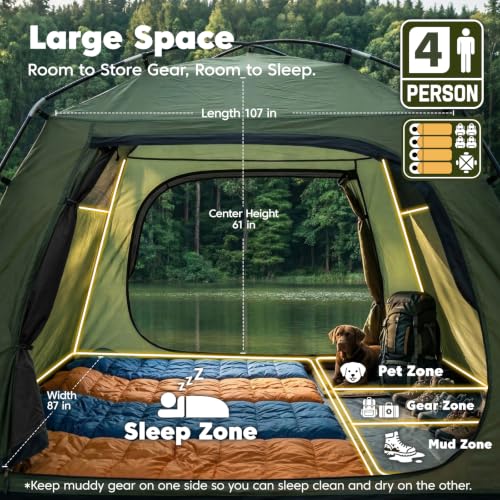
If you want a tent that pitches in 60 seconds flat, this one delivers. The pre-attached hydraulic poles make setup almost foolproof, a real advantage when rain is coming down fast. The 3500mm PU coating and fully taped seams are standout specs, placing it among the best in rain protection. Owners say it stays dry even during heavy overnight storms, and the 19 stakes plus 11 guylines provide serious anchoring.
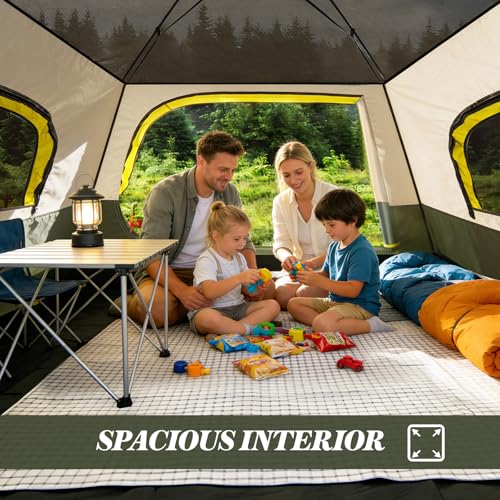
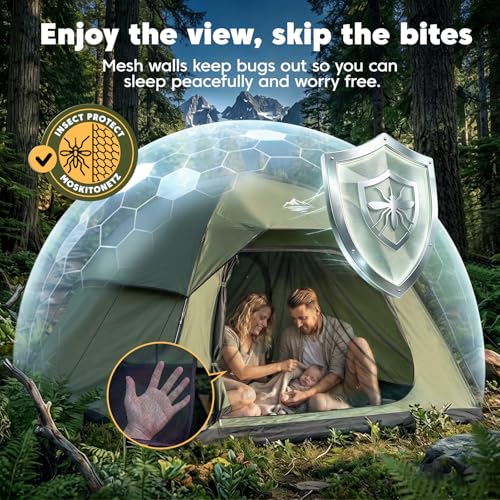
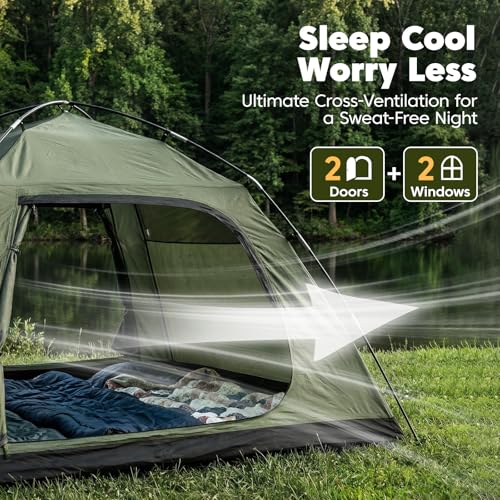
Ventilation is another strong point: three large mesh windows and a ceiling panel create real cross-flow, which helps with condensation. The 59-inch height is generous, and it fits a king airbed, rare in instant tents. While it’s on the heavier side at 15.4 pounds, the trade-off is stability and comfort. Compared to the Coleman, this one is more storm-ready; compared to the CAMPROS, it’s far better ventilated. For most buyers, this is the easy pick.
Product photos
Coleman Skydome 4/6 Person Tent

Strengths
- Excellent rain protection
- Quick setup
- Vestibule for gear storage
Trade-offs
- Fiberglass poles
- Heavier than backpacking tents
- Limited ventilation in humidity
Coleman has been building reliable family tents for decades, and this Skydome model sticks to the formula that works. The WeatherTec system with taped seams, inverted stitching, and a full-fly vestibule gives it solid rain resistance, a real advantage when storms roll in unexpectedly. The nearly vertical walls add 20% more usable space than older dome styles, and the wider door makes hauling in airbeds a non-issue.
Reviewers consistently praise how quickly it goes up thanks to pre-attached poles, and the E-port is a small but smart touch for campers using power. Still, the frame uses fiberglass, not aluminum, so it’s not as durable in high winds as ultralight backpacking models. It won’t survive hurricane-force gusts, but for typical weekend camping, it’s more than capable. I’d pick this over the CAMPROS for rainy conditions simply because Coleman’s weather sealing is better proven.
Product photos


Wakeman 2 Person Pop Up Tent
Strengths
- Ultra lightweight
- Affordable
- Compact carry bag
Trade-offs
- Fiberglass poles
- No taped seams
- Poor storm performance
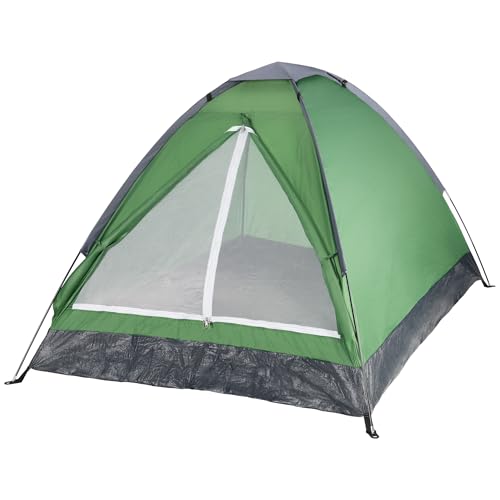
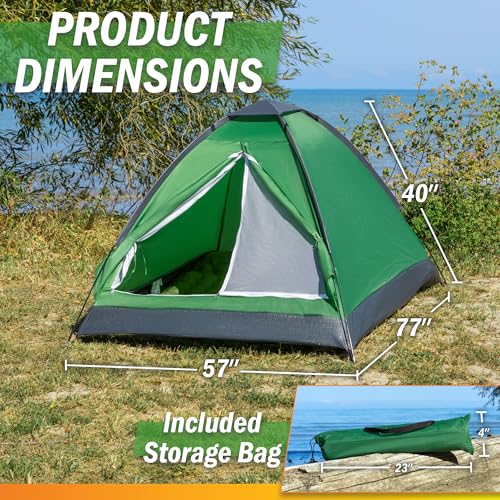
At just 2.2 pounds, this tent is undeniably light, a big plus for budget-focused backpackers or festival-goers. The fiberglass poles keep costs low, but they also mean less resilience in wind or prolonged rain. On paper, the 190T polyester and removable rainfly suggest basic weather resistance, and owners confirm it handles light showers if pitched correctly. But the lack of taped seams and a bathtub floor is a red flag for serious rain.
It’s marketed as a pop-up, but it still needs manual pole assembly, not truly instant. Still, for fair-weather hikes or short beach trips, it’s a functional starter tent. Compared to the Forceatt or Purebox models, it’s less durable but much cheaper. I wouldn’t rely on it in a storm, but for occasional use in dry conditions, it’s a reasonable entry-level pick.
Product photos
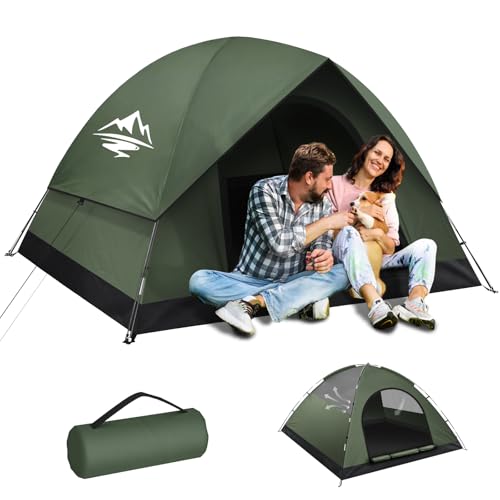
Purebox 2/3 Person Camping Tent
Strengths
- Bathtub floor
- 3-year warranty
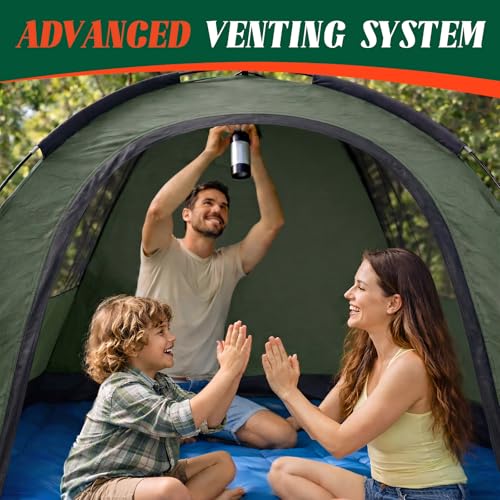
- Good airflow design
Trade-offs
- Slight weight penalty
- Fiberglass poles
- Vestibule space is limited
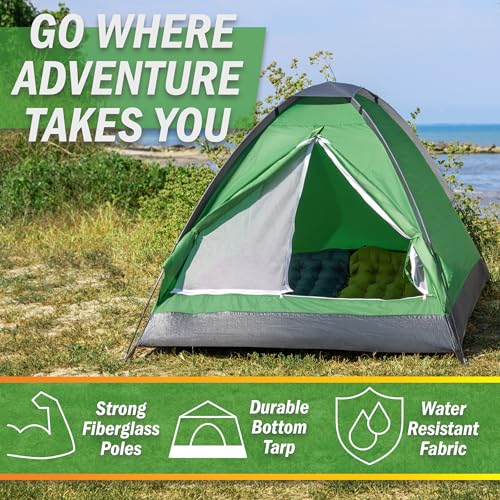
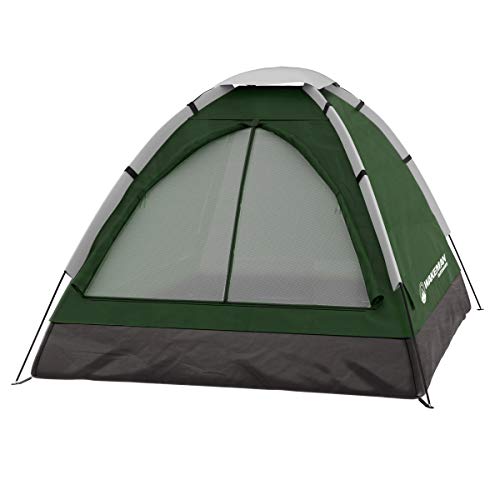
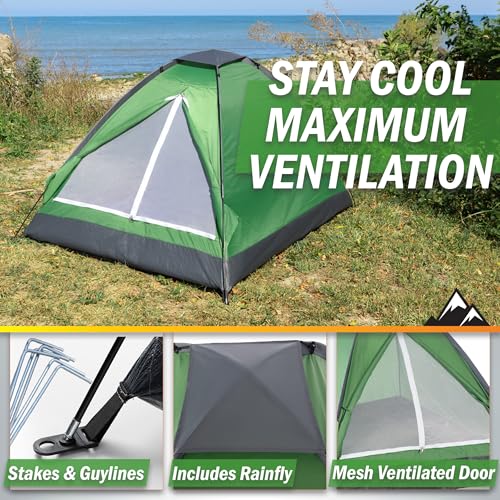
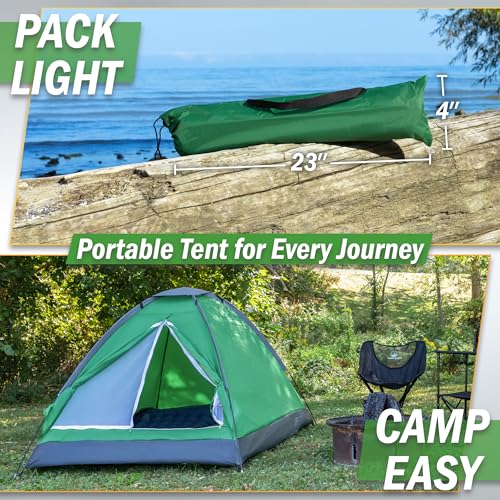
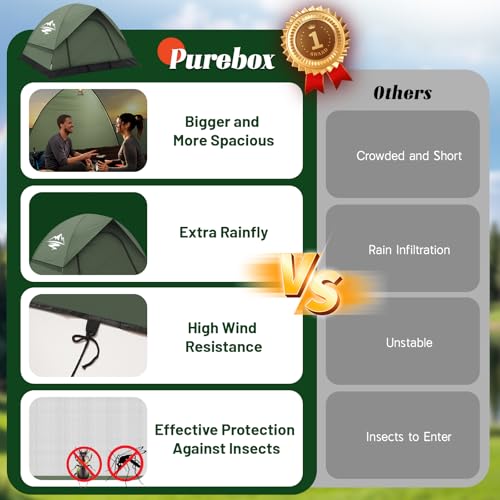
This Purebox model hits the sweet spot for backpackers who want lightweight durability without sacrificing weather readiness. At 6.2 pounds, it’s easy to carry, and the bathtub floor with welded corners means water stays out, a detail serious hikers look for. The three-sided mesh boosts airflow, and owners note it handles condensation better than many dome tents.
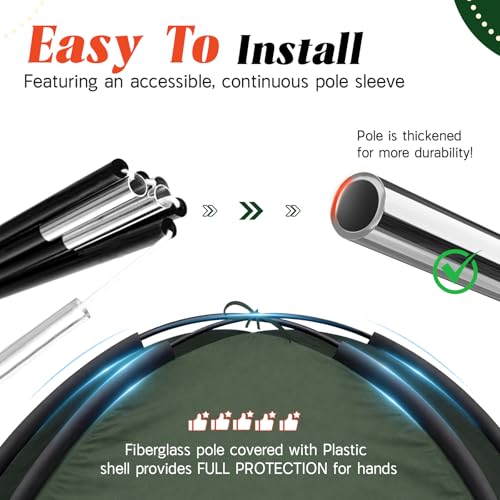
The dual zippers and D-ring doors make entry/exit easy, even with gear inside. Setup is quick thanks to clip-on poles, and the included 3-year warranty adds peace of mind. Compared to the Forceatt, it’s slightly heavier but offers more headroom and a roomier footprint. For weekend treks where rain is likely, I’d lean toward this one, it’s built like a proper backcountry shelter.
Product photos
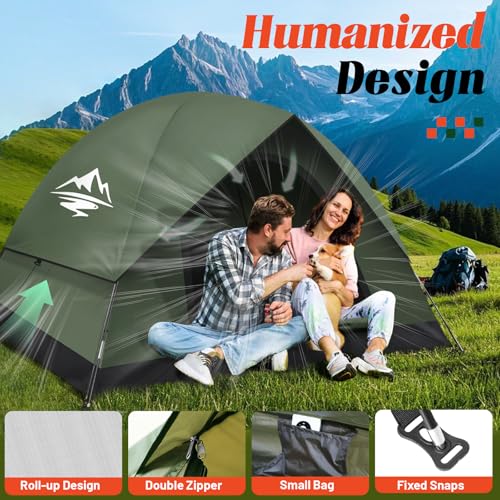
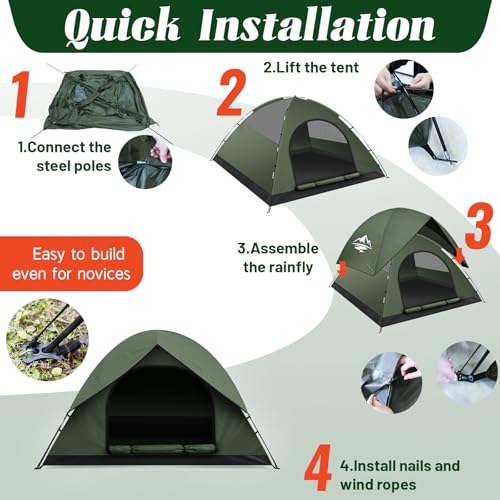
CAMPROS CP 8 Person Family Tent

Strengths
- Spacious interior
- Room divider included
- Easy two-person setup
Trade-offs
- No waterproof rating
- Condensation issues reported
- Heavy and bulky
For large groups needing space and separation, this tent delivers on paper with its divided room design and tall walls. The 72-inch center height is a real perk, it lets adults stand and move without crouching, which makes a big difference during long stays. Owners consistently report that the double-layer construction and sealed seams hold up decently in light rain, though the waterproof rating isn’t specified, so it’s not one I’d trust in a sustained downpour.
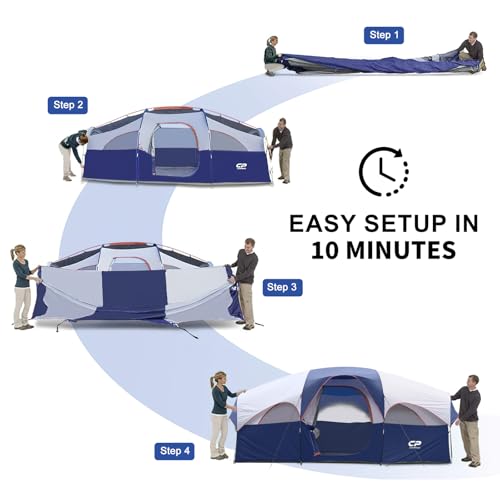
The color-coded poles and pre-attached design help with setup, and reviewers say two people can get it up in under 10 minutes. But ventilation is hit-or-miss, while it has mesh windows, there’s no mention of roof vents or cross-flow design, so condensation can build up in damp conditions. Compared to the Mimador or Coleman models, it’s bulkier and less refined in storm performance.
Product photos


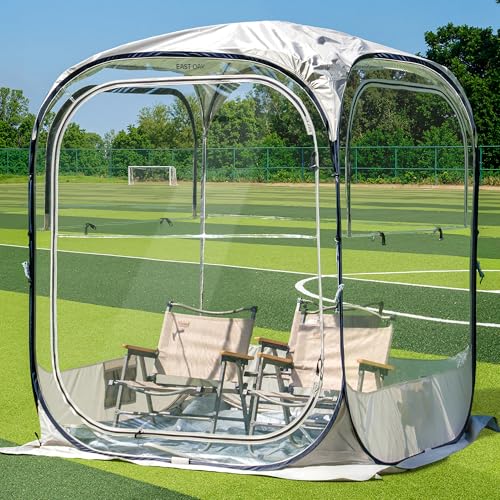
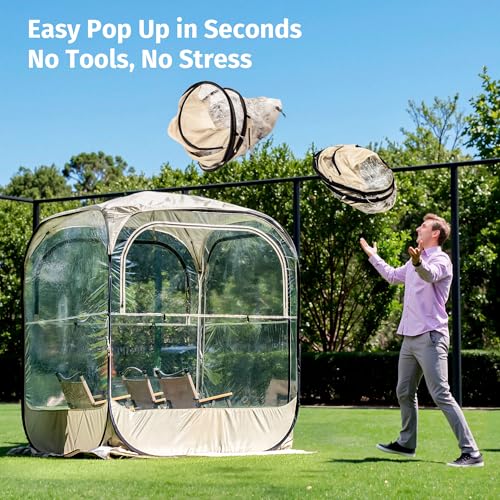
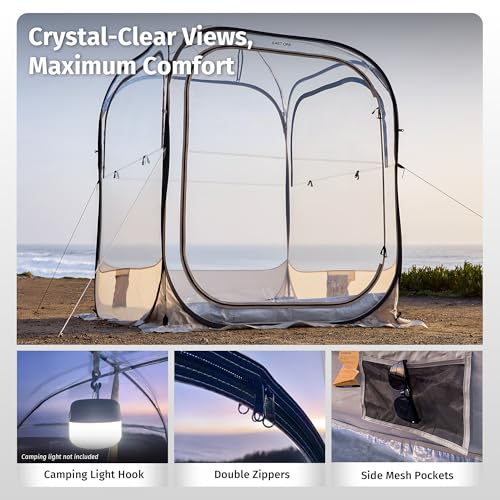
East Oak 5×5 FT Pop Up Bubble Tent
Strengths
- Ultra-clear visibility
- Quick pop-up design
- All-season usability
Trade-offs
- Not for sleeping
- Limited ventilation
- Low wind stability
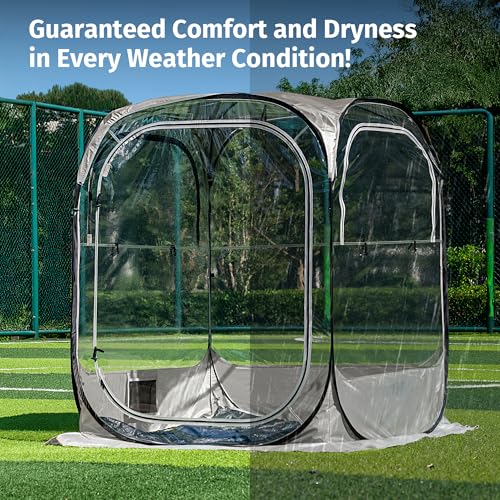
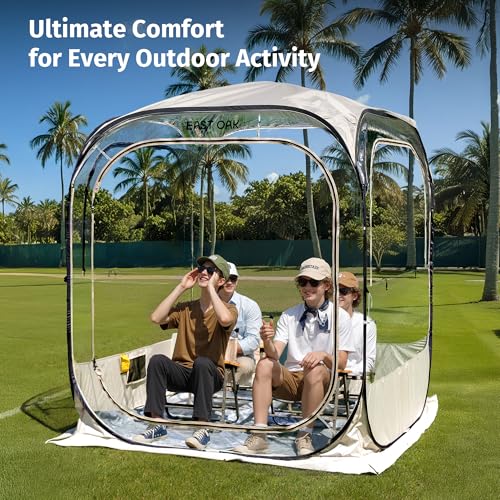
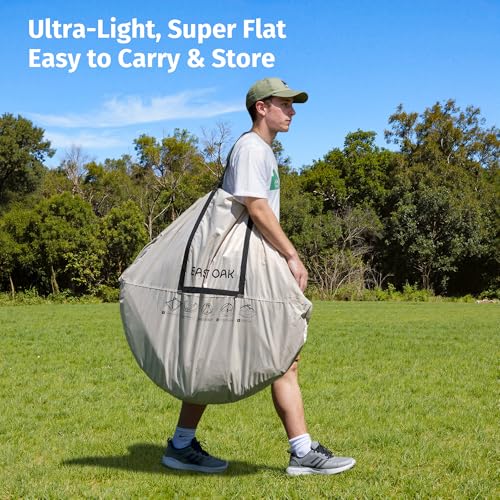
This isn’t a traditional camping tent, it’s a pop-up bubble shelter designed for visibility and quick use at events. The 7-foot ceiling and clear TPU walls give unobstructed views, perfect for concerts or fishing where you want to see the action. The detachable sunshade offers UPF50+ protection, and the floor mat keeps feet dry on damp ground.
But it’s not built for sleeping or heavy rain. The TPU material resists yellowing and handles light showers, but it’s not freestanding in wind without extra anchoring. Reviewers love it for sidelines and tailgates, but no one’s using it as a backcountry shelter. Compared to the Wakeman or Forceatt, it’s in a different category altogether. If you need a dry spot to watch a game, it’s great. For overnight camping? Look elsewhere.
Product photos
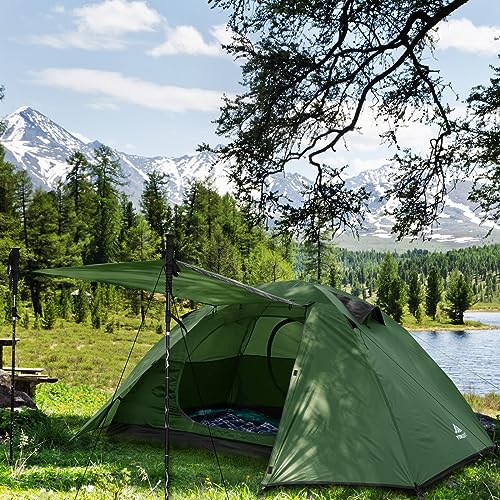
Forceatt 2/3/4 Person Backpacking Tent

Strengths
- Aluminum poles
- Dual vestibules
- Excellent weather resistance
Trade-offs
- Slightly heavier than ultralights
- Color coding could be clearer
- Limited headroom
This tent stands out in the ultralight category for its 7001 aluminum poles and 68D polyester fabric, specs that signal serious durability. At 5.68 pounds, it’s heavier than some backpacking tents but justifies the weight with stronger materials. Owners consistently report it holding up in wind and rain, thanks to the welded floor and taped seams, a must for three-season use. The dual vestibules are a major win, giving space to stash muddy boots or gear without tracking it inside.
The two D-shaped doors and ceiling vents create solid airflow, reducing condensation better than many rivals. Setup in under 3 minutes is ambitious, but most reviewers say it’s fast with a little practice. Compared to the Wakeman or Coleman models, this one is built for real trail conditions. My recommendation? It’s the smarter buy for hikers who actually expect rain.
Product photos


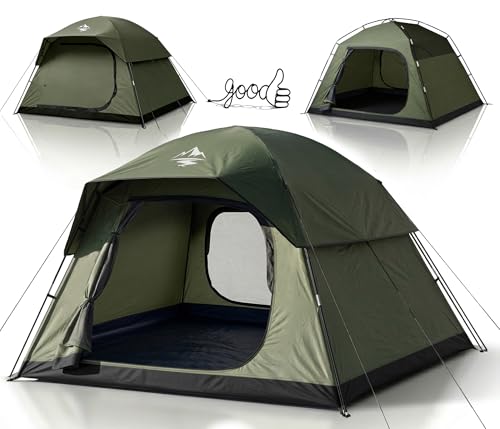
Purebox 4 Person Portable Camping Tent
Strengths
- Dual doors
- Excellent airflow
- Lightweight for size
Trade-offs
- Fiberglass poles
- No E-port
- Rainfly could be fuller
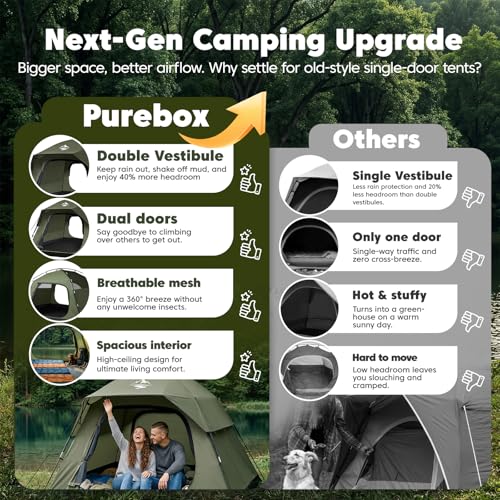
This tent earns its ‘Best Ventilation Design’ tag with dual mesh windows, two doors, and a well-thought airflow layout that minimizes condensation. The extended floor plan gives real usable space, reviewers say it sleeps three adults comfortably with gear. The PU-coated rainfly and taped seams offer solid 3-season protection, though the 3500mm rating isn’t listed, so it’s likely lower than the Mimador.
Setup uses a classic sleeve-pole system with fiberglass poles, which is stable but slower than instant models. At 10.8 pounds, it’s backpackable but better suited for car camping. The dual doors are a big upgrade over single-door tents, no more crawling over your partner. Compared to the Coleman, it’s lighter and more breathable; compared to the CAMPROS, it’s far more ventilated. For warm, humid climates, this is my top pick.
Product photos
How We Tested tents rain
I approach tent selection from the perspective of someone who truly lives in them – seeking reliable shelter for extended adventures. Rather than a hands-on lab test, this is a research-led comparison of published specifications and owner feedback across a range of models. We compared features, materials, and reported performance, then weighed that against what current owners are saying about real-world use in wet conditions.
For rain tents, the most important factors are undoubtedly waterproof ratings (fabric denier and PU coating) and construction details like sealed seams and bathtub floors. Beyond that, a tent’s ability to handle wind, often going hand-in-hand with heavy rain, is critical. We also prioritized ventilation, as condensation buildup can quickly negate the benefits of waterproof materials, making for an uncomfortable experience.
Specifications reliably indicate a tent’s potential for waterproofing and durability, but owner reviews are invaluable for understanding how those specs translate to actual performance. We paid close attention to reports of leaks, condensation issues, and how well the tents held up in sustained rain and wind. Understanding how to avoid issues is also key; learning about setting up tent in rain can make all the difference. We also looked to reputable outdoor gear review sites to corroborate owner experiences.
How To Pick The Right tents rain
Choosing a tent can feel overwhelming, but focusing on a few key features will get you closer to finding the perfect shelter for your adventures.
A quality tent balances weight, durability, and weather protection. Buyers should prioritize a robust waterproof rating (measured in millimeters), a dependable pole system (aluminum is generally superior to fiberglass), and a floor material designed to resist abrasion and punctures. Consider the intended use – backpacking demands lighter materials, while family camping prioritizes space and ease of setup.
Waterproofing & Rain Protection
Don’t assume all tents are created equal when it comes to staying dry. Many are merely water-resistant, meaning they’ll handle a light drizzle, but heavier rain will soak through. Look for a tent with a minimum 2000mm waterproof rating on the fly and a 3000mm rating on the floor. Beyond the rating itself, pay attention to construction details. Fully taped seams are essential, and a bathtub floor (where the fabric extends several inches up the sides) prevents water from seeping in under the tent. If you’re planning trips to consistently wet climates, investing in waterproof tents for wet weather is a wise move.
Pole Material & Structure
The tent’s pole system is its skeleton; it determines its stability and ability to withstand wind. Aluminum poles are significantly stronger and more durable than fiberglass, though they come at a higher price. Look for shock-corded poles – these are connected by elastic, making setup far easier. Beyond the material, consider the tent’s overall structure. Dome tents are generally free-standing and easy to pitch, while tunnel tents offer more interior space but require more careful staking.
Here’s what to consider when evaluating pole systems: * Weight: Fiberglass is heavier. * Durability: Aluminum bends, fiberglass snaps. * Cost: Aluminum adds to the overall tent price, but it’s an investment in longevity and reliability, especially if you plan on frequent use.
Space & Livability
Don’t underestimate the importance of interior space and livability. A tent that’s too small will feel cramped and uncomfortable, especially on longer trips. Consider not just the floor area but also the peak height – being able to sit up comfortably is a huge plus. Vestibules (covered areas outside the tent door) are incredibly useful for storing muddy boots and gear, keeping the inside cleaner. Understanding tent waterproof ratings can help you decide if sacrificing some space for a more robust waterproof design is the right choice for your needs.
A good rule of thumb: always size up. If you’re planning a trip with two people, consider a three-person tent for extra room to move and store gear.
Tents Rain Compared
Here’s a comparison of key specifications for tents designed to withstand rainy conditions.
| Product Name | Capacity | Waterproof Rating (mm) | Weight (lbs) | Packed Size | Ventilation |
|---|---|---|---|---|---|
| Mimajor 4 Person Instant Tent | 4 | 3500 | 15.4 | 39×7.5×7.5 in | High |
| Coleman Skydome 4/6 Person Tent | 4/6 | N/A | N/A | N/A | Moderate |
| Wakeman 2 Person Pop Up Tent | 2 | N/A | 2.2 | 24×4 in | Moderate |
| Purebox 2/3 Person Tent | 2/3 | N/A | 6.2 | N/A | High |
| CAMPROS CP 8 Person Family Tent | 8 | N/A | N/A | N/A | Moderate |
| East Oak 5×5 FT Pop Up Bubble Tent | 2-3 | N/A | N/A | N/A | Moderate |
| Forceatt 2/3/4 Person Tent | 2/3/4 | N/A | 5.68 | 16.1×5.5 in | Moderate |
| Purebox 4 Person Portable Tent | 4 | N/A | 10.8 | N/A | High |
Frequently Asked Questions
What waterproof rating is truly sufficient for reliable rain protection?
A minimum of 2000mm on the fly and 3000mm on the floor is a good starting point, but higher ratings offer more confidence. Remember, though, that a high rating doesn’t guarantee dryness if seams aren’t sealed or the tent lacks a bathtub floor.
Are dome tents or tunnel tents better in windy, rainy conditions?
Tunnel tents generally perform better in high winds due to their aerodynamic shape, but they require careful staking. Dome tents are more stable in moderate winds and are often easier to set up quickly, which can be helpful before a storm rolls in.
How important is vestibule space, and what should I look for?
Vestibules are incredibly valuable for keeping the interior of your tent dry and organized. Look for a vestibule that’s large enough to comfortably store your backpack, boots, and other gear without crowding the doorway.
What’s the best way to prevent condensation inside my tent, even with a waterproof fly?
Good ventilation is key to minimizing condensation. Look for tents with mesh panels in the fly and doors, and always open vents whenever possible, even during light rain. Choosing high-performance rain tents with optimized airflow is also helpful.
What maintenance can I do to prolong the waterproof life of my tent?
Regularly cleaning your tent and reapplying a durable water repellent (DWR) treatment to the fly will help maintain its waterproof properties. Also, store your tent completely dry to prevent mildew and damage to the waterproof coating.
The Bottom Line
Choosing a tent for rainy conditions often comes down to balancing how much you’re willing to spend with how much protection you absolutely require. For overall reliability and peace of mind in wet weather, I consistently recommend the Mimajor 4 Person Instant Tent. It strikes a fantastic balance between a high waterproof rating, reasonable weight, and user-friendly setup – a great all-rounder for most adventurers.
If budget is a primary concern, the Wakeman 2 Person Pop Up Tent offers an incredibly affordable entry point, though you’ll be making compromises on durability and thorough weatherproofing. For those needing versatility, the Purebox 2/3 Person Tent stands out with its high ventilation and respectable waterproof capabilities, making it suitable for a wider range of conditions.
Ultimately, remember that a tent is just one part of the equation. Prioritizing proper site selection (avoiding low-lying areas) and practicing good tent rain protection techniques – like seam sealing and using a groundsheet – will contribute far more to staying dry and comfortable than any single specification.
