
8 Best Lights for 3×3 Grow Tent 2026
This post contains affiliate links. As an Amazon Associate, we earn from qualifying purchases.
The Spider Farmer G3000 stands out as the best light for a 3×3 grow tent, delivering strong efficiency and even canopy coverage. For a more budget-friendly option, the VIPARSPECTRA P2000 offers solid performance without breaking the bank. If you want app control and smart features, the Spider Farmer SE3000 is a versatile upgrade.
Picking the right light for a 3×3 grow tent isn’t just about wattage, it’s about getting usable light where your plants need it, without frying your electric bill or your seedlings. Too many growers overspend on overpowered lights or get stuck with units that hot-spot or fail early.
This guide cuts through the noise by focusing on real-world specs and feedback from actual indoor gardeners. I looked at efficiency, spectrum quality, dimming, and reliability to find the lights that actually perform in a confined space. These are the models that consistently show up in positive reviews and deliver results, not just big numbers on a box.
Top 8 Lights For 3X3 Grow Tent in the Market
The Best Lights For 3X3 Grow Tent, Reviewed
Spider Farmer G3000 300W LED

Strengths
- High efficiency
- Full app control
- Even light spread
- 5-year warranty
- Daisy chain capable
Trade-offs
- No manual dimming knob
- App required for advanced settings
- Higher upfront cost
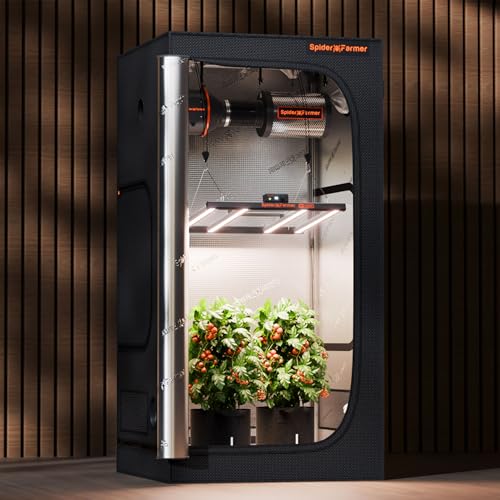
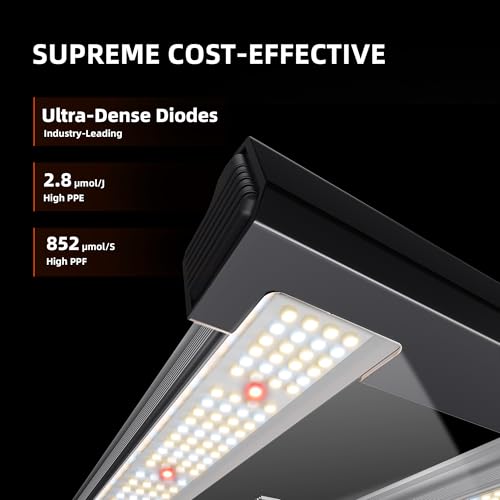
The Spider Farmer G3000 stands out in the 3×3 grow tent space with its solid efficiency and smart app integration. On paper, the 2.75 µmol/J PPE is strong for a 300W unit, and owners consistently report even canopy coverage thanks to the extended bar design. The full spectrum blends warm and cool whites with targeted reds, closely mimicking sunlight, something many growers say results in dense, aromatic buds.
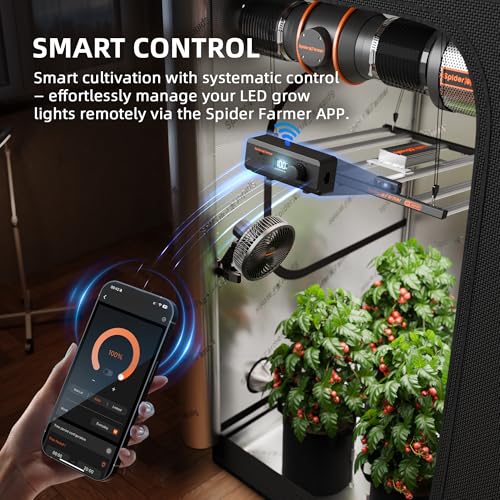
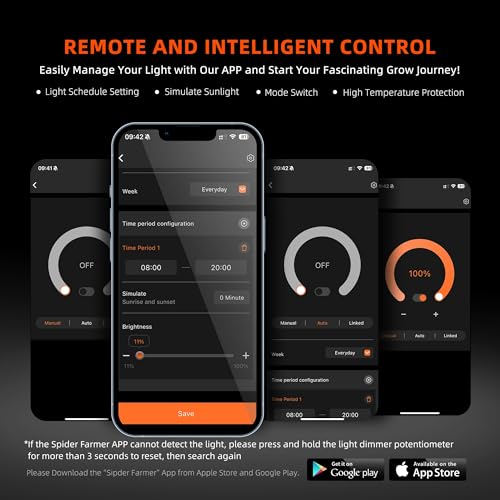
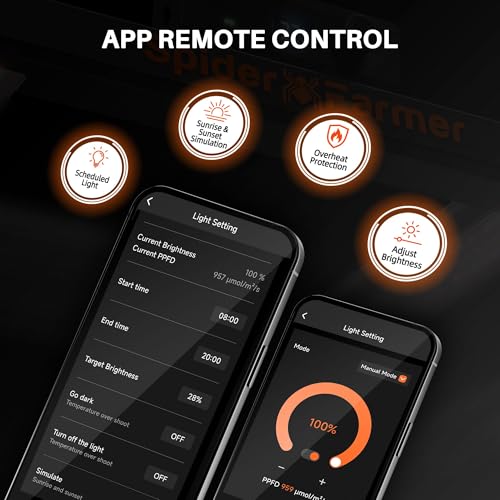
What really seals the deal is the app control. Reviewers note the sunrise/sunset simulation works smoothly, and being able to tweak schedules remotely is a real perk for anyone juggling grow cycles with a busy life. The 5-year warranty also adds serious peace of mind, especially compared to brands offering just 3.
Product photos
Spider Farmer SE3000 300W LED
Strengths
- Best-in-class app control
- Excellent spectrum
- Digital display
- Uniform PPFD
- 5-year warranty
Trade-offs
- No onboard dimming knob
- App dependency for full features
- Higher price point
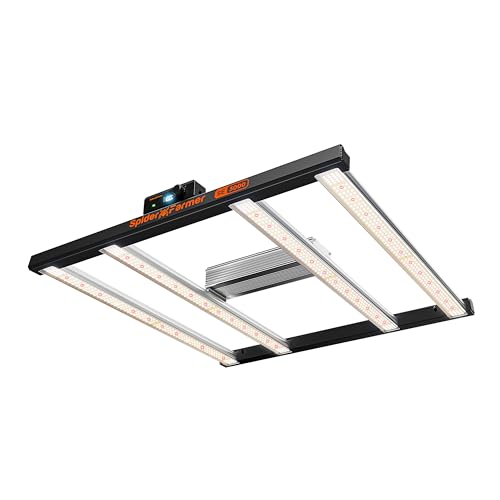
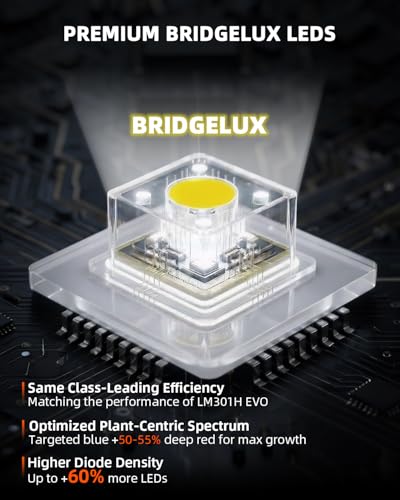
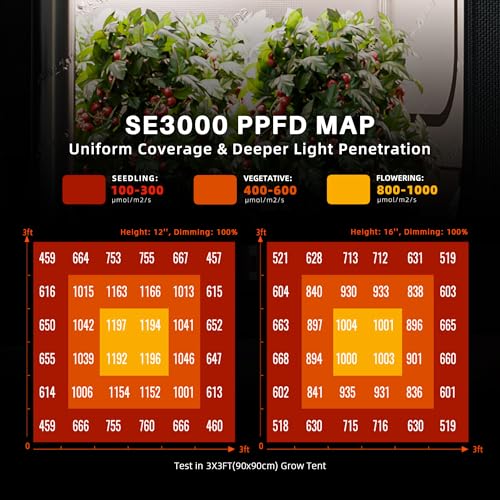
If app control is your priority, the SE3000 is the one to beat. It runs on premium Bridgelux diodes and delivers 826 µmol/s with excellent spread, owners report minimal shading even at the edges of 3×3 tents. The tuned spectrum emphasizes 660-665nm deep red, which many say boosts both photosynthesis and bud density.
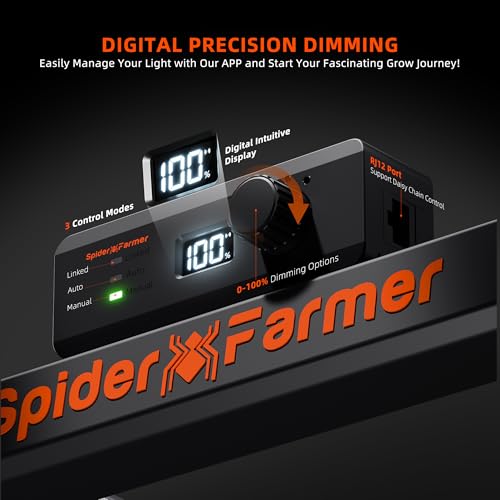
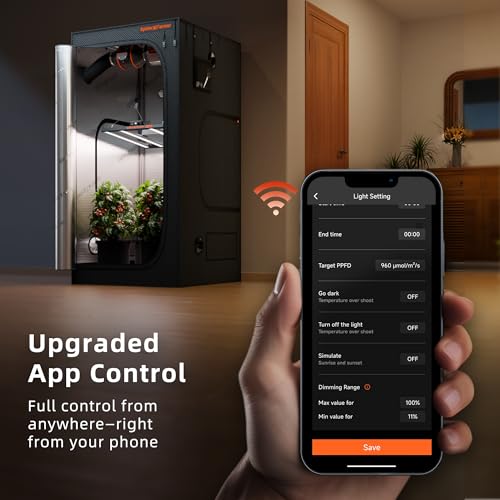
The real win is the Spider Farmer app. You can set sunrise simulations, adjust brightness remotely, or lock in schedules and forget them. It’s not just convenient, it’s reliable. The digital display on the dimming box is a nice touch for those who like physical feedback. Pair that with the 5-year warranty, and it’s clear this light is built for long-term trust.
Product photos
VIVOSUN LumaLight 200W LED
Strengths
- Balanced full spectrum
- Good PPFD uniformity
- Low heat output
- IP65 rated
- Affordable
Trade-offs
- Smart features sold separately
- Lower wattage for flowering
- Shorter warranty than competitors
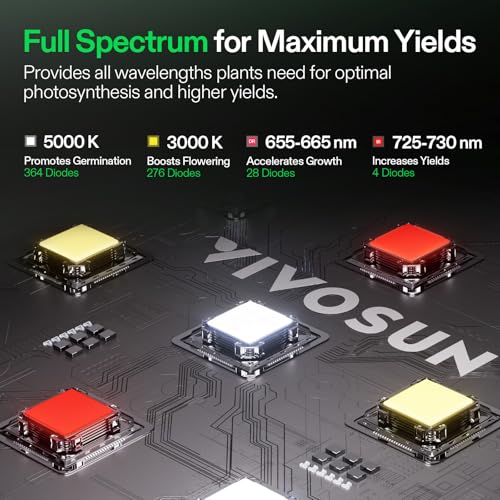
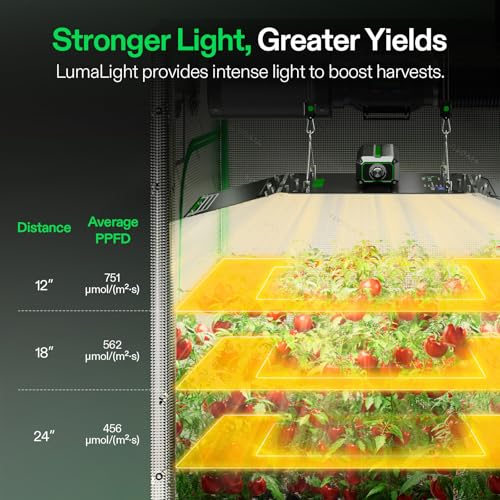
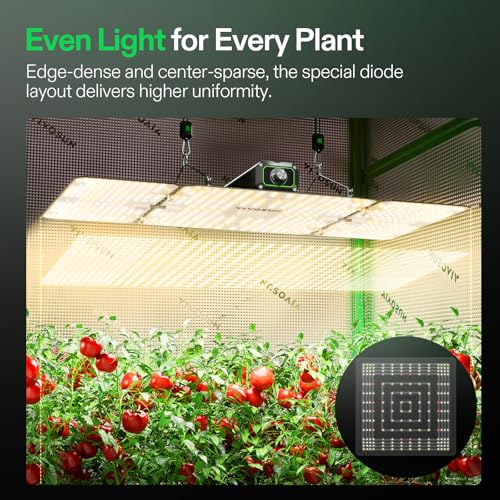
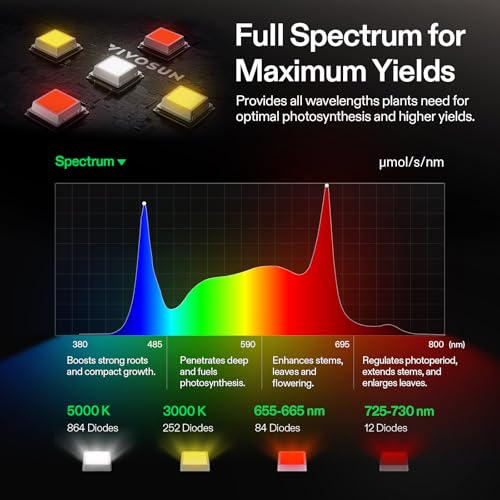
The LumaLight 200W feels like the sensible middle ground, solid performance without the premium price. It’s not the most powerful, but its PPFD uniformity is consistently praised, with owners noting even growth from corner to corner in 3×3 tents. The spectrum is well-balanced with blue, red, and far-red diodes, helping plants transition smoothly from veg to bloom.
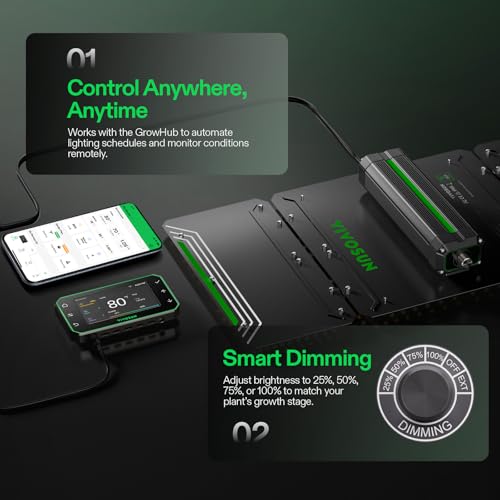
I’d pick this over pricier models if you’re just starting out. The 4-level dimming knob is straightforward, and while the smart features require a separate GrowHub, the basic unit works fine without it. The IP65 rating is a nice bonus, growers in humid setups or who foliar spray heavily say it holds up well over time.
Product photos
VIVOSUN LumaLight 320W LED
Strengths
- Deep canopy penetration
- High uniformity
- IP65 sealed
- Strong 320W output
- Good thermal management
Trade-offs
- GrowHub sold separately
- Heavier than most
- No included hanging kit
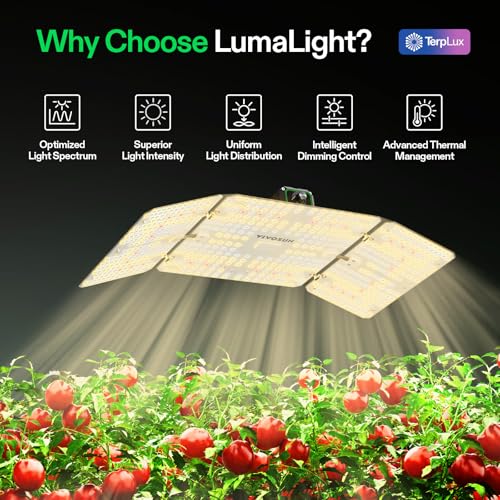
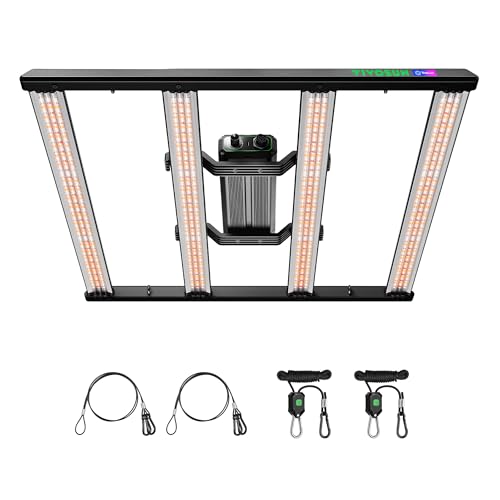
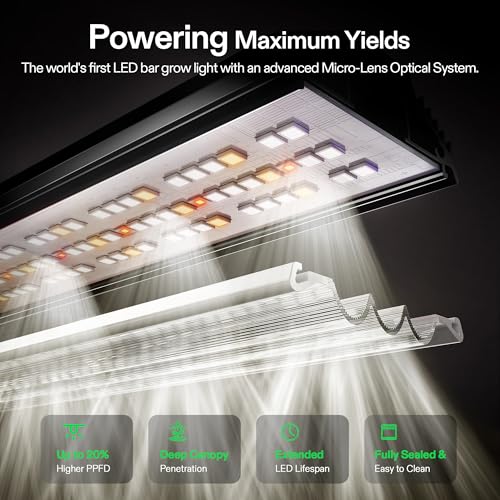
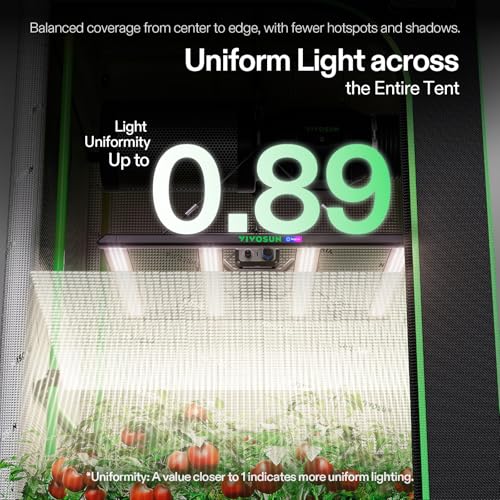
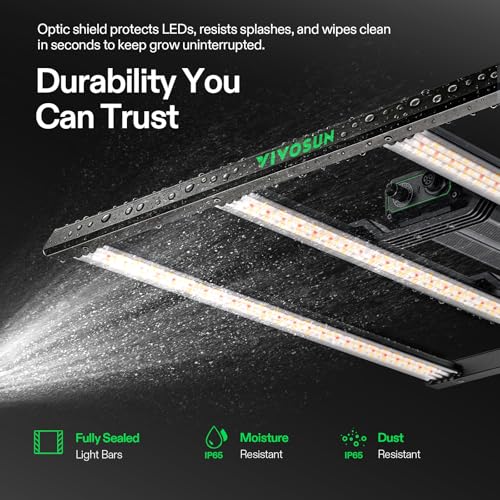
When you’re pushing for big yields in a 3×3 space, the LumaLight 320W delivers serious canopy penetration. The micro-lens optic system focuses light downward, boosting PPFD by up to 20%, a spec that shows in owner reports of thick lower branching and reduced internodal stretch. The 0.89 uniformity rating means no weak spots, which matters when you’re running multiple plants.
It’s sealed IP65, so humidity and spray aren’t issues, and the heatsink design keeps temps manageable even during 18/6 cycles. The GrowHub compatibility is a plus, but again, you’ll need to buy the hub separately. Still, for a light that balances power, coverage, and durability, this is a favorite among growers running full flowering tents.
Product photos

MARS HYDRO FC-E3000 300W
Strengths
- Top-tier efficiency
- Enhanced flowering spectrum
- Strong PPF output
- Good value
- Daisy chain support
Trade-offs
- Requires assembly
- App gear sold separately
- Basic build quality
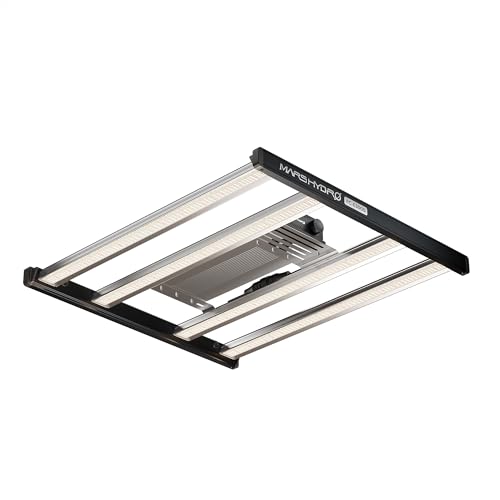
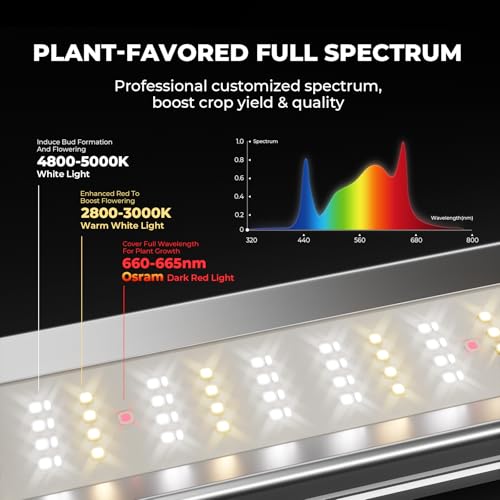
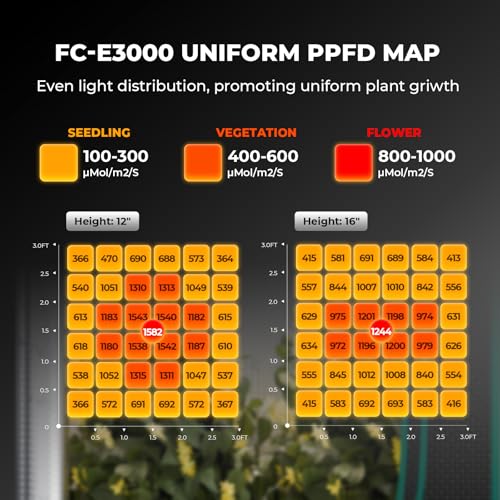
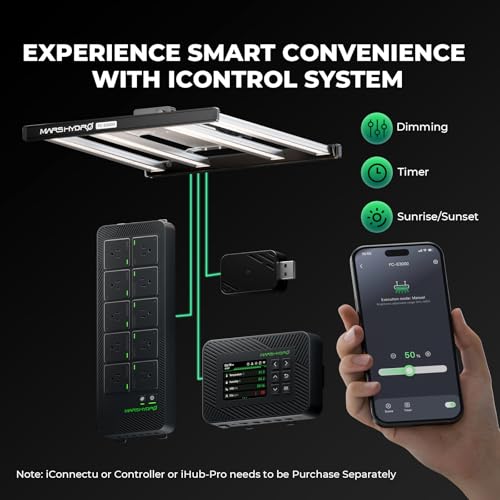
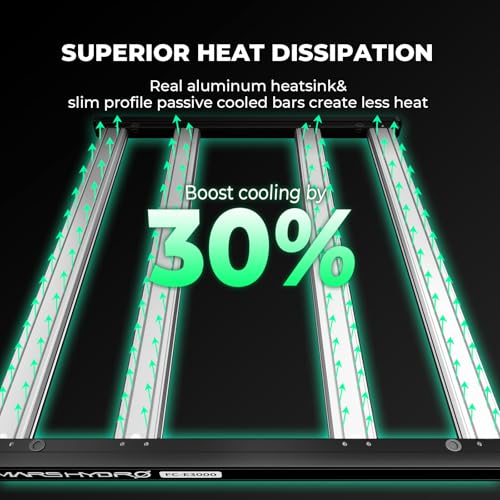
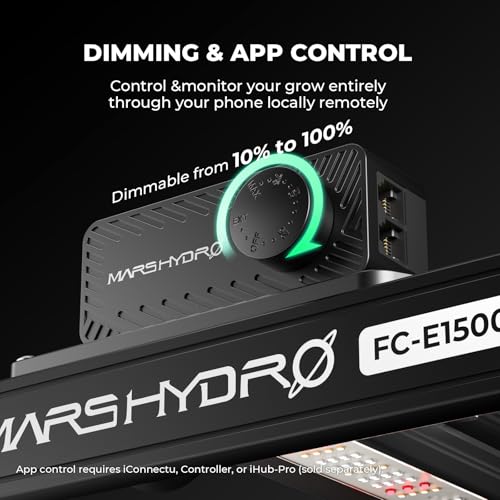
MARS HYDRO didn’t just tweak the FC-E3000, they optimized it for yield-focused growers who hate overspending. The 2.8 µmol/J efficiency is among the best in class, and the OSRAM red diodes make a noticeable difference in bud development, according to user feedback. At 300W, it covers 3×3 with strong core intensity, though some owners recommend lowering it during flowering to avoid light stress.
It’s not the prettiest out of the box, requires assembly and has a no-frills look, but that’s where the savings go: into the diodes and thermal design. The smart control via iConnectu app is solid, though like others, it needs extra hardware. For the price, the efficiency and spectrum tuning make this a stealthy powerhouse.
Product photos
VIPARSPECTRA P2000 250W LED

Strengths
- Strong veg and bloom spectrum
- Good canopy penetration
- Fanless quiet design
- Affordable price
- Daisy chain support
Trade-offs
- No smart app features
- Basic spectrum tuning
- No display or feedback
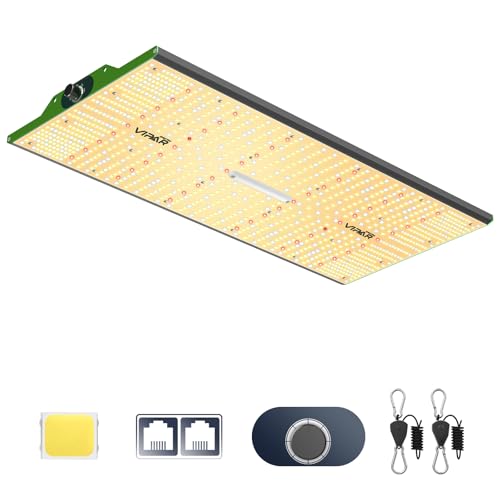
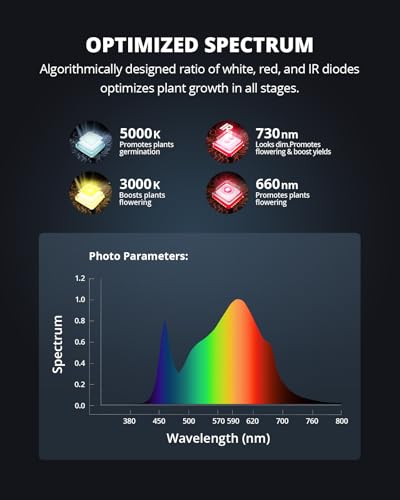
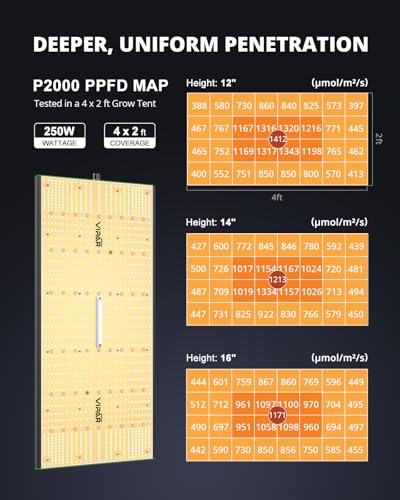
The P2000 hits a sweet spot for veg and bloom performance without breaking the bank. Its diode layout is engineered for depth, and owners consistently report strong lower canopy development, rare in lights at this price. The 250W draw is modest, but the PAR output punches above its weight, especially when hung close during flowering.
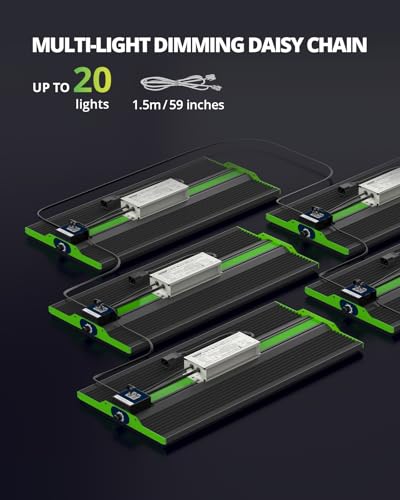
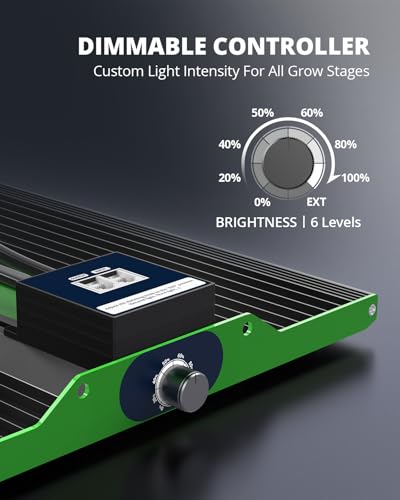
The dimmer knob is responsive, and being able to daisy chain 20 units makes it scalable for larger builds. The fanless design with aluminum heat sinks keeps noise down and lifespan up. While it lacks app control, that simplicity is a plus for growers who want reliability without digital clutter.
Product photos
MARS HYDRO TS1000 150W

Strengths
- Ultra low energy use
- Patented reflector
- Fanless design
- Quiet operation
- Daisy chain capable
Trade-offs
- Lower intensity for flowering
- No app control
- Max coverage less consistent
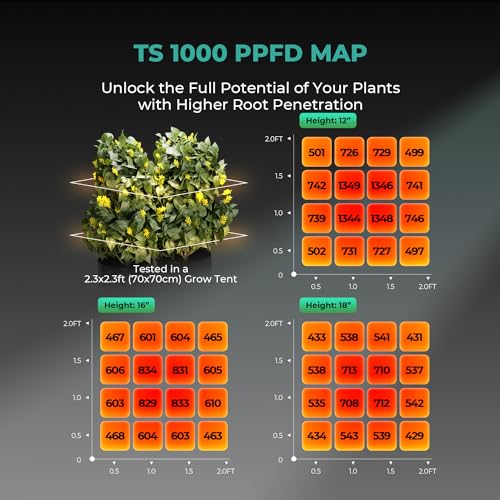
The TS1000 is the efficiency whisperer of this group, 150W that somehow competes with 250W HPS systems. Its patented reflector design is the star, redirecting 25% more light back to the canopy. Owners love how little energy it pulls while still supporting full cycles in 3×3 tents, especially when daisy-chained.
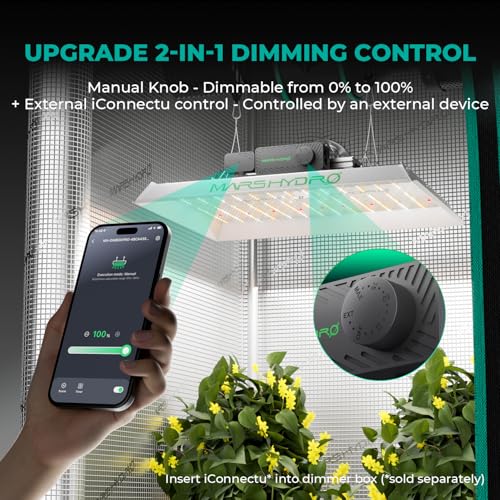
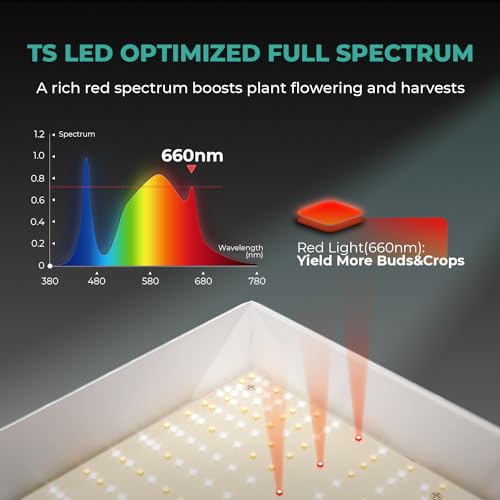
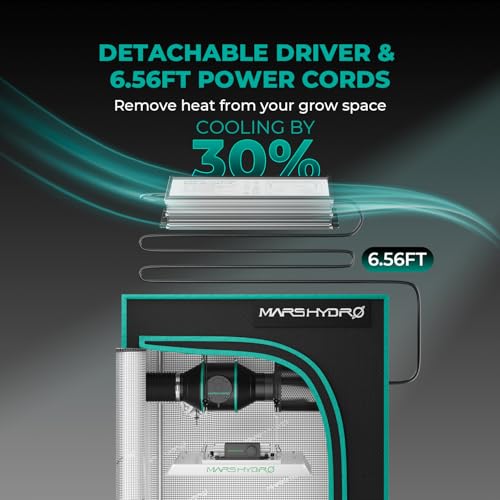
The fanless build means total silence, a big win for indoor growers in living spaces. It’s not the most intense for heavy flowering, but for greens, herbs, or mother plants, it’s ideal. The spectrum covers all stages well, and the 0–100% dimming gives precise control. This is the light I’d recommend if your priority is low power draw and quiet operation.
Product photos
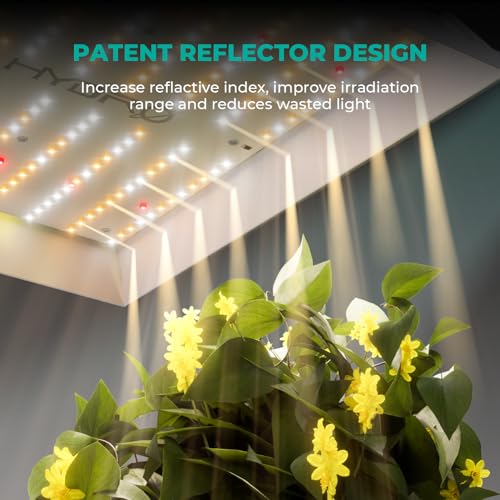
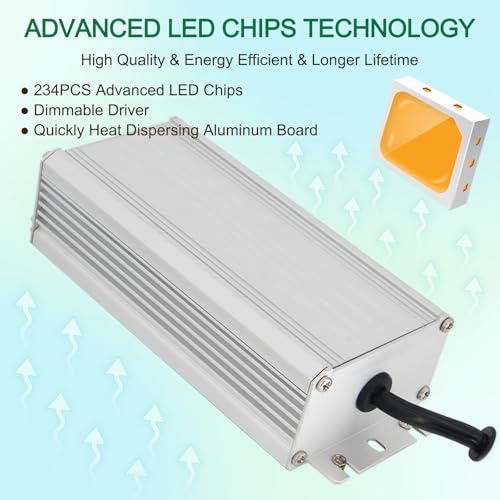
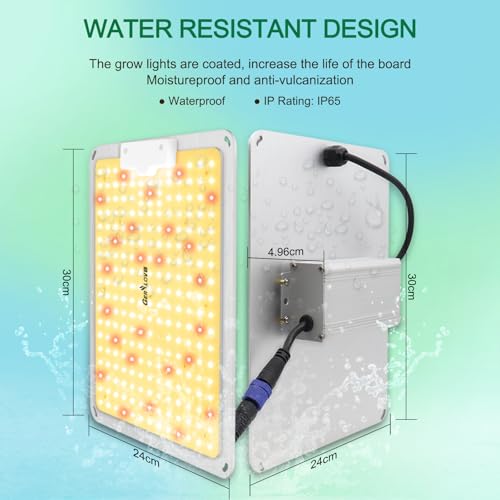
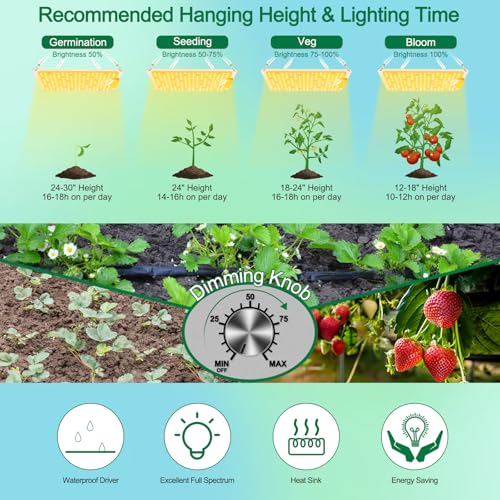
SP1000 120W Full Spectrum

Strengths
- Fanless quiet operation
- Excellent heat dissipation
- Energy efficient
- Daisy chain capable
- No noise from fans
Trade-offs
- Lower power for flowering
- No app or smart control
- Dimming knob lacks precision
If silence matters in your grow space, the SP1000’s fanless design makes it a standout. It pulls off 2.7 µmol/J on just 120W, which is impressive efficiency for such low power. The aluminum housing does double duty, dissipating heat and reflecting more light back to the canopy, a detail owners appreciate for avoiding hotspots and light burn.
The full-spectrum mix includes 660nm red and 730nm far-red, which some reviewers credit with faster flowering and better stem stretch control during veg. It’s not the most powerful for dense flowering plants, but for seedlings, herbs, or light-feeding veggies, it’s more than capable. Daisy chaining up to 50 units is overkill for most home growers, but it shows this is built to scale.
Product photos


How We Evaluated lights for 3×3 grow tent
I approached researching lights for 3×3 grow tents by first compiling specifications and features from numerous manufacturers. I then weighed those technical details against owner reviews from sites like Amazon and dedicated grower forums, alongside expert analysis from horticultural publications. My goal was to rank lights based on a practical understanding of what matters most to indoor gardeners, rather than a hands-on lab test.
For this category, light efficiency (umol/J) and full spectrum output were paramount. A 3×3 space demands lights that deliver strong, usable PPFD across the entire canopy, without excessive heat. Equally important was the ability to control the spectrum and intensity, allowing growers to tailor the light to different plant stages. These factors directly impact yield, quality, and energy costs. You’ll find more detailed information on LED grow lights for 3×3 tent in our broader guide.
Specifications reliably indicate a light’s potential power draw, diode types, and spectrum. However, I found owner feedback to be crucial for assessing real-world performance. Comments on heat management, build quality, and actual PAR readings (when provided) helped refine the rankings. Reputation, particularly for brands known for customer service and warranty support, also played a role. For practical 3×3 tent light recommendations, relying on the collective experience of other growers is invaluable.
What To Look For In lights for 3×3 grow tent
Picking the right lights for your 3×3 grow tent can feel overwhelming, but focusing on a few key features will make the process much easier.
A quality grow light for a 3×3 tent balances spectrum, intensity (PPFD), and efficiency (PPE). Look for full-spectrum LEDs offering a mix of wavelengths, a PPFD sufficient for your plant types, and a high PPE (over 2.5 µmol/J is a good benchmark) to minimize energy costs and heat output. Consider dimming capabilities and whether the light’s design suits your preferred growing style.
Understanding Light Spectrum
Don’t get caught up in marketing hype about specific wavelengths. While plants do have specific needs, a “full spectrum” light that mimics sunlight is generally best. It’s more important to look at the quality of that spectrum. Lights utilizing Bridgelux or Osram diodes tend to offer a more refined and balanced output than those relying on cheaper components. Many lights, like the Spider Farmer SE3000, focus on providing a good balance of blue (for vegetative growth) and red (for flowering), but remember that even “white” light contains a full range of colors.
PPFD and Intensity
PPFD – Photosynthetic Photon Flux Density – is the measurement of light intensity your plants actually receive. A higher PPFD generally means faster growth, but it’s not a simple case of “more is always better.” Different plants have different PPFD requirements. Seedlings and clones need less light than mature flowering plants. Many lights allow you to adjust the intensity, and understanding your plant’s needs is crucial. If you’re planning on growing light-hungry plants, you’ll want to investigate options like the VIVOSUN LumaLight 320W, which excels at providing even, powerful light across a larger canopy.
- Consider your plant type: Leafy greens require less intensity than flowering plants.
- Think about the growth stage: Seedlings need lower PPFD than established plants.
- Account for tent reflectivity: A highly reflective tent will bounce more light back to your plants, potentially requiring less intense lights.
Value and Usability Features
Beyond the core performance metrics, features like dimming, app control, and warranty add significant value. Dimmable lights, like the VIPARSPECTRA P2000, give you precise control over light intensity, allowing you to tailor the environment to your plants’ needs at every stage. App control, as seen in the Spider Farmer SE3000, offers convenience and the ability to create custom lighting schedules. Don’t overlook the importance of a good warranty; a five-year warranty, like those offered by Spider Farmer and Mars Hydro, provides peace of mind. For those looking for options tailored to different tent sizes, check out this 3×5 grow tent light guide to see what lights are best for larger setups.
A good rule of thumb: don’t skimp on the driver. A quality driver ensures stable power output and protects your LEDs, extending the lifespan of the light and maximizing your return on investment.
If you’re still unsure which lights would be best, I recommend browsing the top LED lights for 3×3 tents to get a broader overview of available options. And for anyone considering expanding their grow operation, exploring high-output grow lights might be a good idea.
Lights for 3×3 Grow Tent Compared
This table summarizes key specifications for lights designed for use in a 3×3 grow tent, to aid in comparing different models.
| Product Name | Wattage | Spectrum | PPF (umol/s) | PPE (umol/J) | Dimming | App Control |
|---|---|---|---|---|---|---|
| Spider Farmer G3000 | 300W | Full Spectrum | 824 | 2.75 | Yes | Yes |
| Spider Farmer SE3000 | 300W | Full Spectrum | 826 | N/A | Yes | Yes |
| VIVOSUN LumaLight 200W | 200W | Full Spectrum | N/A | N/A | Yes | No |
| VIVOSUN LumaLight 320W | 320W | Full Spectrum | N/A | N/A | Yes | No |
| MARS HYDRO FC-E3000 | 300W | Full Spectrum | 840 | 2.8 | Yes | Yes |
| VIPARSPECTRA P2000 | 250W | Full Spectrum | N/A | N/A | Yes | No |
| MARS HYDRO TS1000 | 150W | Full Spectrum | N/A | N/A | Yes | No |
| SP1000 | 120W | Full Spectrum | N/A | 2.7 | Yes | No |
Frequently Asked Questions
What wattage do I really need for a 3×3 grow tent?
Around 300 watts is a good starting point for a 3×3 tent, but the ideal wattage depends on your plants. More demanding plants like tomatoes or peppers will benefit from 400-500 watts, while leafy greens can thrive with around 200-250 watts.
How close should my grow light be to the plants?
Generally, start with the light about 24-36 inches above the canopy and adjust based on plant response. Signs of stress (bleaching or stretching) indicate the light is too close or too far, respectively.
Are more expensive grow lights always better?
Not necessarily. While higher prices often reflect better components and efficiency, a more expensive light isn’t always the right choice. Focus on achieving the appropriate PPFD and spectrum for your plants, as those are more important than brand name.
Can I use multiple smaller lights instead of one large one?
Yes, you can, and it can even offer more even light distribution. However, ensure the combined wattage is sufficient for your tent size and plant needs, and that the lights are positioned to avoid shadows. If you’re considering a smaller space, you might want to look at compact 2×2 light options.
What’s the difference between full-spectrum and specific wavelength lights?
Full-spectrum lights aim to mimic sunlight, providing a range of wavelengths plants use for photosynthesis and overall health. Specific wavelength lights target particular processes (like flowering), but full-spectrum lights are generally more versatile and easier for beginners to use.
The Bottom Line
Choosing a grow light often comes down to balancing upfront cost with long-term control and performance. While there are many options available, the Spider Farmer SE3000 consistently rises to the top as a well-rounded choice that delivers powerful output, app control, and a solid reputation for reliability. It’s a light that allows you to invest in quality without overspending, and gives you the flexibility to adapt to different plant needs.
For those on a tighter budget, the VIPARSPECTRA P2000 remains an excellent pick. It offers dimming capabilities and a full spectrum, providing a solid foundation for successful grows. If you’re looking for maximum intensity for demanding plants, the VIVOSUN LumaLight 320W will deliver impressive PPFD across your 3×3 space. And for smaller setups or those looking for a more compact solution, you can explore options like a grow lights for 2×4 tent.
Ultimately, the wattage and specific diode configuration are less critical than focusing on efficiency, full spectrum output, and a reputable brand. Prioritize a light that provides enough power for your plants, allows you to adjust the intensity as needed, and comes with a warranty you can trust. A little extra investment upfront can save you headaches – and improve your yields – down the road.
