
7 Best 3-Person Backpacking Tents of 2026
This post contains affiliate links. As an Amazon Associate, we earn from qualifying purchases.
The Naturehike Cloud Up 3 stands out as the best overall 3-person backpacking tent for its reliable weather protection and thoughtful design, with the Kelty Far Out 3 as a strong budget-friendly alternative that doesn’t sacrifice much comfort, while the Clostnature 3 Person offers extra durability for harsher conditions.
Picking a 3-person backpacking tent isn’t just about fitting three people, it’s about finding one that won’t weigh you down, leak in a downpour, or collapse in the wind. So many tents promise space and performance but fail when you’re soaked, tired, and wrestling poles in the dark.
This guide cuts through the noise. I looked at specs, owner experiences, and real-world feedback to find models that balance weight, weather resistance, and ease of use. These picks reflect what actually works on the trail, not just what looks good on paper.
Top 7 3 Person Backpacking Tents in the Market
The Best 3 Person Backpacking Tents, Reviewed
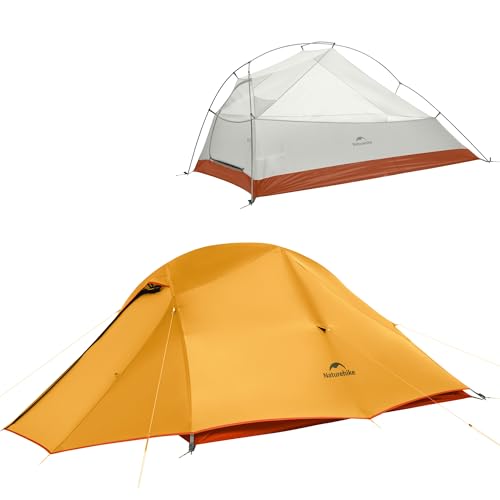
Naturehike Cloud Up 3 Person Tent
Strengths
- Excellent ventilation
- Footprint included
- Spacious and tall
Trade-offs
- Slight learning curve on setup
- Poles not color-coded
- Awkward packed shape
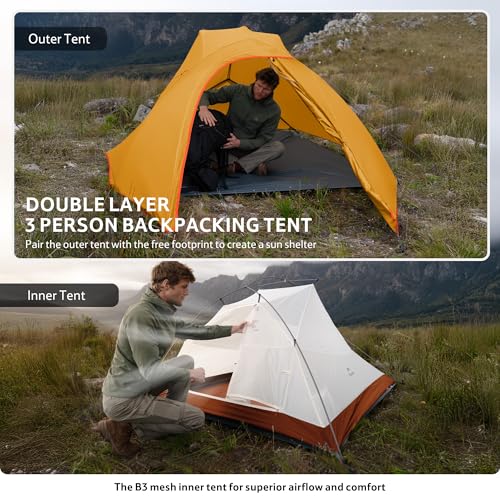
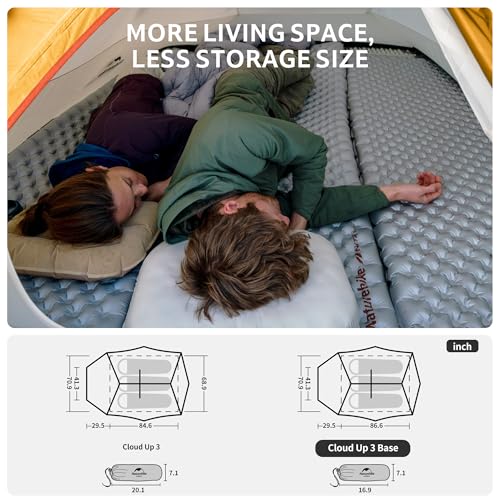
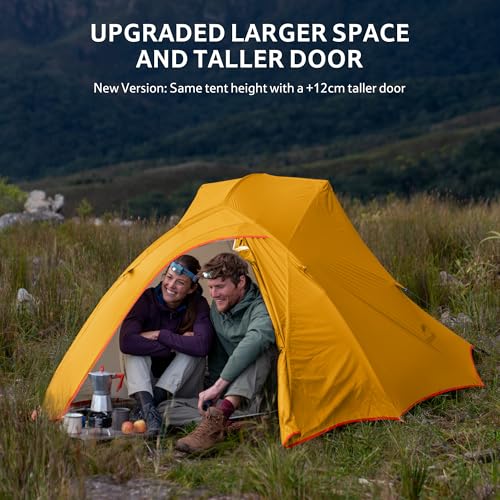
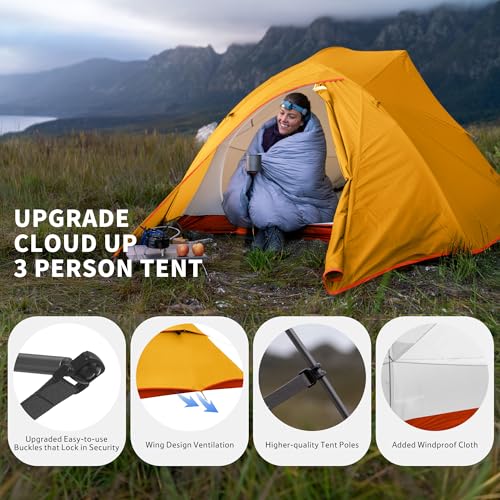
The Naturehike Cloud Up 3 earns its ‘Best Overall’ label by balancing weight, space, weather resistance, and smart design. At under 6.3 lbs and with a 116×83-inch floor, it’s roomy enough for three but still backpackable. The upgraded wing design increases the gap between inner and outer tents, which owners say dramatically reduces condensation, making it more breathable than the Cloud River while still offering 3000mm waterproof protection.
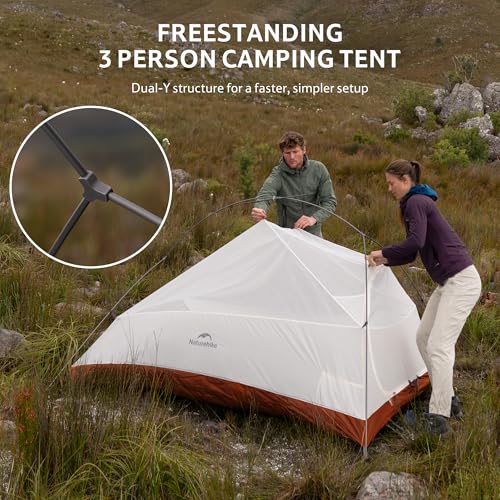
The included footprint is a major value plus, and the dual-Y pole structure allows for quick, freestanding setup. The high-density B3 mesh improves airflow without sacrificing durability, and the separate inner/outer option gives flexibility for different conditions. Compared to the Mongar, it’s slightly heavier but more versatile. For most backpackers, this is the sweet spot: rugged enough for real trips, light enough for long miles, and well-designed for real comfort.
Product photos
Marmot Crane Creek 3P Tent
Strengths
- Exceptional pole strength
- Seam-taped waterproofing
- Spacious interior
Trade-offs
- Heavier than average
- No footprint included
- Bulkier packed size
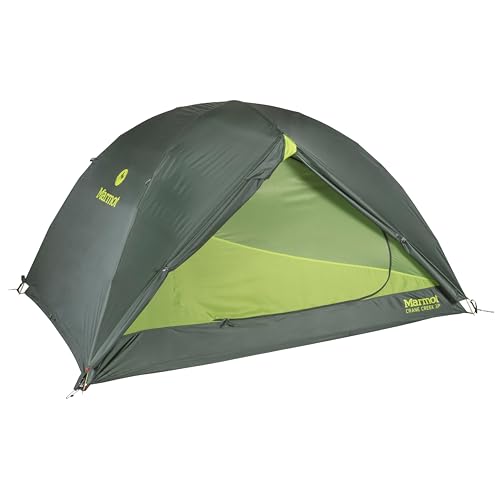
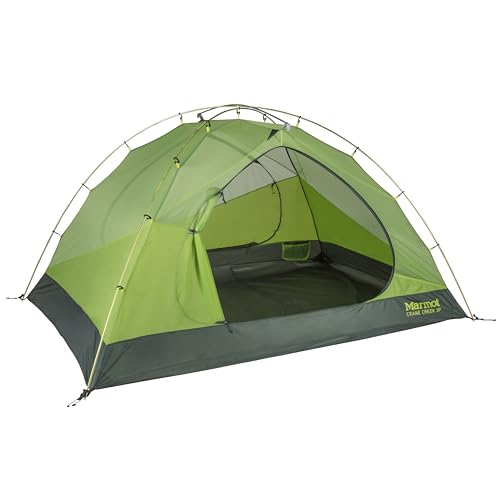
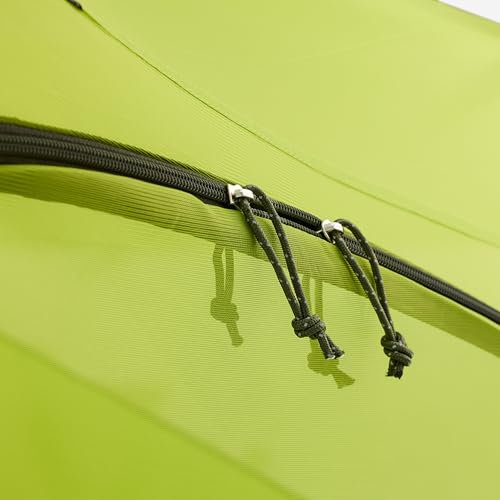
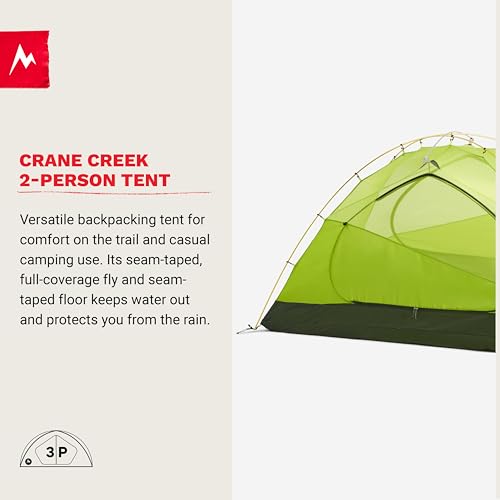
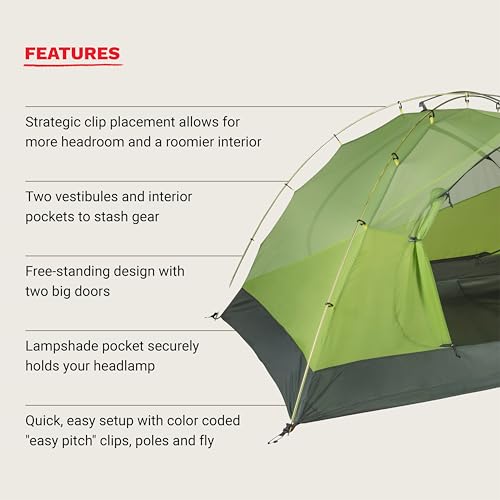
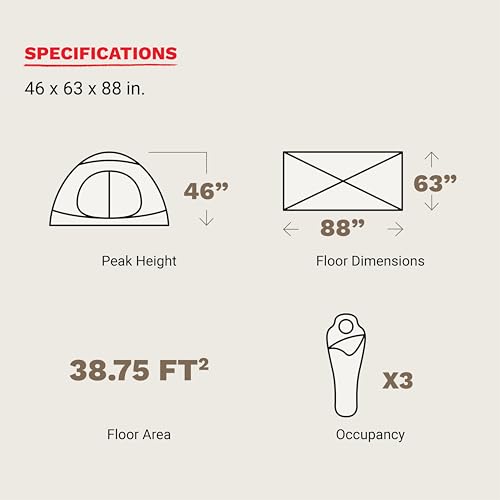
The Marmot Crane Creek 3P is built like a backcountry workhorse. With 7000 series aluminum poles and a 41.5 sq. ft footprint, it’s one of the more durable 3-person backpacking tents on the market, perfect for rugged terrain and shoulder-season trips. Owners consistently praise its stability in wind and its ability to shed rain thanks to fully seam-taped polyester fabric. The two large D-doors and dual vestibules make gear access and campsite living practical, even with three people.
Where it stands out is longevity. Marmot’s build quality has a reputation for lasting seasons, and the PFAS-free materials add eco-conscious appeal. That said, at 5.5 lbs (without footprint), it’s on the heavier end for serious backpackers. It’s not the lightest or most compact, but if you prioritize durability over grams, this tent earns its place. Compared to the Kelty Far Out, it’s sturdier but less beginner-friendly in setup and pack size.
Product photos
Kelty Far Out 3 Person Tent

Strengths
- Beginner-friendly setup
- Includes footprint
- Easy pack sack
Trade-offs
- Heavier than ultralights
- Plastic clips over metal
- Fly design limits weather use
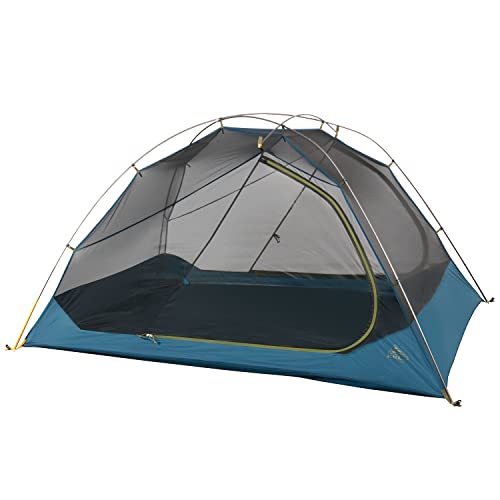
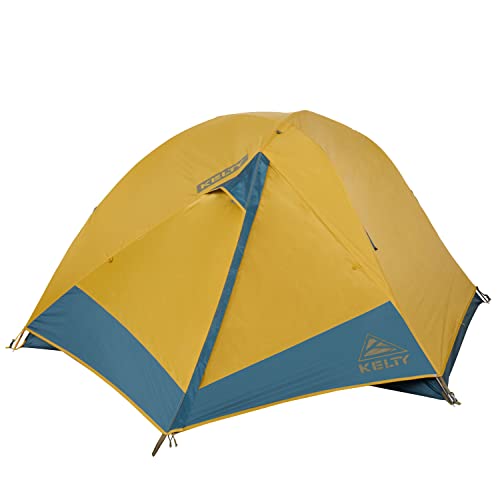
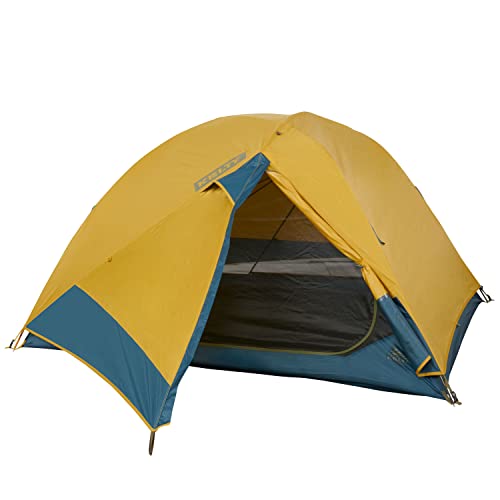
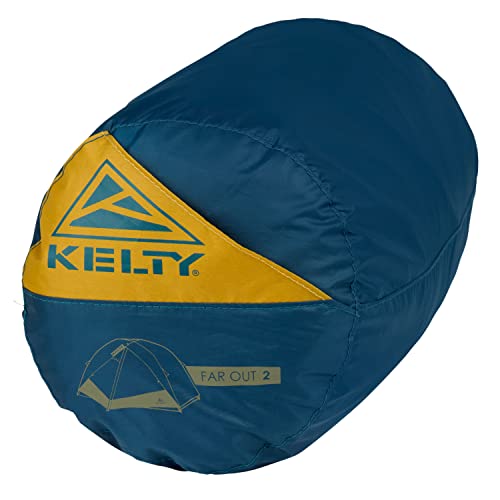
The Kelty Far Out 3P is my top pick for beginners, it’s intuitive, forgiving, and comes with a footprint included, which saves money and hassle. The pre-attached guylines and color-coded clips streamline setup, and the shark-mouth stuff sack makes packing up less frustrating than most tents. At 5.3 lbs, it’s not ultralight, but it’s manageable for new backpackers who aren’t optimizing every gram.
The stargazer fly is a fun feature, letting you roll back the rainfly from inside for night sky viewing, though it’s more novelty than necessity. Ventilation is solid, and the dual vestibules offer real gear storage. Compared to the Clostnature, it’s slightly heavier but better built and easier to use. If you’re just getting into backpacking, this tent removes the intimidation factor without sacrificing reliability.
Product photos
Clostnature 3 Person Backpacking Tent

Strengths
- Good waterproof rating
- Spacious for three
- Easy one-person setup
Trade-offs
- Heavier than ultralight rivals
- Moderate ventilation
- Less durable poles
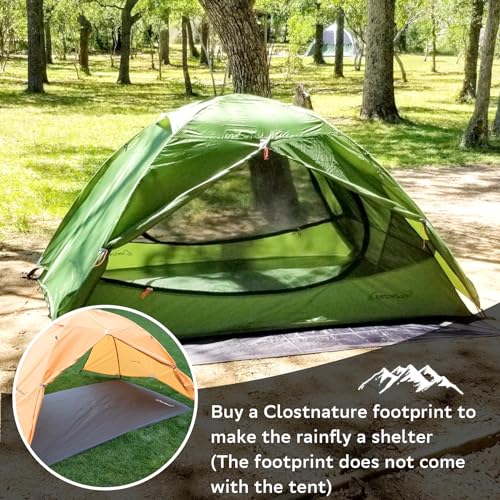
For a budget-friendly 3-person backpacking tent, the Clostnature delivers solid specs on paper. At just 6.17 lbs and with a 220×190 cm floor, it strikes a reasonable balance between weight and space, making it a realistic option for hikers who don’t want to splurge but still need something durable. The PU 5000 coating on the rainfly and floor stands out, this is a higher hydrostatic rating than many competitors, suggesting strong waterproofing under sustained rain, which owners confirm holds up well in spring and summer storms.
The two D-shaped doors and dual vestibules are thoughtful touches for a tent at this price, and the freestanding design with two aluminum poles makes setup a one-person job in under 10 minutes, according to consistent feedback. That said, the polyester fabric, while tough, isn’t as breathable as nylon, and some owners report higher condensation in humid conditions. It won’t match ultralight builds, but for casual backpackers or car-to-trail users, it’s a dependable shelter that overdelivers for the cost.
Product photos



Naturehike Cloud River 3 Person Tent
Strengths
- Superior airflow
- Tall interior height
- Lightweight poles
Trade-offs
- Lower waterproof rating
- Average storm performance
- Mesh attracts bugs
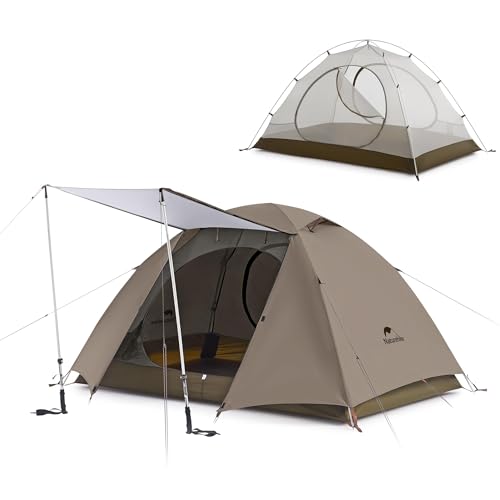
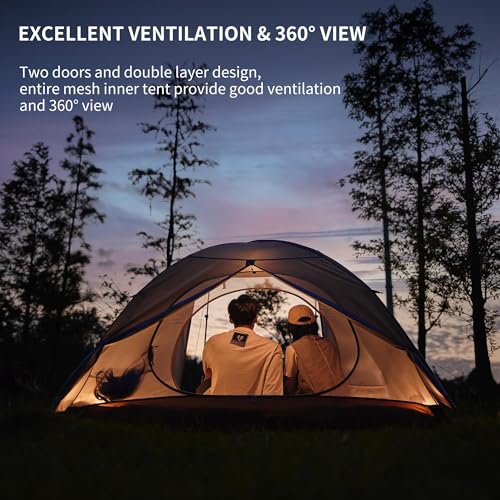
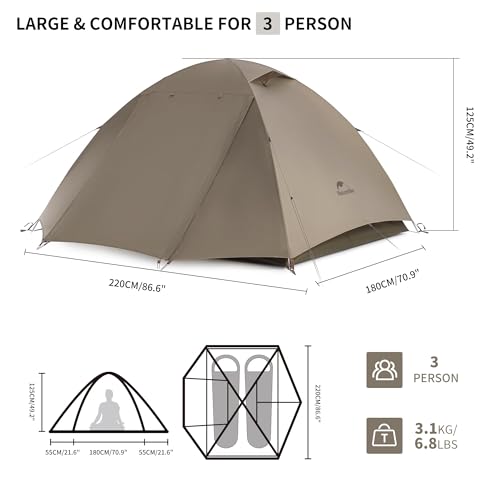
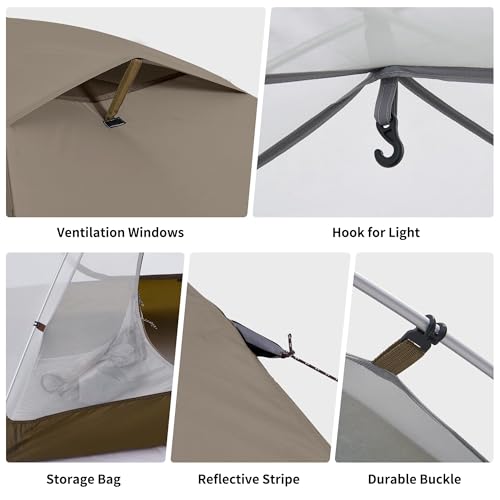
If ventilation is your top concern, the Naturehike Cloud River 3P is hard to beat. The entire inner tent is mesh, with two doors and two roof vents, creating a chimney effect that slashes condensation, owners in humid forests and rainy climates confirm it breathes exceptionally well. The 49.2-inch peak height is taller than average, so you can sit up comfortably, and the 7001 aluminum poles are both strong and lightweight.
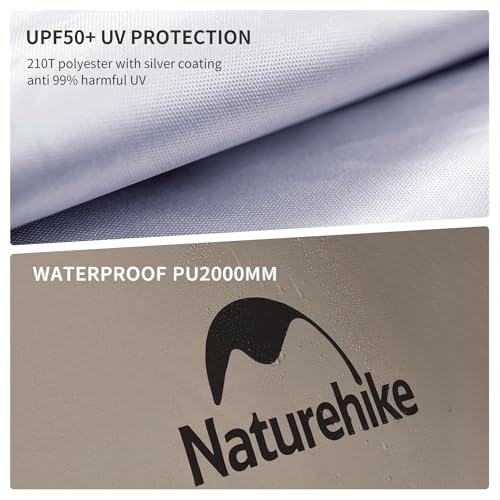
It’s not the most weatherproof, though. The 2000mm waterproof rating is acceptable for fair-weather trips but borderline for sustained rain. The silver-coated polyester offers decent UV protection, but in serious storms, water can seep through. Still, for summer hikes, desert camping, or bug-heavy areas where airflow matters, this tent shines. It’s more breathable than the Mongar and lighter than the Bessport, ideal for comfort-focused trips.
Product photos
Naturehike Mongar 3 Person Tent
Strengths
- Excellent rain protection
- Expandable awning
- Lightweight for build
Trade-offs
- Awkward pole repair kit
- Awning adds setup steps
- Slight condensation in cold
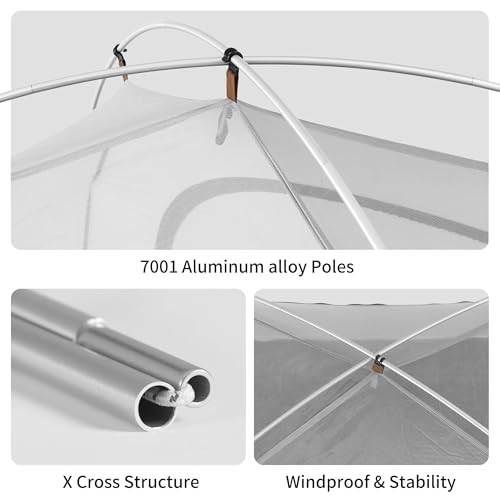
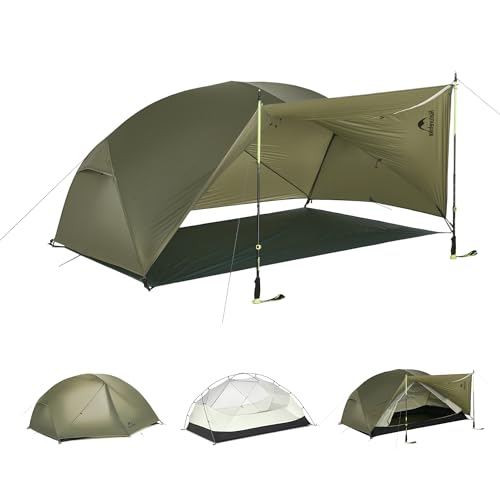
The Naturehike Mongar Pro is a standout for weather resistance, especially with its 3000mm hydrostatic head rating and ripstop 20D nylon construction. Owners report it holding up well in sudden downpours and alpine conditions, thanks to the sealed seams and robust pole system. The expandable awning is a clever feature, rare in this category, giving you extra cover for cooking or gear storage, which adds real-world versatility.
At 6 lbs, it’s not ultralight, but the 20D nylon keeps weight reasonable for the durability. The ventilation system, with dual mesh doors and adjustable vestibules, helps reduce condensation, though not quite as well as the Cloud River. It’s more technical than the Clostnature and better suited for serious hikes. If you’re heading into unpredictable weather and want a tent that won’t fold under pressure, this is a smart pick.
Product photos



Bessport 3 Person Camping Tent

Strengths
- Outstanding wind stability
- Smooth, snag-free zippers
- Good rain protection
Trade-offs
- Heaviest in class
- Lower breathability
- Bulky packed size
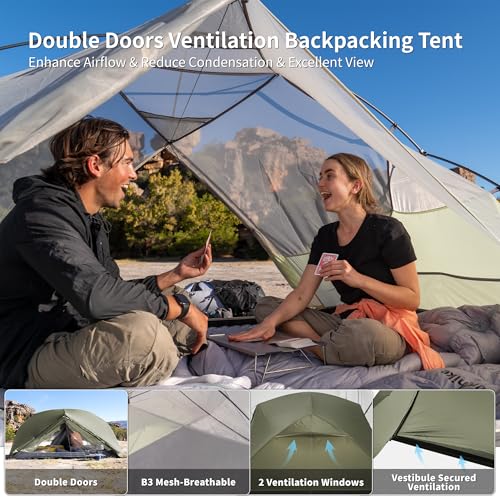
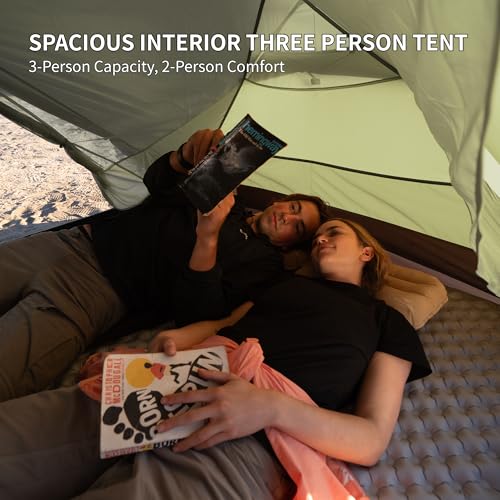
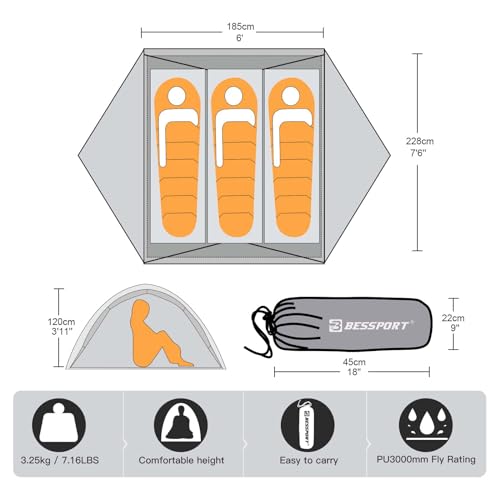
When wind stability is the priority, the Bessport 3-person tent makes a strong case. Its 8.5mm aluminum poles and four guylines are engineered for high-wind performance, and owners report it staying upright in gusts that flattened lighter tents. The 3000mm waterproof rating and fully taped seams add solid rain defense, and the dual D-doors with smooth zippers make entry easy even with gloves on.
But it’s also one of the heavier options here at 7.16 lbs, nearly a pound more than some ultralights. The ventilation is decent with ceiling vents and mesh windows, but the polyester fabric doesn’t breathe as well as nylon, leading to some moisture buildup in humid weather. It’s roomy, yes, but that comes at the cost of portability. Compared to the Kelty Far Out, it’s sturdier in storms but less beginner-friendly due to weight and bulk.
Product photos


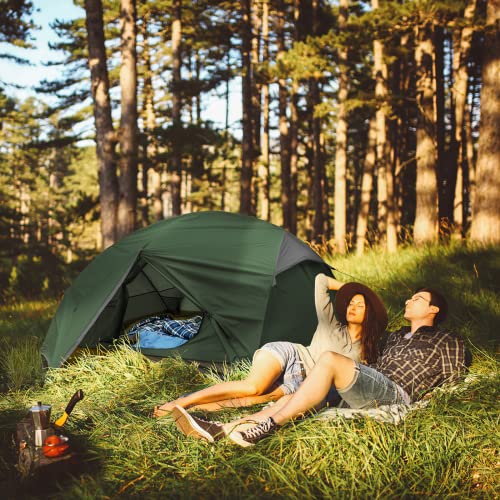
How We Evaluated 3 person backpacking tents
Rather than a hands-on lab test, my research focused on a detailed comparison of published specifications and features across numerous 3-person backpacking tents. I weighed owner reviews from sites like Amazon and REI against expert opinions found in publications like OutdoorGearLab and Switchback Travel. This process allowed me to build a picture of real-world performance, looking beyond marketing claims to understand how these tents actually hold up on the trail. My analysis prioritized identifying consistent trends in user feedback.
For 3-person backpacking tents, weight, waterproof rating, and ease of setup were the most heavily weighted factors. A lower weight is critical for comfortable backpacking, while a robust waterproof rating (fly and floor) is essential for staying dry in unpredictable conditions. Ease of setup is also key; a tent that’s quick and intuitive to pitch is far more valuable when you’re tired after a long day of hiking. These factors directly impact the experience and practicality for this type of tent.
Specifications reliably indicate a tent’s potential – dimensions, weight, pole material, and waterproof ratings are all valuable data points. However, I found owner feedback crucial for assessing durability, wind resistance, and the accuracy of advertised features. Reputable sources helped identify the top backpacking tent brands consistently praised for quality and design, while also highlighting potential drawbacks reported by users. I also looked to see which trusted tent companies had a strong track record of customer support.
How To Pick The Right 3 person backpacking tents
Finding the right shelter for your adventures requires a bit more thought than just grabbing the cheapest option. We’ll walk through the key factors to consider when choosing a three-person backpacking tent.
A quality three-person backpacking tent balances weight, durability, and weather protection. Prioritize a fully seam-sealed rainfly with a PU coating of at least 2000mm, a robust pole set (aluminum is preferable), and a design that maximizes interior space without adding unnecessary weight. Look for features like effective ventilation to minimize condensation and a footprint included for ground protection.
Weight and Packability
Weight is paramount when you’re carrying everything on your back. A three-person tent will be heavier than a one- or two-person version, but there’s a wide range. Generally, anything under 6 pounds is considered lightweight for a three-person tent, but consider the features you’re getting for that weight. Some tents achieve a lower weight by using thinner fabrics or fewer poles, which can compromise durability. It’s a trade-off. If you’re consistently doing long-distance trips, shaving every ounce matters, and you might want to explore lightweight 3-person tents designed for minimalist backpacking.
Weather Protection and Durability
Don’t underestimate the importance of a tent that can withstand the elements. A high denier polyester or nylon rainfly with a polyurethane (PU) coating is crucial. Look for a rating of at least 2000mm, and 3000mm or higher for areas with frequent or heavy rainfall. Seam sealing is also essential; even a small leak can ruin a trip. Beyond rain, consider wind resistance. Tents with multiple guylines and a low profile tend to handle wind better. If you plan on venturing out in shoulder seasons or potentially snowy conditions, research backpacking tents for winter or tents with 4-season tent features for enhanced stability and weather protection.
- Pole Material: Aluminum poles are the standard for backpacking tents. They are stronger and more durable than fiberglass, but also more expensive.
- Fabric Denier: A higher denier number indicates a thicker, more durable fabric. However, it also adds weight.
- Rainfly Construction: Look for a rainfly that extends all the way to the ground to provide maximum coverage and protection from wind and rain. This is especially important in exposed areas.
A tent’s durability is about more than just its weight. Stronger materials and construction will keep you safe and dry, trip after trip.
Usability and Features
Beyond the basics, consider features that will improve your camping experience. A tent with easy-to-use zippers, ample storage pockets, and a spacious vestibule can make a big difference. Vestibules provide covered storage for gear, keeping it dry and accessible. A freestanding design makes setup easier, especially on uneven ground. I often recommend looking at the door design; larger doors make getting in and out easier, and dual doors are great for three-person tents to avoid climbing over each other. If you’re new to backpacking, a tent that’s simple to set up is a huge plus, and you might benefit from exploring top-rated 3-person backpacking tents designed for ease of use.
3 Person Backpacking Tents Compared
This table summarizes key specifications for a range of 3-person backpacking tents to aid in comparing models.
| Product Name | Capacity | Weight (lbs) | Floor Size (sq ft) | Waterproof Rating (mm) | Packed Size (in) |
|---|---|---|---|---|---|
| Naturehike Cloud Up 3 | 3 | 6.3 | N/A | 3000 | 16.9 x 6.7 x 6.7 |
| Marmot Crane Creek 3P | 3 | N/A | 41.5 | N/A | N/A |
| Kelty Far Out 3 | 3 | 5.3 | 40 | N/A | N/A |
| Clostnature 3 Person | 3 | 6.17 | N/A | 5000 | 16.5 x 6.3 x 6.3 |
| Naturehike Cloud River 3 | 3 | 6.8 | N/A | 2000 | 52 x 16 x 16 |
| Naturehike Mongar 3 | 3 | 6 | N/A | 3000 | 16.9 x 6.7 x 6.7 |
| Bessport 3 Person | 3-4 | 7.16 | N/A | 3000+ | N/A |
Frequently Asked Questions
What floor space should I expect in a 3-person backpacking tent?
Around 40-45 square feet is typical, though it can vary. Keep in mind that “3-person” often means 3 people cozy, so if you value space, look for tents closer to the 45 sq ft mark, or consider a slightly heavier model offering more room.
Are freestanding tents really easier to set up?
Yes, freestanding tents are generally quicker to pitch. They don’t require staking to maintain their shape, which is very useful on rocky or hard-packed ground where driving stakes is difficult.
What does the waterproof rating (mm) actually tell me?
That number indicates how much water pressure the fabric can withstand before leaking. A rating of 2000mm is considered a minimum for good protection, and 3000mm or higher is better for consistently wet conditions – though seam sealing and overall rainfly design are equally important.
What’s the benefit of an included footprint?
A footprint protects the floor of your tent from abrasion and punctures, extending its lifespan. It also adds a waterproof barrier, providing extra protection in very wet conditions. It’s a small investment that can save you money on tent repairs or replacement down the road.
Where can I find more in-depth reviews of specific models?
For a deeper look at a range of options, I recommend checking out reviews of the best 3-person backpacking tents to compare features and performance details.
The Bottom Line
Choosing a three-person backpacking tent always comes down to balancing how much you’re willing to carry against how comfortable you want to be. For most backpackers, the Naturehike Cloud Up 3 strikes the best overall balance of weight, space, and weather protection. It’s a solid choice that won’t break the bank or your back, and consistently receives positive feedback from owners.
If you’re on a tighter budget, the Kelty Far Out 3 delivers a lot of value for the price. For those prioritizing maximum versatility and don’t mind a bit of extra weight, the Naturehike Cloud River 3 offers generous space and features. Remember to carefully consider how you plan to use the tent – a weekend warrior will have different needs than a thru-hiker.
Ultimately, the specs don’t tell the whole story. Focus on finding a tent with a robust waterproof rating, durable materials, and a design that suits your typical camping style. A well-chosen tent isn’t just about staying dry; it’s about enjoying your time in the backcountry, and a little extra thought upfront can make all the difference.