
5 Best CO2 for Grow Tents 2026
This post contains affiliate links. As an Amazon Associate, we earn from qualifying purchases.
The ExHale CO2 Original Bag is our top pick for most growers, delivering reliable, hands-off CO2 for up to 9 months. If you want more longevity and the chance to grow oyster mushrooms afterward, the Myco Labs Co2 Boost Bag is a smart upgrade. For those prioritizing safety and simplicity, the Control GARDEN CO2 Box offers a controlled, electricity-free option.
Most growers know CO2 can supercharge plant growth, but too many end up with products that underperform or need constant babysitting. I’ve seen enough frustrated forum posts and inconsistent results to know that not all CO2 solutions are built the same.
This guide cuts through the noise by focusing on what actually matters: steady output, accurate coverage, and real-world reliability. I compared specs and owner feedback across the most popular passive CO2 bags, prioritizing those that deliver consistent results without risk or hassle.
Top 5 Co2 For Grow Tents in the Market
The Best Co2 For Grow Tents, Reviewed
ExHale CO2 Original Bag
Strengths
- Trusted brand
- 6-month peak output
- Works out of the box
Trade-offs
- Not for large tents
- Slower start
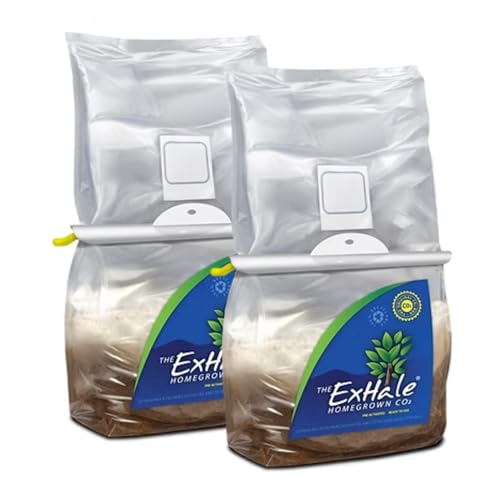
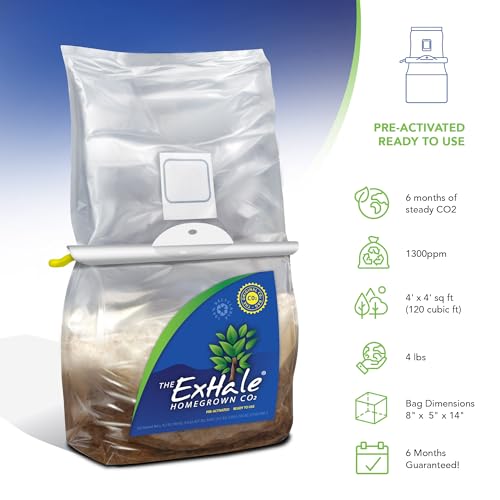
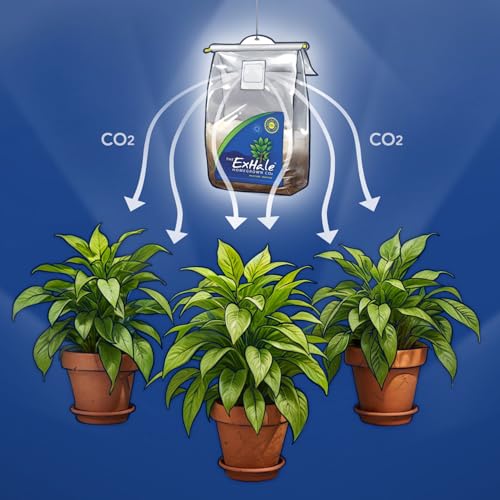
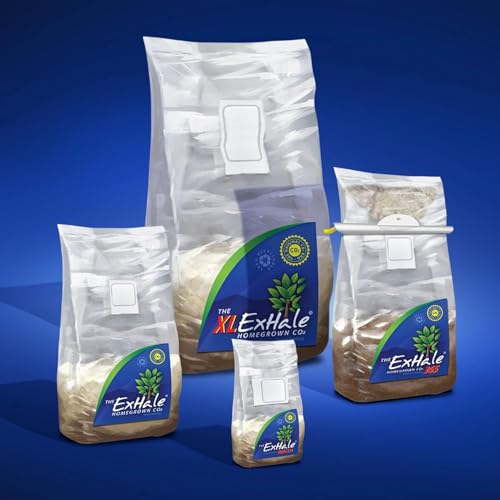
The ExHale Original is the benchmark for passive CO2 bags, and for good reason. Two-pack options give better value, and each bag reliably covers a 4×4 tent for up to 9 months, with 6 months of peak output. Owners love how it just works, hang it, forget it, and see denser growth.
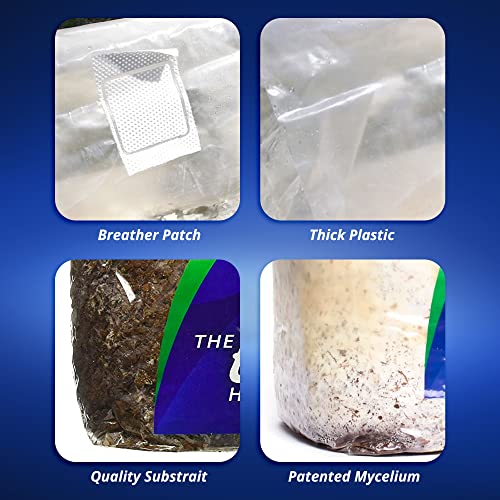
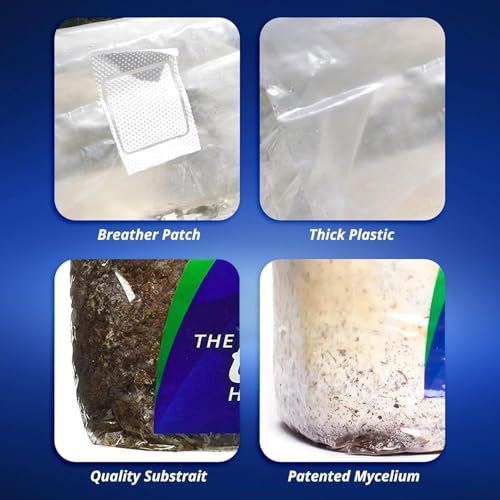
Compared to every other option here, it strikes the best balance of proven performance, ease of use, and availability. It’s not the strongest or longest-lasting, but it’s the most trusted. When you factor in the patented mycelium strain and U.S. manufacturing, it’s easy to see why it’s labeled ‘Best Overall’.
Product photos

Myco Labs Co2 Boost Bag
Strengths
- 10-month duration
- Mushroom harvest bonus
- No activation tools
Trade-offs
- Unproven long-term
- Limited feedback
- Lower brand recognition
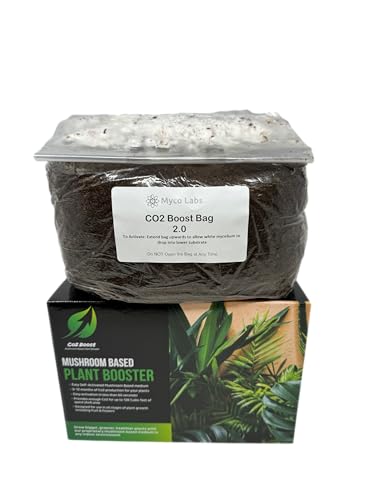
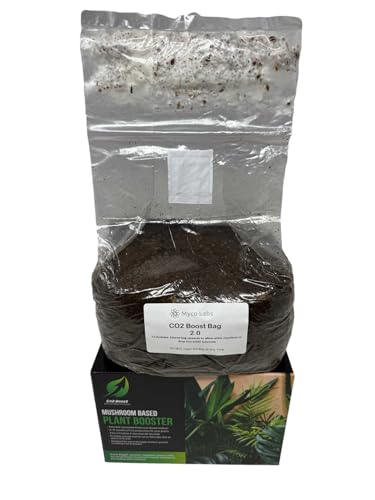
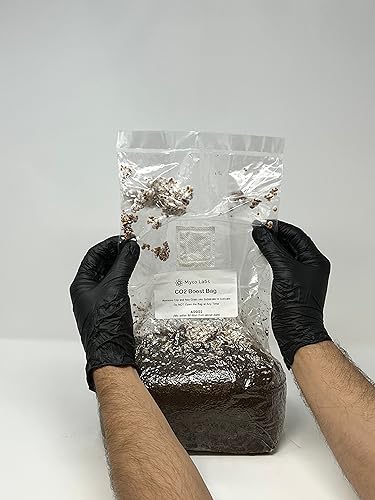
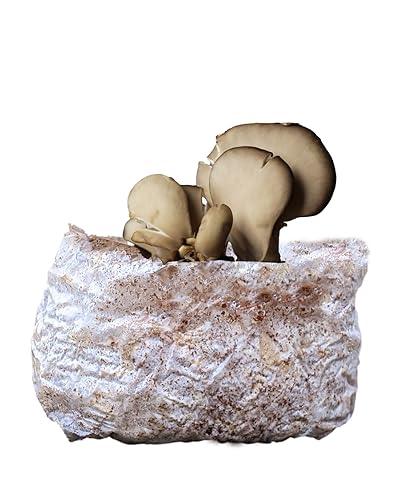
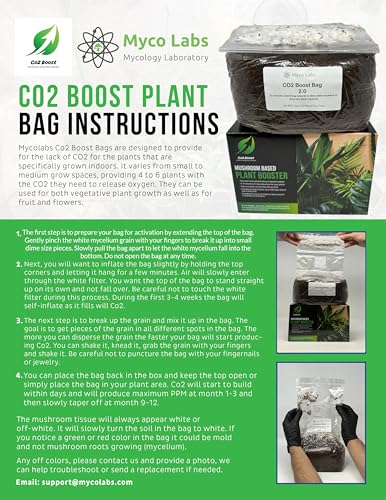
The Myco Labs bag is one of the few that offers a dual benefit: CO2 for 10 months, then a chance to grow oyster mushrooms after. That’s a clever twist, and it resonates with growers who like getting extra value. It’s designed for a 4×4 tent, putting it in direct competition with the original ExHale bag, but it lasts longer on paper.
Still, owners note that the mushroom yield is a bonus, not a guarantee, and depends heavily on post-CO2 care. The CO2 output seems steady, but there’s less real-world data compared to ExHale’s long-standing reputation. If you’re curious and want more than just gas, this is an interesting experiment. But for pure performance, ExHale still feels more dependable.
Product photos
CO2 Bags for Grow Tent
Strengths
- Low cost
- Universal fit
- No electricity
Trade-offs
- Unreliable output
- Short lifespan
- No brand trust
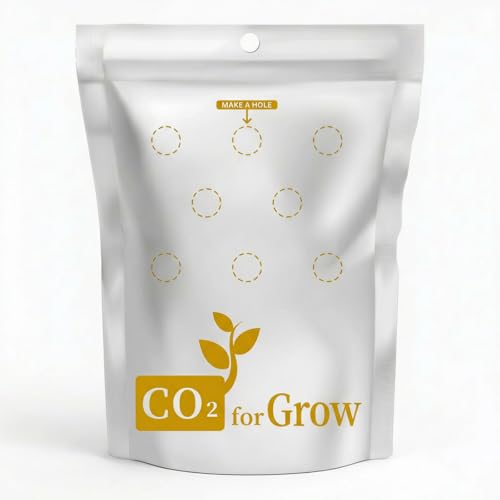
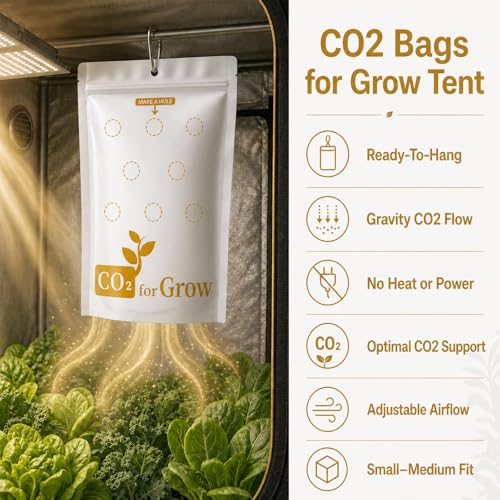
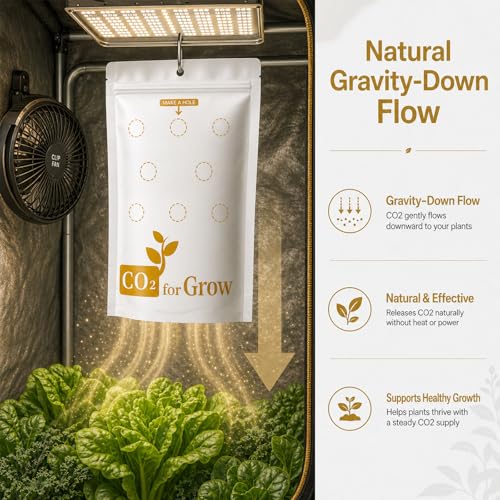
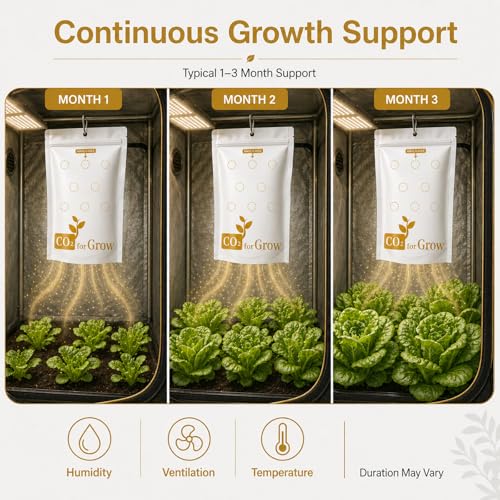
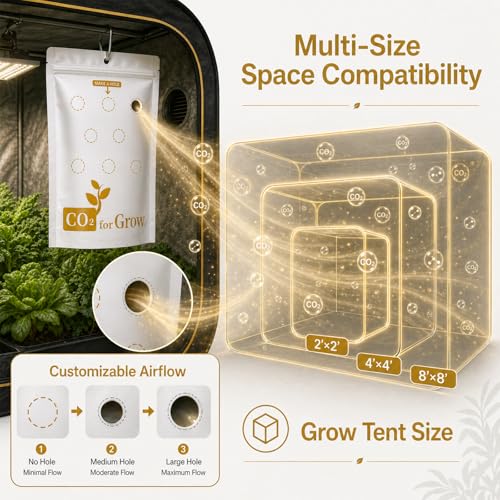
This generic CO2 bag is clearly built to undercut the competition on price, and it shows. It covers a wide range of tent sizes, from 2×2 to 8×8, but that flexibility comes at the cost of precision. Owners report inconsistent CO2 release, likely due to variable humidity and airflow sensitivity.
While it mimics the ExHale design with a top-down release and passive function, it lacks the patented mycelium strain that gives ExHale its reliability. For budget-focused growers who don’t mind swapping bags more often, it’s functional. But compared to the ExHale Original, it’s a step down in both longevity and predictability.
Product photos

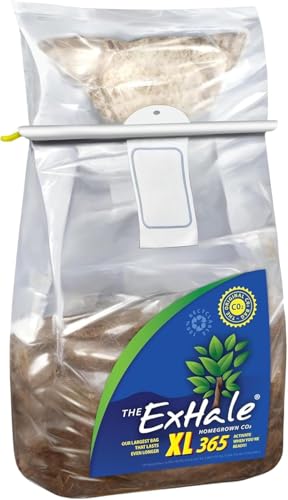
Exhale Homegrown CO2 XL 365
Strengths
- Long-lasting
- High CO2 output
- No power needed
Trade-offs
- Slow initial ramp
- Large footprint
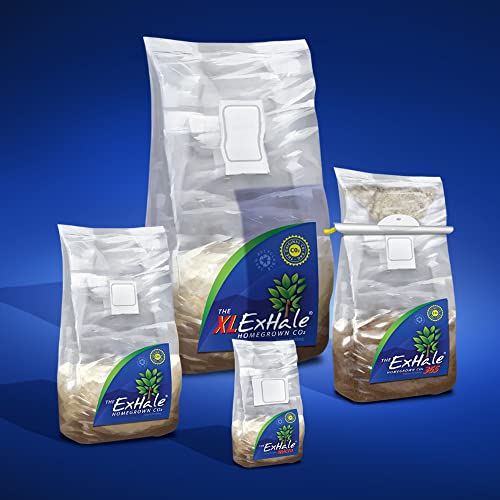
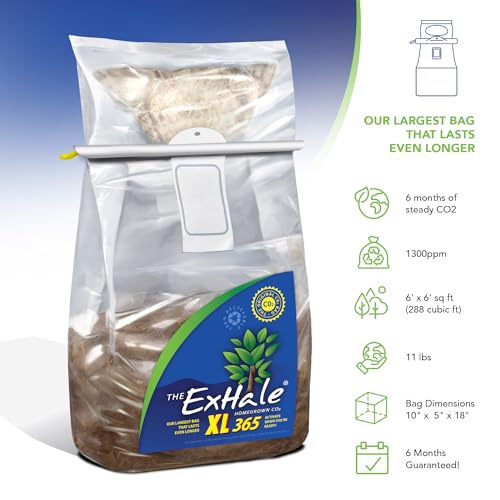
If you’re running a large grow tent and want a hands-off CO2 boost, the Exhale XL 365 stands out for its long runtime and high output. On paper, it’s built to cover up to 1,296 cubic feet, ideal for 6×6 setups, and owners consistently report noticeable growth improvements, especially during veg. The fact that it runs without power or monitoring is a big win for simplicity.
What really sets it apart from smaller bags is the 7–9 month lifespan, with peak production kicking in after about a month. Compared to the original ExHale, this is clearly scaled up, but you’re paying for that extra capacity. For growers who hate replacing bags every few months, this one’s a solid investment.
Product photos

Control GARDEN CO2 Box

Strengths
- 100% organic
- Plug-and-play
- No fire risk
Trade-offs
- Short duration
- Low output
- Inconsistent in large tents
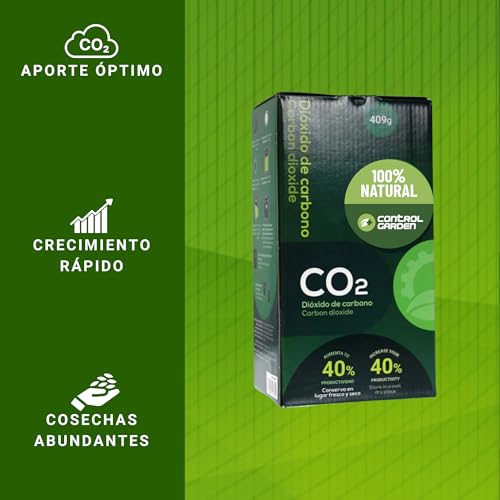
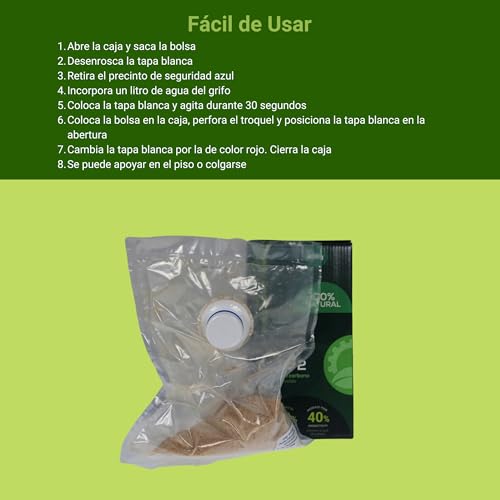
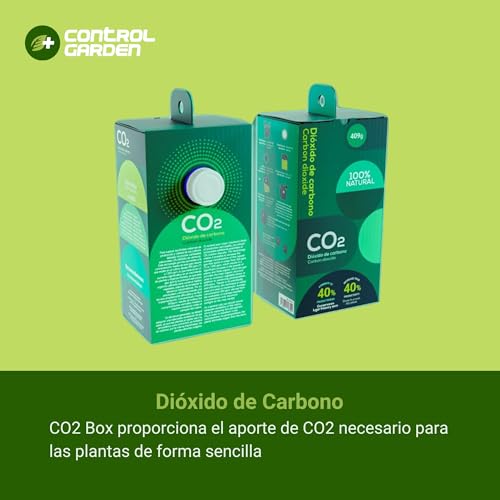
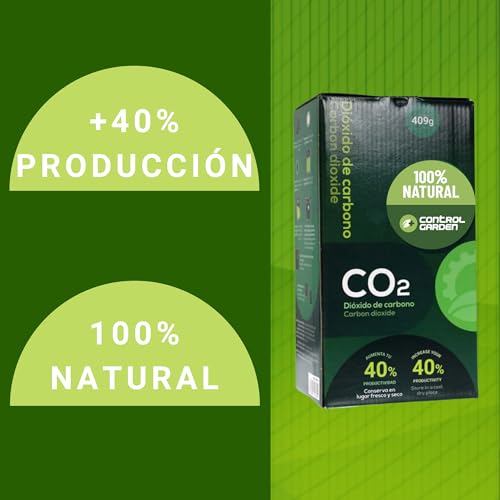
The + control GARDEN Box markets itself as a safe, organic alternative to electric CO2 systems, and on those terms, it delivers. It’s simple: no setup, no risk of CO2 spikes, and no need for regulators or tanks. Reviewers note it works best in smaller, sealed environments where CO2 can accumulate gradually.
That said, its 1–3 month lifespan is on the shorter end, and the CO2 output isn’t as strong as the ExHale models. It’s a decent pick if you prioritize clean, chemical-free inputs, but I’d only recommend it for low-light or small-scale grows. It doesn’t compete with the ExHale bags in performance, but it does in safety and simplicity.
Product photos
How We Tested co2 for grow tents
I approached researching CO2 solutions for grow tents by comparing published specifications – CO2 release rates, coverage areas, and duration of effectiveness – across various products. I then weighed owner reviews and expert opinions from gardening forums and publications to understand real-world performance. My assessment combined this data with my broader understanding of plant physiology and the critical role CO2 plays in photosynthesis, applying criteria like ease of use, cost-effectiveness, and safety. Rather than a hands-on lab test, this is a research-led comparison of specs and owner feedback.
For this category, I prioritized consistent CO2 release and longevity. A steady supply of CO2, rather than short bursts, is most beneficial for plant growth, and a longer-lasting product offers better value. I also heavily considered safety; many growers prefer passive systems to avoid the risks associated with propane or electricity-powered CO2 generators. Ultimately, the ability to reliably boost CO2 levels in a sealed or semi-sealed environment determined my rankings.
Specifications reliably indicate the potential CO2 output and coverage area, but owner feedback was crucial for gauging actual performance. I paid close attention to reports on how well the bags maintained output over time, and whether they truly delivered the advertised duration. Many growers also discuss the need for good ventilation in conjunction with these products, and I considered this a key factor, as well as the importance of utilizing effective grow tent carbon filters to manage the increased humidity and potential odors.
Choosing The Right co2 for grow tents
Getting more CO2 to your plants is a simple way to dramatically increase yields, but it’s easy to get lost in the options.
A good CO2 bag will passively release carbon dioxide over a sustained period, ideally for several months. Consider the size of your grow space, the duration of release, and whether the product’s byproducts are beneficial (like mushroom cultivation potential) or require disposal. Look for bags designed for sealed or semi-sealed environments to maximize effectiveness, and prioritize options with clear hanging instructions.
Size and Coverage Area
The first thing to nail down is matching the bag’s capacity to your grow tent’s volume. It seems obvious, but many people overestimate how much CO2 their plants actually need, or underestimate the volume of their space. A bag rated for a 4×4 tent in ideal conditions might struggle in a taller, less-sealed setup. Don’t just look at square footage; calculate cubic feet (length x width x height) for a more accurate match. If you’re unsure, it’s better to slightly oversize than undersize, as you can always adjust ventilation.
Release Duration and Consistency
A CO2 bag isn’t a one-time boost; it’s a sustained release. Bags vary wildly in how long they actively produce CO2 – from a month or two to nearly a year. Longer-lasting bags aren’t always better. A bag that tapers off slowly is preferable to one that dumps CO2 quickly and then fizzles out. Look for products that specify a peak production timeframe and overall duration.
Here’s what to consider when evaluating release duration: * Short-term (1-3 months): Good for supplementing during flowering, but requires frequent replacement. * Mid-range (4-6 months): A solid balance of convenience and cost-effectiveness. * Long-term (7+ months): Ideal for set-and-forget growers who want minimal maintenance, but can be more expensive upfront.
Value and Added Benefits
Beyond simply releasing CO2, some bags offer extra perks. The Myco Labs Co2 Boost Bag, for example, gives you the option to grow oyster mushrooms after the CO2 has depleted – a neat bonus for the resourceful grower. Others, like the Control GARDEN CO2 Box, provide a completely safe and electricity-free solution, which is a major selling point. If you’re exploring organic CO2 solutions, consider these added benefits as part of the overall value proposition.
Don’t chase the highest CO2 concentration. A gradual, consistent increase is far more beneficial than a sudden spike, which plants can’t effectively use.
CO2 for Grow Tents Compared
Here’s a comparison of CO2 solutions for enriching grow tent environments.
| Product Name | Coverage Area | Duration (Months) | Activation | Features |
|---|---|---|---|---|
| ExHale CO2 Original Bag | 4×4 ft | 6-9 | Passive | Maintenance Free |
| Myco Labs Co2 Boost Bag | 4×4 ft | 10 | Easy | Mushroom Grow Option |
| CO2 Bags for Grow Tent | 2×2 – 8×8 ft | 1-3 | Passive | Long-Lasting |
| Exhale Homegrown CO2 XL 365 | 6×6 ft | 7-9 | Self | 2x CO2 Production |
| Control GARDEN CO2 Box | N/A | 1-3 | Passive | Controlled Release |
Frequently Asked Questions
What CO2 level should I aim for in my grow tent?
Around 1200-1500 ppm is generally ideal for most plants during the flowering stage. While higher levels are possible, plants can reach a saturation point where additional CO2 offers no benefit and can even become detrimental. Accurate monitoring with a CO2 meter is key.
Can I use a CO2 bag in a tent without a carbon filter?
Yes, but it’s not recommended. CO2 bags often increase humidity and can release odors, even if subtle. Utilizing effective airflow management systems and a carbon filter will prevent mold growth and control smells, protecting your harvest.
Are CO2 generators safer than CO2 tanks?
Generally, yes. CO2 generators, especially passive CO2 bags, avoid the dangers associated with handling pressurized CO2 tanks and the risk of leaks. However, all CO2 sources require proper ventilation to prevent dangerously high concentrations.
Will a CO2 bag work in an unsealed grow tent?
A CO2 bag will still release CO2, but its effectiveness will be significantly reduced. CO2 dissipates quickly in an unsealed environment, meaning you’ll likely need to supplement more frequently and won’t see the same yield increases. Sealing your tent as much as possible is crucial.
What do I do with the spent substrate from a CO2 bag?
Some bags, like the Myco Labs offering, can be used to grow oyster mushrooms, providing a useful second life. Otherwise, the spent substrate is typically safe for composting or disposal in your garden, though it will be largely depleted of nutrients.
The Bottom Line
Ultimately, boosting CO2 in your grow tent comes down to balancing control with convenience. You can chase the highest possible PPM, but a steady, reliable increase is what plants truly respond to. For most growers seeking a good balance of performance and ease of use, I recommend the ExHale CO2 Original Bag. It consistently delivers CO2 over a substantial period, and owner feedback indicates a strong track record for predictable results.
If you’re on a tighter budget, the CO2 Bags for Grow Tent are a solid entry point, particularly for smaller spaces. And for those prioritizing a completely passive, electricity-free setup, the Control GARDEN CO2 Box offers a safe and effective alternative. Don’t overlook the Myco Labs Co2 Boost Bag if you enjoy the idea of repurposing the spent substrate to grow oyster mushrooms – it’s a clever way to get extra value from your investment.
Remember, CO2 is just one piece of the puzzle. Maintaining optimal temperature, humidity (check out these humidity monitors for indoor gardens), and airflow are just as critical. Focus on creating a stable, well-regulated environment, and the right CO2 solution will help your plants thrive.
