
8 Best Backyard Tents of 2026
This post contains affiliate links. As an Amazon Associate, we earn from qualifying purchases.
The CROWN SHADES 10×20 Pop Up Canopy stands out as the best overall backyard tent for its size, durability, and smart design, while the COOS BAY 11×11 offers solid performance at a more budget-friendly price. For those wanting maximum airflow and bug protection, the VEVOR 12×12 Pop-up Screen Canopy is a strong versatility pick.
If you’re like me, someone who loves turning outdoor space into a real hangout, you know a flimsy, hard-to-set-up tent can ruin the vibe fast. Too many backyard shelters promise shade and comfort but sag in wind, leak in light rain, or take forever to assemble. After researching dozens of models and analyzing owner feedback, I focused on tents that actually deliver where it counts: stability, protection, and ease of use.
This guide breaks down the top backyard tents based on what real users say and what specs reveal about long-term value. We looked at frame strength, UV and water resistance, setup mechanics, and how well each model suits different backyard needs, from family lunches to weekend glamping.
Top 8 Backyard Tents in the Market
The Best Backyard Tents, Reviewed
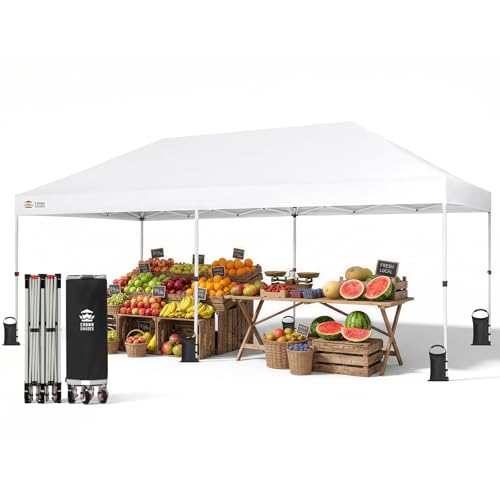
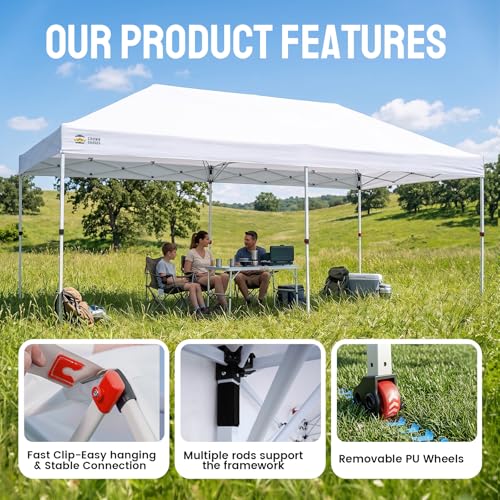
CROWN SHADES 10×20 Pop Up Canopy
Strengths
- Heavy-duty 400D fabric
- Built-in sandbags
- Roller bag for transport
Trade-offs
- Very large footprint
- Needs two people
- Pricier than basics
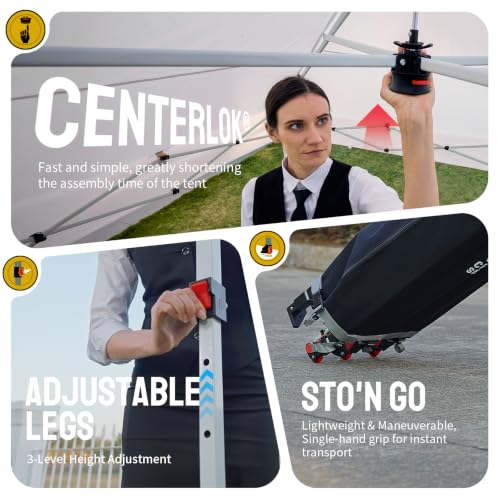
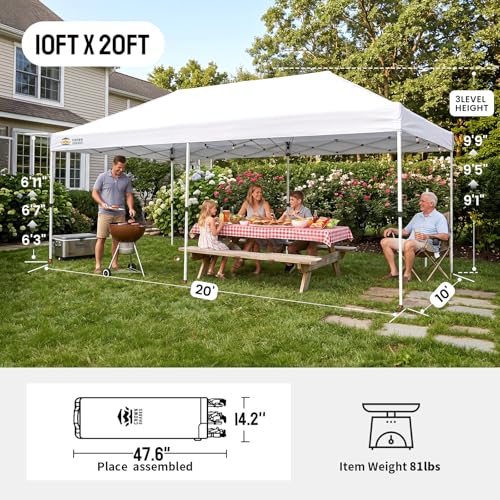
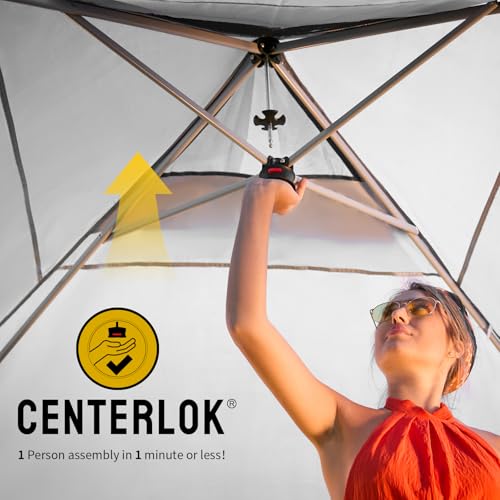
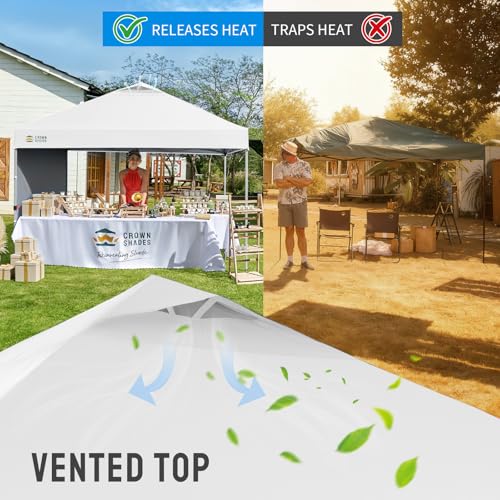
This is the big-league player in the group, a 10×20 canopy that’s built like it belongs at a wedding or market stall. The 400D Oxford fabric is thicker than nearly everything else here, and the overhanging flap design really does help shed water instead of pooling. Owners consistently praise the CENTERLOK system for making setup and takedown smooth, and the three height settings are a standout for adjusting shade and airflow on the fly.
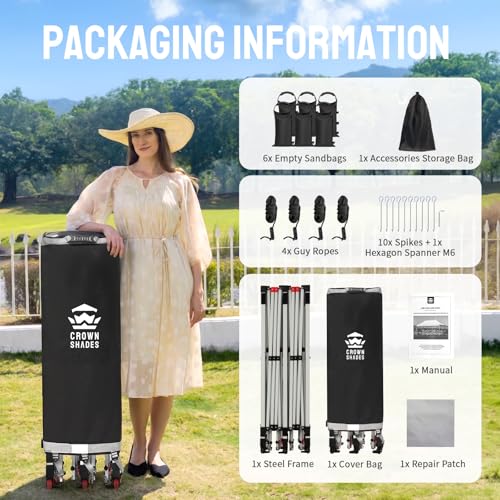
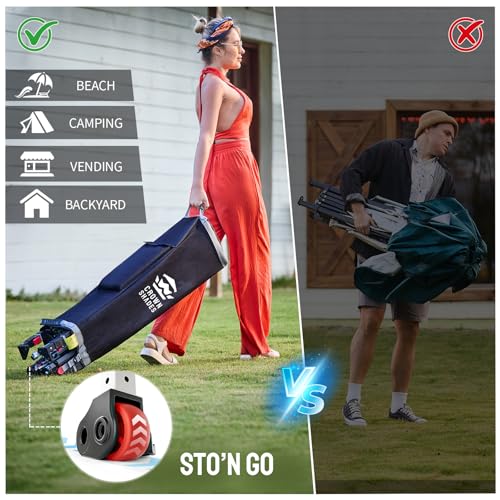
The inclusion of six built-in sandbags is a huge plus, no digging for weights or buying extras. It’s also one of the few with a rolling bag that lets you pull it like luggage, which saves your back. For serious backyard events or weekend vendors, this is the most complete package. I’d pick it over the others if you want something that feels commercial-grade.
Product photos

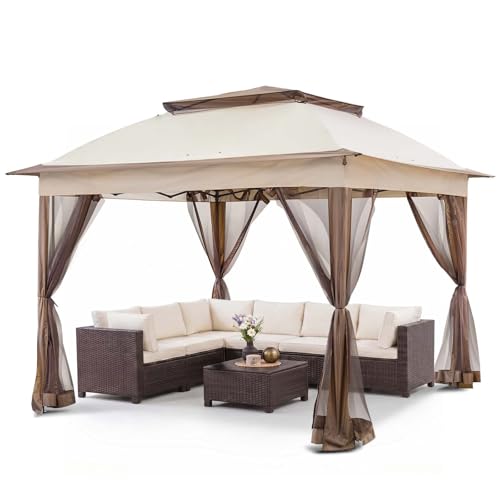
COOS BAY 11×11 Pop Up Gazebo
Strengths
- Excellent UV protection
- Rust-resistant frame
- Stable in light wind
Trade-offs
- Heavier than rivals
- No sandbags included
- Mesh zippers can snag
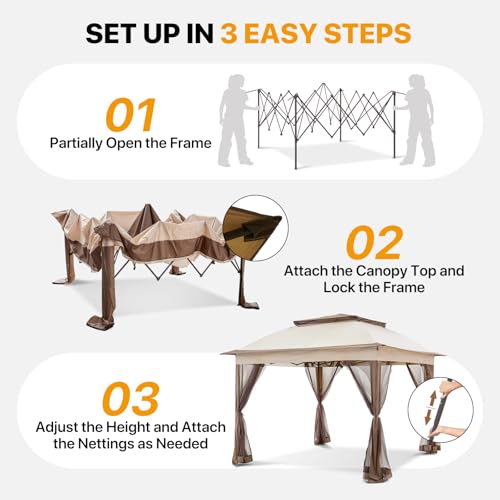
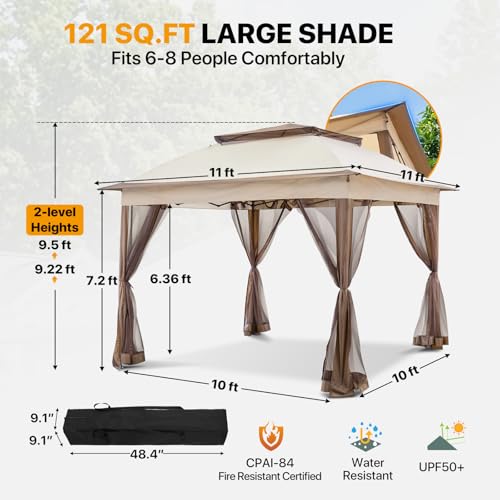
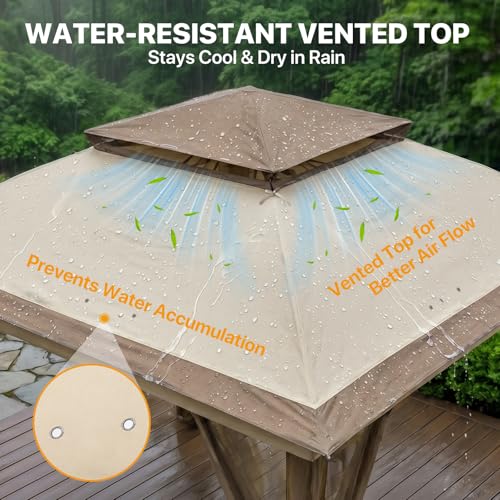
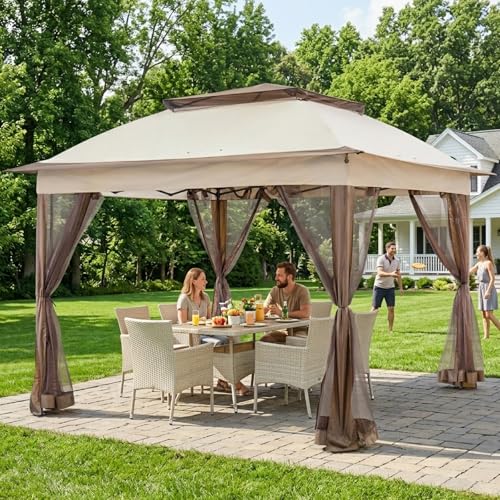
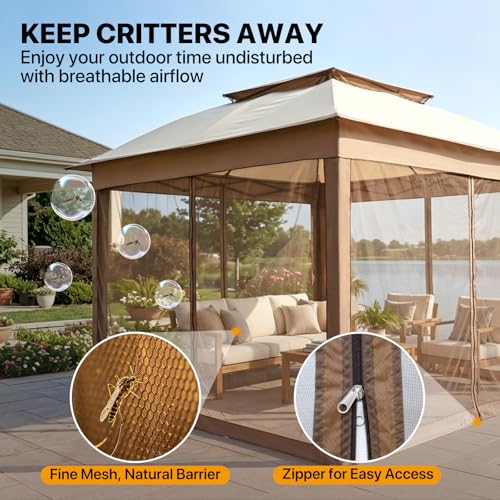
If UV defense is your top concern, this COOS BAY model is a standout. The UPF 50+ fabric blocks 99% of UV rays, and owners confirm it stays noticeably cooler inside than other canopies under full sun. At 121 sq ft, it fits 6–8 people comfortably, and the extended roofline throws extra shade where you need it, around seating and tables. The mesh sidewalls zip smoothly and stay taut, which helps with both airflow and bug sealing.
The powder-coated steel frame is a smart upgrade over basic models, adding rust resistance for longer life in damp conditions. It’s not the lightest option, but durability is clearly a priority here. Compared to budget picks, this one feels like a smarter long-term buy, especially if you’re using it weekly during summer.
Product photos
VEVOR 12×12 Pop-up Screen Canopy

Strengths
- Large 12×12 footprint
- Includes 6 wind cloths
- Good airflow with mesh
Trade-offs
- Not storm-rated
- Bulkier to store
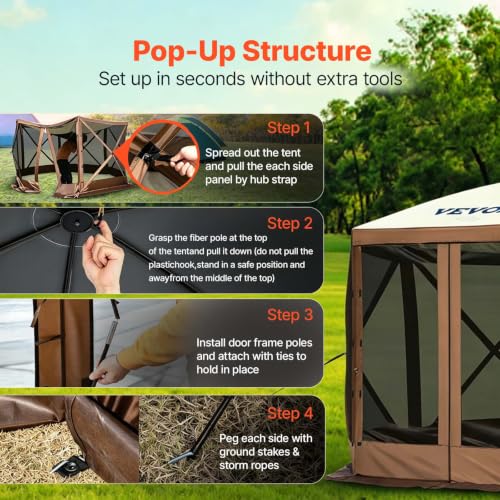
- Setup needs two people
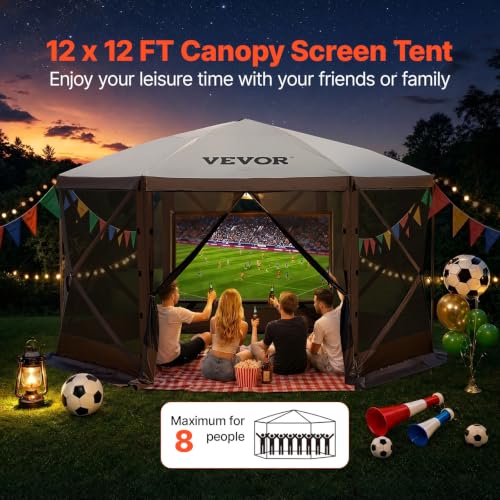
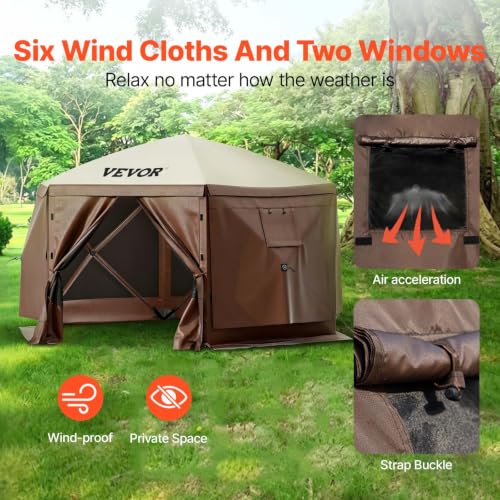
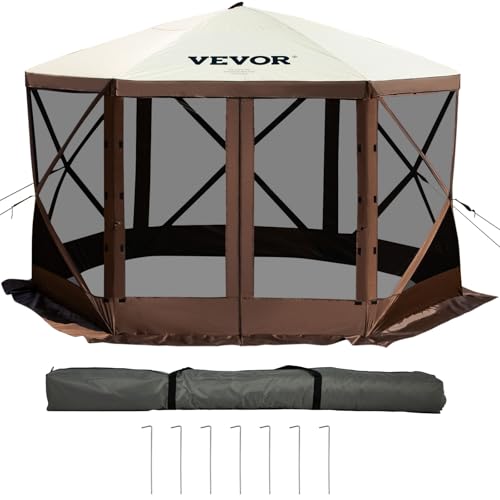
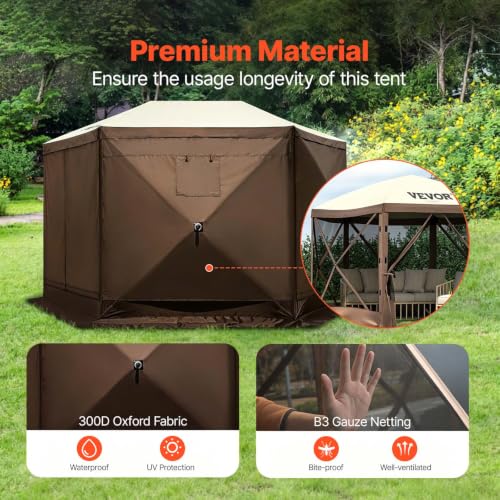
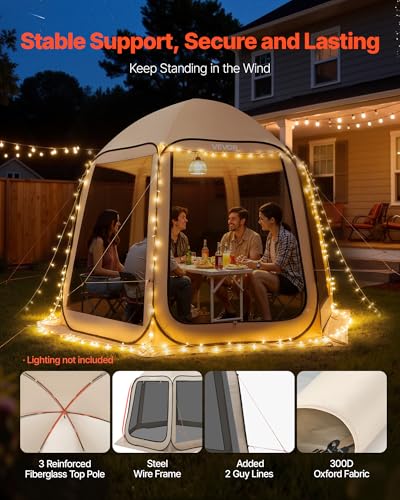
This 12×12 hexagonal canopy stands out for sheer coverage, 144 sq ft is no joke, and that extra space makes it feel less cramped than most pop-ups. The inclusion of six wind cloths is a rare bonus, giving you ways to block gusts while still letting in light and air. Owners appreciate the two with windows for visibility and ventilation, and the B3 mesh does a solid job keeping bugs out without suffocating the space.
On paper, the 300D Oxford fabric with IPX3 waterproofing sounds capable, but feedback suggests it’s best treated as water-resistant, not waterproof. Like most in this category, it’s made for shade and bugs, not storms. Still, for backyard parties or longer camping stays where you want a semi-permanent shelter, this one leans toward the more rugged end.
Product photos
Quictent 10×10 Screened Canopy Tent
Strengths
- Affordable price
- Good mosquito netting
- Wheeled carry bag
Trade-offs
- Flimsy in strong wind
- No sandbags
- Fabric seams weak
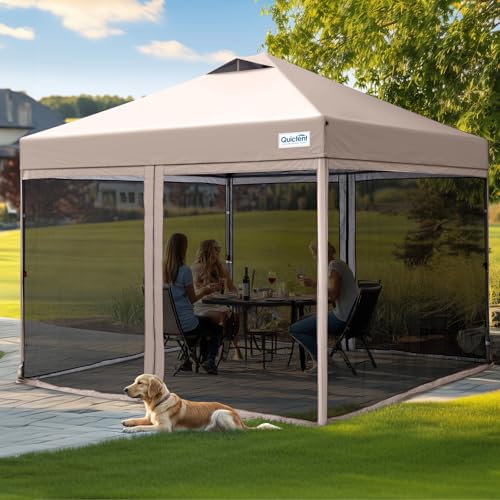
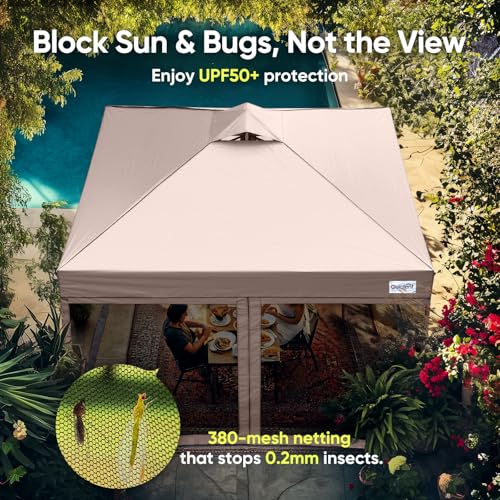
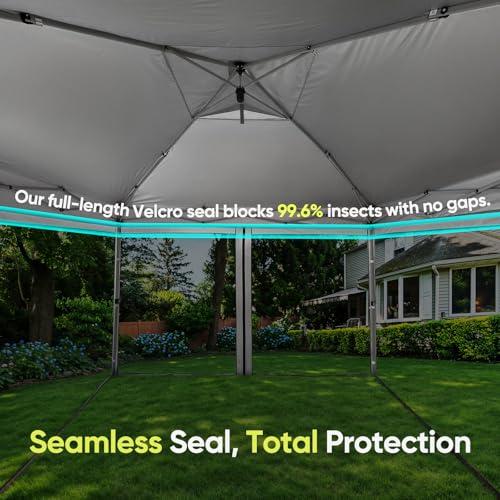
At the lower end of the price range, the Quictent delivers where it counts: bug protection and portability. The 360-degree Velcro-sealed mesh keeps mosquitoes out effectively, and owners say it’s a lifesaver at dusk. The 420D Oxford fabric with silver coating offers better UV and water resistance than most budget models, and the wheeled bag is a real convenience for hauling.
It’s not built for heavy wind, the frame is less rigid than pricier options, but for backyard lounging or weekend picnics, it works fine. Setup is genuinely one-person friendly, which is rare. If you want basic, reliable shade and bug defense without overspending, this is the smarter budget pick over generic knockoffs.
Product photos
CROWN SHADES 10×10 with Side Wall
Strengths
- One-button setup
- Rolls like luggage
- High interior clearance
Trade-offs
- Only one sidewall
- 150D fabric less durable
- Wheels only on feet
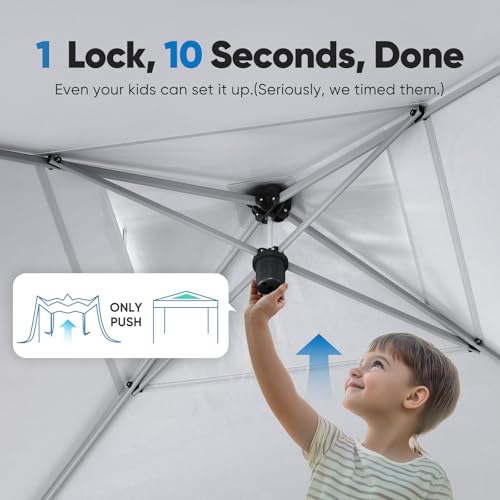
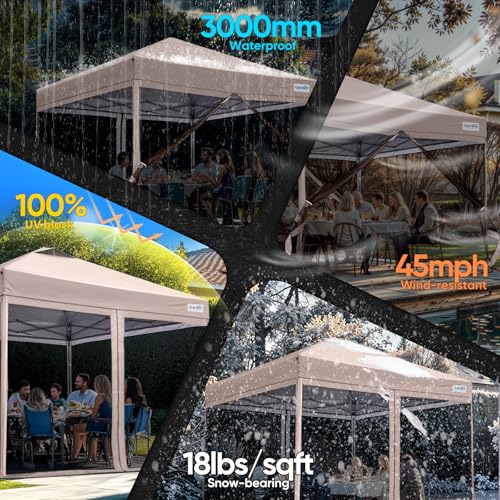
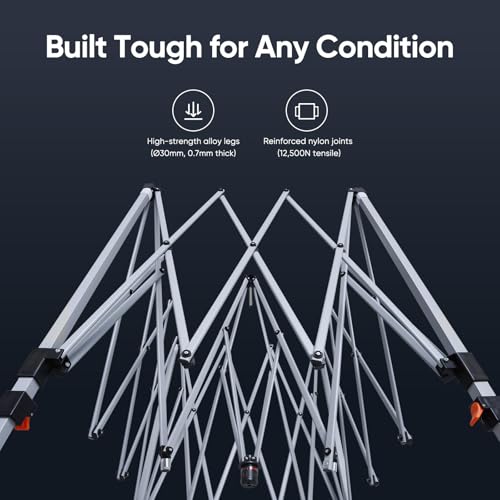
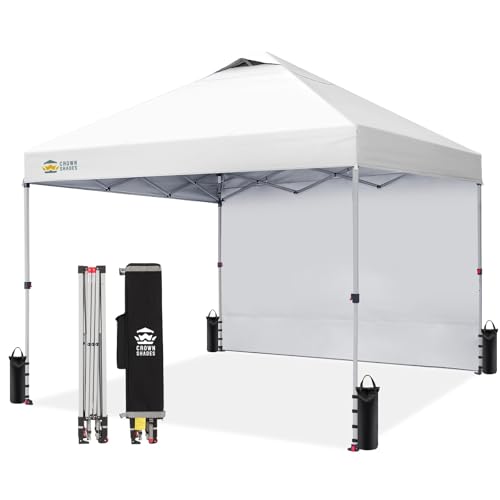
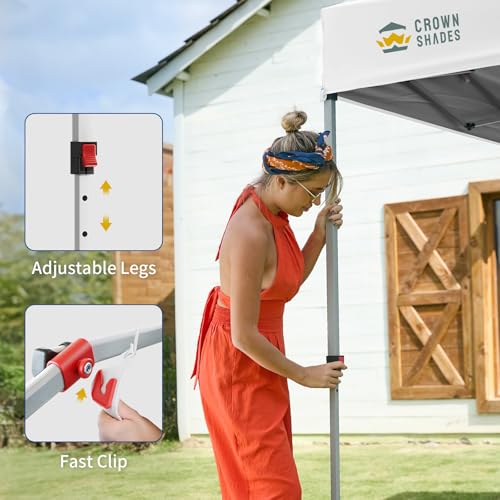
This 10×10 model is all about smart design, the one-push CENTERLOK system really does let two people set it up in seconds, and the STO-N-GO system means you can collapse and roll it away without lifting. The single sidewall is a nice middle ground: it blocks sun and wind from one direction while keeping the rest open for views and airflow. Owners love the 9-foot peak height and lack of crossbars, it feels more spacious than most.
It’s not the largest, but it’s arguably the most user-friendly. The clip-on canopy and pinch-free buttons make it safe for kids and seniors alike. Compared to the 10×20, it’s more agile; compared to budget pop-ups, it’s far more refined. If you value ease and elegance over raw space, this is my top pick.
Product photos
Alvantor Hexagon Screen House

Strengths
- Ultra-lightweight
- Auto pop-up frame
- Compact folding size
Trade-offs
- Not waterproof
- Needs optional floor
- Weak in wind
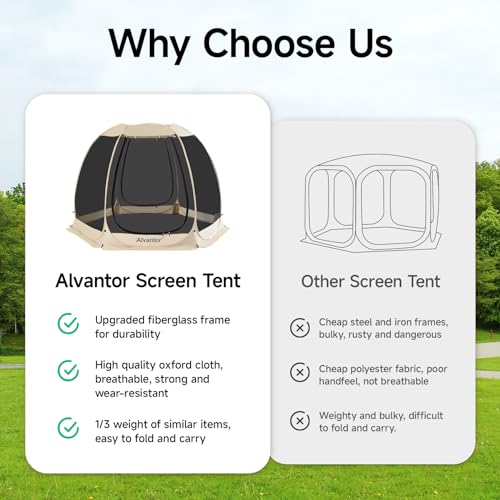
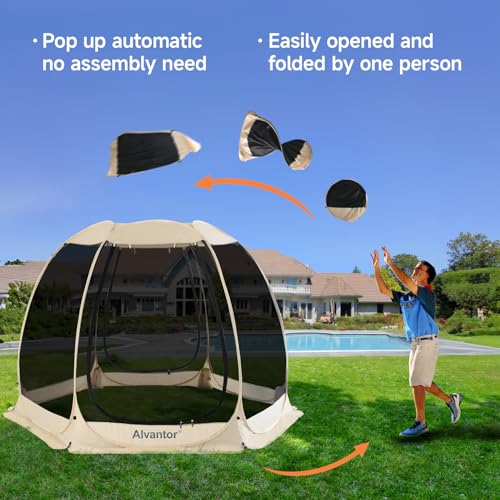
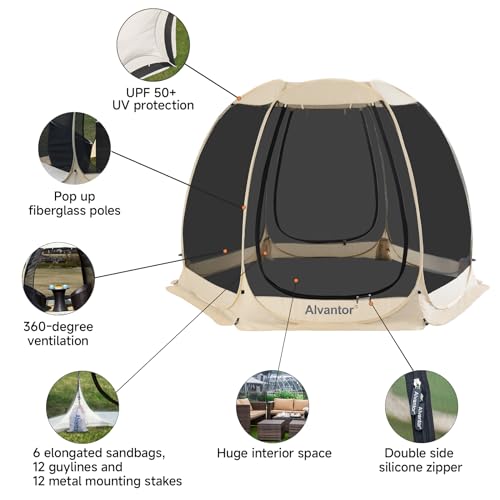
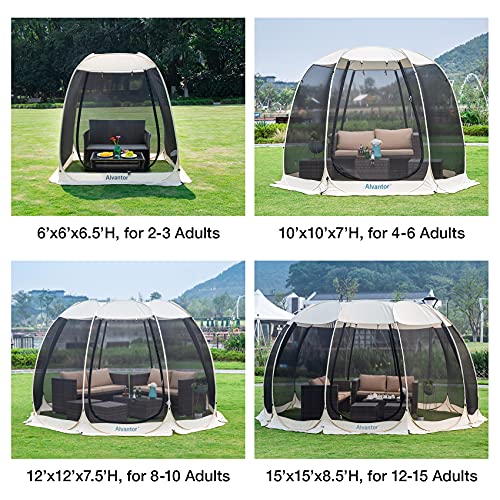
At just 15 lbs, this hexagonal screen house is the lightest on the list, a third the weight of most steel-frame models. That’s thanks to the fiberglass ribs, which also help it pop open automatically. Owners love how compact it folds, under 40 inches in diameter, making it ideal for car camping or small storage spaces. The hex shape gives a bit more headroom and a modern look, and the 360-degree mesh offers great airflow and visibility.
But that lightness comes with trade-offs: it’s not waterproof, and reviewers stress it must come down in winds over 25 mph. The optional floor is a must if you want bug-free ground coverage. Still, for backpackers or minimalist campers who want quick shade and bug relief, this is the most portable serious screen tent here.
Product photos

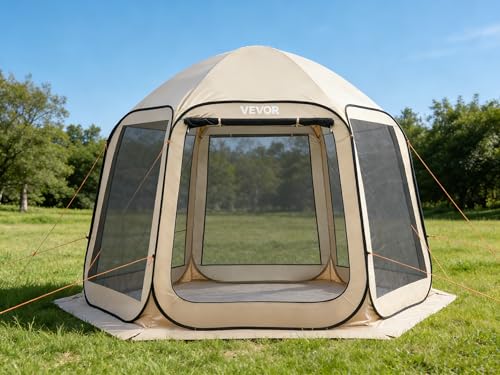
VEVOR 10×9.2 Pop Up Screen House
Strengths
- Spacious for 4–8
- Good mesh coverage
- Includes full accessory kit
Trade-offs
- Light rain only
- Wobbles in wind
- Beige fabric shows dirt
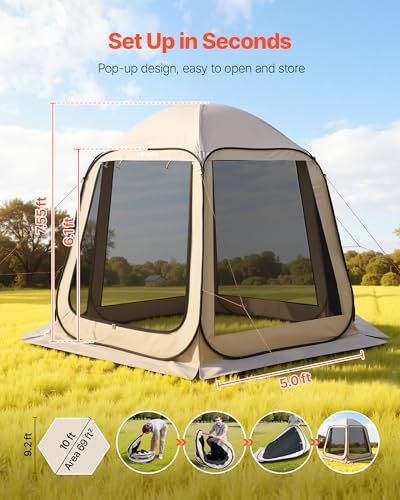
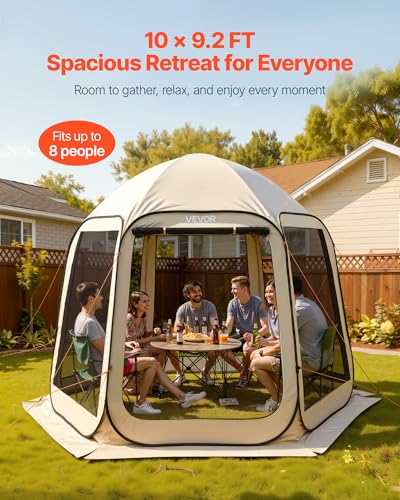
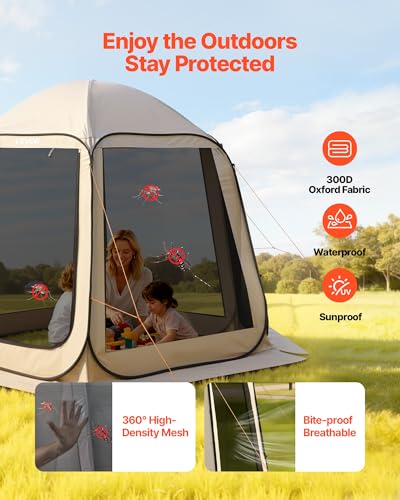
At 10 x 9.2 feet, this VEVOR screen house gives you solid room for a small family or a few guests, and owners consistently report it goes up fast thanks to the pop-up design. The 300D Oxford canopy offers decent sun and light rain protection, but I wouldn’t count on it holding up in anything more than a drizzle. The full mesh walls are a big win for airflow and bug protection, making it a strong pick for summer evenings when the mosquitoes come out.
Where it falls short is stability, while the fiberglass and steel poles sound sturdy on paper, reviewers note it can wobble in even moderate wind. It’s not built for serious weather, but then again, most backyard screen tents aren’t. Compared to others in this list, it’s functional but not exceptional.
Product photos
Vinabilia 10×10 Pop Up Canopy
Strengths
- Includes 4 sidewalls
- Sturdy steel frame
- Good weight capacity
Trade-offs
- No sandbags
- Basic carry bag
- Setup takes two
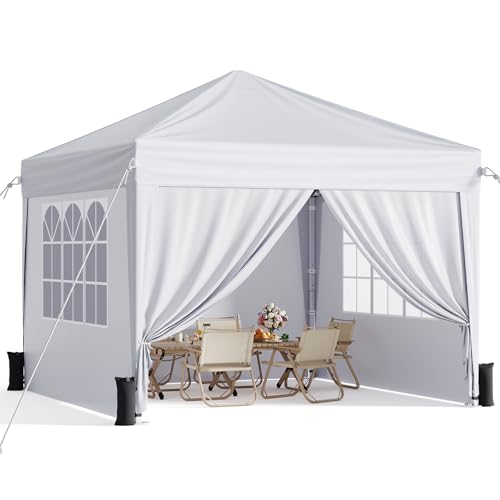
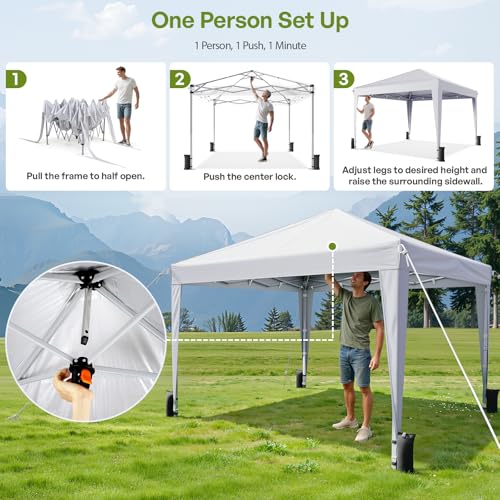
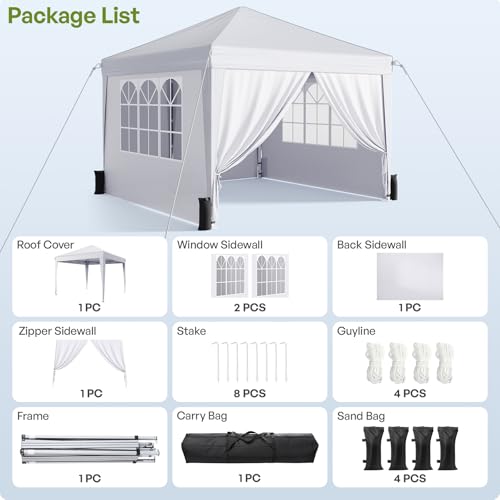
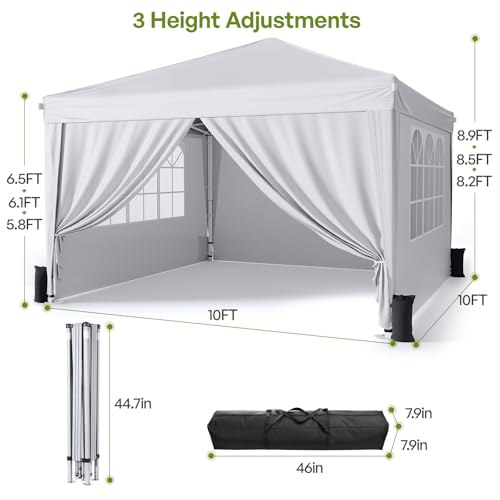
This Vinabilia hits a sweet spot between price and performance, it includes four removable sidewalls, which most competitors charge extra for, and the 25mm steel frame feels solid in wind tests reported by owners. At just under 31 lbs, it’s not the lightest, but it’s manageable for car trips, and the carry bag slides easily into most trunks. The ability to customize with or without walls gives you flexibility for sun, wind, or views.
It doesn’t have sandbags or wheels, but the frame supports up to 120 lbs, so you can add weights later. For the price, it delivers a lot, especially if you want full enclosure options. Compared to others, this one gives the most bang for the buck when sidewalls matter.
Product photos
How We Picked These backyard tents
My approach to evaluating backyard tents centered on a research-led comparison of published specifications and features, combined with careful consideration of owner and expert reviews. Rather than a hands-on lab test, I weighed each tent’s strengths and weaknesses against the needs of typical users – families looking for shade, event hosts needing shelter, or campers wanting a quick outdoor space. I focused on identifying consistent patterns in feedback to understand real-world performance.
For this category, stability and weather protection were the most heavily weighted factors. A backyard tent needs to withstand moderate winds and offer reliable shade, and ideally some protection from light rain. Durability of the frame and fabric quality were also critical, as these directly impact long-term usability and value. Beyond that, ease of setup and portability played a significant role, as convenience is a major draw for these types of shelters.
Specifications reliably indicate a tent’s size, fabric weight, and UV protection rating. However, I paid close attention to owner feedback to assess the accuracy of those claims and to understand real-world experiences with setup difficulty, wind resistance, and long-term durability. Reputation matters; brands consistently praised for quality and customer service were given more consideration, and I looked for detailed reviews discussing the realities of easy assembly tents in various conditions.
What To Look For In backyard tents
Finding the right backyard tent isn’t just about grabbing the cheapest option; it’s about picking a shelter that fits how you’ll actually use it.
A good backyard tent balances portability with stability, offering adequate weather protection without being a struggle to set up. Look for durable fabrics (400D polyester or higher is a good start), a robust frame (reinforced steel or quality fiberglass), and features like UV protection and water resistance. Consider the size needed for your intended use – a small gathering versus a full family overnight.
Size and Capacity
Don’t underestimate the importance of getting the size right. It’s tempting to go big, and for some, a truly spacious option is ideal. But a tent that’s far too large for your yard or typical usage feels awkward and is more challenging to manage. Think about typical activities. Will you be hosting large gatherings, or is it primarily for kids’ playdates? A 10×10 canopy might be sufficient for a small family, while a 12×12 or larger is better for entertaining. If you’re considering using it for overnight “glamping” experiences, make sure it can comfortably accommodate everyone and their gear.
Frame Quality and Setup
The ease of setup is a huge factor, especially if you anticipate putting the tent up and down frequently. Many tents boast “instant” setup, but some are smoother than others. Look for features like a centerlok mechanism (like the CROWN SHADES models) or a pre-assembled frame. Beyond speed, frame material matters. Steel frames offer excellent stability but can be heavier and prone to rust. Fiberglass is lighter but less robust. If you’re planning extended use, especially in windy conditions, a steel frame is generally the better choice. Knowing how to properly set up even a large family tent setup is key for safety and longevity.
Weather Protection and Materials
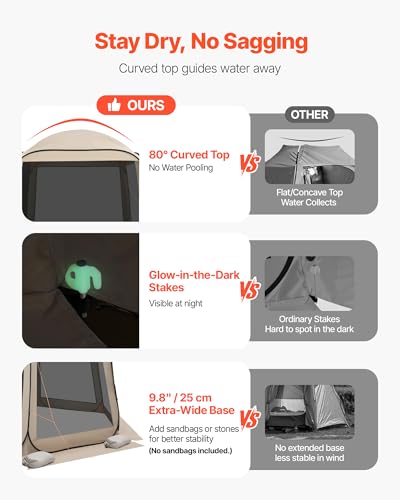
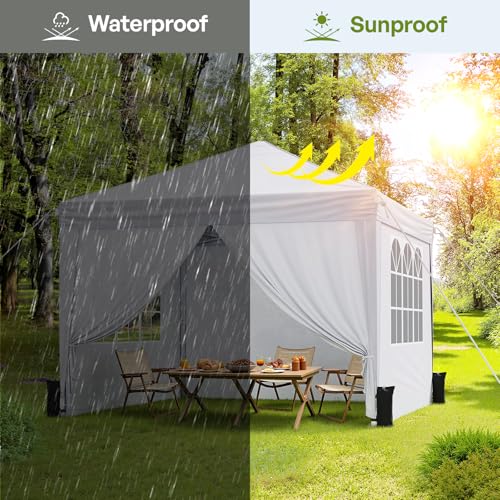
Backyard tents aren’t typically built for extreme conditions, but they should still offer reasonable protection from the elements. A UPF 50+ rating is essential for blocking harmful UV rays, and a PU-coated fabric will provide some water resistance (though don’t expect it to withstand a downpour). Consider tents with overhanging flaps or sidewalls to prevent water pooling, like the VEVOR options. It’s also worth looking at the fabric denier (D) – a higher number indicates a more durable and robust material. If you plan to use your tent frequently, investing in a model with durable materials is worth it. For those looking for a shelter for family outings, checking out spacious car camping tents is a great start.
- UV Protection: Prioritize a UPF 50+ rating to shield yourself and guests from harmful sun exposure, even on cloudy days.
- Water Resistance: Look for PU-coated fabrics, but understand that most backyard tents are only water-resistant, not waterproof. Avoid relying on them in heavy rain.
- Durability: Higher denier fabrics (600D or higher) and robust frame materials (steel) will withstand more wear and tear, extending the life of your tent.
A well-made tent should be able to withstand moderate winds and light rain without issue. Always secure the tent with stakes and guy lines, even if the weather seems calm.
Choosing a backyard tent is about finding the sweet spot between convenience, durability, and protection. Don’t hesitate to read reviews and consider how you’ll realistically use the tent before making a purchase. If you’re planning an extended stay or frequent use, taking the time to learn a cabin tent assembly is a valuable investment.
Backyard Tents Compared
Here is a comparison of key specifications for several backyard tents to help you make an informed decision.
| Product Title | Size | Waterproofing | UV Protection | Sidewalls Included | Weight (lbs) |
|---|---|---|---|---|---|
| CROWN SHADES 10×20 Pop Up Canopy | 10×20 ft | Yes | UPF 50+ | Yes | N/A |
| COOS BAY 11×11 Pop Up Gazebo | 11×11 ft | Water-Resistant | UPF 50+ | Yes | N/A |
| VEVOR 12×12 Pop-up Screen Canopy | 12×12 ft | IPX3 | Yes | Yes | N/A |
| Quictent 10×10 Screened Canopy Tent | 10×10 ft | Yes | Yes | No | N/A |
| CROWN SHADES 10×10 with Side Wall | 10×10 ft | Yes | UPF 50+ | Yes | N/A |
| Alvantor Hexagon Screen House | 10x10x7 ft | No | UPF 50+ | No | 15 |
| VEVOR 10×9.2 Pop Up Screen House | 10×9.2 ft | Yes | Yes | No | N/A |
| Vinabilia 10×10 Pop Up Canopy | 10×10 ft | Yes | Yes | Yes | 31 |
Frequently Asked Questions
What’s the difference between a pop-up canopy and a pop-up gazebo?
A pop-up canopy typically features a simple, open top, while a gazebo has a more permanent-feeling roof. Gazebos often include netting or sidewalls for added enclosure and protection from insects or light rain, offering a bit more shelter overall.
Are these backyard tents difficult to store during the off-season?
Most models come with a carry bag, but the packed size depends on the frame type and tent size. Steel-framed tents are heavier and bulkier, while those with fiberglass poles or collapsible designs are easier to manage and store in a garage or shed.
Can I leave a backyard tent up for extended periods?
While many are designed for seasonal use, consistently leaving a tent up long-term can reduce its lifespan. UV exposure degrades the fabric, and prolonged moisture can lead to mildew or rust on the frame, so it’s best to take it down when not in use, or at least cover it.
What’s the best way to secure a backyard tent against wind?
Always use the included stakes and guy lines, and anchor them securely into the ground. For extra stability, especially with larger tents, consider purchasing heavier-duty stakes or tying the guy lines to nearby trees or structures. If you’re looking for truly durable tents for families, consider a more robust anchoring system.
What’s the typical lifespan of a backyard tent?
With proper care, a quality backyard tent can last several seasons (3-5 years) or more. However, heavy use, harsh weather, and inadequate storage can shorten its lifespan. Investing in a tent made with durable materials, like a higher denier fabric, will generally give you more longevity, especially if you plan on frequent use and require top family camping tents.
The Bottom Line
Choosing a backyard tent really comes down to balancing how much you want to spend with how much hassle you’re willing to tolerate. If you want something quick to set up and use regularly, the CROWN SHADES 10×20 Pop Up Canopy is a strong all-around choice – it delivers a lot of coverage and good features for the price.
For those with specific needs, there are excellent options across the board. If budget is your biggest concern, the Vinabilia 10×10 Pop Up Canopy provides a solid entry point. Those prioritizing versatility and screened protection will appreciate the VEVOR 12×12 Pop-up Screen Canopy, and for a quick, portable shelter, the Alvantor Hexagon Screen House is hard to beat. If you’re considering more advanced options, researching inflatable air beam tents can open up a whole new world of convenience.
Ultimately, the most important things aren’t the fancy features or the highest waterproof rating. Focus on a durable frame, adequate UV protection, and a size that genuinely suits your needs. A well-chosen tent will provide years of enjoyment, while a poorly chosen one will quickly become a frustrating eyesore.
