
7 Best Lightweight Two Man Tents 2026, Analyzed
This post contains affiliate links. As an Amazon Associate, we earn from qualifying purchases.
The Clostnature 2 Person Ultralight Tent is the best overall for backpackers who want durability and weather protection without excess weight, while the Wakeman Outdoors 2 Person Pop Up Tent stands out as a simple, ultralight option for casual campers who value quick setup.
Most people shopping for a lightweight two-person tent are trying to balance real-world performance with pack weight. Too often, you end up with something flimsy that leaks in the rain or a heavy beast that eats up energy on the trail.
This guide cuts through the noise by focusing on what actually matters: verified specs, consistent owner feedback, and design details that affect your comfort and safety. I looked at waterproof ratings, pole materials, ventilation, and packed weight to find models that deliver where it counts.
Top 7 Lightweight Two Man Tents in the Market
The Best Lightweight Two Man Tents, Reviewed
Clostnature 2 Person Ultralight Tent

Strengths
- Excellent waterproofing
- Superb ventilation
- Lightweight with low trail weight
Trade-offs
- Slightly pricier
- Zippers need careful handling
- Vestibule space is limited
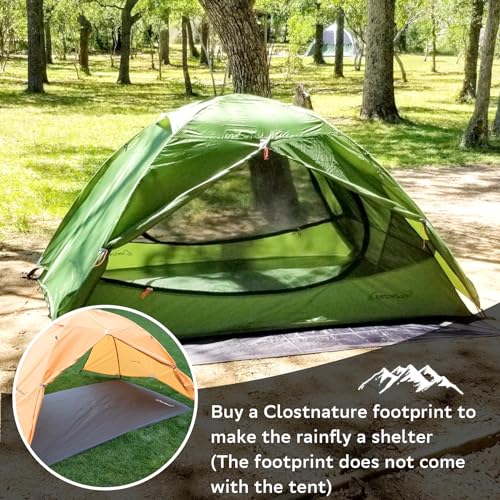
This is the tent I’d recommend to most backpackers as the best all-around performer. The PU5000 coating on the rainfly and floor gives it serious weather chops, outclassing many at this price, and the freestanding design with just two poles makes setup a true one-person job. Owners love the full mesh walls, they maximize airflow while keeping bugs out, and the dual D-doors with vestibules make nighttime exits less of a contortion act.
At 5.29 lbs (with a trail weight of just 4.52 lbs), it strikes a smart balance between durability and packability. The included repair kit and quality stakes are a nice bonus. Compared to the BISINNA or Amazon Basics, this one feels more refined, it’s not the cheapest, but it’s the smarter buy for anyone planning more than a few trips.
Product photos



Wakeman Outdoors 2 Person Pop Up Tent
Strengths
- Ultra lightweight
- Very affordable
- Simple setup
Trade-offs
- Fiberglass poles
- Low durability
- Poor storm resistance
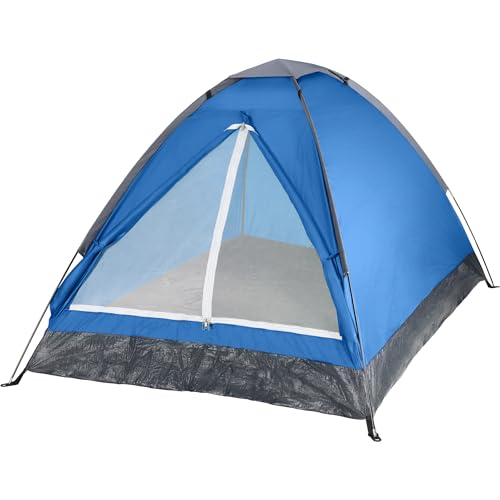
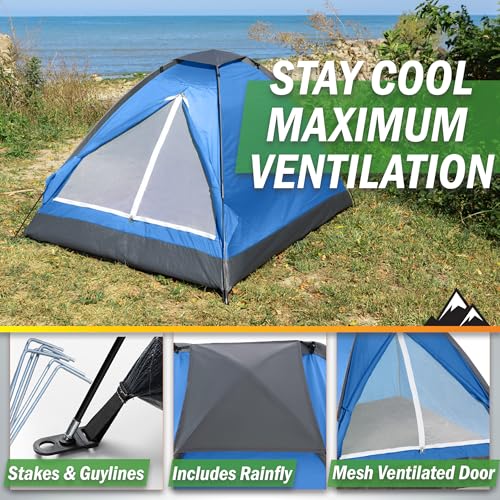
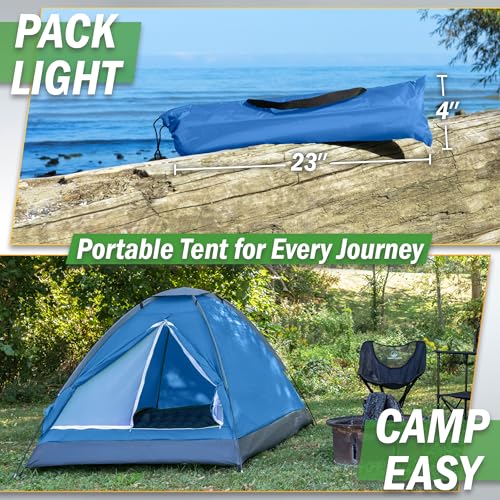
At just 2.75 lbs, this is the lightest tent on the list, and it shows in the materials. The fiberglass poles keep the price low, but they’re a red flag for serious backpackers. Owners report they can flex or snap under wind load, and the 190T polyester isn’t as durable as higher-denier fabrics. That said, for festivals, beach trips, or fair-weather car camping, it’s a solid budget pick.
Setup is genuinely easy, and the pop-up style means you’re in and out fast. The dual-layer doors work well for bug control and airflow. But don’t expect it to last through years of trail use, this is a “get by” tent, not a “rely on” one. Compared to the Clostnature or Forceatt, it’s a clear step down in durability.
Product photos

Amazon Basics Dome Camping Tent

Strengths
- Easy setup
- Decent weather protection
- Good interior space
Trade-offs
- Heavier than ultralight alternatives
- Basic ventilation
- Fiberglass poles
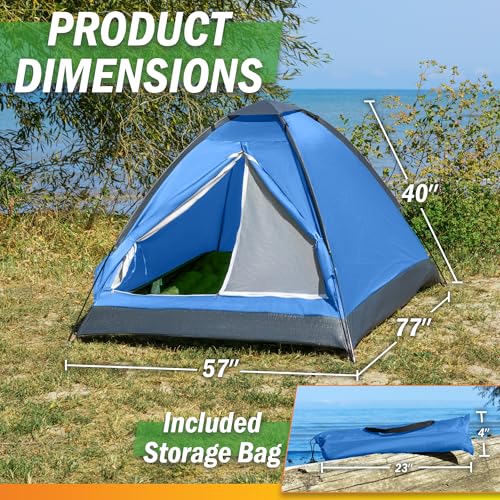
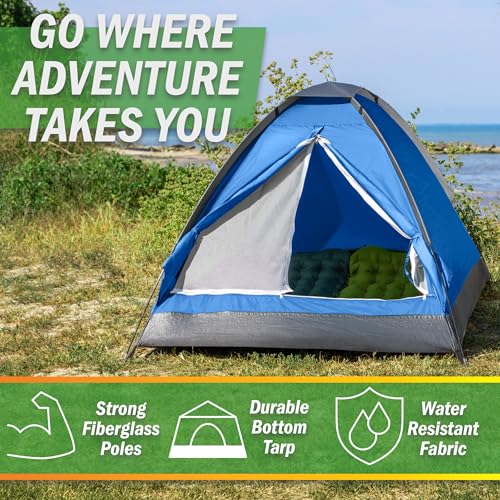
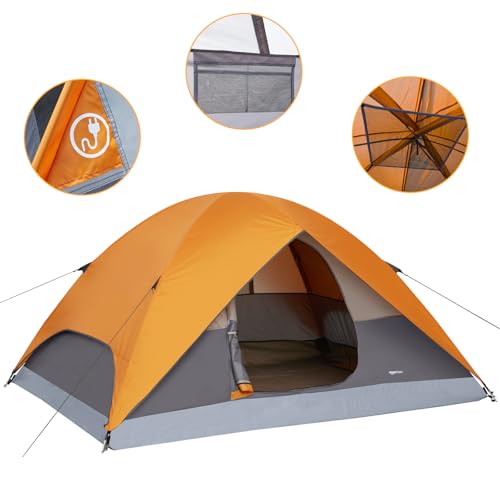
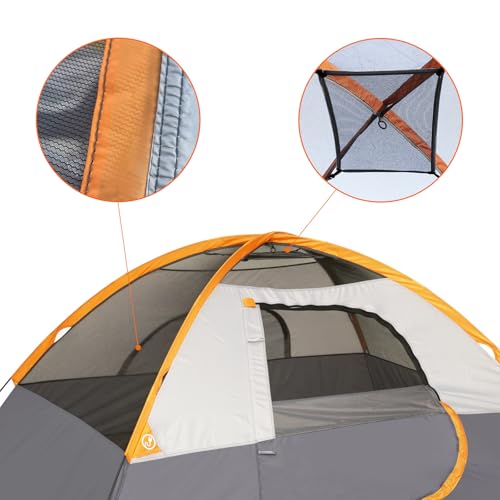
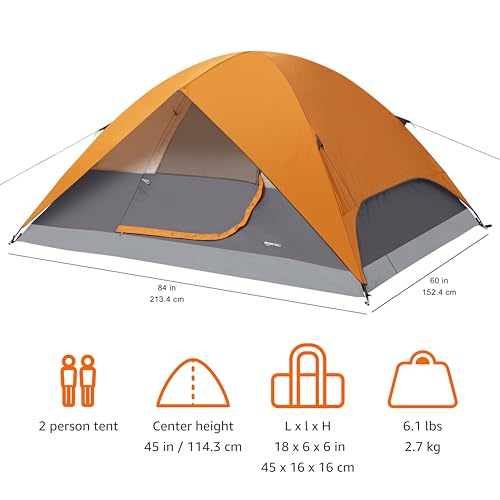
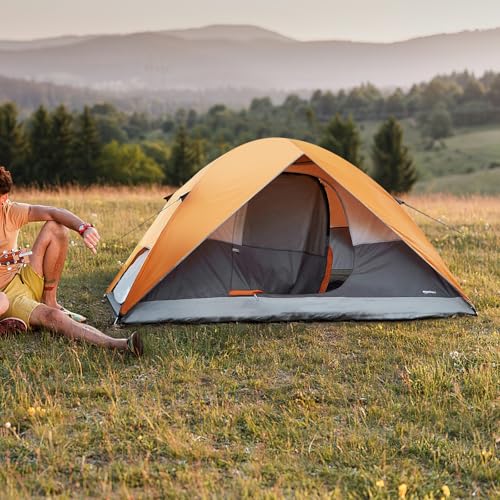
On paper, this tent looks like a solid entry-level pick, the 7’x5’ footprint and sub-4-minute setup are strong selling points, and owners consistently report it holds up fine in light rain thanks to the welded seams and full rainfly. It’s clearly built for car campers or fair-weather backpackers who want something no-fuss. But when you compare it to others in this category, the materials feel a step behind, the poles are sturdy but not lightweight aluminum, and the ventilation is minimal beyond a small back window.
Still, for beginners or occasional users who prioritize ease over performance, it does what it promises. I wouldn’t trust it in sustained wind or heavy downpours, but for weekend festivals or backyard sleepouts, it’s a dependable shelter that won’t break the bank.
Product photos

Forceatt 2 Person Backpacking Tent

Strengths
- Strong weather protection
- Durable aluminum poles
- Good ventilation design
Trade-offs
- Slightly heavier
- Center height is modest
- Packed size is average
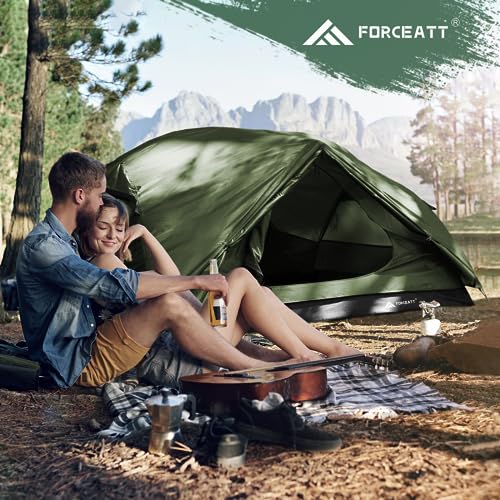
The Forceatt delivers where it counts: weather resistance. With a 3000mm waterproof rating, welded floor seams, and a full-coverage rainfly, it’s built to handle sustained rain, a big step up from budget models. Owners consistently report staying dry even during overnight downpours, and the 7001-series aluminum poles add real durability without much weight penalty. The dual vestibules are a practical touch, giving space for gear storage without cluttering the interior.
Ventilation is solid thanks to ceiling vents and mesh panels, though condensation can still build up in very humid conditions. It’s not the lightest at 5.5 lbs, but for hikers who face unpredictable weather, that trade-off makes sense. I’d pick this over the Amazon Basics or Wakeman any day if rain is in the forecast.
Product photos


BISINNA 2/4 Person Lightweight Tent
Strengths
- Spacious interior
- Durable aluminum poles
- Good airflow with dual doors
Trade-offs
- Heavier than rivals
- Lower waterproof rating
- Vestibules are small
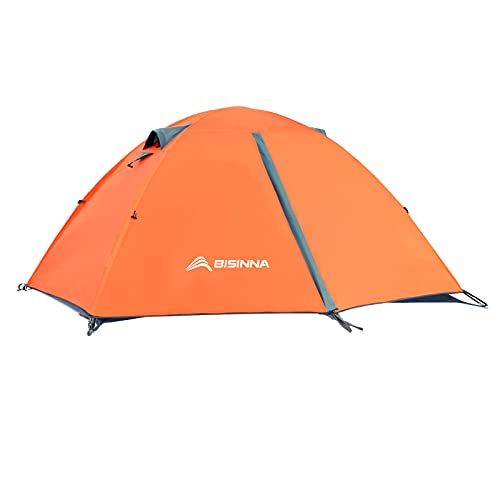
Don’t let the “2/4 person” label fool you, this tent is marketed for two, and that’s where it shines. At over 7 feet long and nearly 4 feet tall, it offers some of the most generous dimensions in this group, making it ideal for taller campers or couples who hate feeling cramped. The 7001 aluminum poles are a strong point, and owners report good stability in wind when properly staked.
But that space comes with trade-offs: it’s on the heavier side, and the packed size is bulkier than true ultralight models. Ventilation is decent, but the rainfly only has PU2000mm coating, not as storm-ready as the Clostnature or Forceatt. Still, if you value room over weight, this is a compelling value.
Product photos

Underwood 4-Season Backpacking Tent
Strengths
- True 4-season build
- Excellent waterproofing
- Snow skirt included
Trade-offs
- Heavier than 3-season tents
- Less ventilation
- Overbuilt for warm weather
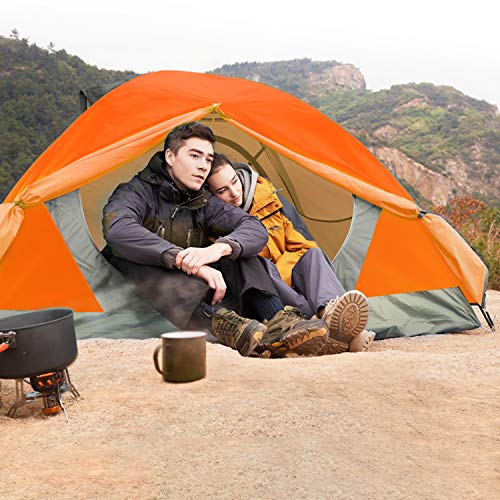
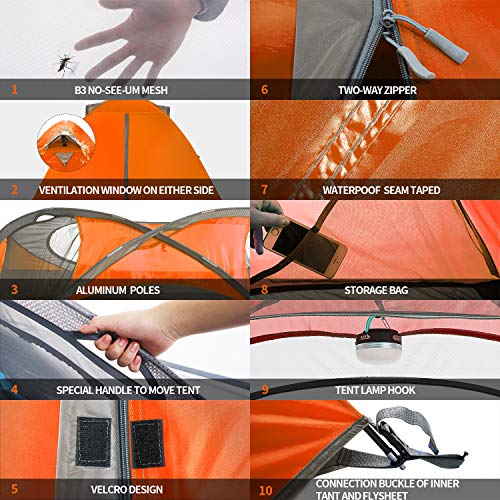
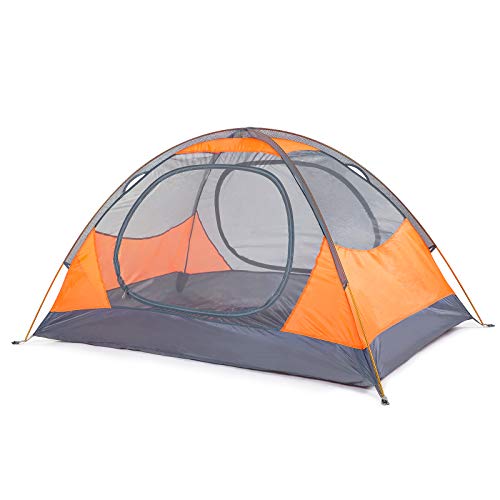
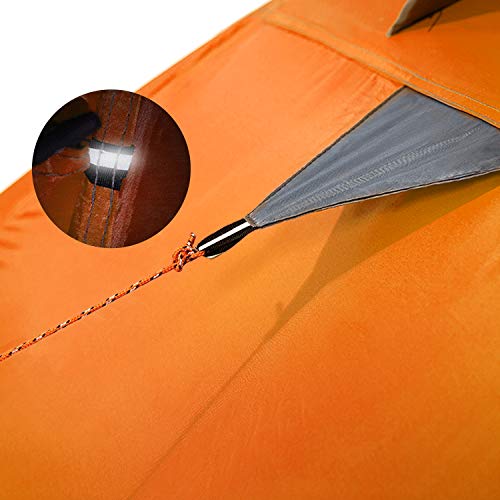
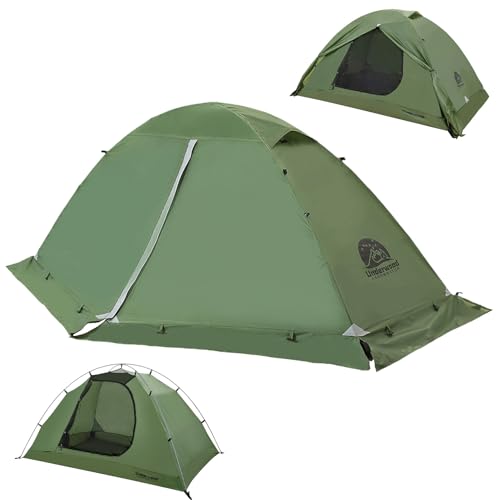
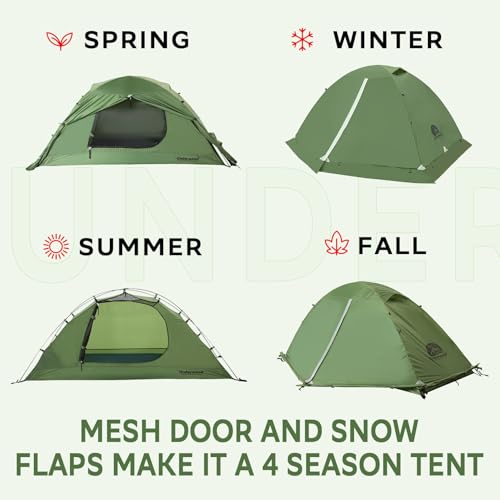
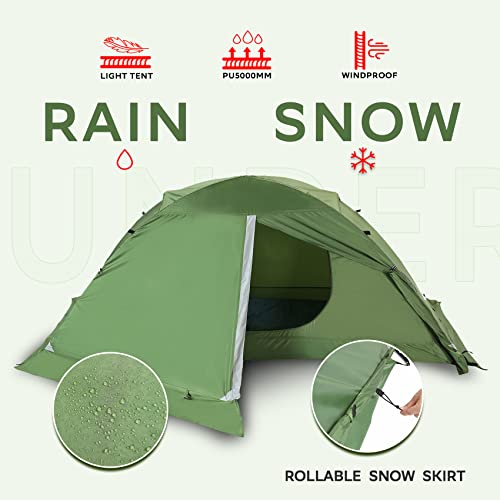
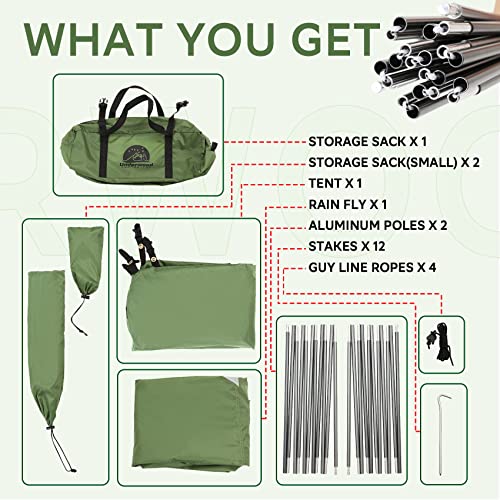
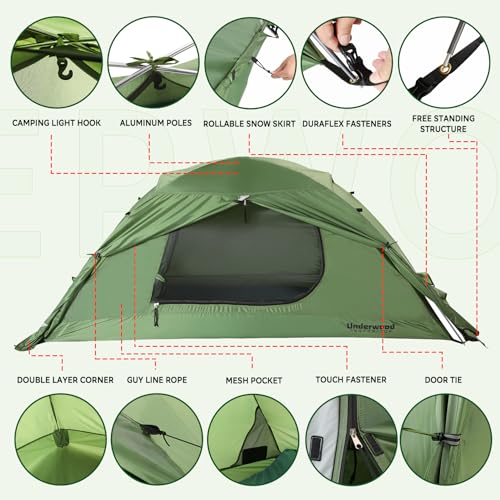
This is the only true 4-season contender here, the snow skirt, PU5000mm coating, and reinforced corners make it built for winter or alpine conditions. The aluminum poles are aircraft-grade, and the full-coverage fly adds serious storm protection. Owners in colder zones report success using it in snow and high winds, which is rare at this price.
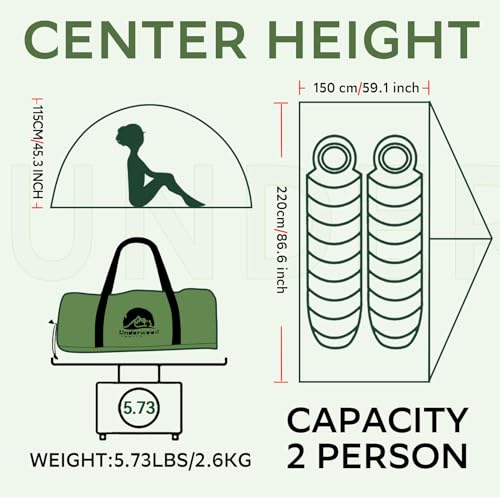
But that durability comes with weight: 5.73 lbs is hefty for a two-person tent, and the ventilation is more limited than 3-season models. It’s overkill for summer backpacking, but if you’re planning shoulder-season treks or winter camping, it’s one of the few lightweight options that won’t leave you soaked. I’d recommend it over the others for cold-weather trips without hesitation.
Product photos
Portable 2 Person Dome Tent
Strengths
- Excellent airflow
- Large mesh windows
- Lightweight for price
Trade-offs
- Rainfly coverage lacking
- Zippers can snag
- Stakes are flimsy
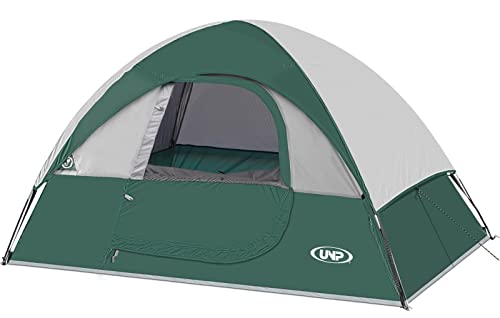
This tent stands out for its focus on airflow, the skylight net and large mesh windows are a real advantage in humid or buggy conditions, and reviewers frequently praise how well it breathes compared to similarly priced models. On paper, the 4.8 lb weight is competitive, and the free-standing design with snag-free poles makes one-person setup realistic. But some owners note that the rainfly doesn’t extend far enough, leaving the lower tent exposed in driving rain.
It’s a smart choice if you’re camping in warm climates where ventilation trumps storm readiness. Compared to the Clostnature or Forceatt, it lacks the same confidence in wet weather, but for summer backpacking or dry desert nights, it’s hard to beat the comfort.
Product photos


How We Evaluated lightweight two man tents
Rather than a hands-on lab test, my research focused on a detailed comparison of published specifications and features across a range of models. I weighed owner reviews from multiple sources – looking for consistent praise and complaints – alongside expert reviews from established outdoor gear sites. This process allowed me to build a ranking based on real-world feedback and objective data, leaning on my experience with tent design and intended use cases.
For lightweight two-person tents, weight, waterproof rating, and ease of setup were the most heavily weighted factors. A low packed weight is crucial for backpacking, while a reliable waterproof rating directly impacts comfort and protection from the elements. Ease of setup is also key, as nobody wants to wrestle with a complicated tent after a long day on the trail. These three elements decide whether a tent is truly practical for its intended use.
Specifications reliably indicate a tent’s potential weight and dimensions, and the stated waterproof ratings offer a baseline expectation. However, I placed greater emphasis on owner feedback regarding long-term durability, actual waterproof performance in varied conditions, and real-world ease of setup. I also considered the reputation of different manufacturers; exploring reliable backpacking tent brands helped me assess overall quality and customer support.
Choosing The Right lightweight two man tents
Picking the right shelter is crucial for a good time outdoors, and a two-person tent strikes a sweet spot between space and portability.
A quality lightweight two-person tent balances weight, weather protection, and ease of use. Key considerations include the denier of the rainfly (higher is generally more durable), the quality of the tent poles (aluminum is preferred over fiberglass for strength and weight), and the overall packed size and weight. Look for fully taped seams and a waterproof rating of at least 1500mm for the rainfly and floor.
Weight and Packability
For most of us, “lightweight” isn’t just a marketing term; it’s essential. Every ounce counts when you’re carrying a tent on your back, especially on longer trips. Don’t get hung up on shaving off every gram, but pay attention to the total packed weight. Many tents advertise a “minimum trail weight” (fly, inner tent, poles) and a “packed weight” (including stakes, guylines, and stuff sacks). The difference can be significant. Consider that a tent under 5lbs is a solid target for backpacking, but under 4lbs is truly ultralight.
Weather Resistance and Construction
A lightweight tent shouldn’t mean sacrificing protection from the elements. Polyester rain flies with a PU coating are common, but the higher the PU number (e.g., 3000mm vs. 1500mm), the better the waterproofness. More important than the number, though, is good construction. Look for tents with fully taped seams – this is where many cheaper models fail. A bathtub floor (where the floor fabric extends up the sides a few inches) is a huge benefit, preventing water from seeping in. Don’t forget to consider a [protective ground cloth for tents] to extend the life of your tent floor.
- A higher denier (D) rating for the rainfly means a more durable fabric, but also a heavier one. 75D is a good balance.
- Aluminum poles are significantly lighter and stronger than fiberglass, making them worth the extra cost for frequent use.
- Ventilation is often overlooked. Mesh panels and adjustable vents help minimize condensation inside the tent, a real comfort issue in humid conditions.
Value and Ease of Use
Finding a tent that fits your budget and skill level is just as important. Pop-up tents, like the Wakeman Outdoors model, are incredibly easy to set up, but they often sacrifice durability and weather protection. Freestanding tents (supported by the poles alone) are versatile and easy to pitch, while semi-freestanding tents require staking to maintain their shape. If you’re planning on tackling challenging terrain or unpredictable weather, you’ll want to invest in a more robust, fully freestanding tent. Sometimes, spending a bit more upfront for a higher-quality tent can save you money and frustration in the long run. For those looking for options, check out our guide to the [top 2-person backpacking tents].
A tent is only as good as its setup. Practice pitching your tent at home before heading out on a trip – you don’t want a surprise in the dark or rain!
Lightweight Two Man Tents Compared
Here’s a comparison of key specifications for several lightweight two-person tents to help you make an informed decision.
| Product Title | Capacity | Weight (lbs) | Packed Size (in) | Waterproof Rating (mm) | Pole Material | Season Rating |
|---|---|---|---|---|---|---|
| Clostnature 2 Person Ultralight Tent | 2 | 5.29 | 16.5×5.9×5.9 | 5000 | Aluminum | 3-Season |
| Wakeman Outdoors 2 Person Pop Up Tent | 2 | 2.75 | 23×4 | N/A | Fiberglass | 3-Season |
| Amazon Basics Dome Camping Tent | 2 | N/A | N/A | N/A | N/A | 3-Season |
| Forceatt 2 Person Backpacking Tent | 2 | 5.5 | N/A | 3000 | Aluminum | 3-Season |
| BISINNA 2/4 Person Lightweight Tent | 2/4 | N/A | 16.9×5.9×5.9 | 2000 | Aluminum | 3-Season |
| Underwood 4-Season Backpacking Tent | 2 | 5.73 | 5.9×16.54 | 5000 | Aluminum | 4-Season |
| Portable 2 Person Dome Tent | 2 | 4.8 | N/A | N/A | N/A | All-Weather |
Frequently Asked Questions
What waterproof rating do I really need for a lightweight two man tent?
A rating of 1500mm for both the rainfly and floor is a good starting point, but 2000mm or higher offers significantly better protection against heavier rainfall and prolonged exposure. Remember that a higher number doesn’t guarantee waterproofness if the seams aren’t properly sealed.
Are freestanding tents always better than semi-freestanding ones?
Not necessarily. Freestanding tents are easier to pitch on hard or rocky ground where staking is difficult, but semi-freestanding models can save weight. If you typically camp on softer surfaces, a semi-freestanding tent paired with reliable stakes is a perfectly viable option.
How much does tent denier (D) actually matter?
A higher denier indicates a more durable fabric, but also adds weight. For most backpackers, a 75D rainfly provides an excellent balance between durability and packability; going much higher offers diminishing returns.
What’s the difference between “minimum trail weight” and “packed weight?”
Minimum trail weight only includes the tent body, rainfly, and poles, while packed weight incorporates everything – stakes, guylines, repair kit, and stuff sacks. The difference can be a pound or more, so always check the packed weight to get a true sense of how much the tent will weigh in your pack.
Where can I find more in-depth reviews of different lightweight two-person tents?
You can find more detailed comparisons of best backpacking tents for two to help narrow down your options and find a shelter that meets your specific needs and budget.
The Bottom Line
Choosing a tent always comes down to balancing what you’re willing to carry against the level of comfort and protection you demand. For the best overall combination of weight, weather protection, and durability, the Clostnature 2 Person Ultralight Tent stands out as a fantastic choice. It offers a solid feature set without breaking the bank, making it ideal for most backpacking adventures.
If budget is your primary concern, the Wakeman Outdoors 2 Person Pop Up Tent is a serviceable option, but be aware that you’ll be sacrificing long-term durability and performance in harsh weather. For those who prioritize versatility and are willing to spend a little more, the Underwood 4-Season Backpacking Tent provides excellent protection in a wider range of conditions. Remember, [factors in selecting a lightweight tent] must be considered carefully.
Ultimately, the specs on a tent are just numbers. The real measure of a good shelter is its ability to keep you comfortable and protected, allowing you to focus on enjoying your time in the outdoors. Prioritize a reliable waterproof rating, sturdy construction, and a design that suits your typical camping style, those elements will always matter more than chasing the absolute lightest weight.
