
6 Best Tents for Bug Out Bags 2026
This post contains affiliate links. As an Amazon Associate, we earn from qualifying purchases.
The best tent for a bug out bag is the Sierra Madre Mylar Thermal Bivy Sack – it’s ultralight, packs tiny, and reflects body heat when you need it most. For a budget-friendly emergency backup, the Sierra Madre Emergency Sleeping Bag 2 Pack gives you redundancy at a low weight. If bug protection is your priority, the Pop Up Mosquito Tent Single sets up in seconds and keeps the pests out.
Most people don’t realize how quickly a bad shelter can ruin an emergency situation. A tent that’s too heavy, too slow to pitch, or rips in the wind isn’t just inconvenient – it can be dangerous when you’re relying on it for survival.
This guide cuts through the hype. I looked at what real users report, compared specs side by side, and focused on what actually matters in a crisis – weight, durability, speed of setup, and real-world performance. These picks aren’t the flashiest. They’re the ones most likely to keep you dry, warm, and protected when it counts.
Top 6 Tents For Bug Out Bags in the Market
The Best Tents For Bug Out Bags, Reviewed
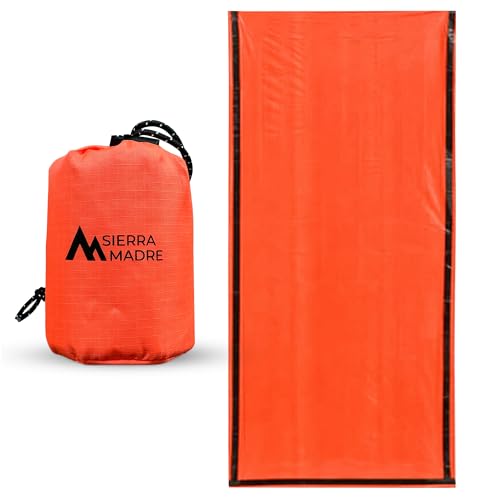
Sierra Madre Mylar Thermal Bivy Sack
Strengths
- Extremely lightweight
- Heat reflective
- Compact size
Trade-offs
- No breathability
- Single use feel
- Crinkly noise
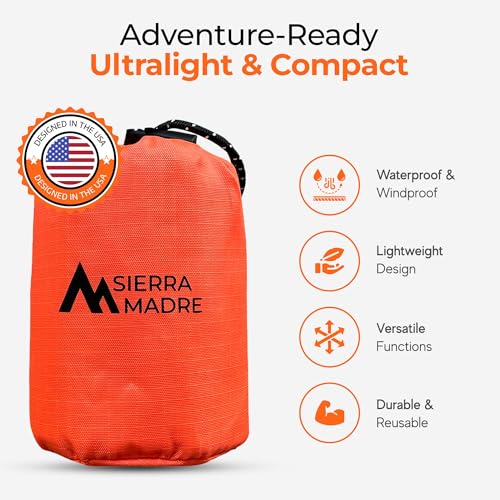
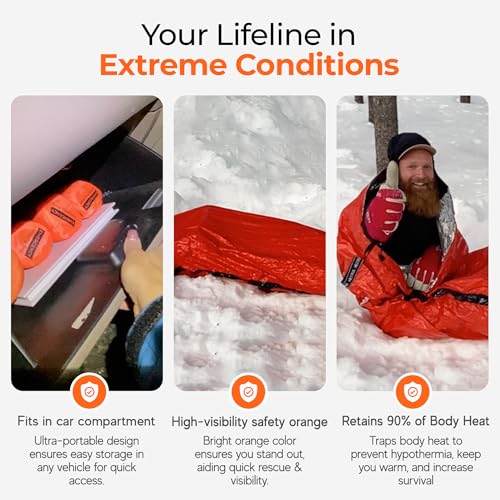
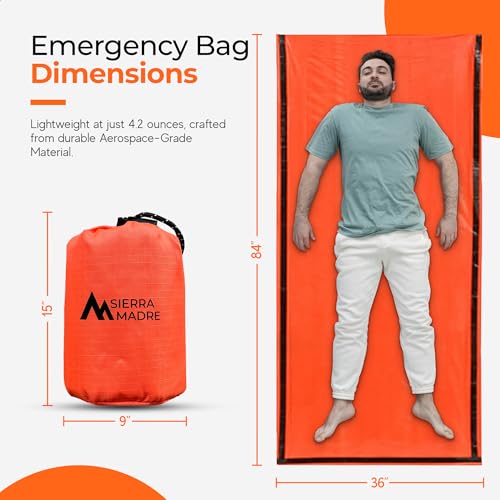
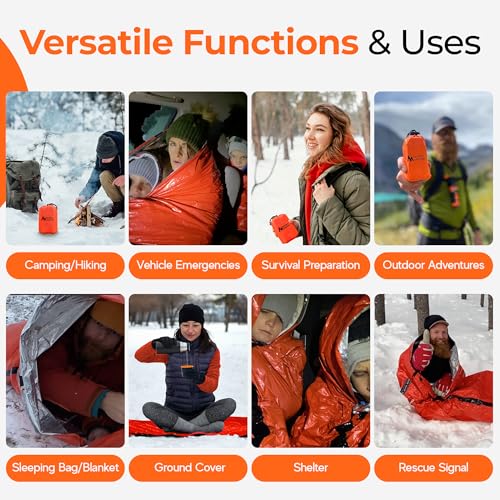
This 1-pack Mylar bivy is the minimalist’s emergency anchor. At 6 ounces, it’s barely a blip on your pack weight, and the fact that it reflects 90% of body heat makes it a legitimate thermal safeguard in cold-weather emergencies. The PET mylar construction is more durable than old-school space blankets, and owners confirm it holds up to multiple uses if handled carefully.
Compared to the 2-pack version, this one gives you the same core survival function without redundancy, fine if you’re solo or already have backup layers. It’s not comfortable, and condensation builds fast, but that’s not the point. In a bug out scenario where hypothermia is the real threat, this is the smarter buy over bulkier options. I’d keep this as a baseline layer in any emergency kit, even if you carry a full tent.
Product photos
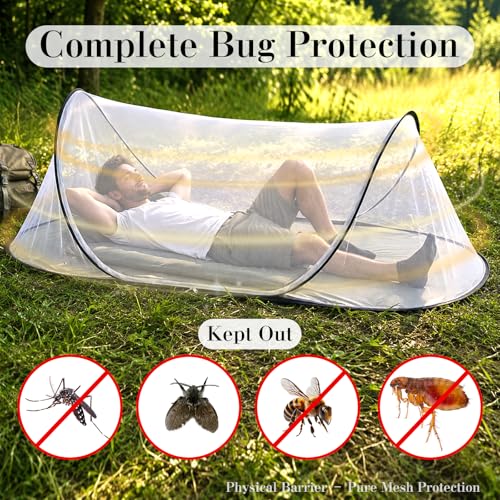
Pop Up Mosquito Tent Single
Strengths
- Super fine mesh
- Instant setup
- Highly portable
Trade-offs
- Low headroom
- Frame less durable
- Not for two people
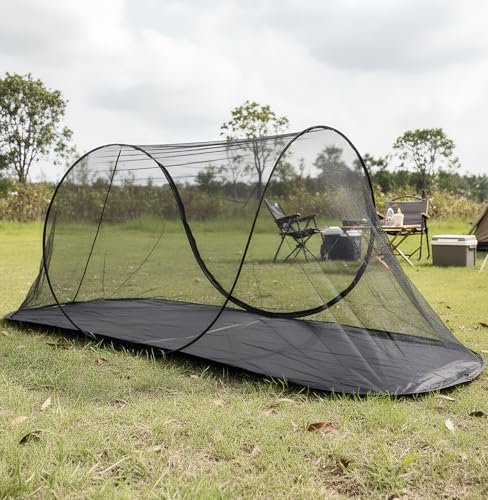
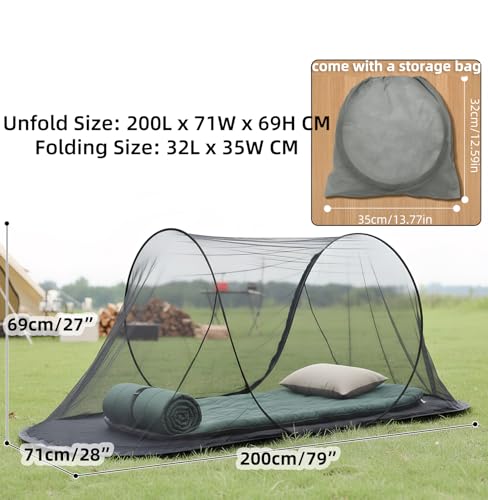
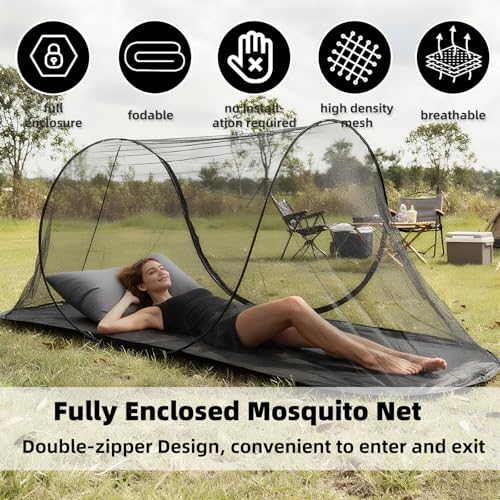
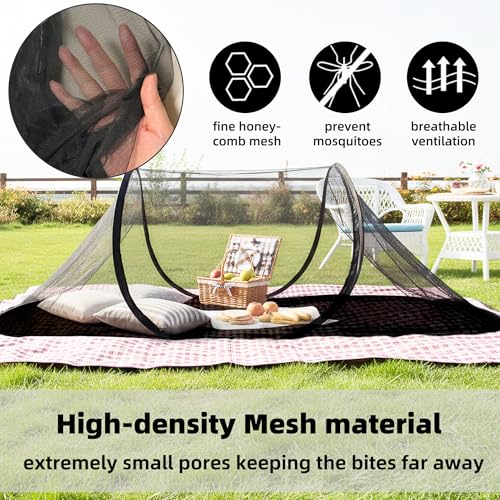
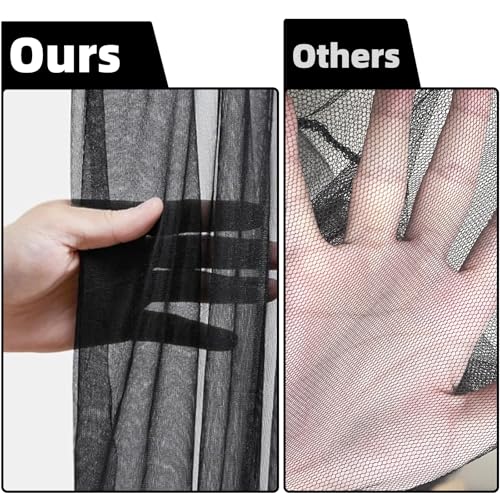
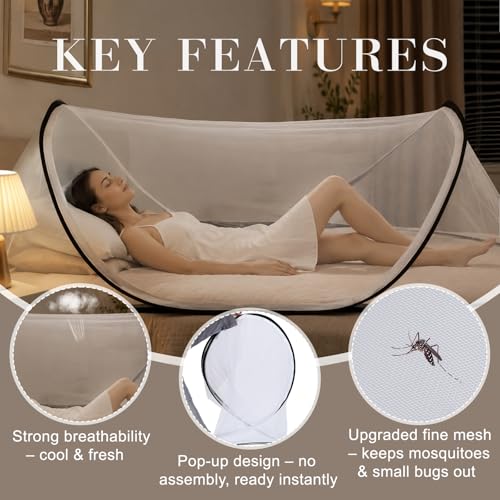
This single-person pop-up mosquito tent wins on one key metric: bug exclusion. The ultra-dense mesh is consistently praised by owners for blocking even no-see-ums, a rare win in budget mesh shelters. Setup is truly instant, and the compact 13-inch fold means it slips into a daypack with ease. For travelers hitting buggy regions or hikers needing a quick sleep shield, this is the kind of no-brainer add-on that pays off fast.
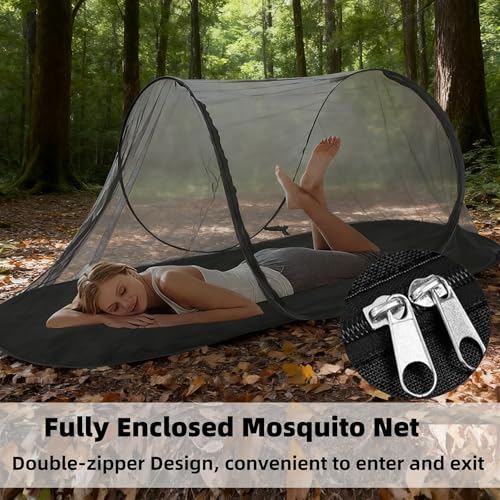
Where it falls short is in headroom and durability. The frame doesn’t feel as rigid as the larger East Oak or Lenotos models, and a few owners mention the poles can bend under pressure. But for pure bug defense in a minimalist package, it’s hard to beat. Compared to standard mosquito nets, this fully enclosed, zippered design offers far better peace of mind, especially on uneven ground or hotel floors.
Product photos
East Oak 10×10 Pop-Up Screen Tent

Strengths
- Strong steel frame
- Good airflow
- Family-sized space
Trade-offs
- Heavy carry
- Not rain rated
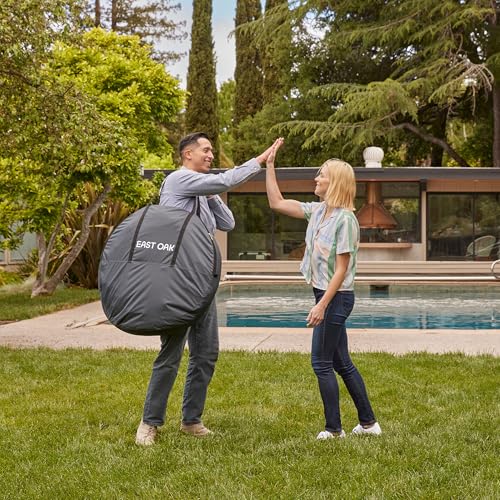
- Bulky when packed
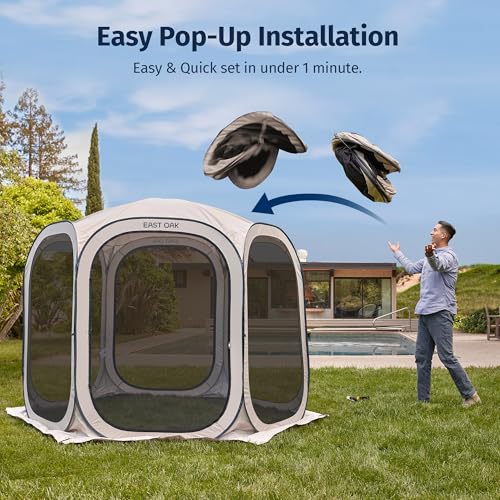
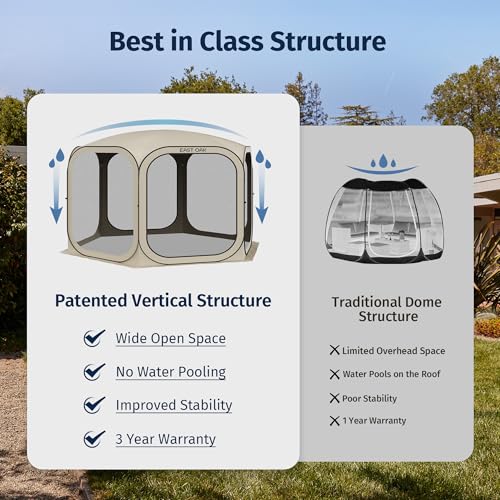
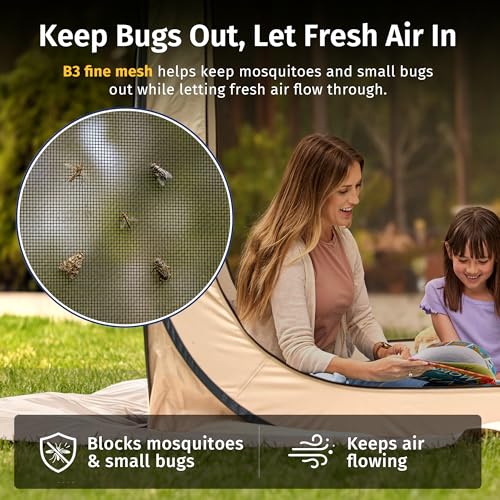
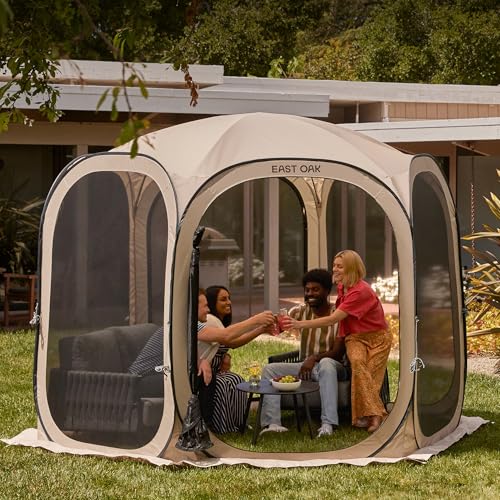
The East Oak 10×10 screen house is a workhorse for group comfort. Its reinforced steel frame and double-stitched zippers give it an edge in durability, and owners consistently report it handles wind better than expected, especially with the sandbags and guylines deployed. The UPF 50+ silver-coated Oxford fabric blocks harsh sun, and the 360° mesh delivers excellent airflow, which matters when you’re stuck in it during humid days.
While nearly identical in size to the Lenotos model, the East Oak feels a bit more utilitarian, less refined finish, but arguably stronger structure. The interior hook for a lantern is a nice touch, though lights aren’t included. For family camping or backyard hangouts, this is the kind of shelter that earns repeat use. I’d pick this over lighter screen tents for any multi-day trip where bugs and sun are the main enemies.
Product photos
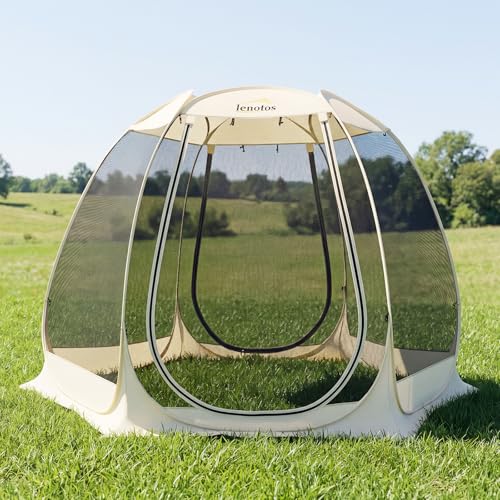
Lenotos 10×10 Outdoor Screen House
Strengths
- Sturdy frame
- Excellent UV protection
- Spacious interior
Trade-offs
- Not rainproof
- Heavy for backpacking
- Bulkier packed size
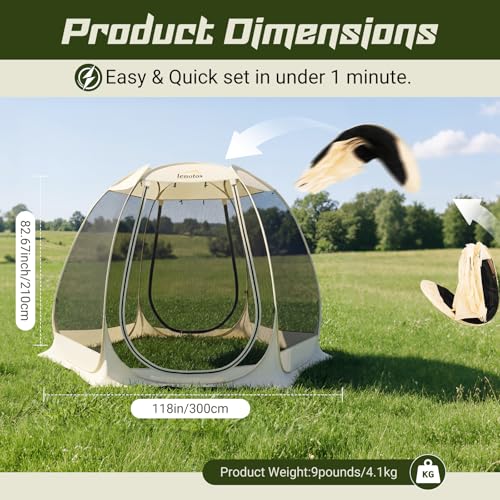
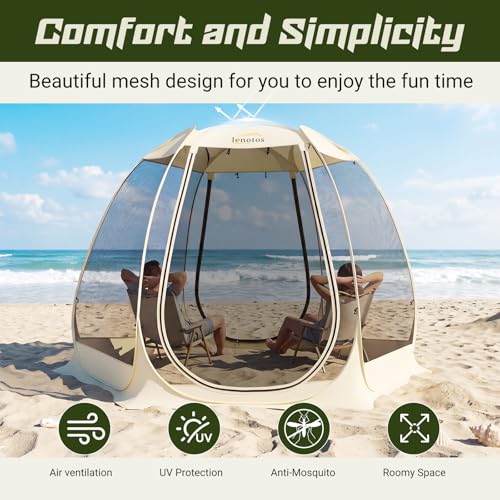
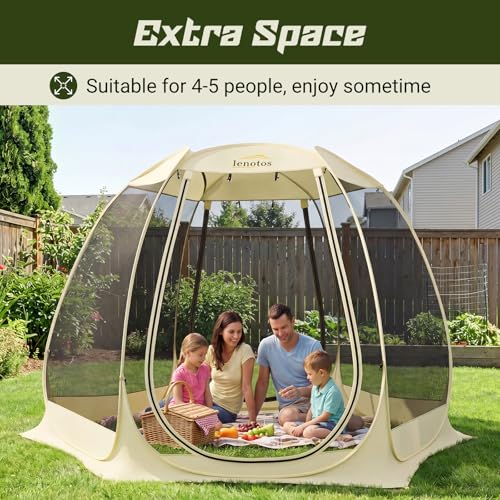
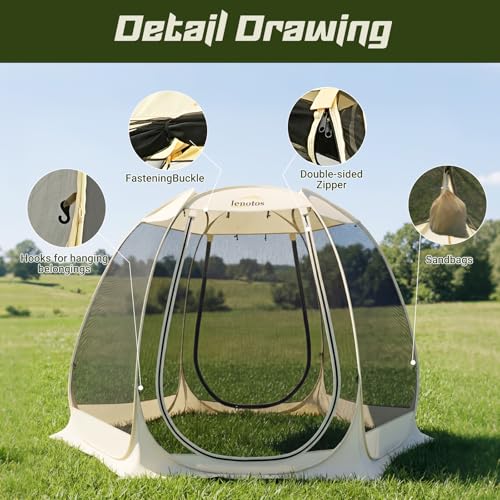
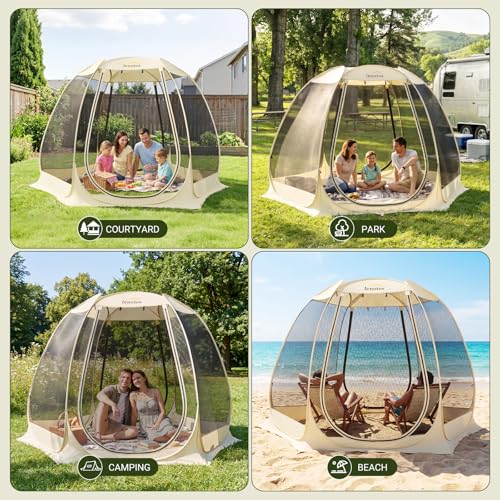
The Lenotos 10×10 screen house stands out in a field of flimsy pop-ups thanks to its 150D Oxford fabric and robust fiberglass frame. On paper, it’s built like a trail-rated shelter, and owners frequently praise its stability, even in gusty beach winds, thanks to the included sandbags, stakes, and guylines. The UPF 50+ rating isn’t just marketing; it’s a real upgrade for anyone spending long hours outdoors, and the dual zippered doors make access easy without sacrificing bug sealing.
Compared to the East Oak model, it’s similarly spacious but feels slightly more refined in the stitching and mesh tension. The 7-foot interior height lets most adults stand comfortably, and the gear hooks are a small but appreciated touch. While it’s not meant for rain use, as a daytime bug-free zone or stargazing lounge, it’s one of the more dependable options in this category. I’d lean toward this over bulkier gazebos that skimp on ventilation.
Product photos
Large Pop Up Mosquito Net for Bed
Strengths
- Generous length
- Double zipper
- Lightweight
Trade-offs
- Tricky to repack
- Mesh not ultra-fine
- Minimal head height
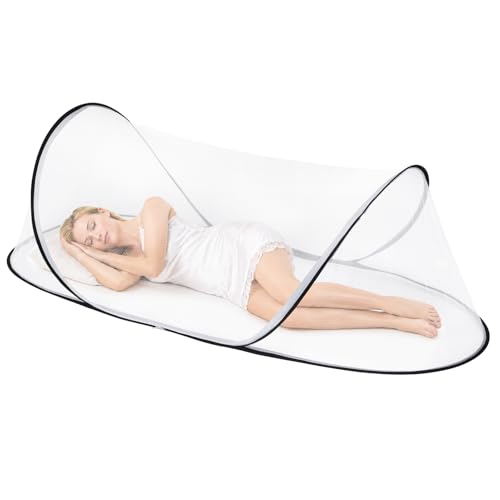
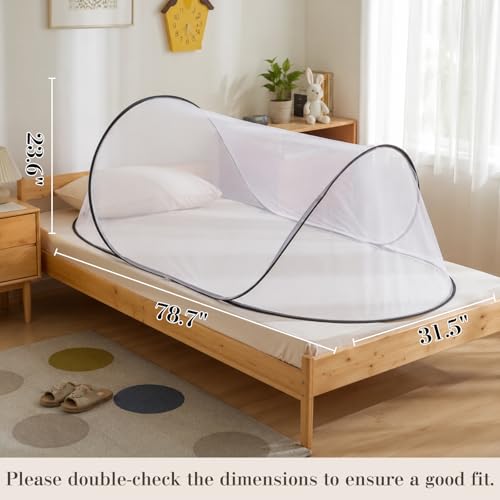
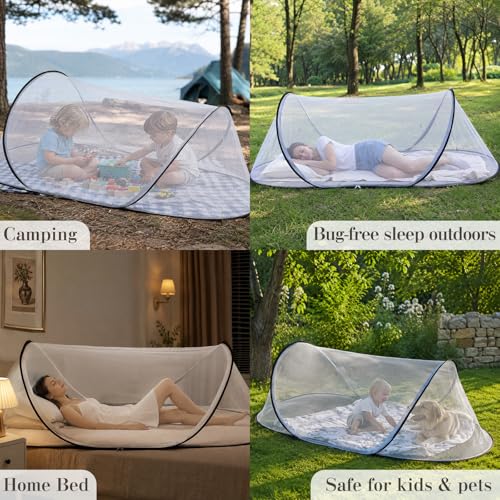
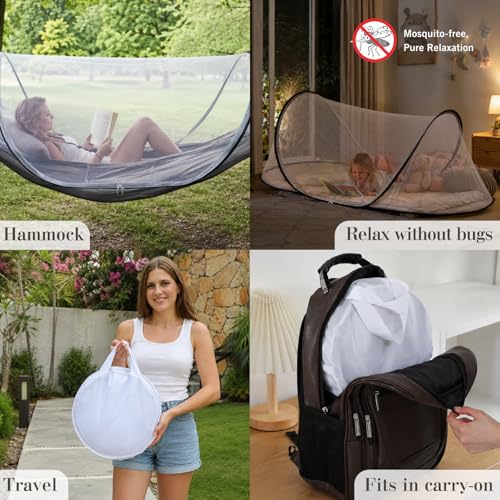
At 78.7 inches long, this pop-up net offers more legroom than most single-person models, making it a smarter pick for taller users who’ve struggled with cramped bug tents. The high-density mesh and fiberglass poles deliver reliable breathability and quick setup, owners note it pops open cleanly, though folding it back takes practice. It’s lightweight at just 1.2 pounds, and the 11.8-inch disc packs down smaller than a water bottle.
Compared to the B0FPLCMXGG model, it’s roomier but uses a similar mesh density, so bug protection is solid, just not quite as tight for no-see-ums. The double zipper is a standout feature, allowing access from either side and sealing gaps well. I’d recommend this over flimsier nets for anyone using it over a cot or air mattress, especially on trips where space matters. It’s not for backpacking ultralight, but for car camping or travel, it strikes a good balance.
Product photos
Sierra Madre Emergency Sleeping Bag 2 Pack

Strengths
- Ultralight
- Waterproof
- Reusable
Trade-offs
- No ventilation
- Tight fit
- Crinkly material
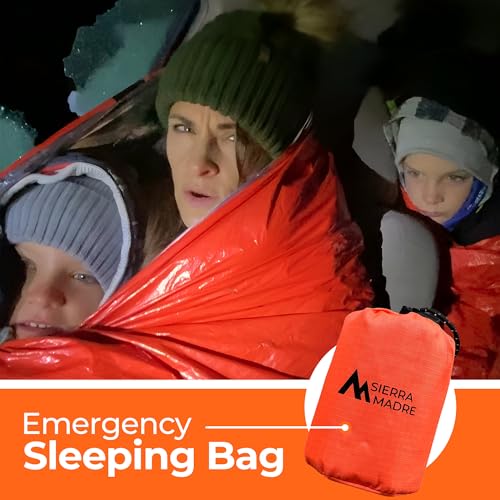
When space and weight are essential in a bug out bag, the Sierra Madre Mylar bivy sack makes immediate sense. On paper, it’s about as light and compact as emergency shelter gets, just 6 ounces per sack, and owners consistently report it’s the kind of item they’re glad to have after a sudden downpour or an unplanned night out. The 90% body heat reflection claim aligns with what you’d expect from quality PET mylar, and the waterproof, windproof construction is a solid baseline for emergency thermal protection.
That said, this isn’t a tent in the traditional sense. It’s a last-resort bivy, and while the 2-pack adds value, it doesn’t change the fact that you’re trading comfort for survival utility. Compared to mesh pop-up shelters, it offers zero ventilation and a claustrophobic feel, but that’s the trade-off for heat retention. For preppers prioritizing redundancy, having two makes sense, but only if you understand its role.
Product photos
How We Picked These tents for bug out bags
Rather than a hands-on lab test, this selection is a research-led comparison of published specifications, owner reviews, and expert opinions. I approached this as I would prepping my own kit – prioritizing functionality and reliability for emergency situations. We compiled a list of contenders, then systematically compared features, materials, and user feedback to identify the options offering the best balance of protection, portability, and value.
For tents intended for a bug-out bag, weight and packability are paramount. We heavily weighted these factors, alongside reported durability and the effectiveness of bug protection. A tent that fails in any of these areas isn’t useful when you’re relying on it in a crisis. The ability to provide warmth and shelter from the elements was also key, especially considering the potential need for a bivy sack as a minimalist tent option.
Specifications reliably indicate size, weight, and materials used. However, real-world performance – particularly regarding durability and ease of setup – came from analyzing owner feedback. We looked for consistent reports of tears, broken poles, or frustrating assembly processes. Expert reviews helped corroborate claims about waterproof ratings and weather resistance, providing a more rounded assessment of each tent’s capabilities.
How To Choose The tents for bug out bags
Choosing a tent for your bug out bag isn’t about luxury; it’s about reliable shelter when you need it most.
A truly effective bug out bag tent prioritizes lightweight packability, dependable weather protection (even minimal), and ease of setup – often in less-than-ideal conditions. Consider the intended environment, duration of potential use, and the number of occupants when evaluating options. Durability and reusability are key, as replacing gear mid-crisis isn’t an option.
Size and Occupancy
The biggest mistake people make is overestimating how much space they need versus how much weight they can carry. While a roomy family tent might sound appealing, a cramped shelter is better than no shelter at all. For a dedicated bug out bag, focus on single-person or, at most, two-person options. Don’t fall into the trap of thinking you’ll be comfortable; think about functional survival. Look closely at the packed size and weight – every ounce counts.
Material and Durability
When it comes to bug out bag tents, cheap materials are a false economy. You need something that can withstand repeated packing and unpacking, and potentially harsh conditions. While tent construction materials like canvas offer extreme durability, they’re simply too heavy for a bug out situation. Look for ripstop nylon or polyester with a decent waterproof coating (at least 1500mm). Mylar emergency bivvies are also a fantastic addition, offering a backup thermal layer and waterproof barrier.
- A lightweight bivy sack (under 8oz) provides essential protection without adding significant bulk.
- A pop-up screen tent, while bulkier, offers quick shelter from bugs and sun – important for morale and preventing illness.
- A small, single-person tent constructed from ripstop nylon balances weight, durability, and weather resistance, making it a versatile option for various scenarios.
Setup and Portability
In a real emergency, you won’t have time for a complicated setup. Forget about tents requiring extensive pole assembly or intricate guylining. Instant pop-up tents or bivvies are ideal. Even a simple tarp setup requires practice, so familiarize yourself with it beforehand. Prioritize a tent that packs down small and includes a compression sack. Don’t forget to consider how you’ll secure it – many designs come with stakes and guylines, but you might want to upgrade these for better holding power. A key component of any good bug out bag is also having the right portable bug out tents that can be easily packed and deployed.
Don’t rely on “easy setup” claims alone. Practice setting up and taking down the tent several times before you need it, in varying conditions (even if it’s just your backyard).
Tents for Bug Out Bags Compared
Here’s a comparison of key specifications for tents suitable for inclusion in a bug out bag.
| Product Title | Weight | Dimensions (Approx.) | Capacity | Material | Key Feature |
|---|---|---|---|---|---|
| Sierra Madre Mylar Thermal Bivy Sack | 6 oz | N/A | 1 Person | Mylar/PET | Thermal Reflection |
| Pop Up Mosquito Tent Single | N/A | 78.7″x31.5″x23.6″ | 1 Person | Mesh/Fiberglass | Instant Pop-Up |
| East Oak 10×10 Pop-Up Screen Tent | N/A | 10’x10′ | 4-6 People | Oxford Fabric/Steel | UV 50+ Protection |
| Lenotos 10×10 Outdoor Screen House | N/A | 10’x10′ | 4-6 People | 150D Oxford Fabric | All-Weather Durability |
| Large Pop Up Mosquito Net for Bed | 1.2 lb | 78.7″x31.5″x23.6″ | 1 Person | Mesh/Fiberglass | Double Zipper |
| Sierra Madre Emergency Sleeping Bag 2 Pack | 12 oz (2 bags) | N/A | 2 People | Mylar/PET | Thermal Reflection |
Frequently Asked Questions
What’s the absolute lightest tent option for a bug out bag?
The Sierra Madre Mylar Thermal Bivy Sack weighs only 6 ounces. While it isn’t a traditional tent, it provides essential thermal protection and a waterproof barrier with minimal weight and pack size – a crucial consideration when choosing best bug out tents.
Are pop-up tents truly as durable as traditional tents?
Pop-up tents generally use fiberglass poles and thinner fabrics, making them less durable than tents with aluminum poles and ripstop nylon. However, for emergency use where immediate shelter is the priority, the speed of setup outweighs the slight decrease in longevity.
How important is a waterproof rating for a bug out bag tent?
A waterproof rating of at least 1500mm is recommended, but even higher is better. Remember that waterproof ratings degrade over time with use and exposure, so consider applying a seam sealer for extra protection when selecting durable bug out shelters.
Can a screen tent provide adequate shelter in an emergency?
A screen tent like the East Oak 10×10 Pop-Up Screen Tent won’t protect you from rain or cold, but it offers crucial protection from insects and sun. Preventing bug bites and heat exhaustion can be just as important as staying dry, and a screen tent offers quick-setup evacuation tents.
Should I practice setting up my bug out bag tent before an emergency?
Absolutely. Don’t rely on “easy setup” claims. Practicing setting up and taking down your chosen shelter several times beforehand – in various conditions – is vital to ensure you can do it efficiently and effectively when you need it most, and to verify the quality of survival tents for emergencies.
The Bottom Line
Choosing a tent for your bug out bag always involves trade-offs. You’re balancing the need for reliable shelter with the critical constraint of carrying weight. For an all-around solid choice, something that offers a good mix of protection without breaking the bank or your back, I recommend the Sierra Madre Mylar Thermal Bivy Sack. It’s a lightweight, easily packable emergency layer that provides essential warmth and weather resistance.
If you’re prioritizing a quick and easy shelter from insects, the Pop Up Mosquito Tent Single is an excellent option. For a group or those needing a larger, more comfortable space (and willing to carry the extra weight), the East Oak 10×10 Pop-Up Screen Tent provides substantial coverage and UV protection. These specialized tents fulfill specific needs, and are great to consider depending on your situation.
Ultimately, the ‘best’ tent is the one you know how to use, and that meets your specific needs. Don’t get caught up in chasing the highest waterproof rating or the lightest weight. Focus on selecting a dependable shelter, practicing its setup, and ensuring it integrates well with the rest of your bug out bag essentials – like a reliable pop-up tent for a fast and simple setup.
