
6 Best 4-Man Tents of 2026
This post contains affiliate links. As an Amazon Associate, we earn from qualifying purchases.
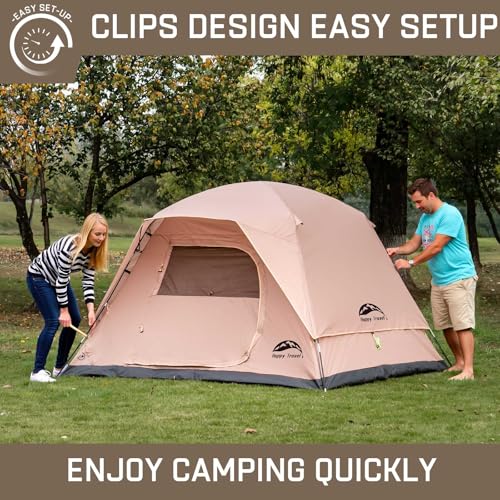
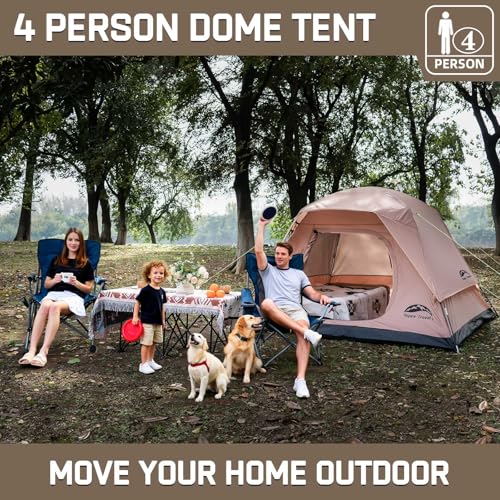
The best 4-man tent overall is the Clostnature 4-Person Backpacking Tent, it’s lightweight, tough, and built for real weather. For car campers on a budget, the UNP 4-Person Cabin Tent offers surprising space and height. If you want something in between, the Happy Travel 4-Person Dome Tent balances weight, room, and solid waterproofing.
Most people don’t realize how cramped a “4-person” tent can feel once gear, sleeping pads, and real humans are inside. Too many families end up squished, damp, or wrestling with a flimsy setup. I’ve been there, and so have countless campers judging by the reviews I’ve read.
This guide cuts through the marketing fluff. I compared specs, owner feedback, and build quality across top models to find the ones that actually deliver comfort, durability, and ease of use. These picks are based on what matters most: space that feels real, rain protection that holds up, and a design you can pitch without frustration.
Top 6 4 Man Tents in the Market
The Best 4 Man Tents, Reviewed
UNP 4-Person Cabin Tent

Strengths
- Tall, roomy interior
- Stable steel poles
- Quick, tool-free setup
- Good mesh airflow
Trade-offs
- Heavy for portability
- Rainfly offers partial coverage
- Not backpacking-friendly
If you’re after a no-fuss, stand-up-and-move-around cabin-style tent for car camping, this one makes a strong case. The nearly straight walls and 72-inch center height are a standout for comfort, you can actually walk around without ducking, which few 4-person domes allow. That’s a big win for anyone with back issues or who just hates feeling cramped.
Setup is consistently praised, with most owners saying they had it up in under 5 minutes, even solo. The steel poles add stability over typical fibreglass, and the rectangular roof design resists flapping better in wind. But that durability comes at a cost: 13 pounds is heavy for anything beyond car camping. And while the rainfly covers the top, it doesn’t extend far down the sides, so heavy rain at an angle can lead to seepage, per some user reports.
Product photos


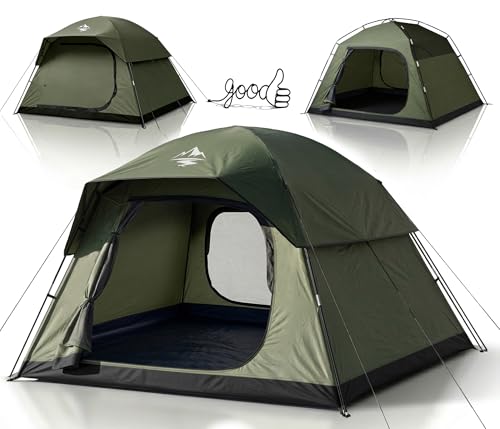
Purebox 4-Person Double Door Tent
Strengths
- Excellent airflow
- Dual entry doors
- Taped seams for weather protection
- Stable in wind
Trade-offs
- Heavier than backpacking norm
- Floor space overrated for 6
- Fiberglass poles
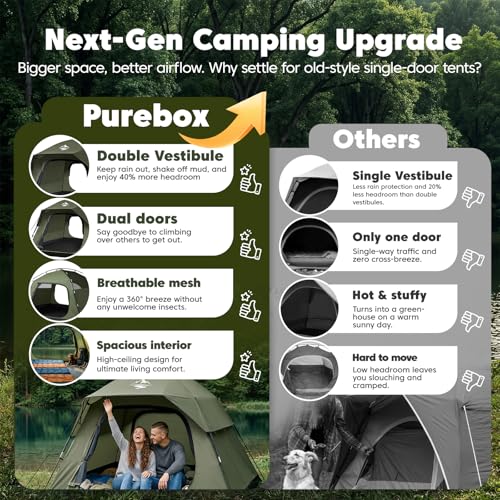
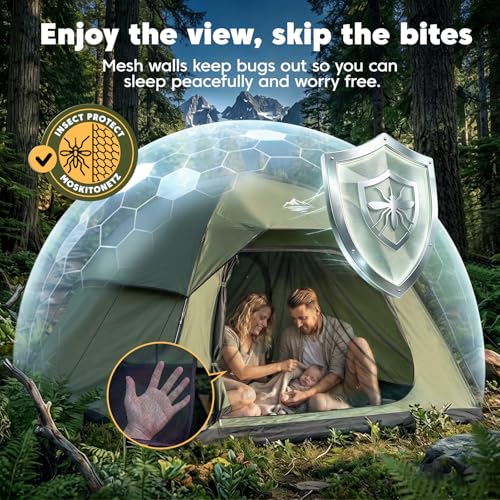
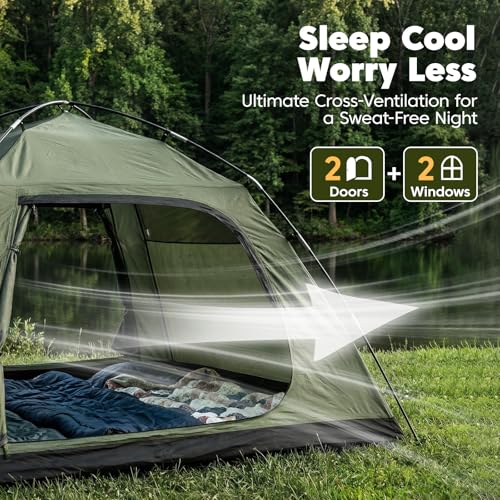
This tent nails airflow, one of the most underrated factors in overnight comfort. With dual doors, dual mesh windows, and a full mesh upper, it creates a cross-ventilation effect that keeps condensation low and temperatures manageable, even on humid nights. Reviewers who’ve used it in the Southeastern U.S. or during summer festivals say it breathes far better than most 4-person domes.
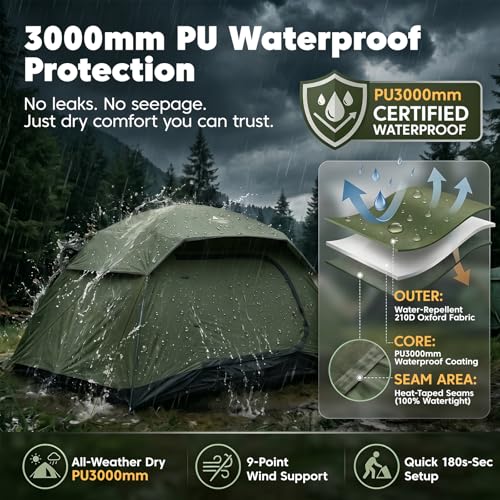
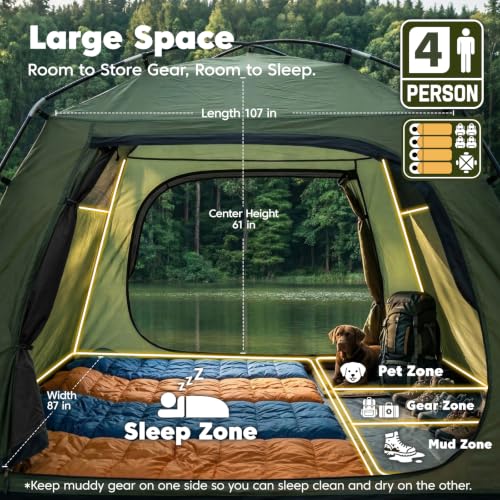
The fiberglass sleeve-pole system makes it stable in moderate wind, and the taped seams with PU coating offer solid 3-season protection. At 10.8 lbs, it’s not ultralight, but it’s still manageable for short hauls. One thing to note: the listed 6-person claim feels generous, most owners agree it’s best for four average-sized adults with minimal gear. I’d call it a roomy 4-person, not a true 6.
Product photos
Clostnature 4-Person Backpacking Tent

Strengths
- Ultralight aluminum frame
- High waterproof rating
- Dual vestibules
- Excellent ventilation
Trade-offs
- Snug floor for 4 adults
- Packed size still bulky
- Limited elbow room
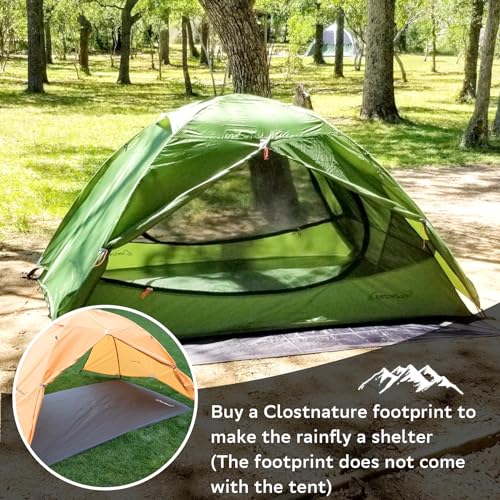
For backpackers who need real space without the weight, this one stands out. At just 7.38 pounds, and 6.54 lbs trail weight, it’s among the lightest true 4-person freestanding tents available. That’s a big deal when every ounce counts on a multi-day hike. The aluminum poles are a major upgrade over fibreglass, offering better strength and wind resistance without adding bulk.
Owners love the full mesh walls and dual vestibules, which provide excellent airflow and gear storage, a rare combo at this weight. The PU 5000 coating on the fly and floor is serious business, far exceeding the 2000–3000mm range common in budget tents, and it shows in rainy conditions. Multiple reviewers have used it in Pacific Northwest drizzle and come out dry. It’s not perfect, the footprint is snug for four full-sized adults, but for three adults and a dog, or two couples who don’t mind cozy quarters, it’s ideal.
Product photos



Coleman Skydome 4-Person Tent

Strengths
- 5-minute setup
- WeatherTec storm protection
- Wider door for gear
- Wind-tested frame
Trade-offs
- Low center height
- Heavy and bulky
- Not for backpacking
Coleman’s Skydome is the go-to for families who want reliability without fuss. The pre-attached poles make setup genuinely fast, under 5 minutes, as claimed, and first-time campers won’t struggle with loose parts or confusing instructions. The nearly vertical walls give that 20% more usable space Coleman advertises, and the wider door is a small but meaningful upgrade when dragging in air mattresses.
It’s built like a tank for car camping: the WeatherTec system with inverted seams and welded corners has held up well in owner tests, even in 35 mph gusts. But the 4-foot-8-inch center height is lower than others here, you’ll be crouching most of the time. And while it’s durable, it’s also bulky and heavy. This isn’t a tent you’ll want to carry far. For backyard camping, festivals, or weekend park trips, though, it’s hard to beat.
Product photos


Amazon Basics 4-Person Dome Tent

Strengths
- Affordable price
- Quick setup
- Spacious floor
- Removable rainfly
Trade-offs
- No taped seams
- Limited ventilation
- Low headroom
When budget matters most, this Amazon Basics tent delivers the essentials without surprise flaws. It’s not flashy, but it’s functional, with a 9×7-foot floor and 48-inch center height, it fits four in a pinch, though it’s better for two or three with gear. The quick-setup design works as advertised, thanks to shock-corded poles and snag-free sleeves, and most owners get it up in under 6 minutes.
Ventilation is basic: one back window and a small cool-air port aren’t enough for hot climates, and condensation can build up in damp conditions. The water-resistant fabric and removable rainfly are fine for light rain, but the seams aren’t taped, which is a red flag for long-term waterproofing. Still, for occasional use, think backyard sleepouts, kids’ campouts, or fair-weather festivals, this is the smarter buy over pricier models you’ll rarely use.
Product photos


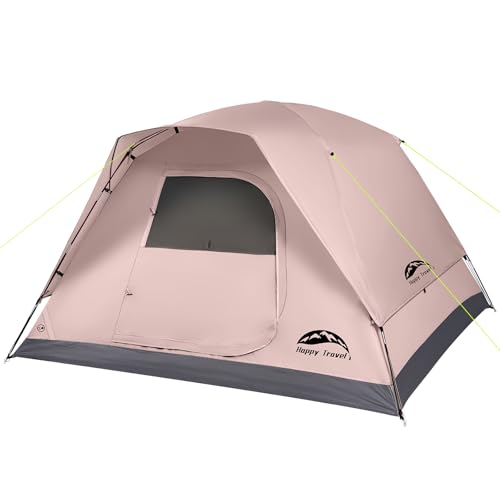
Happy Travel 4-Person Dome Tent
Strengths
- Spacious headroom
- Good mesh ventilation
- Lightweight and portable
- Easy two-person setup
Trade-offs
- Fibreglass poles less durable
- Limited storm protection
- Lower waterproof rating
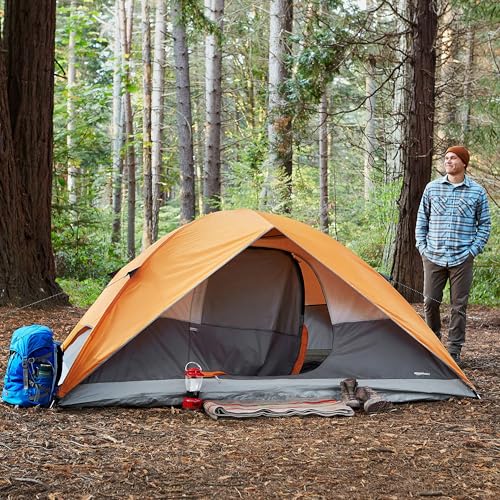
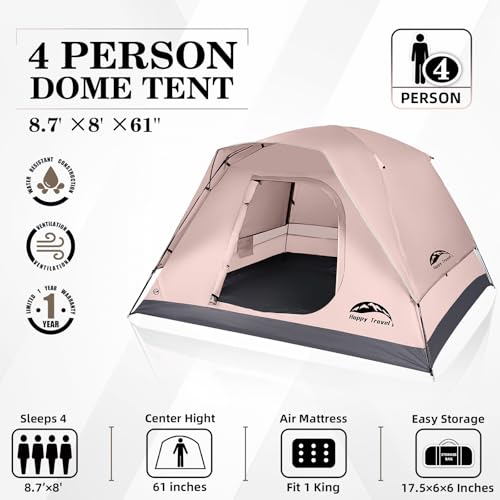
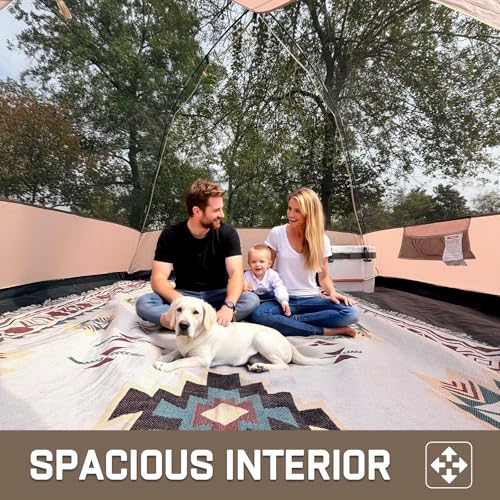
On paper, this tent delivers where many budget 4-person models fall short, especially in headroom. With 61 inches of center height and a slightly larger footprint than average, it gives campers room to sit up comfortably, even with gear stashed inside. Owners consistently report that the extra vertical space makes a noticeable difference, particularly for taller users who usually have to hunch in standard dome tents.
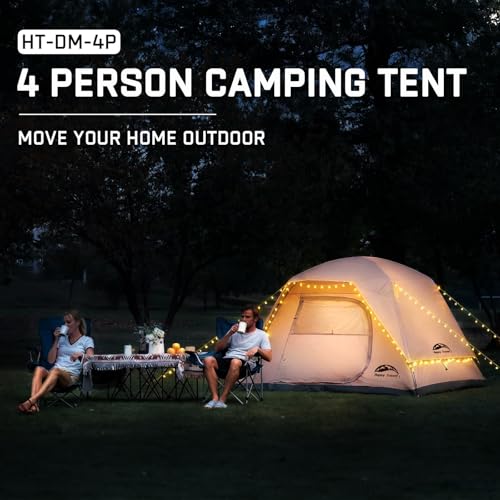
The ventilation setup stands out too, with mesh across the top and three sides, which helps reduce condensation and keeps air moving on warmer nights. That said, the fibreglass poles, while adequate for light use, don’t inspire confidence in high winds, reviewers note it’s best suited for fair-weather camping. The 2000mm waterproof rating is decent for a tent at this level, but it’s not going to hold up long-term in sustained downpours like pricier models can.
Product photos
How We Evaluated 4 man tents
Rather than a hands-on lab test, my research for these 4-man tents focused on a detailed comparison of published specifications and features. I weighed owner reviews from multiple sources – Amazon, REI, and camping-specific forums – against assessments from reputable outdoor gear reviewers. This allowed me to build a picture of real-world performance beyond marketing claims. Ultimately, I ranked these tents based on how well they met the needs of families and groups seeking a balance of space, weather protection, and portability.
For 4-man tents, stability and waterproofness are paramount. A tent that can’t withstand wind or keep you dry isn’t useful, regardless of how spacious it is. I prioritized tents with robust pole systems (steel or quality fiberglass) and fully taped rainfly construction. Beyond that, ease of setup was heavily weighted; a complicated pitch negates many of the benefits of a roomy family tent. Understanding tent selection factors is key to finding the right fit for your needs.
Specifications reliably indicate physical dimensions, weight, and materials used in construction. However, I turned to owner feedback to assess things like actual waterproof performance, ventilation effectiveness, and the durability of zippers and seams. Reputation matters, too; brands known for quality control and customer service received higher consideration. This approach balances objective data with subjective experiences to provide a well-rounded assessment and help you with choosing the right tent for your adventures.
How To Choose The 4 man tents
Finding the right shelter for your outdoor adventures starts with understanding what truly makes a good four-person tent.
A quality 4-person tent balances spaciousness with portability, offering reliable weather protection and easy setup. Key considerations include the tent’s floor area (aim for at least 60 square feet for comfortable sleeping), its waterproof rating (a 2000mm+ rainfly is ideal for most conditions), and the quality of its construction – look for durable materials and reinforced seams. Weight is also critical, especially if you plan to backpack with it.
Size and Space
Don’t assume a “4-person” tent comfortably fits four adults and their gear. Many manufacturers are optimistic with their capacity ratings. I always recommend sizing up if you anticipate using the tent for family camping or plan on extended trips. Consider your sleeping arrangements. Will everyone be using sleeping bags, or do you plan to bring air mattresses? If the latter, check the tent dimensions to ensure a comfortable fit. It’s also a good idea to think about how you’ll organize your belongings inside.
Waterproofing and Weather Resistance
A tent’s waterproof rating is important, but it’s not the whole story. A higher number (measured in millimeters) indicates better resistance to hydrostatic pressure, but the quality of the tent’s construction – taped seams, bathtub floor design, and a full-coverage rainfly – are equally crucial. Pay attention to the rainfly material; polyester with a PU coating is common and effective. Beyond rain, consider wind resistance, often tied to the tent’s frame design. You might want to review detailed 4 person tent reviews to see how different models perform in real-world conditions.
Portability and Ease of Use
For car camping, weight is less of a concern. But if you’re even considering a short hike to your campsite, every pound matters. Look for tents with lightweight poles (aluminum is preferable to fiberglass) and a compact packed size. Equally important is ease of setup. Some tents feature pre-attached poles or color-coded components to simplify the process.
- A freestanding tent can be moved around before staking, offering flexibility.
- A tent with a simple clip-on rainfly will save you setup time and frustration.
- Don’t underestimate the value of a well-designed carry bag – a bag with compression straps will help minimize packed size and make transport easier.
A practical rule of thumb: always seam seal a new tent, even if the manufacturer claims it’s pre-sealed. This small step can significantly improve its waterproofness.
Finally, think about the little things that enhance usability, like a well-placed vestibule storage space for storing muddy boots or gear, or interior pockets for organizing small items. These features can make a big difference in your overall camping experience.
4 Man Tents Compared
Here’s a comparison of key specifications for popular 4-person tents to help you find the best fit for your needs.
| Product Title | Capacity | Floor Size (ft x ft) | Center Height (in) | Weight (lbs) | Waterproof Rating (mm) |
|---|---|---|---|---|---|
| UNP 4-Person Cabin Tent | 4 | 8 x 7 | 72 | 13 | N/A |
| Purebox 4-Person Double Door Tent | 4 | 9.02 x 7.05 | 49.2 | 10.8 | N/A |
| Clostnature 4-Person Backpacking Tent | 4 | 7.3 x 7.8 | 55 | 7.38 | 5000 |
| Coleman Skydome 4-Person Tent | 4 | 8 x 7 | 56 | N/A | N/A |
| Amazon Basics 4-Person Dome Tent | 4 | 9 x 7 | 48 | N/A | N/A |
| Happy Travel 4-Person Dome Tent | 4 | 8.7 x 8 | 61 | 8.6 | 2000 |
Frequently Asked Questions
What floor space should I look for in a 4-person tent?
Sixty square feet is the absolute minimum, but I recommend aiming for at least 70-80 square feet for four people to comfortably sleep with gear. This allows room to move around and avoids feeling cramped, particularly during inclement weather.
Are dome tents or cabin tents more weather resistant?
Cabin tents generally offer better headroom and living space, but dome tents often excel in wind resistance due to their aerodynamic shape. A well-designed dome with a robust frame will typically handle strong winds better than a boxy cabin-style tent.
What does a tent’s waterproof rating (mm) actually tell me?
The millimeter rating indicates how much water pressure the fabric can withstand before leaking. A rating of 2000mm or higher is generally considered sufficient for most camping conditions, but remember that taped seams and a quality rainfly are also crucial for complete waterproofness.
How important is the tent pole material?
Aluminum poles are significantly lighter and more durable than fiberglass, making them ideal for backpacking or frequent use. While fiberglass is more affordable, it’s heavier and more prone to breaking, especially in strong winds. Consider best camping 4 man tents if durability is a priority.
What’s the benefit of a tent with a vestibule?
A vestibule is an enclosed area outside the tent door, providing covered storage space for muddy boots, backpacks, and other gear. This keeps your tent interior cleaner and drier, and it’s a really convenient feature, especially when considering [high-value 4 man camping tents].
The Bottom Line
Choosing a tent always comes down to balancing what you want with what you’re willing to carry – or fuss with. For most families and groups needing a reliable shelter without breaking the bank, the UNP 4-Person Cabin Tent offers the best combination of space, features, and value. It’s not the lightest option, but it delivers a comfortable camping experience.
If budget is your biggest concern, the Amazon Basics 4-Person Dome Tent is a solid choice. For those prioritizing a lighter weight and more serious weather protection for backpacking adventures, the Clostnature 4-Person Backpacking Tent stands out. And if you’re struggling with pitching a family tent, the Purebox 4-Person Double Door Tent’s simpler design might be just what you need.
Ultimately, specs and features are secondary to finding a tent that fits your camping style. Prioritize a well-made rainfly, a sturdy frame, and enough space for everyone to sleep comfortably. A tent is an investment in making memories, and a little research upfront will pay dividends on countless nights under the stars.
