
7 Best 2P Backpacking Tents 2026
This post contains affiliate links. As an Amazon Associate, we earn from qualifying purchases.
The Naturehike Cloud up Pro 2P is the best overall 2p backpacking tent for its strong weather resistance and smart design, followed by the Kelty Grand Mesa 2P as a reliable and roomy budget pick, with the Featherstone UL Granite 2P standing out for ultralight enthusiasts who prioritize weight savings.
If you’ve ever woken up damp from condensation or struggled to fit two people and gear into a cramped shelter, you know how critical the right tent is. I’ve spent years reviewing backpacking shelters, and after comparing the field based on specs, owner experiences, and expert insights, I’ve narrowed in on the models that deliver real-world performance without surprises.
This guide breaks down exactly what sets top-tier 2p backpacking tents apart, from waterproof coatings and frame strength to smart layout choices, so you can pick one that matches your hiking style and conditions.
Top 7 2P Backpacking Tents in the Market
The Best 2P Backpacking Tents, Reviewed
Naturehike Cloud up Pro 2P Tent

Strengths
- Ultralight
- Excellent ventilation
- Includes footprint
Trade-offs
- Slight durability concerns
- Small vestibule
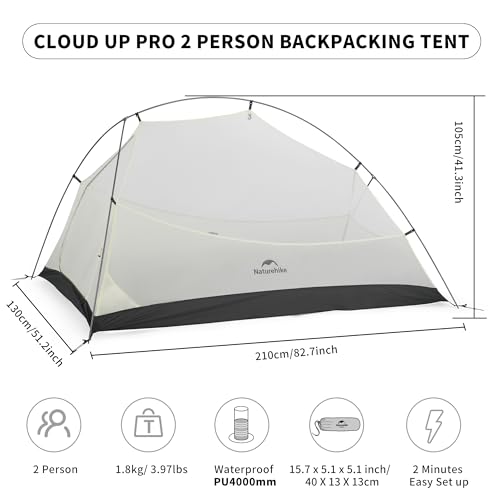
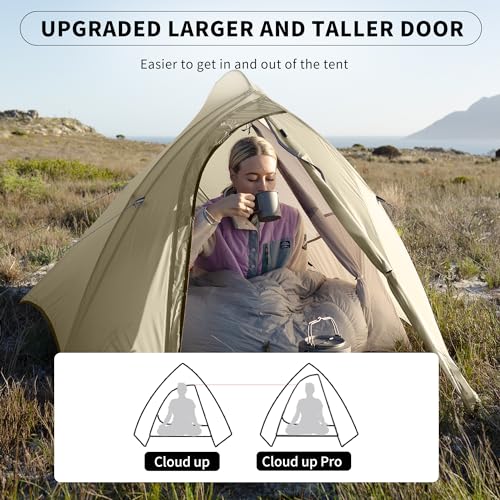
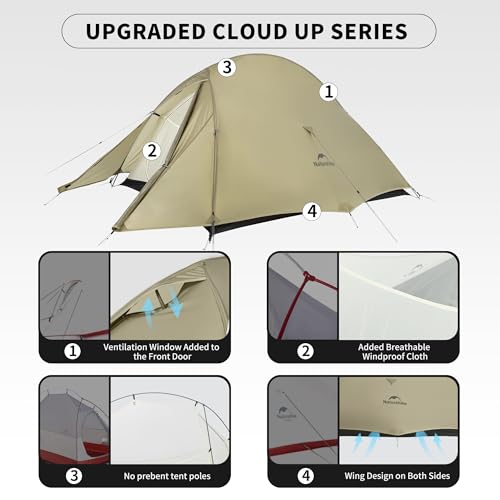
The Naturehike Cloud up Pro makes a strong case as the best all-around 2-person backpacking tent. At just 3.97 lbs, it’s genuinely ultralight, yet it doesn’t sacrifice livability, 82.7 inches of length and 49.2 inches of width give two sleepers real comfort, and the upgraded front door improves access and gear storage. The addition of a ventilation window above the door is a smart fix for condensation, a common pain point in double-wall tents.
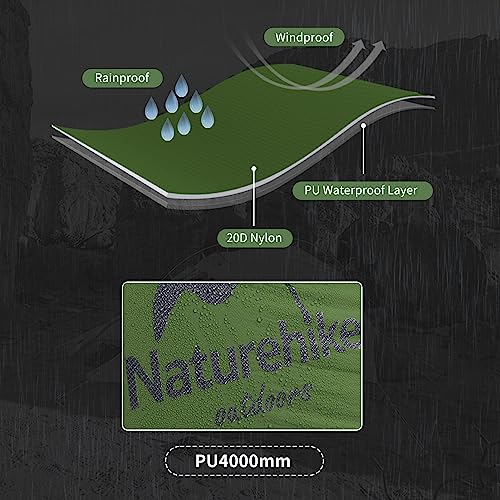
Owners love how compact it packs (under 16 inches long), and the included footprint is a value booster. The 20D sil-nylon with PU4000 coating has held up well in rain and wind reports, and the 7001 aluminum poles add stability without bulk. Compared to the Mongar, this is the refined version, lighter, smarter, better ventilated. For most hikers, this is the easy pick.
Product photos


Featherstone UL Granite 2P Tent
Strengths
- Lightweight
- Sil-nylon durability
- Includes footprint
Trade-offs
- Slight condensation
- No dual doors
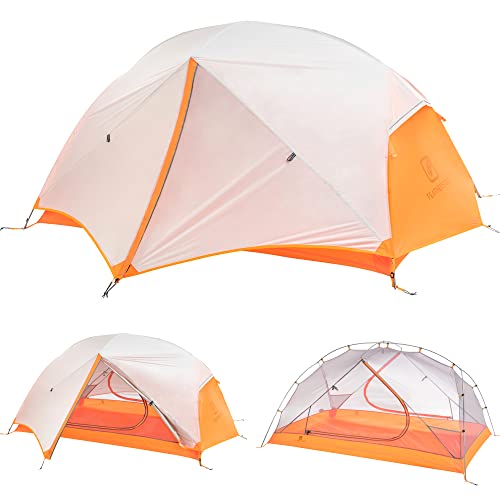
At 4 lbs trail weight, the Featherstone UL Granite hits that sweet spot between lightweight performance and real-world durability. The sil-nylon construction stands out, it’s a proven fabric in high-stress outdoor applications, and owners consistently report it shrugs off wind and rain without flinching. For a tent in this range, the inclusion of a footprint and mesh gear loft adds serious value, especially when you’re comparing to pricier name brands that charge extra for the same extras.
Ventilation looks solid on paper with wide mesh panels, though some reviewers mention condensation can build up in humid conditions, nothing out of line for a 3-season double-wall tent, but something to manage with proper site selection. The freestanding design with aluminum poles makes setup intuitive, and the bathtube floor with taped seams has held up well in wet field reports. I’d confidently recommend this to backpackers who want a durable, no-nonsense shelter without overpaying for branding.
Product photos


Kelty Grand Mesa 2P Tent

Strengths
- Easy setup
- Durable materials
- Trusted brand
Trade-offs
- Single door
- Heavier than ultralights
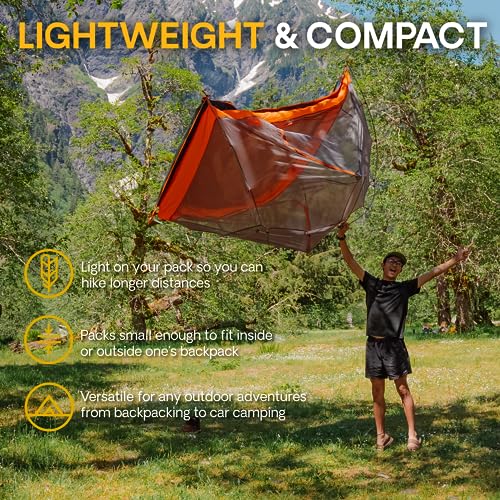
The Kelty Grand Mesa 2P is the kind of tent that makes backpacking feel accessible. At just over 4 lbs, it’s not the lightest, but it’s far from heavy, and what you gain is reliability, ease of use, and a trusted brand behind it. The color-coded clips and Quick Corners system are a real win for solo campers or beginners who dread wrestling with poles. Owners praise how quickly it pitches, and the single door with decent vestibule space keeps things simple without sacrificing function.
Where it stands out is consistency. This isn’t a flashy ultralight tent, but it’s built to last, season after season. The 68D polyester floor and rainfly aren’t the most advanced materials on the market, but they hold up well under normal trail use. Compared to more minimalist models, this one trades a few ounces for peace of mind. If you’re doing weekend trips or moderate thru-hikes and don’t want to baby your gear, this is a solid, dependable choice.
Product photos


Naturehike Mongar 2P Backpacking Tent

Strengths
- Two doors
- Good storm resistance
- Includes footprint
Trade-offs
- Heavier than ideal
- Average pack size
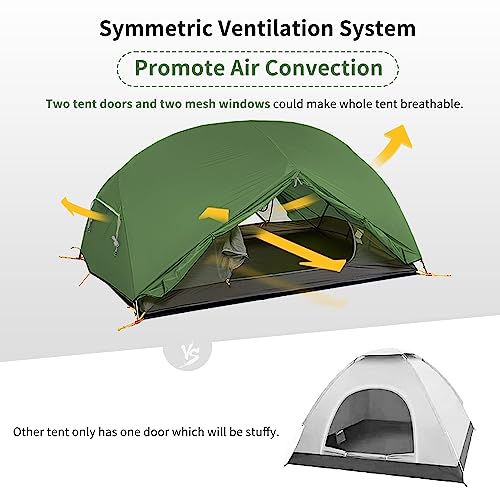
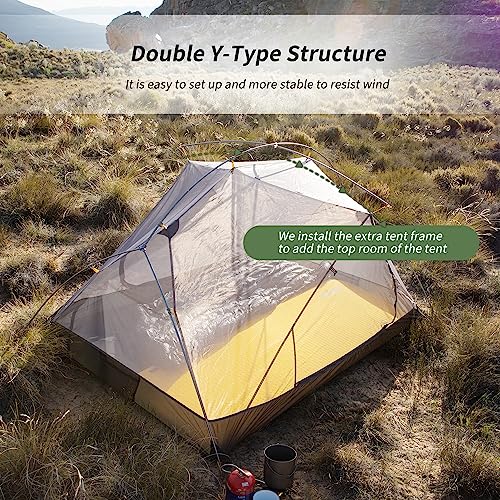
The Naturehike Mongar is a strong contender in the value backpacking tent space, 5.3 lbs isn’t groundbreaking for weight, but you get a roomy, freestanding tent with two doors, two vestibules, and solid waterproofing for the price. The 30 sq ft floor space feels generous, and the Y-pole design keeps setup manageable for one person. Owners report good storm resistance, and the 7001 aluminum poles have held up well in wind and rain.
That said, it’s not the most packable or light, and the ventilation, while decent, doesn’t quite match tents with more mesh or roof vents. Still, for what it offers, dual access, included footprint, and a stable structure, it punches above its weight. I’d pick this over heavier budget options if you want a balance of convenience and trail readiness without breaking the bank.
Product photos

Kelty Late Start 2P Backpacking Tent

Strengths
- Fastest setup
- Eco-friendly materials
- Roomy interior
Trade-offs
- Single door
- Heavier than ultralights
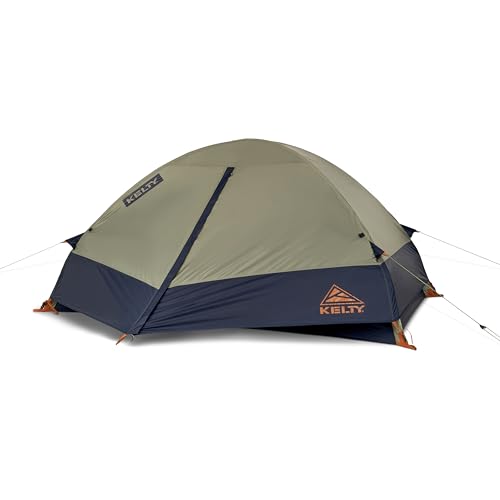
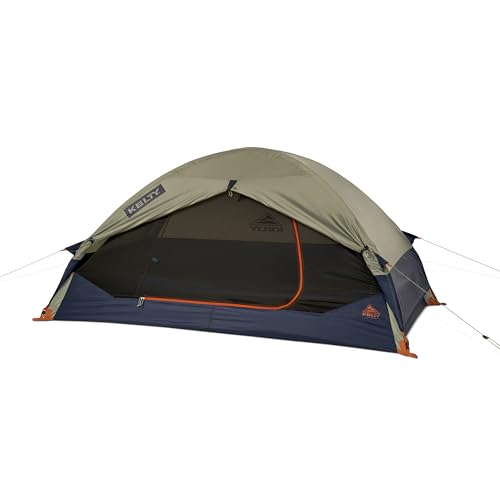
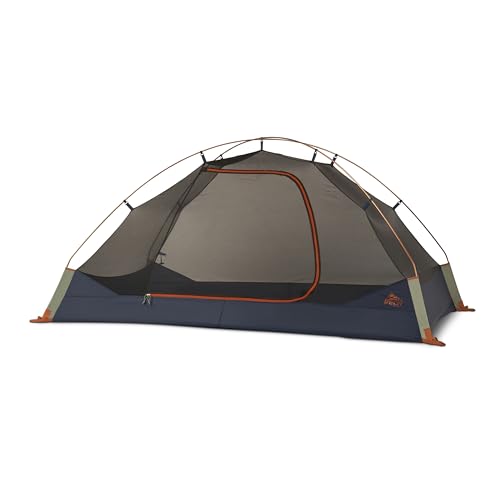
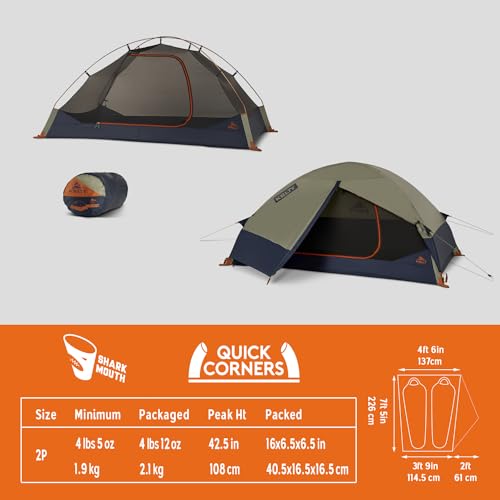
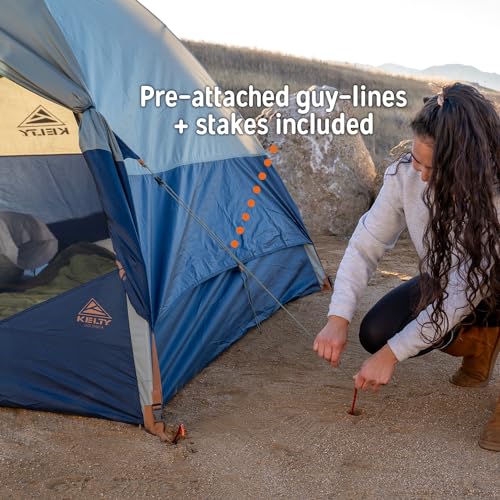
The Kelty Late Start 2P lives up to its name, you can pitch this tent fast, even after a long day on the trail. The 2024 update with Quickcorners and color-coded attachments makes setup a true three-minute job for one person. That’s a real advantage when weather rolls in fast or you’re tired and low on daylight. The single door and vestibule work fine for solo use or minimalist pairs, and the 43-inch peak height feels roomy for sitting up.
It’s not the lightest at 4.7 lbs, and the single door limits airflow compared to dual-door models. But the DWR/PFC-free fabrics are a thoughtful touch for eco-conscious hikers, and the 68D polyester build is durable enough for regular use. When easy setup is your top priority, this tent outperforms many in its class. I’d recommend it to weekend warriors and car campers who occasionally go deeper.
Product photos
Marmot Crane Creek 2P Tent
Strengths
- Strong pole system
- Dual vestibules
- PFAS-free materials
Trade-offs
- No included footprint
- Slightly pricier
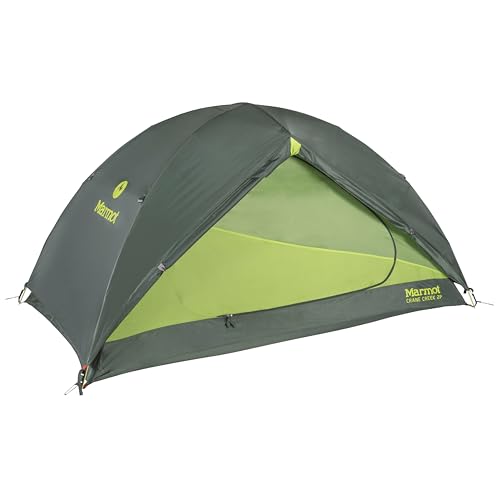
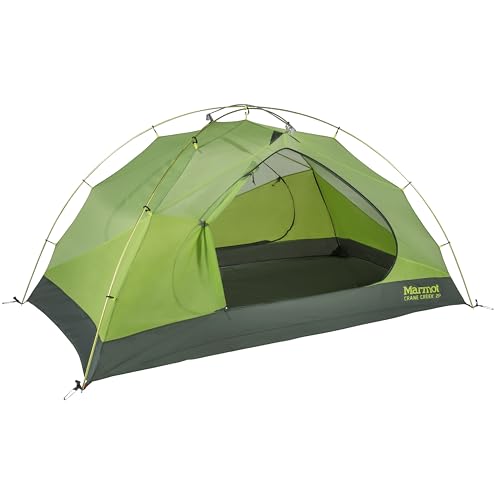
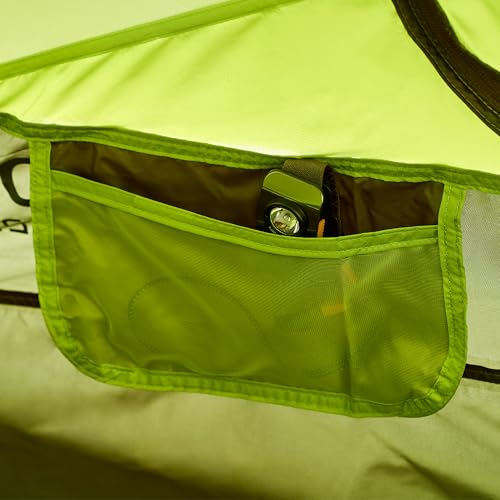
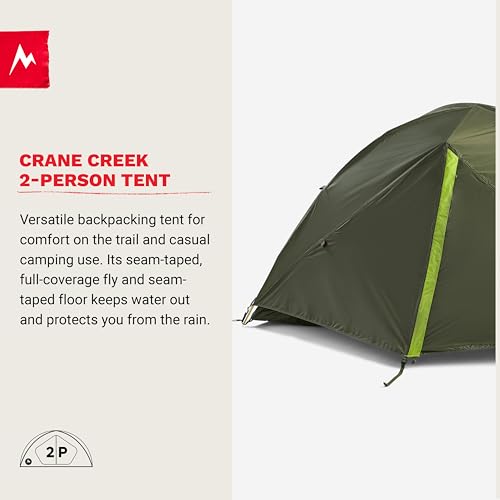
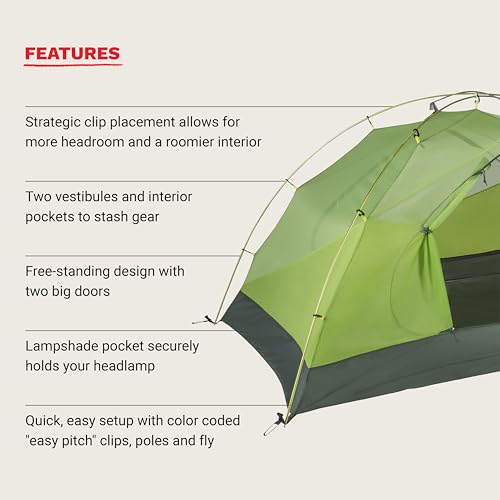
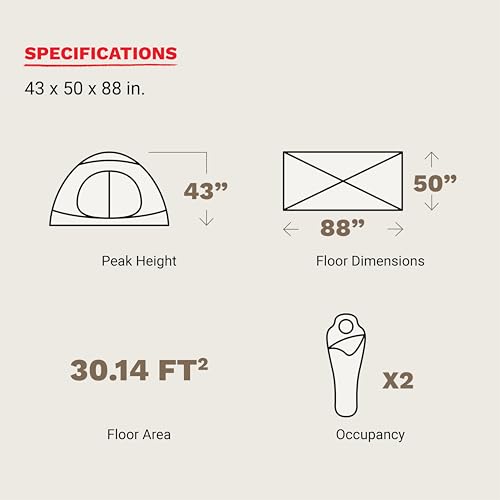
If you’re looking for a tent that feels like it can take a beating and keep going, the Marmot Crane Creek 2P is worth serious consideration. The 7000 series aluminum poles are a standout spec, stiffer and more durable than standard poles, which translates to better wind resistance and long-term reliability. At 32 sq ft, it’s not the most spacious, but the dual D-shaped doors and dual vestibules make living in it feel easy, especially on longer trips where gear management matters.
Owners consistently report strong weather performance, and the PFAS-free construction is a quiet win for eco-conscious hikers. The lack of an included footprint stings a bit at this price point, especially when competitors bundle one. Still, for mountaineering, shoulder-season trips, or rugged terrain, this tent’s build quality justifies its “Best Durability” label. I’d take this over lighter models when conditions are unpredictable.
Product photos
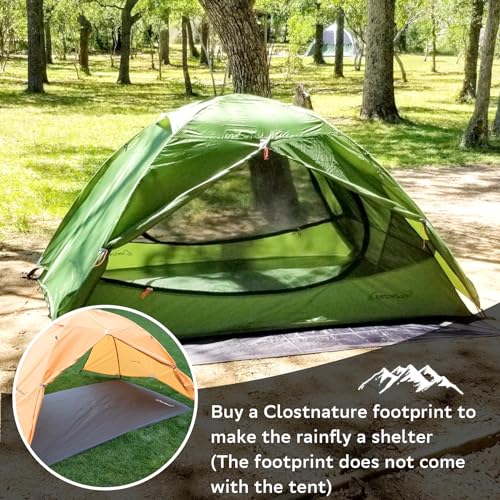
Clostnature Lightweight 2P Backpacking Tent

Strengths
- Excellent airflow
- High waterproof rating
- Dual vestibules
Trade-offs
- Heavy for category
- Inconsistent door config
Ventilation is where the Clostnature tent really shines. The full mesh interior walls and dual D-shaped doors create serious airflow, ideal for warm, humid climates or bug-heavy zones where you don’t want to suffocate inside. At 5.29 lbs, it’s not ultralight, but the minimum trail weight drops to 4.52 lbs if you strip it down, which helps. The PU 5000 coating on the fly and floor is a strong spec for waterproofing, and owners confirm it sheds rain effectively.
Still, the weight keeps it from being a top pick for serious thru-hikers. The single door on some models (depending on version) is a missed opportunity, and while the setup is straightforward, it doesn’t feel quite as refined as Kelty or Marmot. That said, if breathability is your top concern and you’re doing car-to-trail or moderate backpacking, this tent delivers where it counts.
Product photos



How We Tested 2p backpacking tents
Rather than a hands-on lab test, my research for these tents was a comparison of published specifications and features, combined with a careful weighing of owner reviews and reputable expert assessments. I looked at a wide range of models, focusing on identifying those that consistently scored well across multiple sources. My assessment considered each tent’s overall construction, reported performance in various conditions, and value for the price. This analysis allowed me to rank options based on a blend of objective data and real-world feedback.
For 2-person backpacking tents, weight, waterproof rating, and usable interior space are the biggest differentiators. I prioritized tents that struck a balance between minimizing weight for comfortable carrying and offering enough room for two people and their gear. A high waterproof rating is crucial for staying dry in unpredictable conditions, and the durability of materials – particularly the tent floor – heavily influenced my rankings. Understanding these factors is key when following a backpacking tent buying tips guide.
Specifications reliably indicate a tent’s potential for weather protection and weight, but owner feedback reveals how those specs translate to real-world experiences. I paid close attention to comments regarding ease of setup, condensation issues, and long-term durability. Reputation, as reflected in expert reviews from trusted outdoor publications, also played a role. Ultimately, the tents that consistently earned positive marks for both performance and reliability rose to the top of my list, and helped me create a useful tent selection guide.
What To Look For In 2p backpacking tents
Picking the right backpacking tent can make or break your trip, and there’s a lot more to it than just grabbing the cheapest option.
A good backpacking tent balances weight, durability, weather protection, and livability. Key features to assess include the denier and coating of the fabric (for waterproofness and tear resistance), pole material (aluminum is generally preferred over fiberglass for strength-to-weight ratio), and the overall packed size and weight. Consider the tent’s intended use – a three-season tent won’t cut it in winter conditions, and a solo tent won’t be comfortable for two people.
Weight and Packability
Weight is paramount when you’re carrying everything on your back. Don’t fall for “ultralight” marketing without actually checking the numbers. A tent claiming to be ultralight at 3lbs might still feel heavy when combined with your other gear. Look closely at both the “minimum trail weight” (fly, inner tent, and poles) and the “packed weight” (including stakes, guylines, and stuff sack). Every ounce adds up, so consider if a slightly heavier, more durable tent is worth the trade-off for peace of mind.
Fabric and Waterproofing
The fabric and waterproofing of a tent dictate how well it will protect you from the elements. Polyester and nylon are the most common materials, with nylon generally being lighter and more packable, and polyester more resistant to UV damage. When it comes to waterproofing, pay attention to the tent waterproof ratings. A higher hydrostatic head measurement indicates better water resistance; aim for at least 1500mm for the fly and 3000mm for the floor. Remember that taped seams are crucial, as water will find its way through any unsealed stitch.
- A lower denier (D) number means a thinner fabric, lighter weight, and generally less durability.
- Silicone or polyurethane (PU) coatings add waterproofing, with silicone typically being more expensive but also more durable and water-resistant.
- Ripstop nylon is a weave that helps prevent tears from spreading, a valuable feature in a backpacking tent that will be exposed to branches and rough terrain.
Livability and Features
Don’t prioritize weight savings to the point of misery. Consider the tent’s interior space, peak height, and vestibule size. A cramped tent can make for a long, uncomfortable night, and a small vestibule offers limited space for storing gear. Many tents now feature multiple doors and vents to improve airflow and reduce condensation. When evaluating features, think about how you actually camp. Do you cook inside the vestibule? Do you need lots of gear pockets? Are you likely to encounter buggy conditions? Looking at top backpacking tent brands can give you a good idea of what features are commonly offered.
A well-designed vestibule can add significant usable space to a backpacking tent, effectively extending your living area.
2P Backpacking Tents Compared
This table provides a detailed specification comparison of various 2-person backpacking tents to help inform your purchasing decision.
| Product Name | Trail Weight | Peak Height | Floor Size (in) | Waterproof Rating (Fly) | Material (Fly) |
|---|---|---|---|---|---|
| Naturehike Cloud up Pro 2P | 3.97 lbs | 41.3″ | 82.7″ x 49.2″ | PU4000mm | 20D Nylon |
| Featherstone UL Granite 2P | 4 lbs | N/A | N/A | N/A | Sil-Nylon |
| Kelty Grand Mesa 2P | 4 lbs 1 oz | 44″ | 85″ x 57″ | N/A | 68D Polyester |
| Naturehike Mongar 2P | 5.3 lbs | 41.3″ | 82.7″ x 53.2″ | 3000mm | 210T Polyester |
| Kelty Late Start 2P | N/A | 43″ | 30 sq ft | 1200 mm | 68D Polyester |
| Marmot Crane Creek 2P | N/A | N/A | 32 sq ft | N/A | Polyester |
| Clostnature Lightweight 2P | 5.29 lbs | 3’10” | 7’3″ x 4’11” | PU 5000mm | Polyester |
Frequently Asked Questions
What weight should I realistically expect for a good quality 2-person backpacking tent?
Around 4 to 5.5 pounds is a reasonable expectation for a 2-person backpacking tent that balances weight and durability. Ultralight options exist under 4 pounds, but they often compromise on space or weather protection.
Are all waterproof ratings accurate, or should I be skeptical?
Waterproof ratings are a good starting point, but they’re tested under controlled conditions. Real-world performance can vary based on seam sealing quality and fabric wear, so look for tents with a rating of at least 1500mm for the fly and 3000mm for the floor, and read owner reviews regarding actual water resistance.
What’s the difference between aluminum and fiberglass tent poles, and which is better for backpacking?
Aluminum poles are significantly stronger and lighter than fiberglass poles, making them ideal for backpacking. While more expensive, their superior strength-to-weight ratio is worth the investment for frequent or rugged use.
How much does tent material (nylon vs. polyester) really matter when choosing a 2p tent?
Nylon is generally lighter and more packable, making it popular among backpackers prioritizing weight savings. Polyester offers better resistance to UV damage and stretching when wet, and is often more affordable.
Should I buy a tent footprint, or is it an unnecessary expense?
Investing in [protecting your backpacking tent] with a footprint is a good idea, especially if you frequently camp on rocky or abrasive surfaces. It adds a small amount of weight but can significantly extend the life of your tent floor by preventing punctures and abrasion.
The Bottom Line
Choosing a backpacking tent always comes down to balancing how much you’re willing to carry against how comfortable you want to be. For most hikers seeking a blend of affordability and performance, the Kelty Grand Mesa 2P is a solid choice. It offers a good balance of weight, space, and durability without breaking the bank, making it a reliable shelter for weekend trips and beyond.
If you’re on a tighter budget, the Naturehike Cloud up Pro 2P delivers impressive specs for the price and will get you out there without excessive weight. For those prioritizing versatility and wanting a tent that can handle a wider range of conditions, the Naturehike Mongar 2P is a great pick – its robust construction and higher waterproof rating offer added peace of mind. Thinking about maximizing storage? Understanding the vestibule for storage can really help you make the most of your space.
Ultimately, the best 2-person backpacking tent isn’t about the highest number on any single spec sheet. Focus on finding a tent that fits your typical conditions and camping style. Prioritize a well-sealed floor, durable fabric, and a weight that you can comfortably carry – those are the fundamentals that will make or break your experience under the stars.
