
8 Best 3-Person Camping Tents of 2026
This post contains affiliate links. As an Amazon Associate, we earn from qualifying purchases.
The Marmot Crane Creek 3P Tent is the best overall 3-person camping tent for its spacious interior and reliable build, while the Naturehike Cloud Up 3 Person Tent stands out as a strong budget-friendly option with excellent weather resistance and included footprint. For those prioritizing quick setup, the Mimajor 40s Auto Pop Up Tent offers convenience despite its slightly smaller capacity.
If you’ve ever crammed three adults into a tent only to spend the night elbow-to-elbow, you know how important real space really is. Too many 3-person tents advertise capacity that doesn’t match reality, leaving you cramped and frustrated by morning.
This guide cuts through the hype. I compared specs, analyzed owner feedback, and weighed what actually matters, space, weather protection, and durability, to find the tents that deliver in real camping conditions. These picks are based on performance, value, and the kind of details that make a difference when the wind picks up or the rain starts falling.
Top 8 3 Person Camping Tents in the Market
The Best 3 Person Camping Tents, Reviewed
Marmot Crane Creek 3P Tent
Strengths
- Premium aluminum poles
- Excellent weather protection
- Thoughtful layout
Trade-offs
- No footprint included
- Higher price point
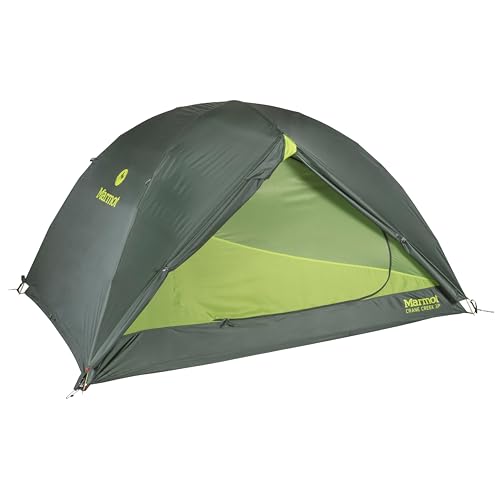
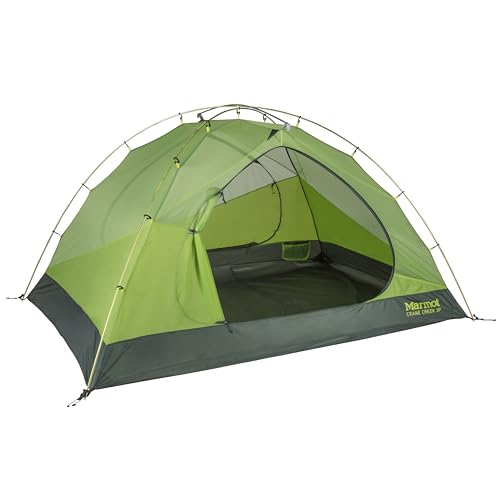
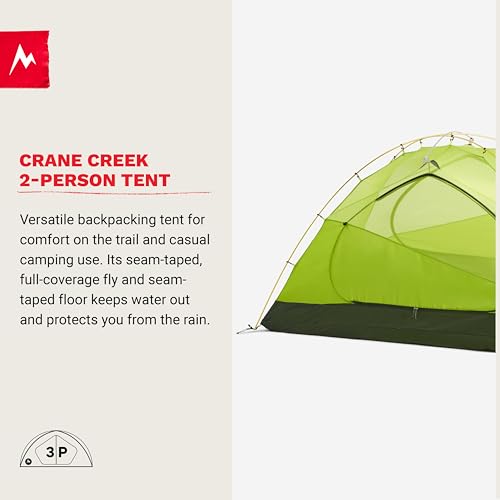
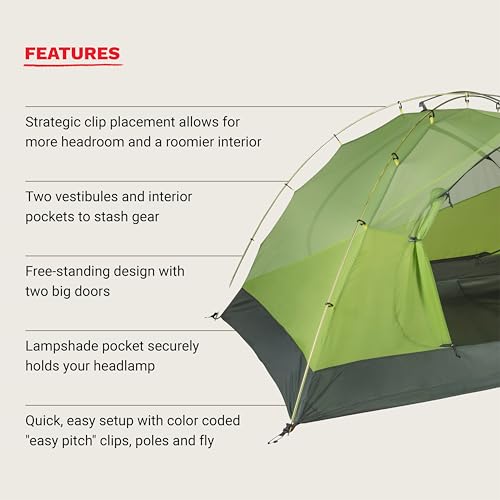
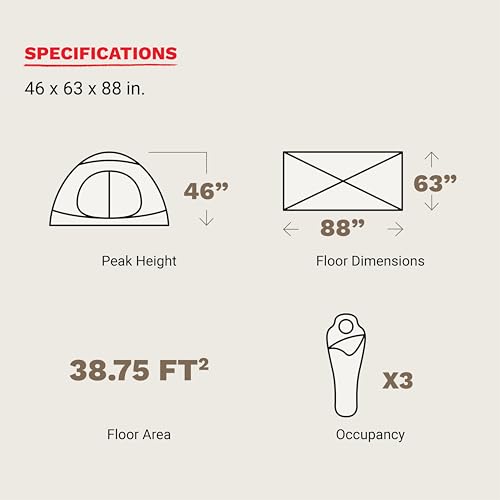
This is the one I’d pick if I were buying for myself. The Marmot Crane Creek balances everything: 41.5 sq. ft. of interior space, a lightweight build, and serious durability thanks to 7000-series aluminum poles, the kind that don’t buckle in wind. The seam-taped fly and floor are bomber in rain, and the two large D-shaped doors with dual vestibules make living in the tent feel easy, even with three people.
It’s PFAS-free, which matters if you care about environmental impact, and the fit and finish feel premium. The only real downside? No footprint included. But that’s a small gripe. Compared to the Clostnature or Forceatt, it’s more refined, more reliable, and just better engineered. For serious backpackers who want one tent to handle everything, this is the benchmark.
Product photos
Naturehike Cloud Up 3 Person Tent
Strengths
- Includes footprint
- Compact packed size
- Good ventilation
Trade-offs
- Zippers can snag
- Not for heavy storms
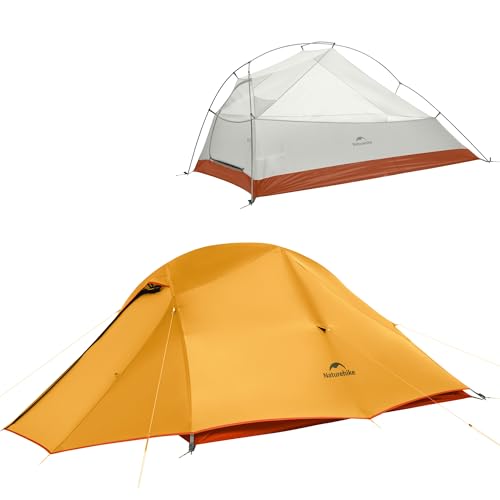
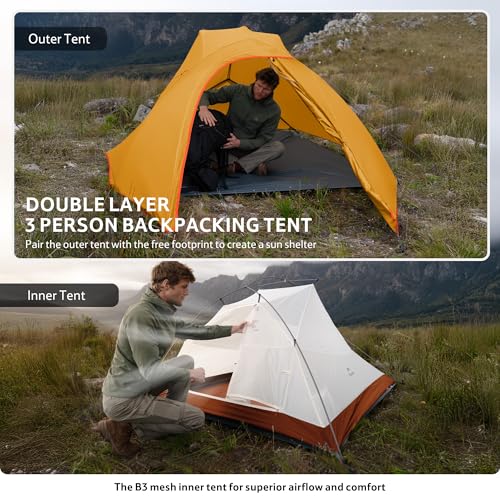
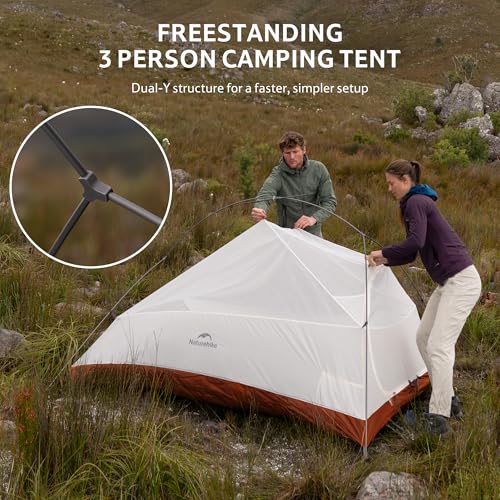
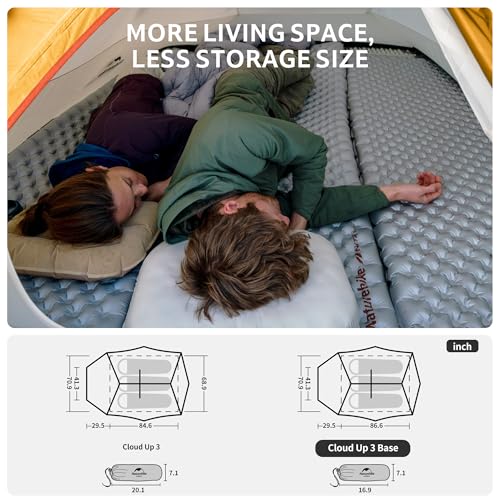
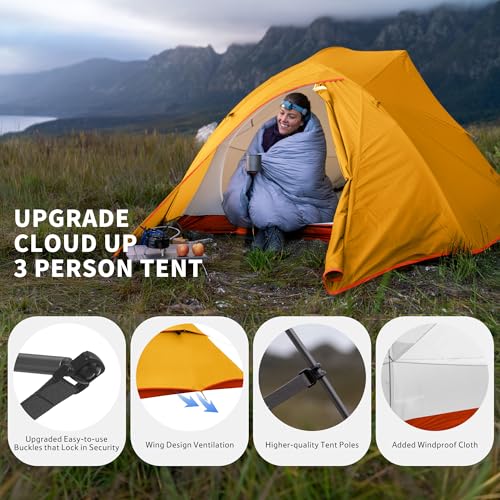
This is the budget backpacker’s dream, a full-featured, freestanding 3-person tent that includes a footprint, something most brands charge extra for. The PU3000mm rating and sealed seams keep water out in light to moderate rain, and the upgraded wing design between inner and outer tent improves airflow noticeably. At under 6.3 lbs, it’s not ultralight, but it’s manageable for weekend hikes.
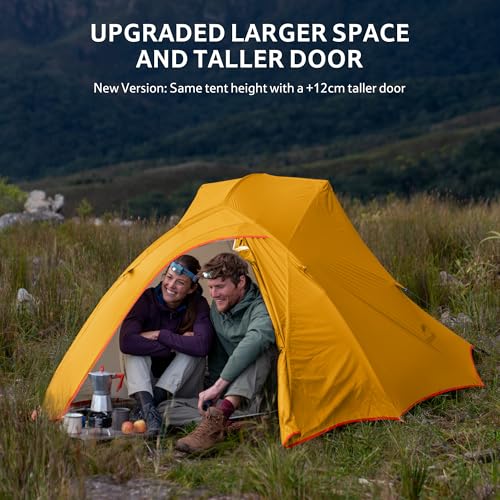
Owners love how compact it packs, under 17 inches long, making it ideal for tight packs. The dual-Y pole system speeds up setup, and the higher front door is a small but welcome upgrade. It’s not as storm-ready as the Marmot or Forceatt, but for the price, it punches way above its weight. If you’re starting out or want a spare trail shelter, this is the smarter buy.
Product photos
Clostnature Lightweight 3 Person Tent

Strengths
- Excellent waterproofing
- Strong ventilation
- Lightweight for 3-person
Trade-offs
- Stakes could be sturdier
- Slight condensation in cold weather
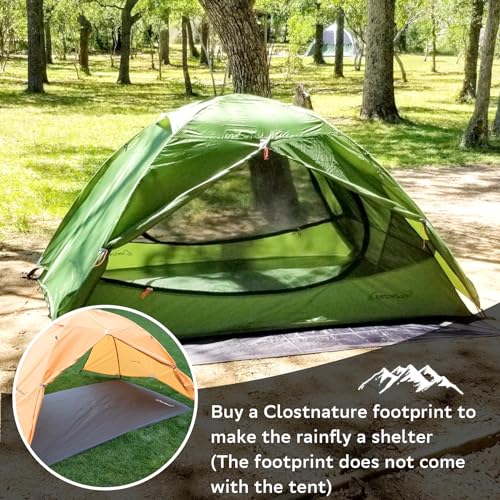
At 5.29 lbs trail weight, this is a legit contender for backpackers who want comfort without breaking their backs. The PU5000 coating on the rainfly and floor is a major upgrade over most budget tents, owners praise its ability to hold up in downpours, and the factory-sealed seams add real peace of mind. The 7’3” x 6’3” floor gives three adults just enough room, especially when you factor in the two spacious vestibules.
What really stands out is the full mesh interior walls. They deliver exceptional airflow, which cuts down on condensation, a common pain point in 3-person designs. Some reviewers mention the aluminum stakes feel a bit thin, but the overall build quality and included repair kit make this a smart long-term pick. It’s not the lightest on the list, but for the balance of weight, durability, and ventilation, it’s hard to beat.
Product photos



Forceatt 3 Person Ultralight Tent

Strengths
- Strong waterproofing
- Lightweight
- Quick setup
Trade-offs
- Poles not ultra-durable
- Ventilation could be better
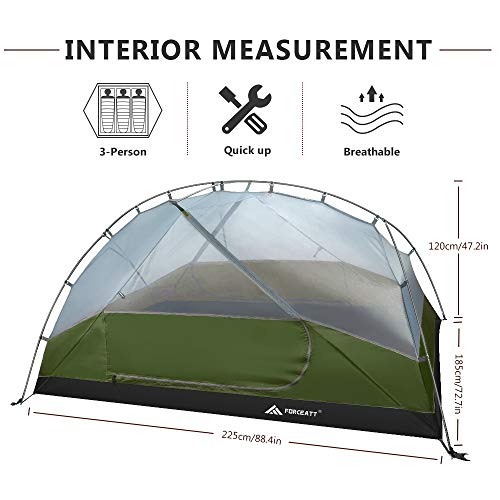
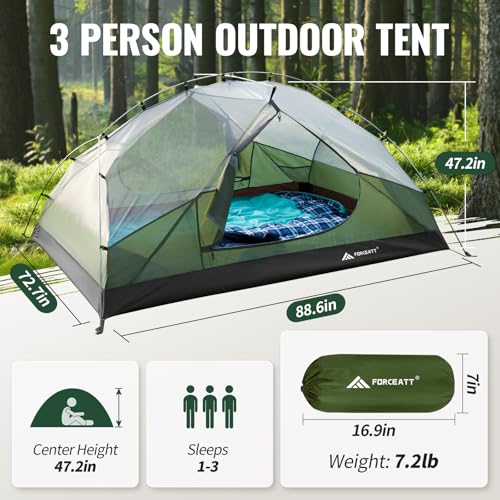
The Forceatt packs serious weather chops into a surprisingly light 3.3 kg frame. The 200T waterproof coating and welded floor are standout features, owners say it stays dry even during prolonged rain, and the high breathability mesh helps reduce condensation. The 88.4-inch length is generous for three, and the wide doors make entry easy without crawling.
Setup is consistently praised as fast and intuitive, and the smooth #8 zippers hold up well. But it’s not perfect: the poles are aluminum, but not high-grade, and some users report flexing in strong winds. Still, for a tent that claims 3-4 season use, it delivers more than most in this price range. Compared to the Marmot, it’s less refined but more rugged on a budget.
Product photos



Purebox 2-3 Person Dome Tent
Strengths
- Superior ventilation
- Spacious layout
- 3-year warranty
Trade-offs
- Heavier than ultralight picks
- Poles not top-tier
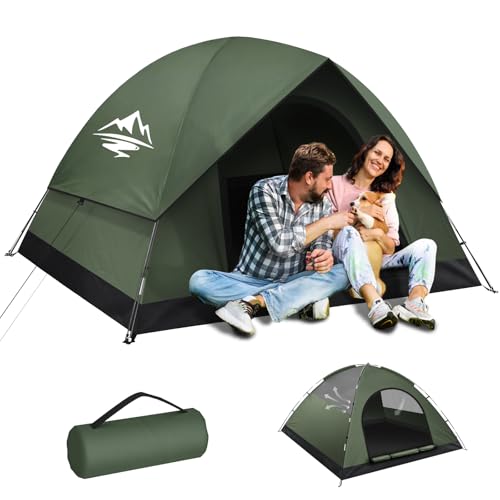
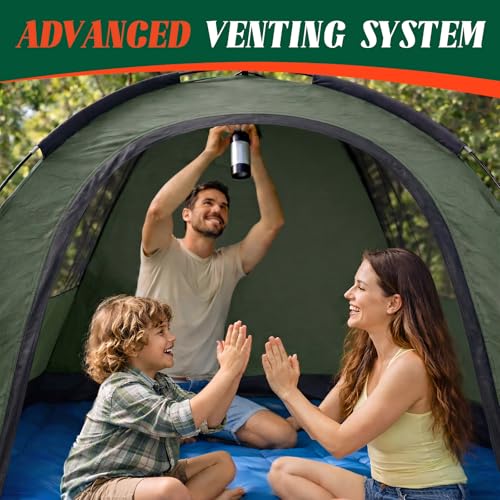
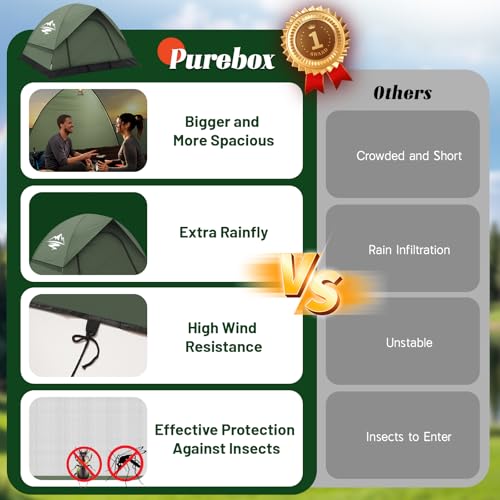
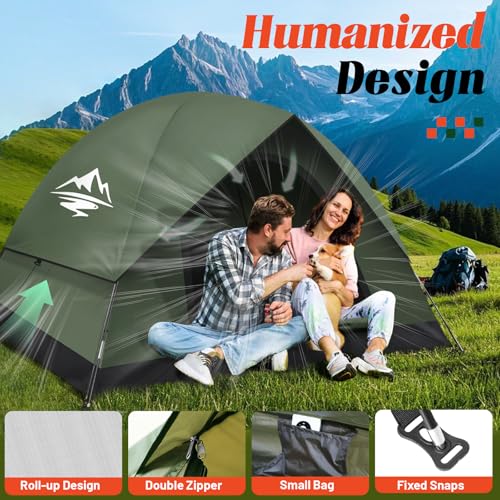
The Purebox 2026 stands out for one thing: airflow. With three full mesh side panels and a taller 51-inch center height, it feels airy and open, a big win for anyone who’s woken up soggy from condensation in cheaper domes. The 215 x 215 cm floor is generous, fitting three average-sized adults with room to move. Owners say the setup is smooth, and the welded corners and taped seams hold up well in rain, though the PU coating isn’t specified beyond ‘waterproof’.
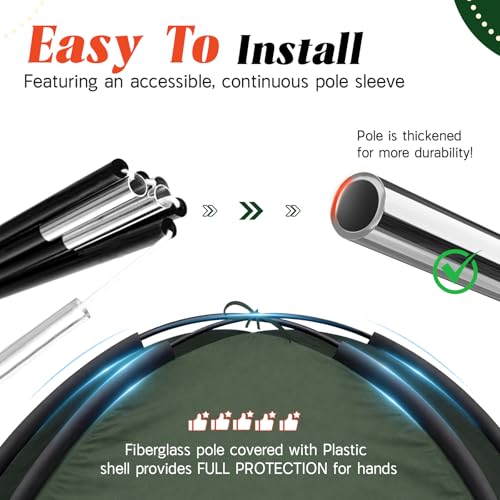
It’s not the lightest at 6.2 lbs, and the poles aren’t high-end aluminum, but the 3-year warranty is a rare perk that signals confidence in durability. Compared to the Clostnature, it trades a bit of storm readiness for breathability and headroom. If you’re camping in warm, humid climates or with kids who hate feeling boxed in, this is a strong play.
Product photos
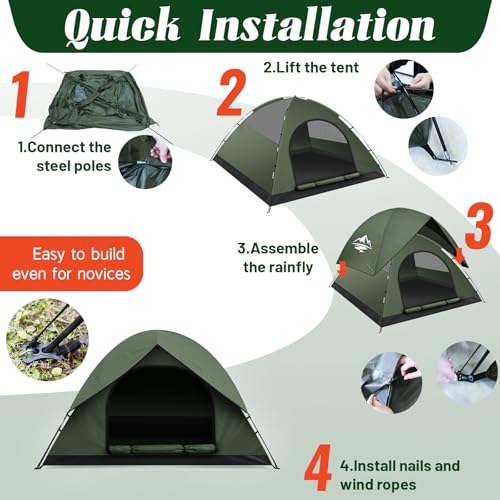
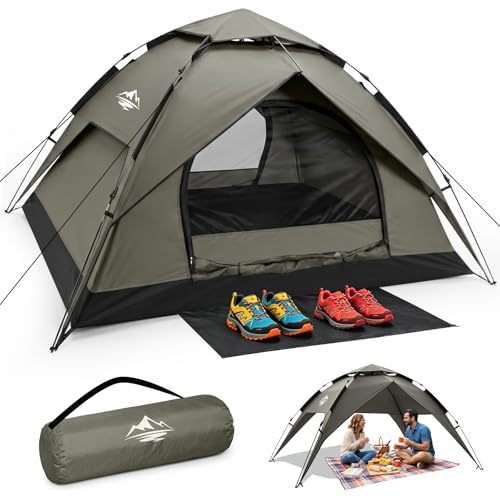
Mimajor 40s Auto Pop Up Tent
Strengths
- Lightning-fast setup
- Detachable rainfly
- Good bug protection
Trade-offs
- Bulky for hiking
- Frame less stable in wind
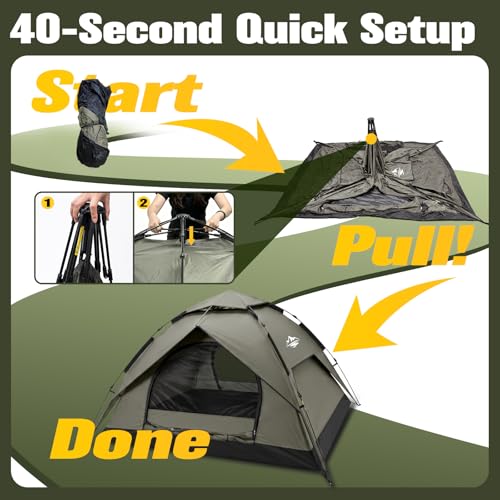
If you dread tent setup, this pop-up model is a game-saver. The 40-second automatic deployment is real, no fumbling poles or clips. Just unfold and lock. It’s not truly freestanding in wind, but for festivals, beach days, or quick backyard hangs, it’s incredibly convenient. The dual-layer design works well: the inner mesh keeps bugs out, and the detachable rainfly doubles as a sunshade, which owners love for versatility.
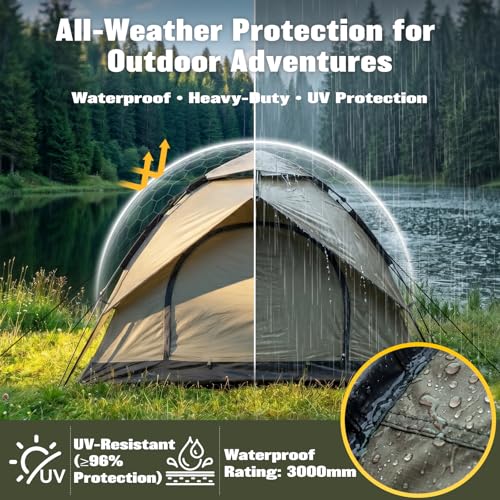
But that convenience comes at a cost. At 3.5 kg and a packed size nearly 30 inches long, it’s too bulky for backpacking. The 3000mm waterproof rating is okay, but not exceptional, and the frame can wobble in gusts. Still, for car campers, families, or anyone who wants instant shelter without hassle, this hits a sweet spot. It’s not for alpine treks, but it’s perfect for stress-free weekends.
Product photos


CAMPROS CP 3 Person Dome Tent

Strengths
- Spacious interior
- Family-friendly features
- Easy setup
Trade-offs
- Not fully weatherproof
- Heavier materials
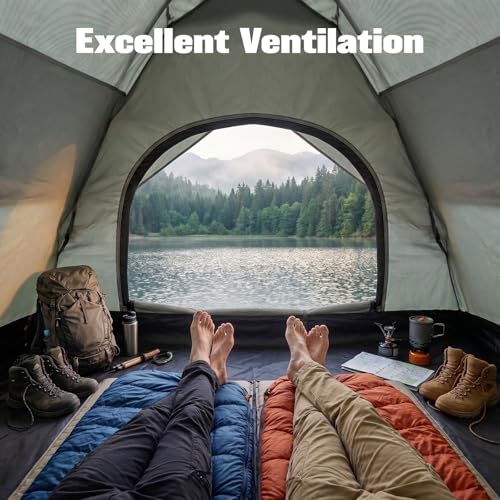
This is the kind of tent that makes car camping with kids or friends feel effortless. The 7×7 ft footprint and 47-inch center height give real room to stretch out, rare in a 3-person dome. The dual mesh doors and dome-top vents provide solid airflow, and the included gear loft with lantern hook is a thoughtful touch families will actually use. Setup is consistently reported as quick and tool-free, often under five minutes with two people.
But it’s not built for the trail. The materials are durable enough for fair weather, but the waterproofing isn’t on par with backpacking-grade tents, no PU rating is listed, and owners note leaks during heavy rain. Still, for backyard sleepouts, short drives, or kid-friendly trips, it’s a solid performer. It’s not rugged, but it’s comfortable and user-friendly.
Product photos


CAMEL CROWN 3 Person Dome Tent
Strengths
- Spacious interior
- Affordable
- Easy setup
Trade-offs
- Heavy
- Glass fiber poles
- Poor rain performance
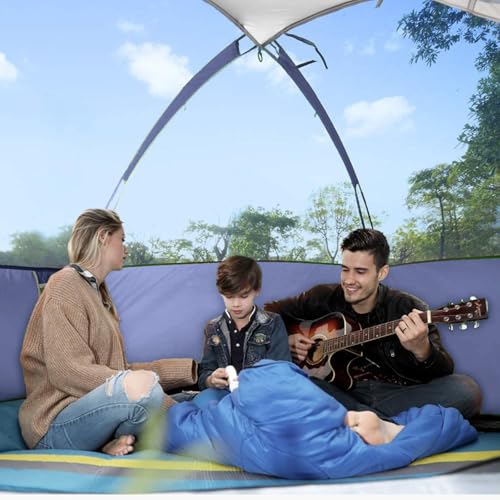
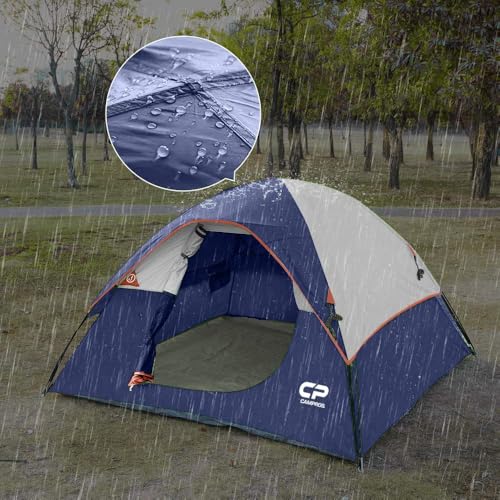
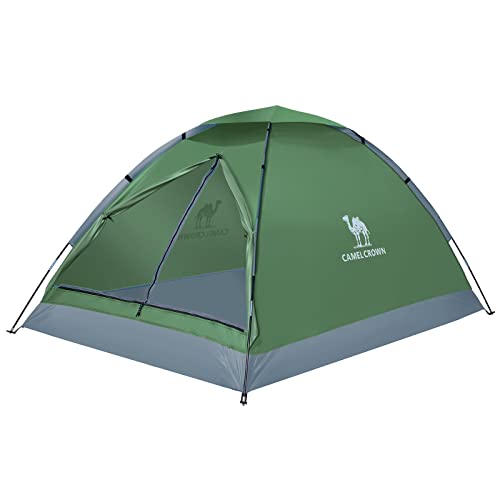
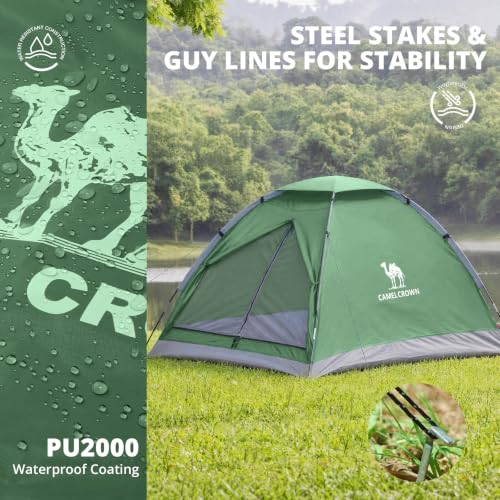
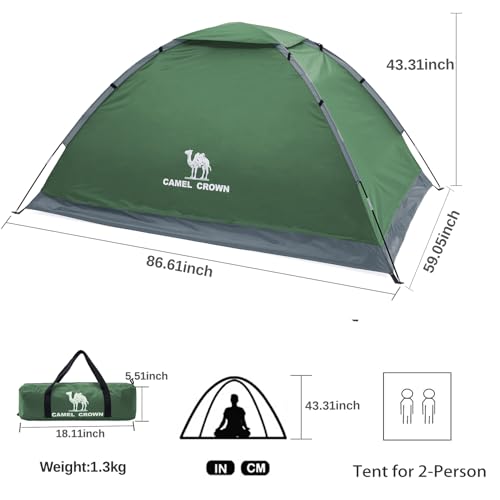
This tent tries to do a lot, fit 2, 3, 4, or even 5 people, but the reality is it’s really pushing it beyond two. On paper, the 150D Oxford fabric with PU2000 coating sounds decent for waterproofing, but owners consistently report that it struggles in sustained rain, especially at the seams, which aren’t sealed. The 8.5mm glass fiber poles add weight and don’t handle wind well compared to aluminum, making this a shaky pick in anything beyond calm conditions.
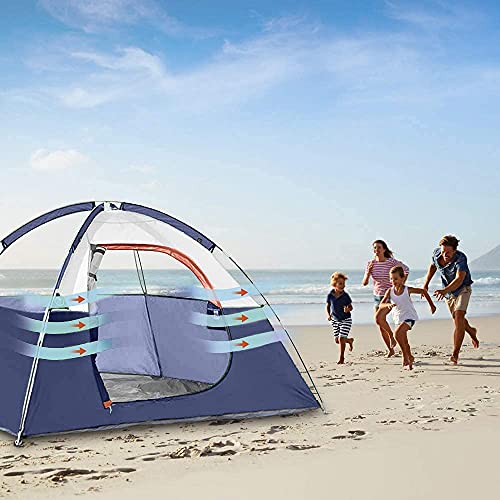
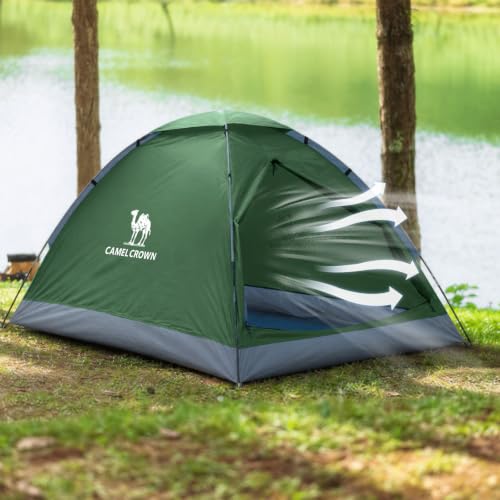
Ventilation is better than average thanks to the dual-layer top and mesh panels, but condensation can still be an issue in humid weather. It’s undeniably spacious for three if you’re not bringing much gear, and the setup is quick enough for a dome. But when stacked up against true backpacking tents, it feels like a budget car camping option pretending to be more.
Product photos


How We Evaluated 3 person camping tents
Rather than a hands-on lab test, my research focused on a detailed comparison of published specifications and features across numerous 3-person camping tents. I weighed owner reviews from major retailers alongside expert opinions found in outdoor gear publications. This information was then assessed against my understanding of what truly matters in a 3-person tent – gained from countless hours spent planning and enjoying outdoor adventures. My goal was to identify the tents that consistently delivered on key promises.
For this category, interior space and waterproof ratings were weighted most heavily. A 3-person tent needs to comfortably accommodate three sleepers and some gear, so usable floor area is critical. Equally important is reliable weather protection; a rainy night can quickly ruin a trip if the tent leaks or isn’t stable in the wind. Weight was also a consideration, though prioritized less than space and waterproofing, as these tents are more likely to be car-camped than backpacked.
Specifications reliably indicate tent size, weight, and material composition. However, real-world performance – especially regarding waterproofing and durability – is best gleaned from owner feedback. I paid close attention to recurring themes in reviews, noting complaints about seam leaks or pole failures. Reputation also played a role; brands known for quality construction and customer service consistently ranked higher, and consulting a tent selection guide can help clarify your own priorities.
Choosing The Right 3 person camping tents
Picking the right shelter for a weekend, or longer, can make or break your camping experience. I see so many people end up with tents that just don’t fit their needs, and it’s often down to not knowing what to prioritize.
A good three-person tent balances weight, weather protection, and usable space. Look for durable fabrics (polyester or nylon with a PU coating), sturdy pole construction (aluminum is preferable to fiberglass for longevity), and thoughtful features like vestibules for gear storage. Seam sealing and a full rainfly are critical, and pay attention to the tent’s packed size and weight if you plan to backpack.
Space and Comfort
Don’t assume a “3-person” tent comfortably fits three adults. Manufacturers often overestimate capacity. I always recommend sizing up if you want true elbow room, or if anyone in your group tends to toss and turn. Consider the floor area (measured in square feet) and peak height. A wider tent allows for more comfortable sleeping arrangements and easier movement. If you’re primarily car camping, weight isn’t as critical, so you can prioritize space. However, if you’re backpacking, every ounce counts.
Weather Protection and Durability
This is where skimping can really backfire. A tent’s waterproof rating (measured in millimeters) indicates how much water pressure it can withstand. For general camping, a 1500mm rating is a minimum, and 2000mm or higher is better for consistently wet conditions. But the rating isn’t everything. Look for fully taped seams, a bathtub floor (where the fabric extends up the sides to prevent water from seeping in), and a robust rainfly that extends to the ground. You’ll also want to consider the pole material. Aluminum poles are significantly stronger and more durable than fiberglass, though they come at a higher price. If you’re looking at the top three-person camping tents, you’ll notice a clear difference in material quality.
- A higher denier (D) number indicates a thicker, more durable fabric. 75D nylon or polyester is a good balance of weight and durability.
- Pay attention to the rainfly material. Ripstop nylon or polyester with a PU or silicone coating offers excellent water resistance and tear strength.
- Reinforced guy-out points are essential for securing the tent in windy conditions. Don’t underestimate the importance of solid staking and guy lines.
A little preventative maintenance goes a long way. Always clean and dry your tent thoroughly after each use, and store it loosely in a breathable bag to prevent mildew.
Features and Value
Beyond the basics, consider what features will enhance your camping experience. Vestibules provide valuable covered storage space for boots and gear, keeping the interior of your tent cleaner and drier. Multiple doors offer convenience, especially for larger groups. Some tents include clever storage pockets, gear lofts, or even integrated lighting. Don’t forget about essential camping gear like a footprint (to protect the tent floor), a quality sleeping bag, and a comfortable sleeping pad. When evaluating value, think about your intended use and how long you expect the tent to last. A well-made tent is an investment that can provide years of enjoyment.
3 Person Camping Tents Compared
Here’s a comparison of key specifications for several 3-person camping tents to help you make an informed decision.
| Product Name | Capacity | Weight (lbs) | Floor Size (sq ft) | Waterproof Rating (mm) | Setup Style | Footprint Included |
|---|---|---|---|---|---|---|
| Marmot Crane Creek 3P Tent | 3 | N/A | 41.5 | N/A | Standard | No |
| Naturehike Cloud Up 3 Person Tent | 3 | 6.3 | 116.1 | 3000 | Standard | Yes |
| Clostnature Lightweight 3 Person Tent | 3 | 6.17 | 46.8 | 5000 | Standard | No |
| Forceatt 3 Person Ultralight Tent | 3 | 3.3 | N/A | 2000 | Standard | No |
| Purebox 2-3 Person Dome Tent | 2-3 | 6.2 | 57.6 | N/A | Standard | No |
| Mimajor 40s Auto Pop Up Tent | 2 | 3.5 | 41.7 | 3000 | Pop-Up | No |
| CAMPROS CP 3 Person Dome Tent | 3 | N/A | 49 | N/A | Standard | No |
| CAMEL CROWN 3 Person Dome Tent | 3 | N/A | N/A | 2000 | Standard | No |
Frequently Asked Questions
What’s the best way to extend the life of my tent?
Proper care significantly impacts longevity. Always make sure your tent is completely dry before packing it away to prevent mildew, and store it loosely in a breathable bag rather than tightly compressed.
Are freestanding tents really necessary?
While convenient, freestanding tents aren’t always essential. They excel on platforms or in areas with rocky ground where staking is difficult, but a non-freestanding tent can be lighter and more stable in strong winds if properly staked.
What does a tent’s denier (D) rating tell me?
The denier rating refers to the thickness of the fabric threads; a higher number means a more durable, but usually heavier, material. For 3-person tents, 75D nylon or polyester strikes a good balance between weight and tear resistance.
How important is a footprint, even for car camping?
A footprint is a worthwhile investment even if you car camp. It protects the tent floor from abrasion and punctures caused by rocks, roots, or rough ground, extending the tent’s lifespan and maintaining its waterproof integrity.
Where can I find more information about the best three-person tents overall?
I’ve compiled a detailed guide to help you narrow down your choices. You can find a list of my top recommendations and in-depth reviews of the best three-person tents overall.
The Bottom Line
Choosing a tent always comes down to balancing what you’re willing to carry versus how comfortable you want to be. For most campers seeking a solid all-around performer, the Marmot Crane Creek 3P Tent strikes that balance well. It offers a good combination of space, durability, and a reasonable weight, making it a reliable choice for weekend getaways.
If you’re prioritizing a roomy interior and don’t mind a bit of extra weight, the Naturehike Cloud Up 3 Person Tent is a fantastic option. And for those on a tighter budget, the Clostnature Lightweight 3 Person Tent provides excellent value with a surprising level of weather protection for the price. Knowing the top tent manufacturers is a great starting point, but ultimately, it’s about finding what fits your needs.
Don’t get too caught up in chasing the highest waterproof rating or the lightest weight. Focus on a tent with a well-constructed design, quality materials, and a proven track record (look at owner reviews!). A properly pitched tent, combined with good campsite selection and a little common sense, will always offer more protection than the fanciest features on a poorly made shelter.
