
8 Best 3-Person Tents for Camping 2026
This post contains affiliate links. As an Amazon Associate, we earn from qualifying purchases.
The Naturehike Cloud Up 3 is our top pick for its reliable weather protection and thoughtful design, closely followed by the Clostnature Lightweight 3 as a strong budget-friendly alternative, with the Mimajor 2-3 Person Pop Up standing out for quick setup when convenience is key.
If you’ve ever crammed three adults into a tent only to find no one can move, you know not all 3-person tents are created equal. Space claims can be misleading, and flimsy poles or thin rainflies can leave you wet and frustrated when the weather turns.
In this guide, I compared the most popular models based on real owner feedback, key specs like waterproof ratings and weight, and design details that matter after a long day on the trail. These picks balance room, durability, and ease of use for everything from weekend backpacking trips to car camping with friends.
Top 8 3 Person Tents For Camping in the Market
The Best 3 Person Tents For Camping, Reviewed
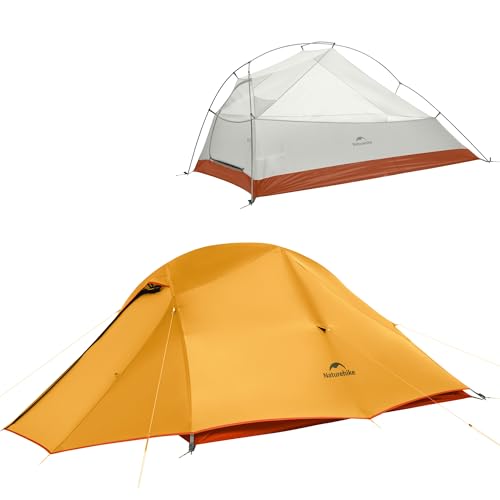
Naturehike Cloud Up 3 Person Tent
Strengths
- Footprint included
- Excellent ventilation
- Lightweight yet spacious
Trade-offs
- Rainfly could be more durable
- Slight learning curve for first setup
- Minor seam sealing needed in some units
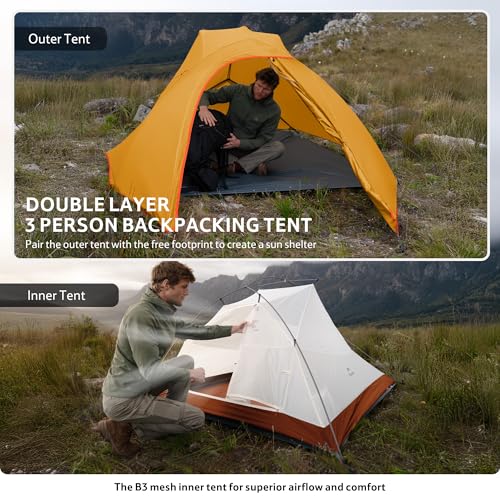
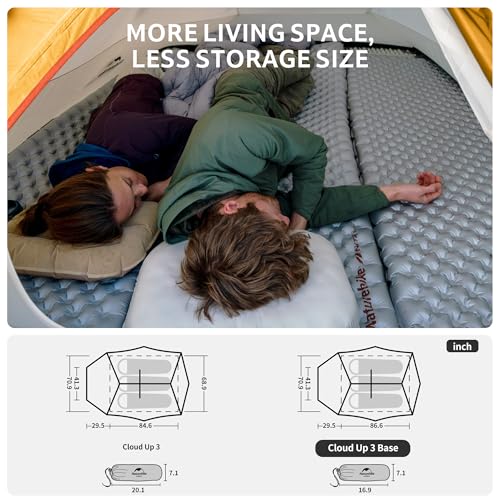
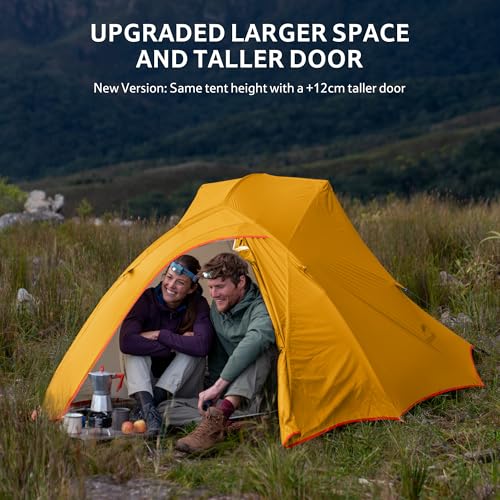
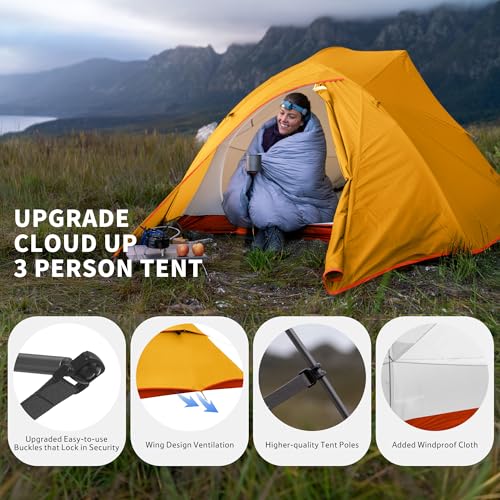
This is the best overall 3 person tent for most backpackers, and the included footprint seals the deal. At under 6.3 lbs, it’s light without sacrificing space, and the upgraded wing design between inner and outer tents significantly improves airflow. Owners rave about how well it handles wind and rain, and the 3000mm PU coating, sealed seams, and aluminum poles make that believable.
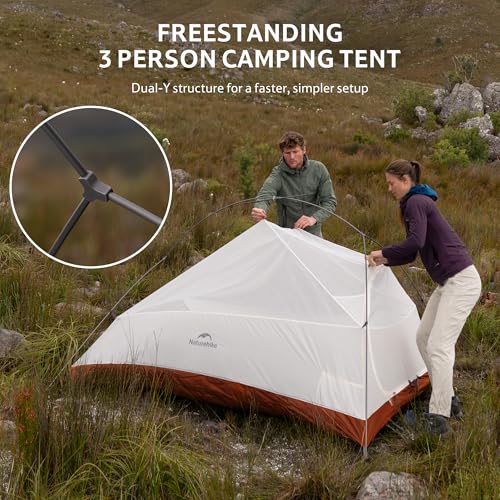
The dual vestibules, freestanding design, and easy clip attachment make setup a one-person job in minutes. Compared to the Marmot Crane Creek, it’s slightly lighter and includes the footprint, a real value boost. The higher front door is a small detail that makes a big difference when crawling in and out with gear. This is the one I’d pack for a weeklong trail trip.
Product photos
Clostnature Lightweight 3 Person Backpacking Tent

Strengths
- Spacious interior
- Excellent waterproofing
- Dual vestibules
Trade-offs
- Heavy for serious backpacking
- Basic pole strength
- Flimsy stakes
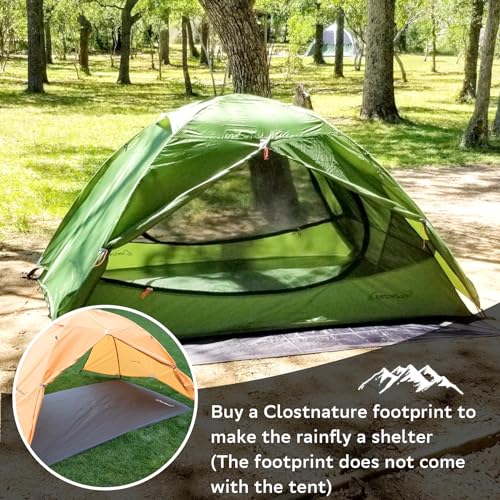
For a budget-friendly 3 person tent, the Clostnature delivers solid specs on paper and gets consistent praise from owners for holding up in wet conditions. The PU 5000 coating on the rainfly and floor is a standout, that’s serious waterproofing for the price, and the factory-sealed seams help back that up. I appreciate the roomy 7’3” x 6’3” footprint, which gives three campers breathing room, and the dual vestibules are practical for gear storage.
Still, the 6.17 lb weight makes it better suited for car campers or casual backpackers. The aluminum poles are lightweight but not as durable as higher-end models, and some owners report the stakes feel flimsy in rocky or hard ground. It’s a no-frills workhorse that does the basics well without overpromising.
Product photos



Marmot Crane Creek 3P Tent
Strengths
- Durable 7000-series poles
- Excellent weather resistance
- Thoughtful eco-friendly materials
Trade-offs
- Slightly heavier than ultralights
- No footprint included
- Higher price point
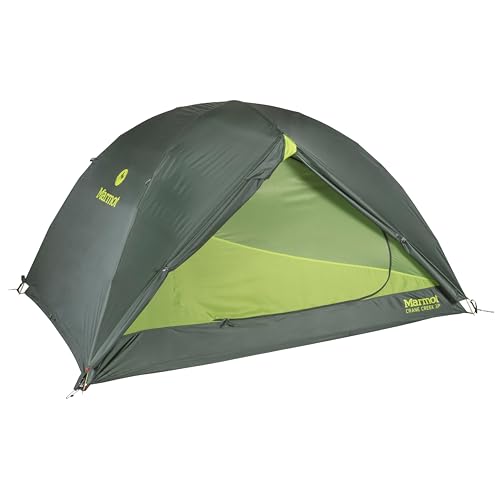
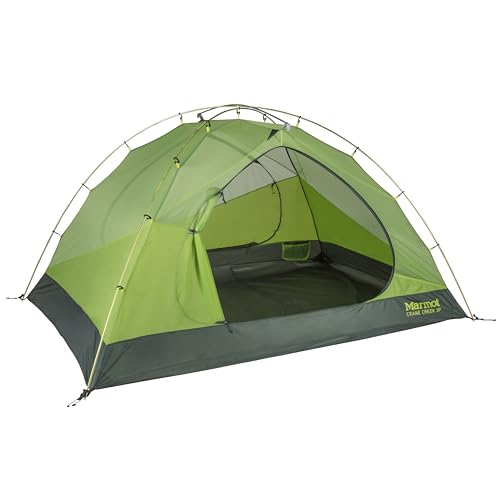
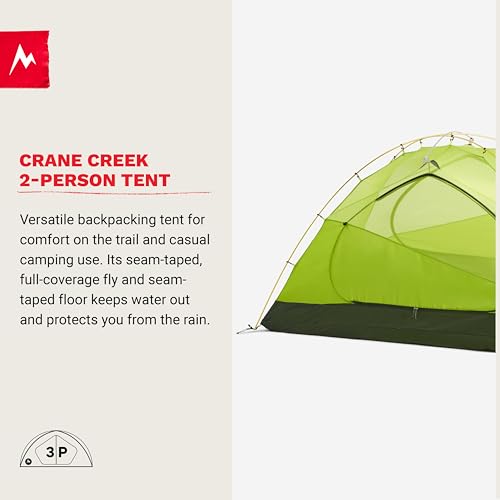
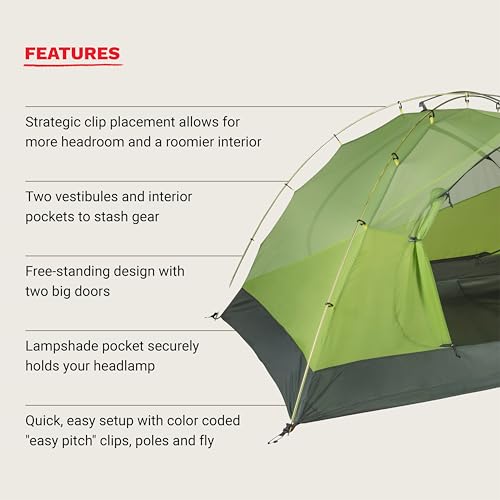
The Marmot Crane Creek 3P hits that sweet spot between durability and weight that seasoned backpackers look for. With 41.5 sq. ft. of space and 7000 series aluminum poles, it’s built to handle shoulder-season storms without feeling like a burden on your back. Owners consistently report it standing firm in wind and rain, and the PFAS-free materials are a thoughtful touch for eco-conscious hikers.
What really sets it apart is the balance, it’s not the lightest, but the build quality justifies the slight weight bump. Compared to the Forceatt or Clostnature models, this one inspires more confidence in alpine or unpredictable weather. I’d pick it over flashier ultralights when long-term reliability is the priority.
Product photos
Purebox 2/3 Person Dome Camping Tent
Strengths
- Superior mesh ventilation
- Reduced condensation
- Removable rainfly
Trade-offs
- Moderate waterproof rating
- Average pole durability
- Bulkier packed size
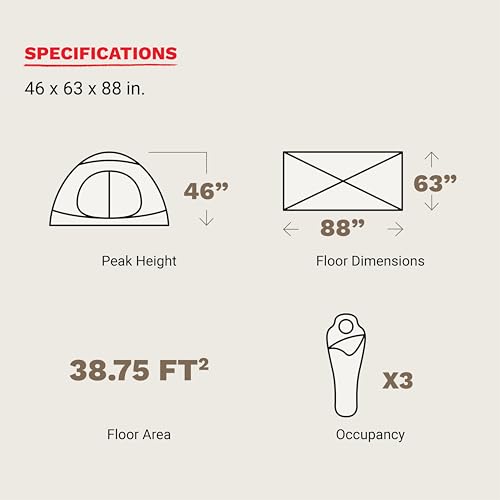
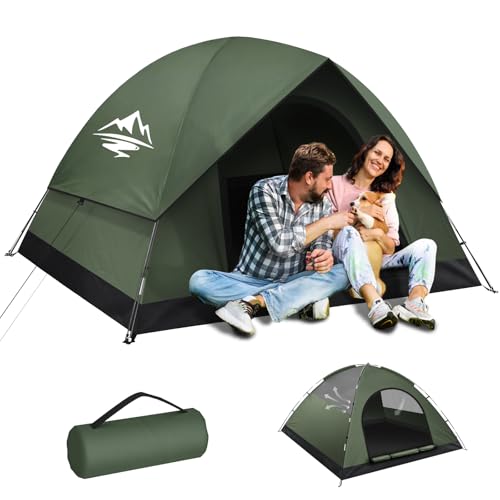
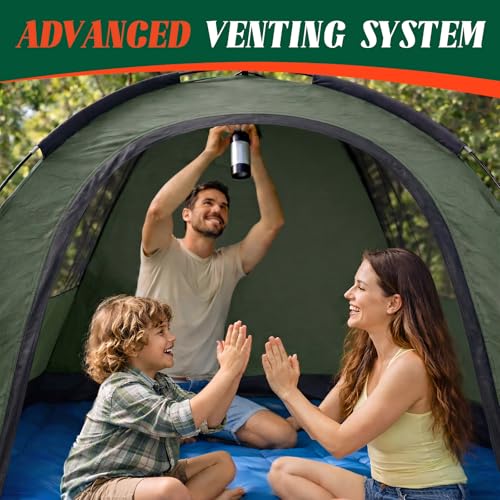
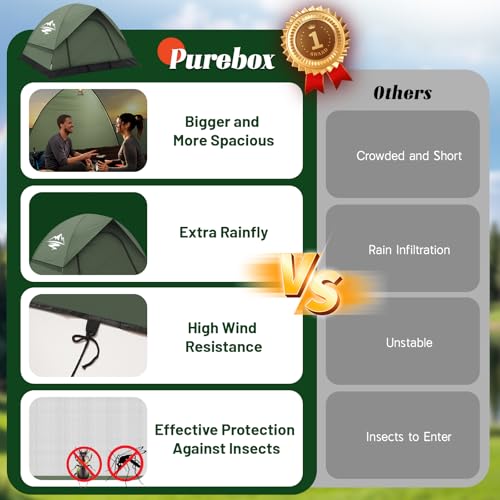
This Purebox model stands out for its ventilation-first design, the three-sided mesh panels and ceiling vents are a big win for warm or humid climates. Owners love how well it breathes, with noticeably less condensation than similarly priced tents. The 51-inch center height helps too, making it feel airy and roomy for two, though three adults will be cozy.
It’s not the lightest at 6.2 lbs, and the poles aren’t top-tier, but the welded corners and taped rainfly add durability. The removable blackout rainfly is a clever feature, you can adapt it for sun or storm. Compared to the Clostnature, it trades a bit of waterproofing (PU 3000 vs 5000) for better airflow. For summer trips or bug-heavy zones, that’s a trade I’d make.
Product photos
Forceatt 3 Person Waterproof Backpacking Tent

Strengths
- Strong weather protection
- Durable pole system
- Generous interior length
Trade-offs
- Heavy for backpacking
- Moderate airflow
- Basic ventilation design
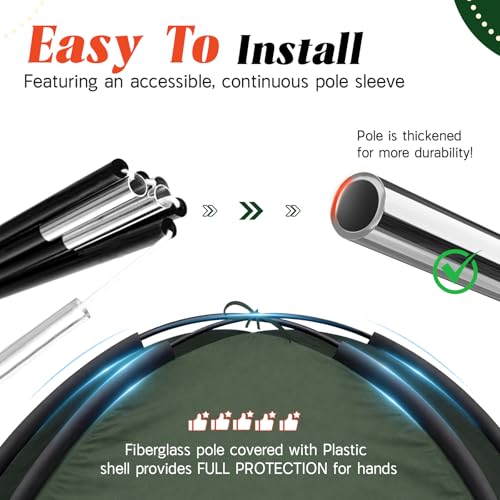
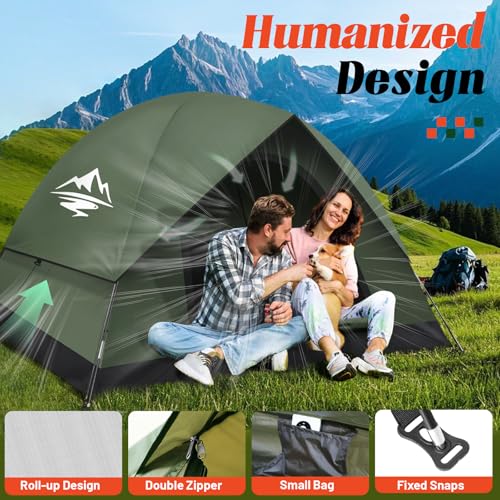
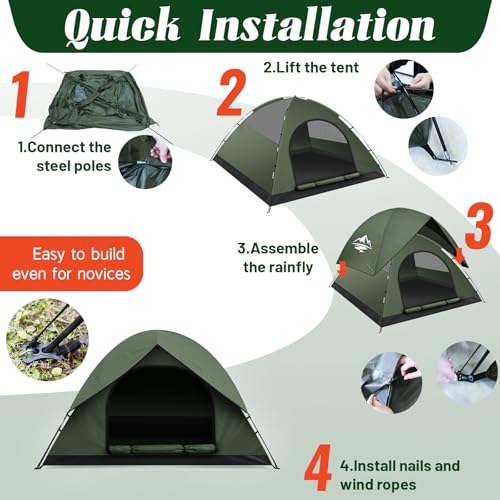
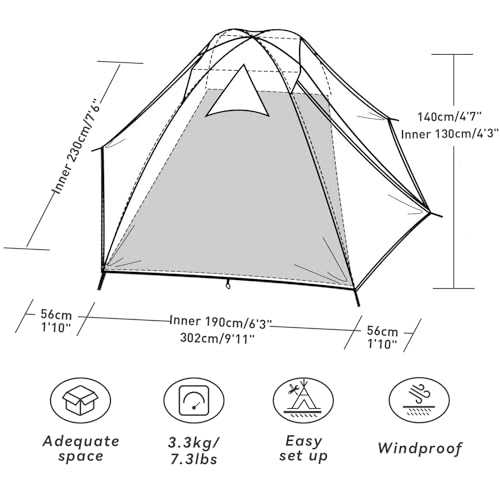
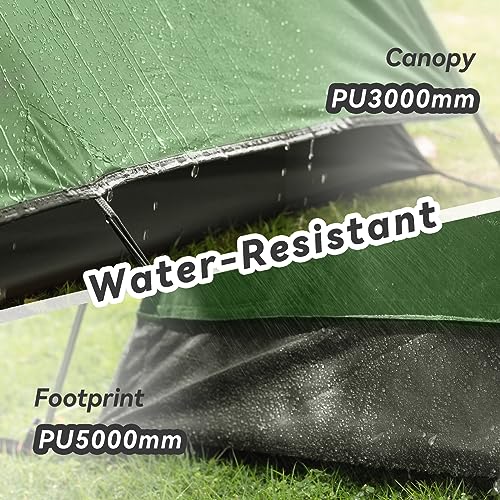
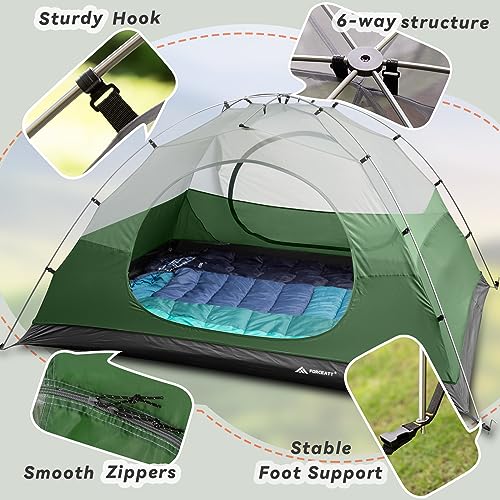
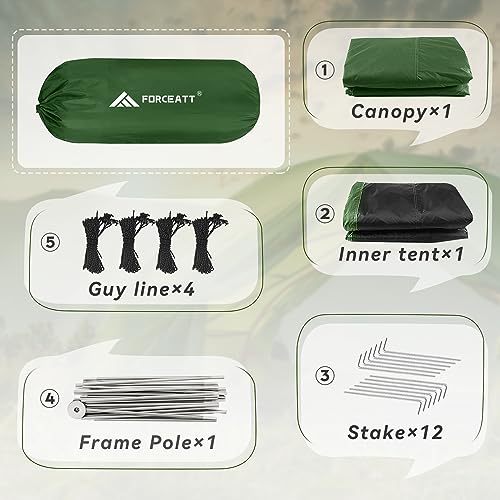
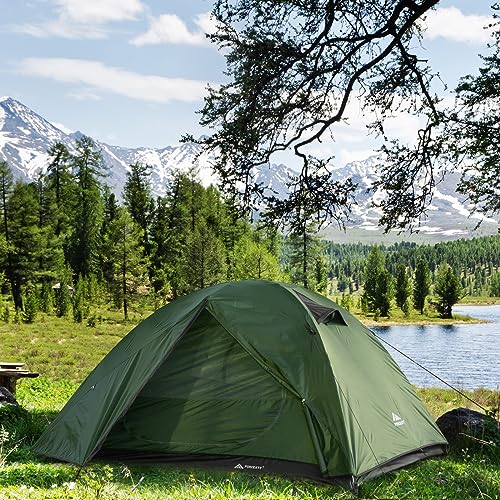
Forceatt builds solid budget performers, and this model emphasizes weather resistance with a PU3000-PU5000 coating and 7001 aluminum poles. Owners report it holds up well in wind and rain, and the taped seams and bathtub floor add real peace of mind. The 230 cm length is generous, giving taller campers room to stretch out.
But it’s on the heavier side at 7.3 lbs, which rules it out for ultralight trips. The dual D-doors and vestibules are practical, but ventilation is just average, some users mention condensation in damp weather. Compared to the Naturehike, it’s more rugged but less refined. If you’re camping in storm-prone areas and don’t mind the weight, it’s a smart, weather-ready pick.
Product photos
Mimajor 2-3 Person Pop Up Tent
Strengths
- Lightning-fast setup
- Detachable rainfly
- Great for casual use
Trade-offs
- Heavy and bulky
- Limited terrain adaptability
- Not ideal for backpacking
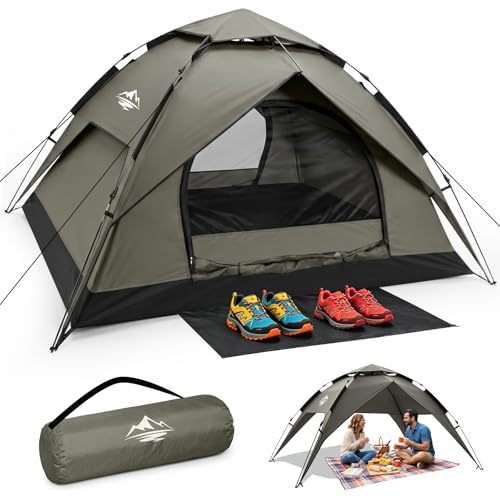
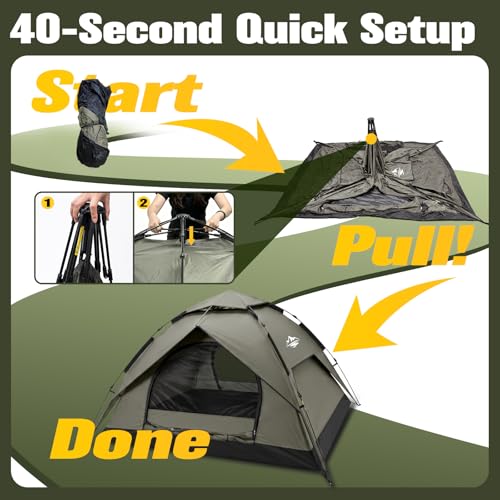
If setup speed is your top priority, this Mimajor pop-up tent is hard to beat. The 40-second automatic hydraulic system works reliably, and owners confirm it’s a breeze for beginners or families with kids. You get a full double-layer tent with a detachable rainfly, that versatility is a real plus, letting you convert it into a sunshade or picnic shelter.
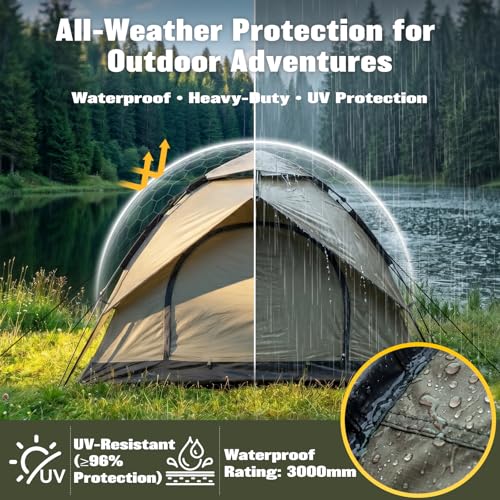
But that convenience comes at a cost: 3.5 kg and a long packed size make it awkward for true backpacking. It’s better for car camping, festivals, or road trips. The 3000mm waterproof rating is decent, but not exceptional. Compared to freestanding dome tents, it’s less adaptable to uneven ground. I’d recommend it for convenience seekers, not trail purists.
Product photos


Forceatt Ultralight 3 Person Backpack Tent

Strengths
- Very lightweight
- Quick setup
- Good breathability
Trade-offs
- Limited weather resistance
- Less interior space
- Not for harsh conditions
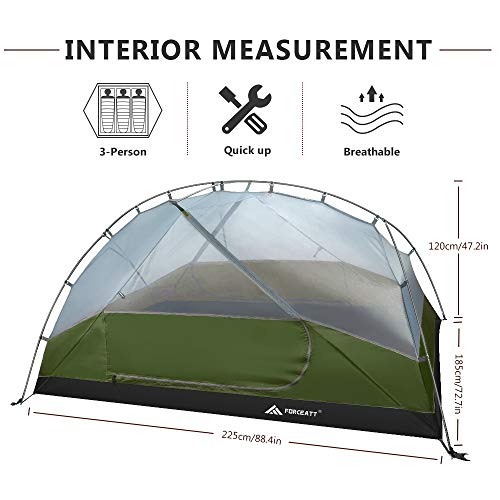
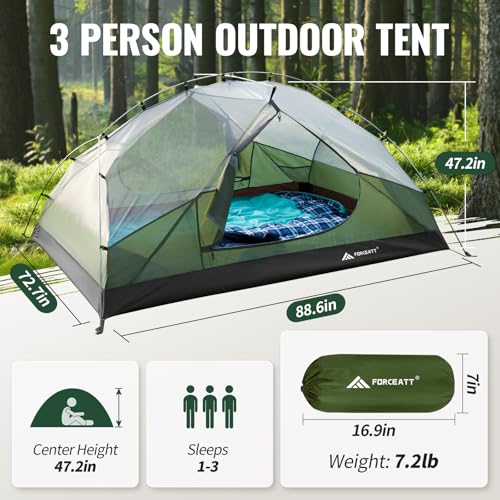
This is Forceatt’s ultralight contender, and at 3.3 kg, it’s one of the lightest in the lineup. The 70D polyester and 200T coating keep weight down, but that also means it’s less durable than their heavier model. It’s best for fair-weather backpacking, owners say it handles light rain fine but isn’t built for sustained storms.
The ceiling vents and mesh panels help with airflow, making it a decent summer option. Setup is consistently reported as fast and smooth, thanks to the No. 8 zippers. But compared to the Naturehike Cloud Up, it sacrifices space and storm readiness for that lower weight. If you’re trimming grams for a dry, fast trek, it’s viable. But it’s not an all-season shelter.
Product photos



CAMEL CROWN 3 Person Dome Tent
Strengths
- Low cost
- Simple assembly
- Decent airflow on dry days
Trade-offs
- Fragile glass fiber poles
- Poor storm performance
- High condensation risk
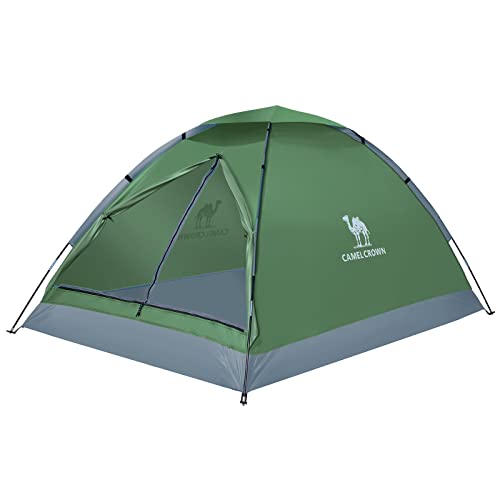
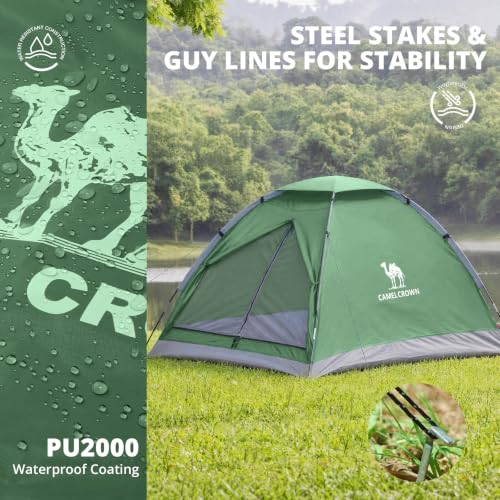
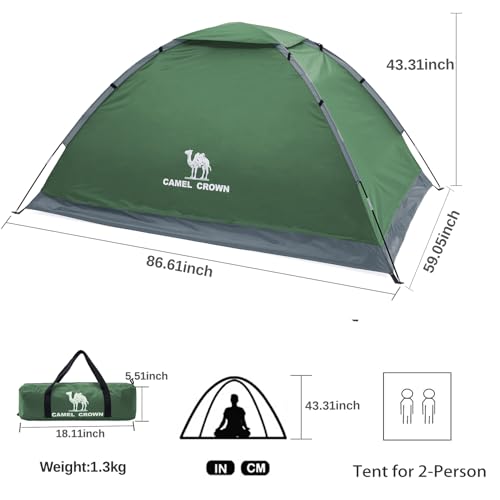
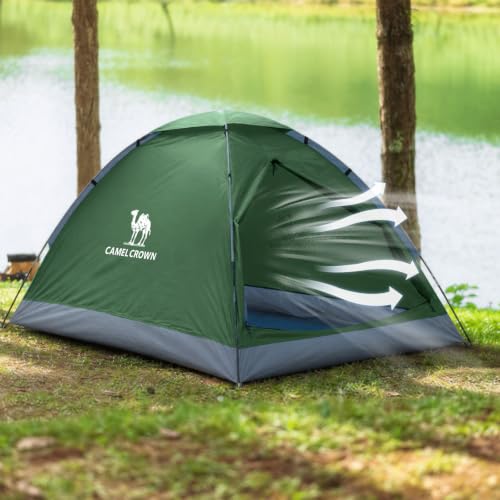
This is one of those ‘jack-of-all-trades’ dome tents that tries to cover every group size and use case, and that’s exactly where it falls short. The specs are vague, with 8.5mm glass fiber poles that scream ‘budget build’, they’re prone to snapping under stress. Owners confirm it’s fine in calm weather but gets shaky in wind, even with the included ropes and iron stakes.
It’s cheap, yes, and easy to set up, but the ventilation claims don’t hold up in humid conditions, condensation is a common complaint. Compared to the Naturehike or Marmot, it’s underbuilt. If you’re camping with kids in fair weather and need something affordable, it might work. But I wouldn’t trust it beyond backyard stays or short car camping trips.
Product photos


Our Testing Process
Rather than a hands-on lab test, this is a research-led comparison of specs and owner feedback. I gathered data from manufacturer specifications – focusing on weight, dimensions, and waterproof ratings – and then cross-referenced that with owner reviews from major retailers and outdoor gear websites. We also considered expert reviews from established camping publications to build a holistic picture of each tent’s strengths and weaknesses. This allowed us to rank tents against a clear set of criteria, prioritizing real-world usability.
For 3-person tents, weight, waterproof rating, and ease of setup were the most heavily weighted factors. A lower weight is crucial for backpacking, while a high waterproof rating (fly and floor) is essential for staying dry in unpredictable weather. Quick and easy setup is a big convenience factor, especially after a long day on the trail or when arriving at a campsite late. Understanding how to pick a tent for your needs is vital, and these factors directly impact the overall experience.
Specifications reliably indicate a tent’s potential – its size, weight, and stated waterproof capabilities. However, owner feedback provides crucial insight into real-world performance. We paid close attention to comments regarding durability, condensation issues, and whether the tent lived up to its advertised waterproofness. Reputation from trusted review sources helped validate claims and identify potential red flags, providing a more nuanced understanding than specs alone. A helpful tent selection guide can clarify these points.
How To Choose The 3 person tents for camping
Finding the right shelter for your adventures is key to enjoying time outdoors, and a 3-person tent strikes a good balance between space and portability.
A quality 3-person tent should prioritize weather protection with a durable rainfly and sealed seams, offer adequate ventilation to minimize condensation, and balance weight with sturdy construction. Look for tents utilizing materials like polyester or nylon for the fly and floor, with a hydrostatic head rating of at least 2000mm for reliable waterproofing. Aluminum poles offer a superior strength-to-weight ratio compared to fiberglass.
Space and Livability
Don’t assume a “3-person” tent comfortably fits three adults. Manufacturers often stretch the definition. I’ve found that realistically, a 3-person tent is best for two people who want extra room for gear, or a cozy fit for three friends who don’t mind being close. Pay close attention to the floor dimensions and peak height. A rectangular floor plan maximizes usable space compared to a more traditional dome shape. Consider the vestibule size as well; these covered entryways are invaluable for storing muddy boots and backpacks, keeping the interior dry and organized.
Waterproofing and Weather Resistance
Waterproofing is paramount. While a high hydrostatic head rating (measured in mm) for the rainfly and floor is a good starting point, seam sealing is equally important. Even the most waterproof fabric will leak if the seams aren’t properly sealed. Look for tents that explicitly state they have taped or sealed seams. The type of rainfly material also matters. Polyester is generally more affordable and UV resistant, while nylon offers a higher strength-to-weight ratio. Wind resistance is often overlooked, but a robust pole system and guylines are essential for stability in blustery conditions. Some of the better options, like those from the top tent brands, really focus on these structural details.
- A hydrostatic head rating of 1500mm is considered basic waterproofing, suitable for light rain.
- 2000-3000mm offers good protection for moderate rainfall and is a common standard for 3-season tents.
- Above 3000mm provides excellent waterproofing, ideal for heavy rain or extended exposure to wet conditions, but often adds weight and cost.
A little preventative care goes a long way. Always use a footprint under your tent to protect the floor from abrasion and punctures, and re-waterproof the rainfly periodically to maintain its repellency.
Weight and Packability
For backpacking, every ounce counts. While full-featured 3-person tents will inevitably be heavier than 1- or 2-person models, there’s a wide range in weight depending on materials and design. Ultralight options use thinner fabrics and minimalist designs to shave off weight, but may sacrifice some durability. If you’re primarily car camping, weight is less of a concern, and you can prioritize features like space and comfort. When evaluating pack size, consider whether the tent packs down small enough to fit comfortably in your backpack alongside your other gear. Many reputable tent companies are now focusing on more compact packing solutions.
3 Person Tents for Camping Compared
Here’s a comparison of key specifications for popular 3-person camping tents to help you make an informed decision.
| Product Name | Capacity | Weight (lbs) | Floor Size (in) | Waterproof Rating (mm) | Packed Size (in) |
|---|---|---|---|---|---|
| Naturehike Cloud Up 3 | 3 | 6.3 | 116.1 x 82.7 | 3000 | 16.9 x 6.7 |
| Clostnature Lightweight 3 | 3 | 6.17 | 7’3″ x 6’3″ | 5000 | 16.5 x 6.3 x 6.3 |
| Marmot Crane Creek 3P | 3 | N/A | N/A | N/A | N/A |
| Purebox 2/3 Person Dome | 3 | 6.2 | 84 x 84 | 3000 | N/A |
| Forceatt 3 Person Waterproof | 3 | 7.3 | 90.55 x 74.8 | 3000-5000 | 43 x 19 |
| Mimajor 2-3 Person Pop Up | 3 | 3.5 | 84.7 x 70.9 | 3000 | 29.9 x 7.4 x 7.4 |
| Forceatt Ultralight 3 | 3 | 3.3 | 88.4 x 72.7 | N/A | 43 x 18 |
| CAMEL CROWN 3 Person Dome | 3 | N/A | N/A | 2000 | N/A |
Frequently Asked Questions
What hydrostatic head rating do I really need for a 3-person tent?
A rating of 2000-3000mm offers good protection for moderate rainfall and is a common standard for 3-season tents. While higher ratings exist, they often add unnecessary weight and cost for most campers.
How important is the tent’s floor plan shape?
A rectangular floor plan maximizes usable space compared to a traditional dome shape. This allows for more comfortable sleeping arrangements and easier gear organization inside the tent.
What’s the benefit of a tent vestibule?
A vestibule provides covered outdoor storage for muddy boots, backpacks, and other gear, keeping the tent’s interior clean and dry. Larger vestibules offer even more convenient storage options.
Are freestanding tents easier to set up?
Freestanding tents are generally easier to set up because they don’t require staking to maintain their shape. This is especially useful on rocky or hard ground where staking is difficult.
What other essential camping gear should I consider when buying a tent?
Beyond the tent itself, you’ll need a footprint to protect the floor, sleeping bags appropriate for the temperature, and a comfortable sleeping pad. Don’t forget a reliable light source and a first-aid kit.
The Bottom Line
Choosing a tent always comes down to balancing what you’re willing to carry with the comfort and protection you demand. For most campers seeking a solid all-around performer, the Naturehike Cloud Up 3 really stands out. It hits a sweet spot between weight, weather protection, and livable space, making it a fantastic choice for weekend trips and beyond.
If you’re prioritizing a budget-friendly option without completely sacrificing quality, the Purebox 2/3 Person Dome is a great pick. And for those who value quick setup and ultra-light weight above all else, the Forceatt Ultralight 3 offers impressive portability. But remember, shedding weight often means compromising on durability or spaciousness.
Ultimately, the best 3-person tent isn’t about any single feature or spec. It’s about finding a shelter that keeps you dry, comfortable, and protected so you can focus on what truly matters: enjoying your time in the outdoors and implementing these camping comfort tips.
