
6 Best 4-Person Tents for Camping 2026
This post contains affiliate links. As an Amazon Associate, we earn from qualifying purchases.
The UNP 4-Person tent stands out as the best overall choice for most campers, combining smart design and reliable performance. If you’re watching your budget, the Coleman Skydome delivers solid protection and space, while the Clostnature 4 Person tent offers impressive versatility for different camping styles.
I’ve seen too many groups struggle with tents that promise space but deliver discomfort, or claim to be waterproof yet leave you damp by morning. Real camping means dealing with wind, sudden rain, and uneven ground, and your shelter needs to handle it all without a meltdown.
This guide cuts through the marketing hype. I compared specs, owner experiences, and design details to find 4-person tents that actually perform. You’ll learn what “4-person” really means, how to judge weather protection beyond the label, and which features make life easier when you’re miles from your car or just weekend camping with the family.
Top 6 4 Person Tents For Camping in the Market
The Best 4 Person Tents For Camping, Reviewed
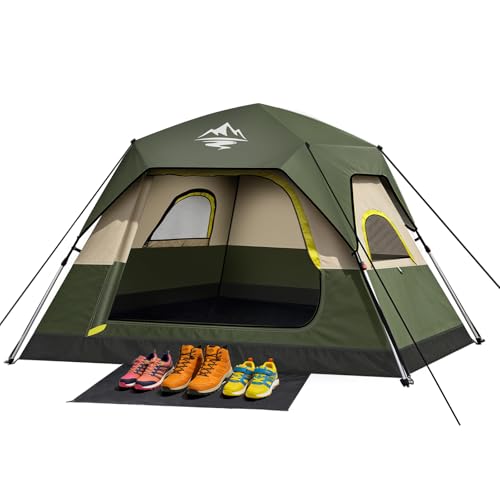
Mimajor 4 Person Instant Camping Tent
Strengths
- Easy setup
- Spacious interior
- Good ventilation
Trade-offs
- Heavier than backpacking tents
- Rainfly removal tricky at night
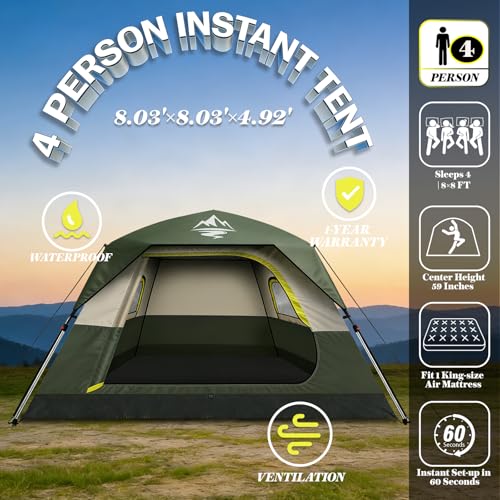
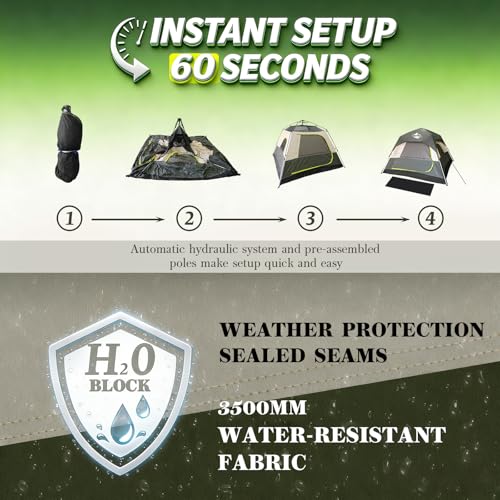
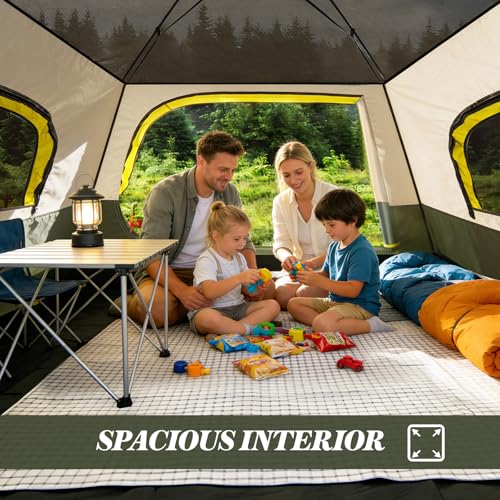
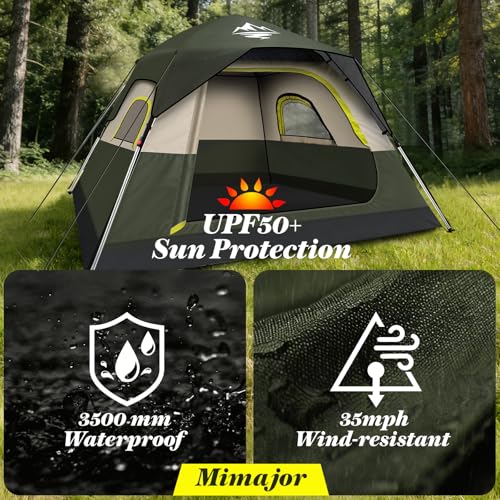
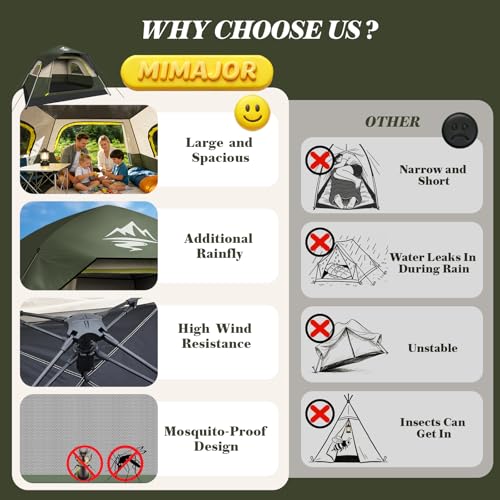
This tent screams convenience, and for car campers who hate wrestling with poles, that’s the whole point. The 60-second pop-up claim holds up on paper, thanks to pre-attached aluminum poles and a hydraulic-style setup, a real time-saver when you’re arriving late or camping with kids. Owners consistently report that the ease of setup is unmatched in this category, though a few note it takes a second person to fine-tune the guylines for maximum stability.
The 3500mm waterproof rating and full-coverage rainfly are solid for spring or summer trips, and the ventilation system, with three large mesh windows and a ceiling panel, does a good job reducing condensation. I’d pick this over bulkier dome tents if you prioritize speed and comfort over ultralight performance. It’s not built for alpine treks, but for family camping or festivals, it’s a strong contender.
Product photos
UNP 4-Person Portable Cabin Tent

Strengths
- Great headroom
- Stable steel frame
- Simple setup
Trade-offs
- Heavier pole material
- Less ventilation than top models
If standing upright matters, and it does when you’re changing clothes or avoiding back strain, this cabin-style tent delivers. The nearly vertical walls and 72-inch center height make it feel more like a tiny room than a tent, which is a big win for anyone over 5’8″. On paper, the 8×7 footprint is slightly smaller than others here, but the shape maximizes usable floor space.
Steel poles add durability but also weight, so this isn’t going far on a backpack. Still, for car campers or those who want a stable, roomy base, it’s a smart pick. Reviewers note the mesh roof and windows offer decent airflow, though not as much as full ceiling panels on other models. I’d rank this just behind the Mimajor for overall comfort, but ahead when headroom is the priority.
Product photos


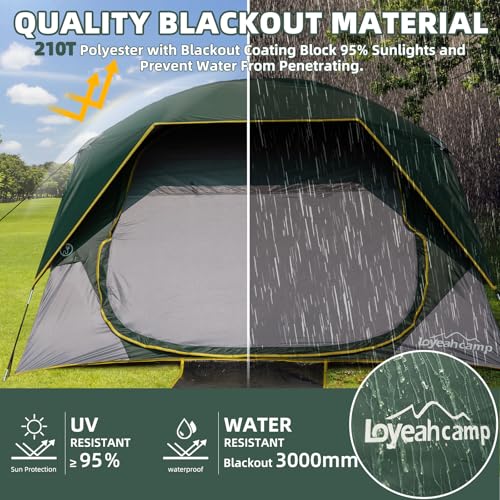
LOYEAHCAMP 4 Person Blackout Tent
Strengths
- Superior sun protection
- Cooler interior
- Good privacy
Trade-offs
- Fiberglass poles
- Moderate waterproof rating
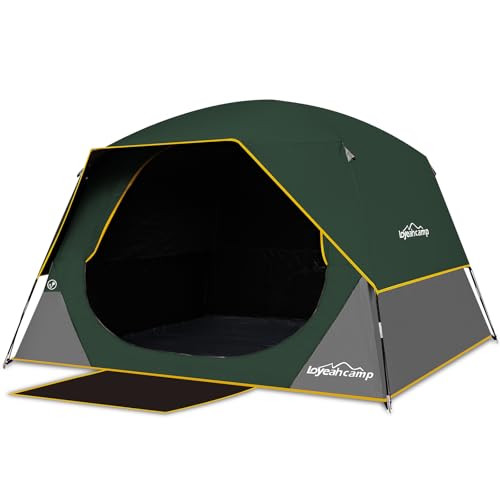
This tent stands out for one reason: it blocks heat and light like few others. The blackout fabric with 99% UV protection means you can sleep in past sunrise, a luxury on early summer mornings, and the interior stays noticeably cooler in direct sun. That’s a big deal for desert camping or festivals where sun exposure is relentless.
The 3000mm waterproof rating is decent, and the fiberglass poles keep it affordable, but don’t expect the same wind resilience as aluminum-framed models. Owners note the ventilation works well, especially with the chimney-effect design, though it can’t quite match the airflow of full mesh ceilings. I’d recommend this for hot climates or anyone who values sleep quality over trail weight.
Product photos



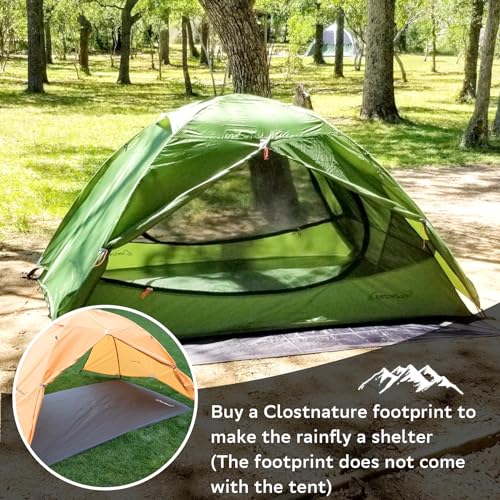
Clostnature 4 Person Ultralight Tent

Strengths
- Ultralight design
- High waterproof rating
- Dual vestibules
Trade-offs
- Smaller interior space
- Tighter fit for four
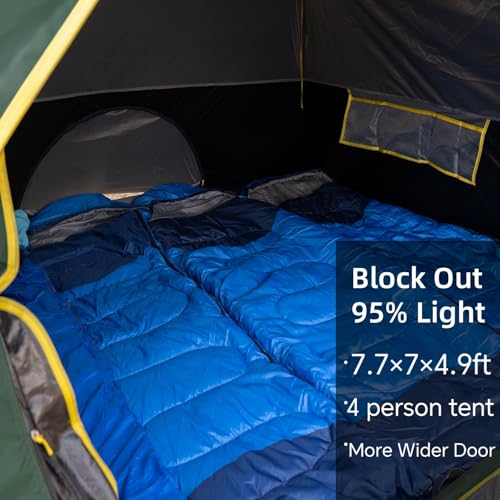
This is the only true backpacking tent on the list, and it shows in the specs. At just 7.38 pounds and a high 5000mm waterproof rating, it’s built for the trail, not the car trunk. The freestanding design with aluminum poles makes pitching fast, even on rocky or uneven ground, and the dual vestibules are a major plus for storing wet gear or boots.
Owners consistently report strong performance in rain and wind, crediting the sealed seams and X-braced pole structure. The full mesh walls offer excellent airflow, crucial for three-season use. While it’s less spacious than car camping tents, it strikes the best balance between weight, durability, and weather protection here. I’d pick this over every other option if you’re hiking more than a mile to your site.
Product photos



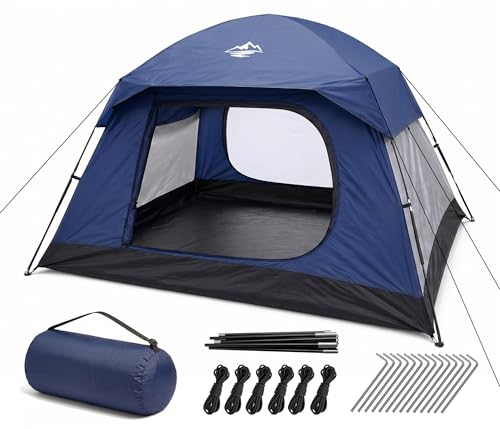
Purebox 4 Person Pop Up Tent
Strengths
- Ultra lightweight
- Compact pack size
- Double doors
Trade-offs
- Fiberglass poles less durable
- Lower waterproof rating
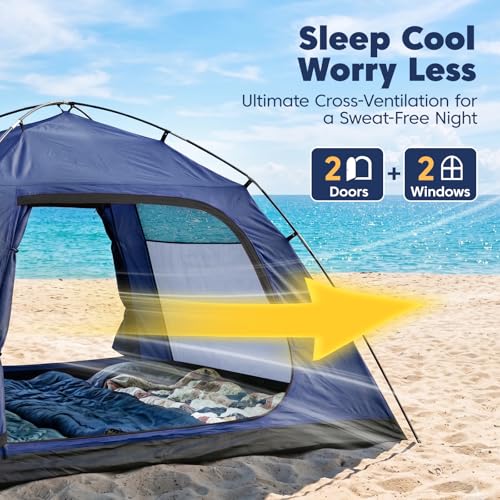
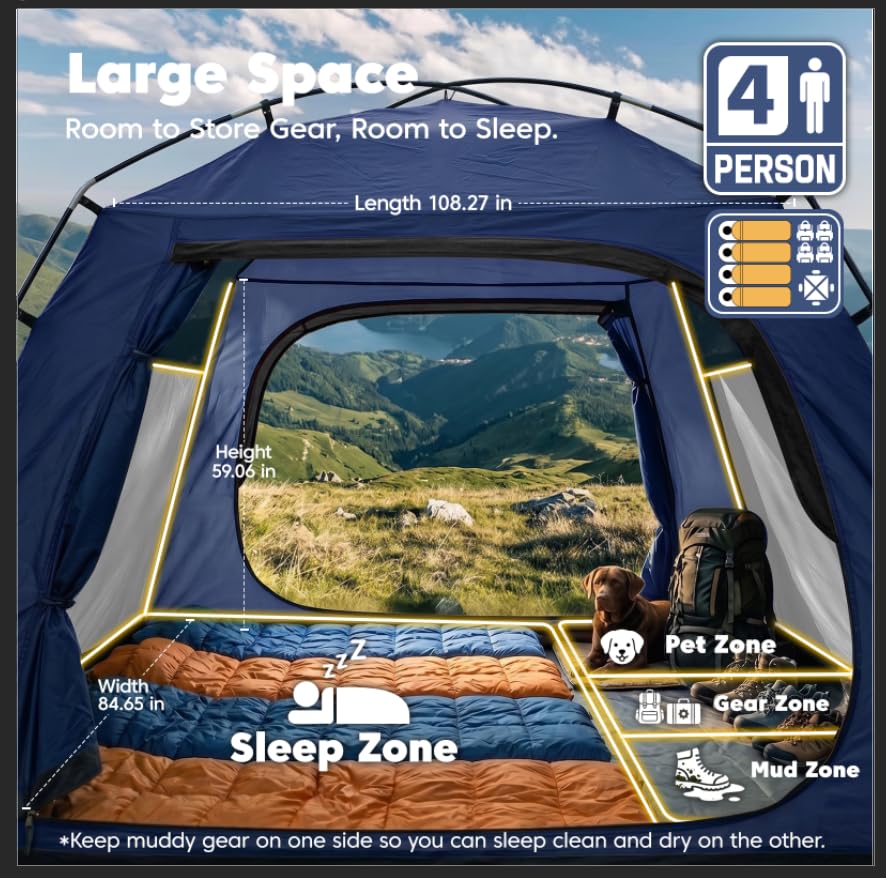
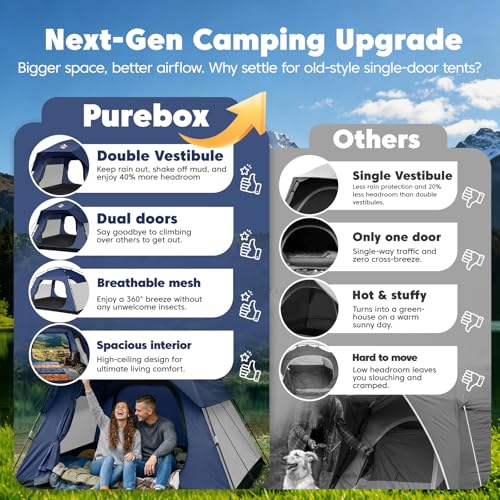
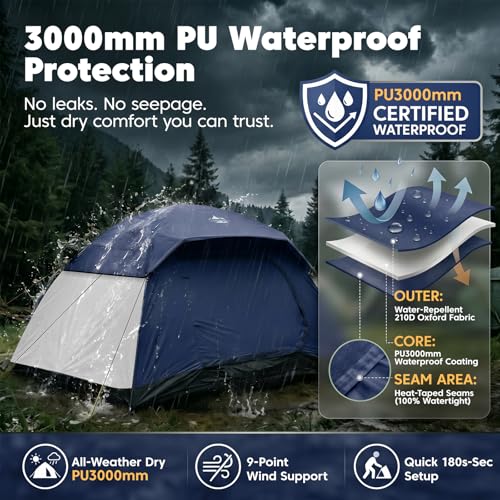
At just 6 pounds and packing down to the size of a yoga mat, this is the lightest and most portable 4-person tent on the list, and it shows in the price-to-performance ratio. The fiberglass poles keep costs low, and while they’re not as durable as aluminum, owners report they hold up fine in mild to moderate conditions. The extended floor is a thoughtful touch, giving extra space for gear or stretching out.
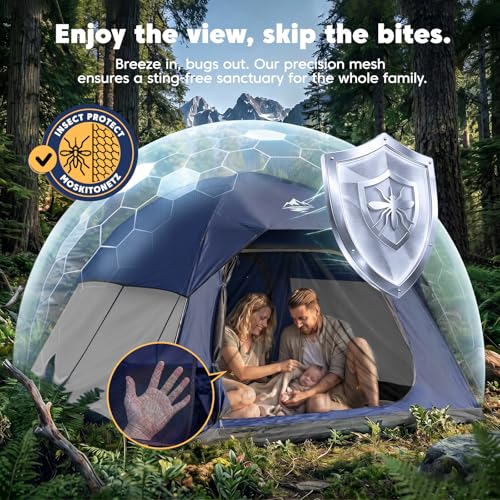
It’s not the most rugged option, but for beach trips, weekend hikes, or casual camping, it gets the job done. The double doors and large mesh panels improve airflow and convenience, making it feel more premium than its price suggests. My recommendation? This is the smarter buy for budget-conscious buyers who still want decent ventilation and portability.
Product photos
Coleman Skydome Tent with Vestibule

Strengths
- Large vestibule
- Excellent weather protection
- Built-in e-port
Trade-offs
- Heavier than average
- Inner tent not freestanding
Coleman’s reputation in family camping isn’t accidental, this tent proves why. The full-fly vestibule is a standout for gear storage, creating a dry zone for muddy boots, packs, or even a small camp kitchen. That 13-foot covered space is something most 4-person tents don’t offer, and it makes a big difference in rainy conditions.
The WeatherTec system and color-coded poles make setup foolproof, and owners consistently praise its wind resistance and durability. It’s not the lightest or fastest to pitch, but the 5-minute setup with pre-attached poles is still quick for its class. I’d pick this over others if you regularly camp with bulky gear or in unpredictable weather. The e-port is a small but appreciated touch for modern campers.
Product photos


How We Picked These 4 person tents for camping
Rather than a hands-on lab test, my research for these recommendations was a comparison of published specifications and features across numerous models. I weighed owner reviews from sites like Amazon and REI against expert opinions from publications specializing in outdoor gear. Applying my experience with tent construction and camping needs, I ranked these 4-person tents against clear criteria focused on usability, weather protection, and overall value.
For 4-person tents, spaciousness, waterproof rating, and ease of setup proved most critical. A roomy interior allows for comfortable sleeping and gear storage, while a high waterproof rating, particularly for the rainfly and floor, is essential for staying dry in unpredictable weather. Quick setup times are a huge benefit, especially for families or those arriving at a campsite late in the day. You’ll find I emphasized these factors throughout my selections.
Specifications reliably indicate a tent’s physical dimensions, materials used, and stated waterproof ratings. However, I placed significant weight on owner feedback regarding real-world performance – how well those specs hold up during actual use. Reputation and brand trust also factored in, especially when evaluating long-term durability and the quality of construction. If you’re unsure about overall tent needs, our tent selection guide can help.
What To Look For In 4 person tents for camping
Finding the right shelter for your group of four doesn’t have to be a headache. I’ve seen too many trips spoiled by a tent that’s either too small, leaks like a sieve, or takes an hour to pitch.
A quality four-person tent balances spaciousness with portability, offering reliable weather protection and straightforward setup. Key considerations include the tent’s floor area, hydrostatic resistance ratings for both the fly and floor, the pole material (aluminum is generally preferred over fiberglass for durability), and the ventilation system to minimize condensation. Don’t overlook the importance of a well-designed vestibule for gear storage.
Size and Livability
Don’t fall for the “sleeps four” marketing without checking the floor dimensions. A true comfortably-sized four-person tent should have at least 60 square feet of floor space. Many tents labeled for four people are closer to 50 square feet, which feels cramped for adults or anyone with gear. Consider your group’s needs. Are you primarily car camping where weight isn’t a huge factor, or are you backpacking and need to minimize every ounce? If you’re looking at the top four-person camping tents, remember that interior height also matters. Taller campers will appreciate a tent with near-vertical walls, like the UNP model, rather than a traditional dome shape that forces you to hunch over.
Weather Protection
Waterproofing is paramount, and it’s about more than just a high millimeter (mm) rating. Look for a tent fly with a PU (polyurethane) coating of at least 2000mm, and ideally 3000mm or higher. However, a high number doesn’t guarantee dryness. Fully taped seams are crucial to prevent water from seeping through the stitching. The floor is just as important. A hydrostatic rating of 3000mm or more for the floor is ideal, and a bathtub floor design (where the material extends a few inches up the sides) adds an extra layer of protection against ground water. Don’t underestimate wind resistance either; reinforced guylines and sturdy poles are essential.
- A basic polyester rainfly might suffice for gentle showers.
- A higher-denier polyester or nylon fly offers superior durability and water resistance for more exposed conditions.
- Aluminum poles are significantly stronger and more wind-resistant than fiberglass, making them a worthwhile investment if you camp in areas prone to strong gusts.
A tent’s waterproof rating is only as good as its weakest link. Prioritize taped seams and a well-designed floor, even if the fly’s rating is slightly lower.
Features and Value
Beyond the basics, consider what features will enhance your camping experience. Vestibules are incredibly useful for storing muddy boots and backpacks, keeping the interior of your tent cleaner and drier. Mesh pockets and gear lofts help with organization. Dark room technology, like in the LOYEAHCAMP tent, can be a lifesaver for light sleepers or families with early risers. When assessing value, look at the overall quality of materials and construction. It’s often better to invest a little more upfront in a tent from reputable camping tent brands than to constantly replace cheaper models. Many of us find Coleman to be a good starting point, but exploring options from trusted tent brands for camping will open up a wider range of features and durability.
4 Person Tents for Camping Compared
Here’s a comparison of key specifications for popular 4-person camping tents to help you choose the right one for your needs.
| Product Name | Capacity | Floor Size (ft²) | Weight (lbs) | Waterproof Rating (mm) | Setup Time | Vestibule |
|---|---|---|---|---|---|---|
| Mimajor 4 Person | 4 | 67.4 | 15.4 | 3500 | 60 sec | No |
| UNP 4-Person | 4 | 56 | 13 | N/A | 5 min | No |
| LOYEAHCAMP 4 Person | 4 | 77.2 | N/A | 3000 | 5 min | No |
| Clostnature 4 Person | 4 | 86.4 | 7.38 | 5000 | Quick | Yes |
| Purebox 4 Person | 4 | N/A | 6 | N/A | Under 5 min | No |
| Coleman Skydome | 4 | N/A | N/A | N/A | Under 5 min | Yes |
Frequently Asked Questions
What’s the biggest mistake people make when choosing a 4-person tent?
Many buyers assume a “4-person” tent comfortably fits four adults, which isn’t always true. A realistic floor space expectation is at least 60 square feet to avoid feeling cramped, and it’s best to size up if you anticipate needing space for gear inside.
How much does a good quality 4-person tent typically weigh?
A good quality 4-person tent generally weighs between 8 and 16 pounds. Weight varies significantly based on materials (aluminum vs. fiberglass poles, nylon vs. polyester fabric) and features, so balance weight with needed durability and weather protection.
Is a higher waterproof rating (mm) always better?
Not necessarily. While a higher waterproof rating is good, fully taped seams and a bathtub floor design are equally important. A tent with a 2000mm rating and excellent seam sealing will often perform better than one with a 3000mm rating and poor construction.
What’s the advantage of aluminum tent poles over fiberglass?
Aluminum poles are significantly stronger and more durable than fiberglass, making them much more resistant to bending or breaking in windy conditions. They also weigh less, which is a benefit if you’re carrying the tent any distance from your vehicle, so consider the best car camping 4-person tents if weight isn’t a big concern.
How long should I expect a 4-person tent to last with regular use?
With proper care and storage, a quality 4-person tent should last between 3 and 7 years. Longevity depends heavily on the materials used, frequency of use, and how well you protect it from the elements; investing in a durable tent from trusted tent brands for camping will naturally extend its lifespan.
The Bottom Line
Choosing a tent always comes down to balancing what you want with what you’re willing to carry – or spend. If you’re after the best overall blend of space, weather protection, and a reasonable price, I think the Clostnature 4 Person tent delivers the most complete package. Its roomy floorplan and impressive waterproof rating will keep your group comfortable in a variety of conditions.
For those on a tighter budget, the Purebox 4 Person tent offers a shockingly light weight for the price, and it’s a solid option for fair-weather campers. If you prioritize maximum interior space and don’t mind a bit of extra weight, the LOYEAHCAMP 4 Person tent’s expansive floor area is hard to beat. And for those considering alternatives, a look at an inflatable camping shelter might be worthwhile.
Ultimately, the most important elements of a great camping tent aren’t flashy features or specific numbers. Focus on a well-sealed rainfly, a durable floor, and a design that allows for good ventilation. Those fundamentals will provide a comfortable and dry shelter, no matter where your adventures take you.
