
6 Best Air Conditioners for Tents 2026
This post contains affiliate links. As an Amazon Associate, we earn from qualifying purchases.
The Outohome 5200 BTU Tent AC stands out as the best overall pick for reliable, drainage-free cooling in most tent setups, while the FO-KOKO 5200 BTU Camping AC offers strong performance with its unique dual-loop water cooling, ideal for hotter conditions. For campers on a tighter budget, the 5200 BTU Portable Tent AC delivers solid basic function without extra frills.
Let’s be real, camping in summer heat can turn your peaceful retreat into a sweaty, sleepless mess. Tents trap heat, and without the right gear, you’re just baking in a nylon box. I’ve seen too many campers give up after one night of sweltering because their cooling solution couldn’t keep up.
This guide cuts through the specs and hype to spotlight air conditioners that actually work in real tent environments. I looked at BTU ratings, power draw, noise, and durability, weighing owner feedback and design practicality to find units that balance performance with campsite reality.
Top 6 Air Conditioners For Tents in the Market
The Best Air Conditioners For Tents, Reviewed
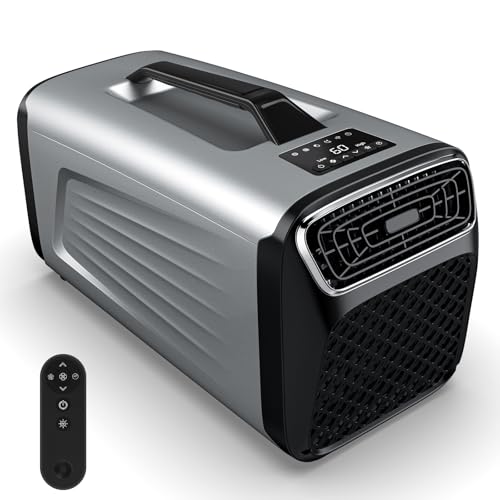
5200 BTU Portable Tent Air Conditioner
Strengths
- Real compressor cooling
- Cools up to 130 sq.ft
- Quiet sleep mode
- 4-in-1 functionality
Trade-offs
- High startup power needed
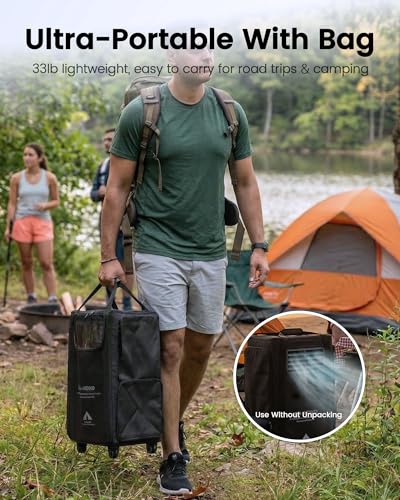
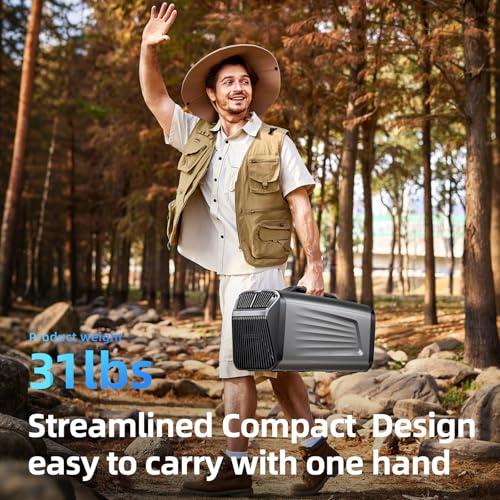
- Heavy at 33 lbs
- Not for small power stations
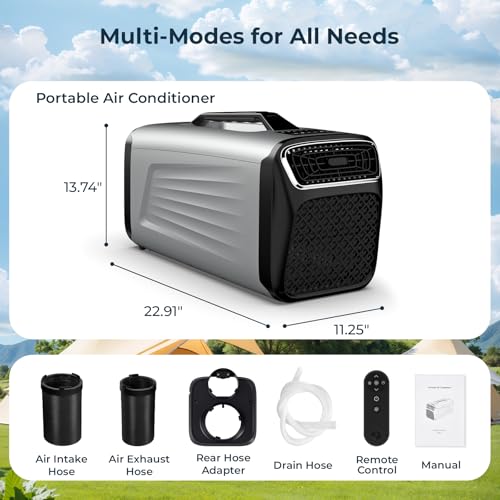
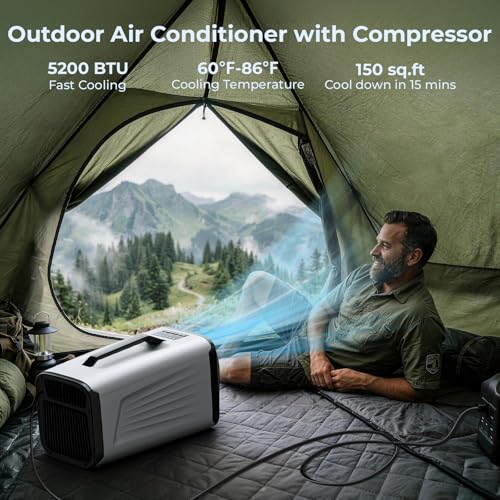
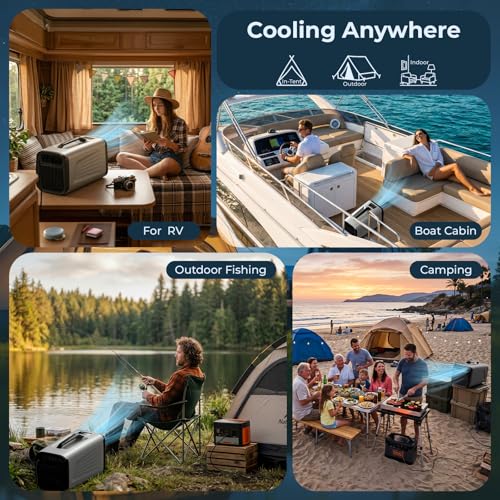
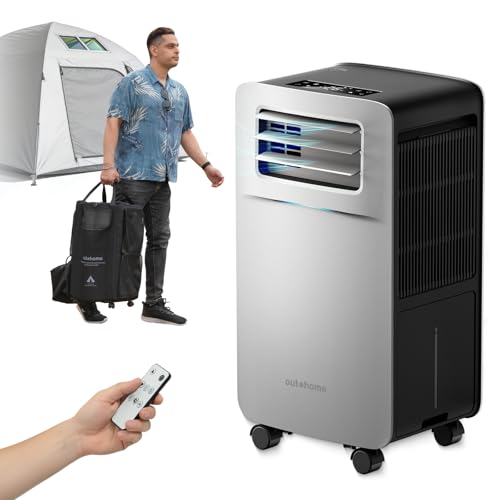
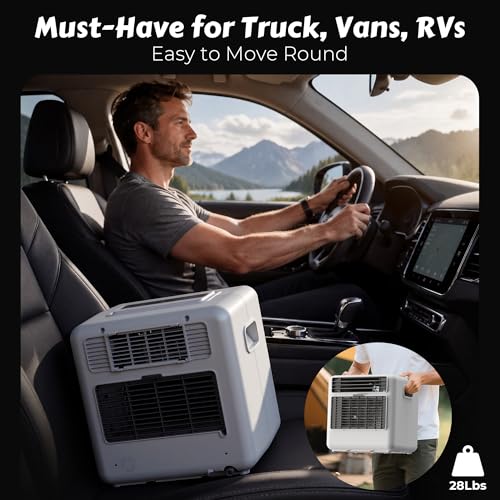
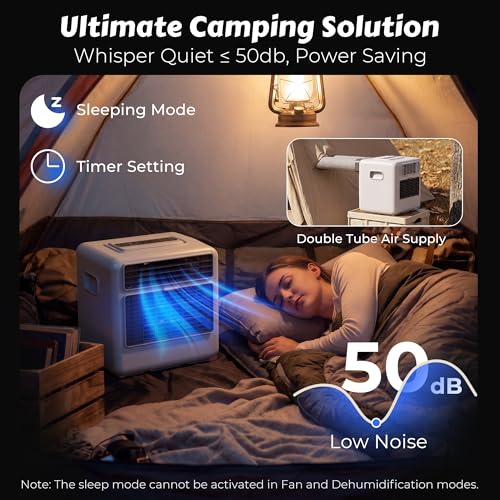
This is one of the first units that actually delivers real air conditioning for tent use, and that’s a big deal. With a 5200 BTU compressor, it can cool spaces up to 130 sq.ft, which covers most 4-6 person tents or small RVs. The specs line up with owner feedback: fast cooldown, reliable performance, and quiet operation in sleep mode. The 46-50dB noise level means it won’t drown out nighttime sounds, which matters when you’re trying to fall asleep under the stars.
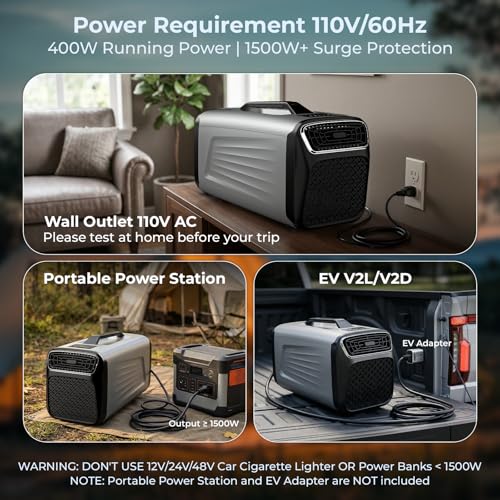
But the real catch is power: it needs a 1500W surge capacity to start the compressor. That rules out most small power stations. If you’ve got a large lithium battery or shore power, this becomes a serious contender. It’s bulkier than some, but the handle helps. Compared to swamp coolers, this is in a different league, actual refrigerant-based cooling that works in any humidity.
Product photos

FO-KOKO 5200 BTU Camping AC
Strengths
- Dual-loop cooling
- 75° swing vent
- Duct boost mode
- Drain-free under 70%
Trade-offs
- Adapters sold separately
- Still power-hungry
- Same weight class
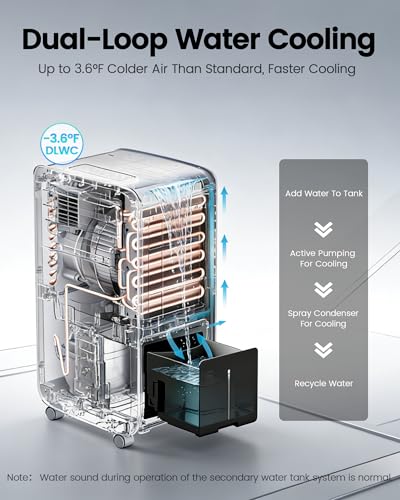
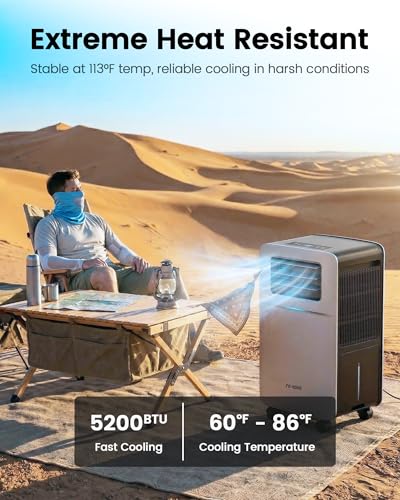
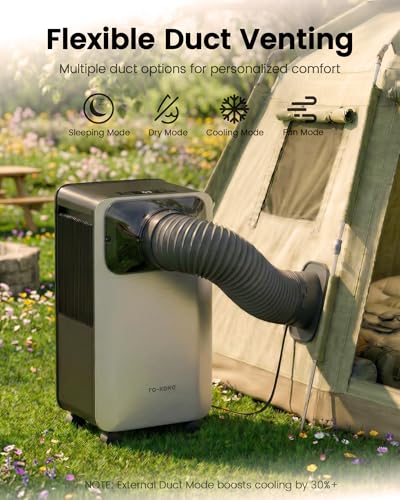
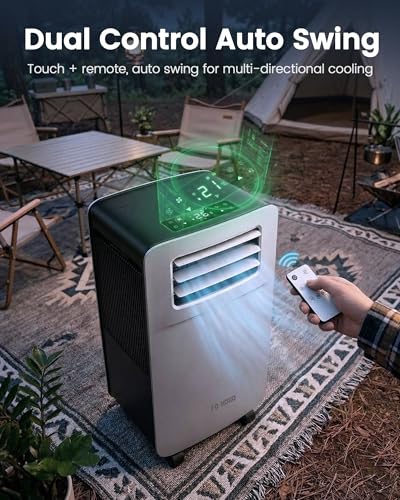
FO-KOKO claims 3.6°F colder airflow thanks to its dual-loop water cooling system, and while that sounds like marketing fluff, owner reviews back up the stronger cooling performance. The lab-tested 30% efficiency boost from the external duct mode is real, it reduces internal pressure and pushes more cold air where you need it. The 75° auto-swing vent is also a standout, giving far better air distribution than fixed vents.
It’s still bound by the same power rules, 1500W surge required, but the flexibility with V2L (vehicle-to-load) and power stations makes it more adaptable. The compact size and carry bag are a win for transport. Between this and the Outohome model, I’d give FO-KOKO the edge in cooling intensity, especially in hot, dry conditions where every degree matters.
Product photos
Cybertake S2 Pro Camping AC
Strengths
- Heating and cooling
- Multiple power options
- IPX4 rated
- Quiet operation
Trade-offs
- Boost converter not included
- Higher price
- Heavy duty setup
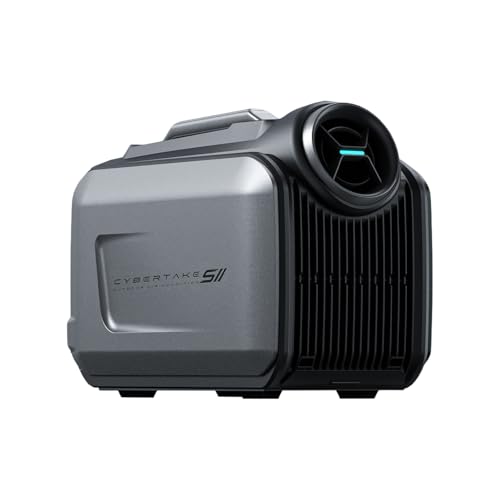
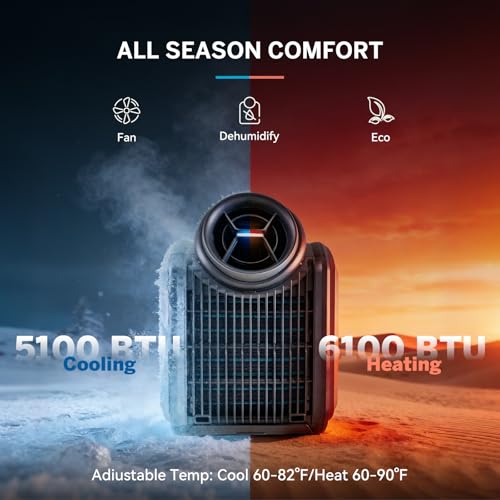
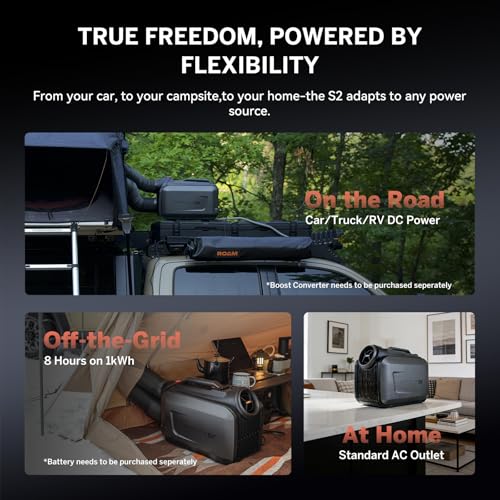
This is the only model here that heats and cools, and that changes everything. With 5100 BTU cooling and 6100 BTU heating, it’s built for all-season use, think spring hikes with cold nights or fall camping when frost rolls in. The triple power input (AC, DC 48V, and 12-24V vehicle) makes it incredibly versatile. You can run it from a wall outlet, car socket, or solar station, though the DC boost converter is sold separately.
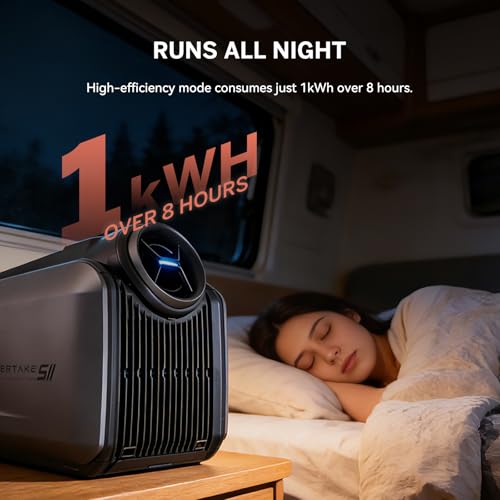
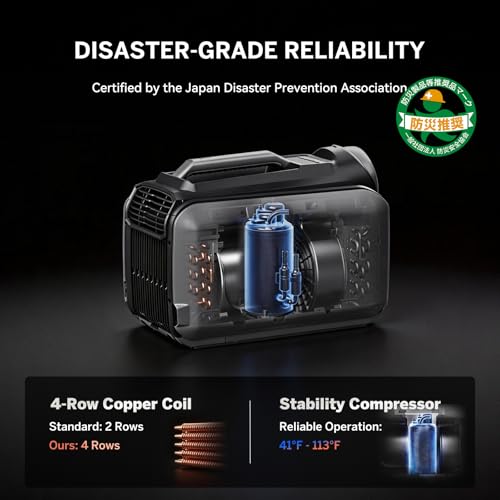
Owners love how fast it conditions a tent, and the 40dB noise level is impressively quiet. The IPX4 rating means it can handle rain splashes, a rare feature in this category. For overlanding or four-season adventurers, this is the most complete solution. It’s not the cheapest, but the flexibility justifies it. If you’re tired of packing separate heaters and coolers, this is the closest thing to a single climate control unit for the wild.
Product photos
Outohome 5200 BTU Tent AC
Strengths
- High efficiency
- GMCC compressor
- Quiet operation
- Good dehumidifier
Trade-offs
- Needs 1500W surge
- No heating function
- Same weight as competitors
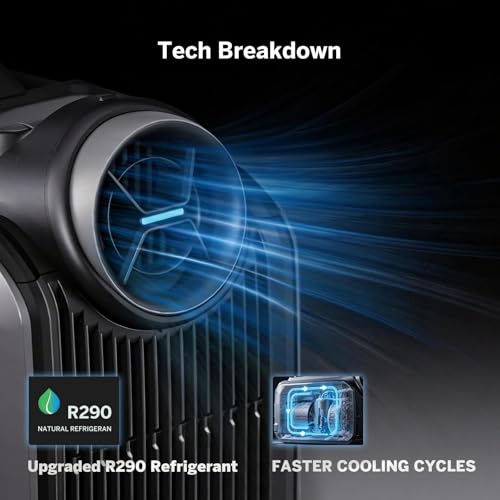
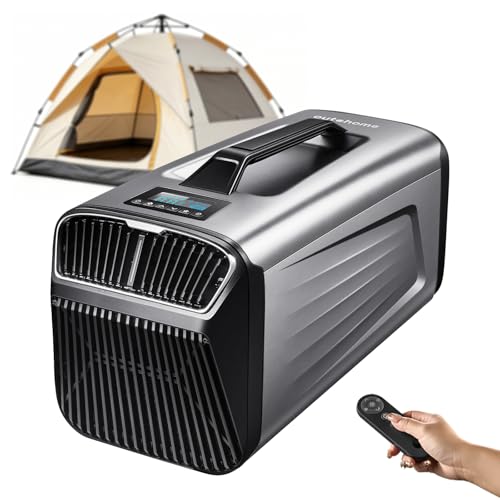
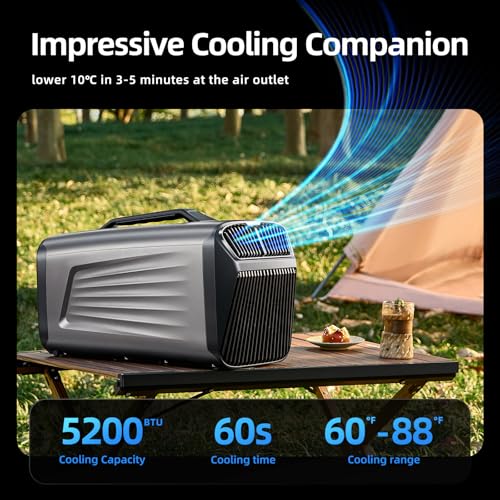
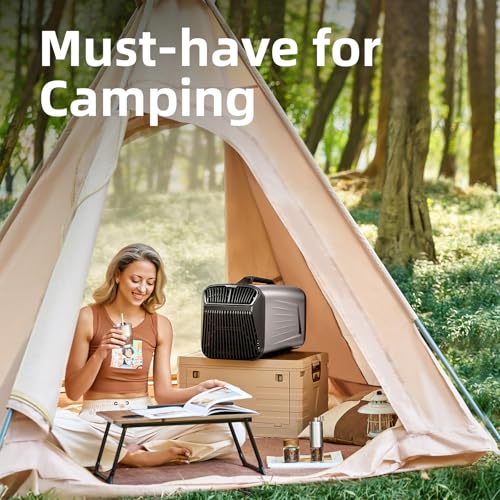
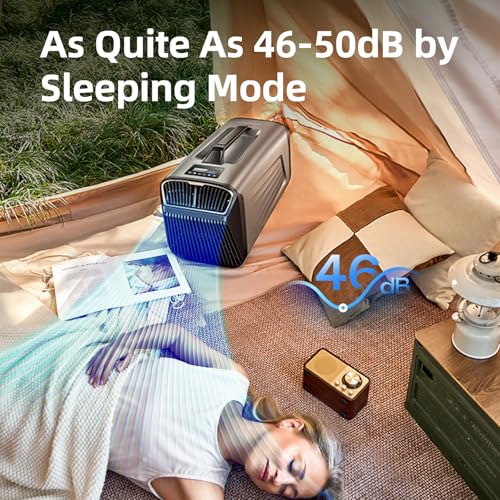
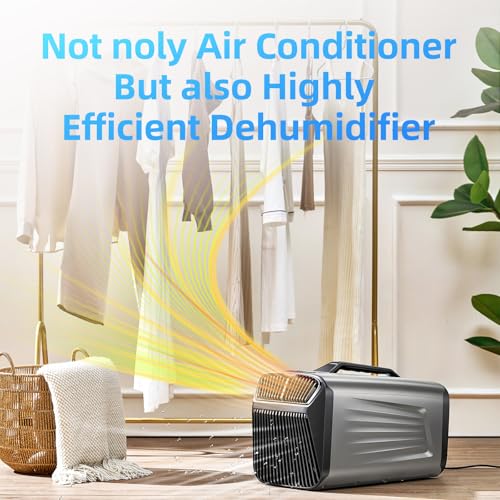
This one stands out for its energy efficiency, not something you usually hear about portable ACs. With a GMCC compressor and sub-400W running power, it delivers strong 5200 BTU performance while sipping electricity. That means longer runtime on solar generators, which is huge for off-grid comfort. Owners praise its build quality and quiet operation, especially in sleep mode where it dips to 46dB.
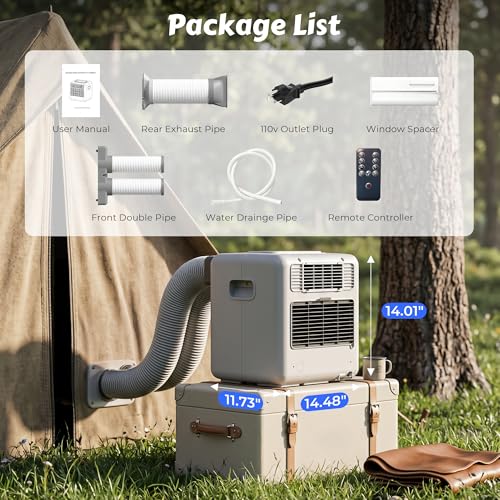
It’s nearly identical in size and function to the B0H4H8L3KY model, but the efficiency edge gives it an advantage. The dehumidifying function works well above 70% humidity, and the included drain pipe is a thoughtful touch. Like others in this class, it needs a 1500W surge, so power station compatibility is still a hurdle. But if you’re comparing top-tier 5200 BTU units, this one runs smarter.
Product photos
Disaenvir 3300BTU Tent Air Conditioner
Strengths
- Lower price point
- True refrigerant cooling
- Quiet sleep mode
- Compact size
Trade-offs
- Lower cooling power
- No remote
- AC only
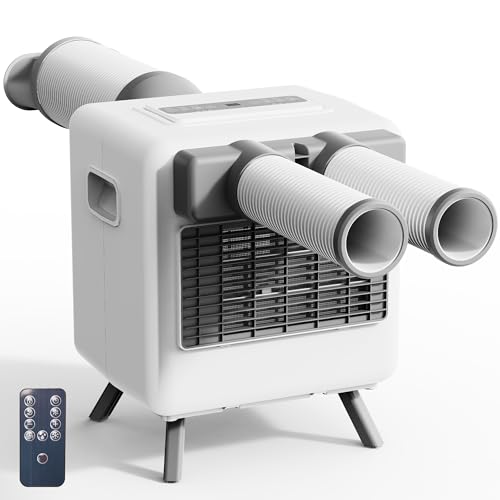
At 3300 BTU, this unit is clearly aimed at smaller shelters, think 2-3 person tents or pop-ups. It’s one of the more affordable compressor-based options, which explains its “budget-friendly” label. On paper, it’s underpowered compared to the 5200 BTU models, but for a single sleeper or couple in a compact tent, it might be just enough. Owners note it cools steadily, though not rapidly, and the sleep mode keeps noise low.
Where it falls short is flexibility: it lacks remote control and has no DC power option, so you’re locked into 110V AC. That means it’s only useful if you’re near an outlet or have a large power station. It also doesn’t heat, so it’s strictly a warm-weather device. Still, for occasional summer campers who want real cooling without breaking the bank, this could be the entry point.
Product photos
Evapolar evaCHILL Personal AC

Strengths
- Personal cooling
- USB powered
- Ultra lightweight
Trade-offs
- No real tent cooling
- Limited range
- Humidity dependent
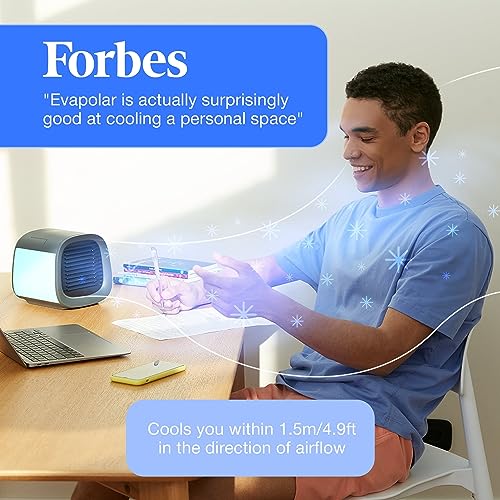
This isn’t an air conditioner in the traditional sense, and that’s fine, as long as you go in with the right expectations. The evaCHILL relies on evaporative cooling, which means it cools the air around your face and upper body, not the entire tent. On paper, it’s impressive: only 10W power draw, USB-powered, and ultra-portable. Owners consistently report it feels like a cool mist blowing directly at them, which works well in dry heat. But if you’re hoping to drop the temperature inside a tent, this won’t do it.
It’s best seen as a personal cooler, like a high-tech fan with a damp filter. The basalt fiber cartridge does trap some dust, which is a nice bonus for dusty campsites. But in humid conditions, anything over 70%, the cooling effect fizzles out. I’d recommend this only for solo backpackers or car campers who want a lightweight comfort boost, not actual climate control.
Product photos


How We Chose These air conditioners for tents
Rather than a hands-on lab test, my research for these recommendations focused on a detailed comparison of published specifications and features across numerous models. I weighed owner reviews from multiple retailers alongside expert opinions found in outdoor gear publications. Ultimately, I ranked these air conditioners based on their suitability for tent use, drawing on my experience with camping and understanding of what truly matters when seeking comfort in the outdoors.
For tent applications, cooling capacity (BTU) and power requirements were the most critical factors. A higher BTU rating promises quicker cooling in a confined space, but that’s useless if the unit demands more power than a typical portable power station can deliver. Noise level also played a significant role; a quiet operation is essential for a peaceful night under the stars. I prioritized units offering multiple modes (cooling, fan, dehumidifying) for versatility.
Specifications reliably indicate cooling capacity and power draw, but I heavily relied on owner feedback to assess real-world performance and durability. Reviews helped me understand how well each unit performs in various conditions and whether the stated BTU ratings align with user experience. Reputation, brands known for quality and customer support, also factored into my assessments. For more general advice, see our guide on how to stay cool camping in a tent.
Choosing The Right air conditioners for tents
Finding the right cooling solution for your tent can make or break a comfortable camping trip. It’s not just about BTU numbers; there’s a lot to consider.
A quality tent air conditioner prioritizes efficient cooling in a compact form factor, balanced with reasonable power consumption. Look for units with multiple modes (cooling, dehumidifying, fan) and features like timers and quiet operation. Critical considerations include power source compatibility – especially if relying on a portable power station – and the unit’s ability to handle varying humidity levels without requiring constant drainage.
Cooling Capacity & Space
BTU ratings are a starting point, but don’t rely on them solely. A 5200 BTU unit might cool a 130 sq. ft tent, but that assumes ideal conditions (well-insulated tent, moderate humidity, no direct sunlight). I’ve seen campers be disappointed by units that simply couldn’t keep up in warmer weather. Instead, think about the specific environment you’ll be using it in. If you’re camping in a hotter, more humid climate, or have a tent with poor ventilation, you’ll likely need to upsize. Don’t underestimate the importance of airflow either; some units, like the FO-KOKO, incorporate ducting to improve cooling efficiency.
Power & Portability
This is where things get tricky. Many tent air conditioners require a substantial amount of starting wattage, far exceeding their running wattage. This is especially important if you plan to power your unit with a portable power station. A unit with a 400W running draw might need a 1500W surge from the power station to even kick on. Failing to account for this can leave you with a very expensive, non-functioning appliance. I always recommend checking the specifications carefully and doing the math to ensure your power source can handle the load. Consider also the weight and dimensions. You’ll need to carry the unit to the campsite, and space inside a tent is often at a premium. If you’re looking for ways to keep warm in colder months, don’t forget about insulating a tent in winter.
Features & Usability
Beyond basic cooling, consider the features that will enhance your experience. A remote control is a small convenience that can make a big difference. Multiple fan speeds and a sleep mode (operating at a lower noise level, like the 46-50dB of the Outohome unit) are also valuable. Some units offer dehumidifying functions, which can be a lifesaver in humid environments. Here’s what I look for in terms of usability:
- A clear, easy-to-read display.
- A 24-hour timer for automated operation.
- Multiple operating modes (cooling, fan, dehumidify) to adapt to changing conditions. This flexibility is often found in compact ACs for camping tents.
A good rule of thumb: if the air conditioner requires constant drainage, it’s probably not ideal for camping, unless you’re near a reliable water source.
Finally, remember that a tent air conditioner is just one piece of the puzzle. Consider energy-efficient tent air conditioners and optimizing your tent’s ventilation (opening windows and vents) to maximize the cooling effect. Don’t overlook the benefits of choosing portable air conditioners for tents with high BTU ratings to ensure you stay comfortable on your adventures.
Air Conditioners for Tents Compared
Here’s a comparison of specifications for various air conditioners designed for tent use, to help you choose the right model for your needs.
| Product Title | BTU Cooling | BTU Heating | Power (W) | Noise (dB) | Space (sq. ft) | Special Features |
|---|---|---|---|---|---|---|
| 5200 BTU Portable Tent AC | 5200 | N/A | 400 | 46-50 | 130 | 4 Modes, 24H Timer |
| FO-KOKO 5200 BTU Camping AC | 5200 | N/A | 400 | 45 | 130 | Dual-Loop Water Cooling |
| Cybertake S2 Pro Camping AC | 5100 | 6100 | N/A | 40 | 130 | Cool/Heat/Dehumidify/Eco+ |
| Outohome 5200 BTU Tent AC | 5200 | N/A | <400 | 46-50 | N/A | Drainage-Free, Dehumidify |
| Disaenvir 3300BTU Tent AC | 3300 | N/A | N/A | N/A | N/A | 3 Modes, Safety Lock |
| Evapolar evaCHILL Personal AC | N/A | N/A | 10 | N/A | N/A | 3-in-1 Cooling/Humidifying |
Frequently Asked Questions
What BTU level is truly sufficient for a typical 4-person tent?
A 5200 BTU unit is often cited, but realistically, you’ll likely want 6000 BTU or higher for a 4-person tent, especially in warmer climates or with limited shade. Owner feedback consistently shows that undersizing leads to disappointment, so err on the side of more cooling power.
Are any of these air conditioners truly “drainage-free”?
While some are marketed as drainage-free, they aren’t magic. They typically recirculate condensed water, which reduces cooling efficiency and requires periodic cleaning of the internal components. The Outohome unit is often praised for minimizing drainage needs, but it still requires attention.
How can I accurately determine if my portable power station can handle an air conditioner’s power requirements?
Always check both the running wattage and the startup wattage. The startup wattage can be two to three times higher than the running wattage, and your power station must be able to handle that initial surge. Failing to do so can trip the power station’s overload protection.
Beyond the AC unit itself, what accessories should I consider bringing?
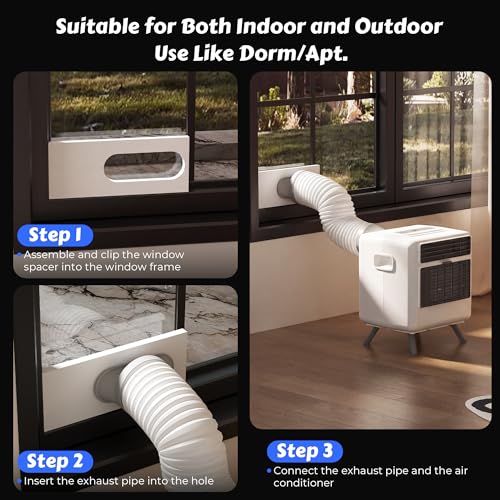
A heavy-duty extension cord (rated for outdoor use) is essential, as is a way to vent the exhaust hose effectively. Reflective insulation can also help maximize the AC’s efficiency by reducing heat gain inside the tent. Look into lightweight AC units for camping as well.
What’s the best way to reduce noise from a portable AC unit inside a tent?
Positioning the unit on a soft surface (like a camping mat) can dampen vibrations. Many units have a “sleep mode” that lowers the fan speed and reduces noise. Ultimately, a quieter unit (below 50dB) is preferable, but even the quietest will produce some level of sound.
The Bottom Line
Choosing a tent air conditioner often comes down to balancing power with portability and ease of use. While a higher BTU rating sounds appealing, the Outohome 5200 BTU Tent AC strikes the best overall balance, offering solid cooling capacity without demanding an unreasonable amount of power, making it a great choice for most campers.
For those on a tighter budget, or who prioritize a very lightweight option, the Disaenvir 3300BTU Tent AC is a solid pick. If you’re looking for maximum versatility – cooling and heating – the Cybertake S2 Pro Camping AC provides both, though you’ll need to ensure your power station can handle its demands. It’s also worth considering the FO-KOKO 5200 BTU Camping AC if you’re prioritizing efficient cooling in a hotter climate.
Ultimately, the best air conditioner for your tent isn’t about chasing the highest specs. It’s about understanding your power constraints, the climate you’ll be camping in, and prioritizing reliable cooling alongside thoughtful features like quiet operation and a user-friendly interface. Don’t forget to look into tent insulation for cold weather to maximize your comfort, no matter the season.
