
8 Best Grow Tents of 2026
This post contains affiliate links. As an Amazon Associate, we earn from qualifying purchases.
The AC Infinity CLOUDLAB 844 4×4 stands out as the overall best grow tent for serious indoor growers, thanks to its rugged 2000D canvas and superior ventilation design. If you’re watching your budget, the VIVOSUN S276 2.7×2.7 Tent delivers solid performance without breaking the bank. For those needing extra space and flexibility, the VIVOSUN S848 4×8 Grow Tent offers unmatched width and load capacity.
Choosing the right grow tent isn’t just about size, it’s about creating a reliable, efficient environment that supports healthy plant growth from seed to harvest. Many growers end up frustrated by weak zippers, poor airflow, or flimsy frames that can’t handle their equipment.
This guide cuts through the noise, focusing on what actually matters: durable materials, effective reflectivity, and smart ventilation. My recommendations are based on a deep explore specs, verified owner feedback, and trends across top-rated models, so you can pick a tent that performs in real growing conditions.
Top 8 Grow Tents in the Market
The Best Grow Tents, Reviewed
AC Infinity CLOUDLAB 844 4×4

Strengths
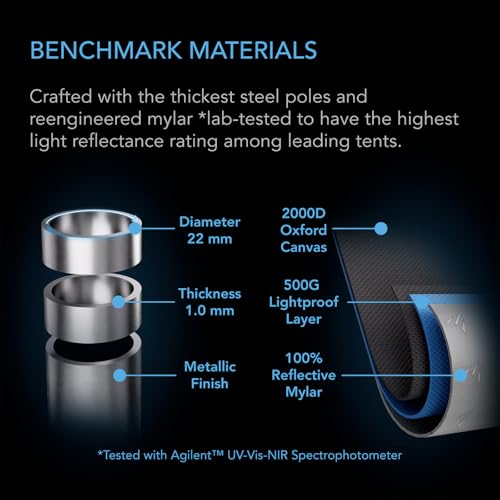
- Thickest 2000D canvas
- 1″ steel poles
- Highest reflectivity
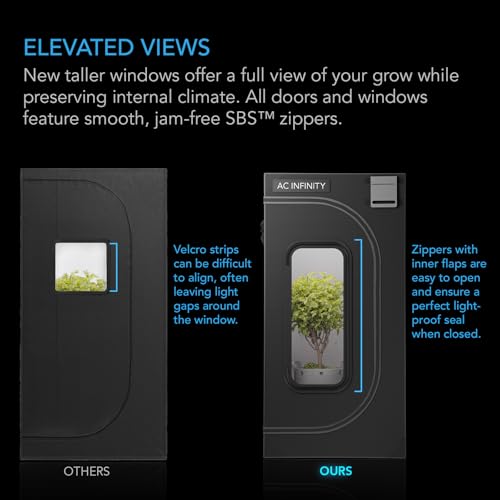
- Large observation window
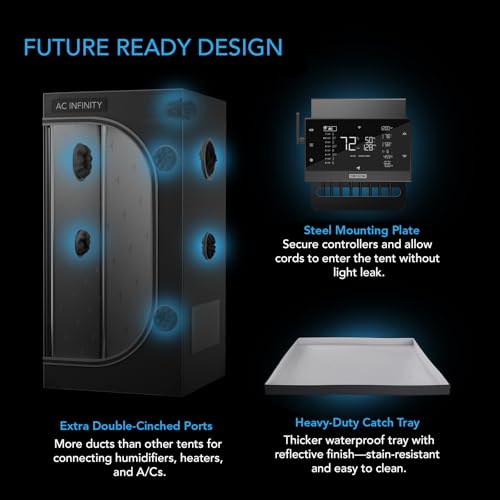
- Controller mounting plate
Trade-offs
- Higher price point
- Heavier than standard tents
- Overbuilt for small setups
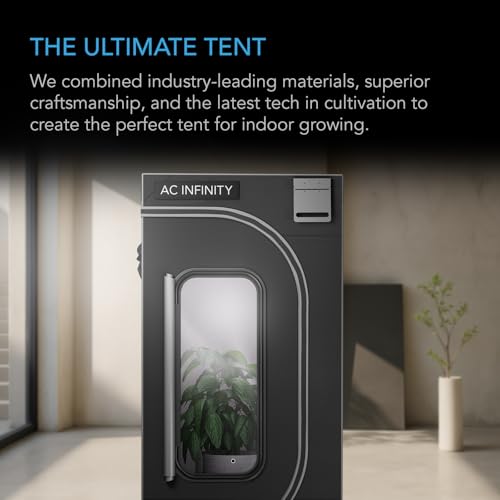
The AC Infinity CLOUDLAB 844 stands out in the 4×4 grow tent category by treating the tent like a precision-controlled environment, not just a fabric box. On paper, its 1″ steel poles and 2000D Mylar canvas are unmatched, this is the thickest material stack I’ve seen in a consumer-grade tent, and owners consistently report it feels more like a sealed lab than a typical grow space. The lab-tested reflectivity claim holds weight; reviewers note visibly brighter interiors, which translates to better light efficiency and less wasted wattage.
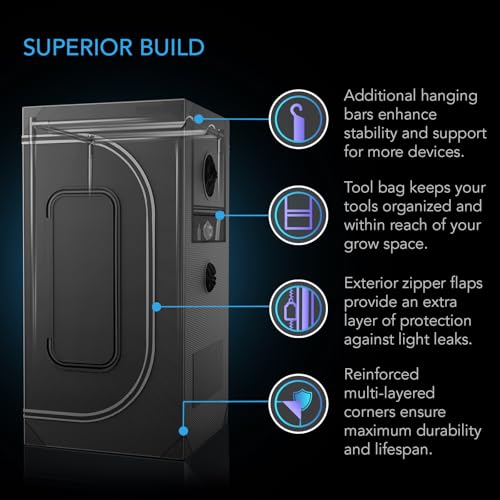
What really elevates it is the thoughtful integration of tech-friendly features: the controller mount plate and lightproof cable passthroughs make it ideal for growers running automated systems. Compared to the Spider Farmer or standard VIVOSUN models, this one is built for someone who wants zero light leaks, maximum durability, and a clean setup for sensors, filters, and ducting. It’s overkill for beginners, but for serious indoor growers, it’s a no-brainer.
Product photos
Spider Farmer 4×4 Grow Tent
Strengths
- Heavy-duty steel poles
- 150 lb hanging capacity
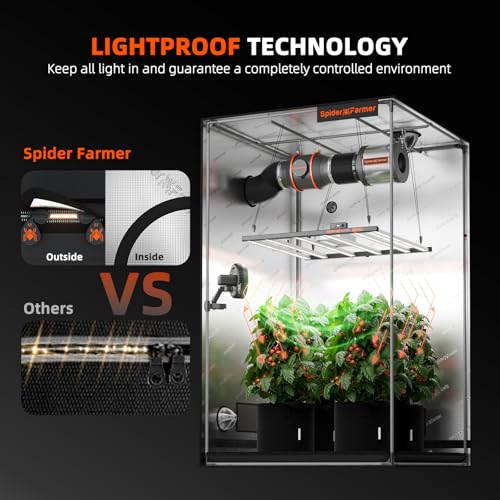
- Enlarged viewing window
- Double-stitched seams
- Tool-free setup
Trade-offs
- No smart controller
- Basic accessory kit
- No cable passthrough plate
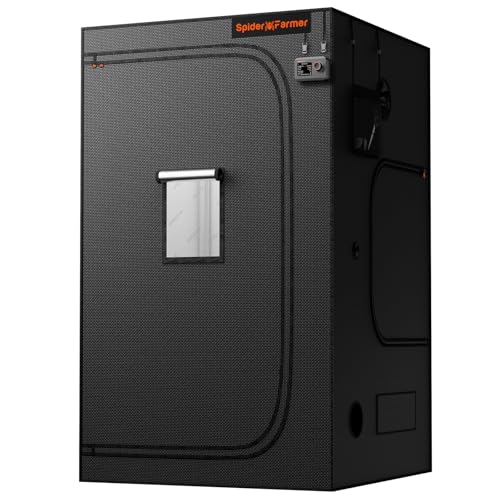
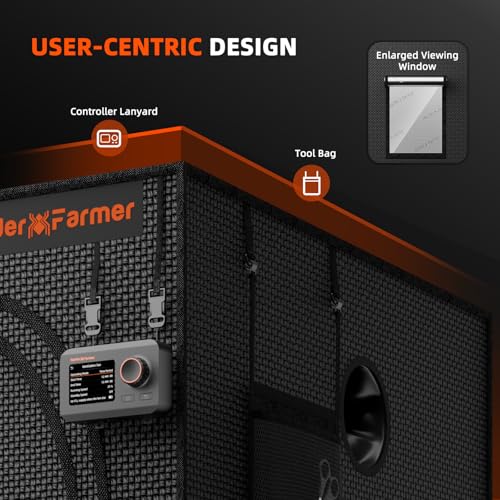
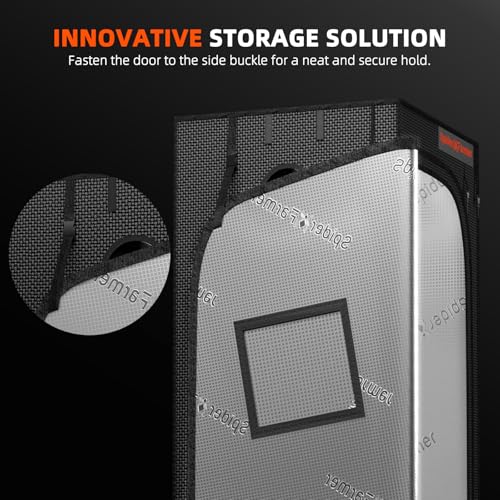
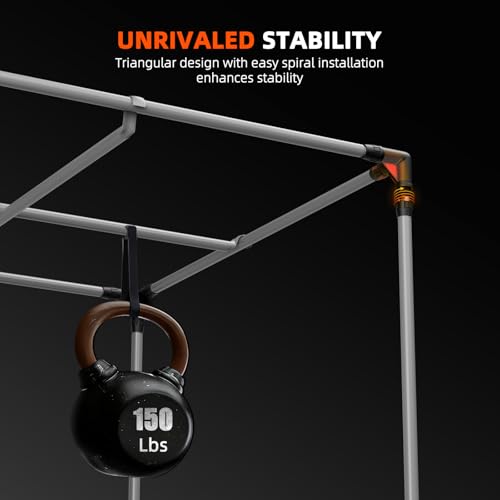
Spider Farmer didn’t mess around with the build quality here. This 4×4 tent is built like a tank, with 3x-thicker steel poles and reinforced adapters that owners say feel rock-solid even under heavy lights. The 150 lb hanging capacity per bar is no joke, this is the tent I’d pick if I were running a full canopy with dual 600W HPS or heavy LEDs. The enlarged 11.8″x15.7″ window is a standout for monitoring plants without unzipping, and the SBS zippers with dual stitching consistently get praised for longevity.
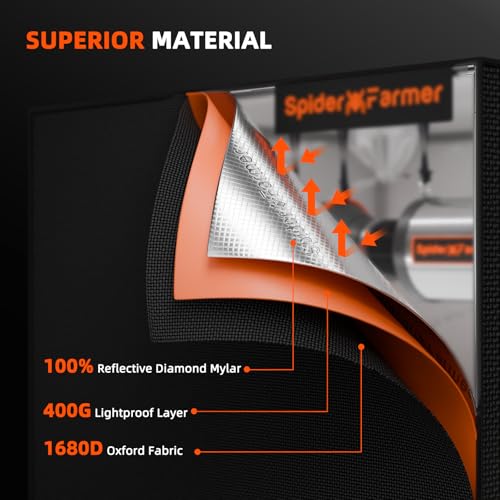
It doesn’t have the smart features of the GIY or MARS HYDRO kits, but it wins on pure durability. Compared to the AC Infinity, it lacks the tech integration, but for raw sturdiness and ease of setup, it’s a top contender. The diamond mylar offers strong reflectivity, slightly less than 2000D but still effective.
Product photos
VIVOSUN S276 2.7×2.7 Tent
Strengths
- Affordable price
- Easy setup
- Removable floor tray
- Good light sealing
- Dual side doors
Trade-offs
- 600D fabric less durable
- Zippers may wear
- Basic reflectivity
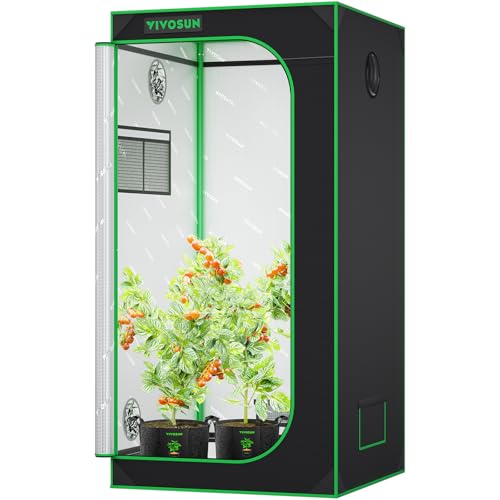
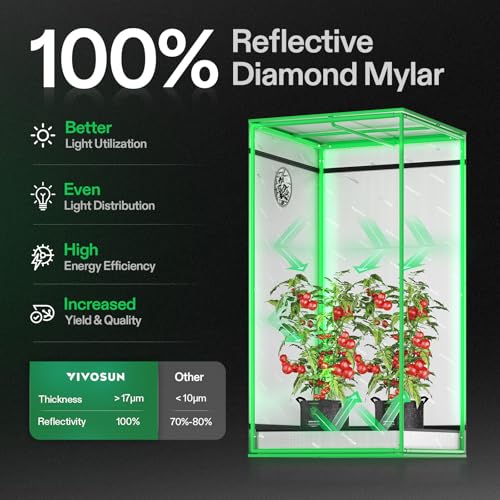
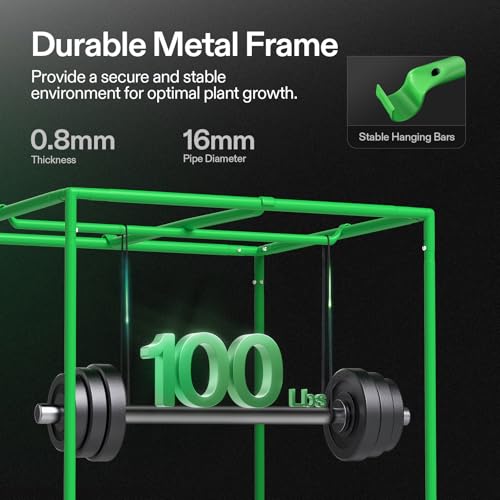
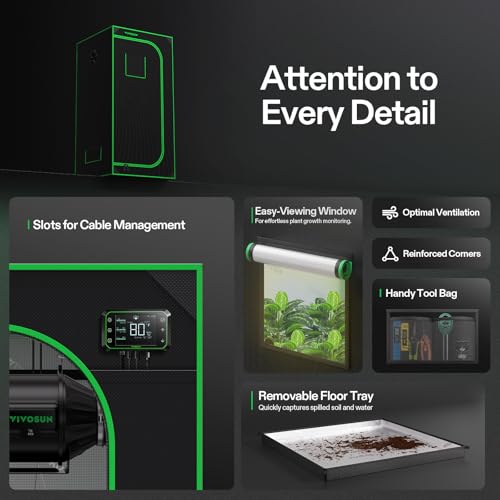
The S276 is the budget king of grow tents, and it delivers surprising value. At 32″x32″x63″, it fits well in closets or corners, and the 600D Oxford fabric with PE lining holds up better than expected for the price. Owners consistently report it’s easy to assemble, with tool-free connectors and a stable frame. The removable floor tray is a nice touch for cleanup, and the observation window lets you check plants without breaking the seal.
It doesn’t have the durability of 1680D or 2000D tents, and the zippers aren’t as smooth long-term, but for a first grow or short-cycle project, it’s reliable. Compared to other budget models, it offers more features, like dual side doors and extra duct ports, without cutting corners on core functionality.
Product photos


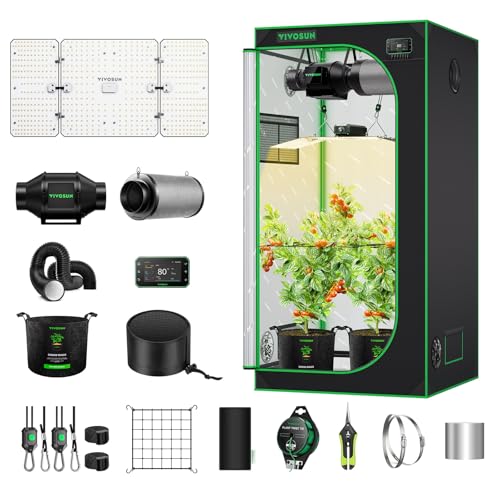
VIVOSUN 2×2 Smart Grow Kit
Strengths
- WiFi smart control
- Beginner-friendly setup
- Quiet ventilation
- Full-spectrum light
- Complete starter kit
Trade-offs
- Small growing space
- 600D fabric
- Limited yield capacity
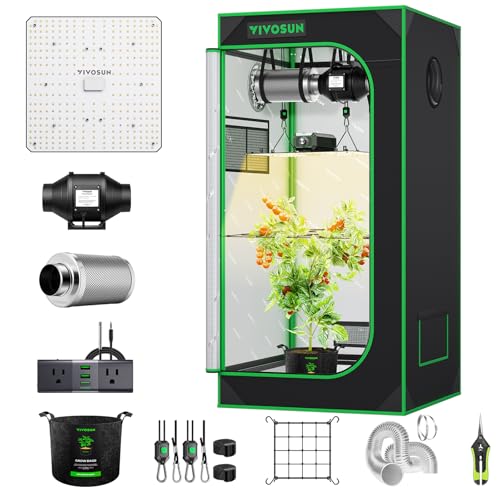
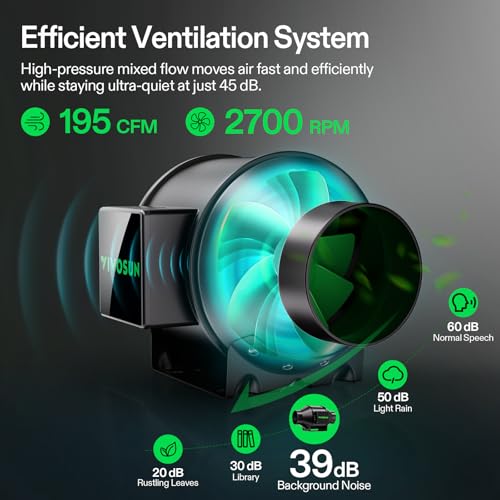
This 2×2 kit is the perfect entry point for first-time growers who want smart features without complexity. The GrowHub A22 brings automation within reach, WiFi control, scheduling, and remote monitoring, without requiring a degree in grow tech. The 100W full-spectrum light is sufficient for one plant, and the 195 CFM fan keeps air moving quietly, often below 30 dB. Owners report it’s dead simple to set up and start growing, which is huge for beginners.
Compared to the larger GIY or MARS HYDRO kits, it’s less powerful but more approachable. It won’t handle big yields, but for a single plant or small propagation setup, it’s ideal. The tent is basic 600D fabric, so don’t expect long-term commercial use, but for a starter, it’s durable enough.
Product photos
VIVOSUN GIY Smart 3×3 System
Strengths
- Full smart integration
- App-controlled automation
- Full-spectrum 200W light
- Real-time sensors
- Complete kit included
Trade-offs
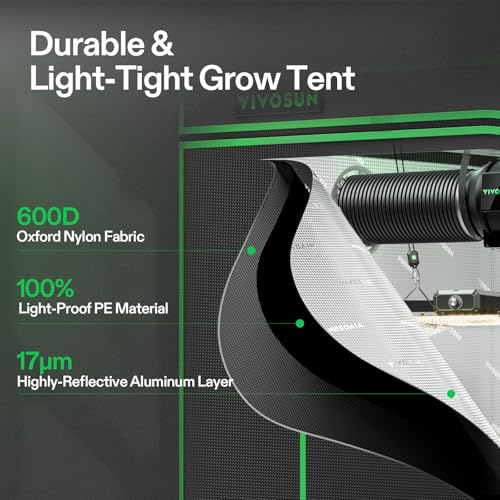
- Tent material only 600D
- Limited expandability
- Higher complexity
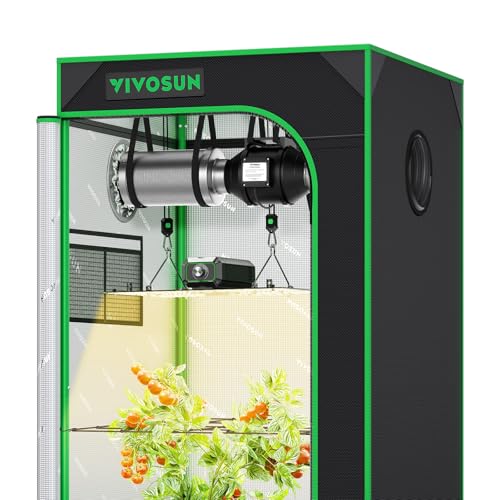
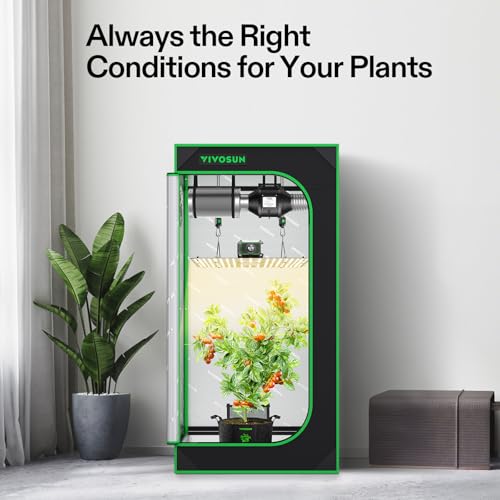
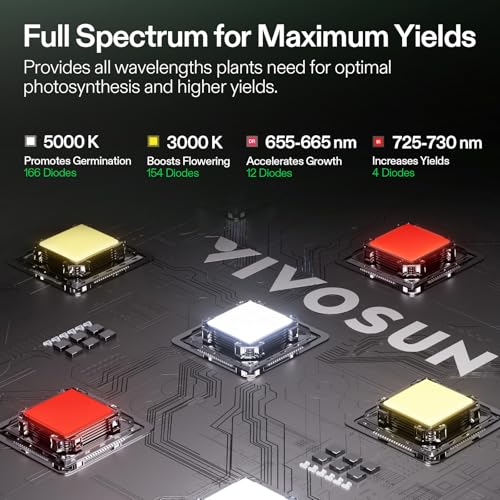
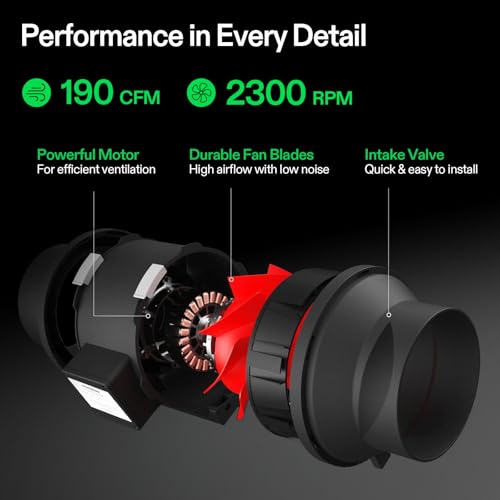
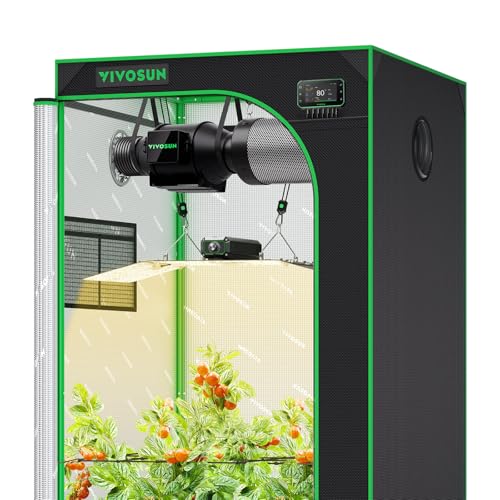
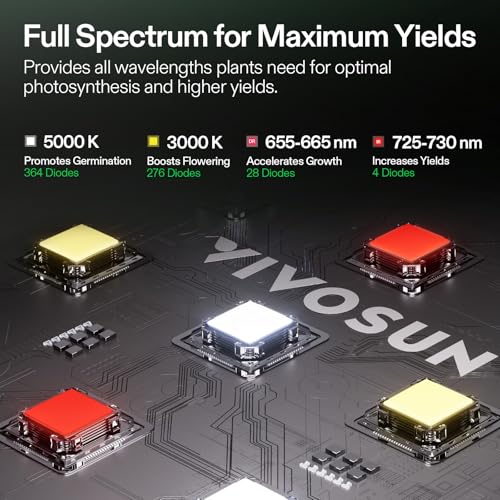
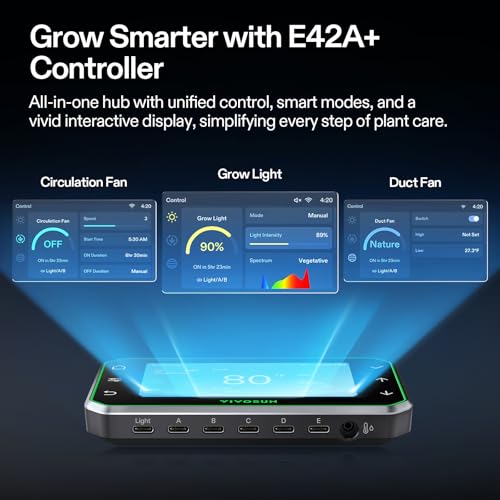
This isn’t just a tent, it’s a full smart ecosystem, and that’s exactly why it’s the pick for tech-savvy growers. The GrowHub E42A+ controller ties everything together: light, fan, sensors, and ventilation, all controllable from an app. Owners love the real-time humidity and temperature tracking, and the ability to auto-adjust based on conditions. The 200W full-spectrum LED is well-specced, with 3000K, 5000K, and far-red diodes that cover all growth stages evenly.
Compared to other kits, the GIY system feels the most “plug-and-play” for automation. The tent itself is standard 600D, not the toughest, but it’s adequate for the size. Where it really shines is integration, no need to jury-rig relays or timers. If you want a “set it and forget it” indoor grow, this is the closest thing to a turnkey solution.
Product photos
MARS HYDRO 3×3 WiFi Grow Kit
Strengths
- High-yield 150W LED
- Smart Controller 43
- 1680D mylar reflectivity
- 205 CFM ventilation
- VPD and CO2 monitoring
Trade-offs
- Higher cost
- Complex setup
- Overkill for beginners
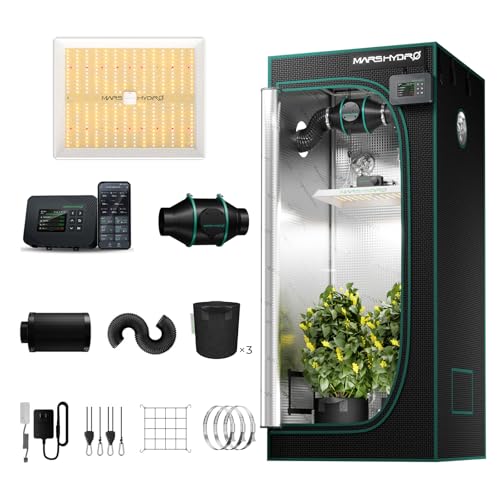
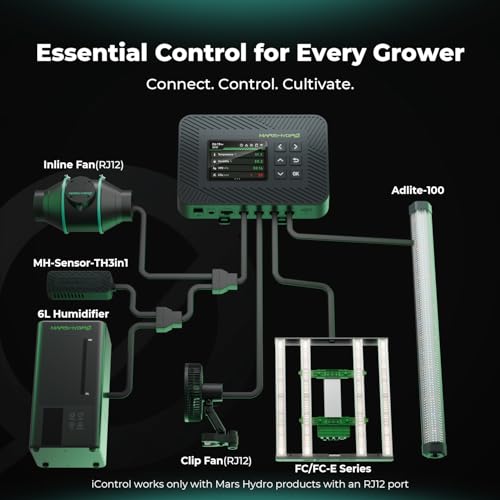
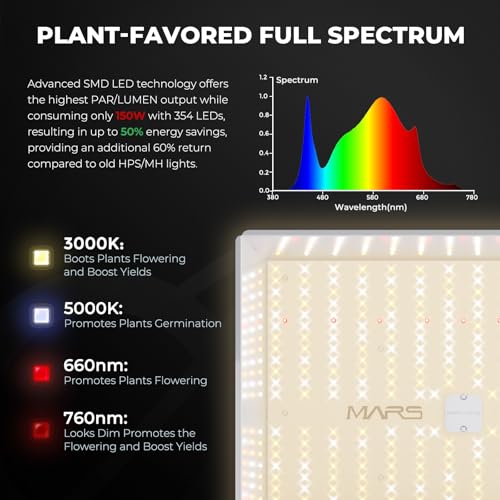
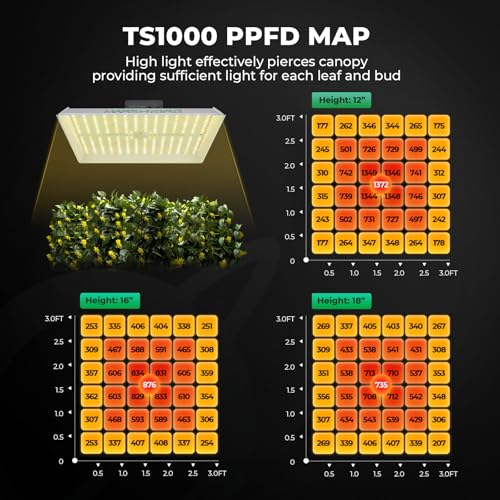
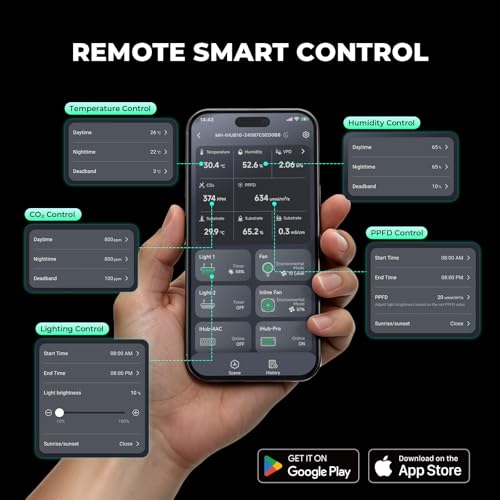
When yield is the priority, the MARS HYDRO 3×3 kit stands out. The 150W TS1000 LED is a beast, 354 diodes, sunlike full spectrum, and 0–100% dimming, and owners report faster growth and denser buds compared to lower-wattage lights. The Smart Controller 43 brings serious automation: auto-adjusting light, fan, and climate based on sensor data, including VPD and CO2 tracking. This isn’t just smart, it’s precision growing.
The tent itself uses 1680D diamond mylar, which boosts PPFD by 25% over 600D, and the 205 CFM inline fan handles heat and odor well. Compared to the VIVOSUN GIY, it’s more powerful and better suited for high-output grows. It’s not the cheapest, but for max yield in a 3×3, it’s the smarter buy.
Product photos

VIVOSUN S848 4×8 Grow Tent
Strengths
- 4×8 large capacity
- Dual side doors
- Lightproof zippers
- Removable floor tray
- Easy assembly
Trade-offs
- 600D fabric less durable
- No controller mount
- Basic reflectivity
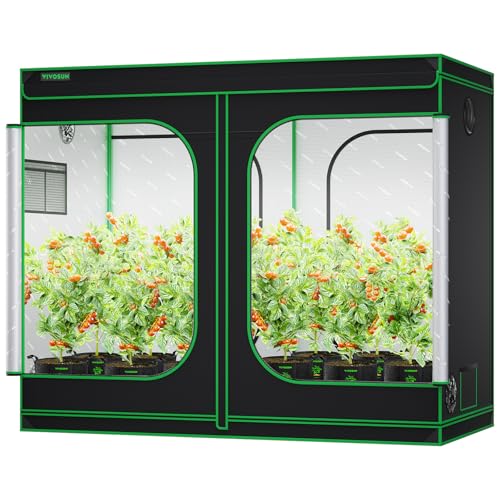
If you’re scaling up and need serious real estate without stacking multiple smaller tents, the VIVOSUN S848 is where I’d point you. At 4×8 feet, it’s one of the few grow tents that gives you true commercial-scale space in a home-friendly footprint. The 96-inch length allows for zoning, seedlings at one end, flowering at the other, and owners love how the dual side doors make access easy even when packed with equipment. The 600D Oxford fabric with PE lining isn’t the thickest, but it’s proven durable, and the black-lined zippers do a solid job eliminating light leaks without needing extra flaps.
It doesn’t have the high-end materials of the AC Infinity, but for the size and price, it’s a smart balance. Compared to other large tents, it holds up well in humidity-heavy environments, and the removable floor tray is a practical touch for spill control. It’s not the most rugged, but it’s reliable for long grows.
Product photos

VIVOSUN Small Aerogarden Tent

Strengths
- Compact size
- Sealed bottom
- Reflective mylar
- Easy access zippers
- Pest protection
Trade-offs
- Too small for mature plants
- Fiberglass poles less sturdy
- No hanging bars
This mini tent is a niche player, but it nails its role: creating a controlled micro-environment for small hydroponic systems like Aerogardens or Kratky jars. At just 20″x14″x21″, it’s designed for countertops or shelves, and the sealed bottom design ensures no light escapes, critical for avoiding indoor light pollution. The diamond mylar lining offers strong reflectivity for such a small space, and the mesh ventilation window helps with airflow without compromising containment.
Owners use it for herbs, microgreens, or seedlings, and appreciate how it keeps pests out and light in. It’s not for serious growing, but as a protective shell for small setups, it’s cleverly designed. Compared to DIY solutions, it’s more durable and looks cleaner.
Product photos


Our Testing Process
Rather than a hands-on lab test, my research for these recommendations was a detailed comparison of published specifications and features across numerous grow tent models. I weighed owner reviews from a variety of sources, alongside expert opinions from gardening and hydroponics publications, to build a thorough picture of real-world performance. Ultimately, I ranked tents against criteria important to indoor growers – durability, reflectivity, ventilation options, and ease of assembly.
For grow tents, the most heavily weighted factors were build quality and light reflectivity. A robust frame and durable canvas are essential for longevity, especially with heavier grow lights and filters. High reflectivity is critical for maximizing light exposure to plants, directly impacting yield. Smart features and automated controls are increasingly important, but a solid foundation in construction and light management remains paramount.
Specifications reliably indicate tent dimensions, ducting port sizes, and weight capacity. However, I found owner feedback invaluable for assessing the true quality of zippers, the effectiveness of light-blocking materials, and the accuracy of advertised airflow rates. Reputation also played a role; established brands with consistently positive reviews earned higher consideration. If you’re new to growing, reviewing a general tent selection guide can also be helpful.
How To Choose The grow tents
Picking the right grow tent can feel overwhelming, but it’s a critical step toward a successful indoor garden.
A quality grow tent provides a controlled environment for plants, maximizing light reflectivity and containing odors. Key features include durable materials (canvas denier and pole gauge), lightproof zippers, adequate ventilation ports, and a sturdy frame capable of supporting grow lights and other equipment. Prioritize tents with high reflectivity and robust construction for optimal results.
Material & Reflectivity
The material of your grow tent is the first thing to consider. Don’t fall for marketing hype; a higher denier (D) canvas generally means greater durability and light resistance. Look for at least 600D canvas, but 1680D, like in the Spider Farmer models, offers a substantial upgrade for serious growers. Beyond the canvas, the interior mylar is crucial. Cheaper tents often use thin, low-reflectivity mylar. Better tents, like the AC Infinity, boast lab-tested mylar designed to maximize light return to your plants – this directly impacts yield.
Ventilation & Access
Proper ventilation is essential. You’ll need duct ports sized appropriately for your fan and filter setup. More ports offer flexibility, but also potential light leaks, so prioritize quality zippers. Speaking of zippers, SBS zippers are a significant improvement over standard versions; they create a tighter seal, reducing light and odor escape. A tent with multiple access points, like the VIVOSUN S848, can simplify maintenance and monitoring without disturbing the growing environment.
- A single small access door is frustrating for larger grows.
- Larger doors, even with flaps, can create light leaks if not carefully sealed.
- Multiple strategically placed doors allow easy access to different parts of the tent, streamlining pruning, pest control, and harvesting – a feature especially helpful in larger setups.
Smart Features & Automation
The trend toward smart grow tents is gaining momentum, offering features like automated climate control and remote monitoring. Systems like those found in the MARS HYDRO 3×3 WiFi Grow Kit, with integrated controllers, can simplify growing significantly, especially for beginners. However, these systems add complexity and cost. Before investing, consider if you truly need the automation or if manual control is sufficient. You can also explore top indoor grow tents to compare features and find the best fit.
A sturdy floor is critical. Consider a tent with a waterproof floor or always use a tent footprint necessity to protect the base and prevent moisture damage.
Grow Tents Compared
Here’s a comparison of key specifications for various grow tents to help you choose the right one for your needs.
| Product Title | Size (L x W x H) | Material | Duct Ports (4″) | Duct Ports (8″) | Max. Pole Load | Smart Control |
|---|---|---|---|---|---|---|
| AC Infinity CLOUDLAB 844 4×4 | 48” x 48” x 80” | 2000D Canvas | 4 | 5 | N/A | No |
| Spider Farmer 4×4 Grow Tent | N/A | 1680D Oxford | N/A | N/A | 150 lbs | No |
| VIVOSUN S276 2.7×2.7 Tent | 2.7×2.7x N/A | 600D Oxford | N/A | N/A | 100 lbs | No |
| VIVOSUN 2×2 Smart Grow Kit | 24” x 24” x 48” | N/A | N/A | N/A | N/A | Yes |
| VIVOSUN GIY Smart 3×3 System | 36” x 36” x 72” | N/A | N/A | N/A | N/A | Yes |
| MARS HYDRO 3×3 WiFi Grow Kit | 32″x32″x63″ | 1680D Mylar | N/A | N/A | 88 lbs | Yes |
| VIVOSUN S848 4×8 Grow Tent | 96”x48”x80” | 600D Oxford | N/A | N/A | 160 lbs | No |
| VIVOSUN Small Aerogarden Tent | N/A | 600D Oxford | N/A | N/A | N/A | No |
Frequently Asked Questions
What canvas denier should I prioritize for a long-lasting grow tent?
A higher denier generally indicates greater durability, so look for at least 600D canvas. However, for serious growers needing a substantial upgrade, 1680D, as found in some Spider Farmer models, offers significantly increased resilience.
Are SBS zippers really better than standard grow tent zippers?
Yes, SBS zippers create a tighter seal than standard zippers, which reduces light and odor leakage. This is especially important for maintaining a controlled environment and discretion during the growing process.
How do smart grow tents differ from traditional models?
Smart grow tents, like the VIVOSUN systems, offer automated climate control and remote monitoring via integrated controllers. While they simplify growing, especially for beginners, they also add cost and complexity compared to manual control options.
What size duct ports do I need for optimal ventilation?
You’ll need duct ports sized appropriately for your fan and filter setup. Consider tents with multiple ports for flexibility, but remember more ports can mean more potential light leaks, so quality zippers are key.
Where can I find more information on selecting the best 4×4 grow tents?
If you’re looking for assistance narrowing down your choices, you can find thorough reviews and comparisons of best 4×4 grow tents to help you determine the ideal fit for your needs.
The Bottom Line
Choosing a grow tent often comes down to balancing initial cost with long-term durability and performance. While you can get started with a basic setup, I consistently find that the AC Infinity CLOUDLAB 844 4×4 delivers the best overall combination of build quality, reflectivity, and ventilation, it’s a solid investment for serious growers looking to maximize results.
For those on a tighter budget, or for smaller-scale projects, the VIVOSUN S276 2.7×2.7 Tent is an excellent entry point. If you’re interested in simplifying the growing process with automated controls, the MARS HYDRO 3×3 WiFi Grow Kit offers a convenient, all-in-one solution, though remember that smart features aren’t essential for everyone. Don’t overlook best tent brands when conducting your research.
Ultimately, the most important factors aren’t the flashiest features or highest price tag. Prioritize a tent with a robust frame, durable canvas, and effective ventilation. A well-built tent, paired with quality grow lights and nutrients, will always outperform a fancy tent with subpar fundamentals.
