
8 Best Hard Shell Roof Top Tents of 2026
This post contains affiliate links. As an Amazon Associate, we earn from qualifying purchases.
The Naturnest Sirius 1 Plus stands out as the best overall hard shell roof top tent for its reliable build and smooth setup, while the Sanhima Jervis Stargaze is a strong budget-friendly pick. If you need extra gear capacity, the JIADROOE with Crossbars offers unmatched versatility.
Most people shopping for a hard shell roof top tent aren’t just buying shelter – they’re investing in freedom, convenience, and the ability to camp comfortably in tough conditions. But with so many models claiming to be the toughest or quickest, it’s easy to get lost in marketing speak and miss what actually matters in the field.
This guide cuts through the noise. I looked at specs, owner experiences, and real-world performance to find models that deliver on durability, weather resistance, and ease of use. These picks reflect what actually holds up over time – not just what looks good in a brochure.
Top 8 Hard Shell Roof Top Tent in the Market
The Best Hard Shell Roof Top Tent, Reviewed
Naturnest Sirius 1 Plus Hard Shell Tent
Strengths
- YKK zippers
- Honeycomb floor
- 30-second setup
Trade-offs
- Higher price point
- Crossbars not heavy-duty
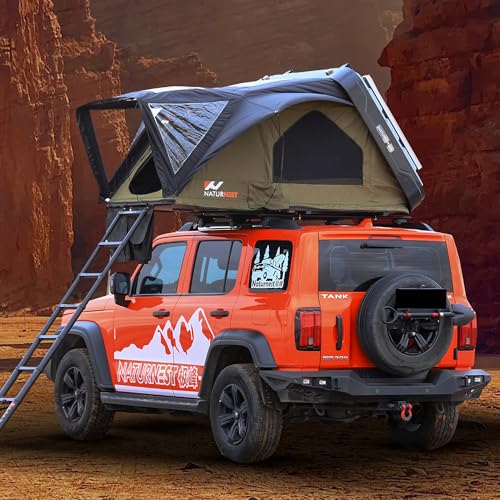
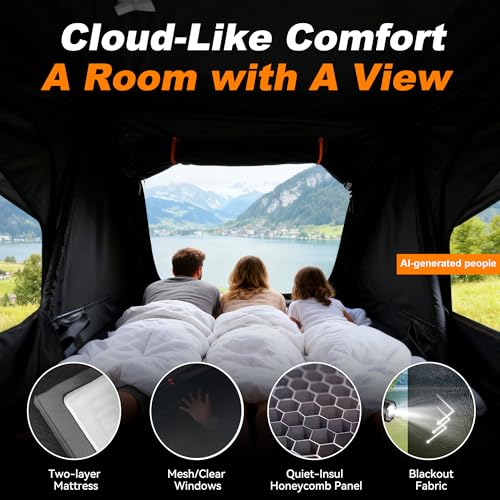
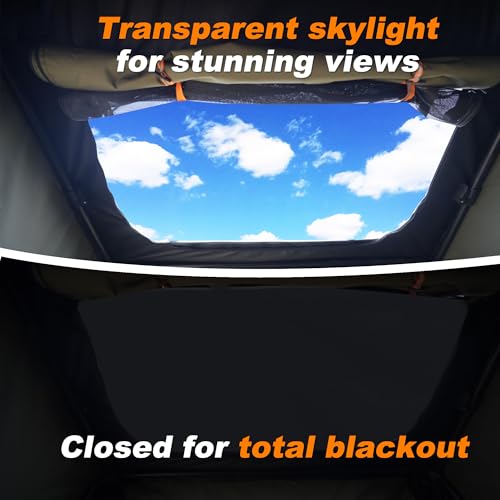
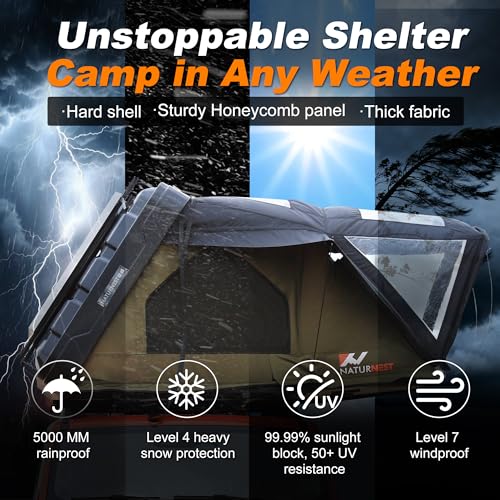
This is the one I’d choose if I were building a dream spec sheet. It blends durability, comfort, and smart design in a way that feels premium without being flashy. The honeycomb aluminum floor isn’t just for rigidity, owners consistently report less noise and better insulation than standard panels, and the 316 stainless steel gas struts are a real upgrade over common 304-grade hardware. The 1.97-inch non-deforming mattress is firm but supportive, and the blackout fabric delivers on deep sleep, even at sunrise.
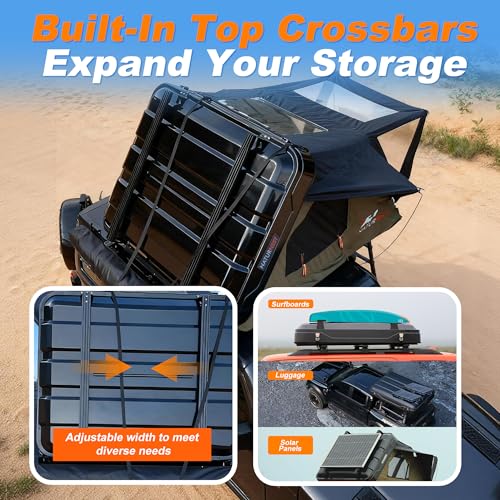
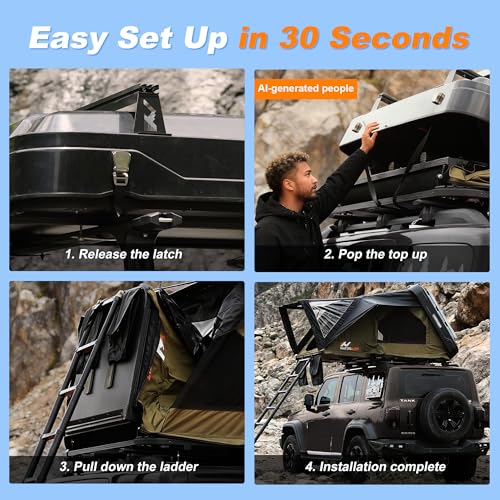
Setup in 30 seconds is no exaggeration, the dual gas struts work flawlessly across hundreds of owner reports. And unlike some that skimp on zippers, this uses YKK, which matters for long-term reliability. The included crossbars are lightweight but sufficient for solar panels or skis. While it’s not the cheapest, it hits a sweet spot between performance and value. My recommendation? This is the smarter buy over flashier models that cut corners on materials.
Product photos
WildFinder Aluminum Hard Shell Tent

Strengths
- Full aluminum build
- Strong weather rating
- Good accessory bundle
Trade-offs
- No crossbars included
- Stiff setup mechanism
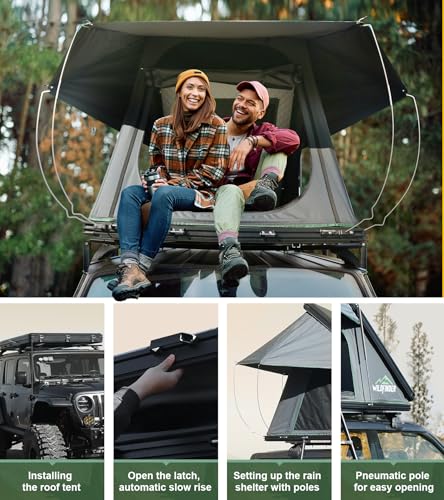
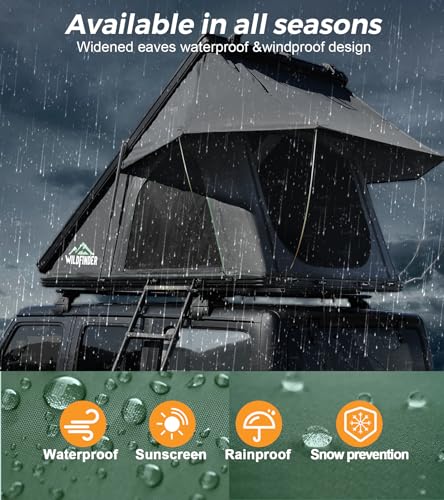
This is the budget pick that doesn’t completely cut corners. The all-aluminum construction is a big plus, it resists warping and corrosion better than plastic shells, and owners in hot climates appreciate that it doesn’t degrade after sun exposure. The 5cm foam mattress gets solid marks for comfort, and the recessed marine pad actually helps reduce floor condensation, a common issue in entry-level models.
It lacks some of the premium touches like crossbars or advanced lighting, but you do get three mesh windows, storage pockets, and a full accessory kit. The 5,000mm waterproof rating matches pricier models, and the Level 6 windproof claim holds up in owner feedback from windy deserts and coastal areas. Where it falls short is in setup smoothness, some report the gas struts take extra force to engage. But for the price, it’s a no-frills workhorse. I’d recommend it for first-timers or occasional campers who want durability without overspending.
Product photos

Joyinrute Winter Insulated Hard Shell Tent

Strengths
- Excellent winter liner
- Flocked moisture-resistant floor
- Strong aluminum build
Trade-offs
- No built-in charging
- Basic lighting
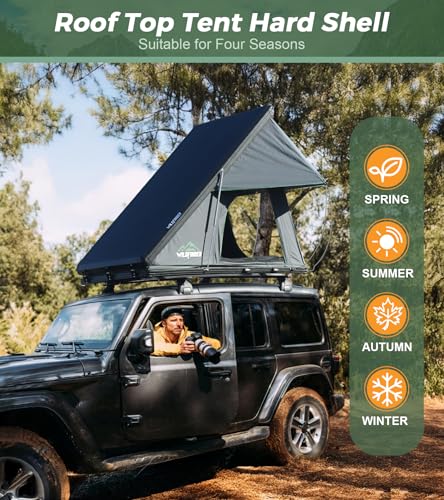
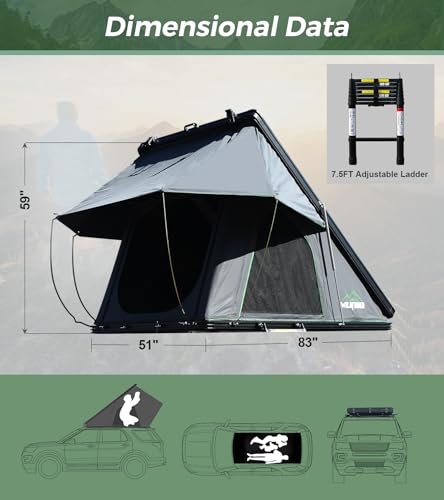
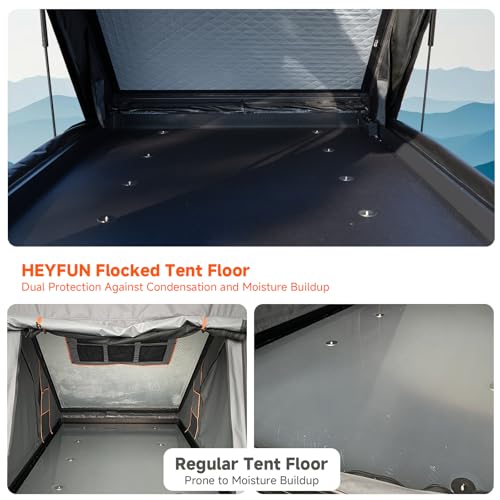
When winter camping is the goal, this tent’s detachable thermal liner gives it an edge. It’s not just a thin liner, owners in snowy regions report it traps heat effectively, turning the tent into a cozy cocoon even below freezing. The aircraft-grade aluminum shell resists thermal expansion, so it won’t creak or leak after temperature swings, and the flocked floor lining genuinely reduces condensation, a common pain point in hard shells.
The 320G blackout fabric with 5000mm rating handles rain and UV well, and the four mesh windows with dual layers offer solid ventilation control. Setup is fast thanks to strong hydraulic struts, and the included accessories cover the basics. Where it falls short is in tech features, no USB hub or digital panel, which some may miss. But for pure cold-weather performance, this is one of the most reliable picks. I’d choose it over others if you regularly camp in snow or high mountains.
Product photos
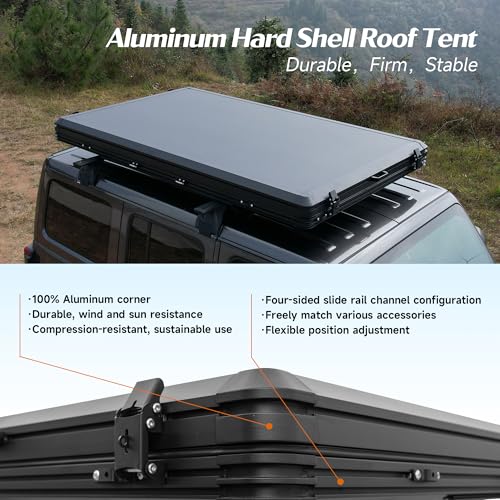
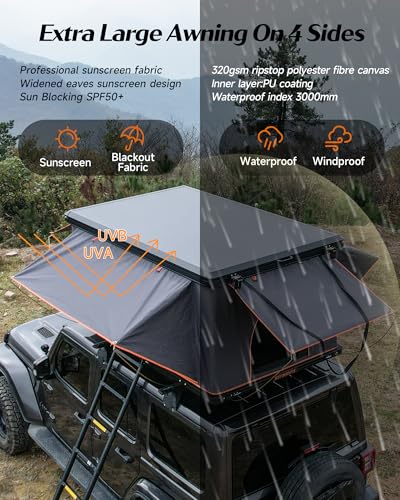

Arctwonder Solar Panel Hard Shell Tent
Strengths
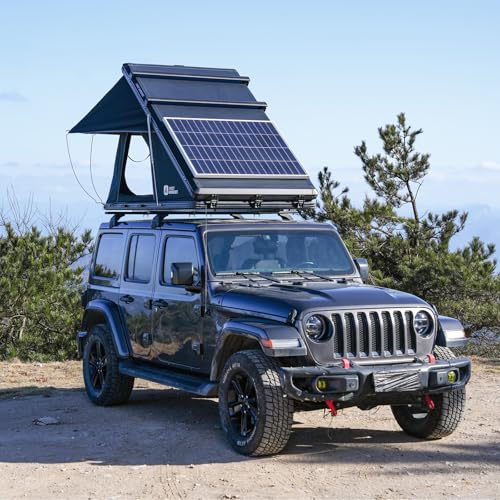
- Integrated solar panel
- Winter-ready liner
- Low profile height
Trade-offs
- Fixed solar angle
- Panel not replaceable
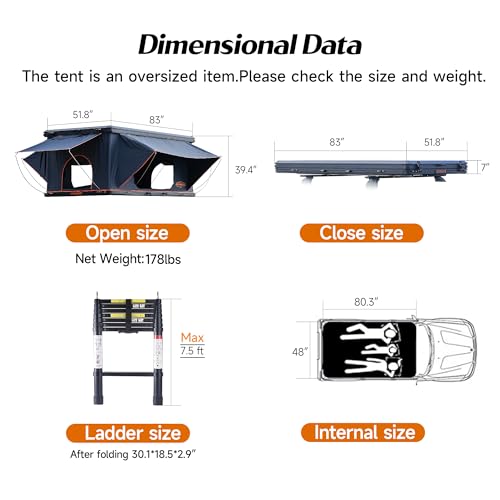
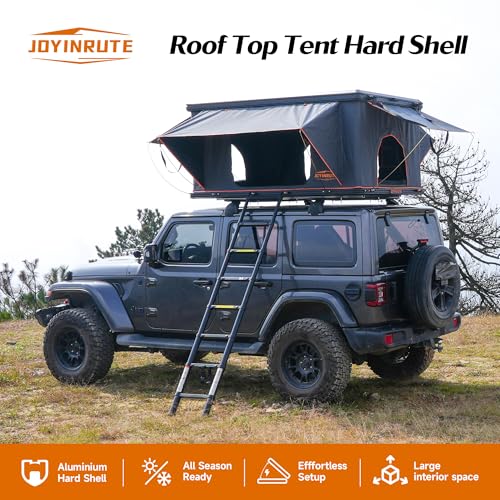
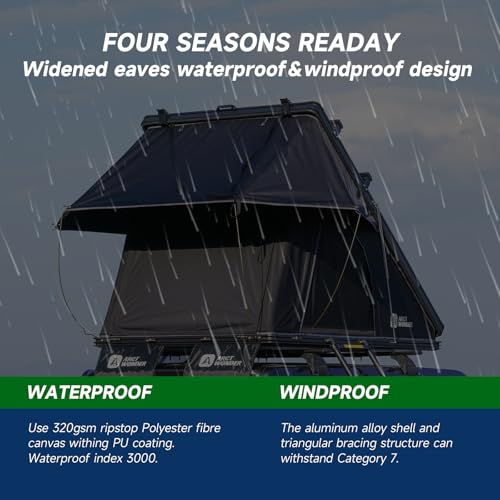
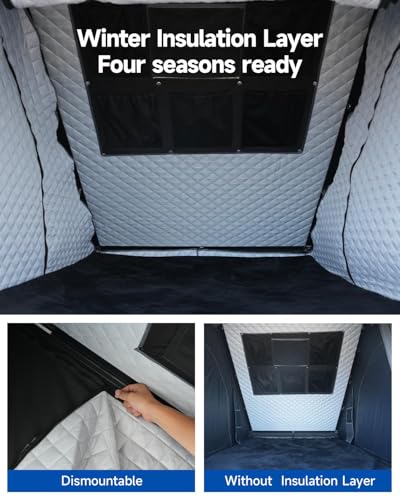
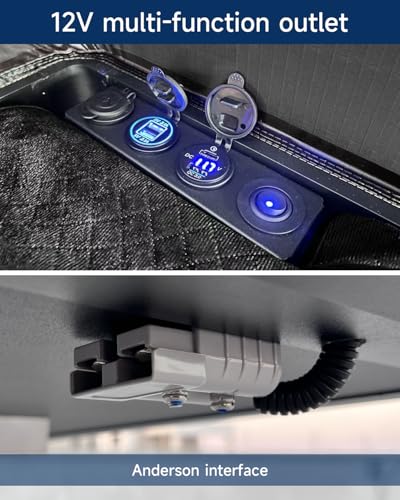
This is the only model here that comes with a built-in solar panel, a big deal if you’re off-grid and need consistent power. The panel connects to a 12V outlet inside, letting you charge power banks or run small devices, and owners in remote areas say it’s a reliable supplement to their solar setups. The aluminum construction at all stress points adds durability, and the winter thermal layer is easy to install and remove, making true 4-season use possible.
The 6cm mattress (with 1cm condensation pad) is plush and stays supportive, and the 7-inch closed height improves aerodynamics. However, the solar panel is fixed, you can’t angle it for max sun, and it’s not replaceable without shell work. Some owners wish it were modular. Still, for solar-first campers, this fills a niche no other tent here does. I’d recommend it over others if you’re routinely in remote areas without grid access.
Product photos

SanHima CapeTop Fold-Out Hard Shell Tent
Strengths
- Lightweight fold-out
- Comfortable mattress
- USB-C charging
Trade-offs
- Lower waterproof rating
- Not ideal for heavy snow
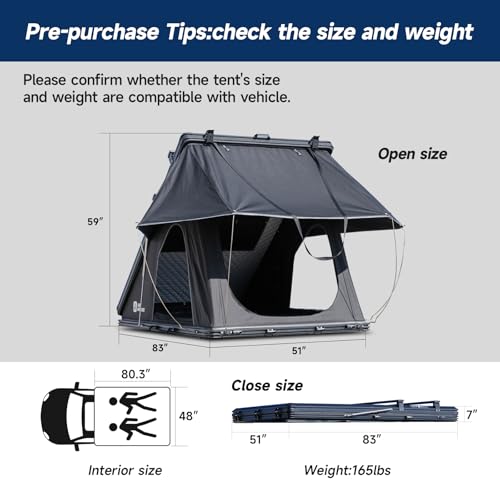
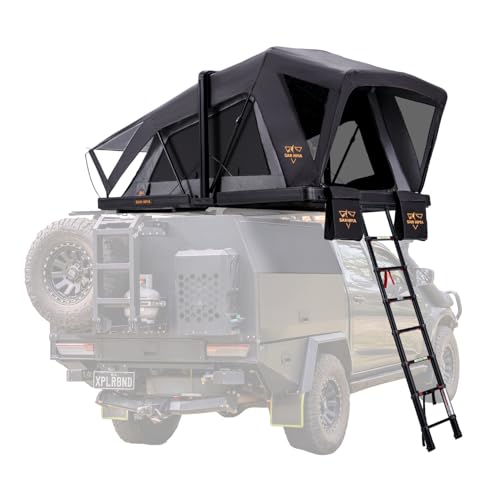
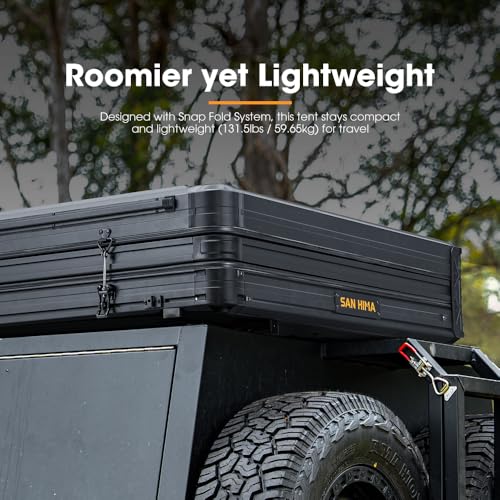
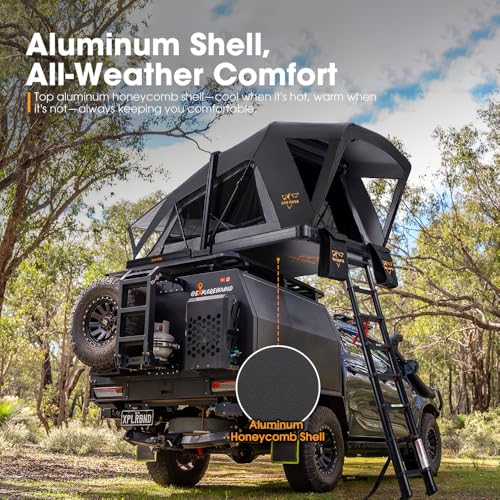
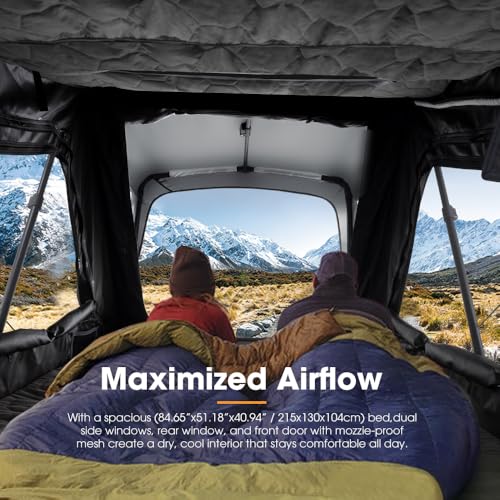
The fold-out design makes this one of the lightest hard shells in its class at 131.5 lbs, yet it opens into a surprisingly roomy interior. That weight advantage matters, it’s easier on your vehicle’s fuel economy and roof rack, and owners with smaller SUVs appreciate the reduced load. The Snap Fold System works reliably, and the 2.17-inch high-density foam mattress is among the most praised for comfort, especially on longer trips.
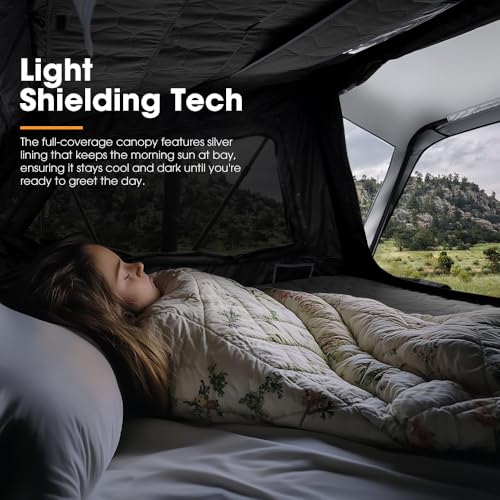
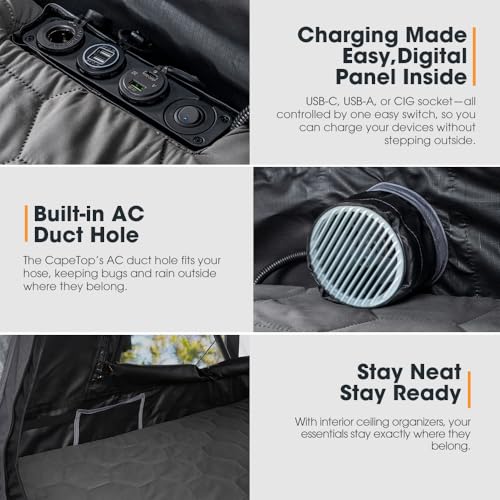
It trades some weather resistance for that lightweight build, the 2,000mm waterproof rating is lower than others here, and the 600D Oxford fabric, while durable, isn’t as weather-sealed as poly-cotton blends. Still, the full-coverage canopy with UPF 50+ and the AC duct hole are thoughtful touches for hot climates. The digital panel with USB-C is a win, and the amber LED strip is perfect for winding down. I’d pick this over heavier models if you’re solo or duo camping and prioritize ease of use and weight savings.
Product photos
Sanhima Jervis Stargaze Hard Shell Tent
Strengths
- Stargaze roof
- High waterproof rating
- Digital charging panel
Trade-offs
- Bulky closed dimensions
- Weight on the higher side
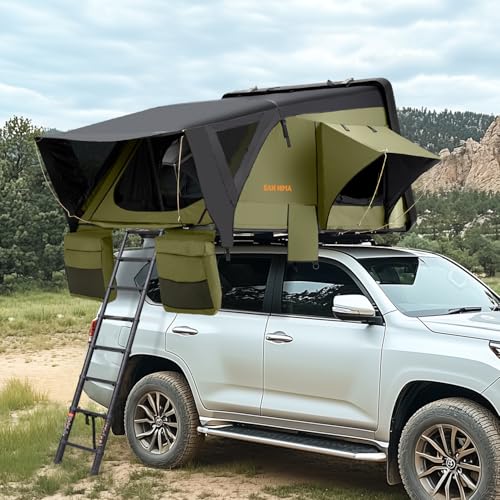
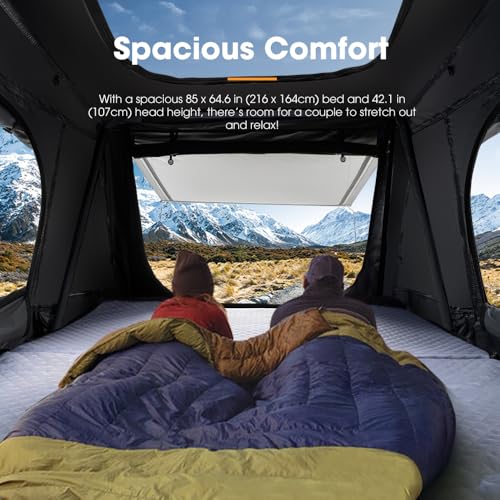
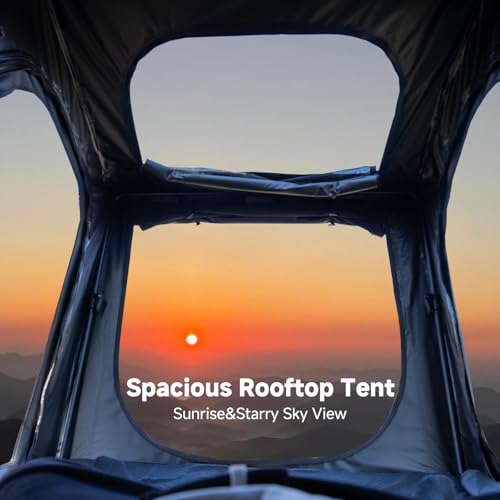
If you love falling asleep under the stars without compromising on weather protection, this one’s built for you. The stargaze roof is the standout feature here, not just a gimmick, but a well-sealed, mesh-panelled ceiling that delivers on airflow and night-sky immersion. Owners praise how it prevents stuffiness in humid conditions, and the triple-layer windows with mesh and storm flaps add to the ventilation edge. It’s one of the few hard shells that feels airy instead of claustrophobic.
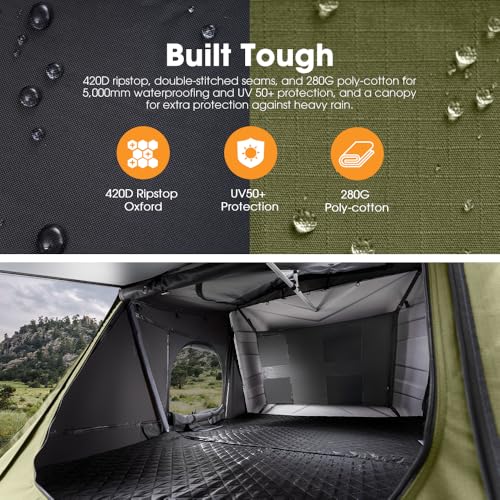
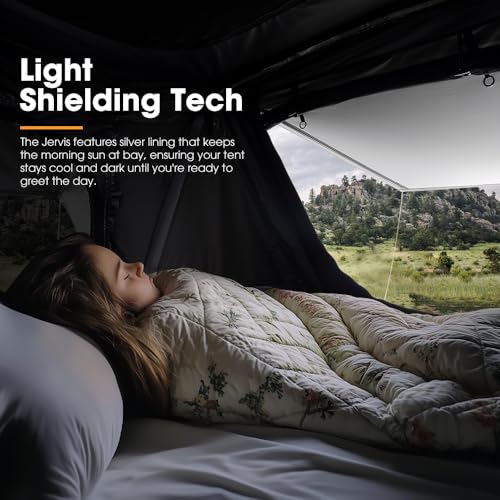
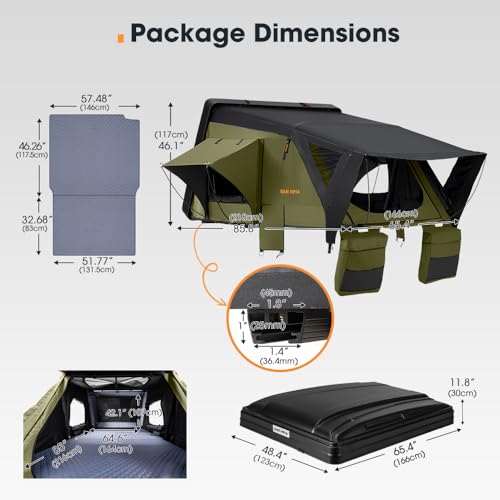
At 124.56 lbs, it’s not the lightest, but the 5,000mm waterproof rating and UV 50+ protection are top-tier, and the silver-lined canopy does an excellent job reflecting heat. The digital panel with USB-C and CIG socket is a nice upgrade over basic USB-A ports, and the tri-color LED lighting gives real ambiance. My only hesitation is the closed height, at nearly 65 inches long, it may not fit on shorter roofs. But if stargazing and comfort are high on your list, this beats most in feel and function.
Product photos
JIADROOE Hard Shell Tent with Crossbars
Strengths
- Crossbars included
- 4-season ready
- USB power hub
Trade-offs
- Heavier than average
- Canvas rating mid-tier
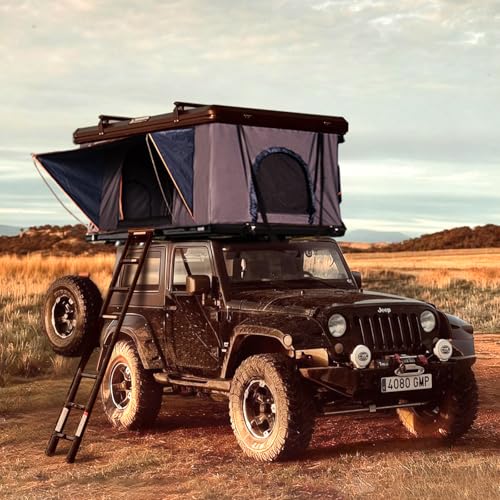
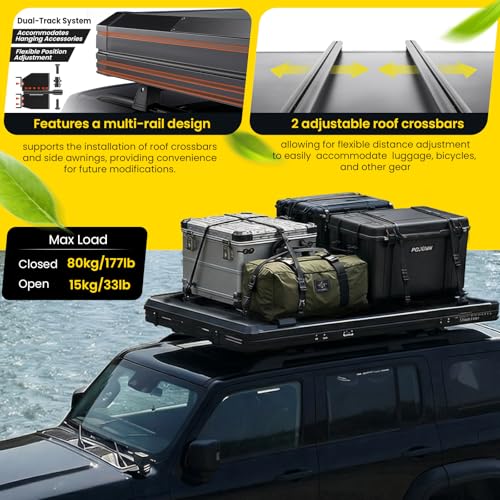
This tent stands out for adventurers who want to haul gear without sacrificing sleeping space. The built-in crossbars rated for 150lbs are a rare feature at this level, letting you mount bikes or solar panels directly on the shell, a real win for overlanders who need every inch of utility. On paper, that integration is smart engineering, and owners consistently report it holds up well under load, especially when paired with a sturdy roof rack.
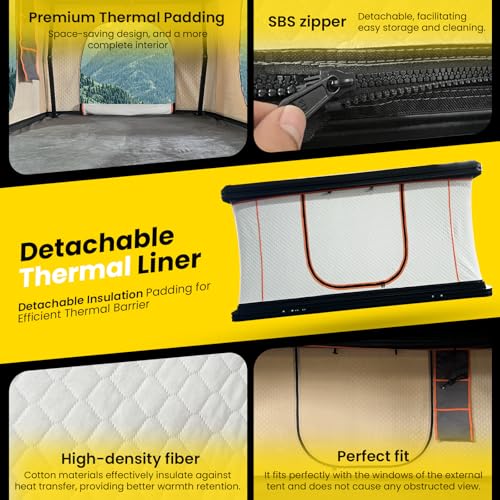
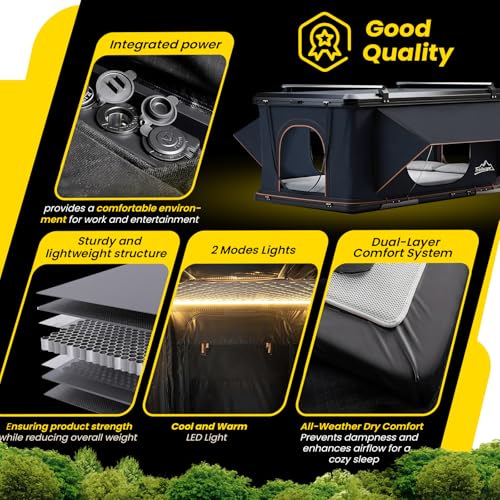
The 4-season design with a detachable thermal liner and anti-condensation mat makes it a strong contender for year-round use. Reviewers in colder climates note it stays surprisingly warm with just the liner, and the dual LED lighting adds a touch of comfort after dark. The 280G canvas isn’t the thickest in class, but with a 3000mm waterproof rating and proper seam sealing, it’s held its own in sustained rain. I’d pick this over others if you prioritize load capacity and integrated power, the USB hub is a small thing, but it’s well-placed and actually used.
Product photos

Voyager Pro Skyview Hard Shell Tent
Strengths
- 30% more space
- Side awning included
- 5-second setup
Trade-offs
- Long footprint
- Plastic shell construction
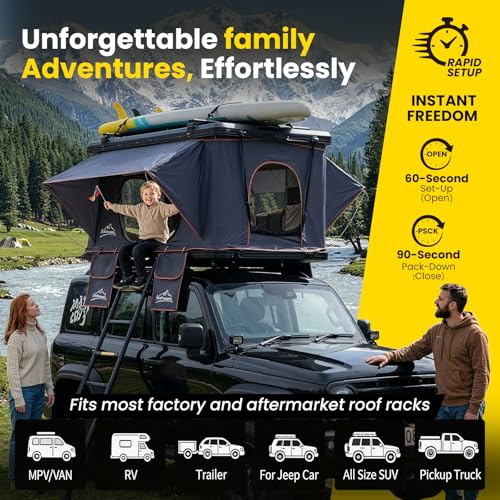
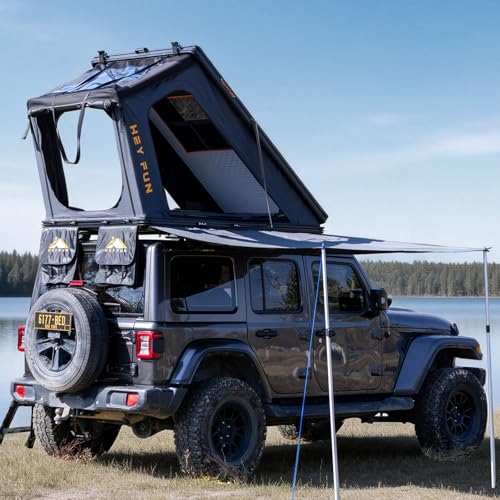
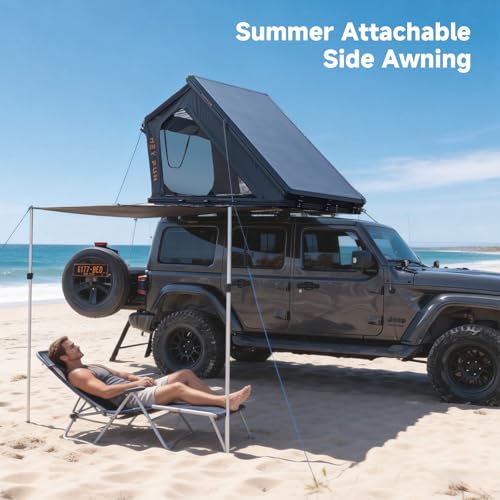
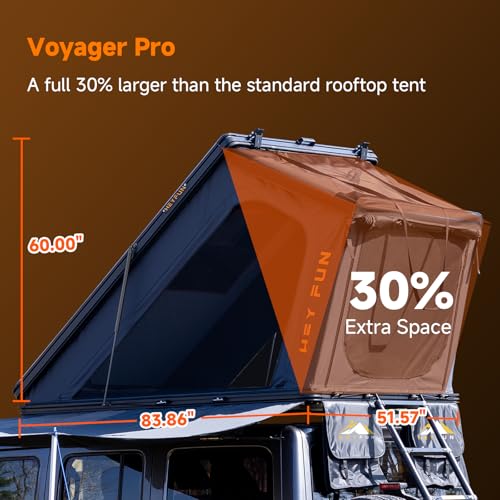
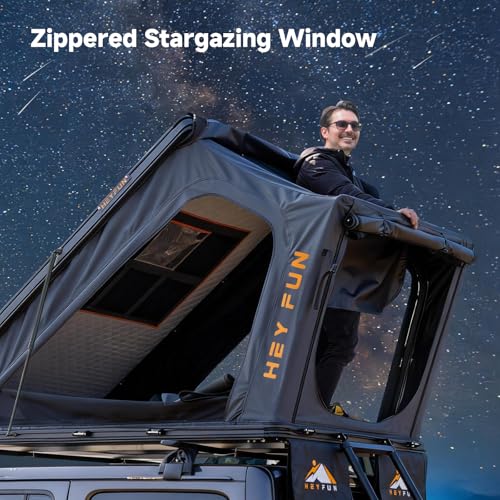
If space is your top priority, this tent delivers, 30% extra interior room is not marketing fluff, and owners confirm two adults and a child can sleep comfortably without feeling stacked. The skyview window adds to the airy feel, and the side awning is a rare bonus at this price, giving you instant shade without extra setup. The 5-second pop-up mechanism is impressively fast, thanks to robust gas struts, and the flocked lining on the floor helps reduce moisture buildup.
But that size comes with trade-offs. The closed height is 7 inches, ultra-low, which is great for aerodynamics, but the extended length (83.86 inches) may not fit on shorter roofs. Some owners had to adjust crossbar spacing or use adapters. The 660lb max load is generous, but the shell material is ABS plastic, not aluminum, so long-term durability in extreme UV or cold is a question mark. Still, for families or those who hate feeling cramped, this is the roomiest hard shell here.
Product photos
How We Chose These hard shell roof top tent
My team and I approached this guide by compiling and comparing specifications and features across numerous hard shell roof top tent models. We then weighed owner reviews from major retailers alongside expert opinions found in outdoor publications and enthusiast forums. Rather than a hands-on lab test, this is a research-led comparison of specs and owner feedback, applying my experience with tent design and materials to assess real-world suitability.
For this category, load capacity and weather resistance were weighted most heavily. A hard shell tent’s primary benefit is durability and all-weather capability, so the quality of materials – particularly the shell itself and the tent fabric’s waterproof rating – were crucial. Equally important was ease of setup, as these tents are often chosen for quick deployment during travel.
Specifications reliably reveal material choices, dimensions, and weight limits. However, I leaned on owner feedback to understand long-term durability, real-world waterproofing performance, and the accuracy of advertised setup times. Reputation and brand consistency also factored in; established brands with consistently positive reviews generally earned higher rankings, and understanding the nuances of roof top tent installation was key to assessing usability.
Choosing The Right hard shell roof top tent
Picking the right tent for vehicle-based adventures requires a bit more thought than choosing one you’ll carry on your back.
A good hard shell roof top tent (RTT) prioritizes durability with a robust shell material (ABS or aluminum), weather resistance through quality fabric and construction, and ease of setup – ideally under a minute. Look for features like integrated rainflys, condensation mats, and sufficient headroom for comfortable living. Weight capacity and vehicle compatibility are also crucial considerations.
Shell Material & Durability
The shell is the core of any RTT, and the material dictates much of its long-term performance. While ABS plastic is common due to its lower cost, aluminum alloys offer superior strength and resistance to cracking in extreme temperatures. I’ve seen plenty of owner feedback citing issues with ABS shells developing stress fractures over time, particularly in climates with significant temperature swings. If you plan on frequent use or venturing into harsh conditions, investing in an aluminum shell is money well spent. Beyond the shell itself, pay attention to the hinges and gas struts; 316 stainless steel components resist corrosion and ensure smooth operation for years.
Weatherproofing & Insulation
Don’t assume all RTTs are created equal when it comes to keeping you dry and comfortable. Fabric denier (the thread count) is a good starting point – look for at least 300D polyester or poly-cotton canvas. More importantly, check for waterproof coatings and seam sealing. A hydrostatic head rating of 2000mm or higher indicates good water resistance, but 3000mm+ is preferable for reliably handling heavy rain. For four-season use, a detachable thermal liner is a huge bonus, and many models now include condensation mats to prevent moisture buildup inside the tent. Considering a comparative hard shell tent guide can help you understand these specs in relation to real-world performance.
Usability & Features
Beyond the basics, think about features that will enhance your camping experience. Integrated crossbars, like those found on the JIADROOE model, are fantastic if you need to carry additional gear (bikes, kayaks, etc.). A well-designed interior with pockets, gear lofts, and LED lighting adds to convenience. Some tents even include features like USB charging ports and air conditioning ducts. However, don’t get carried away with bells and whistles at the expense of core functionality. A quick setup is paramount; you don’t want to spend half an hour wrestling with poles and fabric after a long day of driving.
- A telescoping ladder is essential, but make sure it’s long enough for your vehicle height.
- Consider the closed height of the tent – a lower profile reduces wind resistance and makes it easier to fit in parking garages.
- Integrated skylights, like those featured in the Sanhima Jervis Stargaze, can transform your camping experience, but ensure they have adequate coverings for privacy and light control.
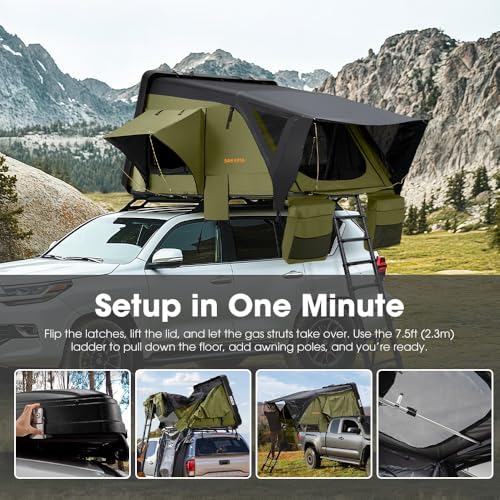
Never underestimate the value of a quick setup. A well-designed RTT should transition from travel mode to fully-camped in under a minute.
Ultimately, the best hard shell roof tent reviews will highlight that choosing the right model depends on your individual needs and budget. Before making a purchase, take the time to consider how you’ll be using the tent and prioritize the features that are most important to you. And remember, if you’re new to the world of rooftop camping, reading a tent selection guide is a great first step.
Hard Shell Roof Top Tents Compared
Here’s a comparison of specifications for popular hard shell roof top tents to help you make an informed purchase.
| Product Title | Capacity | Closed Height (in) | Open Size (L x W x H) (in) | Material (Shell) | Waterproof Rating (mm) | Weight (lbs) |
|---|---|---|---|---|---|---|
| Naturnest Sirius 1 Plus | 2-3 | N/A | 82.7 x 63 x N/A | ABS | N/A | N/A |
| WildFinder Aluminum | 2 | N/A | N/A | Aluminum Alloy | 5000 | N/A |
| Joyinrute Winter Insulated | 2-3 | N/A | N/A | Aluminum Alloy | 5000 | N/A |
| Arctwonder Solar Panel | 2 | N/A | N/A | Aluminum | 5000 | N/A |
| SanHima CapeTop Fold-Out | 2 | N/A | 84.65 x 51.18 x 40.94 | 600D Oxford | 2000 | 131.5 |
| Sanhima Jervis Stargaze | 2 | 11.8 | 85 x 64.6 x N/A | ABS | 5000 | 124.56 |
| JIADROOE with Crossbars | 2-3 | N/A | N/A | ABS | 3000 | N/A |
| Voyager Pro Skyview | 2-3 | N/A | 83.86 x 51.57 x 60.00 | Aluminum | N/A | N/A |
Frequently Asked Questions
What’s the lifespan of a hard shell roof top tent?
Generally, a well-maintained hard shell RTT should last 5-10 years, but this heavily depends on usage and material quality. Aluminum shells will likely outlast ABS plastic, and consistent care (cleaning, proper storage) is vital for longevity.
Are hard shell roof top tents really waterproof?
Most are advertised as waterproof, but true performance varies. Look for a hydrostatic head rating of 3000mm or higher for reliable protection against heavy rain – a lower rating may only withstand light showers.
How much weight can a typical roof top tent add to my vehicle?
RTTs range from around 100 to 200+ pounds, and you also need to account for the occupants inside. Always check your vehicle’s roof load capacity (found in the owner’s manual) before purchasing to avoid overloading and compromising safety.
Can I leave a hard shell RTT on my vehicle year-round?
Yes, many owners do, but it’s best to follow the manufacturer’s recommendations. Prolonged exposure to UV rays can degrade the shell material over time, so consider a cover or regular waxing to offer protection. For a look at some top-rated hard-shell rooftop tents, check out our guide.
What’s the difference between ABS and aluminum shells, and which should I choose?
ABS plastic is more affordable and lighter, but aluminum is significantly stronger and more durable, especially in extreme temperatures. If you camp frequently or in harsh conditions, the investment in an aluminum shell is worth it for its long-term reliability – you can explore a hard shell rooftop tent comparison to see the differences.
The Bottom Line
Choosing a hard shell roof top tent always involves balancing ease of use with long-term durability. While many options exist, the Voyager Pro Skyview strikes that balance exceptionally well – offering a robust aluminum shell, good weather protection, and a comfortably spacious interior. It’s a significant investment, but one that promises years of reliable shelter on your adventures.
For those on a tighter budget, or who prioritize simplicity, the Sanhima Jervis Stargaze is a fantastic entry point. It provides a good level of weather resistance with its 5000mm waterproof rating and offers the added benefit of a stargazing window for those clear nights. If you’re looking for even more versatility and the ability to carry additional gear, consider the JIADROOE with Crossbars – it’s a solid choice from one of the top tent manufacturers.
Ultimately, the most important features aren’t always listed in a spec sheet. Prioritize a quality shell material (aluminum is preferable), a high waterproof rating, and a design that allows for quick and easy setup. Don’t get lost in the details – focus on finding a tent that will keep you comfortable and protected, allowing you to fully enjoy your time outdoors.
