
8 Best Hardshell Rooftop Tents for 2026
This post contains affiliate links. As an Amazon Associate, we earn from qualifying purchases.
The WildFinder Aluminum Alloy Rooftop Tent stands out as the best overall hardshell rooftop tent thanks to its durable construction, strong weather resistance, and solid owner feedback. For those watching their budget, the ILANDER Aluminum Alloy model offers a reliable entry point without sacrificing too much on quality. If you’re after something unique with off-grid capability, the Solar Panel Roof Top Tent brings integrated power to the table.
Most people shopping for a hardshell rooftop tent aren’t just buying shelter, they’re buying freedom, convenience, and the ability to camp confidently in rough weather. But with so many options claiming to be the toughest or most feature-packed, it’s easy to end up with something overpriced, underbuilt, or just plain impractical.
I compared dozens of models based on shell material, weatherproofing, ease of use, and real-world owner experiences. These picks reflect what actually holds up over time, not just what looks good on paper. Whether you’re chasing alpine storms or weekend sunrises, this guide cuts through the noise to show you what matters.
Top 8 Hardshell Rooftop Tent in the Market
The Best Hardshell Rooftop Tent, Reviewed
WildFinder Aluminum Alloy Rooftop Tent
Strengths
- Full aluminum construction
- Excellent weather resistance
- High storage capacity
Trade-offs
- No power integration
- No stargazing roof
- Ladder organizer basic
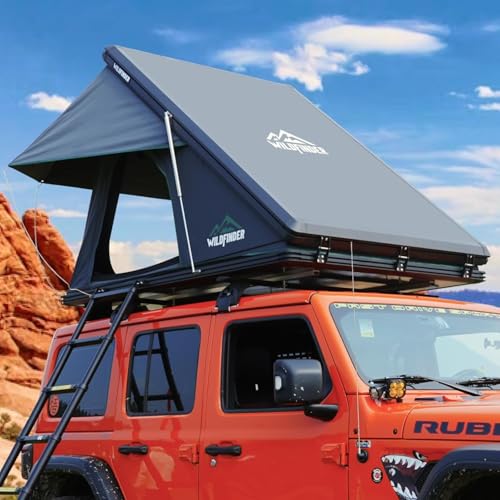
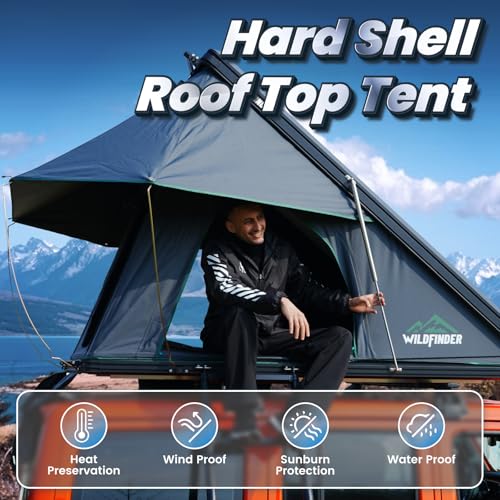
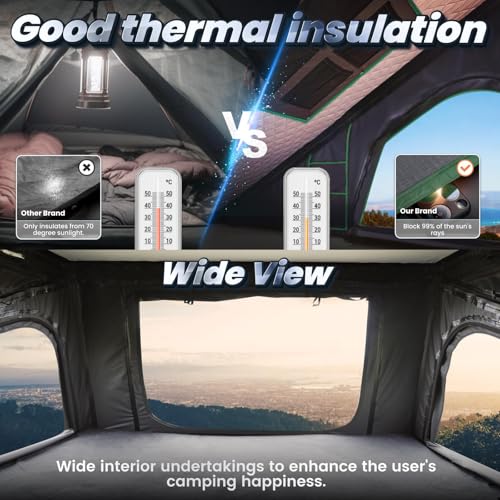
With its 100% aircraft-grade aluminum shell and stainless steel air pressure levers, the WildFinder feels like a no-nonsense, built-to-last shelter. It’s not flashy, but the specs are rock solid, 5000mm waterproofing, 99.99% sun protection, and snow resistance up to Level 4 make it one of the most weather-ready options here. The recessed marine pad and condensation layer are smart touches that keep the interior dry, a common pain point in humid or cold conditions.
The 10 included storage bags and dual shoe organizers add real utility, and the 5cm non-deforming mattress strikes a good balance between comfort and support. It lacks solar or climate ducts, but what it does offer, it does well. For sheer reliability and thoughtful design, it earns its ‘Best Overall’ label.
Product photos


ILANDER Aluminum Alloy Rooftop Tent
Strengths
- Lightweight aluminum shell
- 30-second setup
- Good ventilation windows
Trade-offs
- Lower waterproof rating
- No stargazing option
- No power integration
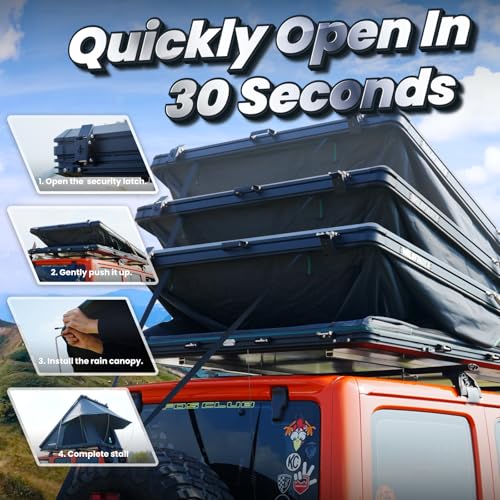
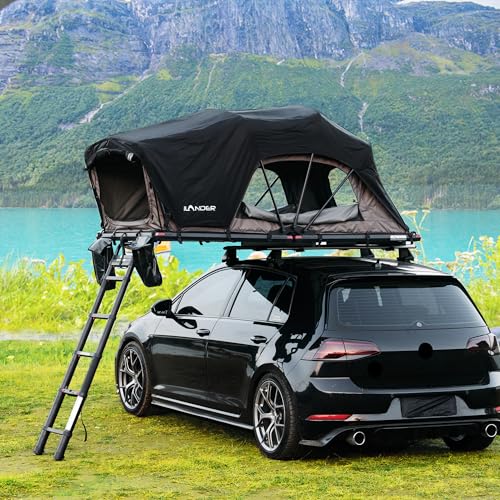
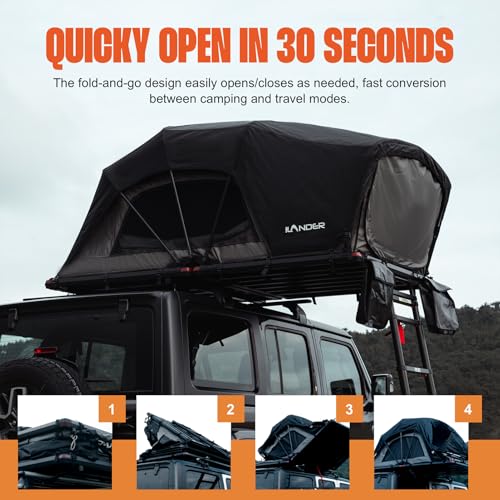
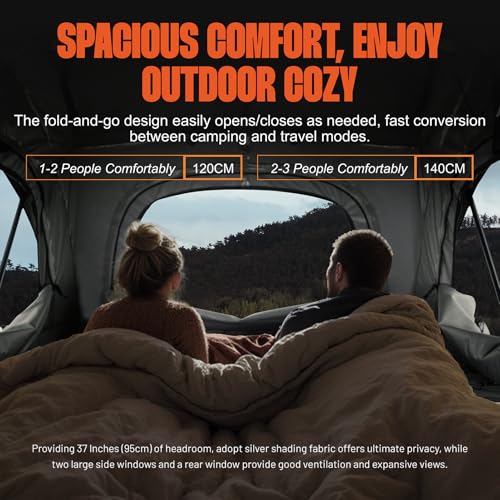
For a budget-friendly hardshell rooftop tent, the ILANDER delivers solid specs on paper and checks key boxes for durability and weather resistance. The aerospace-grade aluminum shell stands out, it’s lightweight at 39kg for the tent body, which helps reduce strain on your roof rack, and the 10.3-inch closed profile cuts wind drag more than bulkier models. Owners consistently report the 30-second setup is as smooth as advertised, thanks to the ergonomic folding mechanism and secure latches.
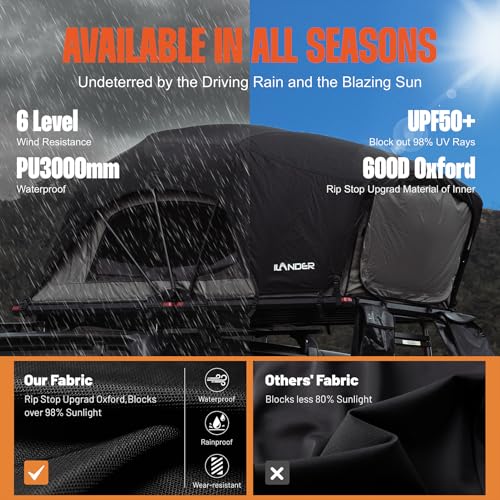
Water resistance is rated at 2000mm, which is acceptable for light to moderate rain but falls short compared to others in this list hitting 5000mm. The silver shading fabric does a decent job with UV protection and privacy, and the 6cm high-density mattress is a plus for comfort. Still, given the lower waterproofing threshold and lack of advanced ventilation features, I’d be cautious with this in prolonged downpours.
Product photos

Joyinrute Aluminum Rooftop Tent

Strengths
- Winter thermal liner included
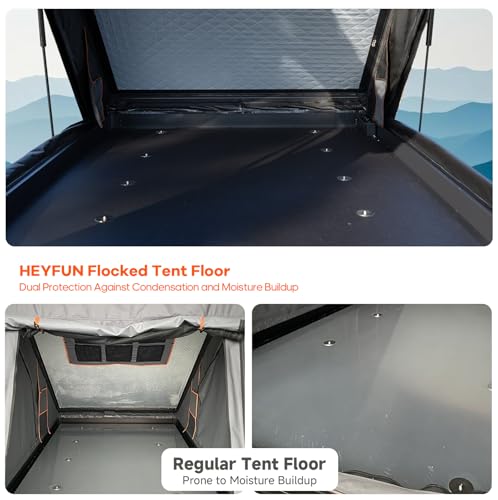
- Flocked anti-condensation floor
- Complete accessory bundle
Trade-offs
- No solar or power ports
- No stargazing option
- Thinner mattress than competitors
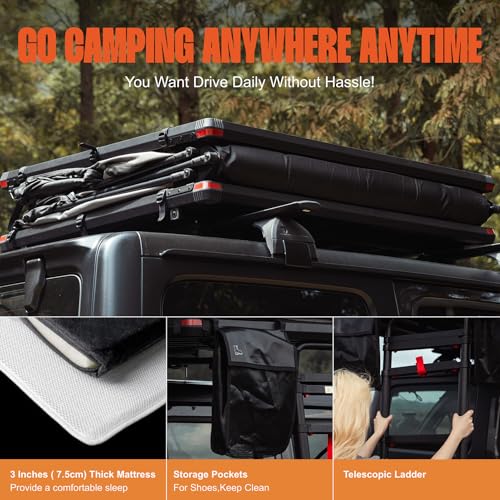
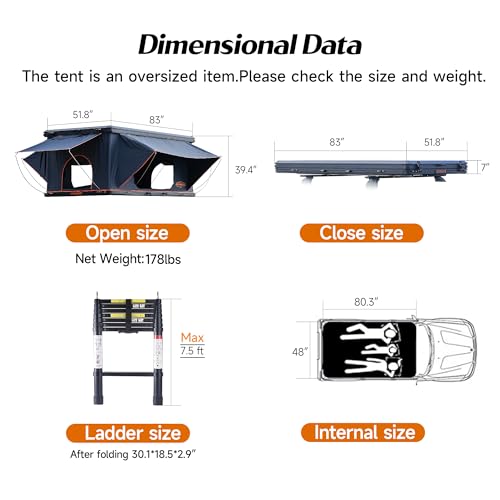
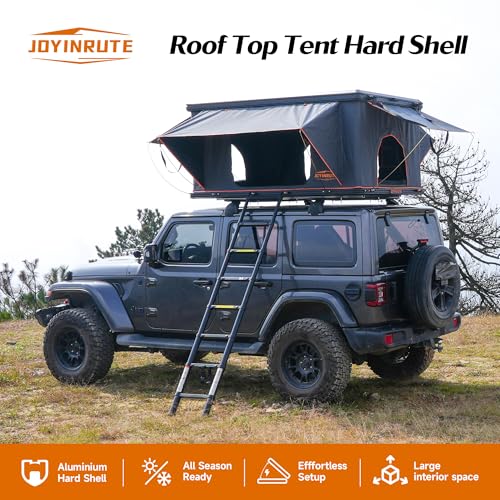
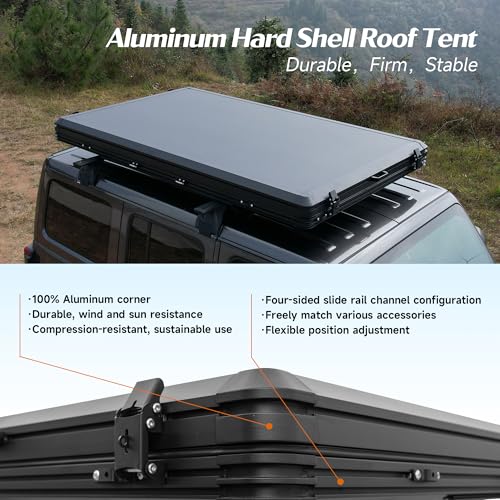
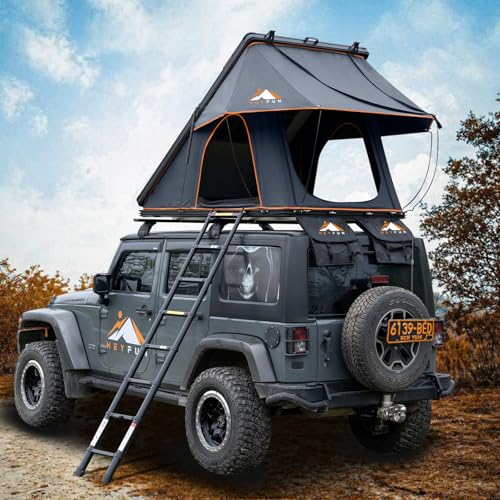
The Joyinrute packs a surprising number of high-end features for its price, making it a strong value pick. The dismountable winter thermal liner is a standout, true four-season functionality without overpaying. Combined with 5000mm waterproofing and wind resistance up to Grade 6, it handles cold and stormy weather better than most in this range. The flocked lining floor is another thoughtful touch, reducing condensation that plagues cheaper models.
Owners appreciate the full accessory kit, LED strip, shoe organizers, five internal bags, and a telescoping ladder. The 4 hydraulic struts deliver smooth, reliable operation, though not quite as fast as the Adventurer Pro. It doesn’t have solar or a stargazer roof, but for what it offers, it hits a sweet spot between capability and cost.
Product photos
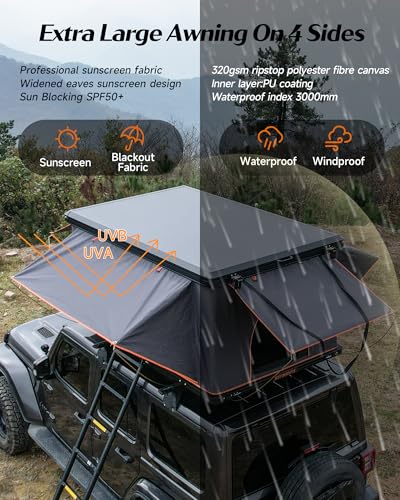

Adventurer Pro Pop Up Roof Tent
Strengths
- 5-second pop-up
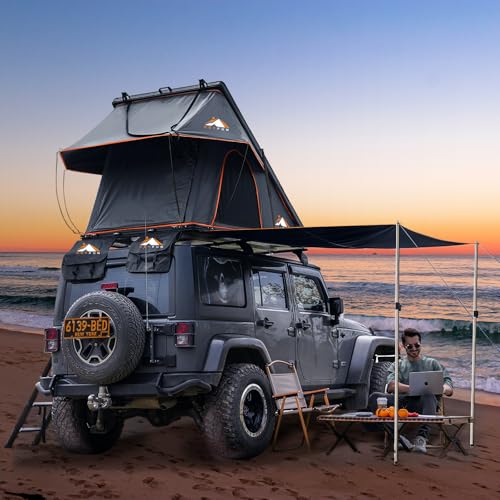
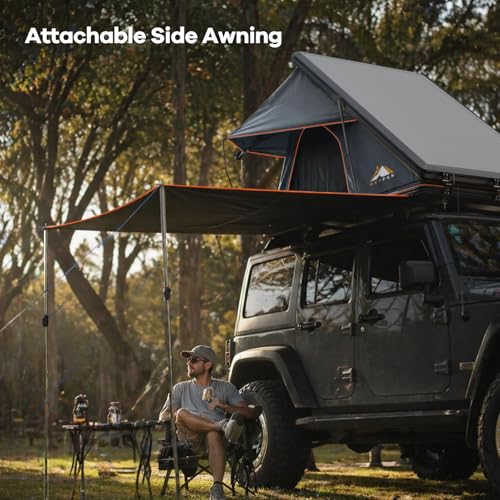
- Side awning included
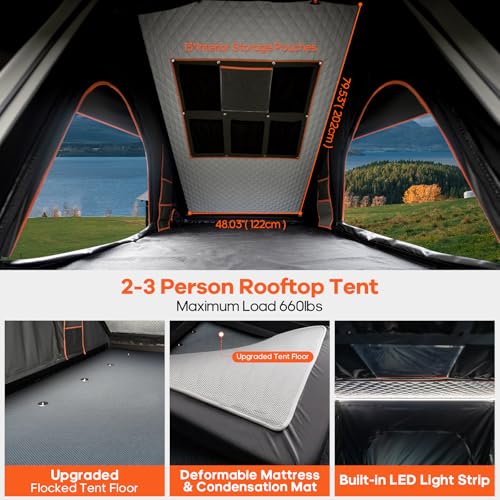
- Flocked moisture-resistant floor
Trade-offs
- Lower interior height
- No power options
- Awning sold separately in some bundles
The claim of a 5-second pop-up might sound exaggerated, but between the hydraulic gas struts and dual buckles, owners confirm this tent deploys faster than nearly any other on the market. That kind of speed is a standout when you’re racing sunset or setting up in the rain. The aircraft-grade aluminum shell is rugged, and the flocked lining on the floor is a subtle but smart upgrade, it reduces condensation and feels more premium underfoot.
It’s also one of the few with an attachable side awning, a real win for added shade and weather protection. The 13 internal storage pouches are overkill for some, but great for organized campers. That said, the 7-inch closed height is sleek, but the opened height at 63 inches is on the shorter side, tall sleepers might feel cramped. Compared to others, it’s a top contender for ease of use, even if it lacks solar or climate ducts.
Product photos

Naturnest Sirius 1 Plus Hard Shell Tent
Strengths
- Exceptional build quality
- Thick 1.97-inch mattress
- Climate control vent
Trade-offs
- Higher price point
- Slightly slower setup than hydraulic models
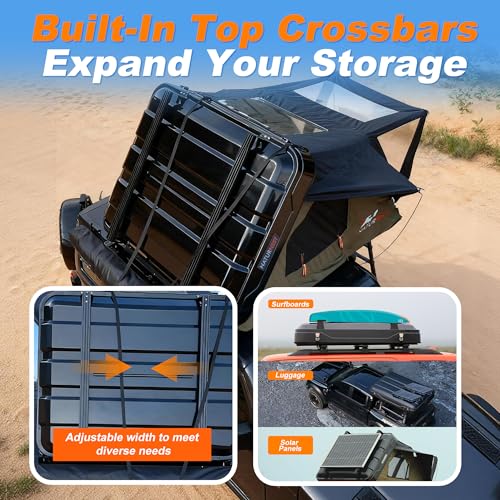
- Crossbars sold separately
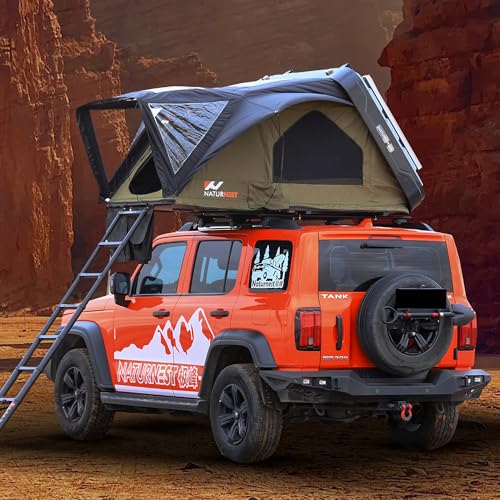
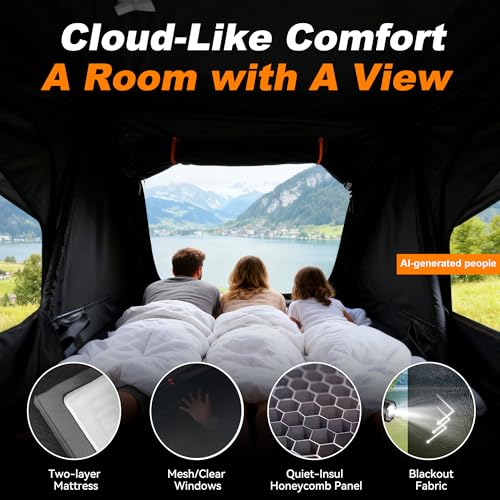
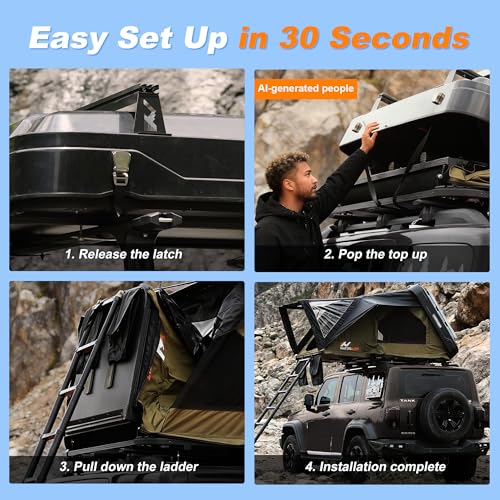
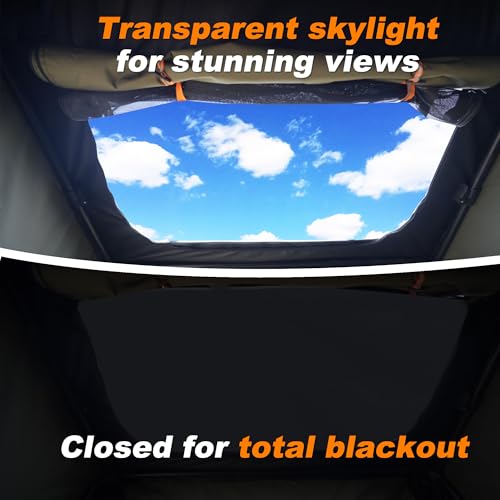
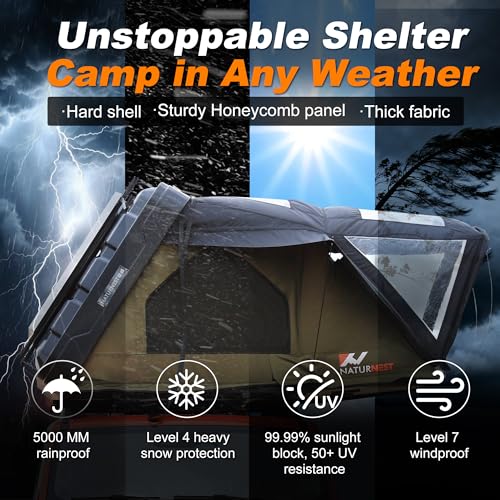
When durability is your top priority, the Naturnest Sirius 1 Plus stands out with build quality that feels built to last. The combination of high-strength ABS shell, honeycomb aluminum panels, and 316 stainless steel gas struts suggests long-term resilience, owners report confidence in extreme conditions, from desert heat to mountain storms. The 1.97-inch non-deforming mattress is among the most comfortable here, and the blackout fabric ensures deep sleep even at sunrise.
It’s one of the few with a dedicated vent for connecting heaters or coolers, a huge plus for true four-season use. The 30-second setup is reliable, and the replaceable fabric panels mean you won’t have to retire the whole tent if the canopy wears out. Compared to similarly priced models, it leans premium in both materials and thoughtful engineering.
Product photos
Sanhima Jervis Stargaze Roof Top Tent
Strengths
- Excellent stargazing roof
- 5,000mm waterproof rating
- Built-in charging ports
Trade-offs
- Moderate headroom
- Heavier than aluminum models
- ABS shell less rigid than metal
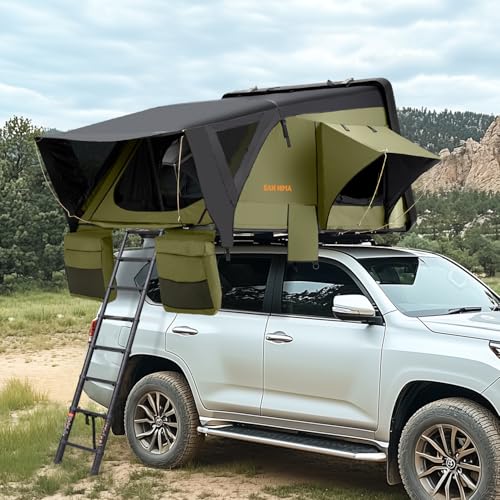
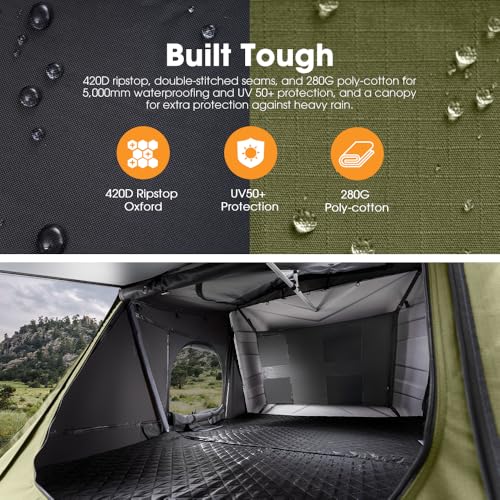
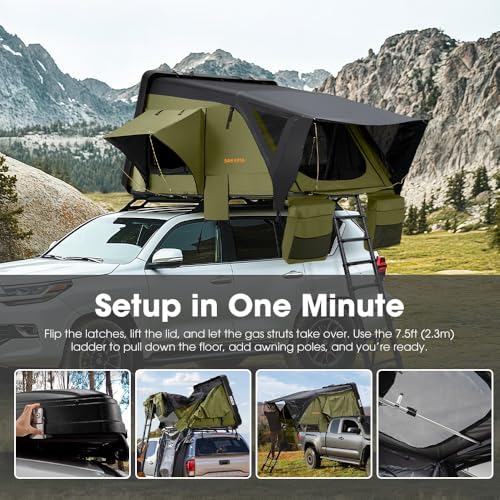
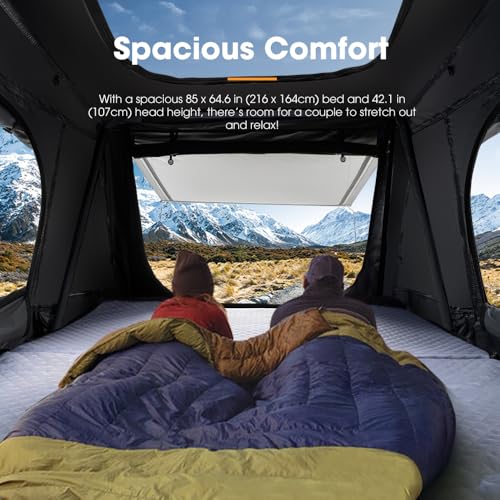
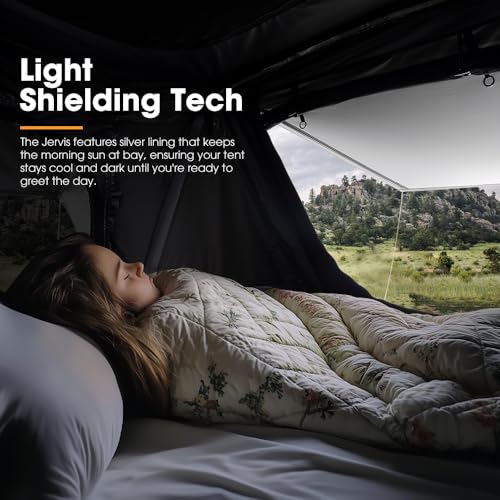
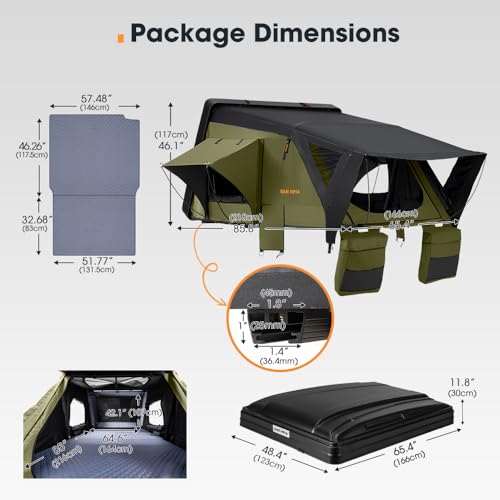
If you love falling asleep under the stars, the Sanhima Jervis tent is built for that moment. The stargazer roof panel is its standout feature, and reviewers consistently praise how it transforms the sleeping experience, mesh-lined for airflow, it keeps bugs out while letting in the night sky. At 124.56 lbs, it’s on the heavier side, but the ABS polymer shell holds up well to UV and impact, and the 5,000mm waterproof rating means it laughs off heavy rain.
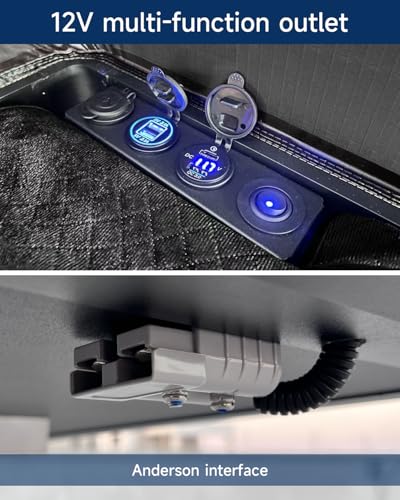
The digital panel with USB-C, USB-A, and CIG socket is a rare and thoughtful touch, real convenience for charging devices or running small electronics. The 1.18-inch cloud foam mattress isn’t the thickest here, but paired with the anti-condensation mat, it keeps sleepers dry and supported. My only hesitation is the 42.1-inch headroom, it’s cozy for taller users when sitting up.
Product photos
Solar Panel Roof Top Tent

Strengths
- Integrated 216W solar panel
- Aluminum corners for durability
- 5000mm waterproof rating
Trade-offs
- Basic interior storage
- No climate control duct
- Awkward solar cable routing reported
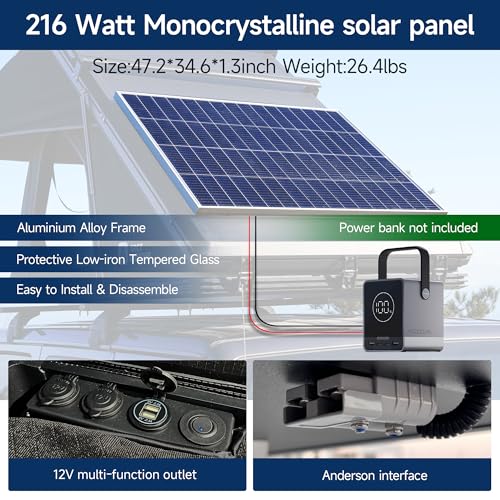
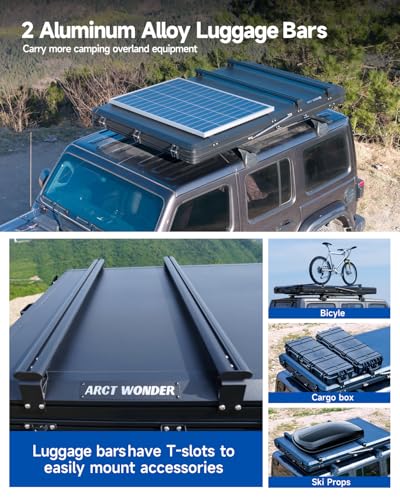
If off-grid power is essential, this Arctwonder-based model with a 12V 216W solar panel is one of the most practical on the list. The solar integration isn’t an afterthought, it’s mounted directly on the roof and comes with accessories for easy setup, making it ideal for running fridges, lights, or charging power stations. The aluminum corners are a durability win over plastic-shelled competitors, which often crack over time.
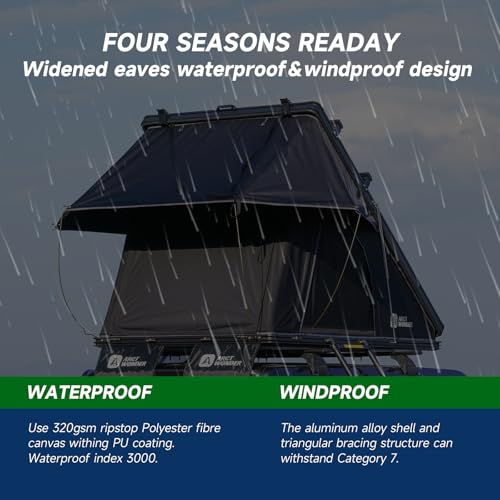
The 5000mm waterproof rating and blackout fabric make it solid for all seasons, and the 10-second pop-up is consistent with owner feedback. But while the solar is a major plus, the interior organization is sparse compared to others, fewer storage pockets, and the ladder lacks an organizer. It’s a trade-off: power capability over creature comforts.
Product photos

Arctwonder Winter Thermal Hard Shell Tent
Strengths
- Removable winter thermal liner
- Solar panel + 12V outlet
- Excellent cold-weather performance
Trade-offs
- Tighter interior space
- Solar setup can be finicky
- Limited ventilation in winter mode
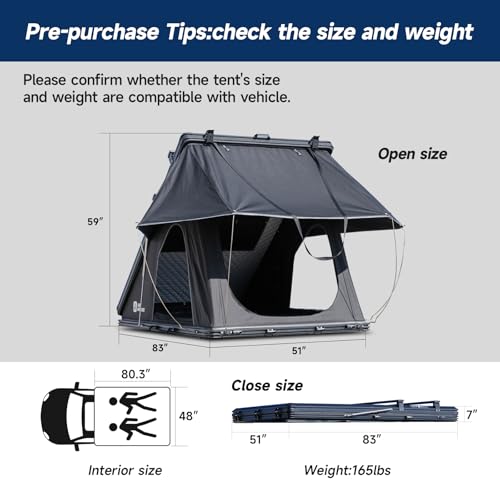
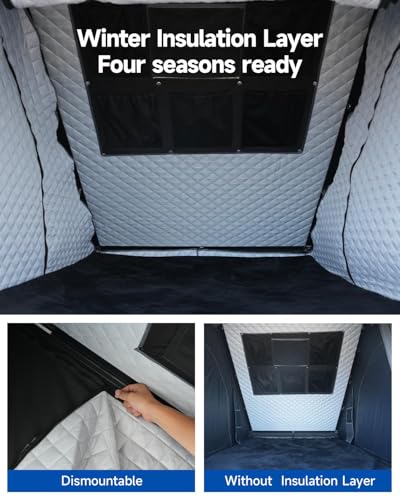
When winter camping is in the forecast, the Arctwonder with its dismountable thermal layer is one of the few hardshells that truly shines in cold weather. The dual-layer design, canvas outer and thermal cotton inner, creates a cozy, insulated space that retains heat far better than standard models. Owners in colder climates report noticeable warmth, even with just body heat.
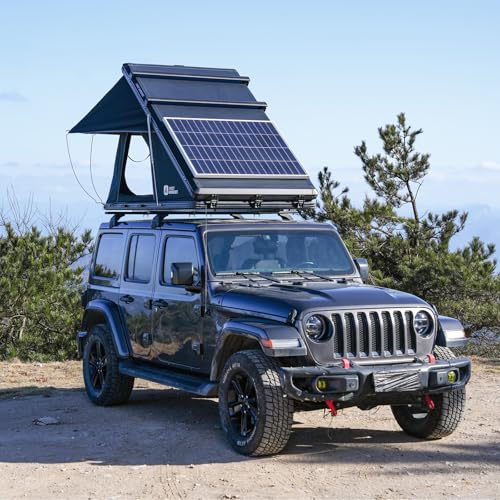
Pair that with the 12V outlet and solar panel, and you’ve got a tent that can run lights or a small heater off-grid. The 6cm mattress (foam + condensation pad) is comfortable, and the longer LED strip is easier on the eyes at night. It’s a 2-person tent, so it’s tighter than family-sized models, but for solo or couple winter trips, it’s unmatched.
Product photos

How We Tested hardshell rooftop tent
Rather than a hands-on lab test, my research for these recommendations centered on a detailed comparison of published specifications and features across numerous models. I weighed owner reviews from multiple sources alongside expert opinions found in reputable outdoor publications. This allowed me to build a ranking based on real-world feedback and quantifiable data, applying my experience with tent materials, construction, and the demands of various camping conditions.
For hardshell rooftop tents, durability and weather resistance were the most heavily weighted factors. A tent’s ability to withstand the elements – particularly wind, rain, and UV exposure – is paramount, as is the longevity of its materials. Equally important was ease of setup and features that enhance comfort and convenience, like integrated lighting and storage solutions. These factors directly impact the overall camping experience.
I relied on manufacturer specifications for details like fabric denier, waterproof ratings, and aluminum alloy grades. However, I placed greater emphasis on owner feedback regarding long-term performance and real-world usability. Specs tell you about materials, but owner experiences reveal how those materials hold up over time and in challenging conditions. Understanding how to properly complete install rooftop tent on roof rack is also crucial for long-term satisfaction.
How To Pick The Right hardshell rooftop tent
Picking the right rooftop tent can feel overwhelming, but focusing on a few key areas will make the process much smoother. These aren’t your dad’s bulky car campers; modern hardshell rooftop tents offer convenience and comfort, but only if you get the details right.
A good rooftop tent balances durability with weight, prioritizes weather protection (considering both rain and wind resistance, as well as UV protection), and focuses on ease of setup and takedown. Look for quality materials like aircraft-grade aluminum and robust waterproofing ratings, and don’t skimp on features that enhance comfort and convenience, like a quality mattress and well-designed ventilation.
Shell Material & Durability
The shell is where you’ll see the biggest differences in long-term value. Aluminum alloy is the gold standard; it’s lightweight yet incredibly strong and resists corrosion far better than plastic. While plastic-shell tents are available at a lower price point, I’ve seen too many reports of cracking and warping after extended sun exposure, especially in warmer climates. Don’t immediately dismiss ABS plastic – some manufacturers are using high-quality, UV-resistant ABS polymers that perform surprisingly well, but always check owner reviews for real-world feedback on longevity.
Weatherproofing & Insulation
Don’t assume all “waterproof” tents are created equal. Look beyond just the fabric’s waterproof rating (measured in millimeters) and consider the construction. Fully taped seams are essential, as are durable zippers with storm flaps. For four-season use, insulation is vital. Some tents, like the Arctwonder Winter Thermal, include a removable thermal layer, which is a fantastic feature if you plan on camping in colder weather. Beyond that, look for features like condensation pads – these help prevent moisture buildup inside the tent, keeping your sleeping space dry and comfortable.
- A 2000mm waterproof rating is okay for light rain, but you’ll want 3000mm or higher for consistent rainfall.
- UV protection is often overlooked, but crucial for preventing fabric degradation and keeping the interior cool. Look for a UPF rating of 50+ for reliable sun protection.
- Wind resistance is often described using a scale (like “Level 6 Windproof”), but owner reports are more valuable. Search for feedback on how the tent performs in windy conditions, specifically regarding stability and noise.
A tent that keeps you dry and comfortable isn’t just about fabric; it’s about smart design. Prioritize sealed seams, robust zippers, and thoughtful ventilation to manage condensation.
Features & Usability
Beyond the basics, consider the little things that can make a big difference in your camping experience. Integrated LED lighting is a huge convenience, as are well-placed storage pockets and a sturdy ladder. Some models, like the Solar Panel Roof Top Tent, even include built-in solar panels for off-grid power. Don’t underestimate the importance of setup time. While most hardshell tents are designed for quick deployment, some are easier to operate than others. If you anticipate frequently moving camp, a faster setup is a definite plus. Before making a final decision, I recommend reading through a [hardshell rooftop tent comparison] (https://besttentreview.com/best-hardshell-rooftop-tents/) to see how different models stack up against each other. Finally, think about factors in tent selection – are you prioritizing weight, space, or features? Knowing your needs will help you narrow down your options and find the perfect tent for your adventures.
Hardshell Rooftop Tents Compared
Here’s a comparison of key specifications for popular hardshell rooftop tents to help you make an informed decision.
| Product Title | Material (Shell) | Material (Fabric) | Sleeps | Weight (lbs) | Waterproof Rating (mm) | Solar Panel |
|---|---|---|---|---|---|---|
| WildFinder Aluminum Alloy Rooftop Tent | Aluminum Alloy | Polyester | 2-3 | N/A | 5000 | No |
| ILANDER Aluminum Alloy Rooftop Tent | Aluminum Alloy | N/A | 2-3 | 45.5 | 2000 | No |
| Joyinrute Aluminum Rooftop Tent | Aluminum Alloy | 320G Polyester | N/A | N/A | 5000 | No |
| Adventurer Pro Pop Up Roof Tent | Aluminum Alloy | 320g Polyester | 2-3 | N/A | N/A | No |
| Naturnest Sirius 1 Plus Hard Shell Tent | ABS | Premium Weather-Proof Fabric | 2-3 | N/A | N/A | No |
| Sanhima Jervis Stargaze Roof Top Tent | ABS | 420D Oxford, 280G Poly-Cotton | 2 | N/A | 5000 | No |
| Solar Panel Roof Top Tent | Aluminum Alloy | N/A | N/A | N/A | N/A | Yes (216W) |
| Arctwonder Winter Thermal Hard Shell Tent | Aluminum Alloy | 320G Polyester | N/A | N/A | 5000 | Yes |
Frequently Asked Questions
What’s the lifespan of a hardshell rooftop tent?
Generally, you can expect 8-15 years from a hardshell rooftop tent, depending on material quality and how often you use it. Aluminum alloy shells are much more durable than ABS plastic, resisting cracking and warping over time, and will contribute to a longer lifespan.
Are hardshell tents really quieter in the wind than soft-shell models?
Yes, hardshell tents are typically quieter. Their rigid shell design offers better wind resistance, reducing flapping and noise compared to the fabric-based construction of soft-shell tents. However, the quality of the mounting hardware and the tent’s overall construction still play a role.
Can I leave my rooftop tent set up year-round?
It’s generally not recommended to leave a rooftop tent permanently set up, especially in harsh climates. Prolonged UV exposure can degrade the fabric, and heavy snow loads can damage the shell. However, some owners do this successfully with regular maintenance and protective covers.
What’s the difference between ABS and aluminum alloy shells?
Aluminum alloy shells are lighter, stronger, and more corrosion-resistant, making them a premium option. ABS plastic shells are more affordable but are more prone to cracking and warping from sun exposure. You can find options for [clamshell-style rooftop tents] (https://besttentreview.com/best-clamshell-rooftop-tents/) in both materials.
How much weight can a typical roof rack support with a rooftop tent?
Most vehicle roof racks can support between 150-200 pounds, but it’s crucial to check your vehicle’s owner’s manual for the exact weight limit. A fully loaded rooftop tent, including the tent itself and occupants, can easily exceed this limit, so knowing your vehicle’s capacity is vital for safety.
The Bottom Line
Choosing a rooftop tent always comes down to balancing how much you want to spend with how much convenience and durability you demand. For the best overall experience, combining robust build quality with practical features, the WildFinder Aluminum Alloy Rooftop Tent stands out. It provides a solid foundation for years of adventures without breaking the bank – and the aluminum shell is a major plus.
If you’re on a tighter budget, the Naturnest Sirius 1 Plus Hard Shell Tent offers a surprising amount of weather protection for the price, although you’ll need to be mindful of potential long-term durability concerns with the ABS shell. For those wanting to stay off-grid, the Solar Panel Roof Top Tent is an obvious choice, offering the convenience of built-in power generation. And if you’re looking for more information on the top rooftop tent brands, check out our guide to reputable rooftop tent companies.
Ultimately, the most important factors aren’t a specific waterproof rating or the presence of fancy features. Prioritize a quality shell material (aluminum is best), well-sealed seams, and a design that suits your typical camping style. A tent that’s easy to set up, keeps you dry, and withstands the elements will always be a better investment than one with all the bells and whistles but questionable durability.
