
7 Best Kelty Tents of 2026
This post contains affiliate links. As an Amazon Associate, we earn from qualifying purchases.
The Kelty Grand Mesa 2P stands out as the best overall choice for most campers, combining reliable weather protection, smart design, and a manageable weight. For backpackers who need to save ounces, the Kelty Ashcroft 2P is a strong lightweight alternative, while the spacious Rumpus 6P takes the win for car campers needing room for the whole crew.
When you’re staring down a wall of tent options, it’s easy to get lost in specs and marketing claims. I’ve been there, trying to figure out which model will actually keep me dry, fit my gear, and not drive me crazy at 10 p.m. in the dark. After comparing the field and digging into what real owners say, I’ve narrowed it down to the Kelty models that deliver where it counts.
This guide cuts through the noise, focusing on what matters: real-world usability, durability, and value. I looked at published specs, owner feedback, and brand reputation to find the Kelty tents that consistently meet the needs of hikers, backpackers, and weekend warriors alike.
Top 7 Kelty Tents in the Market
The Best Kelty Tents, Reviewed
Kelty Grand Mesa 2P Tent

Strengths
- Freestanding design
- Lightweight for 2P
- Easy color-coded setup
- Durable 68D fabric
- Good vestibule storage
Trade-offs
- Single door limits access
- Minimal headroom
- Condensation can build in humid weather
The Grand Mesa 2P is the kind of tent that makes you wonder why anyone bothers with pricier options. On paper, it hits the sweet spot: freestanding, lightweight, and built with 68D polyester that owners consistently say shrugs off trail abuse. The single door + vestibule layout works well for solo or couple use, and the color-coded clips genuinely make setup faster, especially if you’re pitching solo after a long day.
What stands out is how many hikers report using this as a go-to for thru-hikes and shoulder-season trips without issues. The 44-inch peak height isn’t huge, but it’s enough to sit up and change clothes comfortably. Compared to the Late Start, this one feels more refined, with better ventilation and a sturdier pole system. For a reliable 3-season shelter that won’t break the bank, this is hard to beat.
Product photos


Kelty Late Start 2P Tent

Strengths
- Fast, easy setup
- Budget-friendly
- Durable 68D fabric
- Eco-conscious materials
- Good gear storage pockets
Trade-offs
- Heavier than competitors
- Limited ventilation
- Single door limits access
Kelty positioned the Late Start as their budget-friendly, no-fuss tent, and it delivers. The Quickcorners and color-coded buckles make setup a one-person job in under five minutes, which reviewers consistently highlight as a win after a long hike. It’s not the lightest at 4 lbs 7 oz, but for the price, the 30 sq ft floor and 43-inch peak offer decent space.
What surprises owners is how well the 1200mm waterproof fly performs in light storms, though condensation is a known issue in humid areas. Compared to the Ashcroft, it’s slightly heavier but easier to pitch and has more headroom. The DWR/PFC-free fabric is a plus for eco-conscious campers. I’d pick this over pricier entry-level models if you want something simple and durable without overspending.
Product photos
Kelty Grand Mesa 4P Tent
Strengths
- Spacious 54 sq ft interior
- High 56-inch peak
- Easy color-coded setup
- Durable 68D fabric
- Large vestibule storage
Trade-offs
- Heavy for 4P
- Single door limits access
- Bulky packed size
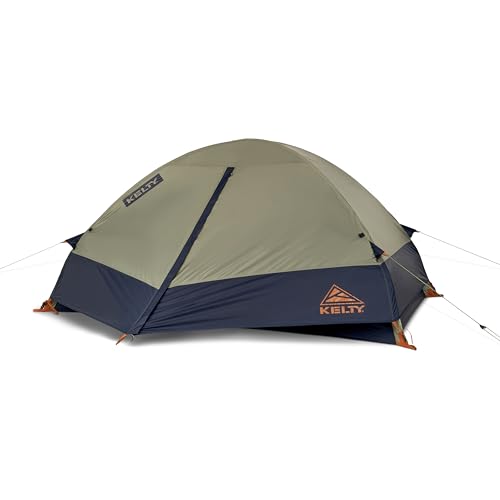
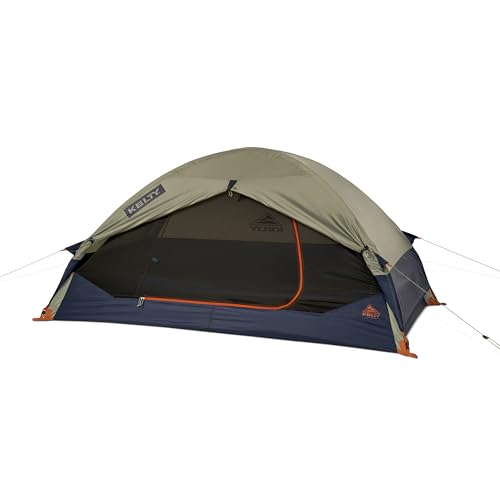
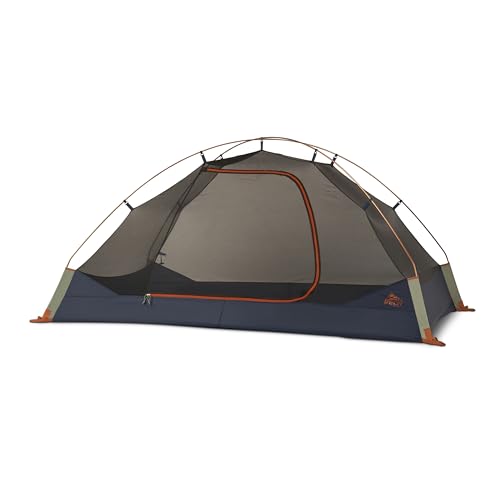
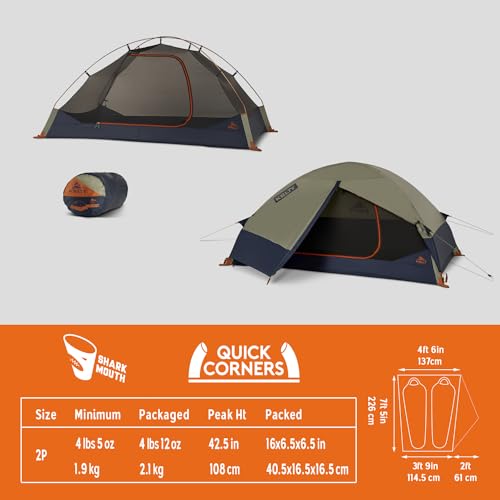
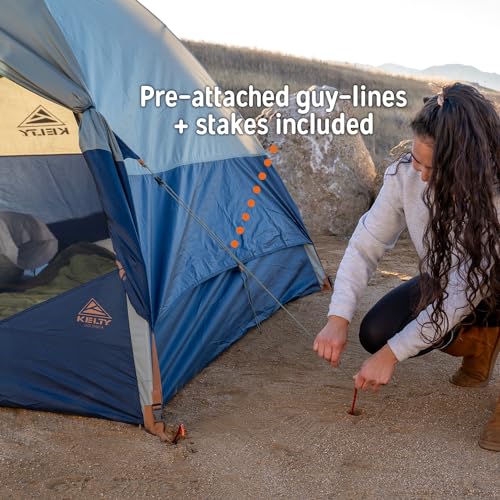
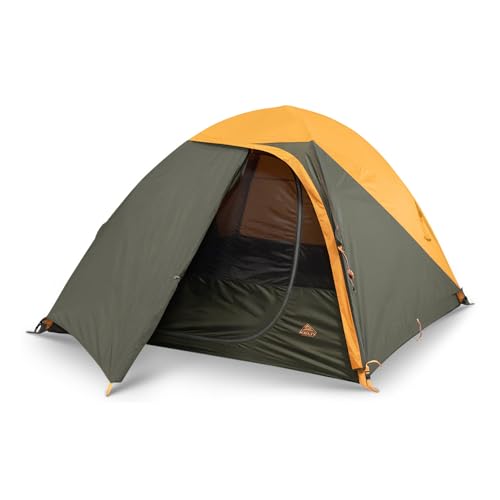
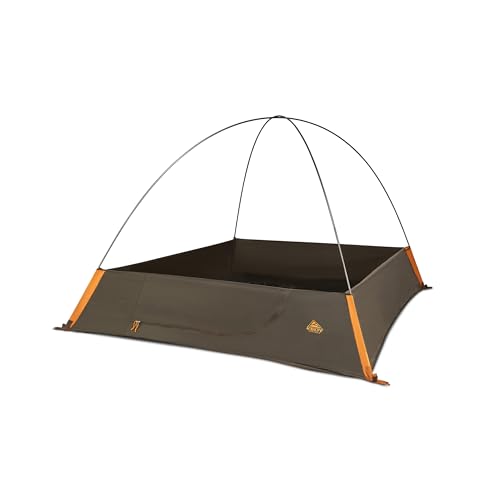
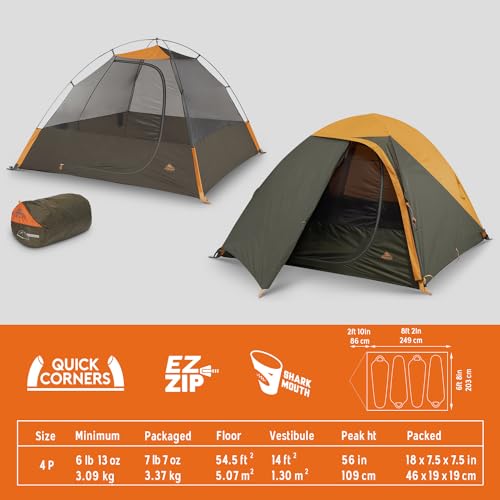
The 4-person Grand Mesa is where this series really stretches out, literally. With 54 square feet and a 56-inch peak height, it’s one of the more livable 4-person backpacking tents in its class. Owners consistently report using it for family trips with kids or group backpacking, where space and ease of setup matter. The shark mouth bag makes packing less of a chore, and the color-coded system keeps frustration low when setting up in the dark.
It’s heavier at 7 lbs 7 oz, so it’s not for ultralight trips, but for car-to-trail or basecamp use, it’s excellent. Compared to the Far Out, it’s more durable and has better weather resistance. The single door is a drawback for a 4P, but the large vestibule helps offset that. If you need a spacious, reliable tent for multi-night trips with gear, this is a top contender.
Product photos
Kelty Ashcroft 2P Tent

Strengths
- Lightweight for backpacking
- Full-coverage rainfly
- Freestanding design
- Durable 68D fabric
- Pre-bent poles for space
Trade-offs
- Tight interior for two
- Minimal headroom
- Vestibule is small
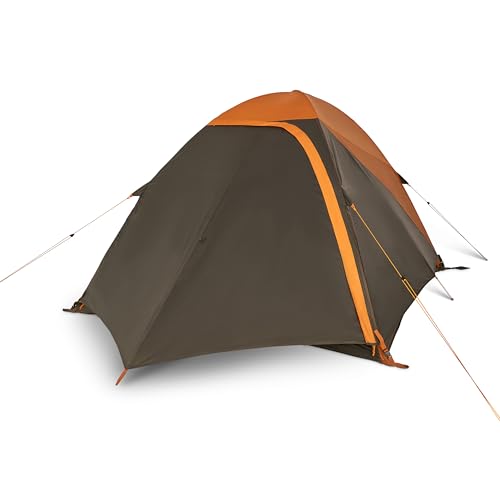
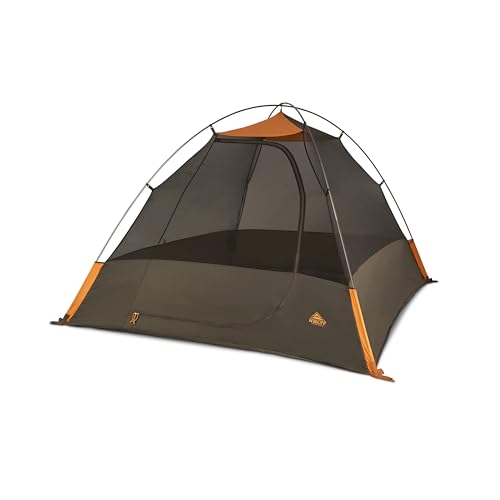
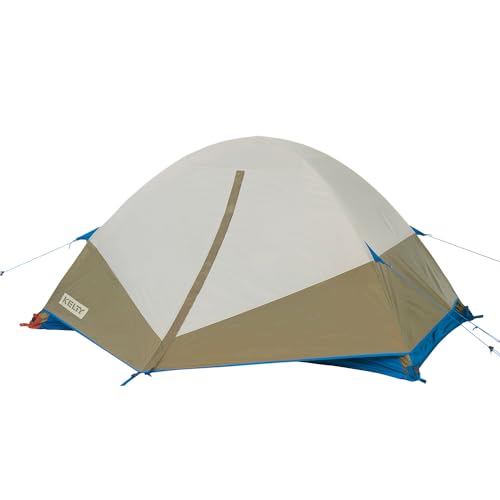
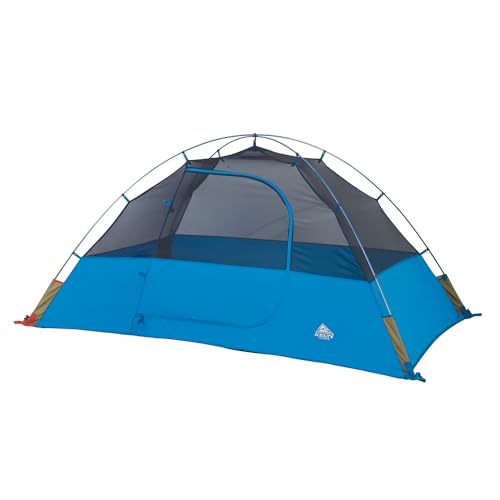
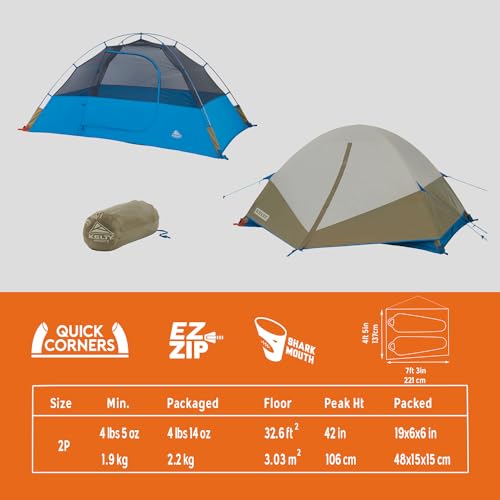
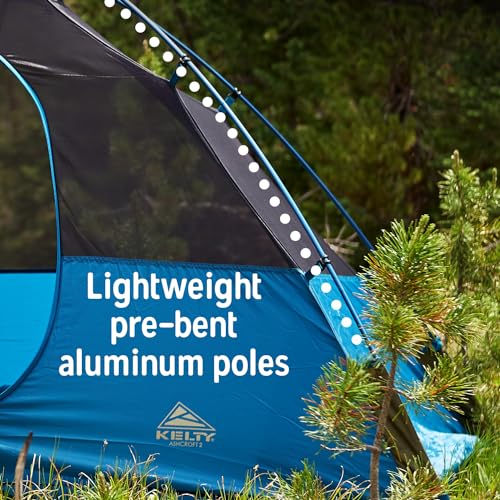
The Ashcroft 2P is built for backpackers who care about weight without sacrificing durability. At 4 lbs 5 oz, it’s one of the lighter freestanding 2-person tents in Kelty’s lineup, and the pre-bent poles add usable shoulder room, a detail owners appreciate. The full-coverage rainfly and sealed seams hold up well in rain, and the freestanding design means you can fine-tune your spot after pitching.
It’s not flashy, but it’s effective. Compared to the Grand Mesa, it’s slightly lighter and has a similar feature set, though the Grand Mesa has a more spacious feel. The 42-inch peak height is okay, but tall campers will still be hunched. Still, for the specs and price, this is a smart pick for hikers prioritizing pack weight and storm protection without going ultralight.
Product photos
Kelty Far Out 3P Tent

Strengths
- Includes footprint and stuff sack
- Dual doors and vestibules
- Stargazer fly for venting
- Easy shark mouth sack
- Beginner-friendly setup
Trade-offs
- Heavier than solo options
- Inner tent clips could be sturdier
- Footprint sold separately in other models
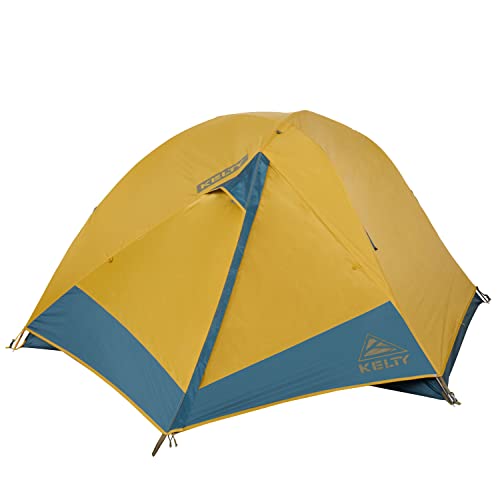
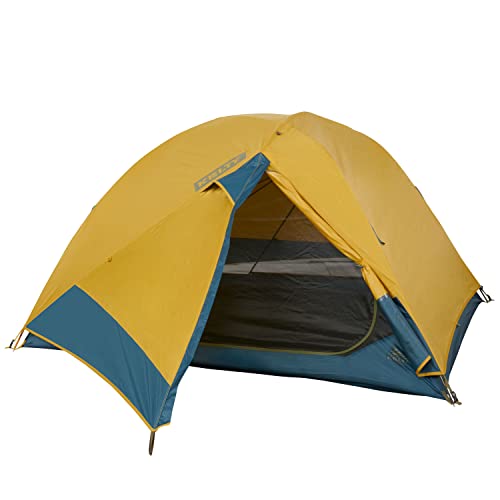
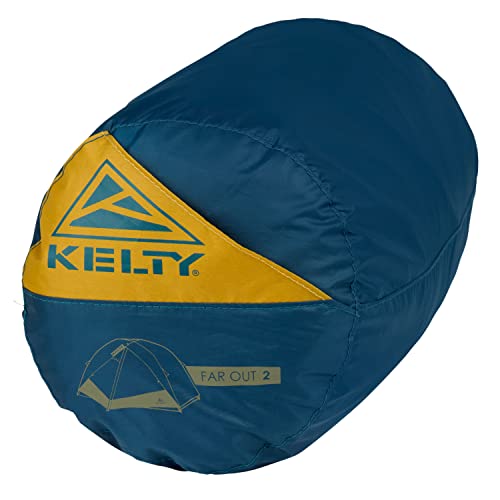
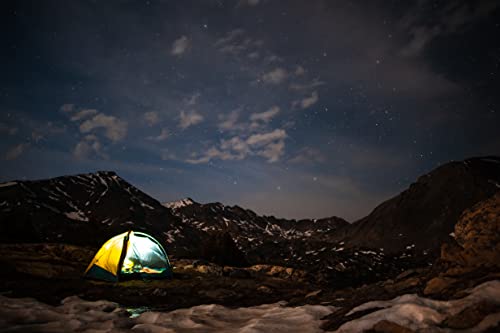
The Far Out 3P bundle is hands-down the best starter kit Kelty offers. Including the footprint and stuff sack adds real value, and owners say it takes the guesswork out of buying extras. The stargazer fly is a standout, you can roll it back from inside to enjoy the night sky without unpacking everything, a feature casual campers and beginners love.
At 5 lbs 3 oz, it’s not ultralight, but for new backpackers, the dual doors and dual vestibules make life easier. Ventilation is better than the Late Start, and the three-pole design adds stability. Compared to the Ashcroft, it’s heavier but far more user-friendly. If you’re introducing someone to backpacking, this is the smarter buy, it’s forgiving, functional, and built to last.
Product photos
Kelty Rumpus 6P Tent
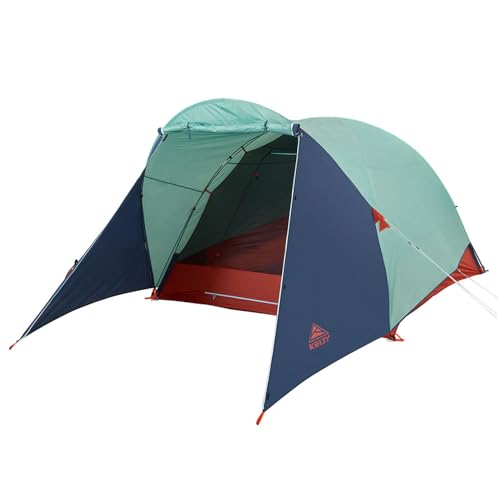
Strengths
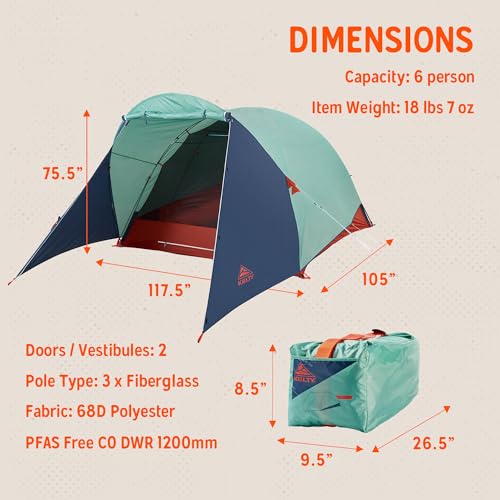
- Spacious 85 sq ft interior
- 75-inch peak height
- Dual doors and vestibules
- Freestanding with easy setup
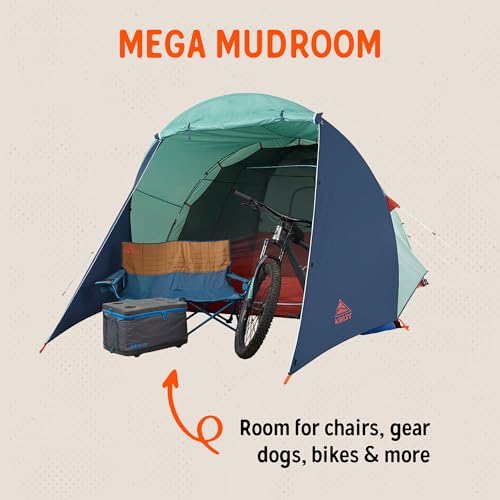
- Converts to shade awning
Trade-offs
- Too heavy for backpacking
- Bulky packed size
- Vents could be larger
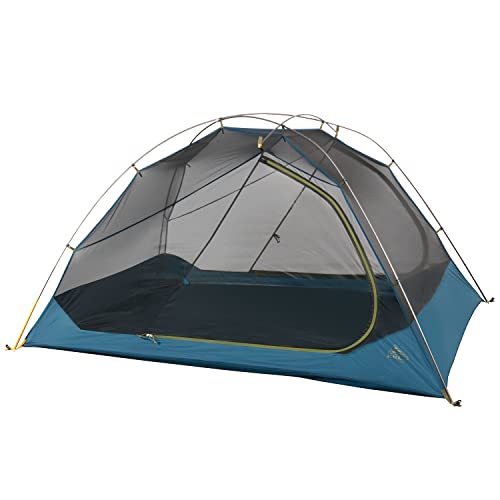
If you’re car camping with gear, kids, or a dog, the Rumpus 6P is a no-brainer. At 85 square feet and a full 75 inches tall, you can actually stand and move around, a luxury most family tents don’t offer. Owners love the dual vestibules and the fact that you can stash bikes or chairs inside during rain. The convertible vestibule-to-awning feature gets consistent praise for adding shade and extra dry storage.
It’s not meant for backpacking, the weight and packed size make that obvious, but for overlanding or festival trips, it shines. Compared to the Tallboy, the Rumpus has more doors and better airflow, which matters when you’re stuck inside during a downpour. The 68D polyester holds up well, and the pre-attached guylines save time in variable conditions. This is the kind of tent you buy once and use for years.
Product photos

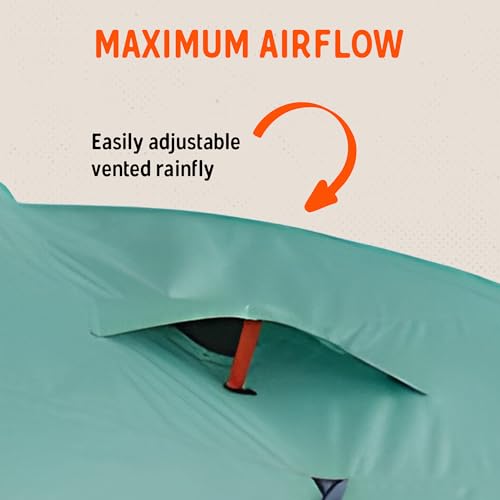
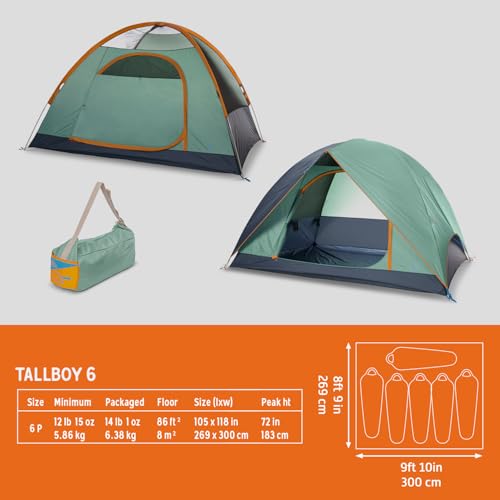
Kelty Tallboy 6P Tent

Strengths
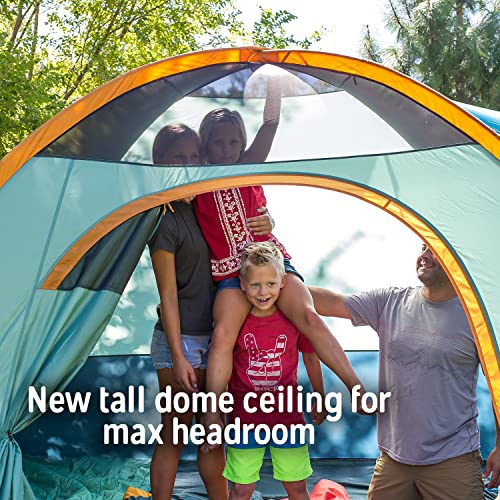
- 72-inch peak height
- Spacious 86 sq ft
- Affordable price
- Freestanding design
- Includes stuff sack
Trade-offs
- Fiberglass poles less durable
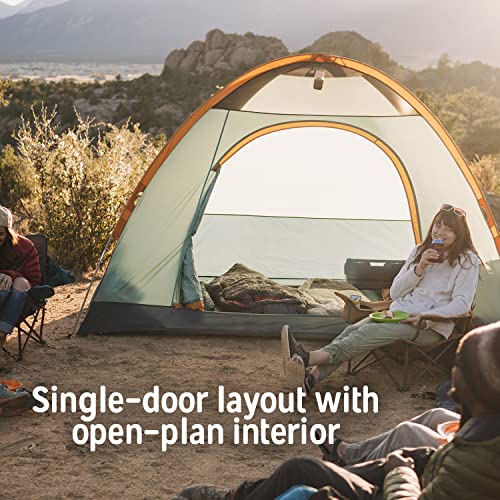
- Single door limits airflow
- Minimal ventilation in heat
The Tallboy 6P is all about space and simplicity. At 86 square feet and 72 inches tall, it’s one of the few family tents where adults can stand fully upright, a big win for comfort. The single large door makes entry easy, and the mesh panels help reduce condensation, though owners note it can still get stuffy in hot, still air.
It’s built for car camping, not trail use, and the fiberglass poles are less durable than aluminum, but for the price, it’s a solid value. Compared to the Rumpus, it’s slightly roomier but lacks dual doors and the convertible awning. Still, for families on a budget who want a no-nonsense, tall, freestanding tent, this one gets the job done without fluff.
Product photos

How We Evaluated kelty tents
Rather than a hands-on lab test, my research for these recommendations was a detailed comparison of published specifications and features across the Kelty tent lineup. I weighed owner reviews from major retailers alongside expert opinions found in outdoor publications to build a balanced picture of performance. Ultimately, I ranked each tent against clear criteria focused on intended use, durability, and ease of setup – all things I know matter to campers.
For Kelty tents specifically, freestanding design and rainfly material were heavily weighted. A freestanding tent simplifies site selection and setup, especially important when conditions aren’t ideal. Durable, fully taped polyester with a good waterproof rating is critical for keeping campers dry, given Kelty’s reputation for offering tents across a range of price points. I also prioritized interior space and peak height, as these impact livability.
Specifications reliably indicate floor size, packed weight, and materials. However, owner feedback proved crucial for assessing real-world usability – things like how easily the tent sheds water in heavy rain, the durability of the zippers, and how intuitive the setup truly is. I also considered the overall reputation of Kelty as one of the top tent brands to understand the broader context of quality and customer satisfaction.
How To Pick The Right kelty tents
Finding the right shelter for your adventures doesn’t have to be overwhelming. Let’s break down what really matters when choosing a Kelty tent.
Kelty tents balance affordability with reliable construction. Key considerations include the tent’s intended use (backpacking versus car camping), the durability of materials (denier of the polyester, quality of the poles), its weight, and how easily it sets up. Pay attention to the floor space and peak height to ensure it comfortably fits your needs and occupants.
Capacity & Space
Don’t assume a “2-person” tent comfortably fits two adults with gear. Kelty, like many brands, often rates capacity tightly. I always recommend sizing up, especially if you’re sharing with a partner or anticipate needing space for backpacks inside. Consider your sleep style, too – are you a starfish or a log? A more spacious tent provides room to spread out and avoid accidental elbowing. If you’re looking at options for solo adventures, you might be surprised how comfortable a 3-person tent can be.
Material & Weather Resistance
Kelty generally uses 68D polyester for both the tent body and rainfly, which is a good baseline for durability and weather protection. However, pay attention to the waterproof rating (measured in millimeters – mm). A 1200mm rating is decent for light rain, but for consistently wet conditions, look for higher numbers. Beyond the fabric, check the seams. Fully taped seams are essential to prevent leaks. Don’t overlook the importance of a tent footprint explained – it adds a critical layer of protection to the tent floor, extending its lifespan.
Setup & Portability
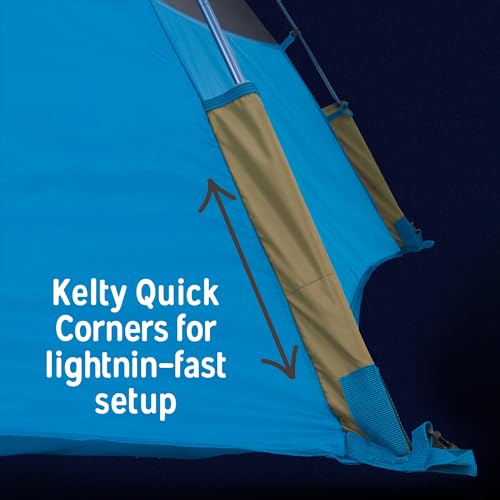
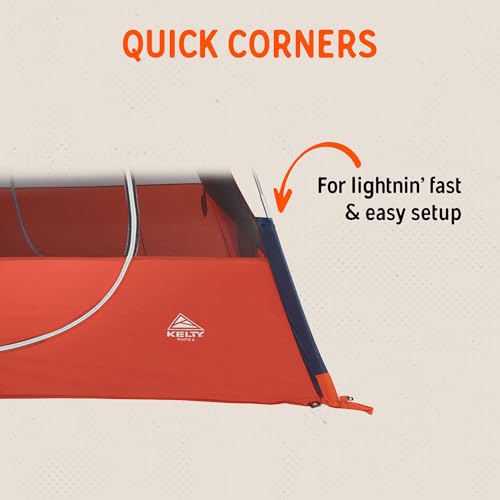
Kelty tents are generally known for being relatively easy to set up, with features like Quick Corners and color-coded poles. However, ease of setup can vary significantly between models. For backpacking, weight is paramount. The Kelty Ashcroft series is designed with portability in mind, while the Rumpus is better suited for car camping where you can sacrifice some weight for extra space and convenience. If you’re planning on covering a lot of miles, you’ll want to investigate the lightweight 2-person tents to save on your pack weight.
A well-pitched tent is a happy tent. Practice setting it up in your backyard before heading out into the wilderness. This will help you familiarize yourself with the process and identify any potential issues.
Kelty Tents Compared
Here’s a comparison of key specifications for various Kelty tent models to help you choose the right one for your needs.
| Product Name | Capacity | Floor Area (sq ft) | Peak Height (in) | Min Weight (lbs) | # of Doors |
|---|---|---|---|---|---|
| Grand Mesa 2P | 2 | 30 | 44 | 4.7 | 1 |
| Late Start 2P | 2 | 30 | 43 | N/A | 1 |
| Grand Mesa 4P | 4 | 54 | 56 | 7.7 | 1 |
| Ashcroft 2P | 2 | 33 | 42 | 4.5 | 1 |
| Far Out 3P | 3 | 40 | 43 | 5.3 | 2 |
| Rumpus 6P | 6 | 85 | 75 | N/A | 2 |
| Tallboy 6P | 6 | 86 | 72 | N/A | 1 |
Frequently Asked Questions
What’s the difference between Kelty’s Grand Mesa and Ashcroft tents?
The Grand Mesa prioritizes space and livability, offering a slightly larger floor area and peak height, while the Ashcroft is designed to be lighter for backpacking. Both are freestanding and reliable, but the Ashcroft’s weight makes it better for those covering more miles.
Are Kelty tents waterproof enough for serious backpacking trips?
Kelty tents generally use a 68D polyester with a 1200mm waterproof rating, which is suitable for light to moderate rain. For consistently wet conditions, I suggest pairing the tent with a footprint and seam-sealing it for extra protection.
How easy are Kelty tents to set up solo?
Kelty tents are known for their relatively straightforward setup, aided by features like color-coded poles. Many owners report being able to pitch a Kelty tent solo in under 10 minutes with a little practice, and the freestanding designs help simplify the process.
What size Kelty tent should I get for a couple?
While Kelty labels a tent as “2-person” based on floor space, for comfort, I recommend considering a 3-person tent if you and your partner both use sleeping bags and have gear you want to keep inside. You’ll appreciate the extra room to move around.
Where can I find detailed specs for each Kelty tent model?
You can find detailed specifications, including weight, dimensions, and materials, on Kelty’s official website. Also, checking out reviews that offer a comparison of two-man tents can provide valuable insights from other campers.
The Bottom Line
Choosing a Kelty tent often comes down to balancing how much you value simplicity and portability against space and comfort. For the best overall experience – a blend of livability, weather protection, and reasonable weight – I recommend the Kelty Ashcroft 2P. It consistently receives positive feedback for its ease of setup and reliable performance in a variety of conditions.
If you’re on a tighter budget, the Kelty Grand Mesa 2P is an excellent choice, offering solid Kelty quality without breaking the bank. For those needing more room, the Kelty Far Out 3P provides a surprisingly spacious and well-ventilated option, and the Kelty Rumpus 6P is the obvious pick when car camping with a larger group. Remember, a good tent selection guide can help you narrow down the features you prioritize.
Ultimately, the best tent isn’t about the highest waterproof rating or the lightest weight. It’s about finding a shelter that fits your needs and encourages you to get outside. Prioritize a solid floor, dependable rainfly, and a design that you can pitch confidently – those are the fundamentals that will make or break your camping experience.
