
8 Best Pyramid Tents for 2026
This post contains affiliate links. As an Amazon Associate, we earn from qualifying purchases.
The POMOLY Bromance 70 Pyramid Hot Tent is the best overall pick for its durability, smart ventilation, and three stove jacks, while the 4 Person Lightweight Tipi Hot Tent offers solid performance on a budget. For breathable comfort in warm weather, the Dream House Cotton Canvas Pyramid Tent stands out, though it demands more care.
Pyramid tents promise simple, spacious shelter, but too many fall short when wind picks up or rain lingers. I’ve seen owners frustrated by leaks, poor airflow, and flimsy poles, especially in models that look great on paper but don’t deliver in the field.
As Chloé Bourgeois, I’ve spent years reviewing gear that holds up when the weather turns, and for this guide, I focused on real-world feedback, material quality, and functional design. These picks reflect what actually works for hikers, campers, and outdoor staycationers who need reliable shelter without surprises.
Top 8 Pyramid Tents in the Market
The Best Pyramid Tents, Reviewed
POMOLY Bromance 70 Pyramid Hot Tent
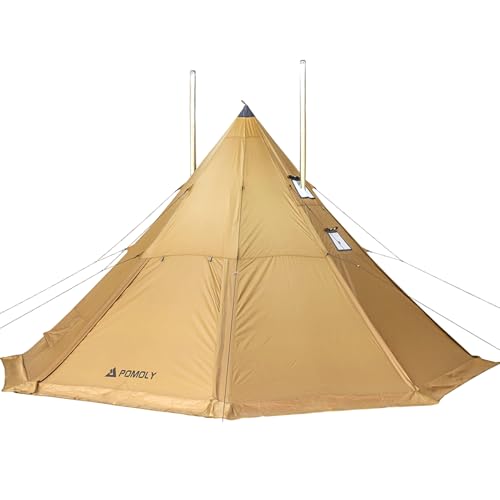
Strengths
- Spacious interior
- Three stove jacks
- Adjustable center pole
- Dual half inner tents
- 4-door design
Trade-offs
- Heavy and bulky
- No built-in floor
- Complex setup for solo users
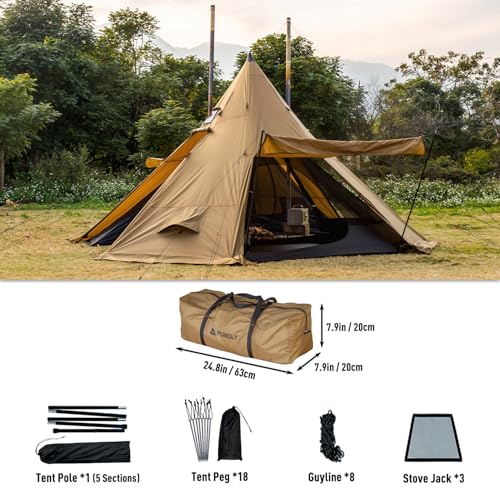
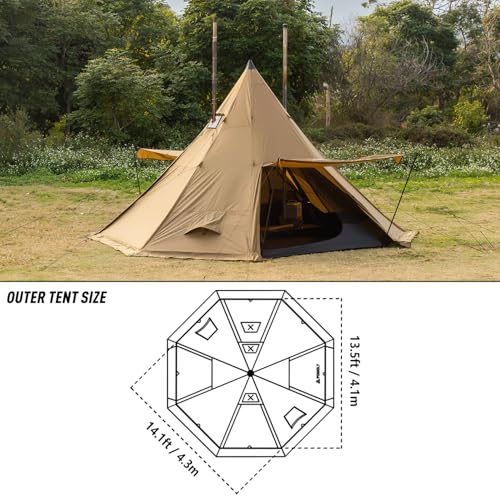
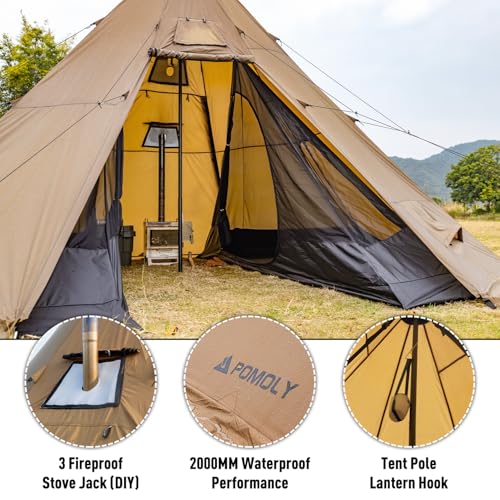
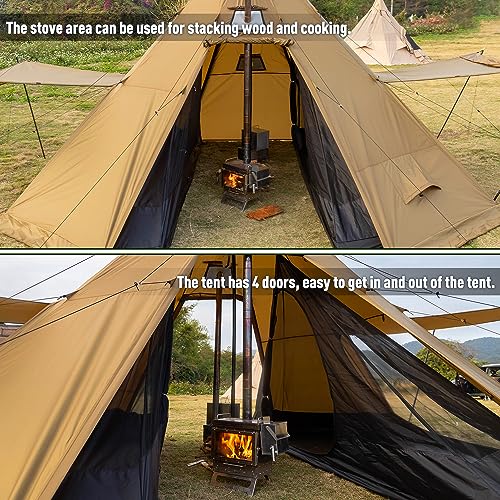
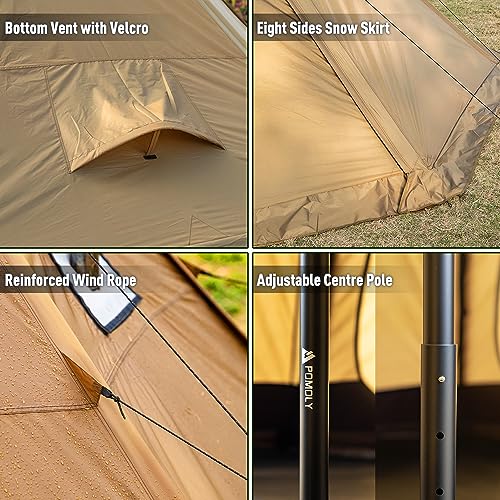
This is one of the most feature-packed pyramid tents on the market, clearly built for serious cold-weather camping. The 3 stove jacks stand out immediately, a rare and practical touch that lets you run dual stoves or have a backup option. That, combined with the PU 2000mm waterproofing and hot-sealed seams, tells me this tent is engineered to handle harsh conditions. The 4.3m diameter gives it serious interior space, and owners consistently report it feels more like a small cabin than a tent.
The inclusion of two half inner tents is smart for group use, offering privacy without fully dividing the space. I also like the adjustable aluminum center pole, 9 height settings give real flexibility for terrain or airflow. However, the sheer size means it’s not for backpackers, and the lack of a floor in the main tent (common in hot tents) means you’ll need a groundsheet. For winter overlanders or off-grid hunters, this is a strong contender.
Product photos
4 Person Lightweight Tipi Hot Tent
Strengths
- Ultra lightweight
- Stove jack included
- Good ventilation
- Compact pack size
- Quick setup
Trade-offs
- No floor
- Less wind stability
- Minimal interior space for 4
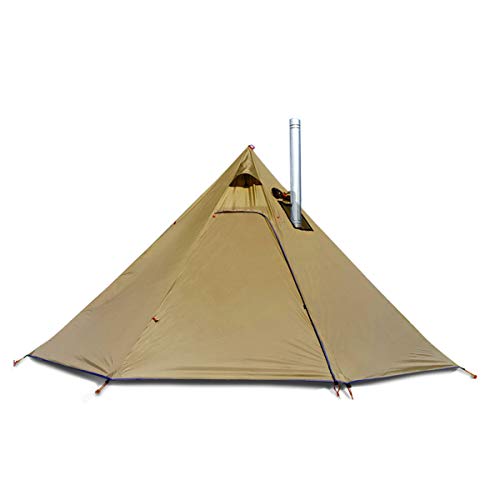
At just 5.6 lbs, this T1 model is one of the lightest stove-ready pyramid tents available, and that makes it a standout for mobile hunters or solo winter backpackers. The 210T polyester with PU 2000mm coating holds up well in snow and wind, and the double door and big vents help prevent condensation, a common issue in hot tents. On paper, it’s impressive how much function they’ve packed into such a compact footprint.
But there’s a trade-off: it’s floorless, which keeps weight down but means you’re dependent on a groundsheet or tarp. Owners note that while setup is quick with the included pole, the structure feels less rigid than heavier models in high winds. Still, for someone who needs a light, portable shelter that can run a stove, this is one of the smarter buys. It’s not luxurious, but it gets the job done.
Product photos


DOD RX Pyramid Tent for Camping

Strengths
- True all-season design
- Removable inner tent
- Excellent airflow
- Durable materials
- Simple one-pole setup
Trade-offs
- Mid-range capacity
- Pole not adjustable
- Slightly heavier than ultralight models
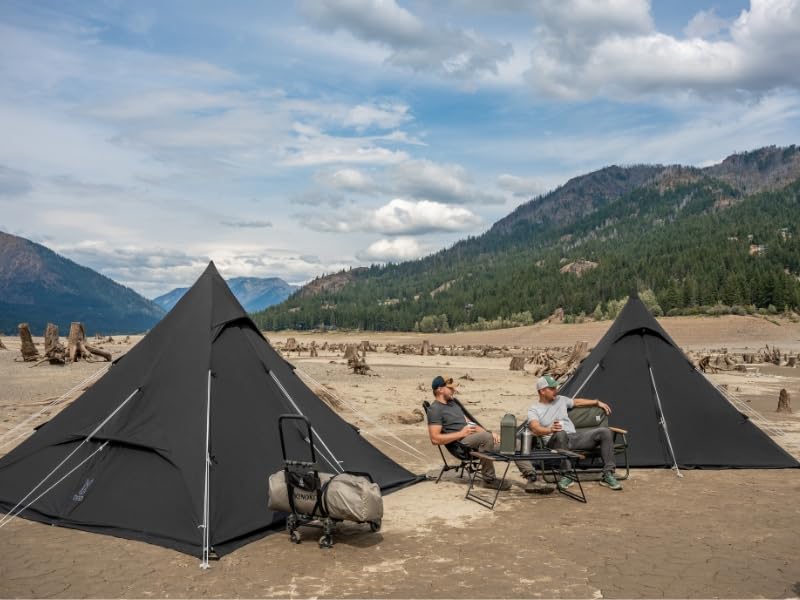
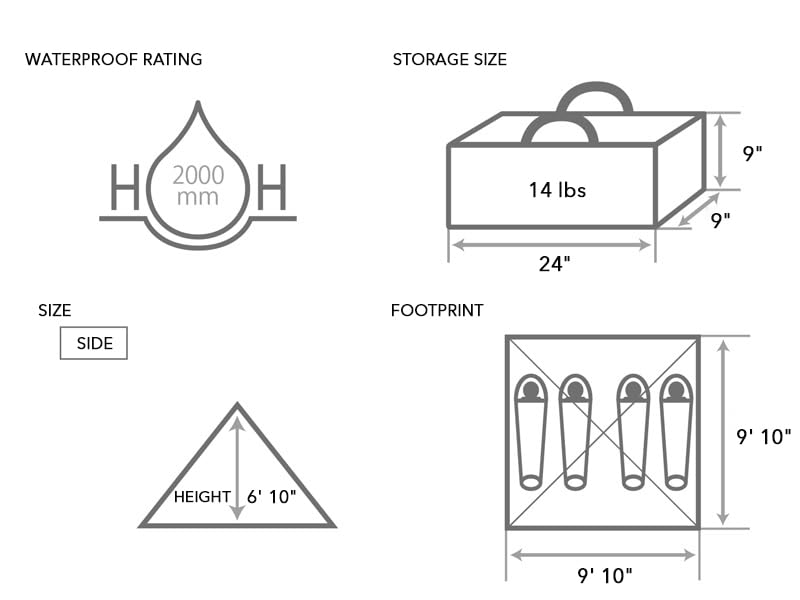
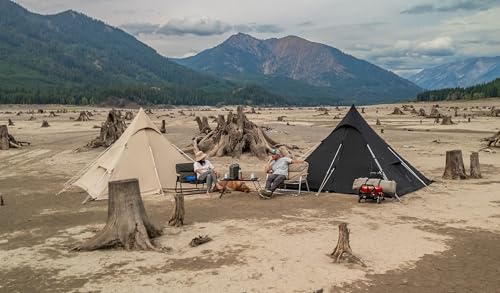
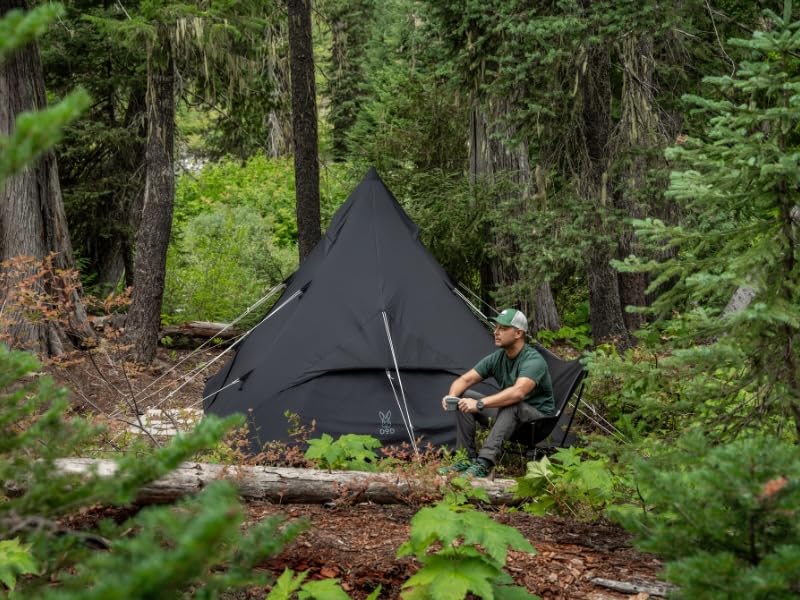
DOD has a reputation for thoughtful Japanese design, and this tent doesn’t disappoint. The single-pole pyramid structure is simple but effective, and the adaptable flysheet with skirt makes it genuinely usable year-round. The ability to remove the inner tent gives you flexibility, use it fully enclosed in winter, or just the fly for stargazing in summer. Owners praise how stable it feels in wind, thanks to the low-profile shape and quality guylines.
What really sets it apart is the balance of form and function. It’s not the largest or the lightest, but it’s built to last, with durable fabrics and smart ventilation. The large side ventilators help manage airflow without opening doors. If you’re looking for a do-it-all pyramid tent that blends style, durability, and real-world performance, this is my top pick for all-season versatility.
Product photos

Latourreg Pentagonal Pyramid Tent with Stove Hole

Strengths
- Detachable floor and rain cap
- Heavy-duty 300D fabric
- Stove-compatible
- Pentagonal space efficiency
- Hang loop for gear
Trade-offs
- Steel pole adds weight
- Tight space for 2
- Basic design, minimal features
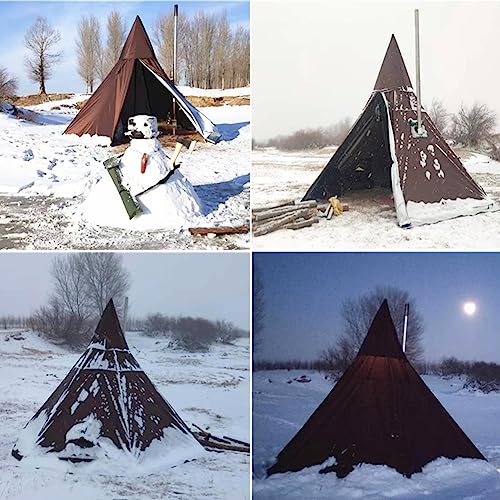
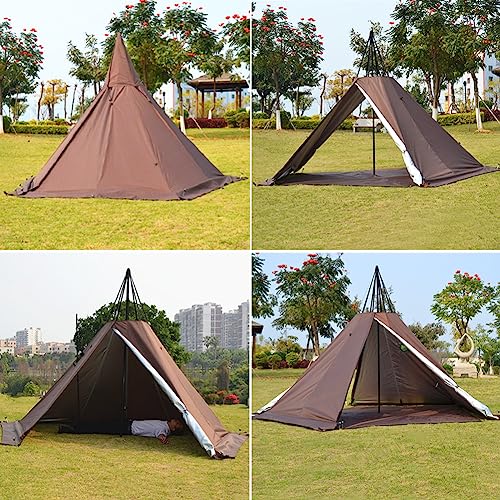
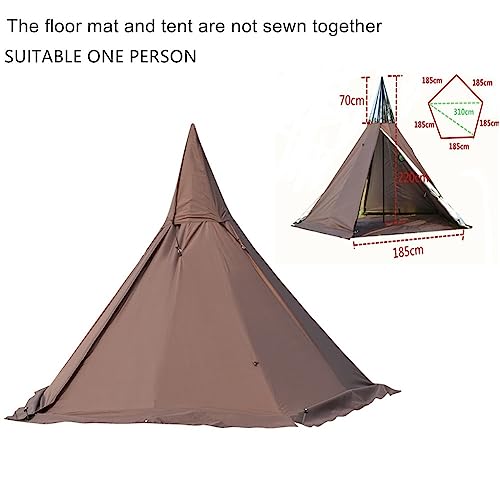
This pentagonal design offers a slight twist on the classic pyramid, giving a touch more usable floor space in a compact form. The 300D Oxford cloth is thick and abrasion-resistant, and the seams sealed with PVC tape suggest solid waterproofing. The detachable floor mat and rain cap add versatility, you can strip it down for warm weather or fully enclose it in storms.
But it’s clearly built for single-person use or very cozy two-person trips. The 3.1m diagonal size is modest, and the steel center pole, while sturdy, adds weight. Owners note the stove hole works fine but the cover cloth requires careful positioning to avoid fire risk. It’s not the most refined option, but for the price, it delivers solid materials and smart modularity.
Product photos


Latourreg 4 Season Hexagon Base Yurt Tent

Strengths
- Spacious hexagonal base
- Double-layer design
- Excellent airflow
- Multi-use outer canopy
- Family-friendly layout
Trade-offs
- Fiberglass poles less sturdy
- Heavy for transport
- Inner tent not fully private
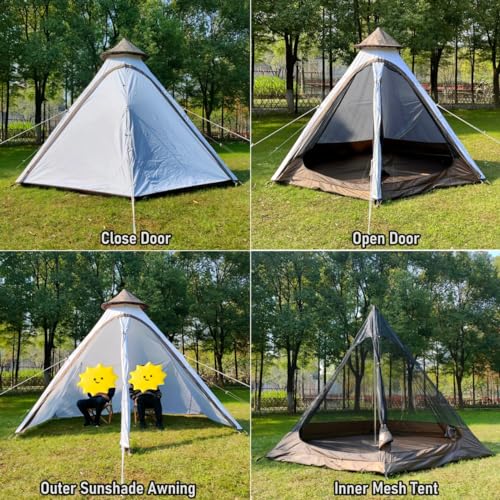
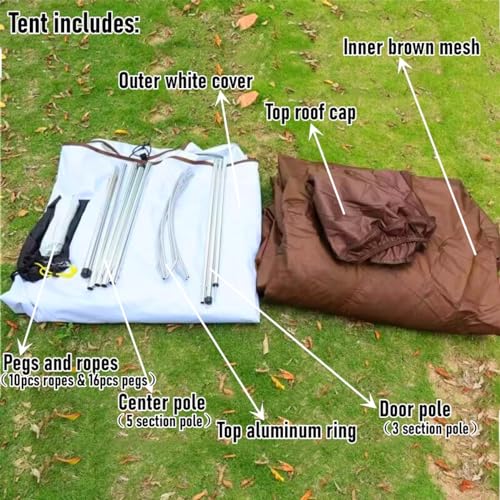
This is the largest tent on the list, and it shows, the 12.5ft diameter hexagonal base offers serious living space for a family. The double-layer design separates a breathable inner mesh tent from a durable outer 190T polyester fly, which helps manage condensation while keeping rain out. The high-density mesh doors and roof give great visibility and airflow, making it feel more like a shelter than a sealed tent.
It’s marketed as 4-season, but the fiberglass frame gives me pause in heavy snow or wind. Owners say it holds up fine in mild winter, but it’s clearly optimized for family camping, festivals, or basecamp use. The outer layer can double as a sunshade, which adds value. For groups who want room to spread out, this is a practical, roomy choice.
Product photos
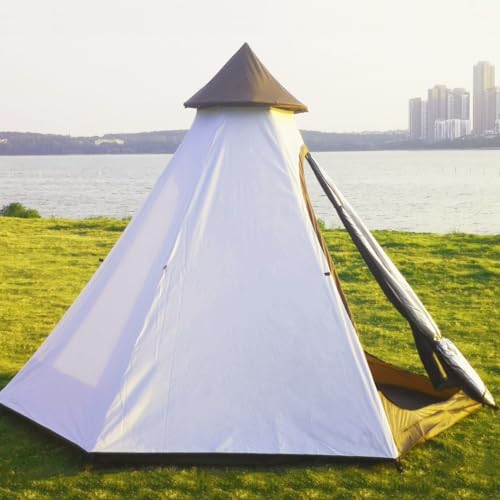
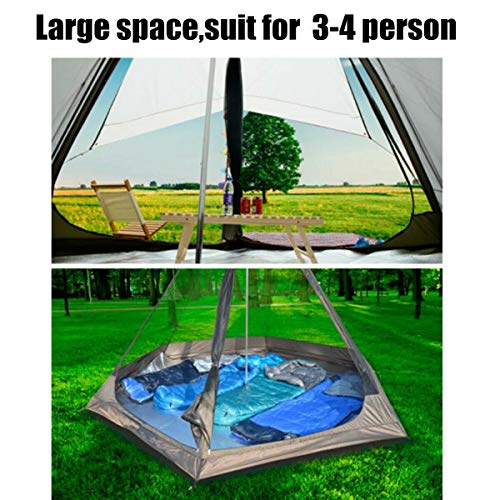
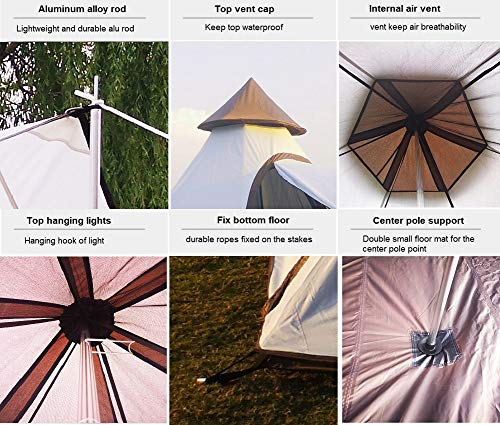
Dream House Cotton Canvas Pyramid Tent

Strengths
- Superior breathability
- Four top vents
- Mesh-screen doors
- Cotton canvas comfort
- Simple setup
Trade-offs
- Leak risk at peak
- No floor stitching
- Limited stormworthiness
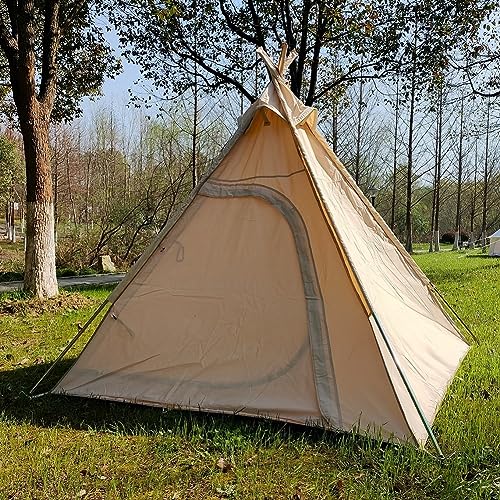
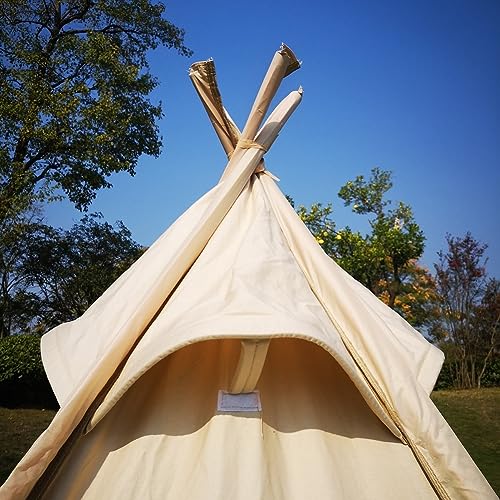
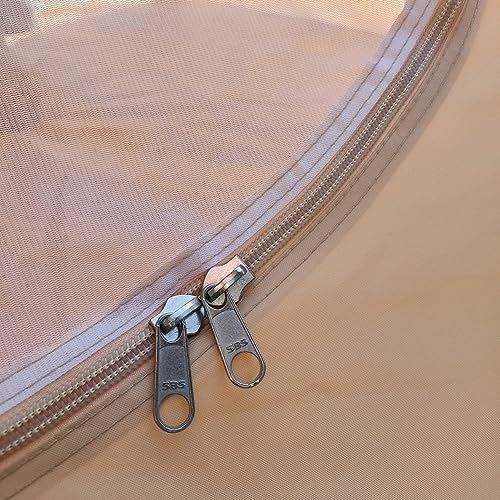
When it comes to breathability, this tent is hard to beat. The cotton canvas body combined with four top ventilation holes and dual mesh-screen doors creates a tent that actively fights condensation, a big win in cool, damp conditions. The square base and 2.15m dimensions give a balanced footprint, and owners report it feels airy even with two sleepers.
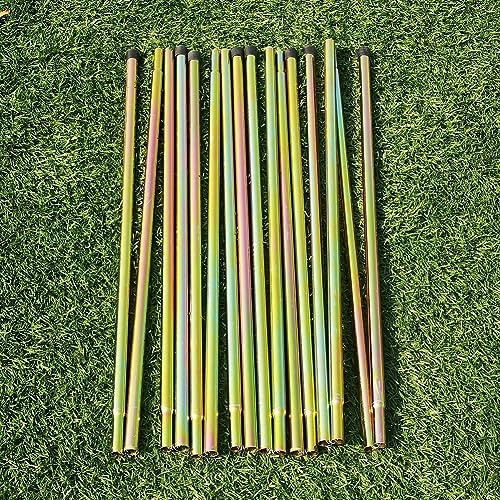
Like others in this material class, it’s not fully sealed at the peak, so prolonged rain is a concern. But for spring, summer, or dry fall trips, the airflow is exceptional. Setup is minimal, just four poles and a few stakes, and the carry bag makes transport easy. If you camp in humid forests or near water, this tent’s ventilation gives it a real edge.
Product photos
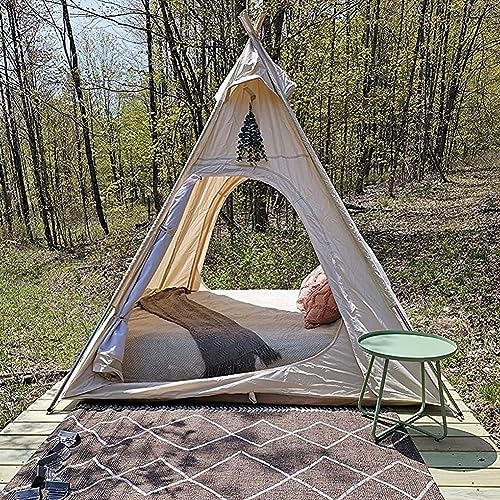
Free Space 100% Cotton Canvas Tent

Strengths
- Natural cotton canvas
- Excellent airflow
- PVC moisture-proof floor
- Double mesh doors
- Easy one-person setup
Trade-offs
- Heavy when wet
- Requires maintenance
- Not ideal for prolonged rain
There’s something special about cotton canvas, it breathes better than synthetic fabrics, reduces condensation, and ages beautifully. This tent leans into that with unbleached, PU-coated cotton canvas that owners say feels sturdy and naturally insulating. The double zippered doors with mesh and four air vents make ventilation excellent, which is why it earns my nod for best natural material build.
The PVC groundsheet is a practical touch, waterproof, wipe-clean, and durable. But I’d be cautious about calling this a true 4-season tent. Cotton stretches when wet and can sag, and while it’s treated for mold and UV, it needs proper drying after use. Setup is reportedly fast and simple, and the 2.15m height allows for comfortable sitting. If you value breathability and a classic look, this is a solid pick.
Product photos


7’x7′ Cotton Canvas Bell Teepee Tent

Strengths
- High-quality cotton canvas
- Excellent UV resistance
- Spacious for 3
- Double mesh doors
- Sturdy PVC floor
Trade-offs
- Leak risk in heavy rain
- Heavy and bulky
- Not true 4-season
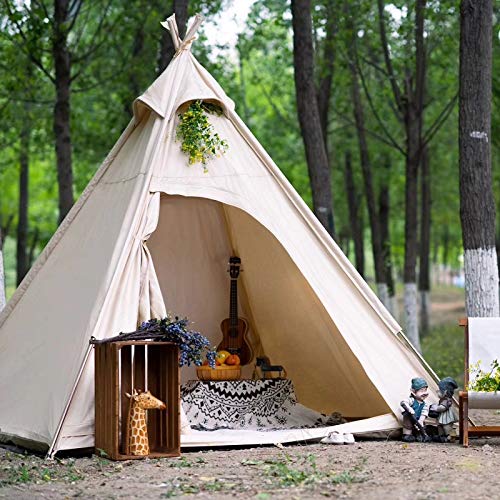
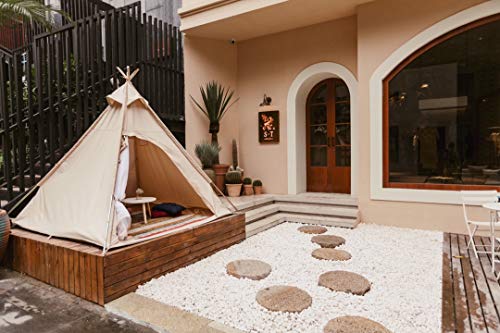
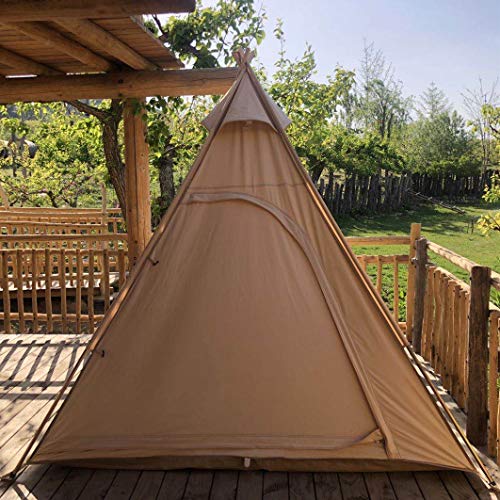
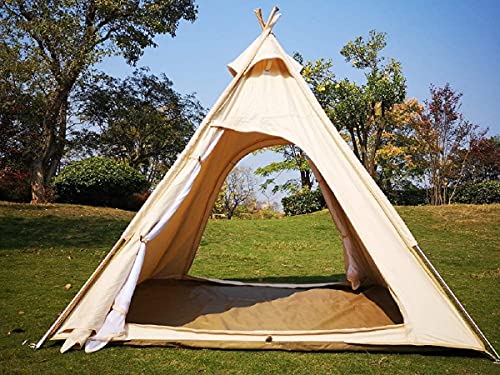
This tent nails the classic pyramid aesthetic, cotton canvas, double doors with mesh, and a simple pole structure that feels timeless. The 285g/sqm canvas with PU 3000mm coating is thicker than most, and the 540g/sqm PVC base is rugged and easy to clean. Owners love the spacious feel for 2–3 people, especially with a double bed inside.
But the structural limitation is real: the top seams can’t be fully sealed, so heavy rain may lead to leaks. That’s why it’s best for fair-weather camping or dry climates. The galvanized steel poles are strong, and setup is straightforward with the sleeve system. If you’re after vintage charm and breathable fabric for weekend getaways, this is a strong pick, just don’t push it in storms.
Product photos
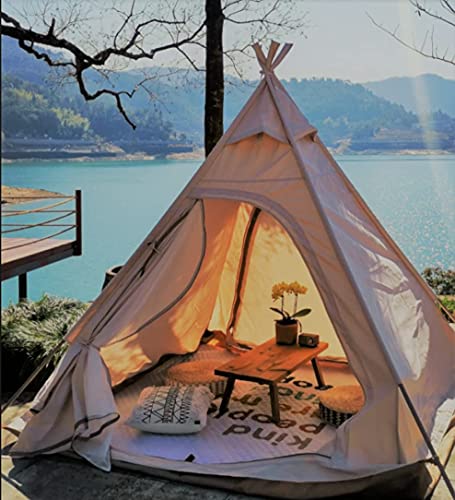
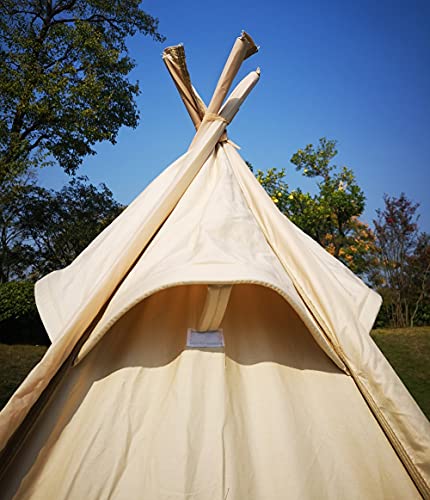
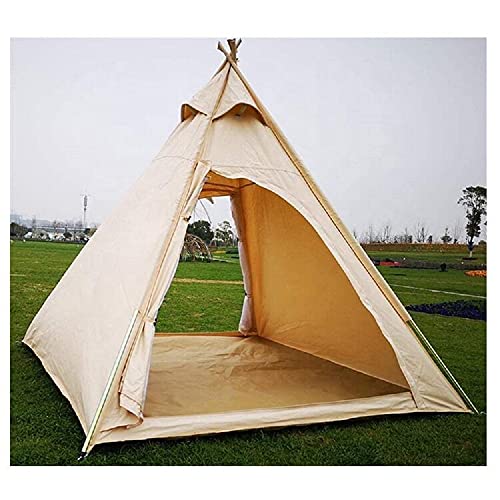
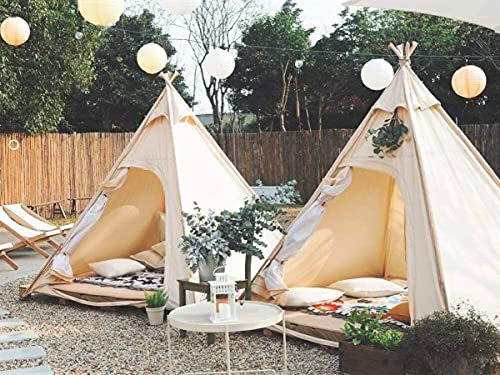
How We Evaluated pyramid tents
I approached researching pyramid tents by first compiling detailed specifications and features from numerous retailers and manufacturers. I then weighed this technical data against owner reviews from sites like Amazon, as well as expert opinions published on outdoor gear review platforms. My goal was to build a comparative overview, rather than a hands-on lab test, focusing on identifying patterns in performance and value based on real-world feedback and stated capabilities.
For pyramid tents, three factors stood out as most crucial: waterproof rating, material durability, and ease of setup. A high waterproof rating (PU2000mm or better) is essential given the tent’s design and intended use in potentially inclement weather. Durability, particularly tear resistance, directly impacts longevity, and an easy setup process makes these tents more accessible for weekend adventurers. These were weighted more heavily than factors like included accessories or aesthetic design.
Specifications reliably reveal waterproof ratings, pole materials, and tent dimensions. However, I placed significant emphasis on owner feedback regarding real-world waterproof performance, condensation issues, and wind resistance. Reputation and brand trust also factored in; established brands with a history of quality outdoor gear generally carried more weight in my assessment. Understanding tent selection factors is key to making the right choice.
How To Pick The Right pyramid tents
Pyramid tents offer a unique blend of spaciousness and simplicity, but picking the right one requires a bit more thought than just grabbing the cheapest option.
Pyramid tents distinguish themselves with a single central pole supporting a conical or pyramidal shape. Key considerations include fabric durability (ripstop polyester or canvas), waterproof ratings (PU coating in mm), ventilation options (vents and door design), and the quality of included accessories like poles and stakes. A well-constructed pyramid tent balances these elements for comfortable, reliable shelter.
Fabric & Waterproofing
The material a pyramid tent is made from dramatically impacts its weight, durability, and how it handles the elements. While polyester tents are generally lighter and more affordable, a good cotton canvas tent, like the Dream House model, offers superior breathability, making it much more comfortable in warmer weather. However, remember that canvas requires more care and isn’t as reliably waterproof as a polyester tent with a high PU coating. Look for a PU rating of at least 2000mm for dependable water resistance, but be aware that seam sealing quality is just as important.
Ventilation & Doors
Pyramid tents can get stuffy quickly without proper ventilation. Many models, like the DOD RX, feature large side vents, but the number and placement matter. I’ve seen tents with vents too low to the ground, rendering them almost useless. The number of doors is also important. A single door can be a bottleneck, while multiple doors (as seen in the POMOLY Bromance 70) provide easier access and better airflow. Don’t underestimate the value of mesh screening on doors and vents to keep bugs out while letting air circulate.
Size & Weight Considerations
Deciding how much space you really need is crucial. A tent marketed for “4-6 people” might be cramped for a family of six, especially with gear inside. Consider your sleeping arrangements and whether you’ll be spending significant time inside the tent during inclement weather. If you’re backpacking, weight is paramount. The Latourreg Pentagonal model prioritizes a lightweight design, but that often means sacrificing some interior space. For car camping, a heavier, more spacious option might be preferable. If you plan on using a stove inside, remember that many pyramid tents have stove jacks, and you’ll want to consider a tent footprint for pyramid tents to protect the floor from sparks and heat.
A good rule of thumb: always size up. It’s better to have a little extra space than to feel cramped, especially on longer trips.
Pyramid Tents Compared
Here’s a comparison of key specifications for various pyramid tents to help you choose the right one.
| Product Name | Capacity | Material (Outer) | Waterproof (mm) | Floor Material | # Stove Jacks |
|---|---|---|---|---|---|
| POMOLY Bromance 70 Pyramid Hot Tent | 4-6 | 70D Ripstop Polyester | 2000 | N/A | 3 |
| 4 Person Lightweight Tipi Hot Tent | 2-3 | 210T Polyester | 2000 | N/A | 1 |
| DOD RX Pyramid Tent for Camping | N/A | N/A | N/A | N/A | N/A |
| Latourreg Pentagonal Pyramid Tent | 1 | 300D Oxford Cloth | N/A | PU | N/A |
| Latourreg 4 Season Hexagon Base Yurt Tent | 3-4 | 190T Polyester | N/A | N/A | N/A |
| Dream House Cotton Canvas Pyramid Tent | 3 | 285gsm Cotton Canvas | N/A | N/A | N/A |
| Free Space 100% Cotton Canvas Tent | 2-3 | Cotton Canvas | N/A | PVC | N/A |
| 7’x7′ Cotton Canvas Bell Teepee Tent | 2-3 | 285gsm Cotton Canvas | 3000 | 540gsm PVC | N/A |
Frequently Asked Questions
What’s the biggest advantage of a pyramid tent over a dome tent?
Pyramid tents generally offer more interior space for their weight compared to dome tents, and the single-pole design simplifies setup. This open space is fantastic for groups or anyone wanting room to move around comfortably.
Are pyramid tents good in windy conditions?
Yes, they can be, but it depends on the quality of the tent and how well it’s staked down. The pyramidal shape is inherently stable, but a flimsy pole or inadequate stakes will compromise wind resistance, look for models with robust poles and plenty of guylines.
Can you use a wood stove inside a pyramid tent?
Some pyramid tents are specifically designed for use with wood stoves and include stove jacks for venting. Always verify the tent’s specifications and follow all safety precautions when using a stove inside any shelter; a reliable two-person backpacking tents won’t have this feature.
How important is seam sealing on a pyramid tent?
Extremely important. Even a high waterproof rating on the tent fabric is useless if the seams aren’t properly sealed, as that’s where water will penetrate. Check owner reviews for feedback on seam sealing quality or be prepared to apply seam sealer yourself.
What’s the lifespan of a canvas pyramid tent compared to a polyester one?
With proper care, a canvas pyramid tent can last significantly longer than a polyester one. Canvas is very durable but requires regular cleaning and treatment to maintain its waterproofing. Polyester is more resistant to UV damage and generally easier to maintain, but may not hold up to years of heavy use like a well-cared-for canvas tent.
The Bottom Line
Choosing a pyramid tent often comes down to balancing how much fuss you’re willing to put up with against how much control you want over comfort and durability. Ultimately, for most people seeking a reliable shelter that won’t break the bank, the POMOLY Bromance 70 Pyramid Hot Tent strikes the best balance of features, space, and price. It’s a solid all-around performer that addresses many of the common concerns with pyramid tent designs.
If you’re specifically looking to save money, the 4 Person Lightweight Tipi Hot Tent will get you into the pyramid tent world without a huge investment. But for those who prioritize versatility and breathability, especially for warmer weather camping, the Dream House Cotton Canvas Pyramid Tent offers a significant upgrade in comfort, despite requiring a bit more care. Remember to consider a 4-season pyramid tent features if you plan on using your tent in colder months.
At the end of the day, the waterproof rating and fabric durability are far more important than the number of stove jacks or included accessories. Prioritize a tent with a high PU coating (2000mm or higher) and a robust material, ripstop polyester or canvas, and you’ll be well on your way to enjoying countless nights under the stars.
