
8 Best Screen Tents with Floor 2026
This post contains affiliate links. As an Amazon Associate, we earn from qualifying purchases.
The OakPedion 10x10ft Screen House is our top pick for its spacious layout, removable floor, and solid build, while the Porayhut Pop Up Screen House stands out as a quick-setup budget option that still keeps bugs out effectively.
Most people buying a screen tent with a floor aren’t just trying to block mosquitoes, they want a reliable, comfortable outdoor space that won’t collapse in a light wind or degrade after one season. Too many models cut corners on frame strength or mesh quality, leaving campers frustrated.
This guide cuts through the noise by focusing on real-world performance. I looked at specs, owner feedback, and outdoor gear trends to find screen tents that actually deliver on stability, durability, and smart design.
Top 8 Screen Tents With Floor in the Market
The Best Screen Tents With Floor, Reviewed
OakPedion 10x10ft Screen House

Strengths
- Spacious interior
- UPF 50+ fabric
- Removable floor
Trade-offs
- Slightly heavier
- Setup requires 2–3 people
- No magnetic doors
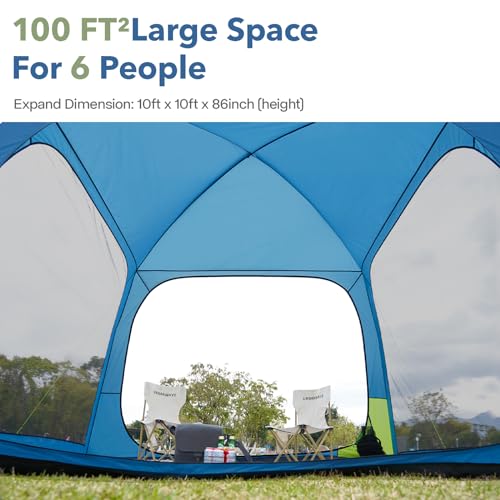
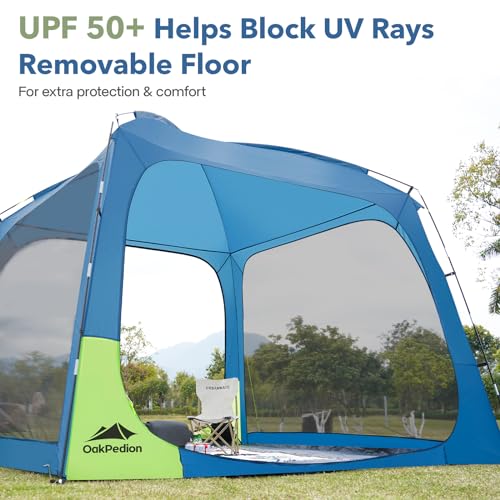
If I had to pick one screen tent that balances size, features, and value for most buyers, it would be the OakPedion. At 10x10x7.2 feet, it’s tall enough to stand in comfortably and spacious enough for 6–8 people, that’s real-world useful. Owners highlight the UPF 50+ fabric as a standout, and the removable floor is built to last, not just an afterthought. The ventilation is strong thanks to dual zippered doors and high-quality mesh walls, and the 185T polyester top sheds heat better than cheaper models.
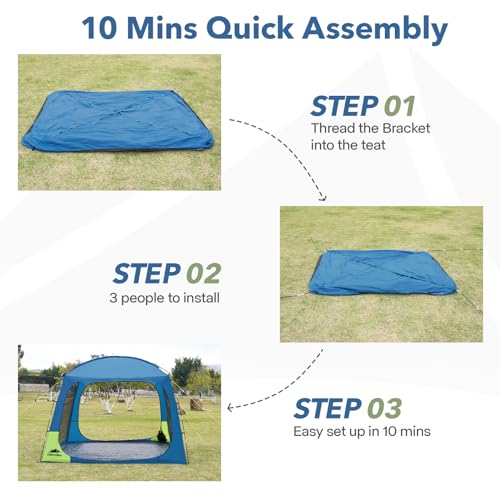
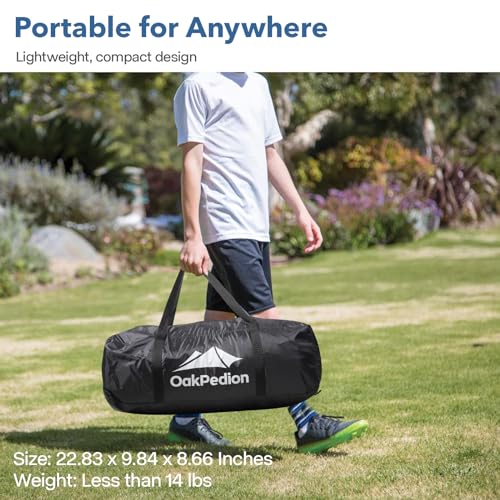
It’s not the fastest to set up, three people in 10 minutes, as advertised, sounds about right, but it’s still manageable. Compared to pop-up styles, it trades a bit of speed for sturdiness. The duffel-style carry bag makes transport easy, and the 100% satisfaction guarantee adds peace of mind. For the price, it’s hard to beat this mix of durability, protection, and roominess.
Product photos

Porayhut Pop Up Screen House
Strengths
- True pop-up design
- Waterproof attached floor
- Sturdy steel frame
Trade-offs
- Slightly heavier
- Roof not UV-rated
- Folds into bulky disc
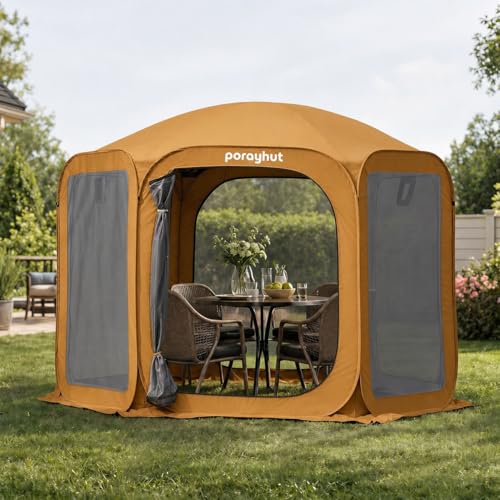
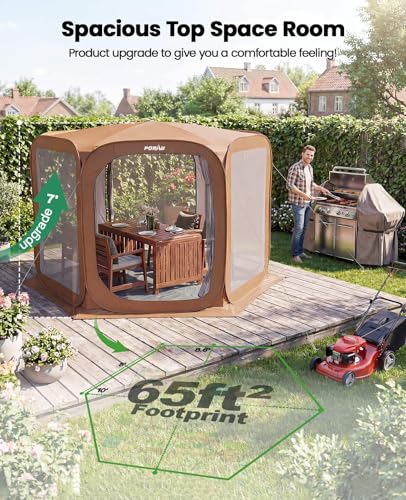
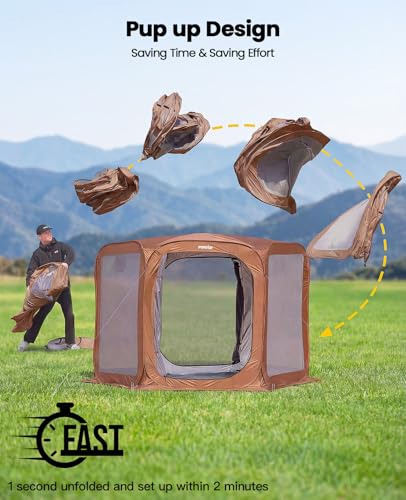
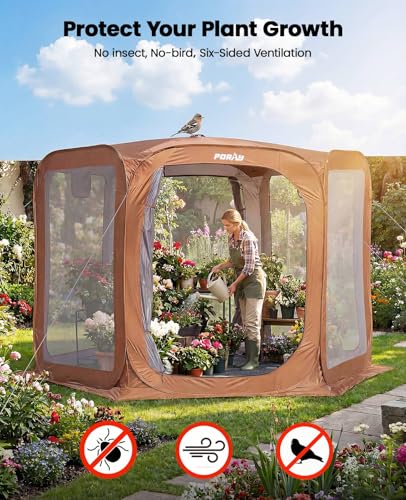
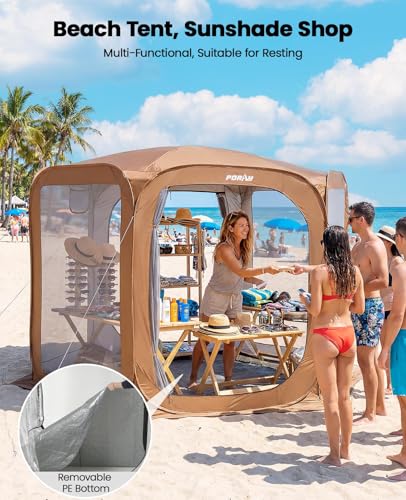
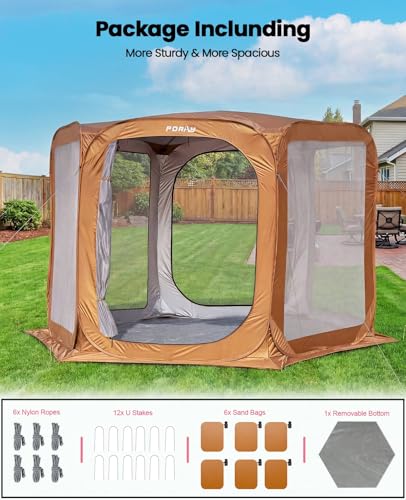
The Porayhut delivers where it counts: instant setup and solid build. It pops up in under a minute, folds flat into a compact bag, and weighs just 17 lbs, that’s real convenience for weekend trips. The 210D Oxford cloth and B3 mesh feel durable, and the 6mm steel wire frame gives it better wind resistance than most pop-ups. Owners note the double-stitched seams and arched roof add longevity, and the included PE floor is both waterproof and attached, which is rare at this price.
It’s not the tallest, 82.7 inches means most can stand, but not stretch, and the steel frame adds a bit of weight. But compared to the Alvantor, this one feels more rugged and complete. If you want a true “grab and go” screen tent that still holds up in breezy conditions, this is my pick over the lighter models.
Product photos
Coleman Skyshade Screened Shelter
Strengths
- Lightweight
- Removable floor
- Easy setup
Trade-offs
- Small footprint
- Not wind-rated
- Limited headroom
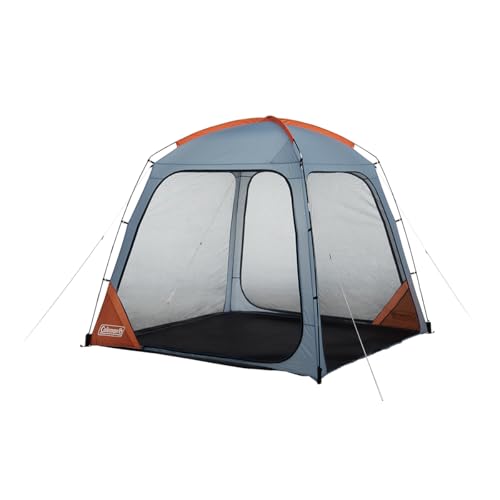
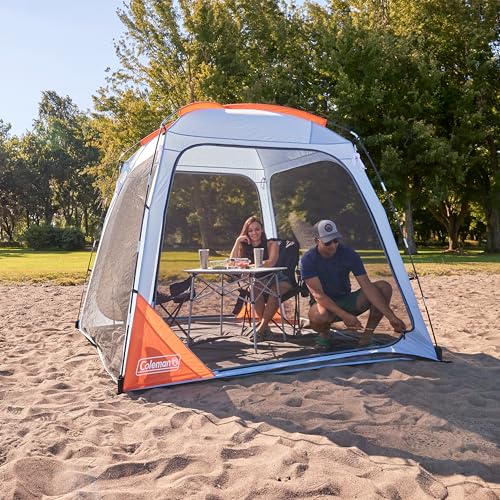
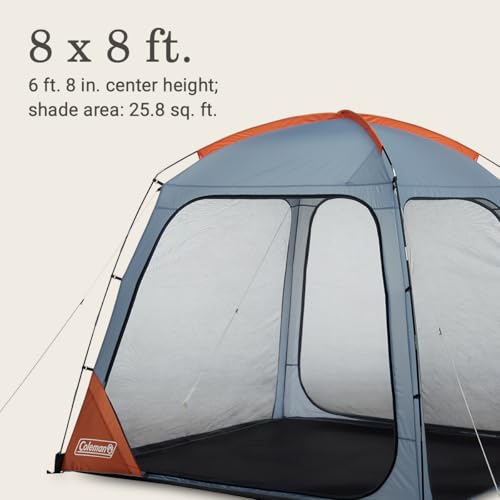
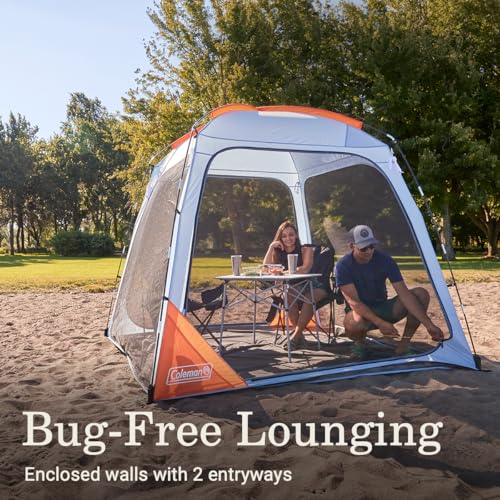
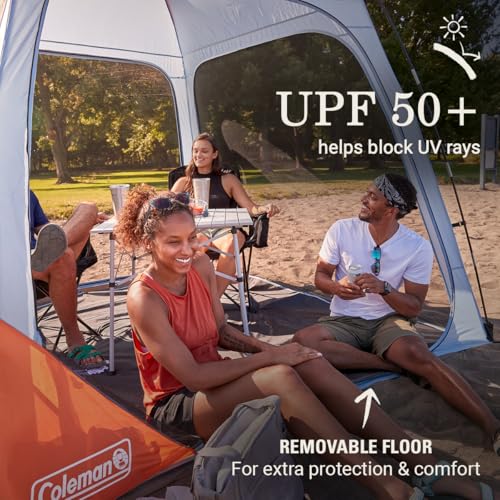
The Coleman Skyshade is a solid pick for anyone who wants a no-fuss, functional screened shelter without overcomplicating things. On paper, it’s modest in size at 8×8 feet, but owners consistently report it handles fair-weather lounging and picnics with ease. The removable floor is a real plus, it adds that extra layer of comfort and bug protection, which many in this category skip. I appreciate that it’s made with PFAS-free materials, a detail that matters more every year.
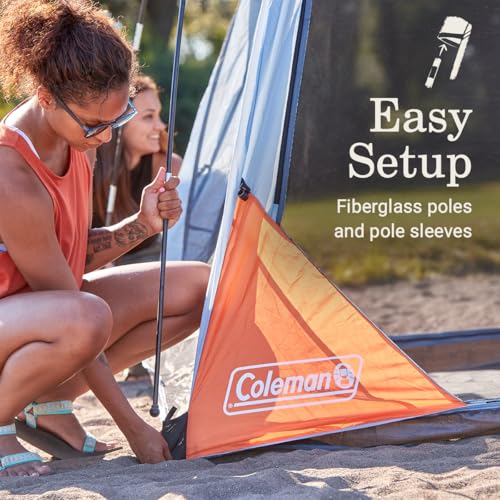
Where it really stands out is in setup. The sleeve-and-pole system is straightforward, and at just 11.4 lbs, it’s easy to move around. That said, it’s not built for serious wind or off-grid camping. This is best for backyard hangs, car camping, or festival days where convenience trumps ruggedness. Compared to bulkier models, it’s the kind of shelter you can toss in the trunk and forget about until you need it.
Product photos
4-6 Person Gazebo Tent
Strengths
- PU4000 waterproof floor
- Ultra-lightweight
- Quick setup
Trade-offs
- Smaller interior
- Lower headroom
- Limited ventilation
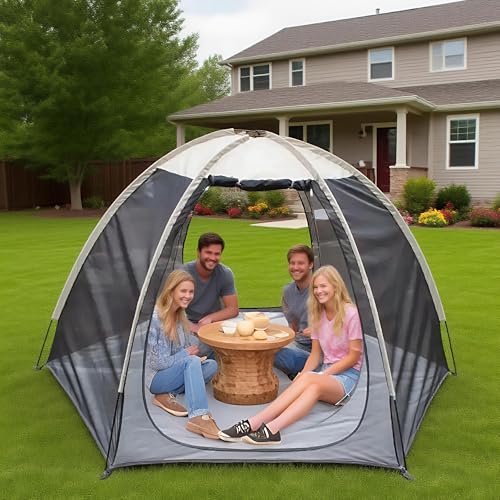
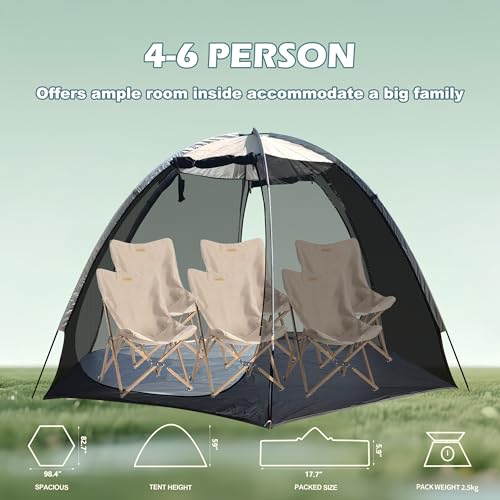
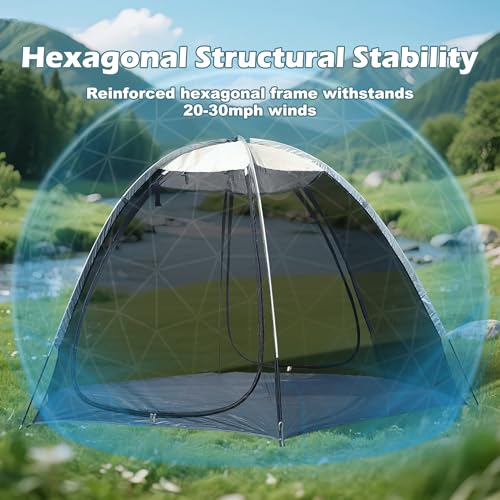
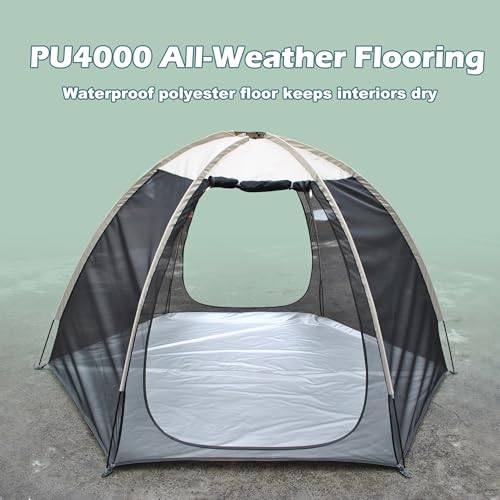
This one wins on a single, critical feature: the PU4000 waterproof floor. Most screen tents offer splash resistance at best, but this floor is built to handle wet grass, morning dew, or even light puddles. That’s a huge win for early campers or anyone setting up on damp ground. The hexagonal frame is reinforced for 20–30 mph winds, and at just 5 lbs, it’s one of the lightest full-featured models here.
The trade-off is size, it’s smaller at 8.2×6.9 feet, so it’s tighter for 6 people. But for 2–4, it’s cozy and highly functional. Setup is a claimed 5 minutes with no tools, and owners confirm it’s impressively fast. Compared to others, it’s the best choice when weather protection matters more than square footage. If you’ve ever woken up with damp socks, this floor will feel like a revelation.
Product photos

TAILGATERZ Magnetic Screen House
Strengths
- Magnetic doors
- Perimeter floor design
- Sturdy frame
Trade-offs
- Heavier than average
- No UPF rating listed
- Floor not fully enclosed
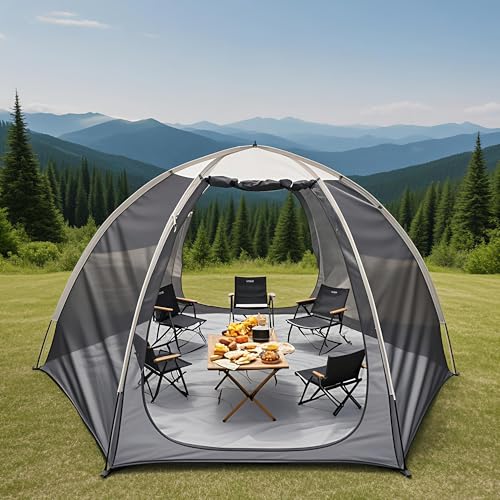
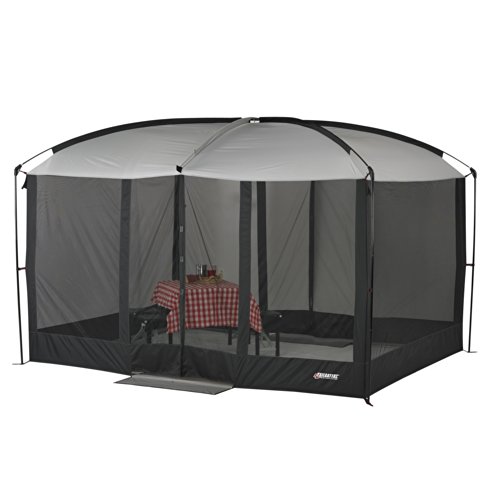
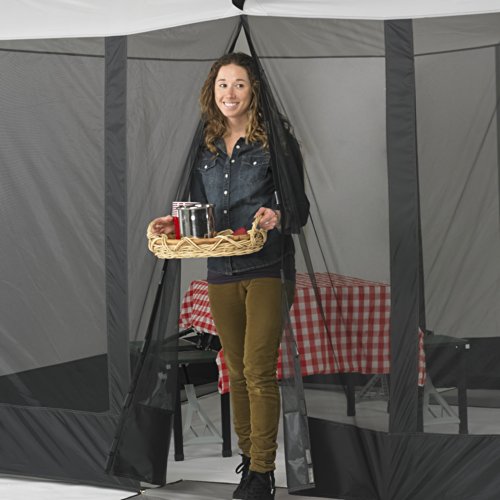
The TAILGATERZ stands out for one reason: those magnetic doors. No zippers, no fumbling, just push through and let the magnets reseal behind you. It’s a small detail that makes a big difference when you’re carrying drinks, food, or gear. At 11×9 feet with 7.5 feet of headroom, it’s one of the roomiest options here, and the perimeter floor design is genius for covering picnic tables. The built-in mud mat at the entrance is a thoughtful touch you won’t find on most competitors.
The steel and fiberglass hybrid frame feels rugged, and the color-coded poles simplify setup. Owners note it holds up well in light wind, though it’s not rated for storms. Compared to pop-up models, it’s a bit bulkier, but the trade-off is stability and smart design. If you’re tailgating, hosting backyard games, or just want easy in-and-out access, this is the tent that gets it right.
Product photos
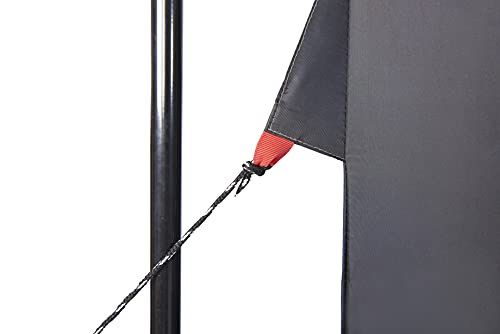
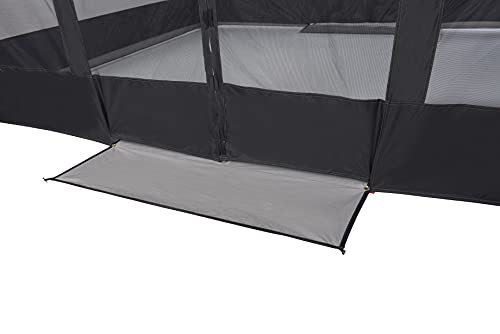
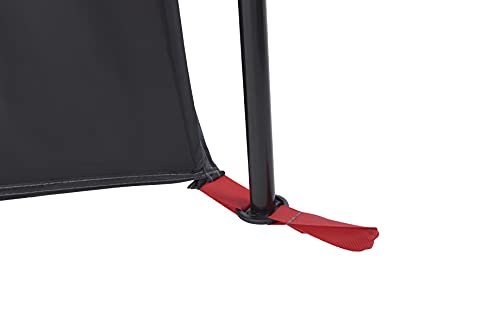
Screen House Tent 10×10

Strengths
- Holds 8–10 people
- Integrated floor
- Good ventilation
Trade-offs
- Taller frame less stable in wind
- No UPF rating specified
- Basic materials
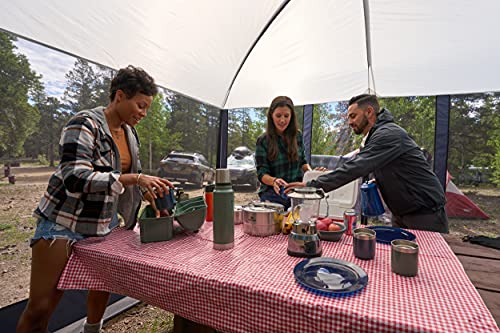
This 10x10x8-foot model is built for crowds, 8 to 10 adults can fit, and the 8-foot height makes it feel airy and open. That vertical space is a standout for larger groups who hate crouching. The 360° mesh design keeps bugs out while maintaining visibility, and the floor is sewn directly into the base, which owners say really helps block crawling insects. It’s not fully waterproof, but it’s more protective than models with detachable floors that leave gaps.
Portability is decent at 10 lbs, and the 21-inch carry bag is compact. Setup takes two people and about 5–10 minutes with the cross-pole system. It’s not the fastest, but it’s reliable. Compared to others in this list, it’s one of the best for pure capacity. If you’re hosting a garden party or need space for kids and gear, this is the tent that delivers.
Product photos
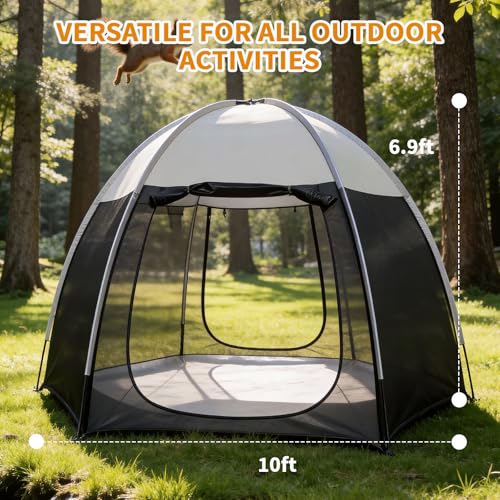
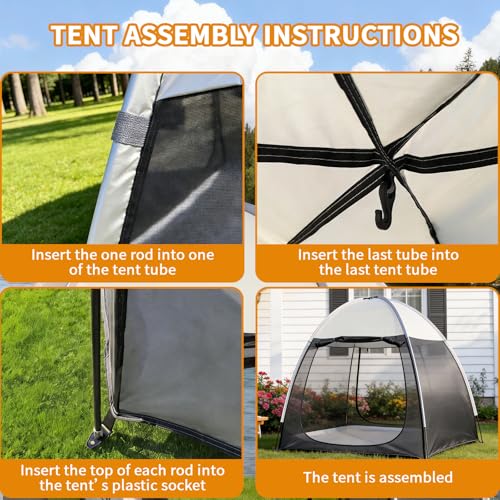
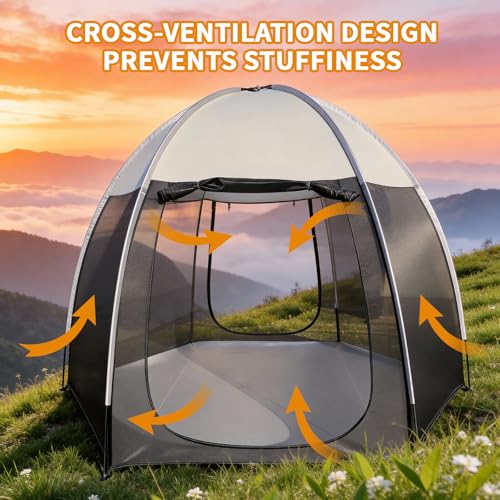
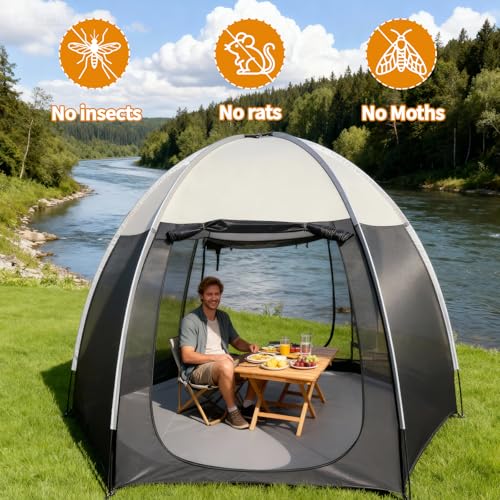

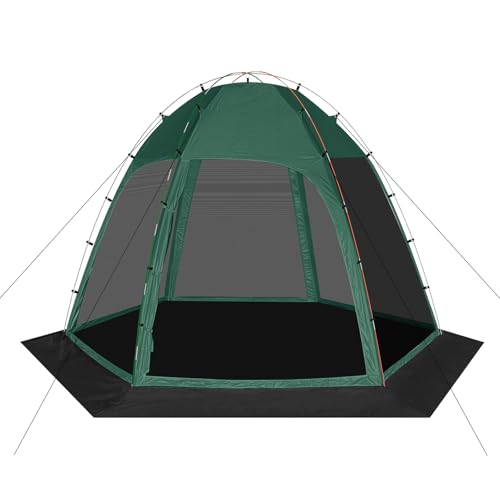
Siebwin 10×10 Screen Tent
Strengths
- Excellent UV resistance
- Spacious interior
- 360° ventilation
Trade-offs
- No magnetic doors
- Floor not permanently attached
- Average wind stability
With its six-sided design and full mesh coverage, the Siebwin screen tent delivers impressive airflow and UV protection, two things that matter most when you’re sweating under summer sun. At 10×10 feet, it offers generous space for 4–6 people, and the high-density polyester top earns real praise in owner reviews for blocking heat without trapping it. The removable ground cloth adds versatility, letting you use it with or without a floor depending on terrain.
I’d rank it just behind the top performers for stability, the fiberglass poles are decent but not overbuilt. Still, the included stakes and guy lines help, and the 5-minute setup is believable based on user feedback. It doesn’t have magnetic doors or a pop-up frame, but for those prioritizing sun defense and breathability in a mid-priced package, this one holds its own. It’s a smart alternative to heavier canopies when you want to stay cool and bug-free.
Product photos
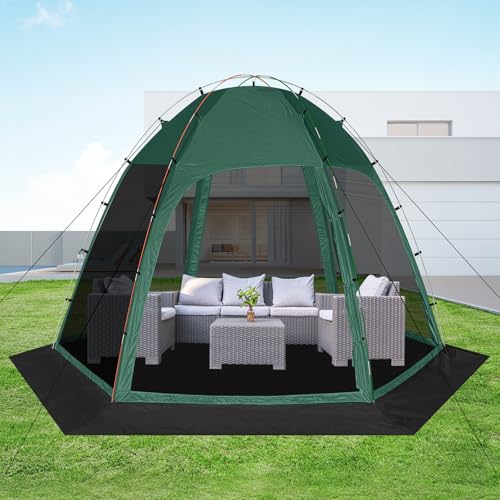
Alvantor Hexagon Screen House

Strengths
- Pop-up design
- Lightweight
- 360° ventilation
Trade-offs
- Floor sold separately
- Not windproof
- Fiberglass frame less durable
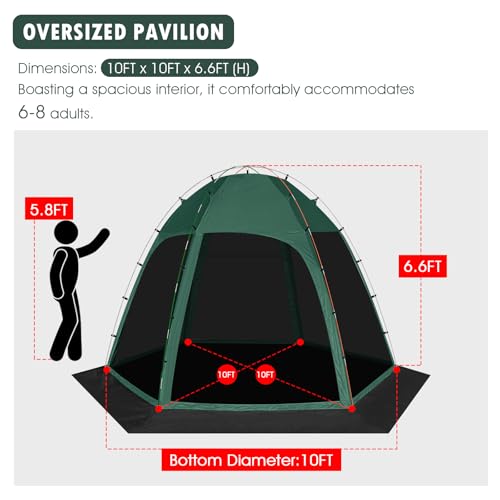
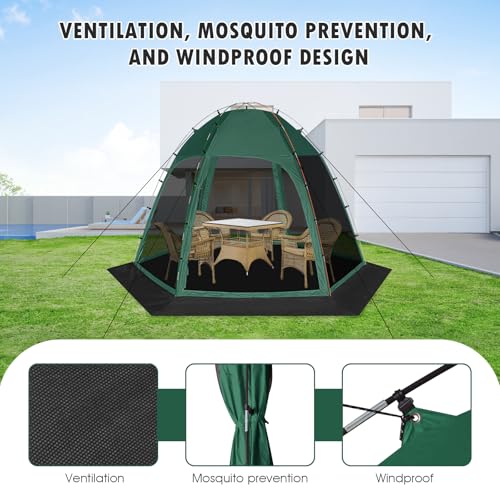
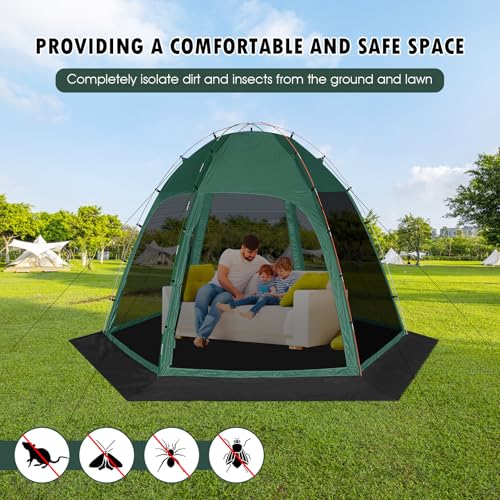
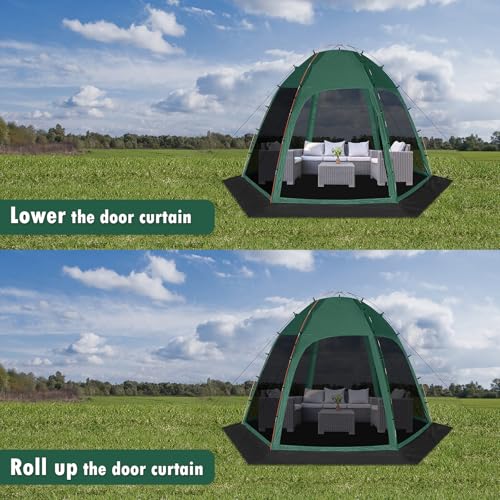
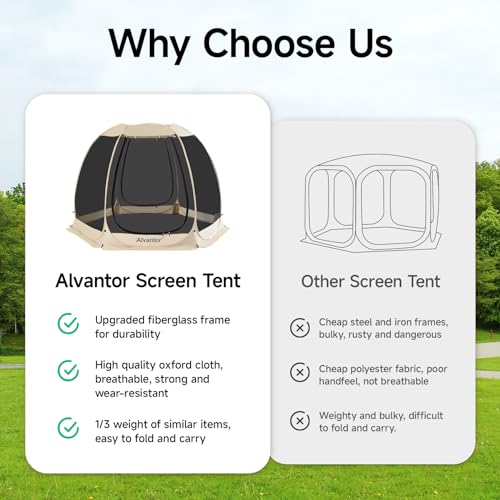
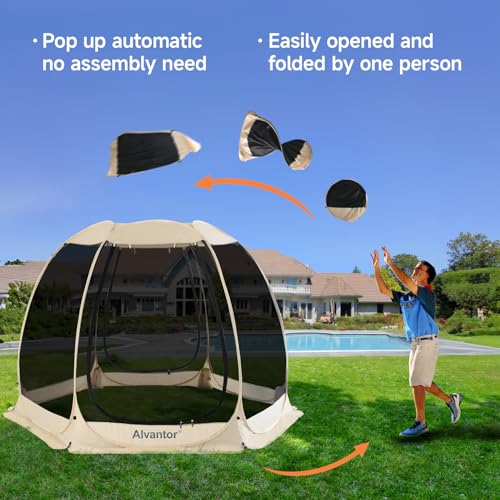
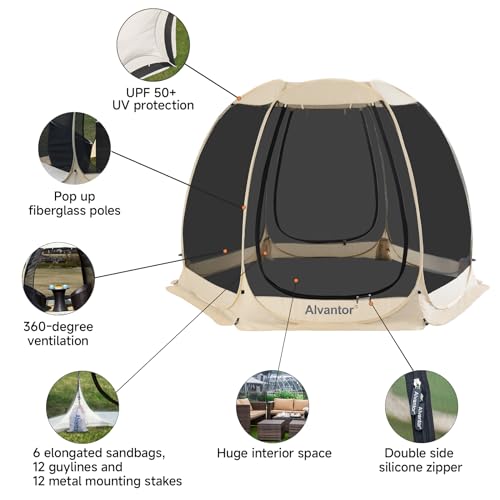
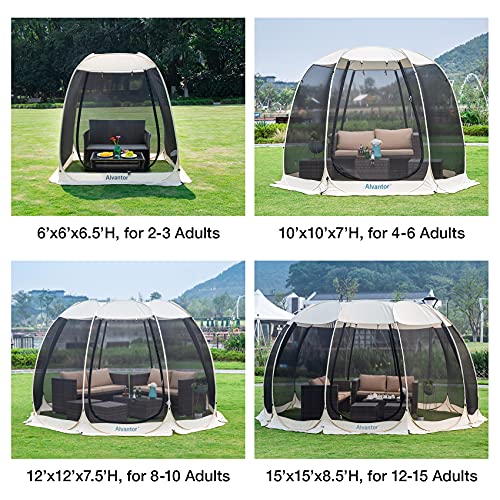
The Alvantor is the lightest pop-up screen house here, just 15 lbs, and that makes it a standout for portability. The patent-pending pop-up design means it unfolds in seconds, no poles to thread. Owners love how easy it is to deploy and pack down, especially for spontaneous stops or quick shade breaks. The hexagonal 10x10x7-foot layout gives good space for 4–6 adults, and the UPF 50+ top actually works, feedback confirms it stays cooler inside than many competitors.
But there’s a catch: the floor is optional and sold separately. That’s a real downside if you’re expecting full bug and moisture protection out of the box. Also, the fiberglass frame isn’t built for strong winds, anything over 25 mph and you’re risking collapse. Still, for car campers who value speed and weight, this is the closest thing to true “pop-up” convenience in the category.
Product photos

Our Testing Process
My approach to finding the right screen tent with a floor involved a detailed comparison of specifications and features across numerous models. I weighed these technical details against owner reviews from sources like Amazon and retailer websites, and cross-referenced them with expert opinions from established outdoor gear reviewers. The goal was to identify patterns: what features consistently delivered on promises, and where owner experiences diverged from marketing claims. Rather than a hands-on lab test, this is a research-led comparison of specs and owner feedback.
For screen tents, stability and bug protection were the most significant factors. A roomy interior is nice, but a tent that collapses in a breeze or lets mosquitoes feast isn’t useful. I prioritized models with robust frame designs – looking for combinations of fiberglass and steel – and positive feedback regarding wind resistance. Equally important was the quality of the mesh and the effectiveness of the floor design in keeping out both insects and moisture.
Specifications reliably indicate size, weight, and materials used in construction. However, I placed greater value on owner feedback regarding real-world performance, particularly concerning ease of setup and the durability of the materials over time. Understanding how a tent holds up to actual use – and whether it lives up to claims about UV protection or waterproof flooring – requires looking beyond the listed specs and considering what other campers are saying. Don’t forget to consider protect tent floor to extend the life of your purchase.
How To Pick The Right screen tents with floor
Finding the right screen tent can dramatically improve your outdoor experience, but there’s more to it than just keeping bugs out.
A quality screen tent balances spaciousness, ventilation, durability, and ease of use. Look for robust framing materials like fiberglass or steel, tightly woven mesh to deter even small insects, and features like UV protection in the canopy. Consider the floor – is it integrated, removable, or optional? A well-designed screen tent should offer comfortable shelter and protection from the elements, enhancing relaxation and enjoyment of the outdoors.
Size and Capacity
First, be realistic about how many people you’ll typically have using the tent. Many manufacturers overestimate capacity, so don’t automatically believe a “6-person” tent will comfortably fit six adults with gear. Look closely at the floor dimensions (length x width) – a 10×10 foot tent provides a reasonable amount of space for a small family or 4-6 adults, but larger gatherings will require something bigger. If you plan to use it over a picnic table, double-check that the tent’s dimensions accommodate the table and leave enough room to move around comfortably.
Material Quality and Weather Resistance
The materials used in a screen tent directly impact its longevity and performance. The canopy should offer UV protection; models like the Siebwin 10×10 Screen Tent specifically highlight this feature. Pay attention to the denier (D) of the polyester or nylon used in the canopy and the mesh, a higher denier generally indicates a more durable fabric. When it comes to the floor, consider whether you need a waterproof floor. Some tents have integrated floors, while others offer removable options. If you’re likely to encounter wet conditions, opting for a tent with a robust, waterproof floor, or purchasing one separately, is a smart move. You can learn more about tent fabric types and their properties to make an informed decision.
Setup and Portability
Nobody wants to wrestle with a complicated setup after a long day outdoors. Pop-up designs, like the Porayhut Pop Up Screen House, are incredibly convenient, but they often sacrifice some durability. Tents with fiberglass pole systems, such as the Coleman Skyshade Screened Shelter, generally strike a good balance between ease of setup and stability. Don’t underestimate the importance of portability. Consider the packed weight and dimensions of the tent and the included carry bag. If you’re backpacking or hiking to your campsite, a lightweight and compact design – like those found in some of the best screen tents overall – is essential.
A good rule of thumb: if you’re consistently battling with setup, you’re less likely to use the tent. Prioritize simplicity, even if it means sacrificing a few fancy features.
Screen Tents with Floor Compared
Here’s a comparison of key specifications for various screen tents with floor options to help you find the right fit for your needs.
| Product Name | Size (LxWxH) | Capacity | Floor Material | Weight (lbs) | UV Protection |
|---|---|---|---|---|---|
| OakPedion 10x10ft Screen House | 10x10x7.2 ft | 6-8 | Removable PE | N/A | UPF 50+ |
| Porayhut Pop Up Screen House | 120×103.5×82.7 in | 4-6 | PE | 17 | N/A |
| Coleman Skyshade Screened Shelter | 8×8 ft | N/A | Included | 11.4 | UPF 50+ |
| 4-6 Person Gazebo Tent | 8.2×6.9×5 ft | 4-6 | Polyester (PU4000) | 5 | N/A |
| TAILGATERZ Magnetic Screen House | 11×9 ft | N/A | Included | N/A | N/A |
| Screen House Tent 10×10 | 10x10x8 ft | 8-10 | Integrated | 10 | N/A |
| Siebwin 10×10 Screen Tent | 10x10x6.6 ft | 4-6 | Included | N/A | UPF 50+ |
| Alvantor Hexagon Screen House | 10x10x7 ft | 4-6 | N/A | 15 | UPF 50+ |
Frequently Asked Questions
What floor material offers the best protection from moisture?
Polyester with a PU coating (like the 4-6 Person Gazebo Tent’s PU4000 rating) generally provides the best water resistance. However, even with a waterproof floor, it’s always wise to position your tent on a relatively level surface to avoid pooling water underneath.
Are pop-up screen tents as durable as those with a frame?
Generally, no. Pop-up designs (such as the Porayhut) prioritize convenience over robustness, and may not hold up as well in windy conditions or with heavy use compared to framed tents.
How much does the UV protection rating actually matter?
A UPF (Ultraviolet Protection Factor) rating, like the UPF 50+ found on models like the Coleman Skyshade, indicates the percentage of UV rays blocked. This is very important for extended sun exposure and can significantly reduce the risk of sunburn, even while shaded.
How do I clean the mesh on my screen tent to remove dirt and debris?
A soft brush and mild soapy water are your best bet. Avoid harsh chemicals or abrasive cleaners, as these can damage the mesh. Rinse thoroughly with clean water and allow to air dry – you’ll find more details about screen tents for camping trips.
What size screen tent should I get if I want to use it with a picnic table inside?
Measure your picnic table’s dimensions and add at least 2-3 feet to both the length and width to allow for comfortable movement around it. For most standard picnic tables, a 10×10 foot tent is a good starting point, but larger tables may require a 12×12 foot model.
The Bottom Line
Choosing a screen tent with a floor often comes down to balancing convenience with ruggedness. If you prioritize quick setup and portability above all else, the Porayhut Pop Up Screen House is a fantastic option – though it won’t be as durable as some. For the best all-around performance, combining thoughtful design with solid materials, I recommend the Siebwin 10×10 Screen Tent.
For those on a tighter budget, the 4-6 Person Gazebo Tent provides a surprising amount of shelter at a very accessible price point. If you need maximum space and are planning to use the tent frequently for larger gatherings, the OakPedion 10x10ft Screen House offers a roomy interior and a removable floor for added versatility. And for those wanting a more permanent or semi-permanent setup, the Screen House Tent 10×10 with its integrated floor is a solid choice.
Ultimately, the best screen tent isn’t about chasing the highest specs or the lowest price. It’s about finding a shelter that creates a comfortable and enjoyable outdoor space, protecting you from bugs and the sun while enhancing your time in nature. Don’t forget to consider what is a footprint to extend the life of your purchase and keep your tent floor clean and dry.
