
8 Best Seam Sealers for Tents 2026
This post contains affiliate links. As an Amazon Associate, we earn from qualifying purchases.
The GEAR AID Seam Grip FC Fast Cure is your best overall bet for reliability and ease of use, especially if you’re working with nylon or polyester tents. For silnylon shelters, the GEAR AID Seam Grip SIL is essential, and if you’re watching your wallet, the WAN2TLK 120ml Tent Seam Sealer delivers solid performance without the premium price.
If you’ve ever woken up to a damp footprint in the middle of the night, you know how quickly a failed seam can turn a dream trip into a soggy mess. I’ve seen it happen too many times, a tent that looked fine at home starts leaking the first time it rains.
That’s why I focused this guide on sealers that match your tent’s fabric, last through seasons, and actually get used because they’re not a hassle to apply. These picks are based on specs, real owner feedback, and what I know about what keeps a tent truly waterproof.
Top 8 Seam Sealers For Tents in the Market
The Best Seam Sealers For Tents, Reviewed
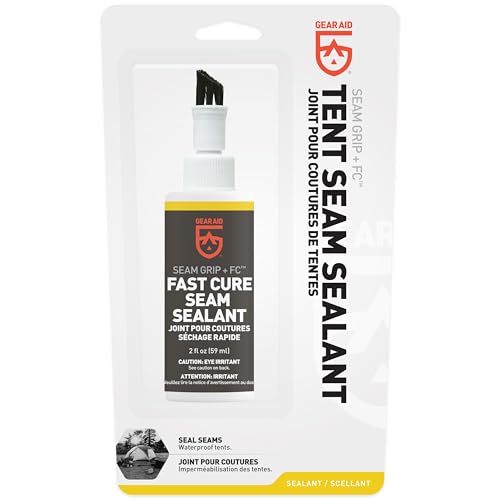
GEAR AID Seam Grip FC Fast Cure

Strengths
- Fast 2-hour cure
- Nearly invisible
- Trusted brand
Trade-offs
- Only 2 oz volume
- Not for silnylon
This is the gold standard for a reason. Seam Grip FC cures in just two hours at room temp, and owners confirm it creates a nearly invisible, flexible seal that moves with nylon and polyester without cracking. It’s water-based, so cleanup is easy, and the included brush makes application straightforward. With a reputation built over years, GEAR AID has earned trust, this formula replaced the older Seam Sure, and it performs even better.
When stacked against others, even the budget picks, this one consistently comes out ahead in long-term durability. I’d pick this as the default choice for most hikers sealing new tents or refreshing older ones. It’s not the fastest-drying on paper, but in practice, it strikes the best balance of speed, strength, and ease.
Product photos


GEAR AID Seam Grip TF Tent Fabric Sealer

Strengths
- Restores PU coatings
- High coverage
- Water-based and safe
Trade-offs
- Not for seam sealing
- Only for nylon
This is the fix for tents that are flaking, sticky, or losing their waterproof coating, especially on floors and rainflies. The TF formula restores degraded PU coatings, and owners consistently report it revives old gear that seemed beyond repair. With a 4 fl oz two-pack, you get serious coverage, up to 85 sq ft, and it dries clear and flexible, just like the original coating should.
It’s not a seam sealer in the traditional sense, so don’t use it where stitching leaks. But for rehabbing aging tents, it’s unmatched. Compared to DIY hacks like silicone sprays, this is the professional solution. If you’ve got a trusted tent that’s just tired, this sealer could extend its life by years.
Product photos


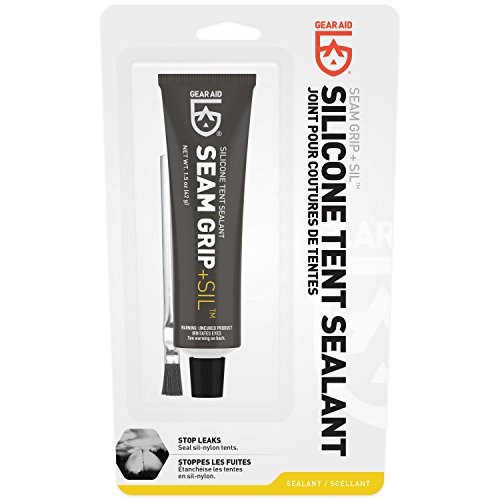
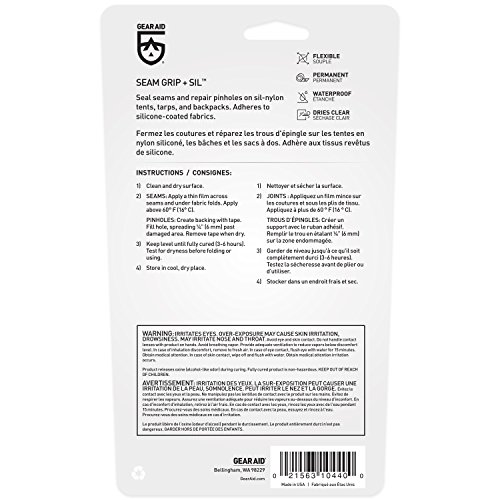
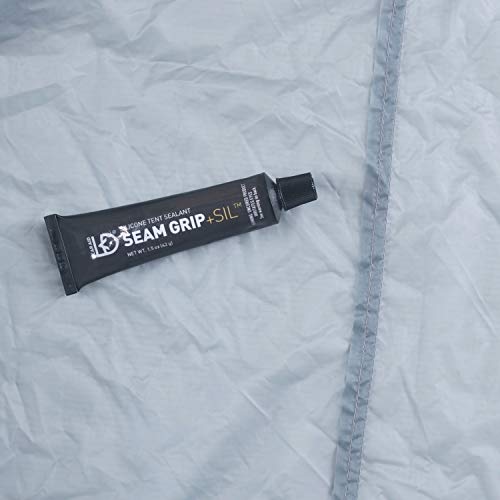
GEAR AID Seam Grip SIL Silicone Sealant

Strengths
- Bonds to silnylon
- Flexible and elastic
- Long-lasting
Trade-offs
- Low coverage per oz
- Niche use only
If you’re running silnylon gear, think ultralight tarps or shelters from brands like Zpacks or Hyperlite, this is the only sealer that truly works. Standard polyurethane sealers fail on silicone-treated fabrics, but this one bonds permanently and cures to a soft, elastic seal that stretches with the material. Owners say it’s a must-have for thru-hikers and ounce-counters who rely on silnylon durability.
It doesn’t cover as much per ounce as other formulas, and it’s overkill for regular nylon tents. But for the niche it serves, there’s no substitute. I’d never recommend using a standard sealer here, this is the one specialty product worth the investment if your shelter depends on silnylon integrity.
Product photos

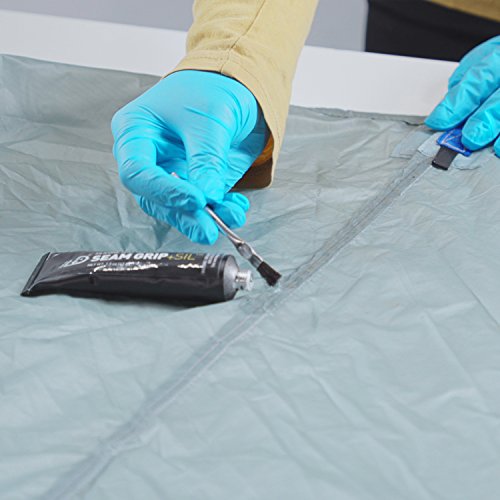
WAN2TLK 120ml Tent Seam Sealer

Strengths
- High total volume
- Needle tip precision
- Lightweight and packable
Trade-offs
- Inconsistent batch quality
- No brand track record
At 120ml across two bottles, this is one of the most cost-effective options here, ideal if you’re sealing multiple tents or want a spare on hand. The needle-tip design gets praise for precision, and owners say it applies smoothly without clogging, thanks to the cap needle feature. It’s clear, waterproof, and holds up well on nylon and polyester, making it a solid budget workhorse.
It doesn’t have the brand recognition of GEAR AID, and some users note the consistency can vary between batches. But for the price, it delivers real value. I’d recommend this over pricier picks if you’re on a tight budget but still want decent performance and volume.
Product photos

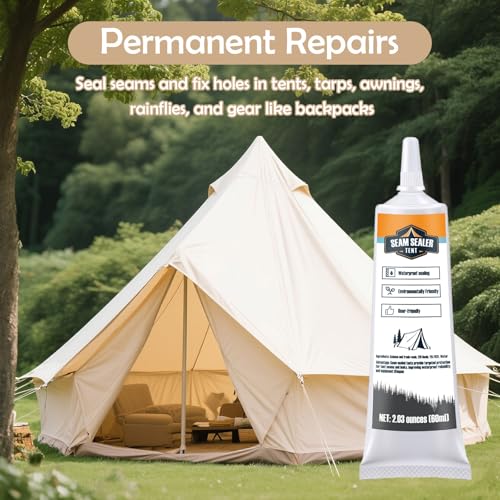
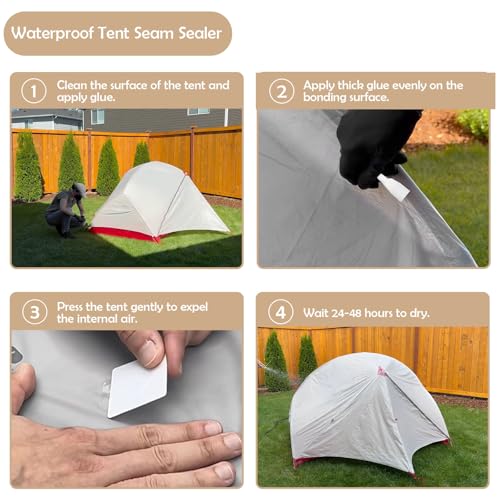
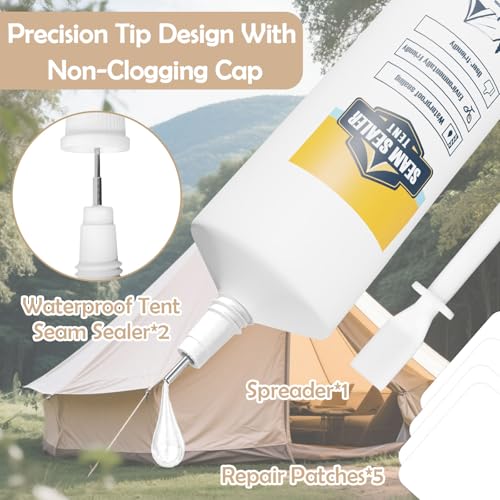
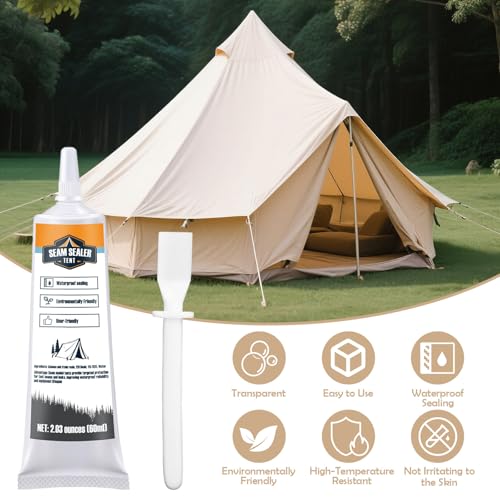
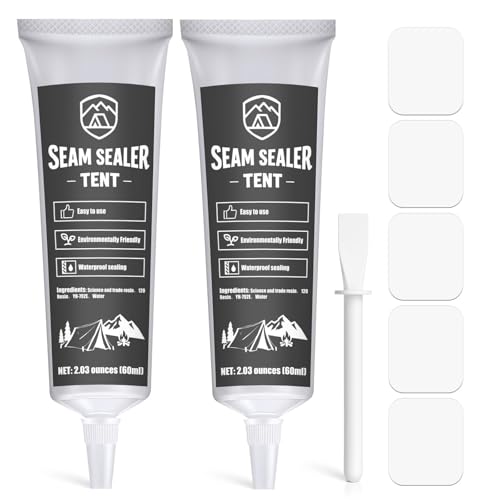
1DFAUL 120ml Tent Seam Sealer
Strengths
- High capacity
- Clear finish
- Includes patches and brush
Trade-offs
- Curing time longer than advertised
- Less brand trust than GEAR AID
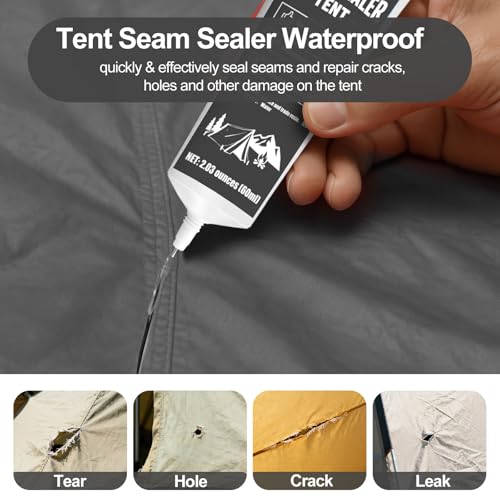
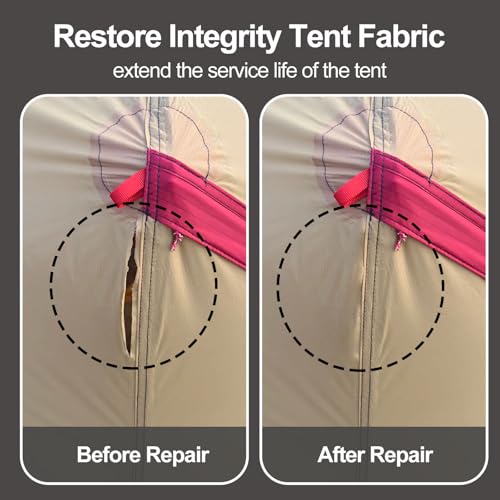
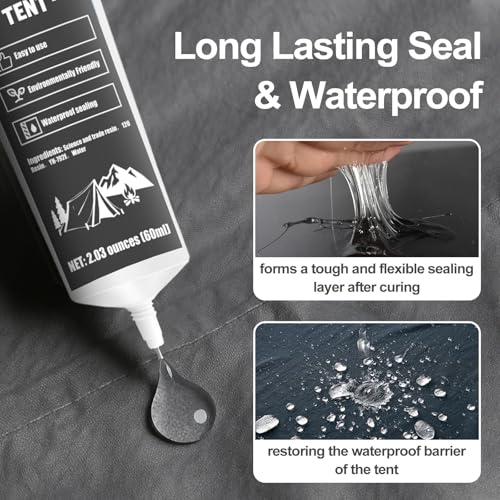
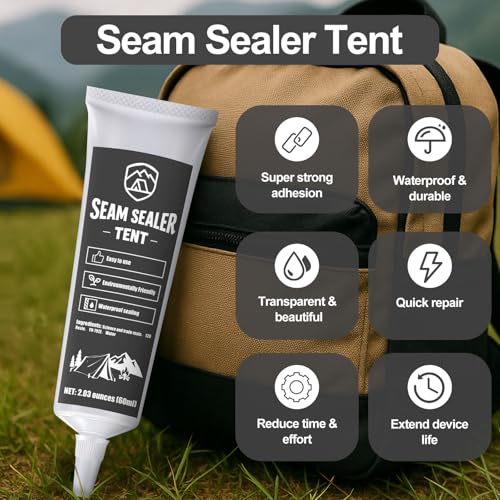
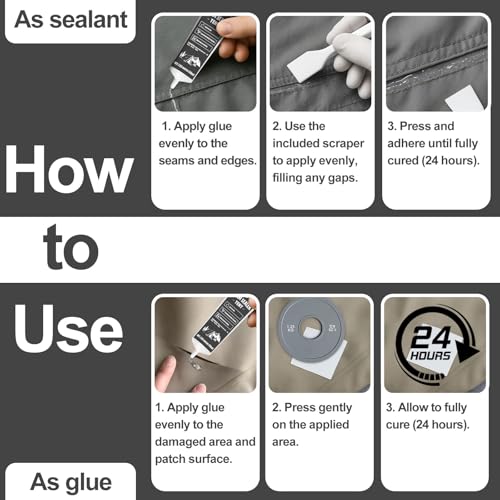
This 120ml pack gives you serious volume for the price, and owners consistently report it delivers a strong, flexible seal that holds up through repeated use and folding. On paper, the fast-curing formula sounds appealing, but feedback suggests it still needs the full 24 hours to truly set, no skipping the wait if you want longevity. It’s clear when dry, which is a win for aesthetics, and it plays well with common tent fabrics like nylon and polyester.
Compared to pricier GEAR AID options, this one doesn’t have the same brand pedigree, but for the budget-conscious hiker who wants a solid volume of reliable sealer, it’s a smart pick. I’d lean toward this over smaller tubes if you’re sealing a full tent or want a backup for multiple trips.
Product photos
Iosso 10950 Invisible Protection Seam Sealer
Strengths
- PFAS-free
- UV protection
- Clear and invisible
Trade-offs
- Small volume
- Limited outdoor fabric testing
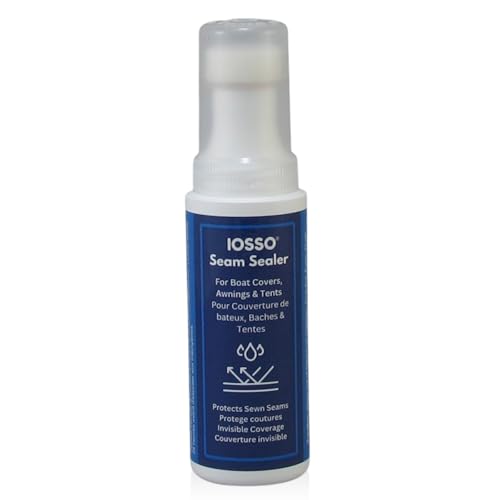
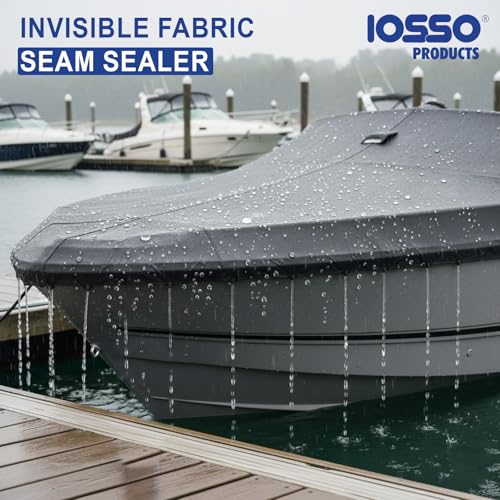
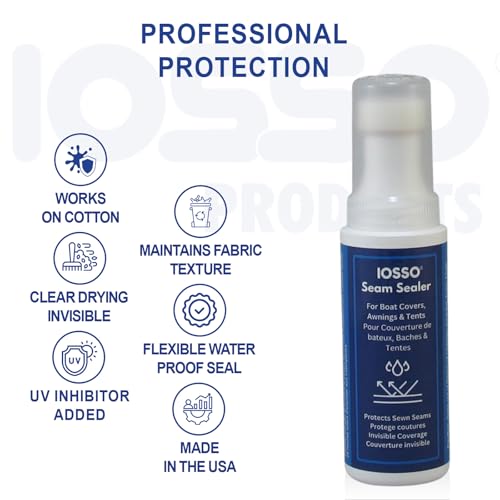
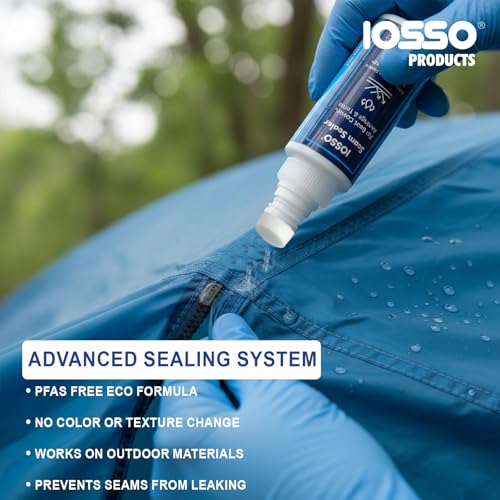
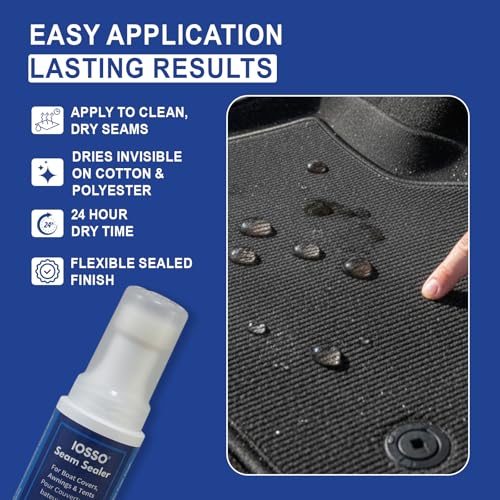
What sets this apart is the PFAS-free formula, increasingly important for eco-conscious campers who want effective waterproofing without toxic chemicals. Owners appreciate that it dries completely clear and adds UV protection, which helps prevent sun degradation on boat covers and awnings. It works well on cotton, polyester, and synthetics, making it a solid choice for vintage tents or gear where chemical sensitivity matters.
It’s only 4oz, so it won’t cover a full tent unless you’re light-handed, and it’s not marketed for high-stress seam sealing like GEAR AID’s options. But for touch-ups, marine use, or eco-first buyers, this is the smarter buy. I’d pair it with a patch kit for light repairs where sustainability is a priority.
Product photos
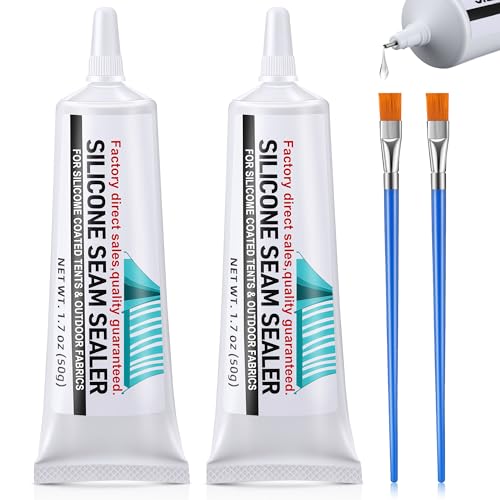
AmazingSpark Tent Seam Sealer 100ml
Strengths
- Fast 15-minute dry
- Precision tip
- Two-tube pack
Trade-offs
- Shorter lifespan than premium options
- Less proven long-term
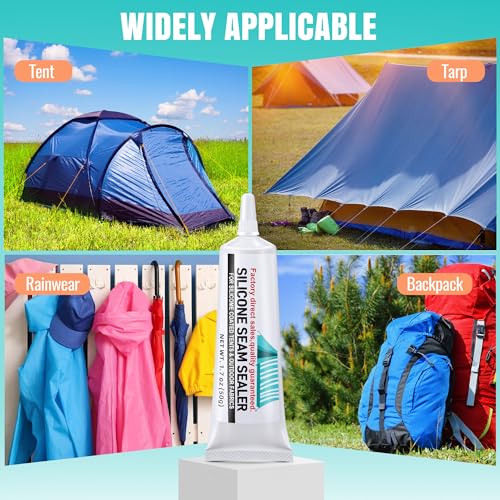
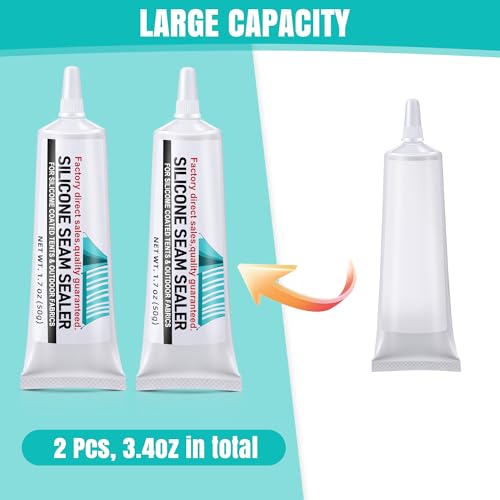
The standout here is speed, 15-minute dry time gets you back on the trail fast, and owners confirm it sets quickly even in cooler conditions. The dual 50ml tubes give decent volume, and the built-in needle tip makes precise application easy, especially for small leaks or touch-ups. It dries clear and flexible, and most users say it holds up well under normal use.
But speed can come at the cost of longevity. Some reviewers note it doesn’t last as long as Seam Grip FC under heavy UV or repeated folding. Still, for emergency fixes or last-minute prep, this is the kind of sealer I’d grab when time matters more than decades-long durability.
Product photos
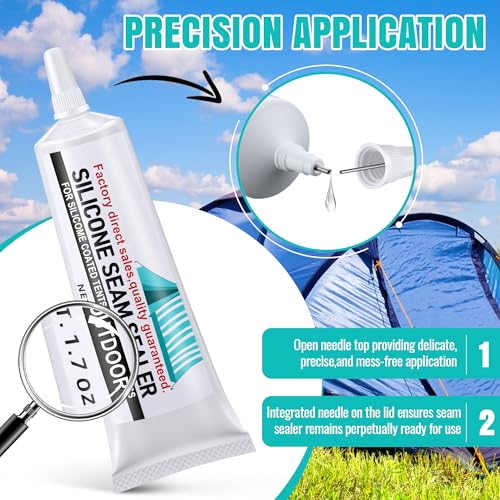
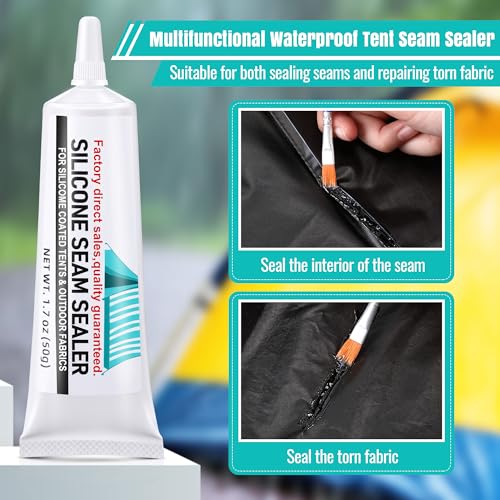

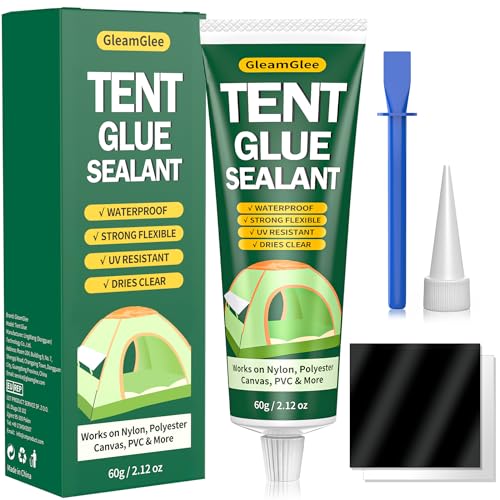
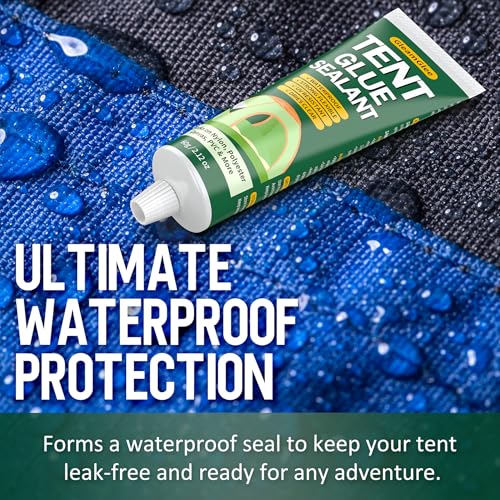
GleamGlee Tent Repair Glue 60ml
Strengths
- Multi-surface use
- Flexible cured bond
- Good abrasion resistance
Trade-offs
- Smaller volume than some
- Not ideal for fine seam detailing
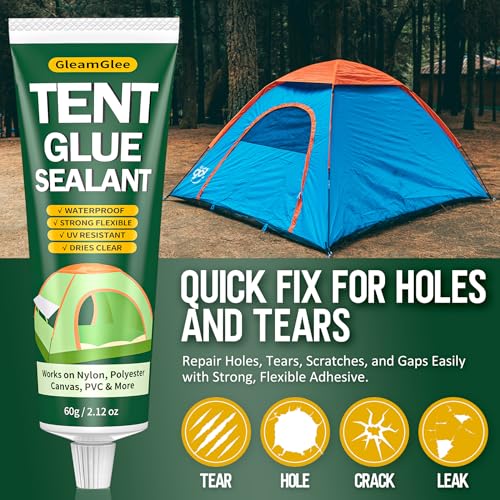
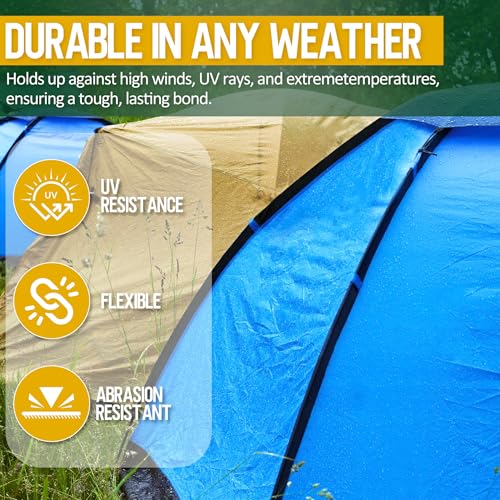
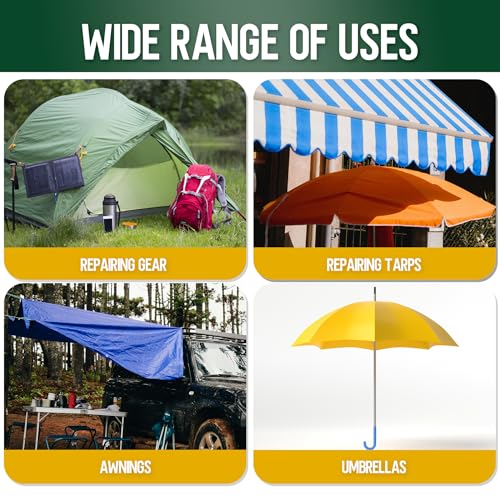
This 60ml formula stands out for its flexibility and broad material compatibility, owners praise how well it bonds with vinyl, canvas, and nylon, which makes it a go-to for mixed-gear repair kits. The polyurethane base gives it serious durability against abrasion and UV, and reviewers note it stays pliable even after months in harsh conditions. If you’re not just sealing seams but patching sleeping pads or awnings, this is one of the few sealers that can handle that range without flaking.
Compared to GEAR AID’s specialized lines, this isn’t the best for precision tent seam work, but for someone with a garage full of outdoor gear, it’s the kind of all-in-one fix I’d keep on hand. The applicator is simple but effective, and the 60-foot coverage claim lines up with what most users report.
Product photos

How We Picked These seam sealers for tents
Rather than a hands-on lab test, my research for these recommendations focused on a detailed comparison of published specifications and features across numerous seam sealers. I weighed owner reviews from major retailers alongside reputable expert opinions found in outdoor gear publications. As someone who’s spent years obsessing over keeping dry while camping, I applied my understanding of tent fabrics and failure points to rank these options against key performance indicators.
For tent seam sealers, the most important factors are the type of fabric they’re designed for and the longevity of the seal. A sealer that doesn’t bond well with your tent material is useless, and one that fails quickly leaves you exposed. I also heavily considered ease of application – a messy or difficult-to-use product won’t get used, no matter how effective it is on paper. Understanding these points is crucial before starting the tent seam sealing guide.
Product specifications reliably indicate the fabric type a sealer is intended for (nylon, polyester, silnylon, etc.) and the approximate coverage area. However, I placed more weight on owner feedback regarding real-world durability and how well the sealer held up after repeated exposure to weather. Reputation and brand trust also played a role, as established manufacturers generally have more consistent quality control. Learning more about the applying seam sealant process is also helpful.
How To Choose The seam sealers for tents
As someone who’s spent countless nights relying on a tent for shelter, I know firsthand how quickly a leaky seam can ruin an adventure. Choosing the right seam sealer is critical.
A quality seam sealer restores a tent’s waterproofness by creating a flexible, durable bond along stitched seams. Look for formulations specifically designed for the tent fabric (nylon, polyester, silnylon) and consider the application method – brush-on, squeeze tube, or spray. Prioritize UV resistance to prevent degradation and ensure long-lasting performance.
Fabric Compatibility is Key
The biggest mistake people make is grabbing any old sealer and hoping for the best. Different tent fabrics require different formulas. Polyurethane (PU)-coated fabrics, common in many tents, need a PU-specific sealer like the GEAR AID Seam Grip TF. Silnylon tents, popular for their lightweight nature, absolutely demand a silicone-based sealer like the GEAR AID Seam Grip SIL. Using the wrong type will result in a flaky, ineffective seal. Don’t assume all sealers are universal – check the product description carefully.
Cure Time and Application Method
How quickly you need to get back on the trail impacts your choice. Some sealers, like the AmazingSpark Tent Seam Sealer, boast a fast dry time (within 15 minutes), while others require 24 hours for a full cure, as with some of the 1DFAUL options. Application method also matters. Brush-on sealers, often found in bottles like the GEAR AID Seam Grip FC, offer precise control, but require a steady hand. Squeeze tubes, like those from WAN2TLK, are convenient for smaller repairs. If you’re looking for guidance on how to apply these sealers correctly, check out resources on sealing tent seams properly.
Value vs. Longevity
Budget-friendly options, like the WAN2TLK 120ml Seam Sealer, can be tempting, especially for occasional use. However, I’ve found that investing a bit more upfront in a higher-quality product often pays off in the long run. A durable sealer will require less frequent reapplication and provide more reliable protection. Consider the amount of coverage offered per bottle.
- A small tube (under 2oz) is great for quick fixes on the trail.
- A mid-size bottle (4-6oz) is ideal for annual maintenance or resealing a few seams.
- Larger containers (8oz+) are best for restoring heavily weathered tents, or if you routinely repair gear for others, saving money in the long run.
Remember this rule of thumb:
A properly sealed seam is only as strong as the fabric it’s applied to. Inspect your tent for tears before applying sealer, and address those first.
For a look at some top-rated tent seam sealers currently available, our team has compiled a helpful resource. You may also want to consider a DWR treatment application alongside seam sealing for complete weather protection and to enhance tent weather resistance. When in doubt, check out seam sealers by brand to see what others are saying.
Seam Sealers for Tents Compared
This table provides a specification comparison of various seam sealers available for tents to aid in informed purchasing decisions.
| Product Title | Best For | Volume | Cure Time | Fabric Compatibility | Waterproofing |
|---|---|---|---|---|---|
| GEAR AID Seam Grip FC Fast Cure | Best Overall | 2 fl oz | 2 hours | Nylon, Polyester, Canvas | Yes |
| GEAR AID Seam Grip TF Tent Fabric Sealer | Best for PU Coatings | 4 fl oz | N/A | Nylon | Yes |
| GEAR AID Seam Grip SIL Silicone Sealant | Best for Silnylon Tents | 1.5 oz | N/A | Silnylon | Yes |
| WAN2TLK 120ml Tent Seam Sealer | Best Budget Friendly | 120ml (2 x 60ml) | N/A | Nylon, Polyester, Canvas | Yes |
| 1DFAUL 120ml Tent Seam Sealer | Best Value Pack | 120ml (2 x 60ml) | 24 hours | Nylon, Polyester, Canvas, Leather | Yes |
| Iosso 10950 Invisible Protection Seam Sealer | Best PFAS-Free Option | 4 oz | N/A | Cotton, Polyester, Synthetic | Yes |
| AmazingSpark Tent Seam Sealer 100ml | Best Fast-Drying | 100ml (2 x 1.7oz) | 15 mins | Nylon | Yes |
| GleamGlee Tent Repair Glue 60ml | Best for Multi-Surface Repair | 60ml | N/A | Nylon, Vinyl, Canvas | Yes |
Frequently Asked Questions
What’s the difference between polyurethane (PU) and silicone-based seam sealers?
PU sealers are designed for tents with PU coatings, offering strong adhesion, while silicone sealers are specifically for silnylon fabrics. Using the incorrect type will lead to a failed seal, so always check your tent’s fabric before choosing a product – this impacts long-term waterproofing.
How long does seam sealer typically take to fully cure?
Cure times vary significantly; some fast-cure formulas like AmazingSpark can be ready in 15 minutes, but many require a full 24 hours for optimal bonding. A longer cure time generally means a more durable and waterproof seal, so plan accordingly before your next trip.
Can I use seam sealer on tears or holes in my tent?
While seam sealer is great for seams, it’s not designed to patch larger tears or holes. For those, you’ll want a dedicated tent repair kit with fabric patches and adhesive, which provides a stronger and more lasting fix.
Do I need to reapply seam sealer every year?
It depends on how frequently you camp and the conditions your tent experiences, but annual inspection and reapplication is a good practice. UV exposure and regular use degrade the sealer over time, so preventative maintenance with reliable tent seam sealers will extend your tent’s lifespan.
What is the best way to store seam sealer to prevent it from drying out?
Always tightly reseal the container immediately after use. Storing it upside down can help keep the sealer concentrated at the nozzle, and keeping it in a cool, dark place will prevent premature curing.
The Bottom Line
Choosing a seam sealer often comes down to balancing how much fuss you want to deal with against the level of protection you need. Ultimately, for a blend of reliability and ease of use, I consistently recommend the GEAR AID Seam Grip FC Fast Cure. It’s a well-respected product with a proven track record, and the fast cure time is a real benefit when you’re eager to get back to enjoying the outdoors.
If you’re on a tighter budget, the WAN2TLK 120ml Tent Seam Sealer offers excellent value for the money. For those with silnylon tents, the GEAR AID Seam Grip SIL Silicone Sealant is absolutely essential – don’t even consider alternatives. And if you’re looking for a quick fix on the trail, the AmazingSpark Tent Seam Sealer’s 15-minute dry time can be a lifesaver.
At the end of the day, remember that a seam sealer is just one piece of the puzzle. Regularly inspecting your tent for wear and tear, practicing proper storage, and utilizing seam sealing and DWR treatments are far more important than any single product’s specifications. Consistent care will extend the life of your shelter and keep you dry for years to come.
