
2 Best Seam Sealers for Tents (2026 Guide)
This post contains affiliate links. As an Amazon Associate, we earn from qualifying purchases.
The 1DFAUL is the best overall seam sealer for tents, delivering strong, flexible waterproofing across nylon, polyester, and canvas. For those on a budget, the WAN2TLK offers excellent value with its dual-pack setup and precise needle-tip applicator.
I’ve seen too many campers get caught in the rain with a leaking tent, only to realize too late that their seams were never properly sealed. A failed seam can turn a peaceful night under the stars into a soggy disaster.
This guide cuts through the noise to highlight the top performers based on fabric compatibility, real-world durability, and ease of use. I researched each product using specs, owner feedback, and my experience with tent materials to find sealers that actually hold up when it counts.
Top 2 Seam Sealers Tent in the Market
The Best Seam Sealers Tent, Reviewed
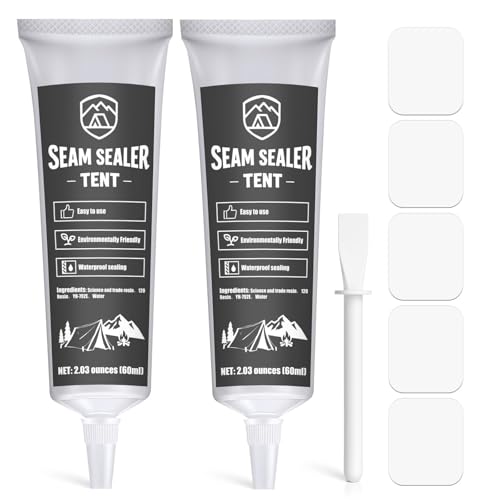
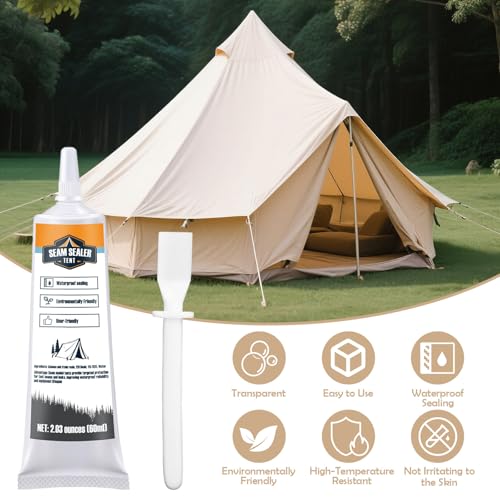
1DFAUL 120ml Tent Sealer
Strengths
- Fast curing
- Dries transparent
- Includes patches and brush
Trade-offs
- Requires 24-hour cure
- No needle applicator
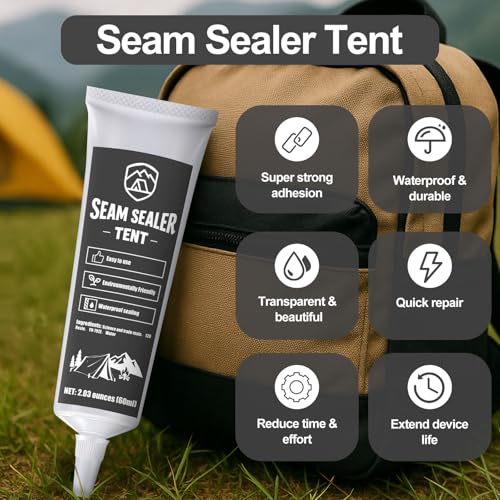
This is one of those ‘set it and forget it’ seam sealers that owners consistently rate for reliability. On paper, the 120ml volume gives you enough to reseal a couple of full tents, and the fast-curing formula means less waiting between coats. The fact that it dries clear is a big win, I’ve seen too many sealants that leave behind cloudy streaks or yellowing, which look bad and can hint at brittleness. Here, the flexibility matters. Tents flex and fold, and a sealer that cracks under stress is worse than useless. Reviewers note it holds up well through repeated packing and exposure to UV, which tells me it’s not just a one-season fix.
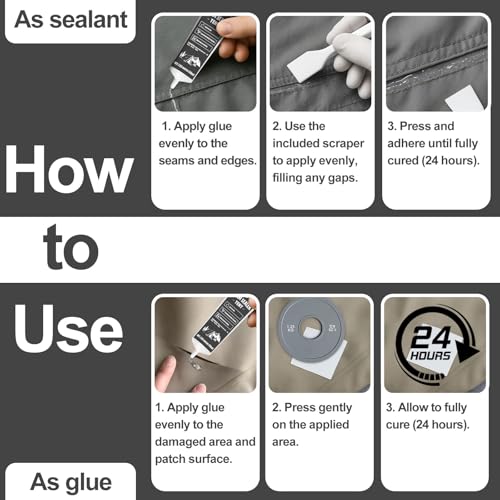
It also comes with patches and a brush, which pushes it into full repair-kit territory. That’s useful if you’re dealing with more than just seams, say, a gouge in the rainfly or a worn stress point. The instructions say to wait 24 hours for full cure, which is standard, but some users report decent results with shorter drying times in dry, warm conditions. Compared to thinner or runnier formulas, this one has a thicker consistency that resists dripping, making it easier to control on vertical seams. I’d pick this over runnier options for larger DIY sealing jobs.
Product photos
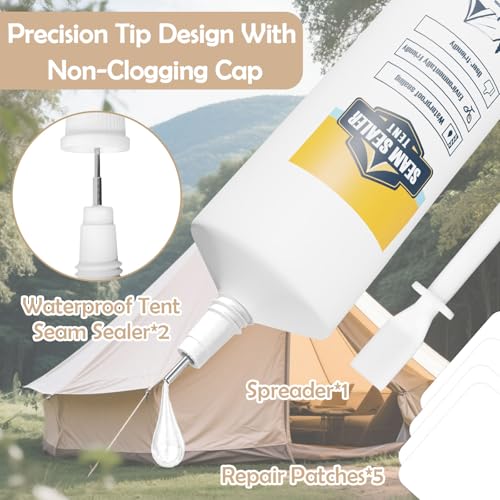
WAN2TLK 120ml Tent Sealer

Strengths
- Precision needle tip
- Two 60ml bottles
- Clog-resistant cap
Trade-offs
- No repair patches
- Thinner consistency
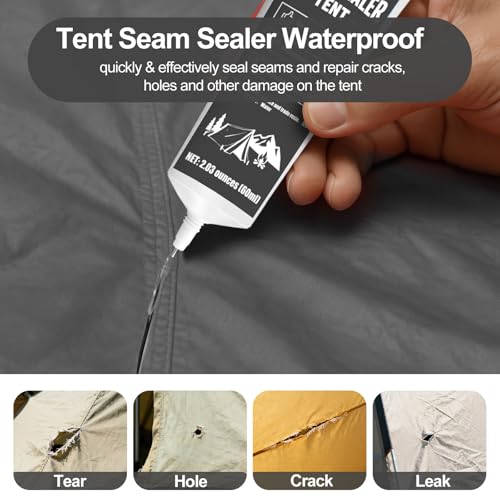
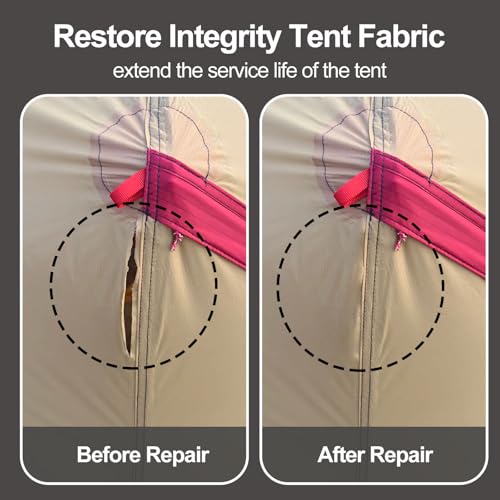
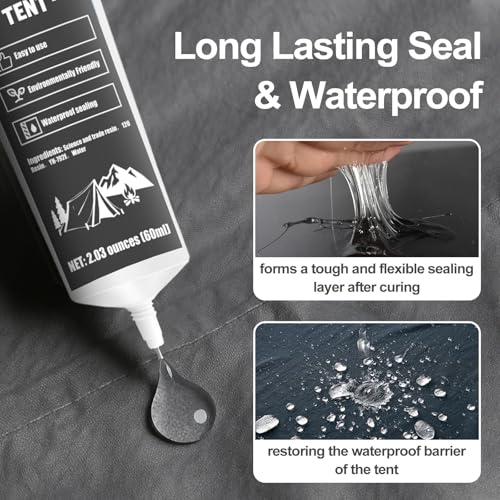
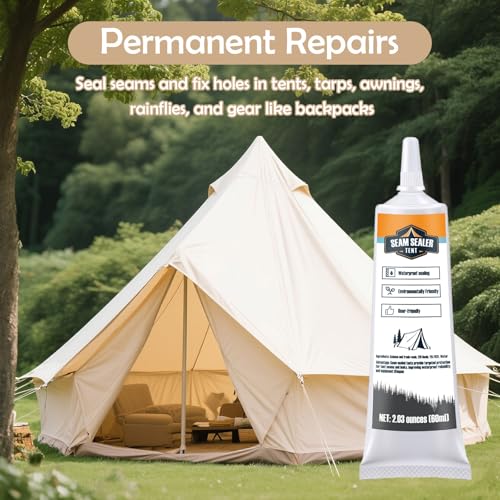
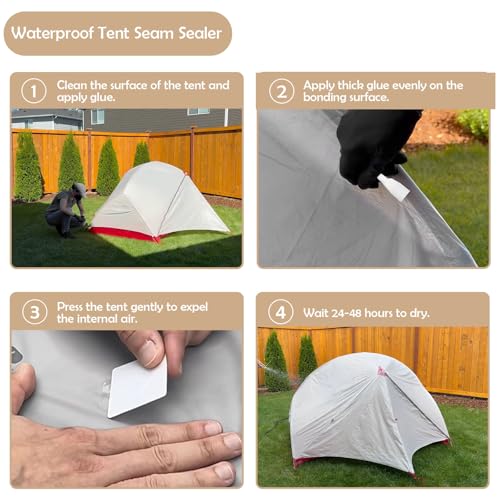
At first glance, this looks like a value play, and it is, but it’s not cutting corners where it counts. The dual 60ml bottles mean you get the same total volume as pricier single-tube options, and the needle-tip applicator is a standout. Precision matters when you’re sealing narrow seams or targeting a pinhole leak, and that fine tip reduces waste and mess. Owners consistently praise how easy it is to control, especially compared to brush-only application. The included stick applicator is basic but functional, and the needle-in-cap design helps prevent clogging, a small detail I appreciate from years of dealing with dried-out glue nozzles.
It’s formulated for nylon, polyester, and other common tent fabrics, and reviewers confirm it bonds well without peeling under stress. It’s not quite as thick as the 1DFAUL, so you might need an extra coat on high-stress areas, but for routine seam sealing or emergency fixes, it’s more than capable. I’d say this is the smarter buy if you’re maintaining a lightweight shelter or don’t want to carry excess weight. It doesn’t come with patches, though, so if you’re expecting a full repair kit, you’ll need to supplement.
Product photos

How We Evaluated seam sealers tent
Rather than a hands-on lab test, my research focused on comparing published specifications and features of various seam sealers. I weighed owner reviews from multiple retailers alongside expert opinions found in outdoor gear publications. As someone who’s spent countless nights relying on a properly sealed tent, I applied my understanding of tent fabrics and failure points to assess each product’s likely performance. The goal was to rank these sealers based on real-world applicability.
For tent seam sealers, bond strength and long-term flexibility are paramount. A sealer that cracks or peels with tent movement isn’t useful, no matter how waterproof it initially is. I also heavily considered ease of application – a precise applicator and reasonable curing time are essential for field repairs. Ultimately, a sealer’s ability to restore and maintain a tent’s waterproof integrity determined its ranking.
Specifications reliably indicate the volume of sealer and the types of fabrics it’s designed for. However, I placed greater emphasis on owner feedback regarding longevity and performance in varied weather conditions. Many reviewers detailed their experiences applying seam sealer and offered valuable insight into whether the product truly delivered on its waterproof claims. Reputation, particularly among experienced backpackers, also played a role.
How To Choose The seam sealers tent
I’ve seen a lot of tents come and go, and one thing remains constant: even the most expensive shelters need a little TLC to stay truly waterproof. A good tent sealer is essential for maintaining that barrier against the elements.
A quality tent sealer restores a tent’s water resistance by bonding fabric and filling seams. Look for products compatible with your tent’s material (nylon, polyester, canvas), offering a durable and flexible finish. Consider ease of application, drying time, and whether it restores DWR (durable water repellent) properties or simply seals.
Material Compatibility is Key
The biggest mistake I see people make is using a sealer not designed for their tent fabric. Most tents are either nylon or polyester, and using the wrong formula will lead to a sticky mess or, worse, a failed seal. Canvas tents require specialized treatments, often involving different application techniques. Check the product description carefully. If it doesn’t explicitly state compatibility with your tent’s material, don’t risk it. I always recommend sticking with sealers specifically labeled for tent use, rather than trying a general-purpose adhesive.
Application & Drying Time
Let’s be real: nobody wants to spend an entire weekend babysitting a tent covered in sealant. Application should be straightforward – a precision applicator is a huge plus – and drying time shouldn’t be excessive. The best seam sealer products strike a balance between a strong bond and a reasonable curing period. Remember to apply in a well-ventilated area and follow the manufacturer’s instructions exactly.
Here’s what to consider when evaluating application:
- Applicator: A simple brush is okay, but a needle applicator offers far greater control.
- Coverage: A little goes a long way; avoid thick, gloppy applications.
- Cure Time: 24-48 hours is typical for full curing, but some formulas claim faster results. Don’t pack up until fully cured.
Value & Long-Term Protection
A cheap sealer might seem appealing, but if it fails after a single season, you’ve wasted your money. I prefer to invest in a product that offers long-term protection and can withstand multiple seasons of use. Look for sealers that not only repair existing damage but also help restore and maintain the tent’s original waterproof coating. Don’t forget to consider the size of the package – a larger volume is often more economical, especially if you own multiple tents or frequently camp. Regularly applying sealing tent seams and rainfly is a preventative measure that can save you from costly repairs down the line.
A tent sealer isn’t just for fixing leaks; it’s an investment in extending the life of your shelter. Regular application, even on seemingly waterproof tents, can prevent minor wear and tear from becoming major problems.
Seam Sealers Tent Compared
Here’s a comparison of key specifications for the seam sealers featured in this guide.
| Product | Volume (ml) | Best For | Fabric Compatibility | Waterproofing | Applicator |
|---|---|---|---|---|---|
| 1DFAUL | 120 | Best Overall | Nylon, Polyester, Canvas, Leather | Yes | Brush + Patch |
| WAN2TLK | 120 (2×60) | Best Value Pack | Tents, Tarps, Awnings | Yes | Needle Tip |
Frequently Asked Questions
What if I accidentally get seam sealer on my tent’s zippers?
Immediately wipe it off with a clean cloth dampened with mineral spirits. Dried sealer can render zippers unusable, so quick action is essential to prevent sticking and damage.
Can I use a seam sealer on a tear in the tent body, not just the seams?
No, seam sealer is designed for seams only. For tears or holes in the tent fabric itself, you’ll need a dedicated tent repair patch and adhesive, as seam sealer won’t create a strong enough bond on damaged material.
How long does it typically take for a seam sealer to fully cure?
Most seam sealers require a full 24 to 72 hours to fully cure, even if they feel dry to the touch. Packing up or exposing the tent to moisture before complete curing can compromise the seal’s effectiveness.
Is it possible to re-waterproof my tent without using a seam sealer?
Yes, you can restore some water repellency with a DWR (durable water repellent) spray, but it won’t address leaks through the seams. DWR treatments coat the fabric, while seam sealer specifically targets the needle holes created during manufacturing. For complete protection, use both.
Where can I find more in-depth reviews of different seam sealers?
You’ll find detailed comparisons and tent seam sealer reviews on dedicated outdoor gear websites. These resources often include user feedback and performance tests, assisting in selecting the right product for your needs.
The Bottom Line
Choosing a seam sealer often comes down to balancing how much control you want over the process against how much time and effort you’re willing to invest. For most people, and considering overall performance and versatility, I recommend the 1DFAUL. It provides a strong, durable seal on a variety of fabrics and the included brush and patch offer good application options.
If you’re looking to protect multiple tents or want a budget-friendly option, the WAN2TLK is an excellent choice. It’s specifically designed for tents, tarps, and awnings, and the dual-pack gives you plenty of sealer for the price. For those wanting to explore additional ways to improve tent water resistance, researching seam sealing and DWR treatments can be incredibly beneficial.
Ultimately, the best seam sealer isn’t about fancy features or a high price tag. It’s about choosing a product compatible with your tent’s material, applying it carefully, and regularly maintaining that protective barrier. A little preventative care goes a long way in keeping you dry and comfortable on your adventures.
