
8 Best Stargazing Tents for 2026
This post contains affiliate links. As an Amazon Associate, we earn from qualifying purchases.
The VEVOR 12x12FT Pop Up Gazebo is the best overall stargazing tent for its wide, clear view and solid build, while the AYAMAYA 4 Person Pop Up Tent is our top budget pick, offering reliable weather protection and a functional skylight without breaking the bank.
If you’re chasing those quiet midnight skies, you need more than a flimsy dome with a plastic window taped on. Real stargazing tents balance visibility, durability, and real-campsite practicality, things specs alone won’t tell you.
This guide cuts through the hype. I looked at what actually matters, clear panel quality, frame stability, and how well these tents handle wind and condensation, based on owner feedback, build specs, and my deep explore tent design. These picks give you stars overhead without sacrificing shelter when the night turns.
Top 8 Stargazing Tents in the Market
The Best Stargazing Tents, Reviewed
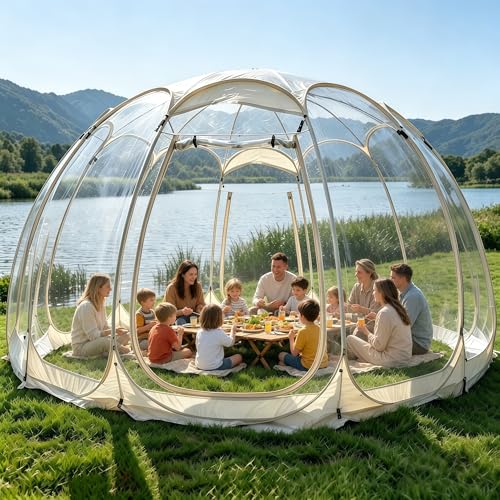
15x15FT Pop Up Bubble Tent
Strengths
- Spacious 15×15 layout
- Includes rain cover
- True 360° visibility
Trade-offs
- PVC odor out of box
- Heavy and bulky
- Not for high heat
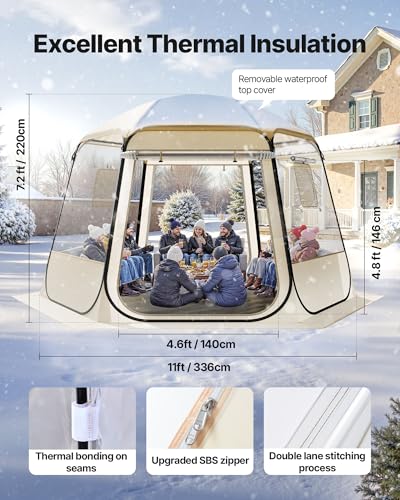
This is the one that makes people stop and stare. At 15×15 feet, it’s massive, big enough for a full group, a bed, and even some furniture, while the clear PVC dome gives a true planetarium-like experience. The included rain cover is a major upgrade over other models, finally adding real weather flexibility to the bubble tent concept. Owners consistently highlight how well it handles light rain and wind when properly staked, and the quick pop-up design lives up to the hype.
The material does have a noticeable odor at first, as reported by multiple reviewers, and it needs time to air out. And while it’s more durable than smaller bubble tents, PVC still degrades under constant UV exposure. But as an all-around package, size, clarity, weather adaptability, and ease of use, this stands out. It’s not ultralight or packable, but that’s not the point. For immersive stargazing with a group, this is the closest thing to sleeping in a greenhouse under the Milky Way.
Product photos

VEVOR 11×10.2FT Pop Up Bubble Tent
Strengths
- Clear 360° view
- Quick pop-up setup
- Durable TPU panels
Trade-offs
- Poor heat ventilation
- Not storm-rated
- Fragile in high winds
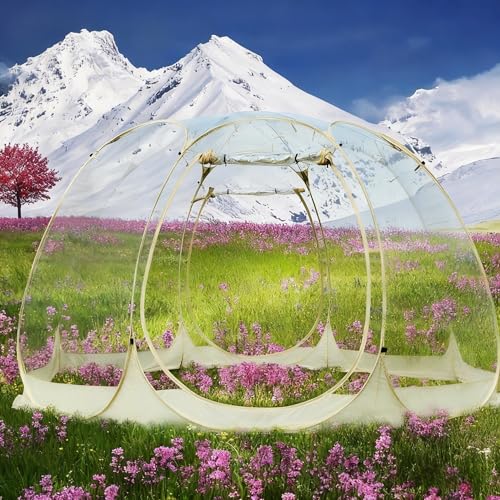
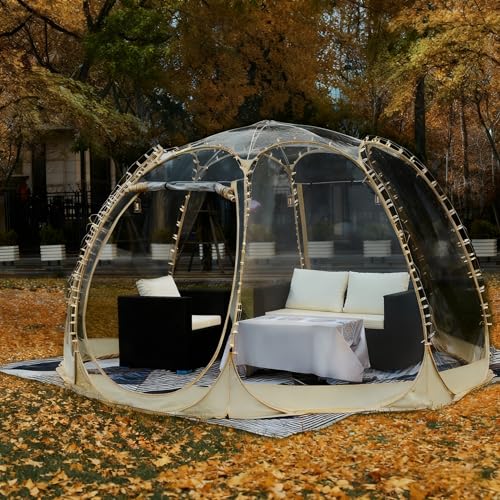
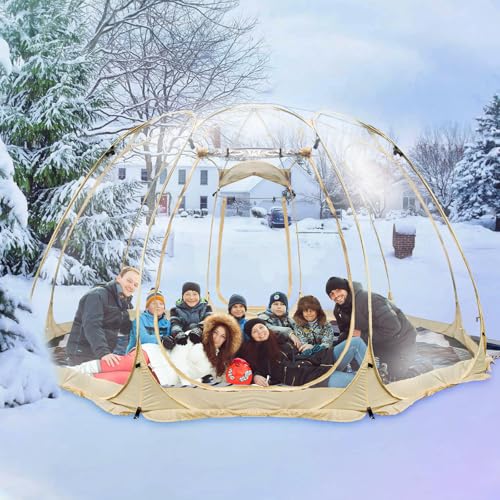
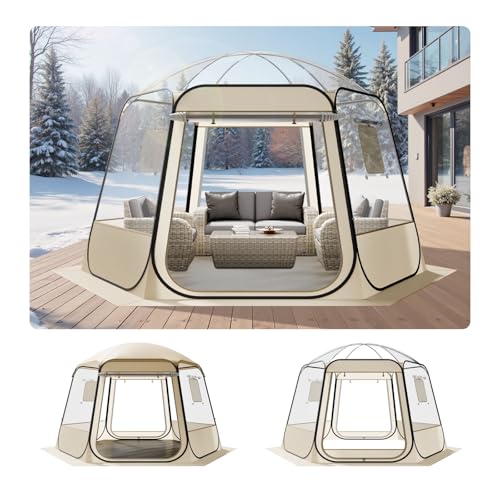
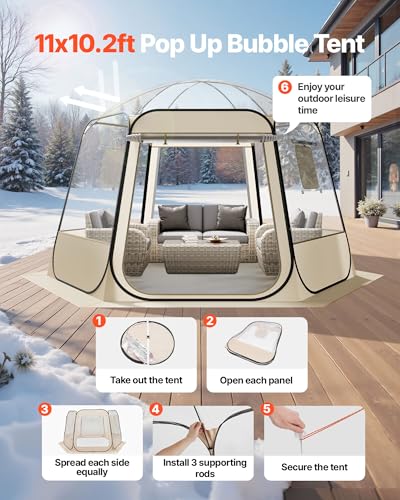
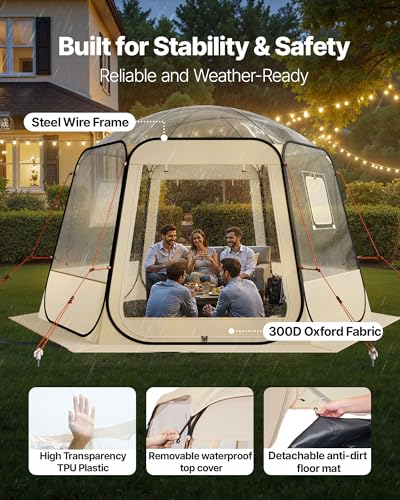
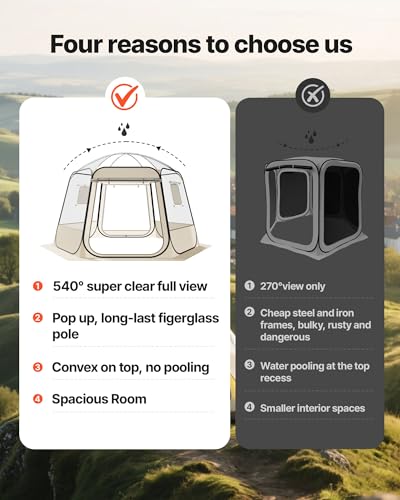
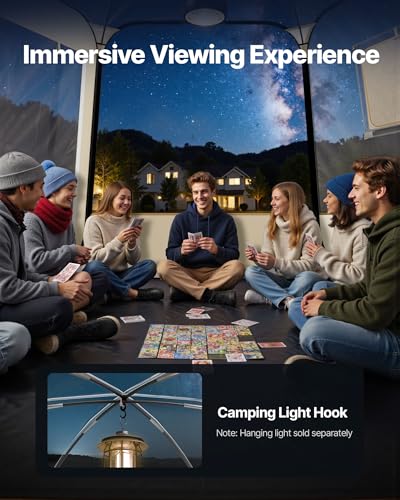
This is the tent for when you want to feel like you’re sleeping under the stars without actually being exposed. The 540° panoramic view from the clear TPU panels delivers exactly what stargazers crave, uninterrupted sky access while staying dry and sheltered. On paper, it’s a showstopper, and owners consistently report that first-night wonder when they unzip and see the world through a bubble. But it’s not without real limitations. The warnings about heat, wind, and rain are serious, this isn’t a four-season shelter. It’s best treated as a cool-weather or seasonal piece, ideal for fall stargazing or winter aurora watching when conditions are calm.
The build quality seems solid for its class, with 300D Oxford fabric and steel-wire reinforcement, but the dependency on ideal weather keeps it from being a true backcountry option. It’s more of a backyard spectacle or glamping centerpiece. If you’re after drama and immersion in calm conditions, this delivers. But don’t expect it to hold up in a storm.
Product photos
COBIZI 12x12FT Pop Up Canopy Tent
Strengths
- Large 12×12 space
- Removable roof for sky view
- Upgraded water-resistant fabric
Trade-offs
- Setup can be fiddly
- Screen may invert initially
- Minimal ground sealing
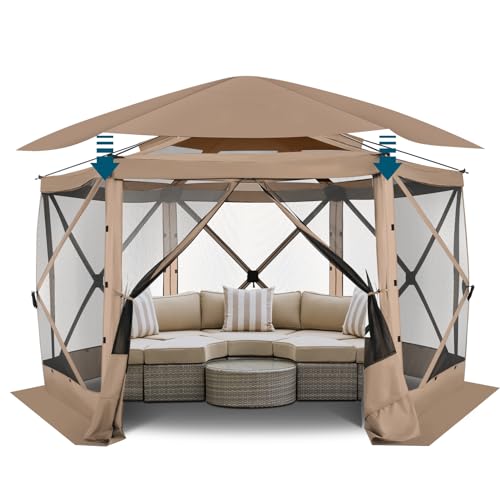
If you’re on a budget but still want a spacious, open-air stargazing experience, this COBIZI gazebo makes a lot of sense. The 12×12 footprint gives room for a group, and the removable roof means you can open it up completely on clear nights. Owners appreciate the high-density 300D Oxford fabric, many note it feels thicker than cheaper pop-up canopies, and the PU coating adds real UV and water resistance. It’s not a sealed bubble, so you won’t get that immersive dome effect, but you do get durability and versatility at a lower price point.
Where it falls short is in refinement. The pop-up mechanism isn’t as smooth as VEVOR’s, and some users report difficulty getting the screen aligned on the first try. It’s also not freestanding in wind without extra stakes and ropes. But for the value, it’s hard to beat. I’d recommend this over pricier models if you’re mostly using it in your backyard or at festivals where weather is predictable.
Product photos
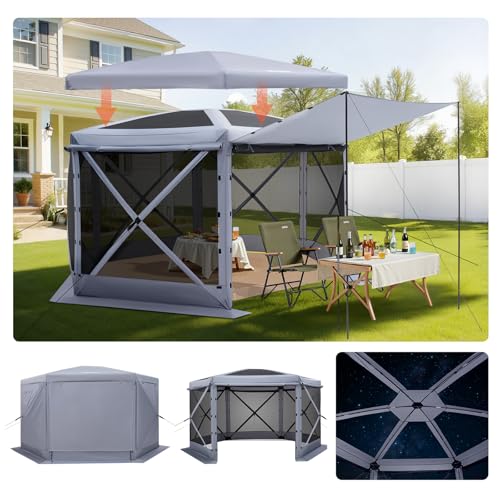
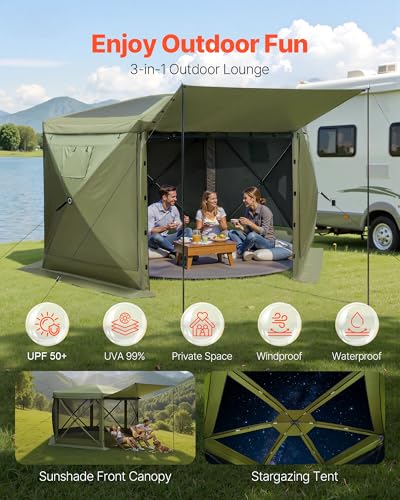
VEVOR 12x12FT Pop Up Gazebo Screen Tent
Strengths
- Superior 360° ventilation
- Sturdy fiberglass frame
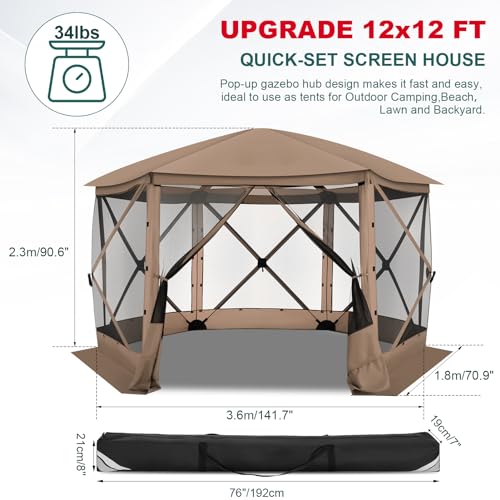
- Spacious 12×12 layout
Trade-offs
- No full sky immersion
- Roof must be removed for open view
- Bulkier than smaller gazebos
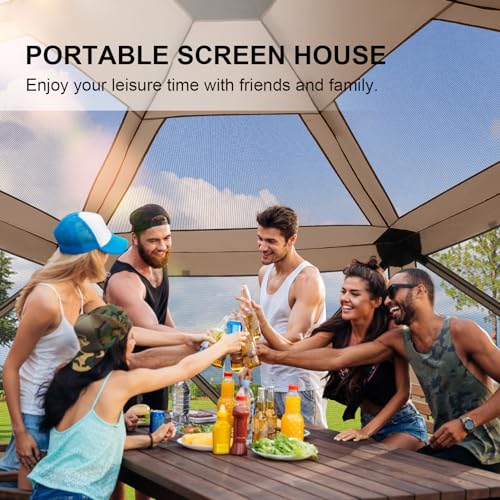
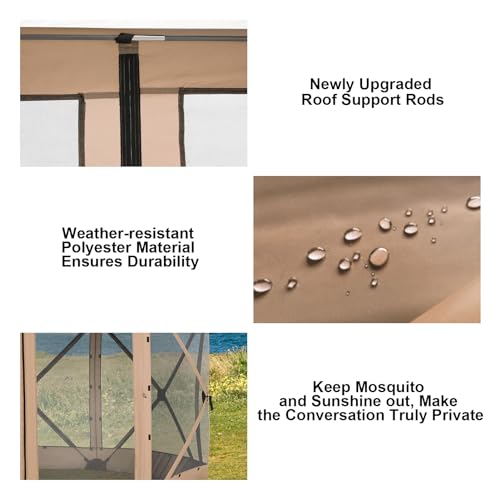
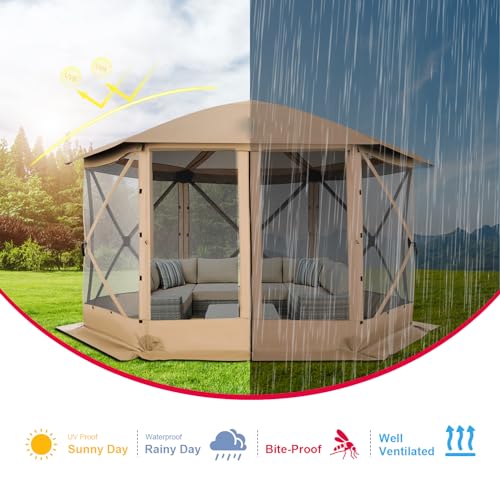
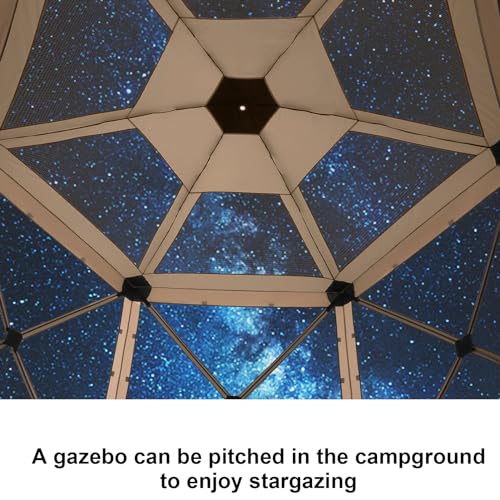
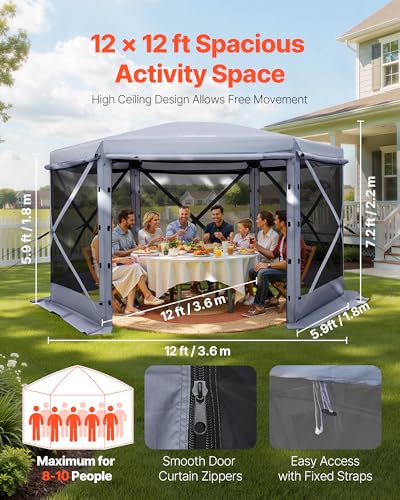
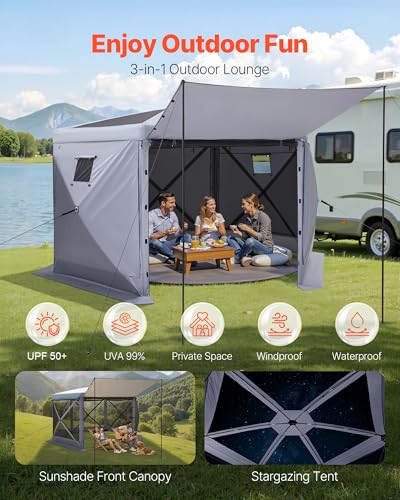
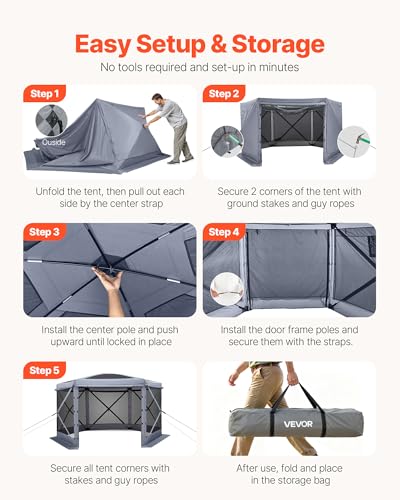
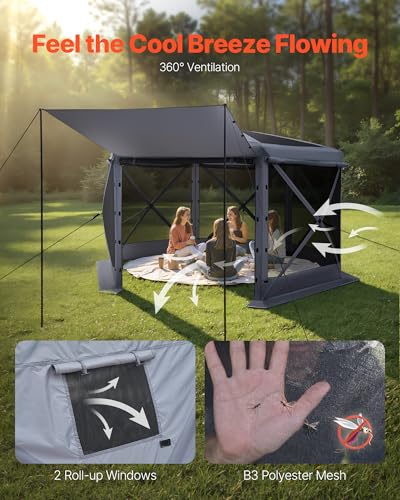
This 12×12 grey model is nearly identical to its green sibling but wins the edge in ventilation and comfort thanks to its larger mesh coverage and improved airflow management. The ‘starry sky’ mesh roof is where it shines, literally. You can lie inside and actually make out constellations without feeling closed in. With six roll-up wind panels and full mesh walls, it’s one of the most breathable options here, which matters when you’re sitting under the stars in summer.
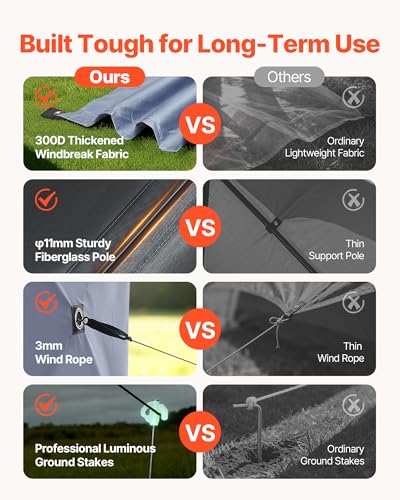
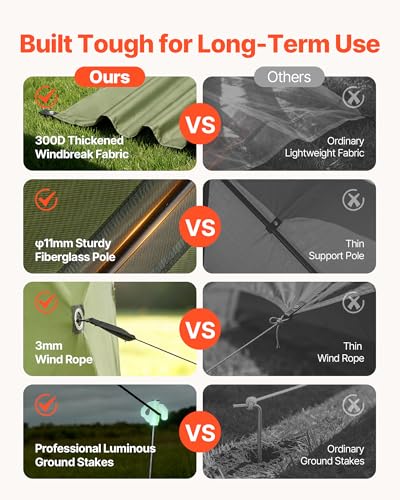
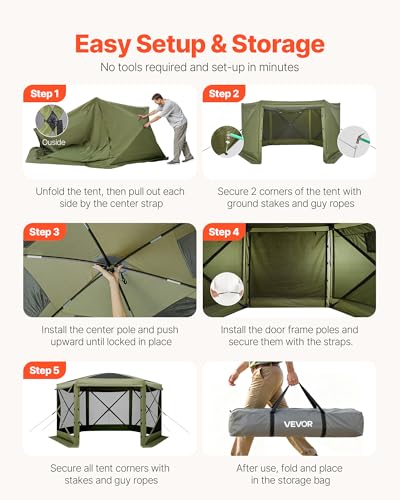
It’s also sturdier than most pop-up canopies, with reinforced fiberglass poles and better guy-line anchoring. Owners report it holds up better in breeze than similar models. The trade-off? You’re trading transparency for breathability, this isn’t a bubble, so the sky view is framed, not panoramic. But for long nights outdoors where comfort matters more than visual drama, this is my top pick for airflow and livability.
Product photos
VEVOR 10x10FT Pop Up Gazebo Tent
Strengths
- Excellent 360° mesh
- UV50+ removable top
- Stable fiberglass frame
Trade-offs
- Not fully weatherproof
- Canopy must be removed for stargazing
- Moderate footprint
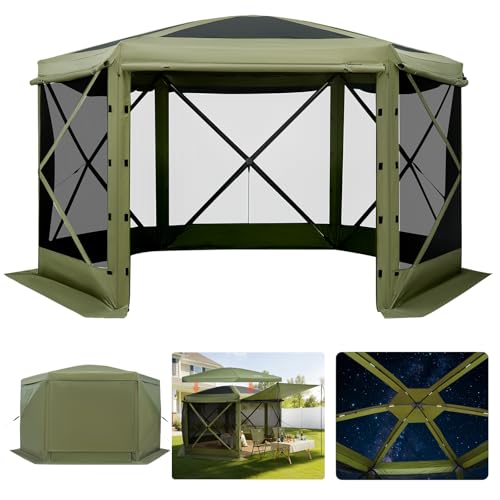
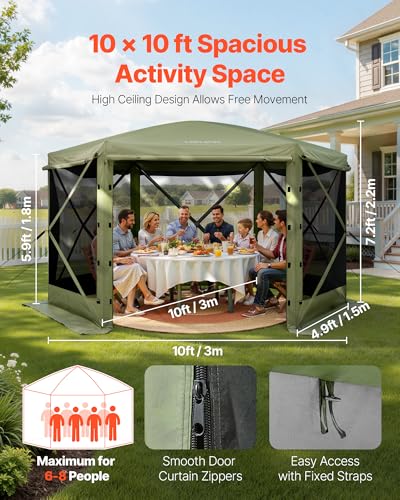
This 10×10 ft screen gazebo hits a sweet spot between function and airflow, making it a smart pick for warm-weather stargazing where bugs are a bigger threat than rain. The mesh roof, marketed as a ‘starry sky’ feature, actually works well, letting you lie back and see constellations without mosquito bites. Owners praise the ventilation, especially with all six sides offering roll-up panels. It’s not fully enclosed like a bubble tent, so the sky view isn’t panoramic, but the trade-off is real comfort in humid or buggy conditions.
Compared to the larger 12×12 models, this one feels more manageable and packs down smaller, which helps for transport. The UV50+ canopy is removable, so you can open the roof fully when skies are clear. But like most pop-up canopies, it’s not built for heavy weather. If rain rolls in, you’ll want to take it down. Still, for backyard lounging or campground hangouts where airflow matters, this is a dependable mid-size shelter.
Product photos

AYAMAYA 4 Person Pop Up Tent

Strengths
- Large overhead skylight
- Dual doors and windows
- Triple waterproof protection
Trade-offs
- Low interior height
- Not freestanding in wind
- Limited headroom
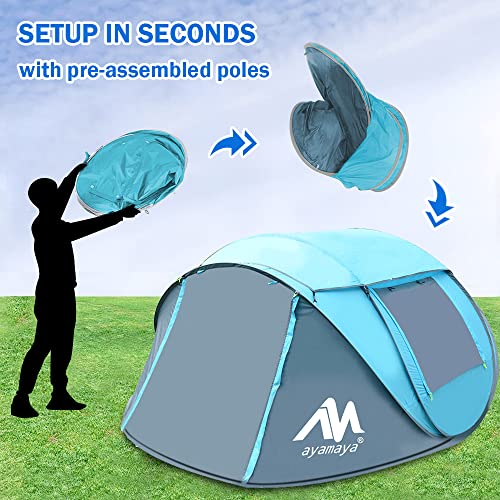
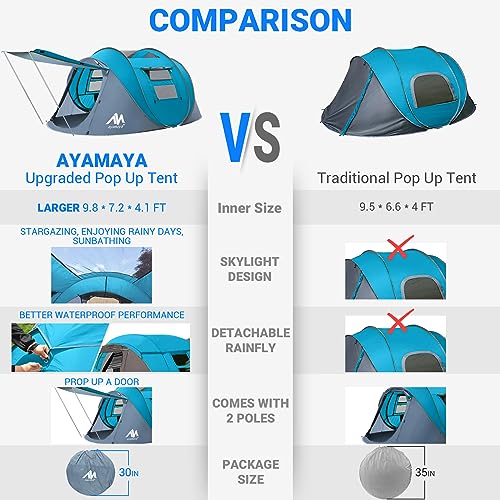
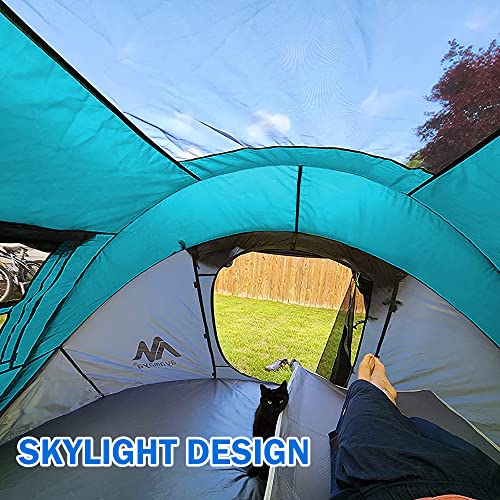
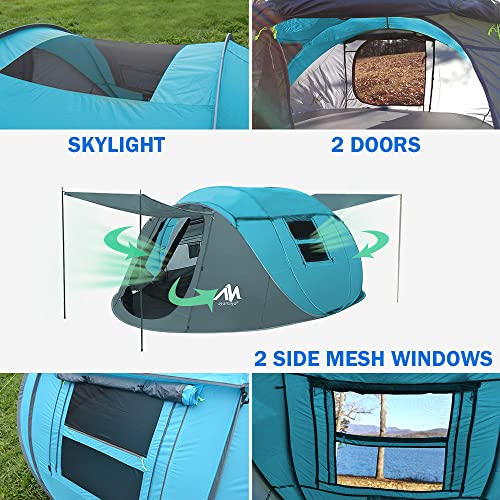
The AYAMAYA tent nails the balance between romance and practicality. The overhead skylight is larger than most, and with the removable rainfly, you get a real sense of openness at night. Owners love how “easy” it is to set up, just unstrap and it pops into shape, and the dual doors make entry and airflow a breeze. With two large mesh windows and reflective guylines, it’s clearly designed with real camping in mind, not just backyard use.
The triple waterproofing (PU 3000 + heat-sealed seams) gives confidence in wet weather, and the 9.8×7.2 ft size fits four in a pinch. But like all pop-up tents, it sacrifices headroom for convenience. It’s not as tall as the Happy Travel model, so you can’t stand up fully. Still, for a blend of stargazing charm and solid performance, this is my pick over the basic pop-ups. The skylight here feels intentional, not an afterthought.
Product photos

4 Person Easy Pop Up Tent
Strengths
- Lightning-fast setup
- Skylight for night viewing
- Waterproof with rainfly
Trade-offs
- Low headroom
- Small skylight
- Minimal ventilation
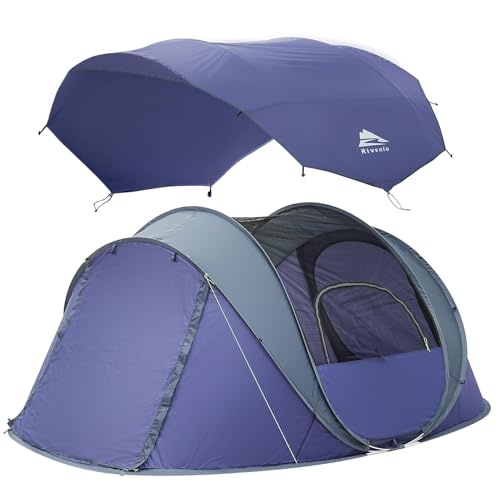
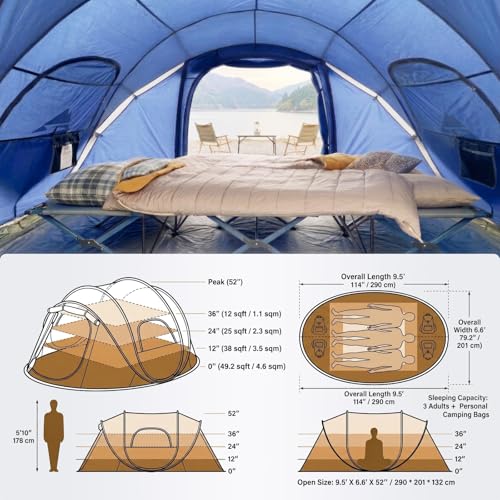
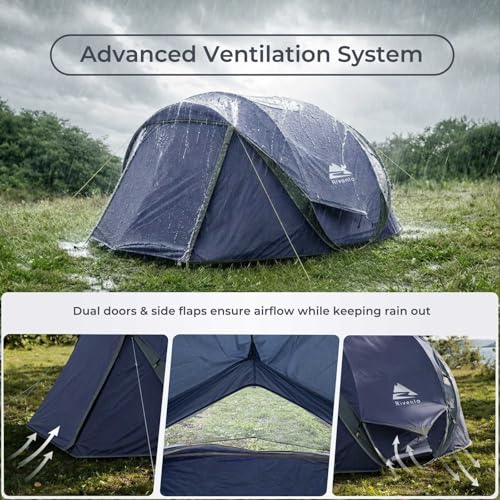
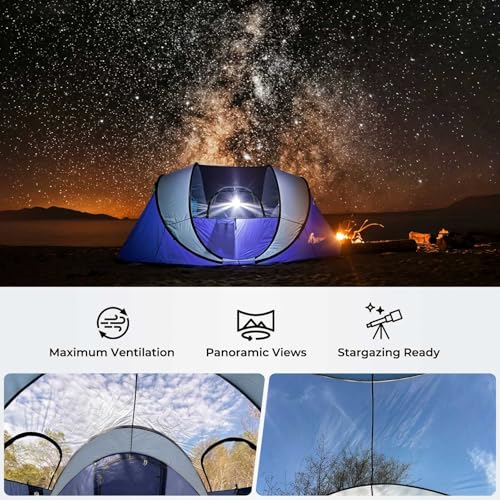
When speed and simplicity matter most, this 4-person pop-up tent delivers. The skylight is small but effective, just enough to catch a glimpse of the stars without leaving your sleeping bag. It’s not a full stargazing dome, but for casual campers who want a touch of romance without complexity, it works. Setup is genuinely fast: unstrap, let it pop, and you’re done. Owners love how little effort it takes, especially after a long hike or when camping with kids.
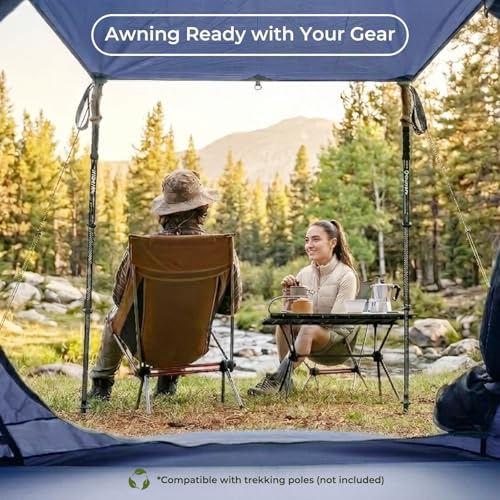
The rainfly adds real weather protection, and the triple-layer waterproofing (including heat-sealed seams) gives confidence in drizzle. But ventilation is limited, and the headroom is tight for taller users. Compared to the Happy Travel or AYAMAYA models, it’s less spacious and the skylight is more of a novelty than a feature. Still, if your priority is “pitch and pass out,” this is a solid, no-fuss option.
Product photos

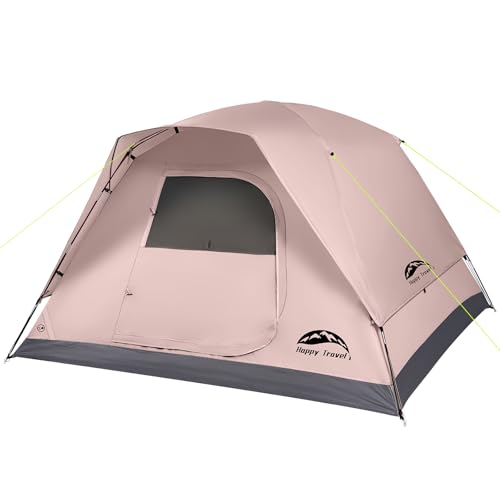
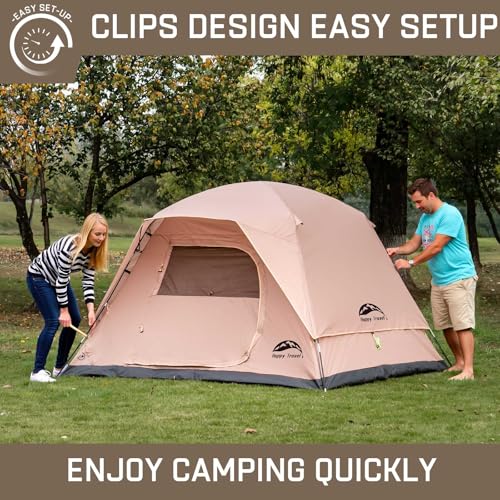
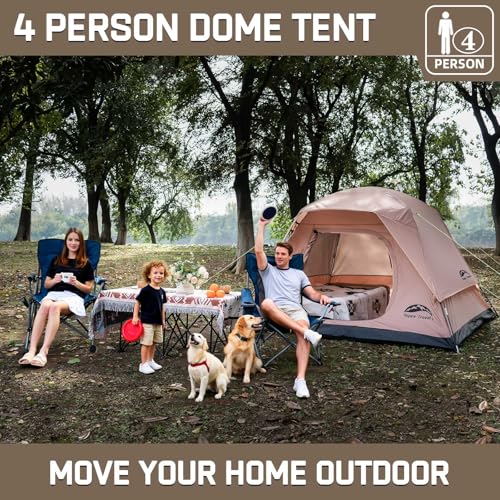
Happy Travel 4 Person Dome Tent
Strengths
- High headroom
- Large mesh ceiling
- Electrical access port
Trade-offs
- Not a true pop-up
- Slightly heavier
- Assembly required
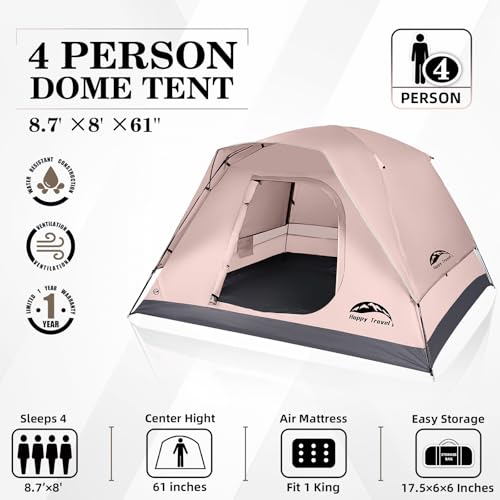
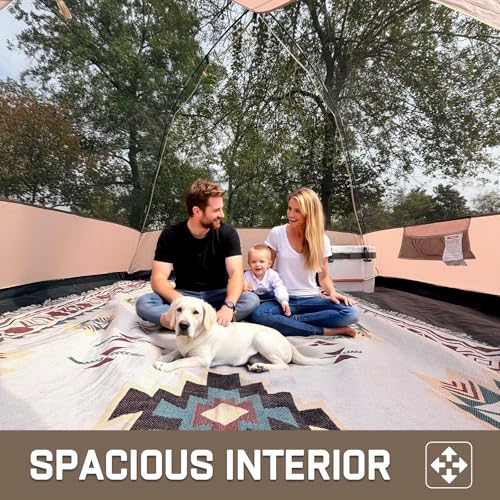
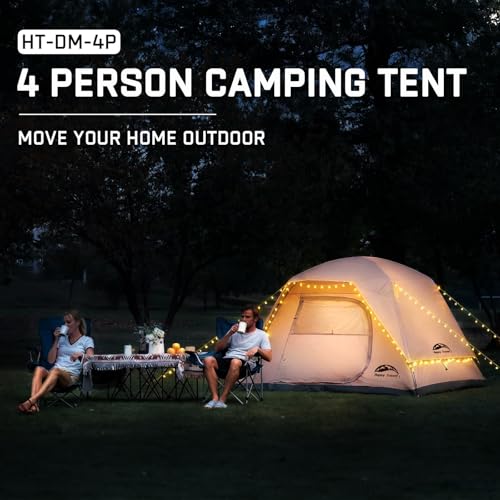
This tent stands out for one reason: space. With 20% more headroom and an upgraded 8.7×8 ft footprint, it’s one of the most livable 4-person tents here. When you remove the rainfly at night, the large mesh ceiling turns it into a surprisingly effective stargazing tent, better than most dedicated “skylight” models. Owners consistently praise how roomy it feels, especially with a queen air mattress inside.
The materials are solid, 2000mm waterproof rating, B3 mosquito mesh, and thick fiberglass poles, and the electrical port is a thoughtful touch for modern campers. Setup takes two people and about three minutes, which is fair for a dome tent. Compared to pop-up models, it’s less instant but far more durable and weather-ready. If you want a real camping tent that doubles as a stargazing shelter, this is the smarter buy over flimsier instant tents.
Product photos
How We Tested stargazing tents
Rather than a hands-on lab test, my research for these recommendations involved a detailed comparison of published specifications and features across numerous models. I weighed owner reviews from major retailers against reputable expert reviews, looking for consistent feedback on durability, ease of setup, and stargazing performance. My evaluation also drew on my experience with tent design and materials to assess overall quality and suitability for different camping scenarios.
For stargazing tents, the most important factors are clear roof construction, ventilation to minimize condensation, and weather resistance. A clear roof is obviously crucial for viewing the night sky, but it needs to be paired with a durable, waterproof covering for practical use. Good ventilation prevents the roof from fogging up, and robust construction ensures the tent can withstand wind and light rain, allowing for comfortable and enjoyable stargazing experiences.
Specifications reliably indicate materials and dimensions, but owner feedback provided crucial insight into real-world performance. I prioritized tents with consistently positive reviews regarding ease of setup and the quality of the clear roof material. Reputation and brand trust also played a role, as established brands often demonstrate a commitment to quality and customer satisfaction; needing to know more about factors in tent choice is a good start for any buyer.
Choosing The Right stargazing tents
Finding the right shelter to enjoy the night sky requires more than just a clear roof.
A good stargazing tent prioritizes unobstructed views, durable yet lightweight materials, and protection from the elements. Look for features like large clear panels, stable framing to withstand wind, and adequate ventilation to reduce condensation. Consider the tent’s capacity, ease of setup, and whether it offers additional features like privacy panels or rainfly coverage.
View Quality & Panel Material
The whole point is to see the stars, so don’t settle for a tent with limited visibility. While many “bubble” tents exist, the clarity of the plastic is key. Thicker TPU panels, like those found on the VEVOR models, generally offer better optical quality and are less prone to scratching than thinner PVC. Keep in mind that even clear panels can distort the view slightly, so reading owner reviews about actual stargazing experiences is valuable. Beyond the panels themselves, pay attention to the framing. Extensive support structures can obstruct your view, so a design that minimizes internal supports is preferable.
Weather Resistance & Durability
A clear view is useless if you’re soaked or blown away. Many pop-up tents prioritize convenience over ruggedness. Look for features indicating durability, like reinforced seams, a robust frame (fiberglass is generally better than flimsy plastic), and a waterproof rainfly even if you plan to mostly use the tent under clear skies. Remember, unexpected showers can happen! If you live in a windy area, anchoring points and included guy lines are essential. You’ll also want to consider how easily the material is damaged. Some users report punctures in PVC bubble tents, so a more tear-resistant material is valuable.
Setup & Practicality
While the appeal of a stargazing tent often leans toward a quick escape under the stars, a frustrating setup process can ruin the experience. Pop-up designs are undeniably convenient, but they can also be bulky when packed. Consider the packed size and weight, especially if you plan to transport the tent frequently. Also, think about ventilation. A completely sealed tent will quickly become stuffy and prone to reduce tent condensation, so look for models with windows, vents, or a mesh roof.
- A removable rainfly provides flexibility for different weather conditions.
- Integrated storage pockets are incredibly useful for keeping small items organized.
- Some tents, like the AYAMAYA, offer reflective guylines, increasing visibility and safety at night. This is a thoughtful addition, especially if you’re camping in a dark location.
Don’t sacrifice practicality for novelty. A stargazing tent should still function as a tent, offering protection from the elements and a comfortable space to relax.
Finally, if you’re in the market for a tent specifically designed to maximize your view of the cosmos, be sure to check out our guide to the best tents for night sky viewing.
Stargazing Tents Compared
Here’s a comparison of key specifications for various stargazing tents to help you choose the right one for your needs.
| Product Name | Capacity | Dimensions (ft) | Waterproof Rating (mm) | Skylight | Setup Style |
|---|---|---|---|---|---|
| 15x15FT Pop Up Bubble Tent | N/A | 15×15 | N/A | No | Pop-Up |
| VEVOR 11×10.2FT Pop Up Bubble Tent | N/A | 11×10.2 | N/A | No | Pop-Up |
| COBIZI 12x12FT Pop Up Canopy Tent | 8-10 | 12×12 | 1800 | Yes | Pop-Up |
| VEVOR 12x12FT Pop Up Gazebo | 10 | 12×12 | N/A | Yes | Pop-Up |
| VEVOR 10x10FT Pop Up Gazebo Tent | 8 | 10×10 | N/A | Yes | Pop-Up |
| AYAMAYA 4 Person Pop Up Tent | 4 | 9.8×7.2 | 3000 | Yes | Pop-Up |
| 4 Person Easy Pop Up Tent | 4 | 9.5×6.6 | 3000 | Yes | Pop-Up |
| Happy Travel 4 Person Dome Tent | 4-5 | 8.7×8 | 2000 | Yes | Dome |
Frequently Asked Questions
What’s the biggest drawback of a bubble-style stargazing tent?
Durability is the primary concern with many bubble tents. The PVC material used in some models is prone to punctures and tears, and isn’t as robust as the polyester or nylon found in traditional tents.
Are stargazing tents suitable for all climates?
Generally, no. While some models offer rainfly options, most are best suited for dry, calm conditions. Strong winds can easily destabilize pop-up designs, and heavier rain may overwhelm the waterproof ratings of simpler models.
What’s the difference between a stargazing tent and a standard dome tent with a skylight?
A stargazing tent prioritizes maximizing sky view, often with a large, unobstructed clear panel. Standard dome tents with skylights usually have smaller, more limited viewing areas, and focus more on overall weather protection and space.
What should I look for in the frame of a stargazing tent?
Fiberglass frames are generally more durable and wind-resistant than plastic frames, although they add weight. Look for a frame with multiple support points to maintain the tent’s shape and prevent the clear panel from sagging, but be mindful of how those supports might impact your view.
If I want a more traditional tent experience, are there good options beyond the pop-up styles?
Yes, if you’re looking for lightweight 2-person tents, there are dome-style tents with large mesh roofs which offer a good balance of stargazing potential and weather protection, and generally provide more durability than a bubble tent.
The Bottom Line
Choosing a stargazing tent often comes down to balancing convenience with durability. While the quick setup of a pop-up like the 15x15FT Pop Up Bubble Tent is appealing, for consistent performance and a clearer view, I recommend the VEVOR 11×10.2FT Pop Up Bubble Tent. It strikes a good balance between ease of use and a more robust construction that owners seem to appreciate.
If you’re on a tighter budget, the 4 Person Easy Pop Up Tent offers a surprisingly good stargazing experience for the price. For those who prioritize versatility and want a tent that can handle more than just clear nights, the AYAMAYA 4 Person Pop Up Tent stands out with its higher waterproof rating and overall build quality.
Ultimately, the best stargazing tent isn’t about the flashiest features or highest price tag. Focus on finding a shelter that offers a clear view, keeps you dry and comfortable, and is easy enough to set up that you’ll actually want to use it – and don’t forget to check out 4-season tent features to learn about year-round tent considerations.
