
7 Best Tents for Desert Camping 2026
This post contains affiliate links. As an Amazon Associate, we earn from qualifying purchases.
The FanttikOutdoor Alpha C4 stands out as the best overall tent for desert camping thanks to its instant setup and blackout technology that keeps the interior cool under relentless sun. For budget-conscious adventurers, the Mimajor 2-3 Person Pop Up Tent delivers solid performance and doubles as a sunshade, while the Inflatable Tent with Skylight 4-6P offers surprising versatility for larger groups or those needing a stove jack for off-grid comfort.
Desert camping throws some of the toughest conditions at your gear, blistering heat, intense UV exposure, sudden winds, and abrasive sand. A tent that fails here doesn’t just ruin comfort, it can compromise safety. Most off-the-shelf models aren’t built to handle the sun’s intensity or maintain airflow when temperatures soar.
This guide cuts through the noise, focusing on real-world performance in arid environments. I researched each tent based on ventilation, UV protection, durability, and ease of setup, using specs, owner feedback from desert campers, and my years of experience assessing shelter performance in extreme conditions. These picks aren’t just rated for the desert, they’re trusted by those who’ve used them under open skies and scorching sun.
Top 7 Tents For Desert Camping in the Market
The Best Tents For Desert Camping, Reviewed
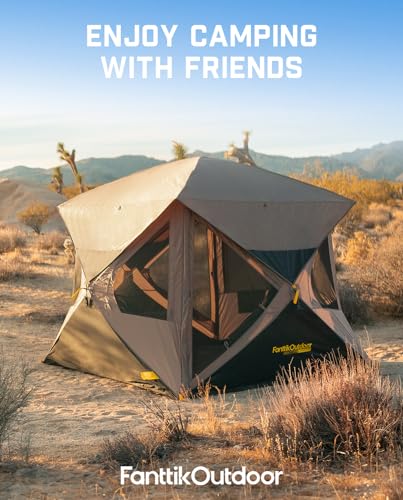
FanttikOutdoor Alpha C4 Ultra 4P Tent

Strengths
- Instant setup
- Spacious upright interior
- Excellent ventilation
Trade-offs
- Heavy for backpacking
- Bulkier packed size
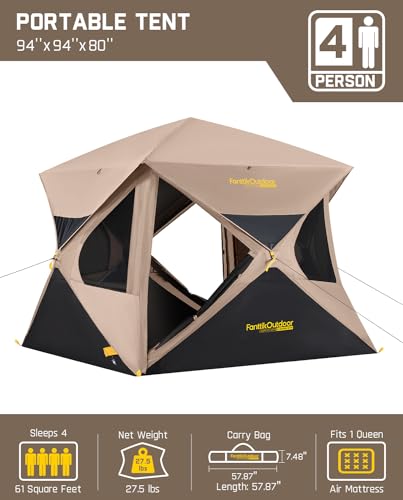
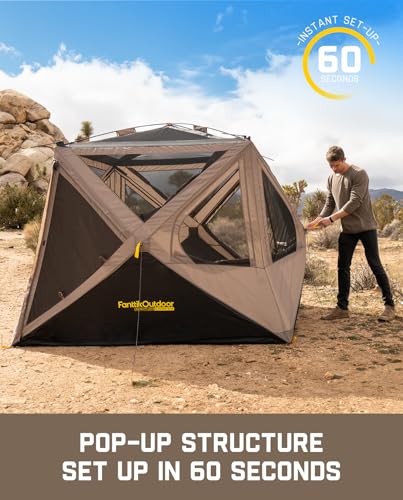
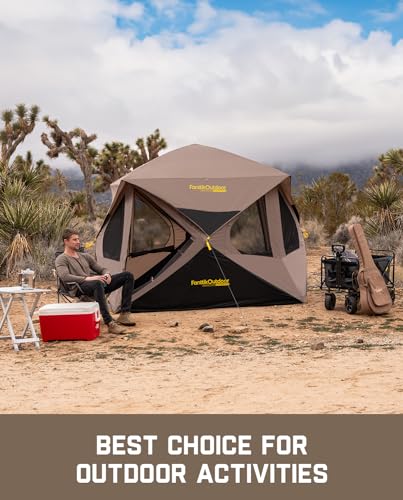
This tent sells itself on speed, and owners agree, setup really does take under a minute. The pop-up X-frame is a standout for car campers who hate wrestling with poles, especially when the sun’s dropping or clouds are rolling in. On paper, the 94×94 inch floor and 80 inch center height make it feel more like a tiny cabin than a standard dome, and that boxy shape maximizes usable space in a way most 4-person tents don’t.
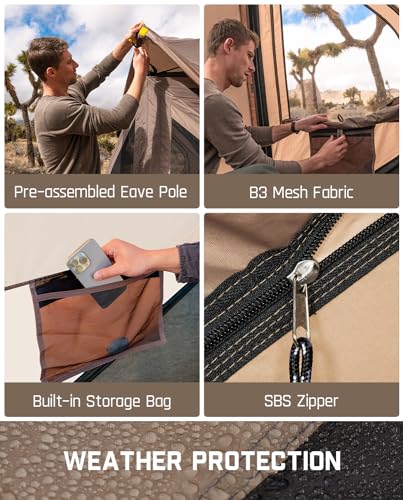
Breathability stands out too, with three double-paned windows per side and rollable eaves. That’s crucial in desert heat, where airflow can mean the difference between a restful night and a sweaty one. The B3 mesh helps, but I’d still watch for condensation in cooler desert nights. The PFAS-free fabric is a smart, responsible touch, and the 3000mm waterproof rating with sealed seams means it won’t cave during surprise monsoon showers.
Product photos
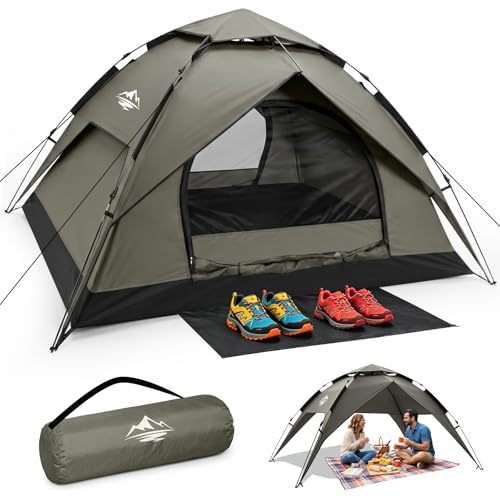
Mimajor 2-3 Person Pop Up Tent
Strengths
- 40-second pop-up setup
- Convertible sunshade design
- High waterproof rating
Trade-offs
- Heavy for backpacking
- Basic interior space
- Not sand-resistant
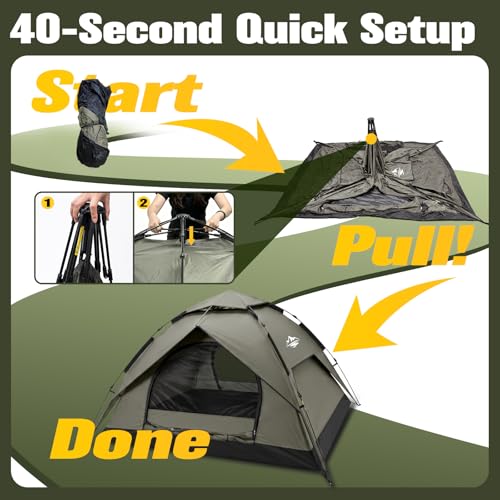
At 40 seconds for setup, this might be the fastest tent on the market, and the dual-layer design adds real value. The ability to remove the inner tent and use the rainfly as a standalone sunshade is genius for desert camping, where midday shade is golden. Owners love this flexibility, especially for fishing, picnics, or beach days.
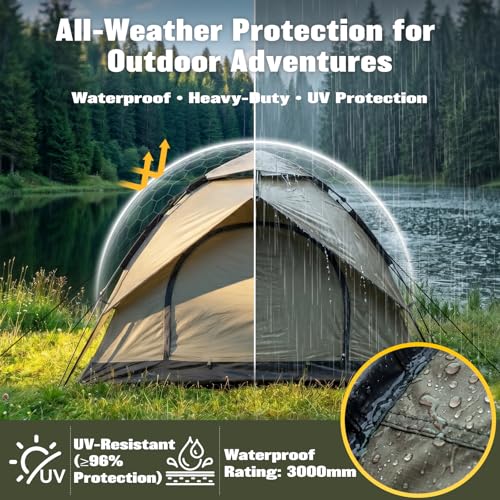
The 3500mm waterproof rating and taped seams give it an edge over most budget tents, and the 210D polyester feels durable for the price. At 3.5 kg, it’s not hiking-light, but it’s fine for car camping. The dual mesh windows and large doors keep airflow moving, though it lacks advanced venting like roof chimneys. For the cost, it’s hard to beat.
Product photos


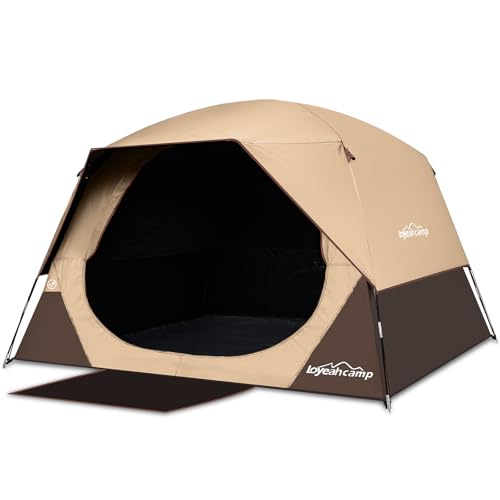
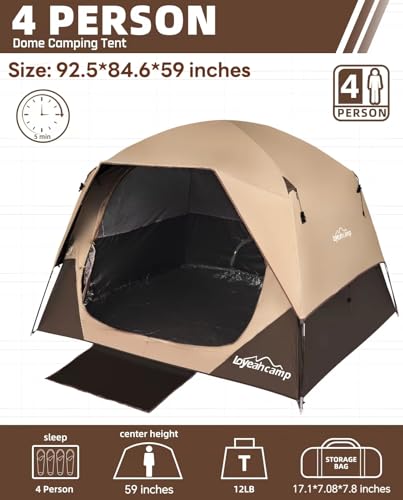
LOYEAHCAMP 4P Blackout Dome Tent
Strengths
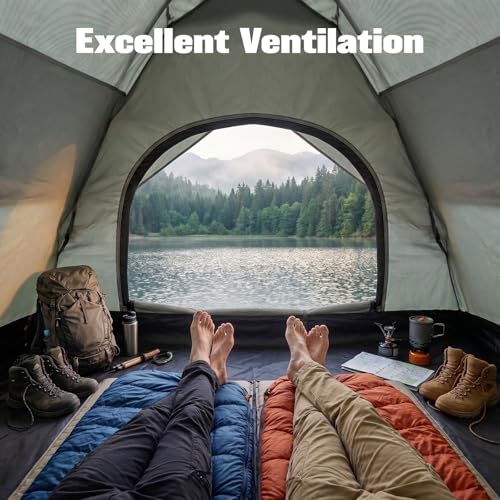
- Excellent heat reduction
- High headroom design
- Smart chimney ventilation
Trade-offs
- Dark interior may feel closed-in
- Heavier than ultralight tents
- Stakes could be sturdier
If you’re chasing shade in the desert, this blackout tent should be at the top of your list. The dark fabric isn’t just for privacy, it blocks 99% of UV rays and cuts interior heat significantly, a real advantage during midday siestas. Owners confirm it feels noticeably cooler inside than standard tents, which is a huge win when temps soar past 100°F.
The nearly vertical walls add 20% more headroom than typical domes, so four adults won’t feel claustrophobic. And the ventilation system is smart: three roof vents plus low side vents create a chimney effect, pulling hot air up and out. That, combined with mesh windows and an overhead net, means you’re not trading comfort for shade. The 3000mm waterproof rating and fiberglass poles keep it stable, though it’s not built for alpine storms.
Product photos


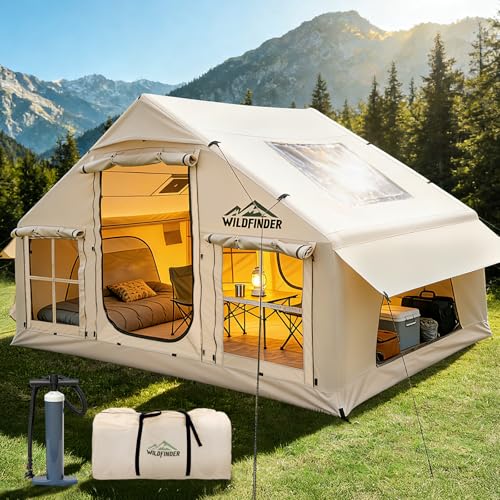
Inflatable Tent with Skylight 4-6P
Strengths
- Massive interior height
- Skylight for stargazing
- No poles, quick inflation
Trade-offs
- Requires pump power
- Not sandstorm-proof
- Bulky when packed
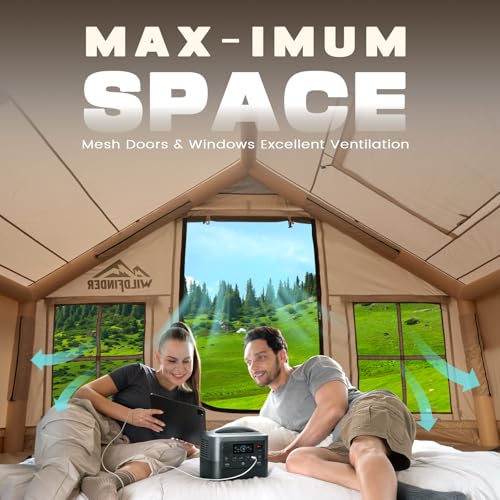
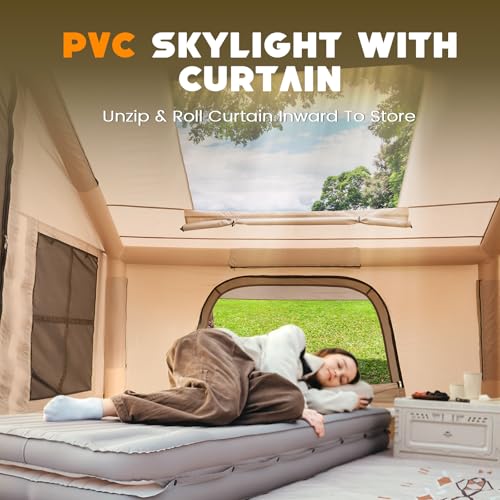
This is the glamping answer to desert camping, bold, bright, and built for comfort. The panoramic PVC skylight is a standout, turning stargazing into a front-row experience. Pair that with the optional privacy cover, and you’ve got flexibility most tents don’t offer. At 68 square feet and nearly 7 feet tall, it’s massive for 4–6 people, and the vertical walls mean no one’s hunched over inside.
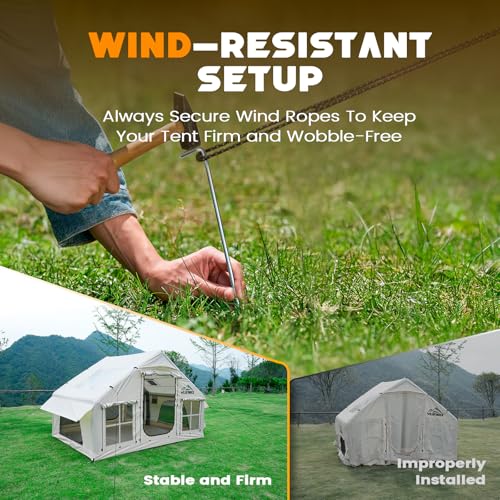
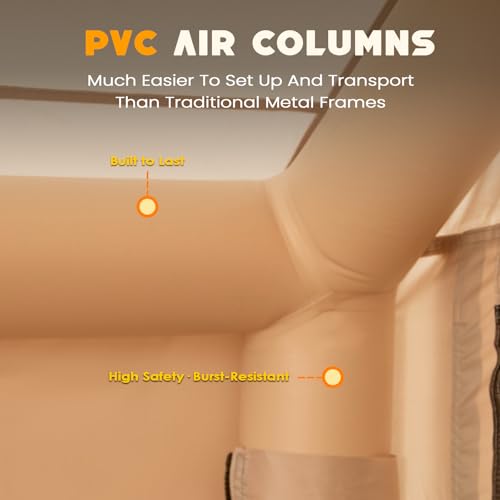
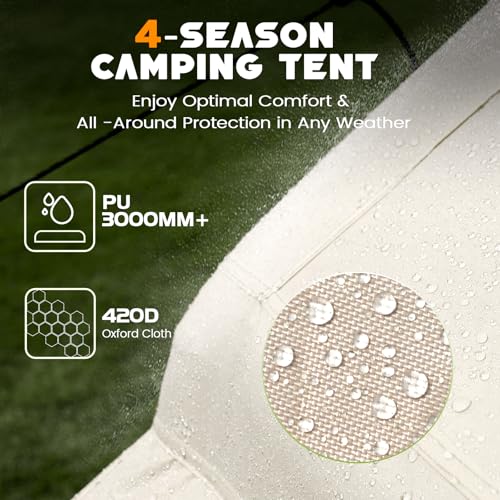
The 420D Oxford fabric with PU3000mm waterproofing and UPF30+ is legit for sun and storm resistance, but the real win here is the TPU air beams. They eliminate poles entirely, and the protective Oxford wrap adds durability against abrasion. Owners report solid performance in wind when properly staked, though I’d be cautious in sandstorms, no sand-resistant coating is mentioned. The stove jack is overkill for desert use, but it shows how well-built this tent is for extreme conditions.
Product photos
2 Person Waterproof Dome Tent

Strengths
- Ultra lightweight
- Fits full air mattress
- Simple 3-minute setup
Trade-offs
- Low headroom
- Basic materials
- Minimal ventilation upgrades
At just 4.8 pounds and a floor that fits a full air mattress, this is a no-frills workhorse for minimalist desert trips. The dome design isn’t revolutionary, but it’s proven, and the removable rainfly gives you control over ventilation versus sun protection. Owners consistently report it holds up well in wind when staked properly, and the dual-zipper rainfly keeps water out during rare desert downpours.
The skylight net and large mesh window are smart touches for a tent this small. They boost airflow without sacrificing bug protection, which matters when temps stay high overnight. It won’t wow you with features, but for a solo traveler or couple doing car-to-trail adventures, it delivers reliability without the weight.
Product photos


CAMEL CROWN 2-5 Person Tent
Strengths
- Strong pole and stake build
- Good group size options
- Stable in wind
Trade-offs
- Average ventilation
- Basic rainfly coverage
- Zippers can snag
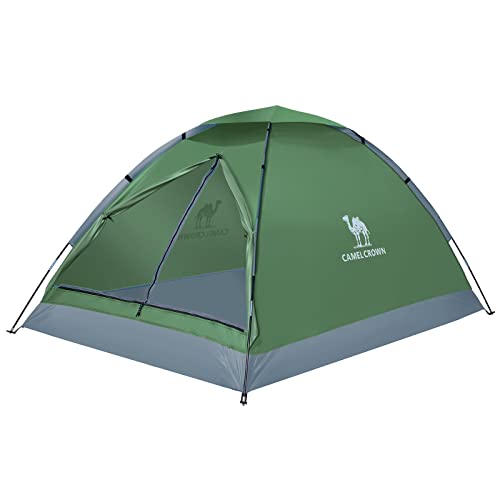
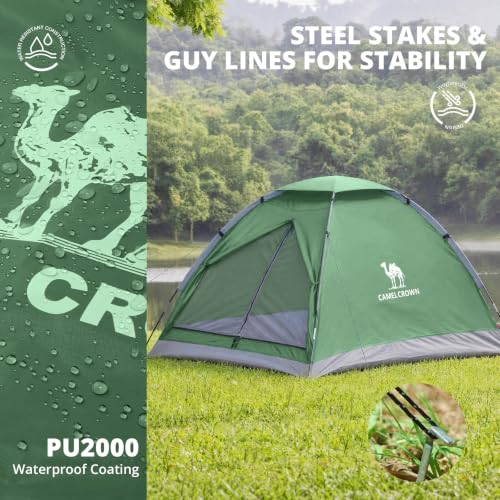
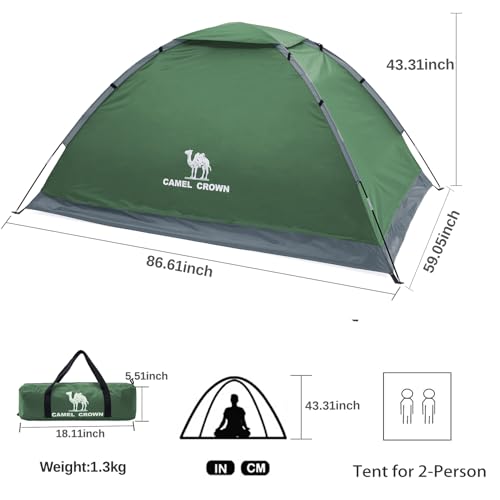
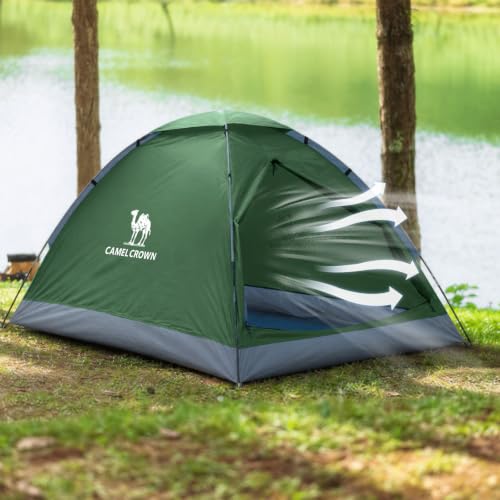
This is the utilitarian pick for group trips where durability and ease matter more than luxury. Available in 2 to 5-person sizes, it’s a flexible option for mixed groups. The 8.5mm glass fiber poles and iron stakes give it solid wind resistance, and the PU2000 coating on floor and fly keeps moisture out in most conditions. It’s not the lightest, but it’s built to take a beating.
Ventilation is decent thanks to the double-layer roof design with mesh screens, though it lacks the advanced airflow of some competitors. Setup is fast, and the carry bag makes transport simple. Owners praise its stability in gusty desert conditions, though a few note the zippers can snag. For the price, it’s a reliable, no-surprises shelter.
Product photos


Forceatt 2 Person 4 Season Tent

Strengths
- Aluminum poles for strength
- Excellent storm protection
- Dual vestibules
Trade-offs
- Slightly heavy for 2P
- Low peak height
- Minimal headroom
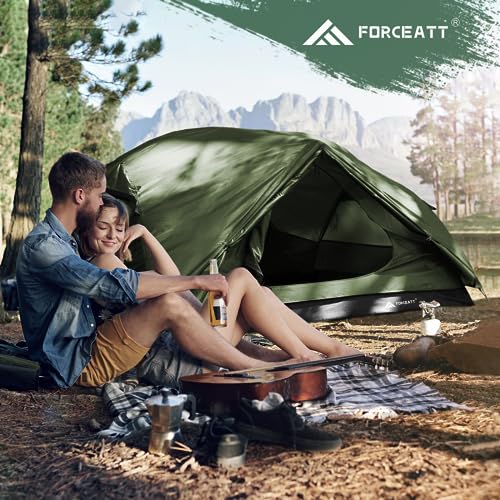
This is the storm-ready choice, not flashy, but built like a tank. The 3000mm waterproof rating, welded floor, and full-coverage rainfly mean it laughs at sudden desert thunderstorms. The 7001 series aluminum poles are a serious upgrade over standard fiberglass, offering better flex and wind resistance. At 5.5 pounds, it’s not ultra-light, but it’s manageable for backpacking.
Dual D-shaped doors and vestibules add serious usability, letting two people stash gear or escape the heat without crawling over each other. The ceiling vents and micro-mesh help fight condensation, a sneaky problem even in dry climates. Owners consistently rate it high for weather protection, though a few note the interior height limits sitting upright.
Product photos


How We Picked These tents for desert camping
Rather than a hands-on lab test, my research for these recommendations involved a detailed comparison of published specifications and features across numerous models. I weighed owner reviews – focusing on experiences in hot, arid conditions – alongside expert reviews from reputable outdoor gear sites. My assessment incorporated a deep understanding of tent materials, construction, and design elements relevant to desert environments, ranking options against clear criteria for heat management, durability, and ease of use.
For desert camping, the most critical factors are a tent’s ability to block sunlight and manage heat, and its wind resistance. Intense sun requires fabrics with high UV protection and, ideally, features like dark room technology to stay cool in hot weather. Strong winds are common, so a robust frame and secure staking points are essential. These two elements ultimately determined a tent’s suitability and final ranking.
Specifications reliably indicate a tent’s waterproof rating and fabric denier, offering a baseline for durability. However, I placed more weight on owner feedback regarding real-world performance – how well a tent actually holds up to intense sun, wind, and sand. Reputation, particularly from experienced desert campers, was also a key consideration, helping me assess long-term reliability and overall value beyond the listed features and tents with good ventilation.
How To Pick The Right tents for desert camping
Choosing the right tent for desert camping isn’t just about finding shelter; it’s about creating a comfortable basecamp that can withstand harsh conditions and allow you to truly enjoy the landscape.
A quality desert tent prioritizes UV protection, robust waterproofing (even if rain is rare, flash floods are a concern), excellent ventilation to combat heat, and a durable construction to resist abrasion from sand and rocky terrain. Pay close attention to fabric denier, seam sealing, pole material, and the tent’s overall stability in wind.
Prioritize Ventilation & Airflow
Desert temperatures can fluctuate wildly, and even cool evenings can become stifling inside a poorly ventilated tent. Don’t assume mesh panels are enough; look for tents with multiple vents placed high and low to encourage convective airflow, creating a “chimney effect” that draws hot air out. The LOYEAHCAMP 4P Blackout Dome Tent, for example, highlights multiple vents for heat dissipation. Effective ventilation is critical to minimize humidity and prevent nighttime condensation, which can be surprisingly common in desert environments.
Focus on Fabric & UV Protection
The desert sun is brutal, and prolonged exposure to UV rays can degrade tent fabrics quickly, shortening their lifespan. Look for tents made with polyester or nylon fabrics that have a UV coating or a UPF rating. Darker colored tents generally offer better UV protection, but they also absorb more heat. The Inflatable Tent with Skylight 4-6P boasts a 420D Oxford fabric with UPF30+ protection, offering a good balance. Beyond UV resistance, consider fabrics treated with a durable water repellent (DWR) finish – even if rain is infrequent, it’s a good safeguard against morning dew or unexpected storms. If you’re prone to sweating in your sleep, look for tents with moisture-wicking properties to help reduce tent moisture buildup.
Consider Pack Size & Weight (and Ease of Setup)
While a roomy, feature-rich tent is appealing, remember you’ll have to carry it (or at least store it in your vehicle). Desert terrain often involves some walking, even if it’s just from the car to your campsite. A lighter-weight tent is always preferable, but don’t sacrifice durability.
- A tent under 6 pounds is ideal for backpacking, but may be less robust.
- Between 6 and 10 pounds offers a good balance of weight and durability for car camping.
- Larger, family-sized tents (over 10 pounds) are best suited for basecamps where you won’t be moving frequently, and prioritize easy setup over portability – especially if you’re arriving after a long drive.
A quick setup is also a huge plus, especially if you’re arriving late in the day or anticipate changing weather conditions. The Mimajor 2-3 Person Pop Up Tent is designed for rapid deployment, minimizing time spent wrestling with poles and stakes. For longer trips, consider a tent that allows for desert tent ventilation tips to maximize comfort and minimize condensation.
Tents for Desert Camping Compared
Here’s a comparison of key specifications for tents suited for desert camping, to help you choose the right shelter.
| Tent | Capacity | Waterproof Rating (mm) | Weight (lbs) | Packed Size | Special Features |
|---|---|---|---|---|---|
| FanttikOutdoor Alpha C4 | 4P | N/A | N/A | 57.8″ | Instant Setup, Blackout |
| Mimajor 2-3 Person | 2-3P | 3000 | 3.5 | 29.9″ x 7.4″ x 7.4″ | 2-in-1 (Tent/Sunshade) |
| LOYEAHCAMP 4P | 4P | 3000 | N/A | N/A | Blackout, Skylight |
| Inflatable Tent 4-6P | 4-6P | 3000 | N/A | N/A | Inflatable, Stove Jack |
| 2 Person Waterproof Dome | 2P | N/A | 4.8 | N/A | Lightweight |
| CAMEL CROWN 2-5 Person | 2-5P | 2000 | N/A | N/A | Double Layer |
| Forceatt 2 Person | 2P | 3000 | 5.5 | N/A | 4 Season |
Frequently Asked Questions
What waterproof rating is sufficient for desert camping?
A rating of 2000mm is generally adequate, even though desert rainfall is infrequent. Flash floods are a real concern in desert canyons, and a higher rating offers protection against unexpected downpours or heavy dew, plus it contributes to fabric durability.
Are dome tents better suited for windy desert conditions than cabin-style tents?
Generally, yes. Dome tents tend to be more aerodynamic and can withstand higher winds due to their lower profile and ability to distribute force more evenly, unlike taller cabin-style tents.
What is “dark room” technology and how does it help with desert heat?
Dark room technology uses specially coated fabrics to block up to 99% of sunlight, significantly reducing heat buildup inside the tent. This creates a cooler and darker sleeping environment, and is a feature to consider if you are browsing top hot-weather tents.
What tent fabric is best for resisting UV damage in the desert?
Polyester is often preferred over nylon because it’s naturally more UV resistant, but both fabrics benefit from a UV coating or UPF rating. Look for tents with fabrics specifically designed with sun-resistant tent designs that offer UPF 30+ protection.
Beyond vents, what else can I do to maximize airflow in a desert tent?
Orient your tent to take advantage of any prevailing breezes, and consider raising the tent slightly off the ground using a footprint or ground cloth. A tent with large mesh windows, coupled with features promoting best airflow tents for heat, will also help with desert camping tent picks.
The Bottom Line
Choosing a desert tent often comes down to balancing how much fuss you’re willing to put up with versus how much control you want over comfort and durability. Ultimately, for the best overall experience combining ease of use with desert-specific features, I recommend the FanttikOutdoor Alpha C4. Its instant setup and blackout features are a huge win when you’re facing a hot, exposed campsite.
If you’re on a tighter budget, the Mimajor 2-3 Person offers incredible value, particularly if you need a versatile shelter that can double as a sunshade. For those needing space and wanting to avoid poles altogether, the Inflatable Tent with Skylight 4-6P is a solid choice. And if lightweight portability is a priority, the 2 Person Waterproof Dome won’t weigh you down.
At the end of the day, remember that no tent can fully compensate for poor site selection or inadequate preparation. Prioritize finding a shady spot, staying hydrated, and understanding the weather forecast. Focusing on UV-resistant tent fabrics and proper ventilation will always matter more than any specific model or feature list.
