
7 Best Three Man Tents of 2026
This post contains affiliate links. As an Amazon Associate, we earn from qualifying purchases.
The Naturehike Cloud Up is the best overall three-person tent for backpackers who want lightweight performance and solid weather protection, while the Coleman Sundome stands out as a roomy, reliable budget pick for car campers. If you need maximum space and durability for longer trips, the Underwood 3 Person Backpacking Tent offers exceptional comfort and high waterproofing.
Most three-person tents don’t deliver on their promise of comfort for three adults, too many are cramped, heavy, or prone to leaks when the weather turns. As someone who’s spent years evaluating shelters that hold up in real conditions, I know how critical it is to balance space, weight, and weather resistance.
This guide cuts through the marketing hype. I compared specs, analyzed owner feedback, and prioritized tents that deliver where it matters most: usable floor space, durable materials, and proven performance in wind and rain. These picks reflect what actually works when you’re miles from the trailhead or caught in an unexpected downpour.
Top 7 Three Man Tents in the Market
The Best Three Man Tents, Reviewed
Naturehike Cloud Up 3 Person Tent
Strengths
- Extremely lightweight
- Includes footprint
- Superior ventilation
Trade-offs
- Tight fit for three
- Higher price point
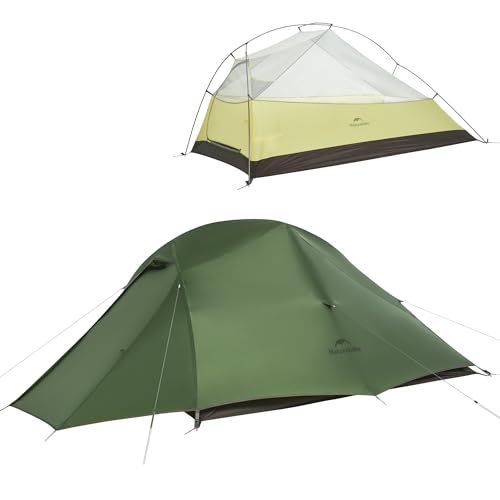
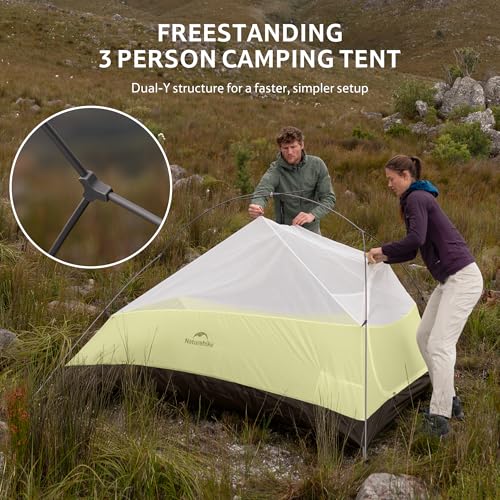
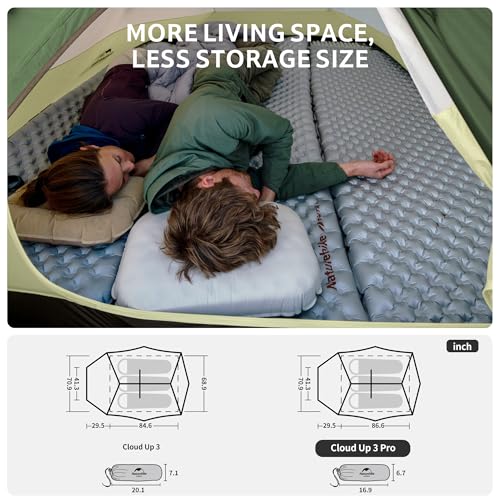
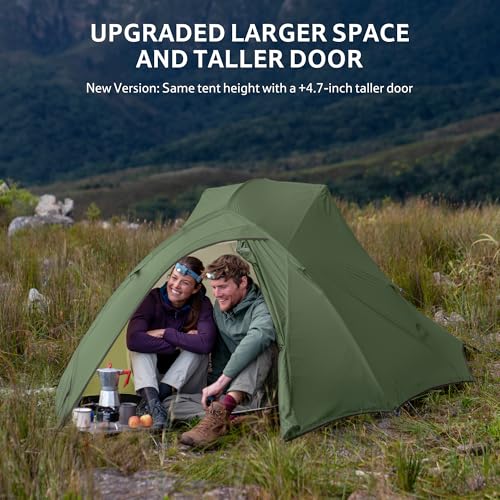
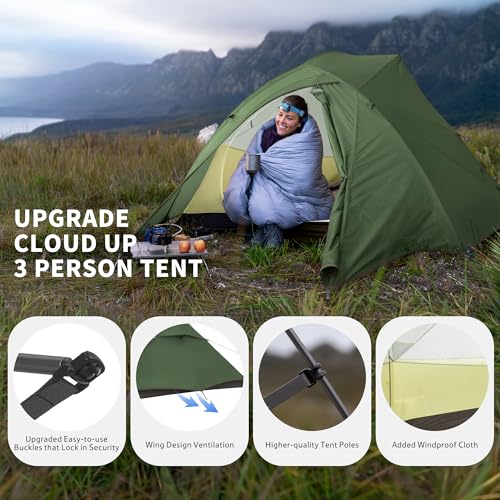
This is the tent I’d pick if I were buying one today for a serious backpacking trip. The Cloud Up Pro packs down smaller than most soda cans, weighs under 4.3 lbs, and still gives you 116 inches of length, that’s rare in this class. The freestanding dual-Y pole system makes setup a one-person job, and owners consistently report stable performance in wind and heavy rain. The B3 mesh interior is a standout, it keeps bugs out while letting air flow freely, and the upgraded wing design reduces condensation by keeping the fly off the inner tent.
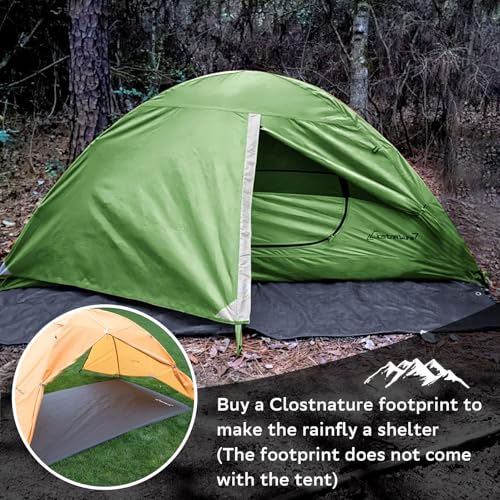
Plus, it includes a footprint, a small thing, but it saves money and weight. Compared to the Marmot Crane Creek, it’s lighter and more compact; against budget domes, it’s in a different league. The only real trade-off? It’s cozy for three, better as a spacious two-person or tight three.
Product photos

Marmot Crane Creek 3P Tent
Strengths
- Durable aluminum poles
- Dual vestibules
- Excellent weather resistance
Trade-offs
- No footprint included
- Slightly pricier
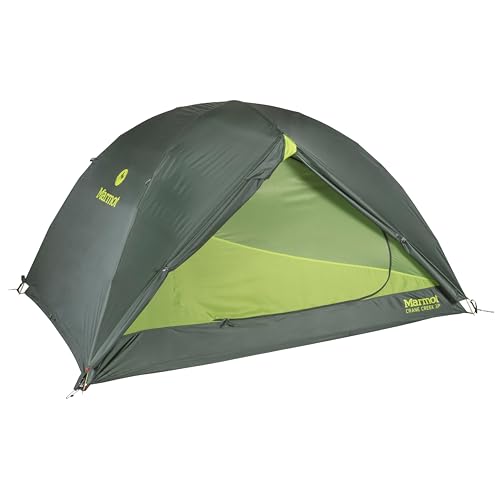
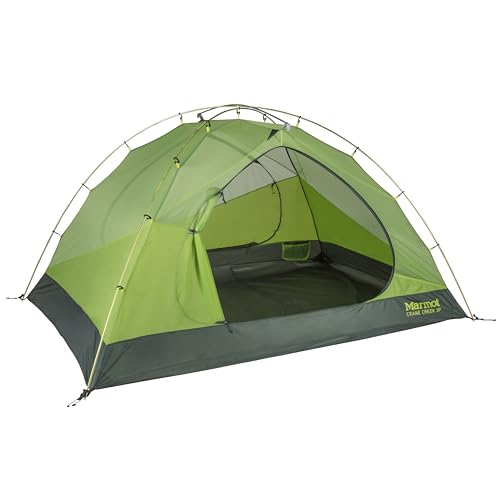
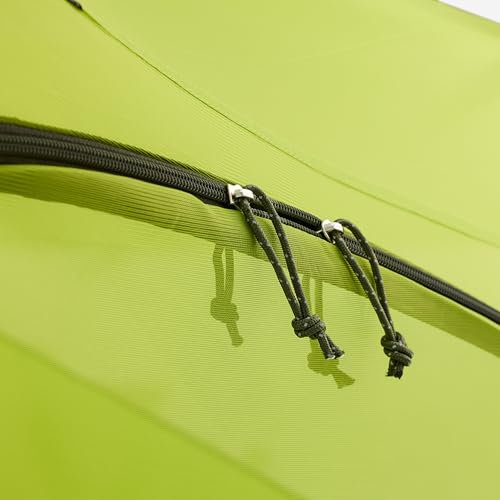
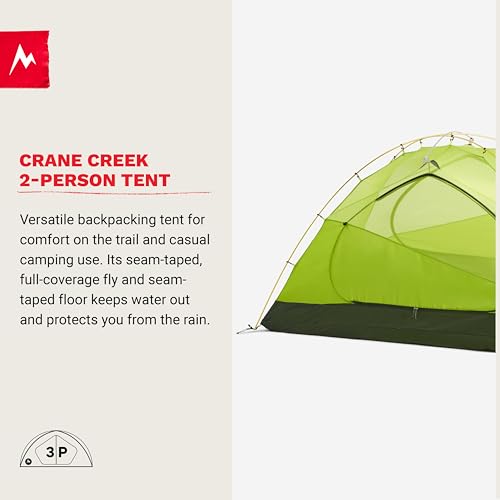
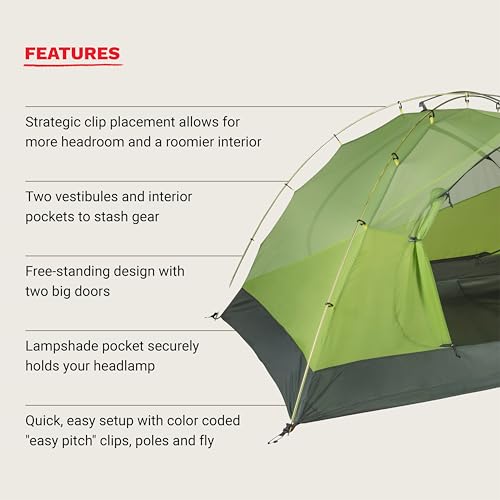
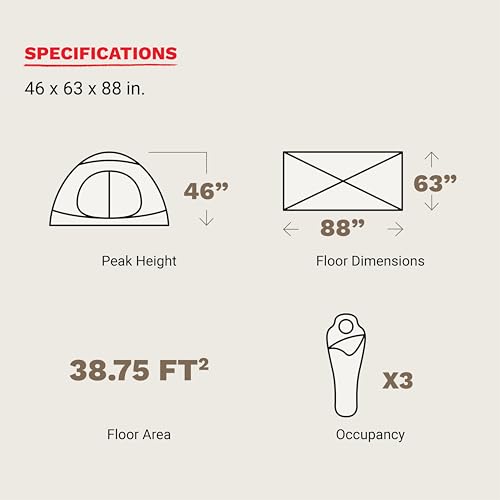
Marmot has been building trail-ready tents for decades, and the Crane Creek shows that experience. It’s not the lightest or cheapest, but it’s built like a backcountry workhorse, 7000 series aluminum poles, seam-taped fly, and dual vestibules signal serious durability. At 41.5 sq ft, it’s spacious for three, though most owners use it as a roomy two-person shelter with gear. The two D-doors are a standout for comfort and access, eliminating the crawl-over-your-friend problem.
What impresses me most is the balance: it’s lightweight enough for multi-day trips but tough enough for fall mountaineering. It lacks a footprint (sold separately), which stings a little, but the PFAS-free materials and eco-conscious build earn points. Compared to budget domes, this tent feels like a long-term investment.
Product photos
CAMPROS CP 3 Person Dome Tent

Strengths
- Spacious floor
- Easy setup
- Good ventilation
Trade-offs
- Heavy for backpacking
- Mid-tier weather resistance
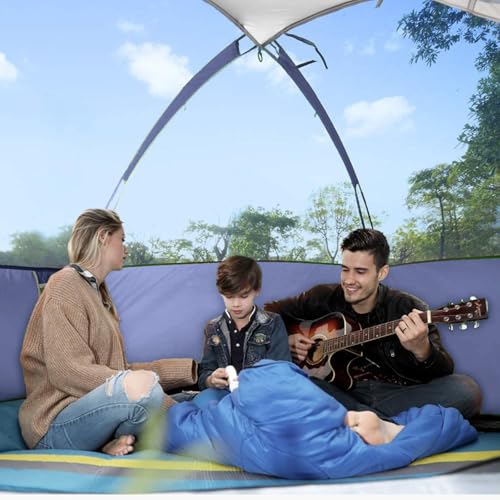
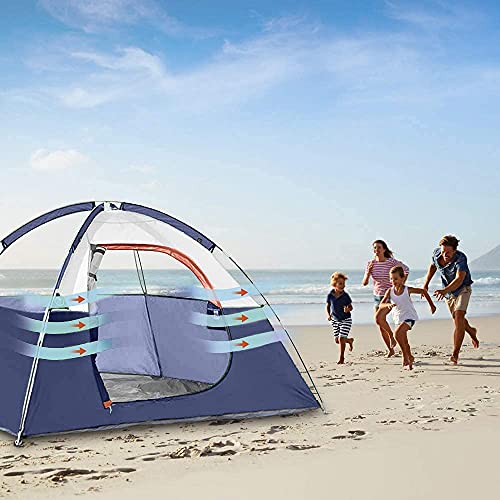
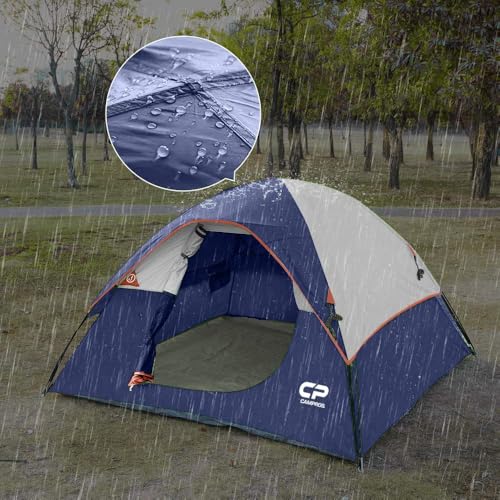
This tent delivers a surprising amount of space for the price, and that’s its strongest card. At 7×7 feet with nearly 47 inches of headroom, it’s roomier than most 3-person backpacking models, more like a compact family car camping tent. On paper, that makes it a solid pick if you’re stretching capacity for three average adults or want extra wiggle room for gear. The dome design with a full rainfly and sealed seams suggests decent weather resistance, and owners consistently report it held up fine in light rain and breezy conditions.
Still, I wouldn’t push it hard in serious storms. The materials feel budget-grade, and while the waterproofing passes basic tests, long-term durability is questionable. It’s also heavier than ultralight backpacking tents, so it’s not ideal if you’re hiking more than a mile from the trailhead. But for short hikes, drive-up camping, or festival use, it’s a functional, no-frills shelter.
Product photos


Forceatt 3 Person Backpack Tent

Strengths
- Fast setup
- Good weather protection
- Spacious interior
Trade-offs
- Slightly bulky pack size
- Moderate ventilation
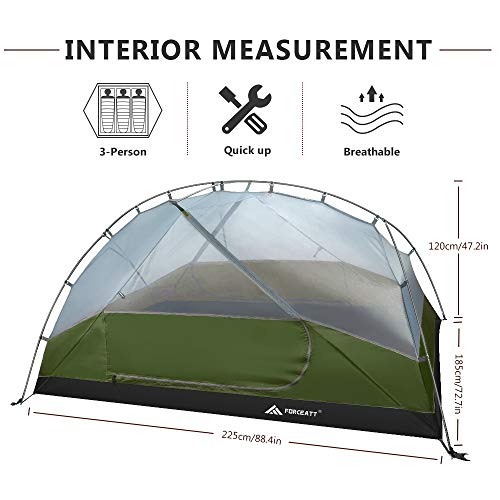
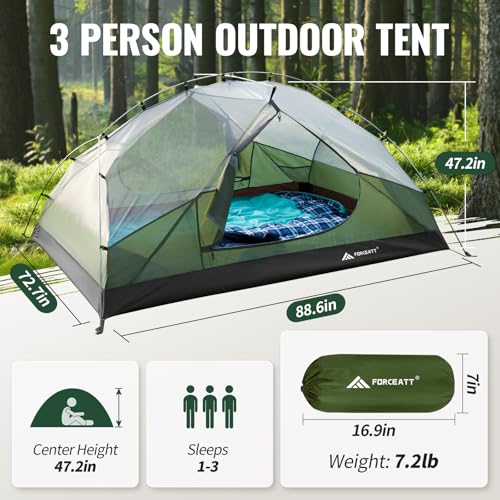
At 3.3 kg (about 7.3 lbs), this isn’t the lightest, but it’s still respectable for a 3-season backpacking tent that claims to handle wind and rain. The 88.4 x 72.7-inch floor space is generous, and the high headroom helps it feel less cramped. Owners praise how fast it pitches, some say under 3 minutes, thanks to smooth zippers and a straightforward pole design. The mesh ceiling and upper vents do a decent job with airflow, though not quite as well as fully mesh-walled models.
The 200T PU coating and welded floor add real water protection, and the materials feel sturdy for the price. Still, it’s not as breathable as top-tier ultralights, and condensation can build up in damp conditions. Compared to the Clostnature or Naturehike, it’s a bit heavier but holds its own in durability.
Product photos



Coleman Sundome 3 Person Tent

Strengths
- Super easy setup
- Great airflow
- Durable frame
Trade-offs
- Too heavy for backpacking
- Not freestanding
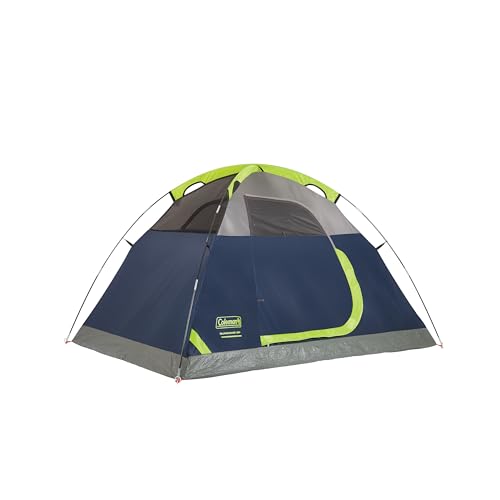
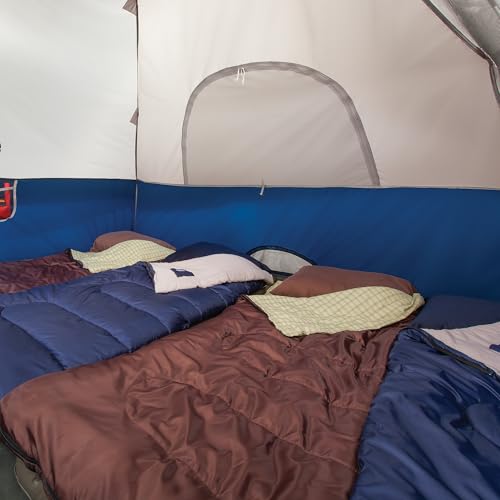
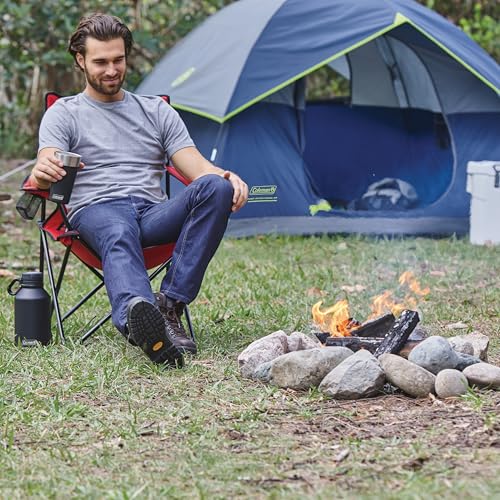
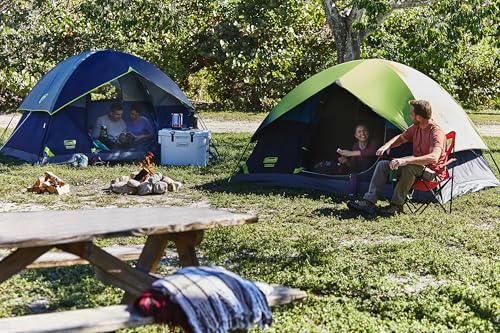
Let’s be real, the Coleman Sundome isn’t built for the backcountry. But for backyard sleepovers, car camping, or festival weekends, it’s a dependable, no-drama shelter. The WeatherTec system with inverted seams and welded corners actually works, owners report staying dry in downpours. Setup is fast thanks to Insta-Clip poles, and the large windows with ground vents help reduce that stuffy, humid feel many cheap tents suffer from.
It’s heavier and bulkier than any backpacking model, but that’s expected. What matters is that it’s tough enough to handle wind and repeated use. Compared to ultralight tents, it’s a tank, not graceful, but dependable. If you’re not hiking far, this is one of the smarter car camping picks.
Product photos
Underwood 3 Person Backpacking Tent
Strengths
- Very easy setup
- Strong weather resistance
- Good mesh ventilation
Trade-offs
- Heavier than rivals
- Less spacious
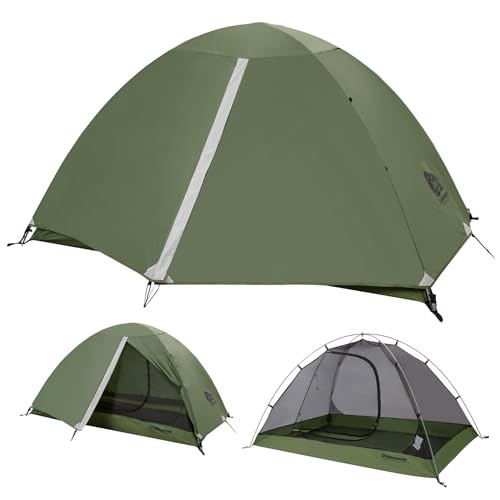
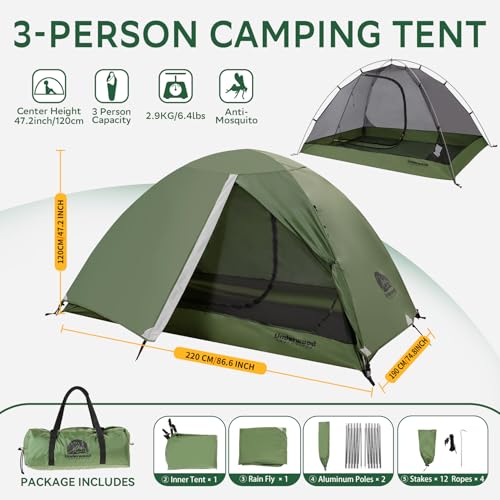
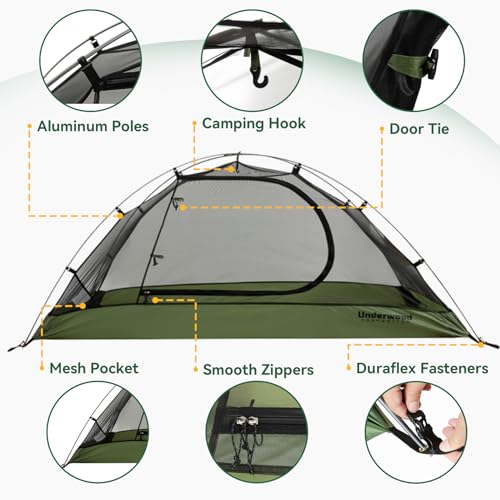
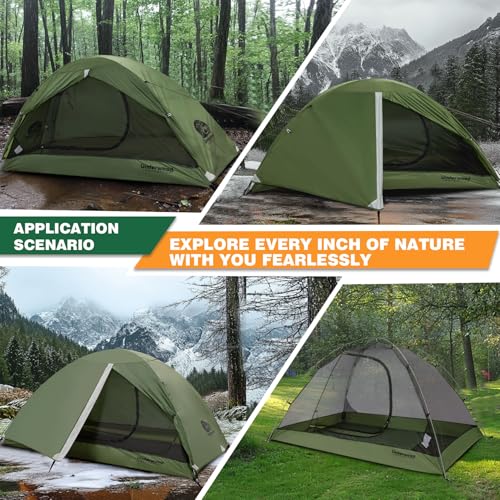
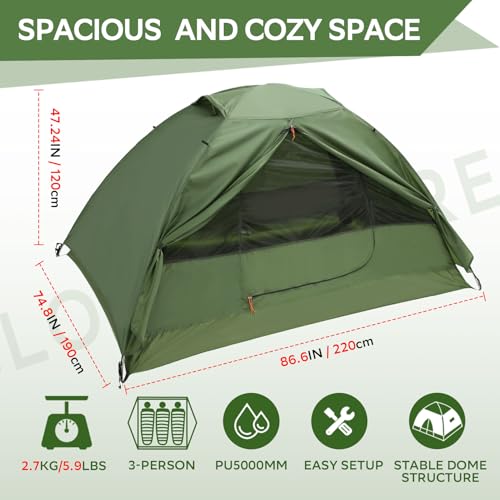
At 6.4 pounds, this isn’t the lightest, but it makes up for it with an impressively smooth setup and solid weather protection. The freestanding design with two aluminum poles means you can pitch it on uneven ground without frustration, a big plus for beginners. Owners highlight how quickly it goes up, often in under 5 minutes, and the D-door makes entry and exit easy without disturbing your tentmates.
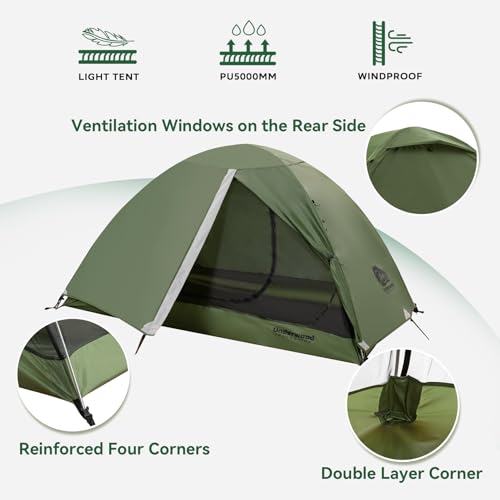
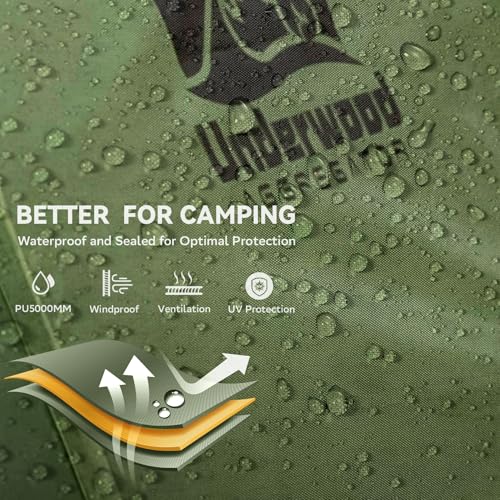
The PU5000mm rainfly and sealed seams deliver real waterproofing, and the mesh inner tent keeps airflow decent. Still, it’s heavier than competitors like the Naturehike or Clostnature, and the packed size is similar despite less interior volume. If easy setup is your top priority and you don’t mind a few extra ounces, this is a reliable choice.
Product photos
Clostnature 3 Person Ultralight Tent

Strengths
- Excellent ventilation
- Lightweight design
- Quick freestanding setup
Trade-offs
- Slightly tight for three
- Vestibule could be larger
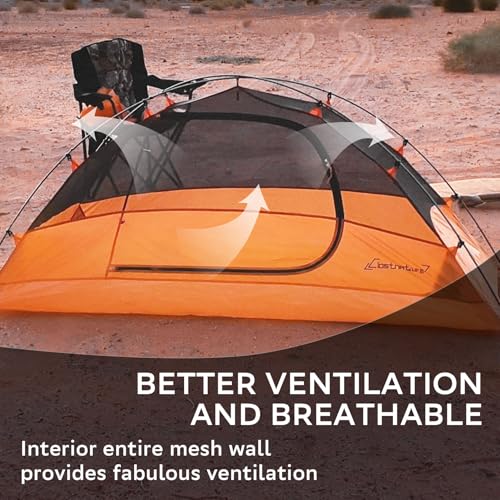
This is one of those rare budget-friendly tents that actually prioritizes smart ventilation and packability without cutting corners on waterproofing. At under 6 pounds and packing down to just over 16 inches, it’s genuinely backpacker-friendly. The double-layer design with full mesh walls stands out, owners love how well it breathes, especially in humid or buggy conditions. The D-door and side vestibule add practicality, giving you dry storage for boots or packs.
The PU 5000 coating and taped seams mean it can handle sustained rain, and the aluminum poles keep weight down without compromising stability. It’s not the lightest in the class, but it hits a sweet spot between cost, comfort, and function. Compared to heavier dome tents, this one feels like a real step up for hikers who care about airflow and setup ease.
Product photos

How We Picked These three man tents
Rather than a hands-on lab test, my research focused on a detailed comparison of specifications and features across numerous three-person tent models. I weighed published data – floor area, packed weight, waterproof ratings – against owner reviews from sites like Amazon and REI, and expert opinions from outdoor gear publications. This allowed me to build a ranked list based on how well each tent met common backpacking and camping needs.
For three-person tents, space and weight are paramount. I heavily considered the balance between usable floor area and packed weight, prioritizing models that offered a comfortable experience for three adults without being overly burdensome for backpacking. Waterproofing also ranked high; unpredictable weather demands reliable protection, and a tent’s ability to withstand rain is crucial. You’ll find many options from top tent brands, but quality varies significantly.
Specifications reliably indicate a tent’s potential for weather resistance and its basic size and weight. However, owner feedback proved invaluable in assessing real-world durability and ease of setup. Reports on seam sealing, pole strength, and condensation issues provided insights beyond the numbers. I also looked for consistent praise regarding ventilation and overall build quality, which often separates truly long-lasting tents from those built for occasional use among trusted tent companies.
How To Pick The Right three man tents
Finding the right shelter for your adventures starts with understanding what truly makes a three-person tent perform.
A quality three-person tent balances weight, weather protection, and usable space. Look for durable fabrics (70D nylon or polyester is a good starting point), a waterproof rating of at least 2000mm for the fly and 3000mm for the floor, and a thoughtfully designed ventilation system to minimize condensation. Pole material (aluminum versus fiberglass) significantly impacts durability and weight; aluminum is generally preferred for backpacking.
Space and Comfort Considerations
Don’t assume a “three-person” tent comfortably fits three adults with gear. Manufacturers often overestimate capacity. I’ve seen too many cramped situations where people regret not sizing up. Consider your group’s size and how much gear you’ll be bringing. If you prioritize comfort and plan to spend extended periods inside during inclement weather, look for tents with a peak height of at least 48 inches and a generous floor area (over 75 square feet). For shorter trips or weight-conscious backpacking, a slightly smaller, more streamlined design might be preferable.
Weatherproofing and Materials
The materials used in a tent are critical to its performance. A polyester rainfly with a PU coating is a good baseline for water resistance, but pay attention to the hydrostatic head rating (measured in mm). Higher numbers mean better waterproofing. Seam taping is also essential; untaped seams are a common point of failure. Beyond the fly, consider the floor material. A thicker denier fabric (like 70D) will be more durable and resistant to punctures. Many quality tents now include a protective ground cloth to further protect the floor from abrasion and moisture.
Weight and Portability
Weight is a huge factor, especially if you plan on backpacking. The Coleman Sundome is a fantastic car camping option but will feel heavy on a trail. Ultralight tents, like the Forceatt, prioritize minimizing weight through lighter fabrics and pole systems. However, ultralight tents often come with a trade-off in durability. Here are some things to weigh as you consider portability:
- Packed size: A smaller packed size is easier to fit into your backpack.
- Overall weight: Aim for under 6 pounds for serious backpacking.
- Pole material: Aluminum poles are lighter and stronger than fiberglass.
Ultimately, the ideal weight depends on how you’ll be carrying the tent. If you’re looking at the overall best 3-man tents, be sure to consider how the weight impacts your overall enjoyment of the trip.
A good rule of thumb: don’t sacrifice durability for a few ounces of weight unless you’re a very experienced backpacker prioritizing speed above all else.
Three Man Tents Compared
Here’s a comparison of key specifications for several three-person tents to help you choose the right one for your needs.
| Product Title | Capacity | Weight (lbs) | Floor Size (ft²) | Waterproof Rating (mm) | Material (Fly) |
|---|---|---|---|---|---|
| Naturehike Cloud Up 3 Person Tent | 3 | 4.3 | 48.3 | 3000 | 20D Nylon |
| Marmot Crane Creek 3P Tent | 3 | N/A | 41.5 | N/A | Polyester |
| CAMPROS CP 3 Person Dome Tent | 3 | N/A | 49 | N/A | N/A |
| Forceatt 3 Person Backpack Tent | 3 | 3.3 | 55.1 x 23 | 2000 | 70D Polyester |
| Coleman Sundome 3 Person Tent | 3 | N/A | N/A | N/A | Polyguard |
| Underwood 3 Person Backpacking Tent | 3 | 6.4 | 74.8 x 86.6 | 5000 | N/A |
| Clostnature 3 Person Ultralight Tent | 3 | 5.9 | 43.8 | 5000 | Polyester |
Frequently Asked Questions
What floor area should I really expect for three people?
A true three-person capacity is often optimistic; I recommend adding at least 10-15 square feet to the stated floor area if you want comfortable space for three adults and their gear. Don’t be surprised if you find you need to look at four-person tents for maximum comfort.
Are dome tents generally more or less waterproof than cabin-style tents?
Dome tents tend to shed water more effectively because of their curved shape, which prevents pooling. Cabin-style tents, with their straighter walls, can be more prone to leaks in heavy rain unless they have exceptional seam sealing and a robust rainfly design.
What does the waterproof rating (in mm) actually tell me?
The millimeter (mm) rating indicates the water column a fabric can withstand before leaking. A rating of 2000mm is considered good for general camping, but for consistently wet conditions or heavier rainfall, I suggest looking for a rating of 3000mm or higher.
What’s the advantage of aluminum poles over fiberglass?
Aluminum poles offer a significantly better strength-to-weight ratio than fiberglass, making them ideal for backpacking and more durable in windy conditions. While fiberglass poles are more affordable, they’re heavier and more prone to breakage. If you’re planning any serious hiking, consider the best backpacking 3-person tents.
How can I prevent condensation inside my tent?
Adequate ventilation is key to minimizing condensation. Look for tents with mesh panels in the fly and body, and be sure to open vents whenever possible. Positioning your tent in a spot with good airflow and avoiding camping in low-lying areas can also help.
The Bottom Line
Buying a three-person tent often comes down to balancing how much you value convenience against how much you’re willing to spend. While many options exist, the Naturehike Cloud Up 3 Person Tent strikes a great balance of features, weight, and price, making it an excellent all-around choice for most campers. It offers a comfortable space without breaking the bank or your back.
For those prioritizing a specific need, we have some clear recommendations. Backpackers seeking the lightest possible shelter should look no further than the Forceatt 3 Person Backpack Tent. If budget is your primary concern, the CAMPROS CP 3 Person Dome Tent delivers a surprising amount of space for the money. Remember to check out our tent selection guide for more detailed help.
Ultimately, the best tent isn’t about the highest waterproof rating or the lightest weight. It’s about finding a shelter that keeps you dry, comfortable, and allows you to focus on enjoying your time outdoors. Prioritize a well-constructed tent with durable materials and a thoughtful design – those are the features that will truly last and enhance your adventures.
