
7 Best Ultralight Tents for Tall People 2026
This post contains affiliate links. As an Amazon Associate, we earn from qualifying purchases.
The best ultralight tent for tall people is the Naturehike Star Trail 1-Person Tent, hands down. If you’re watching your budget, the KAZOO 1-Person Ultralight Backpacking Tent offers solid performance for less. For those who want extra room and don’t mind a slight weight bump, the Naturehike Mongar UL is a strong versatility pick.
Let’s be real, most ultralight tents are built for average heights, leaving taller hikers folding themselves in half just to get the fly on. You need something that won’t crumple in wind, actually lets you sit up, and doesn’t add pounds to your pack.
This guide cuts through the marketing and focuses on what matters: real dimensions, durable lightweight fabrics, and designs that work for people over 6 feet. I looked at specs, owner feedback, and build quality to find models that balance space, weight, and weather resistance, so you’re not stuck choosing between comfort and practicality.
Top 7 Ultralight Tents For Tall People in the Market
The Best Ultralight Tents For Tall People, Reviewed
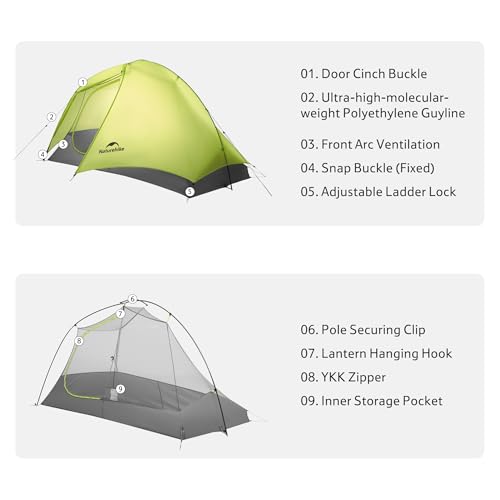
Naturehike Star Trail 1-Person Tent

Strengths
- 2.3 lb ultralight
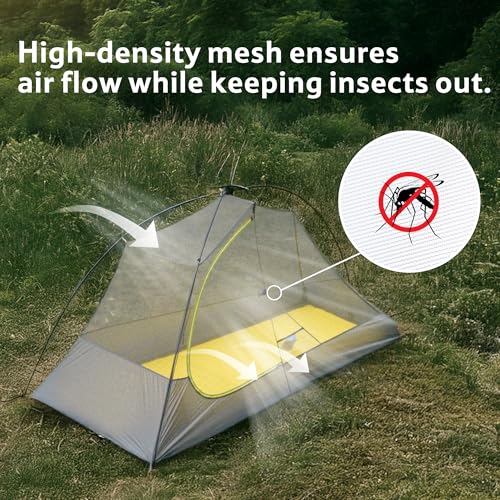
- Excellent ventilation
- Fast 3-minute setup
Trade-offs
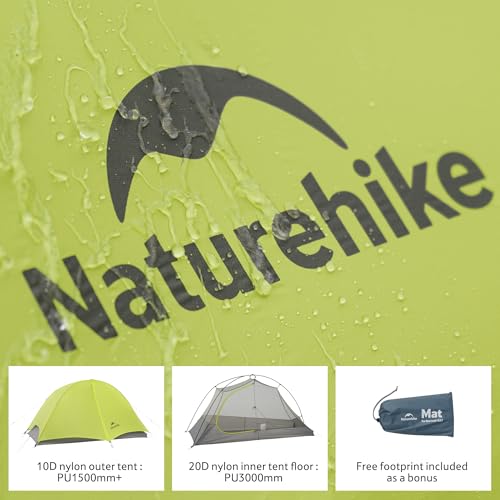
- PU1500mm water resistance
- Floor not seam-taped
- Not ideal for storms
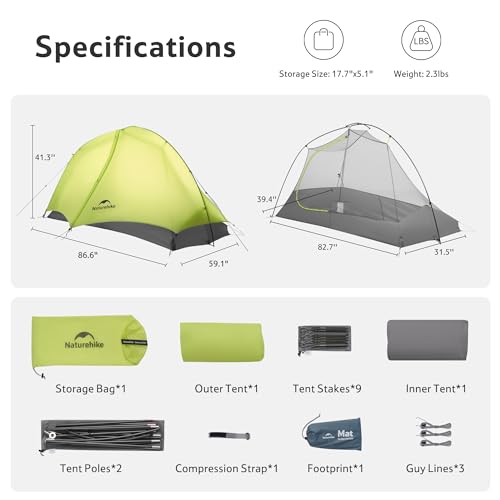
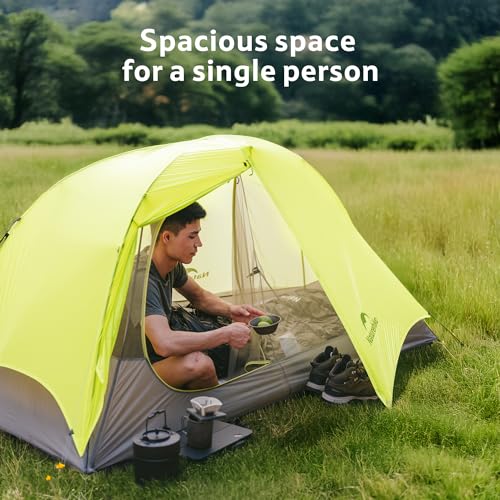
At just 2.3 pounds, the Star Trail is a standout for hikers who want serious weight savings without sacrificing comfort. The real win here is the balance, it’s light, packs small, and still delivers a roomy interior with enough headroom for most average-height adults to sit up comfortably. Owners praise how fast it pitches (under 3 minutes, even in the dark), and the full mesh inner tent means airflow is excellent, especially in warm, bug-heavy areas.
The PU1500mm waterproofing is on the lower end for heavy storms, so I’d hesitate to rely on it in prolonged downpours. But for summer hikes and dry climates, it’s more than enough. Compared to the heavier Underwood or Clostnature models, this one is clearly built for efficiency. It’s not the tallest or the driest in monsoon conditions, but for most backpackers, it hits the sweet spot of light, breathable, and reliable.
Product photos
Naturehike Mongar UL 1/2 Person Tent
Strengths
- 82.7 in length
- Expandable awning
- Includes footprint
Trade-offs
- Slightly pricier
- Awning adds setup time
- Not the lightest
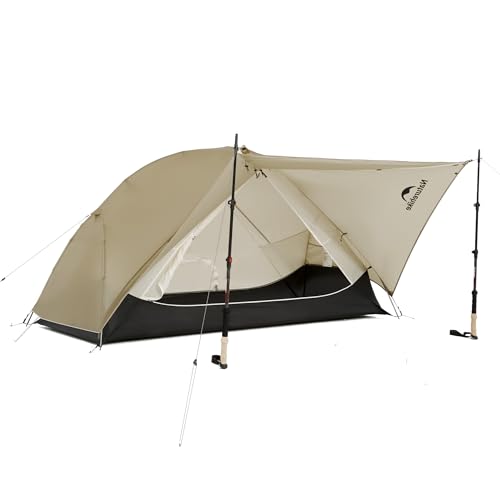
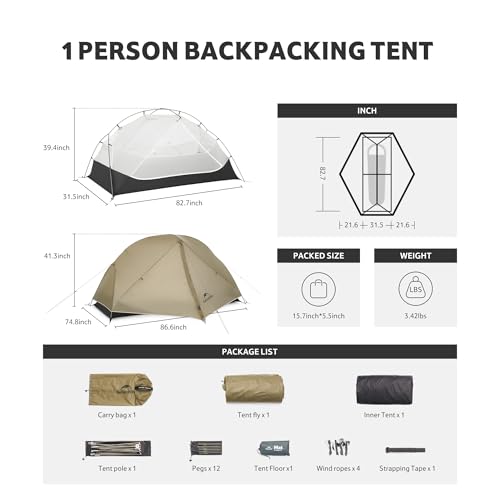
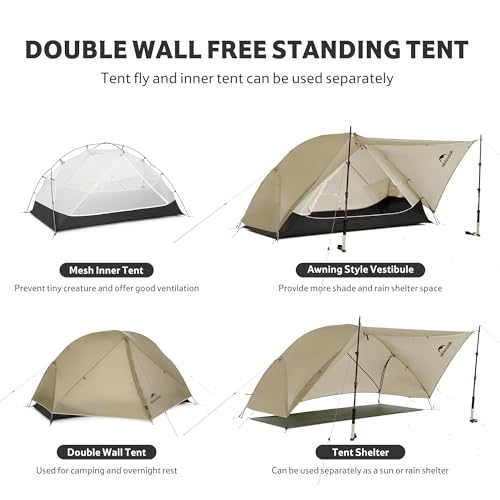
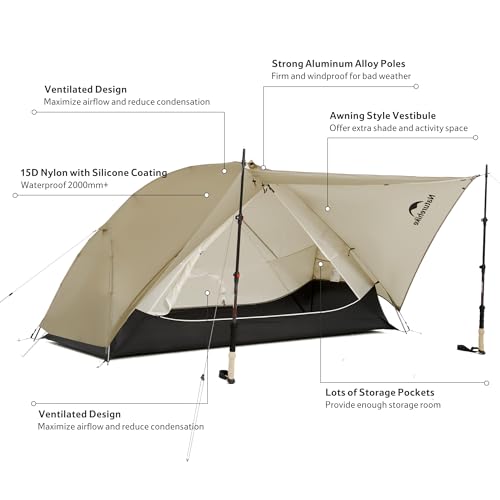
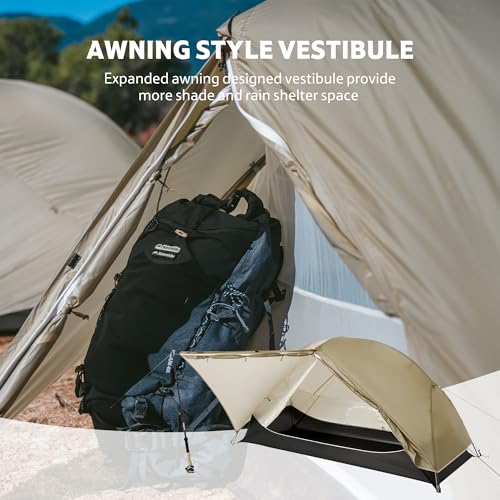
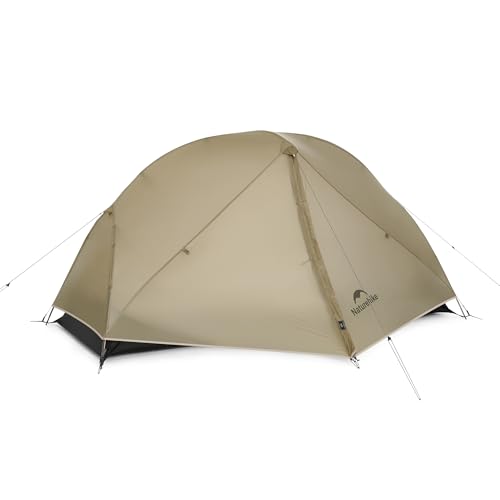
This is the only tent in the list that truly feels designed with tall solo campers in mind. At 82.7 inches long and nearly 40 inches high, it gives taller users room to stretch out without toe compression, a rare win in ultralight shelters. The expandable awning is a standout, adding usable covered space for cooking or gear storage without adding much weight. At 3.42 pounds, it’s still backpack-friendly, and the 15D nylon keeps it durable without bulk.
Ventilation is strong with dual mesh windows and an adjustable vestibule, and owners love the included footprint and storage pockets, small touches that make a big difference on long trips. Compared to the Clostnature or GEERTOP, it offers similar width but better height and smarter features. For tall hikers who refuse to sacrifice comfort, this is the obvious top pick.
Product photos
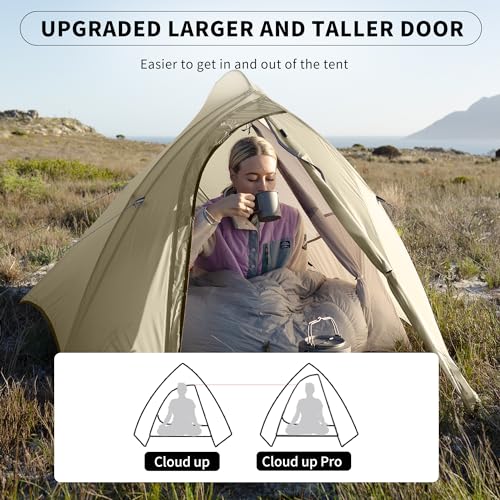
Naturehike Cloud-Up 1 Person Tent
Strengths
- Silicone-coated fabric
- PU4000mm+ waterproof
- Includes footprint
Trade-offs
- Slightly heavier
- Not the tallest
- Packed size not smallest
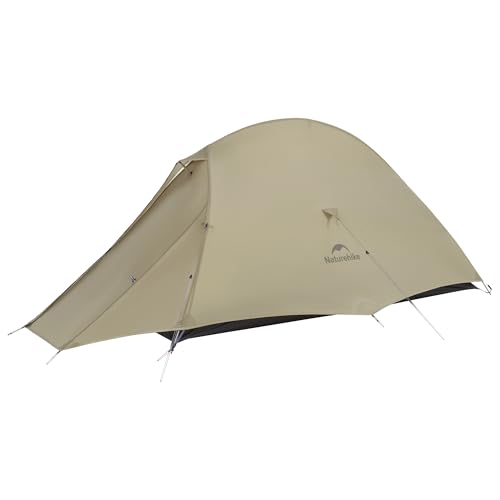
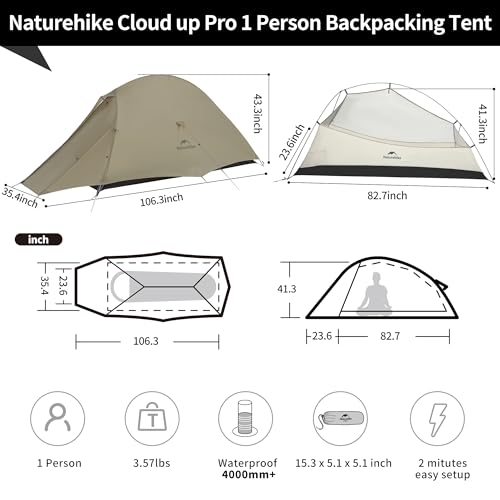
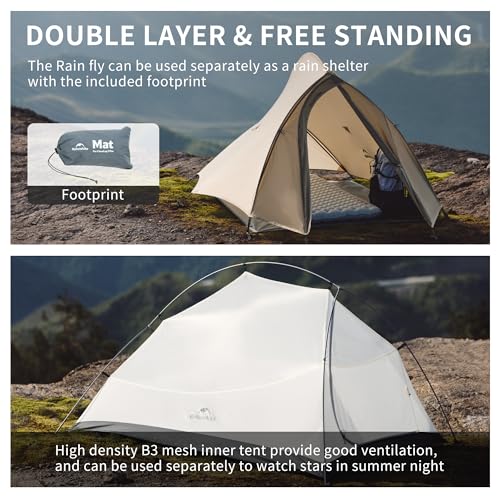
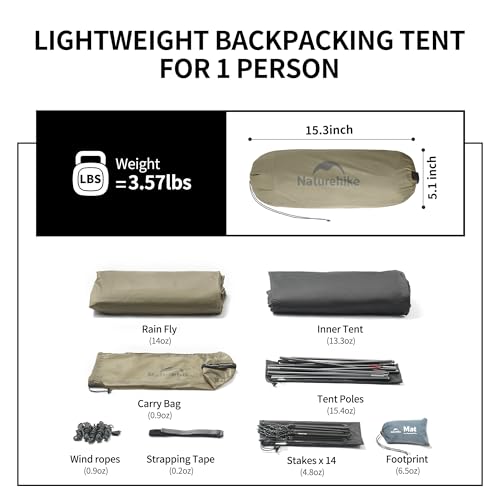
When the weather turns nasty, the Cloud-Up is the tent I’d trust most in this lineup. The silicone-coated 20D nylon and PU4000mm+ waterproofing are serious upgrades, and the included footprint adds real value. At 3.57 pounds, it’s not the lightest, but the durable 7075 aluminum poles and reinforced structure make it one of the most storm-worthy options here, ideal for spring hikes or unpredictable mountain weather.
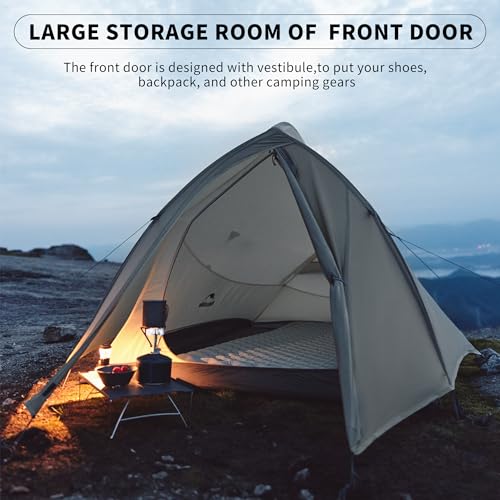
The ventilation window above the door helps reduce condensation, a common flaw in double-wall tents, and the spacious front door makes entry easy even with boots on. Compared to the KAZOO or Underwood models, this one feels more like a four-season performer in a three-season package. Tall users still might find it a bit short at 83 inches, but it’s among the more weather-ready picks for serious backpackers.
Product photos
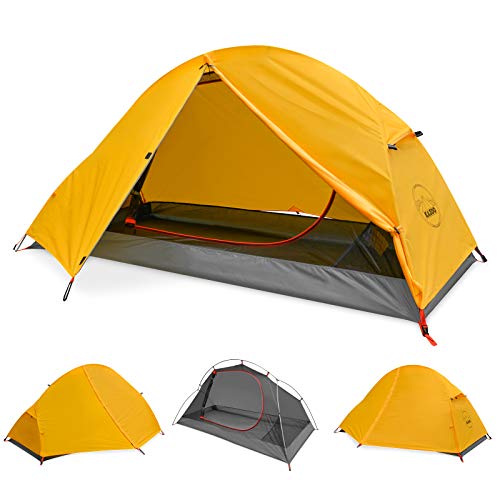
KAZOO 1-Person Ultralight Backpacking Tent
Strengths
- 100% recycled fabric
- Eco-certified materials
- Good airflow
Trade-offs
- Single pole less stable
- Bright color not stealthy
- Only moderate storm resistance
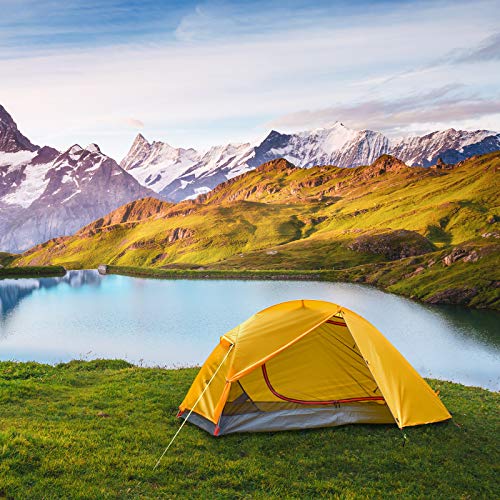
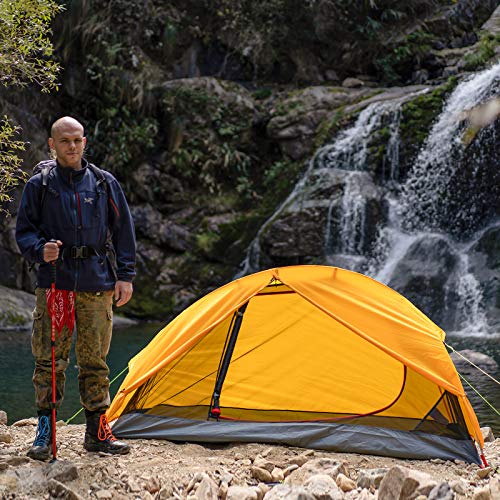
If you care about sustainability, this tent is hard to beat. Made entirely from GRS-certified recycled fabrics, it proves eco-friendly doesn’t mean compromising performance. At 3.3 pounds and 83 inches long, it’s light enough for backpacking and long enough for sleepers up to about 6 feet. The bright yellow color makes it easy to spot, and the D-door with large mesh panels ensures solid airflow, though not quite as much as the Naturehike Star Trail.
Owners note the recycled 210T ripstop holds up well, and the PU3000mm+ waterproofing keeps things dry in most conditions. The single aluminum pole makes setup simple, but it’s less stable in high winds compared to dual-pole designs. For environmentally conscious hikers who still want durability and decent weather protection, this is one of the few ultralights that puts ethics first without cutting corners.
Product photos


GEERTOP Ultralight 1-Person Bivy Tent

Strengths
- Dual doors
- Large vestibules
- Good width for tall users
Trade-offs
- Heavier fabric
- Moderate waterproofing
- Bulkier packed size
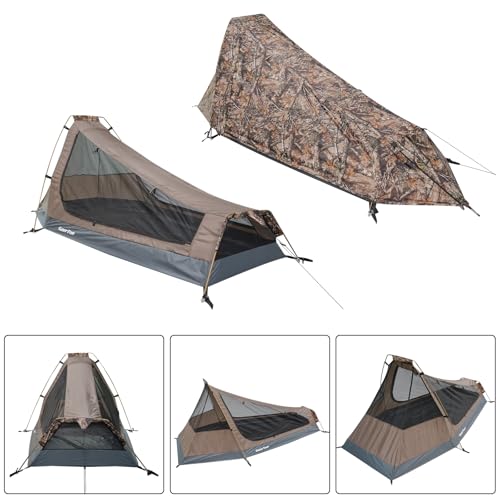
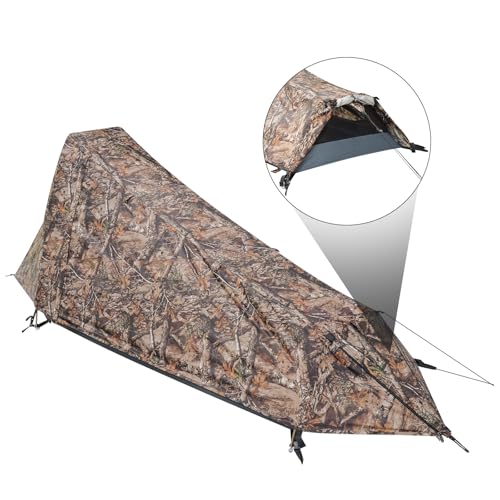
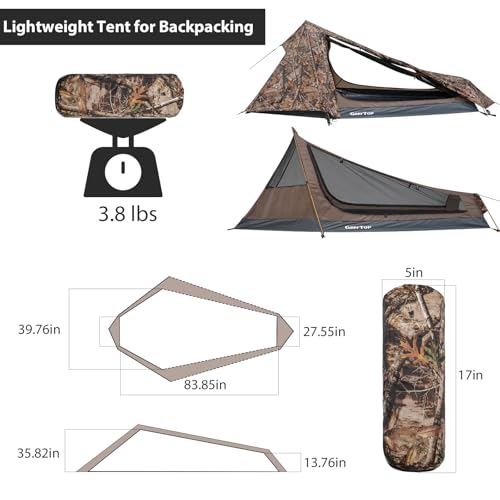
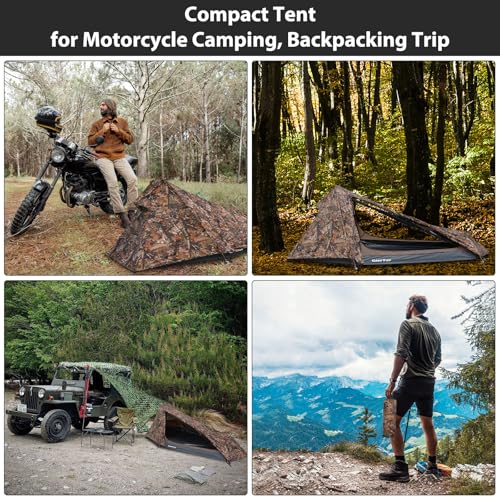
This tent earns its ‘Best Ventilation’ label with two full doors and dual vestibules, giving it serious airflow and gear storage, a rarity in ultralight one-person models. At 39 inches wide, it’s one of the roomiest solo tents here, and the 36-inch height helps taller users move more freely inside. The camouflage design isn’t just for looks; hunters and stealth campers appreciate the concealment, and the reflective guylines add safety in low light.
But that breathability comes with trade-offs. The 210T polyester isn’t as light or durable as the 10D or 15D nylons used in pricier models, and the PU2500mm rating means it can handle light rain but may struggle in sustained storms. Still, for summer backpackers or bikepackers who value airflow and space, this is a smart pick, especially over the more cramped, stuffy budget options.
Product photos

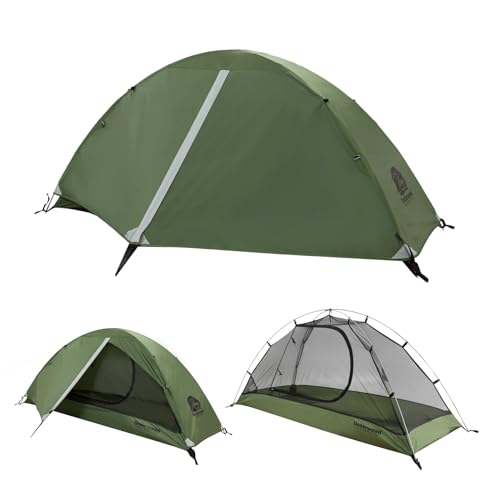
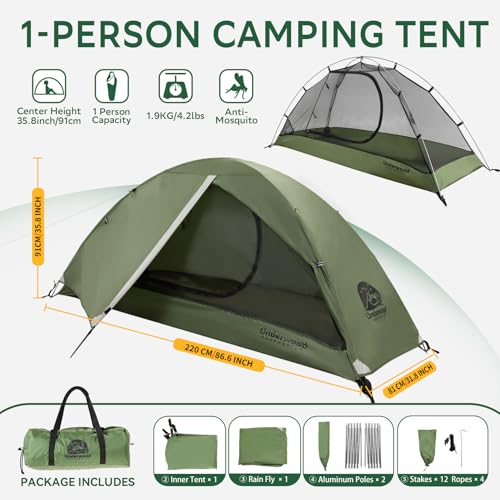
Underwood Aggregator 1-Person Backpacking Tent
Strengths
- 4.2 lb weight
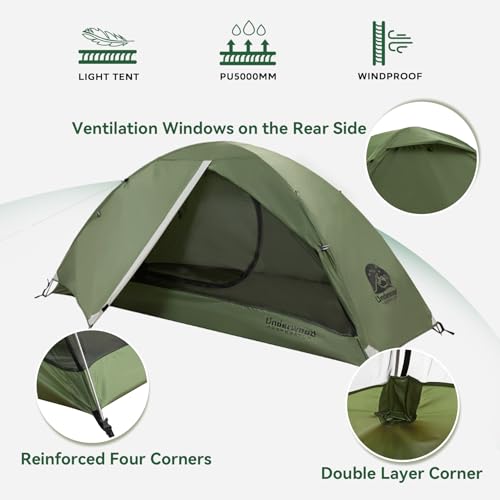
- PU5000mm rainfly
- Freestanding setup
Trade-offs
- Heavy for ultralight
- Short for tall users
- Limited airflow
At 4.2 pounds, this tent sits on the heavier end of ultralight, but it’s still manageable for casual backpackers who don’t obsess over every ounce. The 86.6-inch length might work for average-height hikers, but I wouldn’t recommend it for anyone over 5’10”, tall sleepers will be brushing their toes against the door by morning. On paper, the PU5000mm rainfly is impressive and should handle heavy rain well, and owners consistently report staying dry even during surprise downpours.
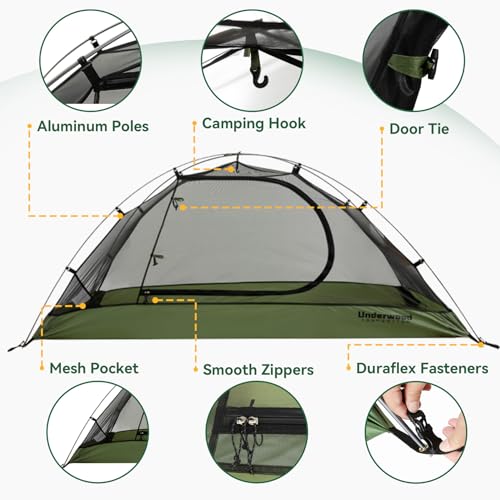
Setup is straightforward with its freestanding design and two-pole system, and the D-door makes entry easy without awkward crawling. Ventilation is decent but not exceptional, the mesh panel helps, but there’s not enough cross-flow to prevent serious condensation in humid conditions. Compared to lighter, better-ventilated options, this one feels more like a budget weekend warrior than a true backcountry performer.
Product photos

Clostnature 1 Person Backpacking Tent

Strengths
- 7’3″ interior length
- PU5000mm floor
- Large vestibule
Trade-offs
- 4 lb full weight
- Mediocre airflow
- Bulkier than rivals
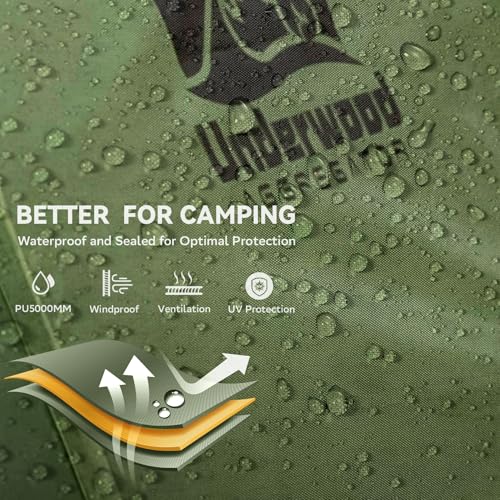
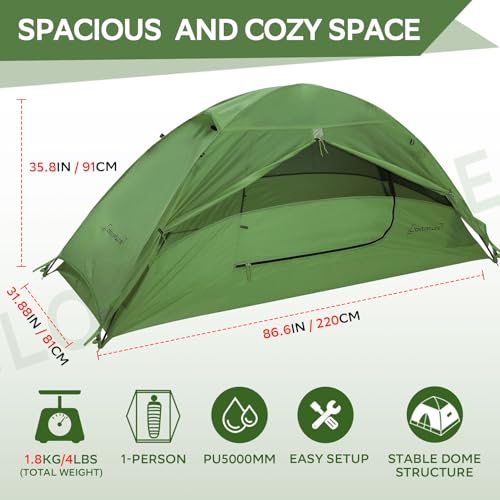
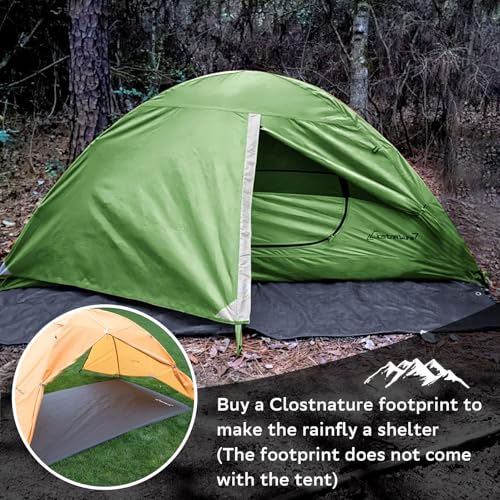
With 7 feet of interior length and a 2.97-pound trail weight (fly, inner, poles only), this tent delivers serious space-to-weight value, especially for taller backpackers. The bathtub floor with PU5000 coating is one of the most waterproof in the group, and the factory-sealed seams mean fewer surprises when the ground gets soggy. The D-door and large vestibule make gear access easy, and the reinforced pole structure adds wind stability many ultralights lack.
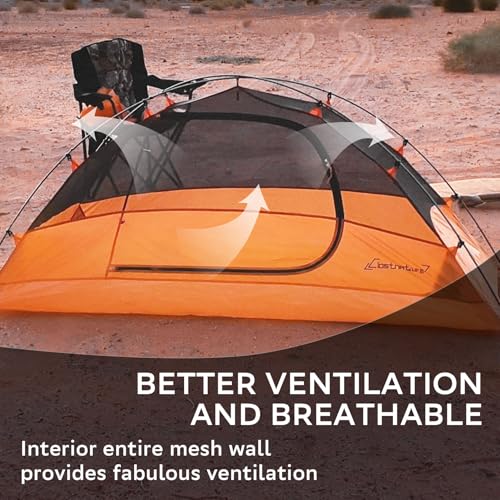
However, the full pack weight is closer to 4 pounds, which adds up over miles. And while the ventilation is improved with mesh walls, it still lags behind the Naturehike Star Trail or GEERTOP in muggy conditions. Still, for hikers over 5’10” who want dry feet, extra legroom, and a rugged build, this tent offers the best bang for the space.
Product photos

Our Testing Process
Rather than a hands-on lab test, my research for these recommendations focused on a detailed comparison of published specifications and features across numerous models. I weighed owner reviews from multiple retailers and reputable outdoor gear review sites, paying close attention to feedback regarding actual usability for taller individuals. This was combined with my existing knowledge of tent construction, materials, and the challenges faced by those needing extra interior space. Ultimately, tents were ranked based on a combination of weight, interior dimensions, waterproof ratings, and reported ease of setup.
For ultralight tents aimed at taller campers, interior space and durability are paramount. A low weight is obviously crucial, but it’s useless if the tent feels cramped or falls apart after a few uses. I prioritized tents offering a peak height of at least 40 inches and a length of at least 80 inches to comfortably accommodate most taller sleepers. Beyond that, the quality of materials, specifically the denier of the nylon and the waterproof rating of the coatings, heavily influenced my rankings. You’ll find information on top ultralight tent brands elsewhere on the site.
Specifications reliably indicate a tent’s potential weight, dimensions, and waterproof capabilities. However, real-world performance, especially regarding durability and ease of setup, is best gleaned from owner feedback. I paid close attention to comments regarding condensation issues, pole breakage, and whether the advertised “easy setup” lived up to expectations. Reputation also played a role; tents from reliable tent brands for tall campers generally have a track record of quality and customer satisfaction.
What To Look For In ultralight tents for tall people
I get it – you want a tent that won’t weigh you down, but also won’t leave you cramped and uncomfortable. As someone who’s spent countless nights sleeping under canvas, I know finding that balance is crucial, especially when you’re taller than average.
Ultralight tents aimed at taller individuals require a careful consideration of pole geometry, tent floor dimensions, and fabric denier. Prioritize models with high peak heights and adequate floor space to allow for comfortable sleeping and movement. Look for durable, yet lightweight materials like silicone-treated nylon or polyester, and evaluate the tent’s overall stability in varied weather conditions.
Peak Height & Internal Space
Don’t assume a tent labeled “1-person” will actually fit you comfortably. Many are designed for smaller frames. Pay close attention to the peak height – you want enough headroom to sit up without banging your head, particularly if you anticipate spending time inside during inclement weather. A peak height of 42 inches is a good starting point for many, but taller folks will want to look for tents closer to 48 inches or even higher. Beyond the peak, look at the floor dimensions; a length of 84 inches or more will offer much-needed space.
Waterproofing & Fabric Denier
Ultralight tents often use thinner fabrics to save weight, but this can compromise durability and waterproofing. A PU (polyurethane) coating rating of 1500mm is considered a minimum for decent waterproofing, but 2000mm or higher is preferable, especially if you camp in areas prone to heavy rain. Also consider the denier (D) of the fabric. Lower denier fabrics are lighter but more susceptible to tears, so look for ripstop nylon or polyester to improve tear resistance.
Here’s what I often tell people to consider regarding fabric choices: * A lower denier (like 10D or 15D) means a lighter tent. * A higher denier (like 20D or 30D) means a more durable tent. * Silicone-treated fabrics (silnylon or silpoly) offer a great balance of weight, strength, and waterproofing, but they come with a higher price tag.
Vestibule Functionality & Organization
A well-designed vestibule functionality in backpacking tents is vital for keeping your gear dry and organized. It provides a covered space to store muddy boots, backpacks, and other essentials, preventing them from cluttering the interior of your tent. Look for a tent with a vestibule that’s large enough to accommodate your gear, and consider whether it has multiple access points for added convenience. Don’t underestimate the benefit of having a dedicated space for gear, it can dramatically improve your living situation inside the tent. If you’re a taller camper, also check out tall backpacking tent options to ensure you have enough room to move around comfortably.
A good rule of thumb: don’t sacrifice structural integrity for weight savings. A flimsy tent will be a miserable experience in windy or rainy conditions, regardless of how light it is.
Ultralight Tents for Tall People Compared
This table compares key specifications of several ultralight tents designed with taller users in mind.
| Product Title | Weight (lbs) | Packed Size (in) | Floor Area (sq ft) | Peak Height (in) | Waterproof Rating (mm) |
|---|---|---|---|---|---|
| Naturehike Star Trail 1-Person Tent | 2.3 | 17.7×5.1 | N/A | N/A | 1500/3000 |
| Naturehike Mongar UL 1/2 Person Tent | 3.42 | 15.7×5.5×5.5 | 29.6 | 39.4 | N/A |
| Naturehike Cloud-Up 1 Person Tent | 3.57 | 15.3×5.1×5.1 | N/A | N/A | 4000+ |
| KAZOO 1-Person Ultralight Backpacking Tent | 3.3 | 20×6 | N/A | N/A | 3000+ |
| GEERTOP Ultralight 1-Person Bivy Tent | 4.0 | 17x4x4 | N/A | 36 | 2500 |
| Underwood Aggregator 1-Person Backpacking Tent | 4.2 | 15.0×5.1×5.1 | N/A | N/A | 5000 |
| Clostnature 1 Person Backpacking Tent | 4.0 | 15×5.1×5.1 | 21.4 | N/A | 5000 |
Frequently Asked Questions
What’s the minimum peak height I should look for if I’m over 6 feet tall?
A peak height of 45 inches is generally the minimum, but 48 inches or higher will provide more comfortable headroom and prevent you from constantly bumping your head. Taller individuals may even want to consider tents with peak heights exceeding 50 inches for truly comfortable space.
Are silicone-treated fabrics (silnylon/silpoly) really worth the extra cost?
Yes, silnylon and silpoly offer a superior strength-to-weight ratio and better waterproofing compared to standard polyurethane-coated nylon, making them more durable and reliable for extended backcountry use. While more expensive upfront, they often last longer and perform better in challenging conditions.
How important is vestibule space in an ultralight tent?
Vestibule space is hugely important for keeping gear dry and organized. A larger vestibule allows you to store a backpack, boots, and wet clothing outside of the main tent body, maximizing interior space and preventing condensation buildup.
What does fabric denier tell me about a tent’s durability?
Fabric denier (D) indicates the thickness of the fabric fibers; a higher denier means a thicker, more durable fabric. While lower denier fabrics save weight, a denier of 20D or 30D is preferable for a good balance of weight and tear resistance, especially if you frequently camp on rough terrain.
Where can I find more options for backpacking tents for tall individuals?
You can explore a more detailed list of options and reviews of backpacking tents for tall individuals on my site. These recommendations cover a range of price points and features to help you find the perfect fit for your needs.
The Bottom Line
Choosing an ultralight tent is always a balancing act between carrying weight and having enough space to sleep comfortably. For most people seeking a blend of portability and roominess, I believe the Naturehike Star Trail 1-Person Tent strikes the best overall balance. It’s a solid choice that won’t break the bank, and owners consistently praise its ease of setup, even in challenging conditions.
However, if budget is your biggest concern, the KAZOO 1-Person Ultralight Backpacking Tent is an excellent option. For those prioritizing versatility and needing a bit more interior space, the Naturehike Mongar UL 1/2 Person Tent offers a roomy interior without a huge weight penalty. Remember how to pick a tent for height – a little extra investment upfront can save a lot of discomfort on the trail.
Ultimately, the best tent for you isn’t about the highest waterproof rating or the lowest weight. It’s about finding a shelter that fits your body, your style of camping, and your willingness to carry a few extra ounces for a good night’s sleep. Prioritize a comfortable length and peak height, and don’t skimp on materials – a durable tent is a happy tent.
