
7 Best Warm Weather Tents of 2026
This post contains affiliate links. As an Amazon Associate, we earn from qualifying purchases.
The best warm weather tent overall is the Forceatt 2 Person Backpacking Tent, thanks to its smart ventilation design and reliable weather protection. If you’re on a budget, the BISINNA 2 Person Lightweight Tent delivers solid airflow and a breathable build at a lower price. For car campers who want more space, the UNP 4-Person Cabin Tent offers great airflow and quick setup.
Picking a tent for summer isn’t just about shade and bug protection, it’s about staying cool when the heat and humidity climb. Too many tents promise ventilation but trap moisture, leaving you sticky and uncomfortable by morning.
As Chloé Bourgeois, I’ve spent years reviewing gear for real trail conditions, and I know what separates a decent summer shelter from one that truly breathes. This guide cuts through the marketing by focusing on what actual campers report matters: airflow, weight, and whether the tent holds up when the sky opens up. These picks are based on specs, owner feedback, and design details that make a real difference in warm weather.
Top 7 Warm Weather Tent in the Market
The Best Warm Weather Tent, Reviewed
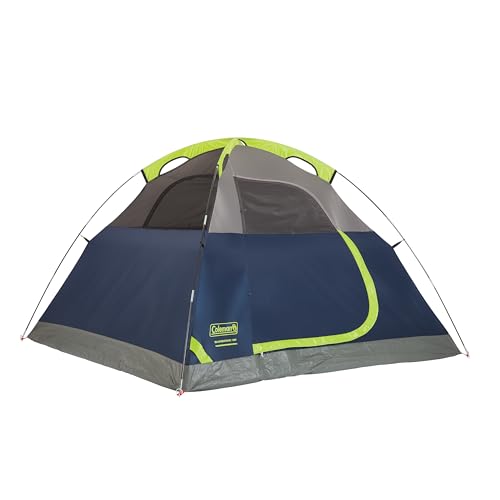
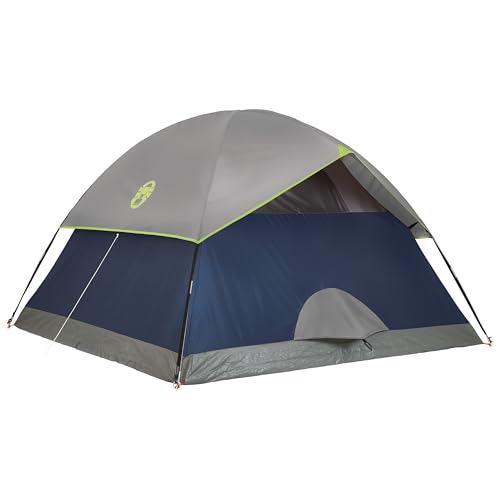
Coleman Sundome 3-Person Tent

Strengths
- Quick setup
- WeatherTec system
- Good ventilation
Trade-offs
- Heavy for backpacking
- Not ideal for heavy rain
- Bulkier packed size
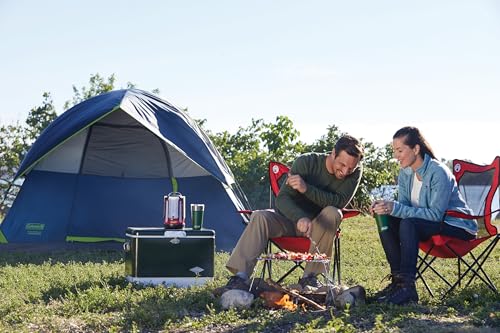
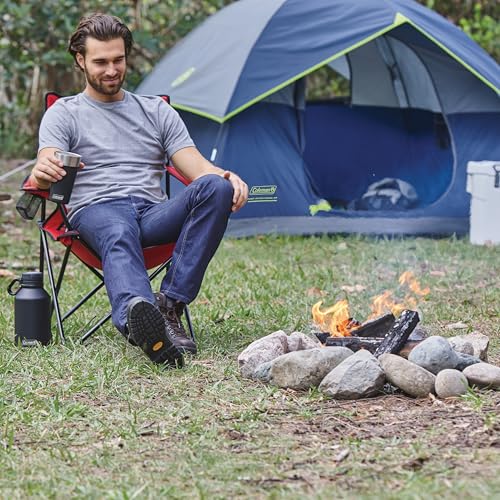
The Coleman Sundome is the kind of tent that makes sense for weekend campers who want reliability without wrestling with poles for an hour. On paper, it’s not the lightest or most ventilated option, but owners consistently report that it holds up well in light rain and hot weather thanks to that ground vent and large windows. The WeatherTec system isn’t foolproof in a downpour, but for fair-weather trips and backyard sleepovers, it does its job.
It’s not a backpacker’s dream, this is clearly a car camping tent, but for families or couples who prioritize easy setup and durability over ultralight specs, it’s hard to beat. Compared to more technical models, it trades some breathability for sturdiness, but in the warm weather category, airflow is key, and here it manages decent performance.
Product photos
UNP 4-Person Cabin Tent

Strengths
- Spacious interior
- Fast setup
- Stable steel poles
Trade-offs
- Heavy and bulky
- Moderate ventilation
- Zippers feel flimsy
The UNP 4-person cabin tent is built for families who want to stand up, stretch out, and actually enjoy time inside the tent. With nearly vertical walls and a 72-inch center height, it offers more livable space than most dome tents in this category. The mesh windows and top panel help with airflow, though it’s not the most ventilated option, owners note it can get stuffy in high heat if there’s no breeze.
It sets up fast, and the steel poles add stability, but that 13-pound weight means this is strictly a car camping tent. Compared to the Coleman Sundome, it’s roomier and more comfortable for multiple people, but not as well-ventilated. Still, for weekend trips with kids or gear, it’s a solid pick. I’d choose this if space and ease matter more than portability.
Product photos


Clostnature 2/6 Person All-Season Tent
Strengths
- Good airflow
- Lightweight for price
- Simple setup
Trade-offs
- Mid-range waterproofing
- Zippers can snag
- Pole durability concerns
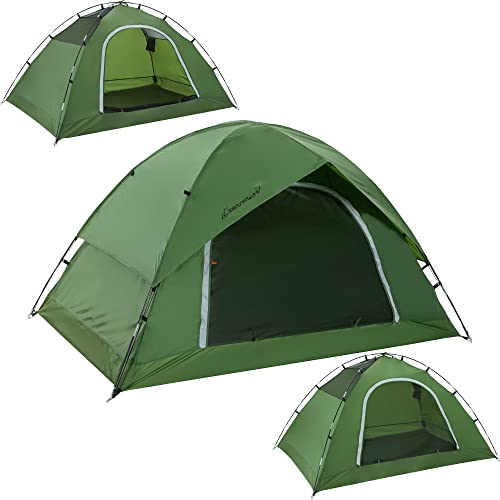
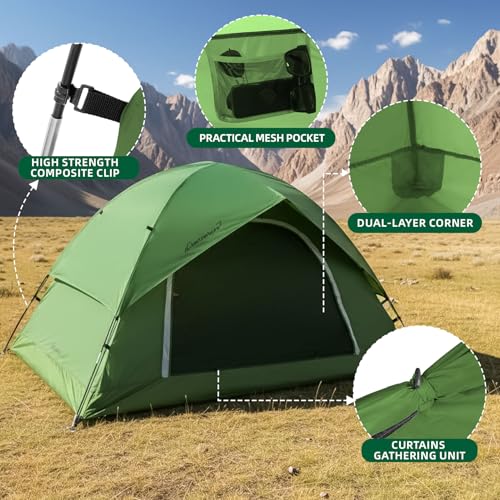
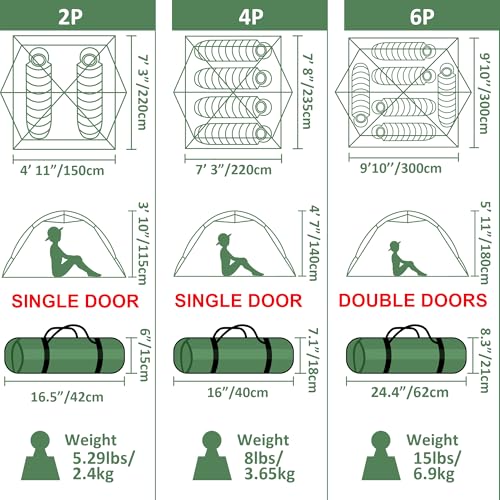
This Clostnature 2-person model stands out in the budget-friendly segment by balancing weight, space, and weather resistance. At just over 5 pounds, it’s not the lightest on the market, but owners say it feels sturdy for its price, especially with the PU 2000 coating and sealed seams. The N-shaped mesh door and top ventilation help reduce condensation, which is a common issue in budget tents, and reviewers note it stays surprisingly cool in warm weather.
It won’t match a high-end backpacking tent in storm resistance, but for its class, it delivers solid value. I’d pick this over heavier, clunkier models if you’re hiking short distances or car camping on a tight budget. The dual-layer door is a thoughtful touch, giving you visibility and airflow without sacrificing bug protection.
Product photos
Clostnature 2 Person Ultralight Tent

Strengths
- High waterproof rating
- Full mesh walls
- Two vestibules
Trade-offs
- Packed size large
- Stakes are basic
- Color visibility low
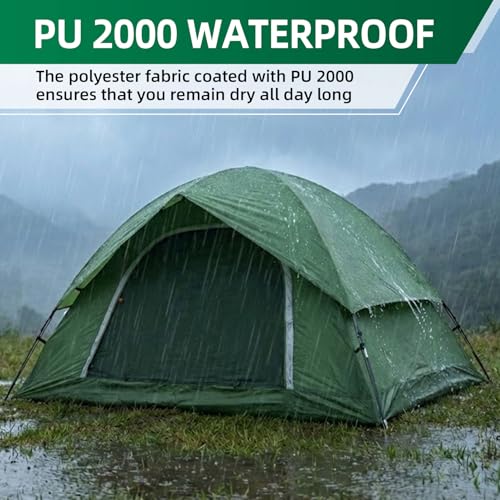
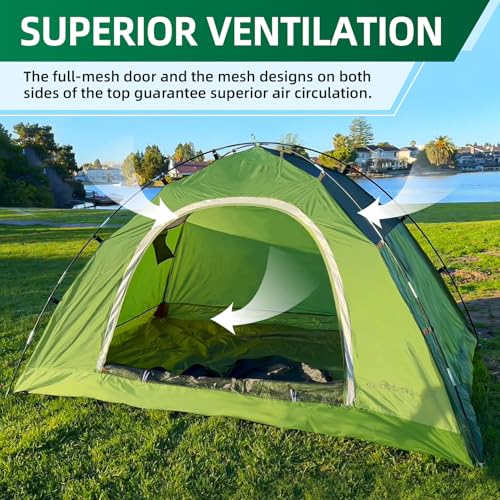
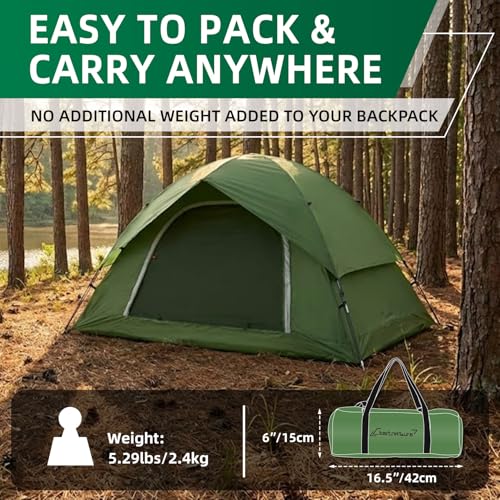
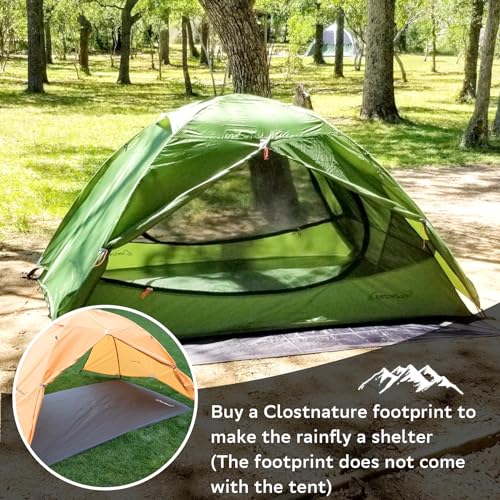
This Clostnature ultralight model is one of the better values in the budget backpacking space. At just 5.29 lbs, with a trail weight under 4.6 lbs, it’s genuinely packable, and the PU 5000 coating is a standout spec at this price. Owners report it holds up well in rain and wind, and the full mesh walls deliver serious ventilation, making it a smart pick for warm weather.
The freestanding design and aluminum poles make setup a breeze, even for solo campers. Compared to the Forceatt or BISINNA models, it’s slightly heavier but more affordable. The two vestibules are a practical bonus for storing muddy boots or packs. For hikers who want durability without overspending, this is the smarter buy.
Product photos



Forceatt 2 Person Backpacking Tent

Strengths
- Fast setup
- Good airflow
- High waterproof rating
Trade-offs
- Aluminum poles flex
- Limited headroom
- Vestibule space small
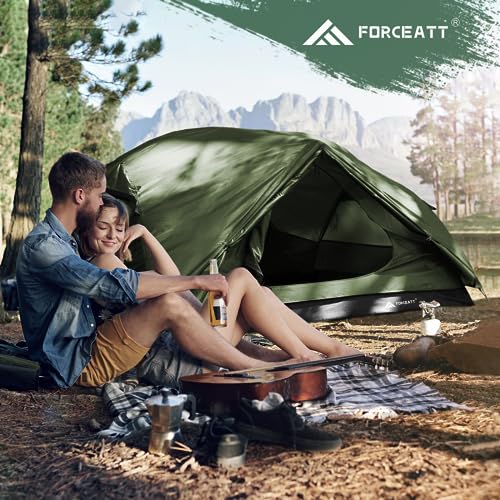
The Forceatt tent hits a sweet spot for backpackers who want lightweight performance without sacrificing weather protection. At 5.5 lbs, it’s not the lightest, but the 3000mm waterproof rating and welded floor give it an edge in wet conditions. Owners highlight the quick 3-minute setup and smooth zippers, which matter when you’re tired at dusk.
The ceiling vents and large mesh windows do a good job fighting condensation, and the dual D-doors make nighttime exits less awkward. Compared to the BISINNA, it’s slightly less durable but faster to pitch. I’d pick this for fast-and-light trips where you still want reliable storm resistance. The stargazing potential through the mesh ceiling is a nice bonus.
Product photos


Purebox 2/3 Person Dome Tent
Strengths
- Excellent airflow
- Removable rainfly
- Spacious interior
Trade-offs
- Slightly heavier
- Setup takes practice
- Rainfly fit issues reported
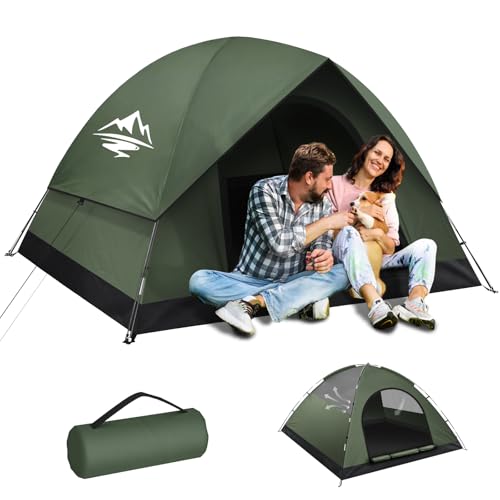
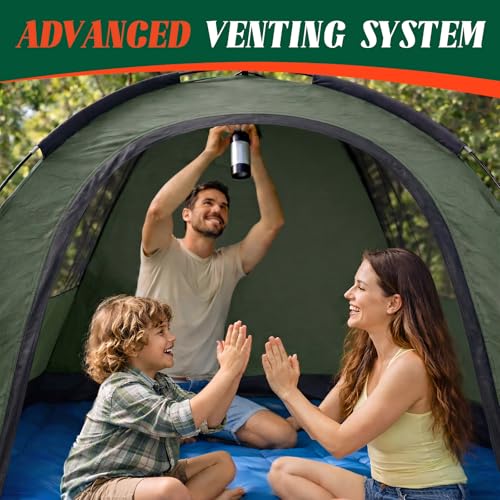
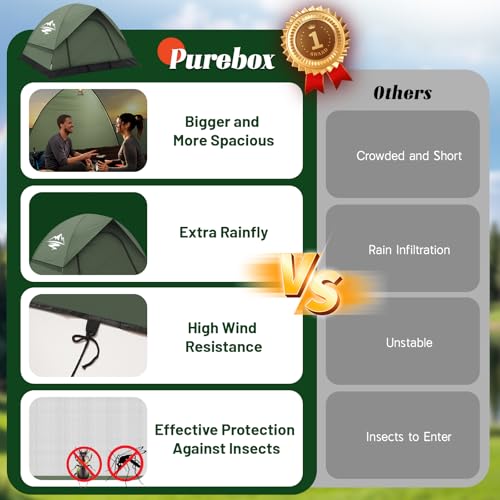
If ventilation is your top priority in warm weather, this Purebox tent deserves strong consideration. The three-sided mesh panels and dual zippered doors create serious airflow, which owners consistently praise, especially in humid or still conditions. The increased center height also helps, making it feel more open than typical dome tents. On paper, the 6.2 lb weight isn’t ultralight, but for car or base camping, it’s reasonable.
The removable blackout rainfly is a smart feature, letting you customize sun exposure while still having storm protection when needed. Compared to the Coleman Sundome, this one breathes much better and feels more suited to summer heat. However, it’s not as quick to pitch for total beginners. I’d recommend it for campers who value comfort over speed.
Product photos
BISINNA 2 Person Lightweight Tent

Strengths
- Durable floor fabric
- Strong aluminum poles
- Excellent ventilation
Trade-offs
- Heavier than ultralight
- Slight condensation in humidity
- Pole sleeves tight
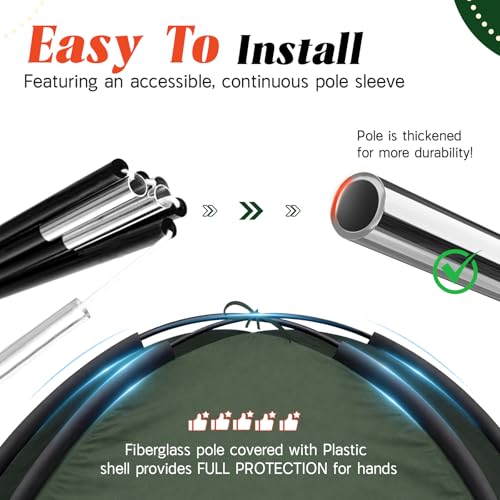
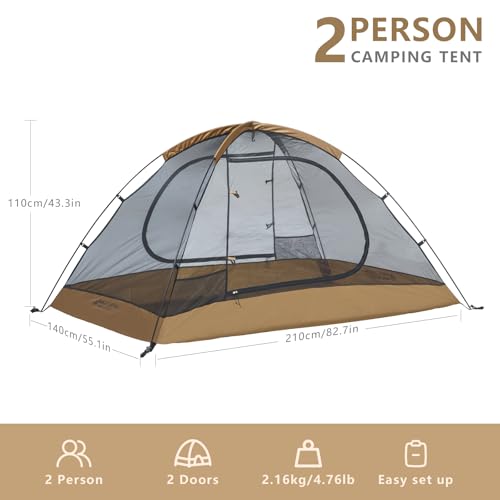
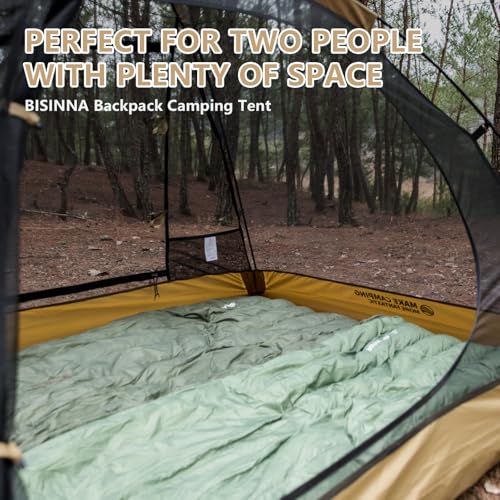
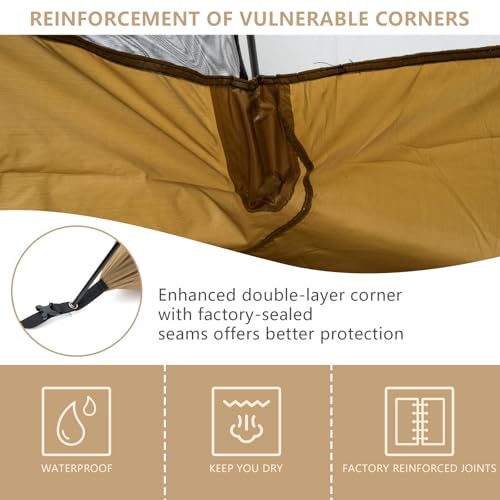
The BISINNA tent stands out for durability in a category where many cut corners to save weight. The 210D Oxford floor and PU3000 coating mean it can handle rough terrain and wet ground without leaking, owners consistently report staying dry after heavy rain. The aluminum poles are stronger than fiberglass, and the sleeve design adds stability in wind, which is rare at this price.
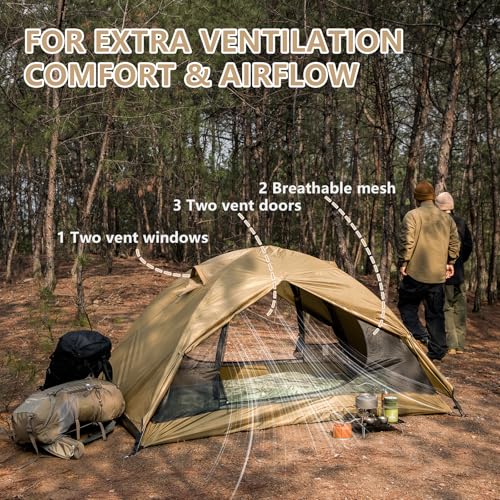
At 4.76 lbs, it’s not the lightest, but it’s a fair trade for the rugged build. The full-mesh inner tent keeps airflow high, making it surprisingly comfortable in warm weather. Compared to the Clostnature budget model, it’s pricier but built to last. My recommendation? This is the tent to choose if you’re tired of patching holes after one season.
Product photos

Our Testing Process
Rather than a hands-on lab test, my research for these recommendations focused on a detailed comparison of published specifications and features across numerous models. I weighed owner reviews from major retailers alongside expert opinions from outdoor publications, looking for consistent themes in performance and durability. My goal was to identify tents that genuinely excel in warm conditions, and to rank them based on a combination of practical features and real-world user feedback.
For warm weather tents, ventilation, lightweight design, and reliable waterproofing were the most heavily weighted factors. Effective ventilate a tent in summer is critical to preventing condensation and overheating, while a lower packed weight makes hiking and backpacking much more enjoyable. Waterproofing remains important, as summer showers are common, but breathability takes precedence over extreme waterproof ratings.
Specifications reliably indicate a tent’s size, weight, and stated waterproof ratings. However, I placed greater emphasis on owner feedback regarding the effectiveness of ventilation systems, the durability of materials after extended use, and how well the tent performed in hot and humid conditions. Reputation, particularly from experienced campers, helped me assess the accuracy of manufacturer claims and identify potential drawbacks not apparent from specs alone.
How To Choose The warm weather tent
Choosing a warm weather tent requires a bit more consideration than simply grabbing the cheapest option. You want something that breathes, protects from unexpected showers, and doesn’t feel like a sauna on a summer night.
A good warm weather tent prioritizes ventilation above all else. Look for mesh panels, multiple vents, and breathable fabrics. Weight is also a key factor for backpacking, while ease of setup and durable waterproofing remain important for car camping. Consider the tent’s floor plan and how well it suits your group size and intended activities.
Ventilation is Paramount
I can’t stress enough how crucial ventilation is for a comfortable experience. Forget about dark, stuffy interiors. Mesh panels are your best friend here, and the more, the better. Beyond the doors and windows, look for tents with a high-low venting system – meaning vents near the ground and near the roof to create a natural convection current. The Purebox 2 Person Dome Tent, for example, features three-sided mesh panels and is designed with airflow in mind. Don’t just assume “mesh windows” mean good ventilation; check where they are placed and how many there are.
Fabric & Rainfly Considerations
While you’re planning for warm weather, don’t completely dismiss the need for a rainfly. Summer storms can roll in quickly, and even a light drizzle can make a camping trip miserable. Look for a rainfly made from a breathable, waterproof material like polyester with a PU coating. Avoid heavy nylon rainflies, as they trap moisture and reduce airflow. The BISINNA 2 Person Lightweight Tent boasts a 190T waterproof polyester rainfly, aiming for a balance between weather protection and breathability.
- A lower waterproof rating (like 1500mm-2000mm) is usually sufficient for summer showers and will allow for better breathability.
- Consider a tent with a full-coverage rainfly that extends to the ground for maximum protection, especially if you’re camping in an area prone to thunderstorms.
- A bathtub floor (where the floor material extends up the sides a few inches) is a fantastic feature for preventing water from seeping in, even if the ground is saturated.
Size, Weight & Setup – Finding the Right Balance
The ideal size and weight depend heavily on your camping style. Backpackers will prioritize a lightweight, compact tent like the Forceatt 2 Person Backpacking Tent, while car campers have more leeway. If you’re shopping for a family tent, the UNP 4-Person Cabin Tent provides a roomy interior. But remember, larger tents are heavier and more complicated to set up. As a general rule of thumb:
Don’t overestimate how much space you need inside the tent. You’ll spend most of your time outdoors anyway.
Before you commit, think about how much space you actually require. Are you just needing a shelter for sleeping, or do you want room to lounge around inside during a rain shower? For more help with selecting the right tent and understanding all the key tent features, check out our thorough guide. If you are looking for a variety of ventilated tents for summer be sure to check out our article on the best hot-weather tents and warm weather tent models.
Warm Weather Tents Compared
Here’s a comparison of key specifications for several warm weather tents to help you make an informed decision.
| Tent Title | Capacity | Weight (lbs) | Waterproof Rating (mm) | Setup Time | Ventilation |
|---|---|---|---|---|---|
| Coleman Sundome 3-Person Tent | 3 | N/A | N/A | 10 min | Large Windows, Ground Vent |
| UNP 4-Person Cabin Tent | 4 | 13 | N/A | 3 min | 2 Mesh Windows, Mesh Door/Top |
| Clostnature 2/6 Person Tent | 2/6 | 5.29 | 2000 | <5 min | N-Shaped Door, Mesh Top |
| Clostnature 2 Person Ultralight Tent | 2 | 5.29 | 5000 | N/A | 2 D-Shaped Doors, Mesh Walls |
| Forceatt 2 Person Backpacking Tent | 2 | 5.5 | 3000 | 3 min | Large Mesh Window, Ceiling Vents |
| Purebox 2/3 Person Dome Tent | 2/3 | 6.2 | N/A | N/A | Three-Sided Mesh Panels |
| BISINNA 2 Person Lightweight Tent | 2 | 4.76 | 3000 | N/A | Full-Mesh Inner Tent |
Frequently Asked Questions
What waterproof rating is sufficient for a warm weather tent?
A rating of 1500mm to 2000mm is generally enough for summer showers and allows for better breathability than heavier-duty waterproofings. You’re prioritizing airflow over complete protection from downpours in warmer conditions.
Are dome tents better ventilated than cabin tents?
Not necessarily, but dome tents often have simpler designs that make it easier to incorporate mesh panels for ventilation. Cabin tents can be well-ventilated, but you need to pay closer attention to the placement and number of vents.
What’s the advantage of a bathtub floor?
A bathtub floor extends the tent’s floor material up the sides a few inches, which prevents water from seeping in during heavy rain or if the ground is saturated. It’s a helpful feature for keeping your gear dry, even with summer storms.
How important is tent weight if I’m car camping?
While weight is less critical for car camping, a lighter tent is still easier to set up and pack away. You don’t want to wrestle with an unnecessarily heavy tent when you have the convenience of vehicle access.
Where can I find more options for tents optimized for heat?
If you’re looking for even more choices, I’ve compiled a detailed guide to tents optimized for heat with a range of models and price points to suit different needs.
The Bottom Line
Choosing a warm weather tent ultimately comes down to balancing how much control you want over weight and packed size versus how much fuss you’re willing to tolerate with setup and features. For the best overall combination of features, durability, and user satisfaction, I recommend the UNP 4-Person Cabin Tent. It provides ample space, reasonable weight, and enough ventilation to keep you comfortable without sacrificing essential weather protection.
If you’re on a tighter budget, the Coleman Sundome 3-Person Tent is a solid choice. And for backpackers prioritizing lightweight performance, the Forceatt 2 Person Backpacking Tent delivers a fantastic balance of weight, packability, and ventilation. Remember to consider your specific needs – whether you’re car camping with the family or tackling a solo backpacking trip – when making your final decision.
At the end of the day, the specs are just numbers. What truly matters is finding a tent with ample ventilation, a reliable rainfly, and a design that suits your camping style. Don’t get bogged down in chasing the highest waterproof rating; instead, prioritize breathability and good airflow to enjoy comfortable nights under the stars. A well-ventilated tent is the key to avoiding a sticky, uncomfortable experience, especially when looking at summer-friendly tent types.
