
What Does a 3-Season Tent Mean? Key Features & Limitations
This post contains affiliate links. As an Amazon Associate, we earn from qualifying purchases.
A 3-season tent is a shelter designed for reliable use in spring, summer, and fall, built with lighter materials, more mesh for ventilation, and a structure that handles rain and moderate wind. The label is about weather resilience, not a strict calendar rule, and these tents can often handle mild winter conditions below the snow line.
The mistake is buying for the label instead of the weather. People hear “3-season” and think it’s useless the moment the calendar flips to December, or they buy a “4-season” tank for summer backpacking and sweat through three layers of condensation by morning. You end up with the wrong tool, a heavier pack, or an unnecessary bill.
This guide cuts through the marketing. We’ll break down what the materials and design of a 3-season tent are actually built to handle, where they surprisingly hold up, and the exact line where you genuinely need a heavier 4-season shelter.
Key Takeaways
- The “season” label is a misnomer; it’s really about weather conditions, specifically snow load and extreme wind.
- A proper 3-season tent is fully capable in prolonged rain, valley winds, and damp ground, and can even handle mild, dry winter camping.
- The biggest trade-off isn’t temperature; it’s breathability and weight. A 4-season tent’s solid walls trap condensation, and its robust structure can double the pack weight.
- For most backpackers, a 3-season tent is the correct, versatile choice. Only invest in a 4-season model if you’re planning expeditions above the treeline or into known severe alpine weather.
- Your sleeping pad and bag are responsible for warmth. A tent’s job is to block wind, rain, and snow.
What Does a 3-Season Tent Actually Handle?
Look at the walls. A true 3-season tent uses large panels of no-see-um mesh for the inner body, under a waterproof rain fly. This design creates a chimney effect, warm, moist air from your breath rises and escapes through the mesh, while the fly sheds rain. It’s an active ventilation system.
The poles are typically lightweight aluminum, like DAC Featherlite NFL, strong enough to hold a taut pitch in a 30-mph gust but not engineered to support a foot of wet snow. The fabrics are a balance. The rain fly might be a 20-denier polyester with a 1500mm hydrostatic head coating. It’ll keep you dry in a downpour, but it isn’t the 75-denier bombproof fabric of a mountaineering shelter.
A 3-season tent’s primary job is to manage moisture, both from the sky and from you. The mesh body is non-negotiable for condensation control on all but the coldest, stillest nights.
I spent a week in the Scottish Highlands in a tent like this. The rain was horizontal for two days straight. The wind howled through the glen. The fly stayed taut, the interior stayed dry, and because the mesh walls breathed, my sleeping bag didn’t get damp from condensation. That’s the sweet spot.
TL;DR: A 3-season tent handles spring showers, summer bugs, and autumn winds through a mesh-and-fly design that prioritizes ventilation and light weight over brute strength.
The 3-Season vs. 4-Season Trade-Off (It’s Not Just Winter)
Forget the calendar. The real difference is the scenario. You need to think in terms of snow load and wind speed, not January.
| Design Feature | 3-Season Tent | 4-Season Tent | Real-World Consequence |
|---|---|---|---|
| Inner Wall | Mostly mesh panels. | Minimal or no mesh; solid nylon. | 3-season: superior airflow, less condensation. 4-season: warmer air pocket, but can feel clammy. |
| Pole Structure | Lighter, fewer poles (often 2-3). | Heavier, more poles (4+), often crossing. | 4-season tents can hold hundreds of pounds of snow; 3-season tents collapse under that load. |
| Fabric Weight | Lighter denier (e.g., 20D-40D). | Heavy denier (e.g., 70D+) for abrasion. | 4-season fabric resists tearing on rock and ice but adds pounds to your pack. |
| Ventilation | Large mesh areas, multiple vents. | Smaller, adjustable vents, often tunneled. | In a 4-season tent in summer, you’ll wake up to water droplets on the ceiling. |
| Primary Use Case | Rain, bugs, moderate wind. | Blizzards, high alpine winds, expedition use. | Using a 4-season tent in summer is like wearing a raincoat in a sauna. |
The weight penalty is brutal. My go-to lightweight 2-person shelters like the Nemo Hornet Elite sit around 2 pounds. A comparable 4-season shelter from the same brand can easily hit 7 pounds. That’s the weight of two full water bottles, a stove, and your food for a day, strapped to your back for every single mile, for a feature you might use once.
Common mistake: Buying a 4-season tent because you camp in “cold” weather, the tent doesn’t make you warm, your sleeping bag and pad do. A 4-season tent in mild conditions just means a sweaty, heavier hike.
The YouTube creator and winter camper Gordon, with over 25 years of experience, doesn’t own a 4-season tent. He’s weathered negative-five-degree nights and high winds in a 3-season shelter. His mitigation? Knocking snow off the fly in the middle of the night and building a snow wall to break the wind. That’s the reality check.
TL;DR: Choose based on expected weather severity, not the season name. The trade-off is breathability and pack weight versus ultimate storm protection.
When a 3-Season Tent is the Wrong Call (And What to Do)
There is a line. You cross it when the weather forecast includes two things: heavy, accumulating snow and sustained, high winds common above the treeline.
The problem isn’t the cold. It’s physics. A steeply angled rain fly on a 3-season tent can shed light snow. But during a storm, snow accumulates faster than it slides off. The lightweight poles aren’t designed for that load. They’ll bend, then buckle. You’ll wake up with nylon on your face.
The second killer is wind. While many storm-worthy tent designs in the 3-season category can handle surprising gusts, they aren’t meant for the constant, hurricane-force winds that scour ridgelines. A 4-season tent uses more pole intersections and stronger fabrics to create a rigid, aerodynamic shape that won’t flatten.
If you’re planning a trip where those conditions are a real possibility, think alpine climbs, winter camping in exposed basins, or expeditions, then you need the right tool. Look at dedicated four-season canvas tents or modern nylon mountaineering tents. For everyone else, including winter campers who stick to forested sites below the snow line, a robust 3-season tent, paired with smart site selection and maybe a set of snow stakes, is often perfectly adequate.
Key Features That Define a True 3-Season Performer
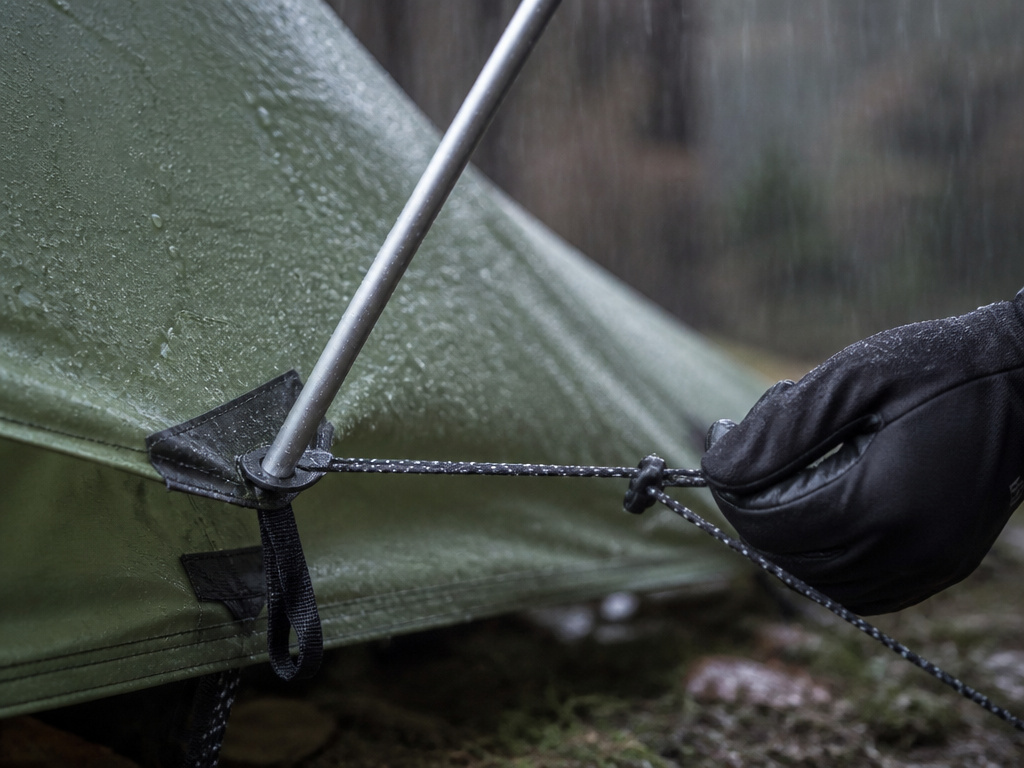
Not all 3-season tents are created equal. Two tents with the same label can perform miles apart in a storm. Here’s what separates a fair-weather flop from a reliable shelter.
First, the rain fly. It should extend close to the ground and have multiple, sturdy guylines. A fly that stops halfway down the tent body is a splash guard, not a storm shield. The best tents for heavy rain have vestibules large enough to stash wet gear without it touching the inner tent.
Ventilation is critical. Look for multiple vents, especially at the top of the fly where hot air escapes. A well-designed vent won’t let in driven rain. The inner tent should be mostly mesh, but some models offer partial solid walls for colder shoulder seasons, a great feature for camping tent sizes meant for early spring or late fall trips.
The pole architecture matters. A geodesic or semi-geodesic design, where poles cross multiple times, is far more stable in wind than a simple dome. Check the pole material. Aluminum alloys like 7001-series or branded ones like DAC Featherlite offer the best strength-to-weight ratio. Fiberglass poles are cheaper, heavier, and more likely to snap.
Finally, details. YKK zippers. Taped seams. Reinforced stress points. These are the hallmarks of a tent that’s been thought through. I’ve had a zipper fail on night three of a wet trip. You remember that.
TL;DR: Prioritize a full-coverage rain fly, a stable pole structure, and strategic ventilation. These features matter more than a fancy brand name.
Can You Use a 3-Season Tent in Winter? The Practical Truth.
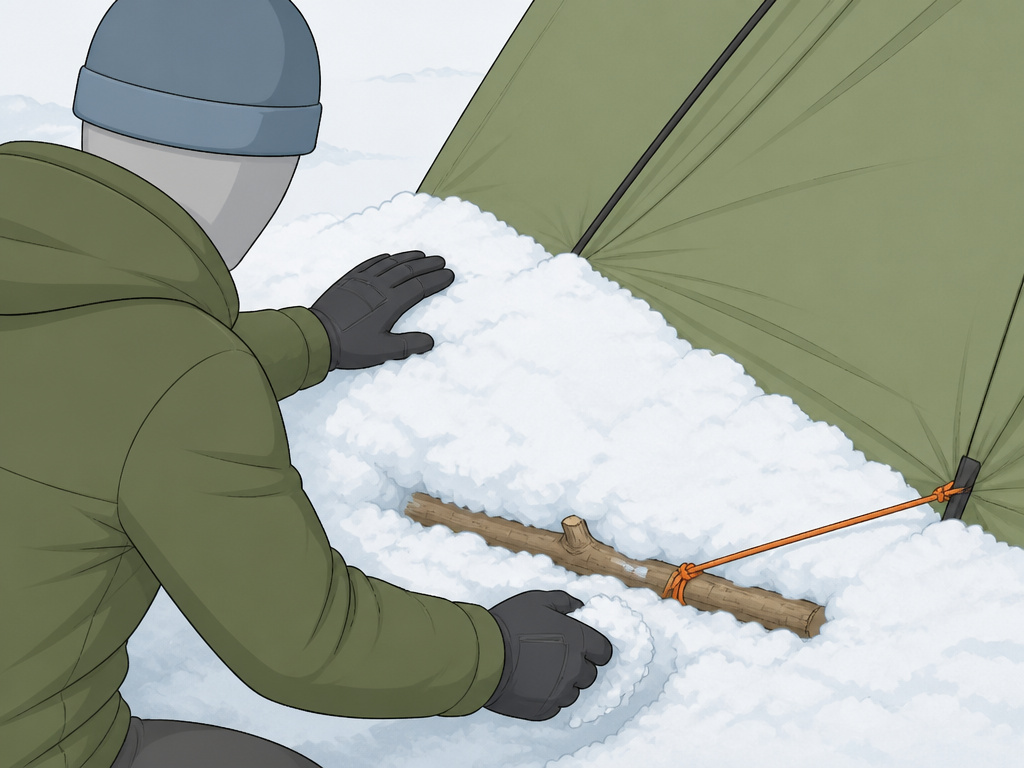
Yes, with strict caveats. This is where the “season” label falls apart completely. I’ve used my trusty 3-season tent on dozens of cold-weather trips. The limiting factor is snow, not temperature.
The YouTube test on a frozen lake proves the point. A standard 3-season tent was staked into snow using deadman anchors (burying stakes horizontally). It held. The steep fly angle helped snow slide off. The creator’s conclusion, after decades of winter camping, is that for most people, a 3-season tent is totally fine.
I don’t own a 4-season tent. I’ve winter camped for 25 years in tents like this. The worst situation? Negative five degrees and high winds. You just knock the snow off in the middle of the night.
Here’s your winter checklist for a 3-season tent:
1. Site Selection: Pitch in the trees, out of the wind. Never on an exposed ridge.
2. Snow Stakes: Bring them. Standard stakes are useless in powder. Deadman stakes or snow anchors are mandatory.
3. Ventilation Management: Crack the vents, even in the cold. Condensation freezes into interior frost, which melts onto your gear when the sun hits the tent.
4. The Snow Wall: If wind is forecast, pile snow around the tent’s windward side to create a ramp that deflects wind over you.
If you expect heavy, wet snow accumulation or are camping in an area prone to avalanches, this approach is reckless. But for a dry, cold night in the woods? Your backpacking tent for couples is probably up to the task. Your sleep system, the bag and pad, is what keeps you warm.
Making the Choice: A Simple Decision Framework
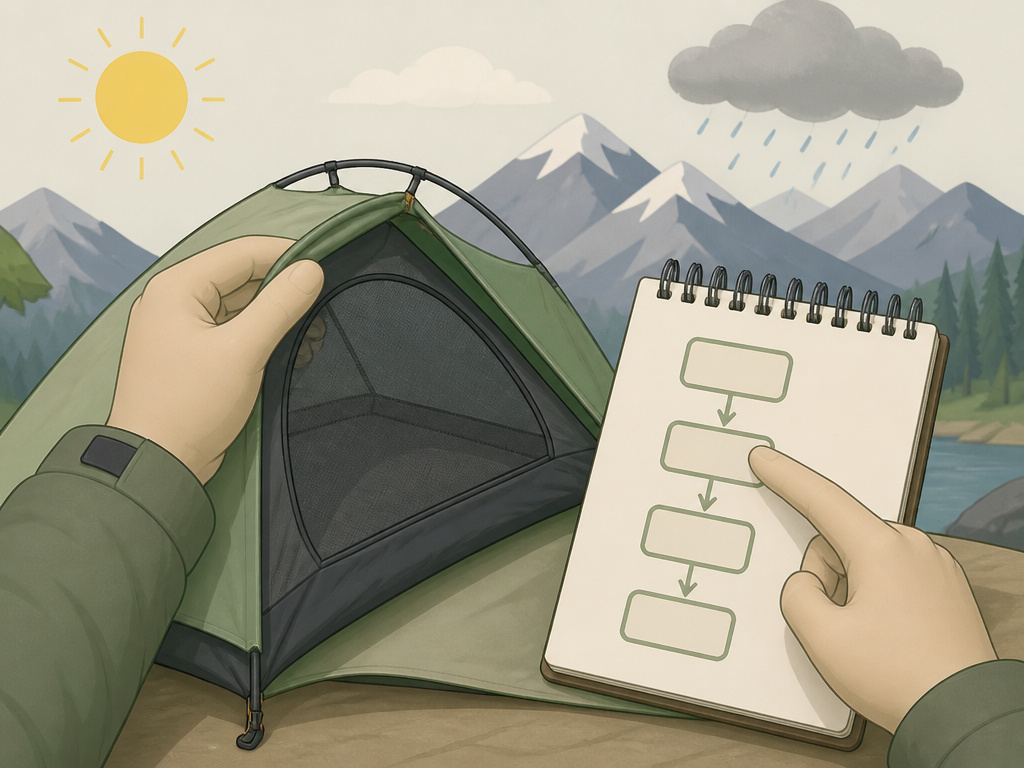
Stop worrying about the label. Ask these four questions in order.
What is the worst weather I realistically expect to camp in?
Be honest. Is it a summer thunderstorm in the Rockies, or a planned January trip above the treeline? Most backpacking fits into the first category. If your answer involves the terms “blizzard,” “whiteout,” or “sustained 50+ mph winds,” you’ve entered 4-season territory.
How much weight am I willing to carry for “just in case” protection?
That 5-pound weight penalty for a 4-season tent is real. For every mile, every uphill climb. For the vast majority of backpacking tent recommendations, minimizing weight is a primary goal. Carrying a tank for a 1% chance of a storm is a classic beginner error.
Do I value airflow or absolute storm integrity more?
This is the condensation trade-off. A 4-season tent with solid walls will be stuffy in summer. A 3-season tent with lots of mesh will be drafty in a cold wind. Since most three-season camping happens in warmer, humid conditions, airflow usually wins.
What does my budget allow?
True 4-season expedition tents are expensive. If you’re choosing between a high-quality 3-season tent and a cheap 4-season one, the 3-season is almost always the smarter buy. The cheap 4-season will be heavy, poorly ventilated, and likely still fail in real extremes.
For paired hiking tents and duo camping shelters, the choice is almost always a robust 3-season model. It’s the versatile workhorse.
Frequently Asked Questions
What’s the difference between a 3-season and 4-season tent?
The difference is design priority. A 3-season tent prioritizes ventilation and light weight for spring through fall. It uses mesh walls and lighter poles. A 4-season tent prioritizes strength and weather protection for severe conditions like heavy snow and high winds. It uses stronger poles, heavier fabric, and minimal mesh.
Can a 3-season tent handle snow?
Yes, but with limits. A 3-season tent can handle light, dry snow that slides off its steep fly. It cannot support the weight of heavy, wet, accumulating snow. For winter camping below the snow line with good weather, a 3-season tent with proper snow stakes is sufficient. For serious snow loading, you need a 4-season structure.
Are 3-season tents waterproof?
Yes, a quality 3-season tent has a waterproof rain fly (rated 1500mm hydrostatic head or higher) and a bathtub-style floor. Its job is to keep rain out. The mesh body is for breathability, not waterproofing. Always seal the seams on a new tent.
Is a 4-season tent warmer than a 3-season tent?
Not directly. A 4-season tent may block more wind and trap slightly more body heat due to its solid walls, but its primary function is structural strength. Warmth comes from your sleeping bag and sleeping pad. A 4-season tent in mild weather will often feel colder due to condensation dampening your bag.
What is a 3-4 season tent?
This is a marketing term for a hybrid or “extended season” tent. It’s typically a robust 3-season tent with slightly fewer mesh panels and stronger poles. It’s a good choice for shoulder seasons (late fall, early spring) or mild winter conditions, but it’s not a true mountaineering shelter.
Before You Go
The label is a suggestion, not a law. A 3-season tent is defined by its balance, enough strength for mountain rain and wind, but light enough that you’ll actually carry it. It’s the right tool for probably 95% of the nights you’ll spend outdoors.
Choose the shelter that matches the worst weather you plan to seek out, not the worst weather you can imagine. For most of us, that means a well-built 3-season tent. Save the 4-season investment for the day you point your boots toward a serious alpine objective. Until then, trust the mesh, appreciate the light weight, and pitch it smartly.
